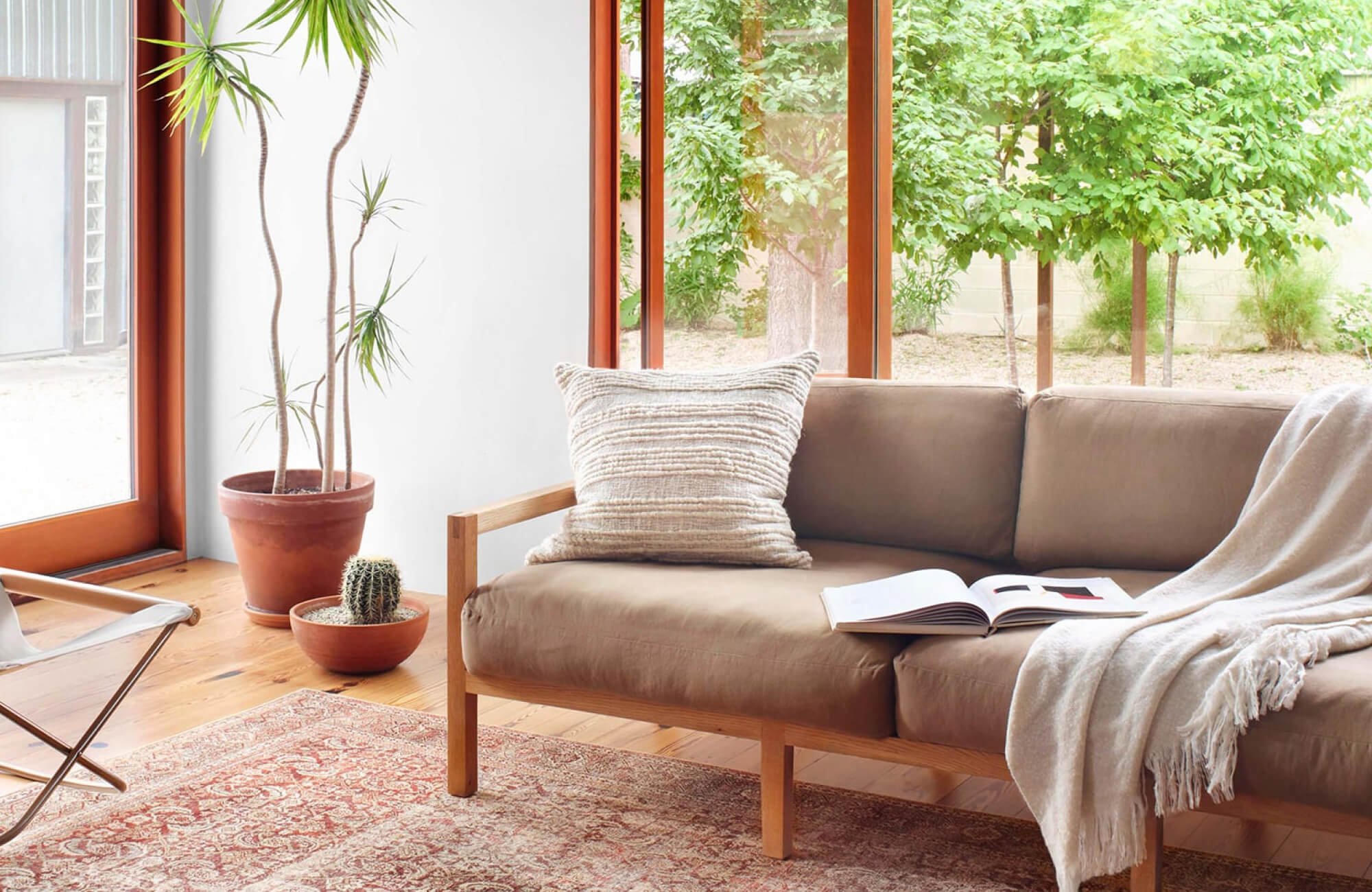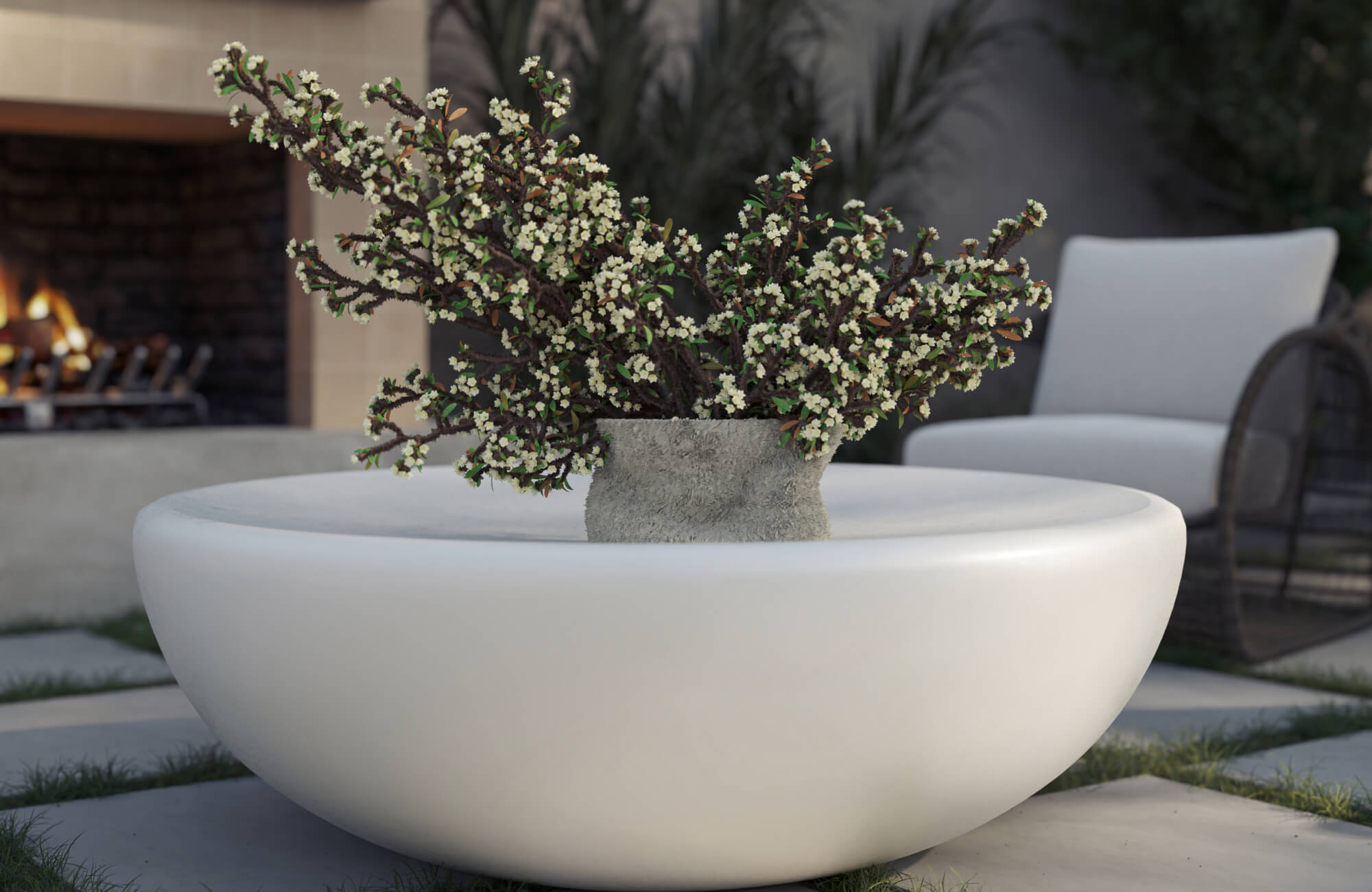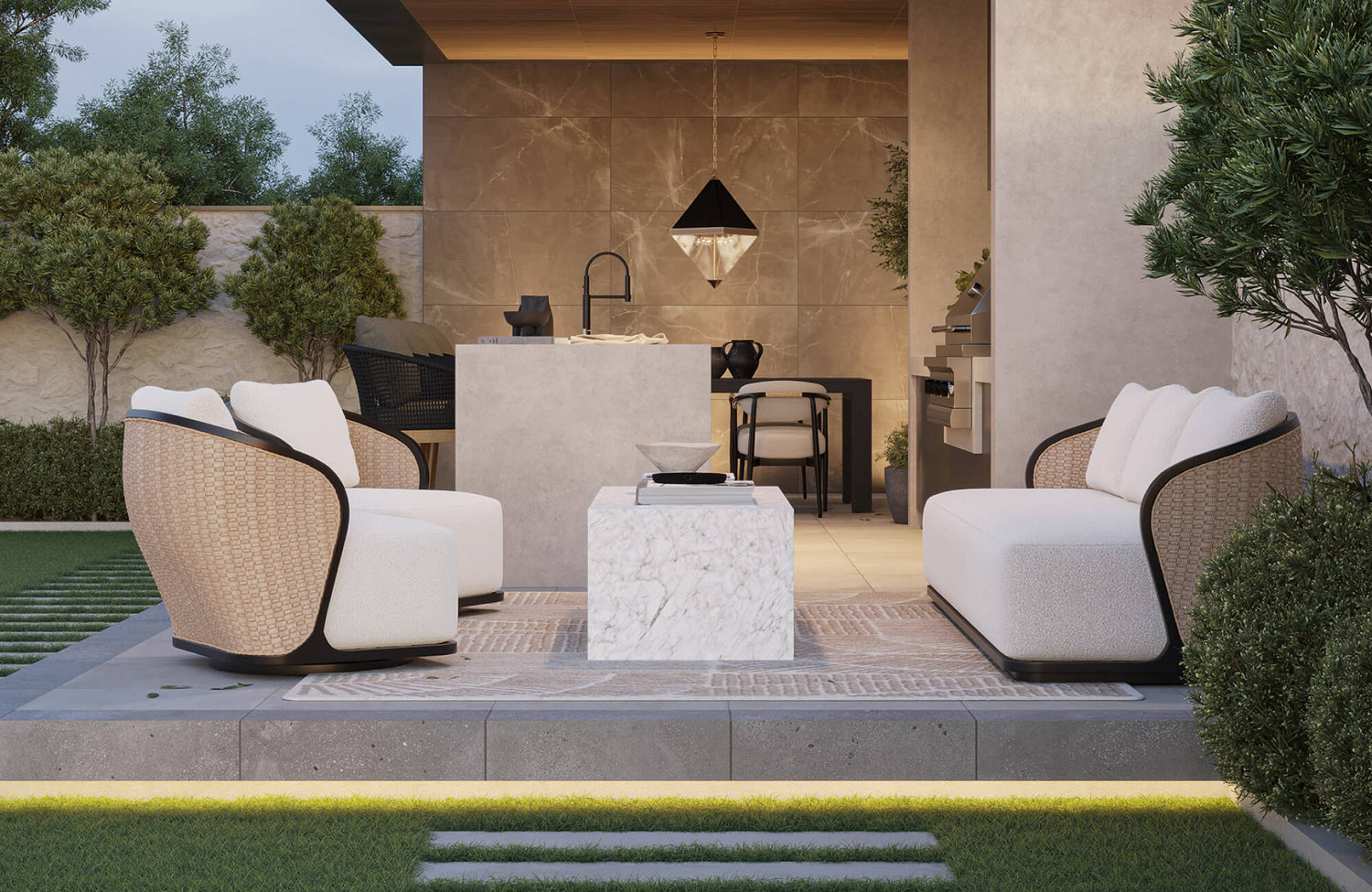
A well-designed outdoor space can feel like a natural extension of your home, offering comfort, warmth, and personality. When you approach it with intention, even a simple patio or small yard can become a place where you naturally want to spend time, whether alone or with others. The key lies in understanding how different elements, such as furniture, lighting, layout, and materials, work together to shape both function and atmosphere. In this article, you will learn how to make thoughtful decisions that enhance comfort, refine visual appeal, and shape an outdoor space that feels both welcoming and enduring.

Creating a Comfortable Foundation
Comfort shapes your first impression of an outdoor space and influences how inviting it feels the moment you step into it. When you pay attention to how your body interacts with the environment, you begin to create a setting that supports relaxation and encourages you to spend more time outdoors.
Choosing Supportive Seating
Seating should do more than look appealing; it needs to support your posture and help you relax without constant adjustments. When you choose deep seating with structured cushions or chairs designed with proper back support, you reduce physical strain and make it easier to stay comfortable for longer periods. The seat’s height and depth also play a role, as they affect how naturally you can sit and stand without effort.
Edward Martin’s Hightide Outdoor Dining Armchair in Stained Aged Grey and Alessi Linen, as featured in the photo above, reflects this balance with its softly curved backrest and streamlined armrests that support the body in a natural, ergonomic way. Its FSC®-certified hardwood frame also provides durability while maintaining a refined outdoor look. It is equally important to consider materials, since breathable fabrics prevent discomfort in warm weather while durable frames ensure stability over time.v
Layering Outdoor Textiles
Hard surfaces can make an outdoor space feel less inviting, so incorporating textiles helps create a softer and more comfortable environment. Outdoor rugs can define and anchor the seating area, making the layout feel more cohesive and intentional. Cushions and throws can further enhance comfort while adding warmth, making the space feel more relaxed and inviting. These elements also give you flexibility, allowing you to adjust colors, textures, or thickness based on the season. Over time, this approach helps you maintain a fresh and inviting atmosphere without changing the main furniture pieces.
Defining Functional Zones
Even a compact outdoor area benefits from a clear sense of structure, as it keeps the space organized and intentional. You can arrange seating to form a conversation area, then add a small table nearby to support everyday use, such as holding drinks or books. Creating subtle separation between areas, even without physical barriers, helps guide how the space is used. This layout encourages natural movement, allowing you to shift between activities without disrupting the flow. Each section serves a purpose while the overall space remains open and easy to use.

Using Lighting to Build Warmth
Lighting plays a key role in how your outdoor space feels after sunset, shaping both its atmosphere and how easily you can use it. By layering different types of lighting, you can create a balanced setting that feels calm, comfortable, and functional without becoming too harsh or too dim.
Adding Ambient String Lights
String lights are one of the most effective ways to create a soft, consistent glow that instantly makes your outdoor space feel more relaxed. When you place them across pergolas, railings, or along the edges of your space, they help define the area without adding physical barriers. This subtle framing effect draws your attention inward, making the space feel more intimate. Choosing warm-toned bulbs further enhances this atmosphere by reflecting the kind of lighting you typically associate with indoor comfort. Over time, this simple addition can shift the overall mood of your outdoor area, especially in the evening.
Incorporating Layered Light Sources
Relying on a single light source often creates uneven brightness, making parts of your outdoor space feel too dark while others appear overly bright. By combining multiple lighting options, you create a more balanced and comfortable environment. You can place lanterns near seating areas for close-range illumination, use solar lights to guide pathways, and install wall-mounted fixtures for broader coverage. This layered setup helps reduce sharp contrasts and improve visibility without overwhelming the space. It also allows you to adjust lighting levels depending on how you use the area at different times.
Highlighting Key Features
Strategic lighting allows you to draw attention to the most important elements within your outdoor space. By directing light toward seating areas, plants, or architectural details, you create visual focal points that enhance the overall design. For instance, Edward Martin’s Wilder Exterior Wall Sconce in Textured Black, as shown in the photo featured above, frames the fireplace and surrounding greenery with a warm, focused glow that subtly highlights these key features. This approach adds depth, making the space feel more dynamic rather than flat or uniform. It also helps establish a natural flow, guiding your eyes from one area to another while reinforcing a sense of structure. With careful placement, lighting becomes both functional and decorative, reinforcing a sense of intention throughout the space.

Bringing in Natural Elements
Natural elements play an important role in making your outdoor space feel more grounded and connected to its surroundings. When you incorporate greenery and organic materials, you create a setting that feels calm, balanced, and easy to enjoy without relying on overly complex design choices.
Adding Lush Greenery
Plants can bring texture, variation, and a sense of life into your outdoor space, making it feel more engaging and comfortable. When you combine different plant heights and varieties, you avoid a flat or uniform appearance and create a more layered visual effect. Placing taller plants along the edges helps frame the area, while smaller plants closer to seating soften the immediate surroundings. It is also important to select low-maintenance options that suit your climate, so the space remains easy to care for over time. With the right balance, greenery becomes both a visual feature and a natural way to enhance comfort.
Using Natural Materials
Incorporating materials such as wood, stone, or woven fibers helps create a stronger connection between your outdoor space and its natural surroundings. These materials introduce subtle texture and warmth, which makes the area feel more grounded and less artificial. For example, Edward Martin’s Marlow 24x48 Chiseled Porcelain Tile in Titanium, as shown in the photo featured above, reflects this approach by mirroring the natural flow of stone beneath a refined linear-etched finish, adding depth without overpowering the design.
Over time, materials like these develop character while maintaining their visual appeal, especially when paired thoughtfully with surrounding elements. When you use them consistently across furniture and decor, the design feels more unified and intentional. This approach allows the space to evolve naturally while maintaining a cohesive look.
Introducing Water Features
Water features introduce a sensory element that goes beyond visual design, helping your outdoor space feel calming and immersive. The gentle sound of moving water creates a consistent background that softens sudden or distracting noises. Even a small fountain or water bowl can make a noticeable difference in how the space feels, especially during quiet moments. This feature works particularly well in areas where surrounding noise might otherwise interrupt the atmosphere. By introducing water in a simple and controlled way, you can further enhance relaxation without overwhelming the space.

Enhancing Privacy and Enclosure
A cozy outdoor space often benefits from a sense of gentle enclosure, helping you feel more at ease and less exposed to the surroundings. By introducing elements that define boundaries, you can create a more intimate and comfortable environment while still maintaining an open, airy feel.
Installing Outdoor Screens
Screens provide a practical way to limit unwanted views while still allowing light and air to pass through. By selecting materials such as wood panels, metal frames, or outdoor fabric, you can easily adjust the level of coverage and openness in your space. This flexibility allows you to tailor the setup to your surroundings while achieving the level of privacy you need. Additionally, screens can help define the edges of your outdoor area, giving it a more structured and intentional layout. In spaces where homes are close together, this addition can significantly improve comfort and ease of use.
Using Plants as Barriers
Plants offer a natural way to create separation without making the space feel restricted or enclosed. For example, tall potted plants, shrubs, or hedges can create a visual boundary while maintaining a soft and welcoming atmosphere. In contrast to solid dividers, greenery allows for subtle movement and variation, which helps the space feel more open and less rigid. In addition, you can adjust their placement over time, making this approach more flexible than fixed structures. Because of this, plants become a practical option when you want added privacy without losing a relaxed, natural feel.
Adding Overhead Structures
Overhead structures such as pergolas or shade sails can help define your outdoor space by providing coverage. This creates a ceiling-like effect, making the area feel more contained and comfortable without fully closing it in. At the same time, these elements provide shade, which improves usability during warmer parts of the day. They also offer an opportunity to layer additional features, such as lighting or climbing plants, to enhance the overall design. With the right structure, your outdoor space begins to feel more like an extension of your indoor living area.

Personalizing with Decor and Details
Once the structure of your outdoor space is in place, it is the smaller details that bring it to life. By adding personal touches, you create a setting that reflects your preferences and feels more connected to how you use and enjoy the space.
Displaying Decorative Accents
Adding decor such as outdoor art or small sculptures introduces character without overwhelming the space. For instance, when you place these accents near seating areas or along pathways, they naturally draw attention and create subtle focal points. In this way, you guide how the space is experienced without disrupting its overall flow. At the same time, keeping your selections intentional prevents the area from feeling cluttered or overly styled. As a result, these details help the environment feel curated and thoughtfully arranged rather than purely functional.
Using Color Thoughtfully
A consistent color palette helps bring together different elements within your outdoor space, creating a sense of visual order. By repeating similar tones across cushions, planters, and accessories, you establish a cohesive look that feels deliberate. Introducing slight variations in shade or texture also prevents the space from appearing flat. This balance allows you to maintain harmony while still adding depth and interest. Over time, a well-chosen color scheme helps the space feel more settled and visually connected.
Adding Seasonal Elements
Updating small details throughout the year keeps your outdoor space feeling current and engaging. For example, you can switch out textiles or introduce seasonal plants that reflect changes in weather and atmosphere. In turn, these adjustments allow you to refresh the space without making major changes to the overall setup. Additionally, seasonal updates give you the flexibility to adapt the space based on how you use it at different times of the year. This approach keeps the environment dynamic while maintaining its core structure.

Making the Space Functional for Gatherings
An inviting outdoor space should adapt to a range of activities, from quiet relaxation to casual gatherings. When you think about how you plan to use the space, you can make more intentional choices that support both flexibility and everyday comfort.
Including Flexible Seating Options
Additional seating allows your outdoor space to accommodate more people without feeling crowded or disorganized. For example, benches, stools, or stackable chairs can be stored easily and brought out only when needed. In a well-planned setup, as shown in the photo above, Edward Martin’s Elysia Sofa offers a comfortable place to lounge. At the same time, the Vetra Armless Dining Chair provides a streamlined option for dining without adding visual bulk. This balance helps keep the layout open while ensuring the space remains ready for gatherings. In addition, having a mix of seating styles makes the area feel more adaptable and easy to use.
Setting Up a Simple Dining Area
Even a small table can change how you use your outdoor space by giving it a clear function. It creates a dedicated spot for meals, drinks, or even light tasks like reading or working. When you place it close to your main seating area, it helps connect different activities without interrupting the flow of the space. This setup also encourages you to use the outdoor area more often for everyday routines. As a result, the space becomes more practical while still feeling relaxed and inviting.
Adding Convenience Features
Small additions, such as side tables or storage units, can significantly improve how your outdoor space functions. By keeping items like drinks, books, or outdoor accessories within reach, you reduce the need to go back and forth indoors. This not only saves time but also helps you stay more engaged with the space. In addition, having designated spots for essentials keeps the area organized and easy to maintain. With these practical features in place, your outdoor space becomes more self-sufficient and comfortable to use.
Making Your Outdoor Space Feel Truly Cozy and Inviting
To make your outdoor space feel cozy and more inviting, focus on how each element works together to support comfort, function, and personal style. When you thoughtfully arrange seating, introduce balanced lighting, incorporate natural elements, and add meaningful details, the space begins to feel more welcoming and easier to use. Each choice you make should enhance both how the space looks and how it feels in everyday use. As these elements come together, your outdoor area becomes a place where you feel comfortable spending time, whether you are relaxing on your own or sharing it with others.
If you are unsure where to start, a design service can help you choose the right outdoor furniture, layout, and materials for a cohesive result. You can also contact us for personalized recommendations to create a space that feels both inviting and well-planned.