Throw pillows are often the smallest elements in a living room, yet they have the greatest power to transform a sofa from basic to beautifully styled. With the right combination of shape, scale, texture, and color, a simple seating area can feel layered, welcoming, and thoughtfully curated. On the other hand, without a clear approach, even the most beautiful pillows can create visual clutter and disrupt the harmony of the space.
So, how do you make decorative pillows look good on a sofa? The answer lies in understanding a few foundational design principles and applying them with intention. From structured layering and balanced proportions to pattern mixing and color strategy, this article will walk you through the techniques professionals use to create arrangements that feel cohesive, elevated, and effortlessly stylish.

Layering
Great pillow styling starts with structure, not color. Before you think about patterns or textures, you need to build a layered foundation that gives your sofa height, depth, and dimension. When arranged correctly, your pillows should guide the eye naturally from back to front and from large to small, creating a polished and intentional look.
Anchor and Pivot Method
Position your largest pillows at the back corners of the sofa. These anchor pillows visually connect the arms to the backrest and establish the maximum height of your arrangement. Because they frame the entire setup, they should feel substantial and well-filled rather than flimsy. This first step instantly gives your sofa structure and prevents the rest of the pillows from looking randomly placed.
Once your anchors are in place, layer slightly smaller pillows, such as our Merelle 13" x 21" Down Pillow in Olive in front and shift them subtly inward toward the center. This pivot creates a cascading effect that adds depth and movement. Instead of lining everything up flat against the backrest, allow the pillows to overlap slightly so there are no awkward gaps. As a result, the arrangement feels cohesive and thoughtfully composed rather than stiff or disconnected.
Breaking Symmetry
Although symmetrical pillow arrangements feel safe and traditional, they can sometimes appear overly formal or predictable. To create a more modern and relaxed atmosphere, you can intentionally break symmetry while still maintaining balance. For example, placing a fuller grouping on one side and a lighter arrangement on the other encourages the eye to travel across the sofa.
However, asymmetry only works when the overall visual weight remains balanced. If one side of your sofa sits next to a bulky side table or floor lamp, you should compensate on the opposite side with a slightly heavier pillow cluster. By doing this, you create harmony without rigid mirroring. Ultimately, this controlled imbalance makes your sofa feel curated, inviting, and effortlessly stylish rather than staged.

Proportional Sizing and Shape Dynamics
When every pillow on your sofa is the same size and shape, the entire arrangement can feel flat and predictable. By varying dimensions and silhouettes, you introduce rhythm, movement, and a sense of intention. Mixing squares with rectangular and curved forms instantly makes your sofa look layered rather than one-dimensional.
Lumbar
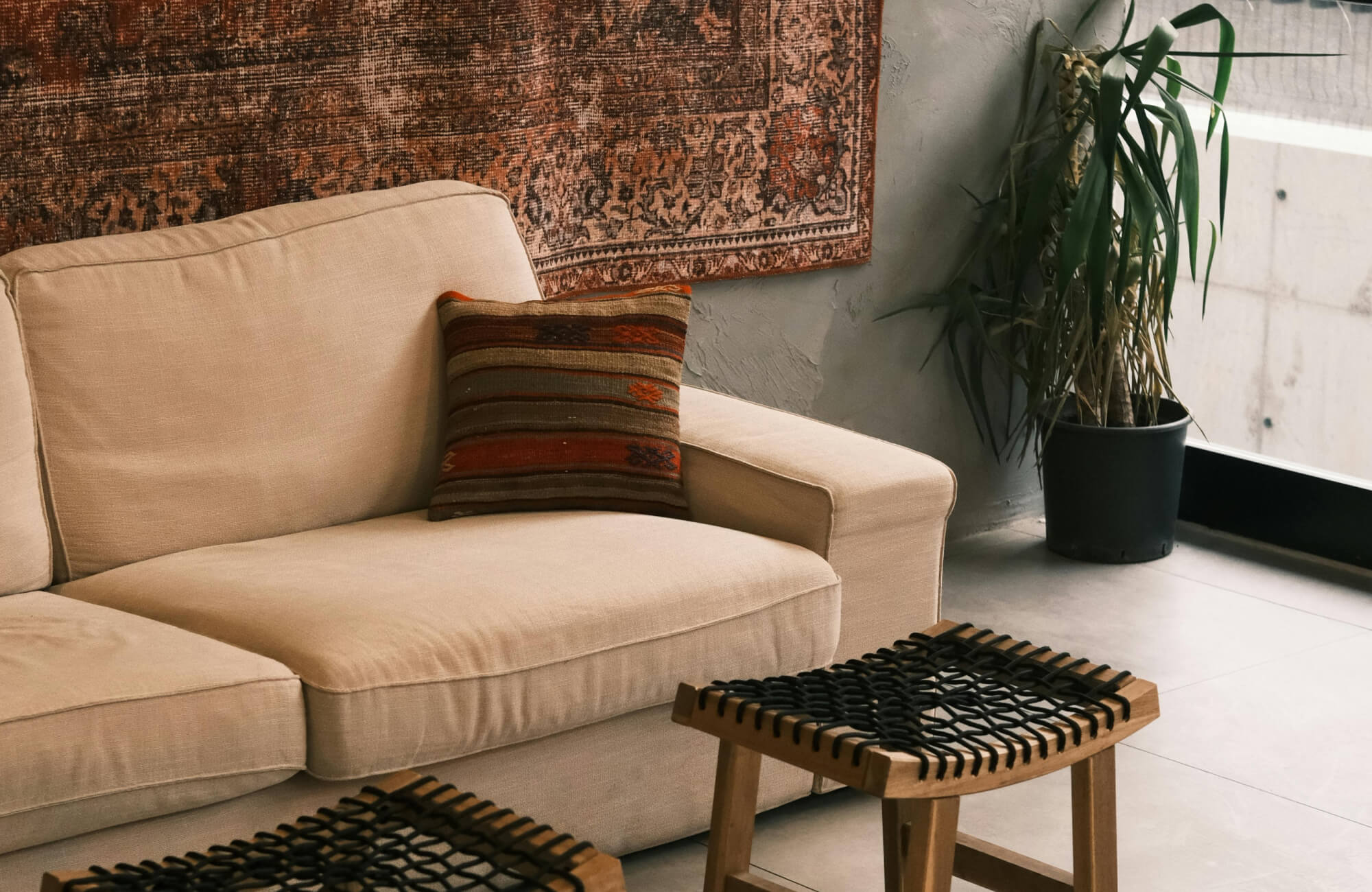
A lumbar pillow changes the visual direction of your arrangement by introducing a strong horizontal line. Although square pillows build height and structure, a rectangular lumbar cuts across that vertical emphasis, creating contrast and balance. Placing one in the center of the sofa naturally draws the eye inward, while layering it in front of a larger square adds depth and refinement. For example, our Merelle 13" x 21" Down Pillow in Tan offers a warm neutral tone and tailored silhouette that anchors lighter upholstery beautifully. Its elongated shape provides that essential horizontal break, while the soft tan hue complements both creamy sofas and darker accent pillows, much like the balanced composition shown above.
Beyond its visual appeal, the lumbar pillow also enhances comfort. If your sofa has deep seating, you can use it to provide proper lower back support without disrupting the aesthetic. As a result, your styling doesn’t just look intentional—it feels functional. This combination of beauty and practicality is what elevates a pillow arrangement from decorative to thoughtfully designed.
Round and Bolster Accents
If your sofa features clean lines and sharp angles, incorporating a round or cylindrical pillow can soften the overall look. Curved shapes break up the repetition of squares and introduce a subtle sense of movement. Even a single rounded accent can prevent the arrangement from appearing overly rigid or structured.
In addition, these organic shapes create a gentle visual contrast that feels curated rather than matchy. When you alternate between structured squares and softer forms, your sofa gains dimension and personality. This interplay of geometry ensures the final composition feels balanced, dynamic, and effortlessly polished.

Pattern Mixing
Mixing patterns on a sofa is not about guesswork; it is about scale and balance. When prints are chosen randomly, they compete for attention and create visual noise. However, when you vary pattern sizes intentionally, you introduce energy while still maintaining cohesion.
Scale Trifecta
To create a balanced arrangement, you should combine three distinct pattern scales. Start with one large-scale print that acts as the focal point and immediately draws attention. This could be a bold floral, an oversized geometric, or an expansive abstract design that sets the tone for the entire sofa.
Next, introduce a medium-scale pattern that supports the focal print without overpowering it. Because its motifs are smaller and more repetitive, it adds structure and rhythm. A piece like our Brielle 18'' x 18'' Down Pillow in Natural / Green, for instance, brings subtle pattern and organic color into the mix, reinforcing the overall palette while maintaining visual balance. Finally, ground the arrangement with either a small-scale pattern or a solid fabric. This quieter element gives the eye a place to rest, ensuring the overall look feels dynamic yet controlled. By clearly separating these scales, you also allow each pillow to stand out while still working as part of a cohesive whole.
Unifying Through a Common Thread
Even when you mix different styles, cohesion comes from color consistency. To achieve this, choose one shared hue that appears in every pillow, even if it shows up in varying amounts. This bridge color subtly links bold prints with quieter patterns and prevents the arrangement from feeling disconnected.
For example, a dominant tone in your largest pillow can reappear as a subtle accent in a smaller print or as the main color of a solid cushion. Because the eye naturally recognizes repeated color, the entire composition feels unified. As a result, you can confidently combine stripes, florals, or geometrics while maintaining a polished and intentional finish.

Textural Contrasts and Material Weight
Texture is what transforms a good pillow arrangement into a luxurious one. Even if your colors are perfectly coordinated, a sofa covered in fabrics with the same finish can feel flat and uninspired. By mixing materials intentionally, you add visual depth and create an inviting, touchable layer of dimension.
Pairing Rough Weaves with Liquid Sheens
One of the most effective ways to elevate your sofa styling is by balancing matte textures with subtle sheen. When you place a textured material like our Marisette 12" x 27" Down Pillow in Black or a bouclé pillow next to velvet or silk, you create contrast through light interaction. Matte fabrics absorb light and feel grounded, while reflective fabrics catch light and add softness and glow. This contrast prevents your arrangement from looking one-note.
Additionally, the difference in surface texture enhances the overall richness of the sofa. Even within a neutral palette, combining rough and smooth finishes keeps the eye engaged. As a result, your pillow styling feels layered and intentional rather than overly coordinated or flat.
Seasonal Fabric Rotation
Another way to keep your sofa looking fresh is by adjusting fabric weight with the seasons. During warmer months, lighter materials such as cotton and linen create an airy, breathable look that complements brighter light and warmer temperatures. These fabrics reduce visual heaviness and help your space feel open and relaxed.
As the weather cools, you can transition to heavier textiles like velvet, wool blends, or faux fur. These denser materials visually warm the room and add a sense of coziness. By rotating textures throughout the year, you also maintain visual interest while subtly aligning your sofa with the mood of each season.

Inner Fill and the Luxury of the Chop
What’s inside your pillow matters just as much as the fabric on the outside. Even the most beautiful cover will fall flat if the insert lacks structure, loft, and resilience. When you choose the right fill, your entire sofa instantly looks fuller, more polished, and more expensive.
Down versus Synthetic Loft
If you want a plush, tailored appearance, opt for high-quality feather-down or a premium down-alternative insert. These fills provide weight and flexibility, allowing the pillow to hold its shape while still looking soft and inviting. In contrast, low-density polyester inserts often appear stiff or deflated, which can undermine even the most thoughtfully styled arrangement.
Equally important is selecting the correct insert size. Choosing an insert that is slightly larger than the pillow cover ensures the corners are fully filled, and the edges remain crisp. This extra fullness also creates tension within the fabric, preventing sagging and helping your pillows maintain a structured, high-end silhouette over time.
Mastering the Karate Chop
Once your pillows are properly filled, shaping becomes the finishing touch. The subtle indentation known as the “karate chop” introduces softness by breaking up the rigid square outline. This small detail adds dimension and creates natural shadowing that enhances texture.
However, the chop only works if your insert has enough flexibility and loft to hold the shape. Feather-down and high-quality alternatives respond well to gentle shaping, allowing you to create that relaxed yet refined look. When done correctly, this final adjustment signals intention and transforms a simple pillow arrangement into a designer-level display.

Color Theory and Mood Calibration
Decorative pillows give you one of the easiest ways to shift the mood of your living room without repainting walls or replacing furniture. By applying simple color theory principles, you can instantly influence how your space feels, whether you want it vibrant and energetic or calm and restorative.
Complementary High Energy Styles
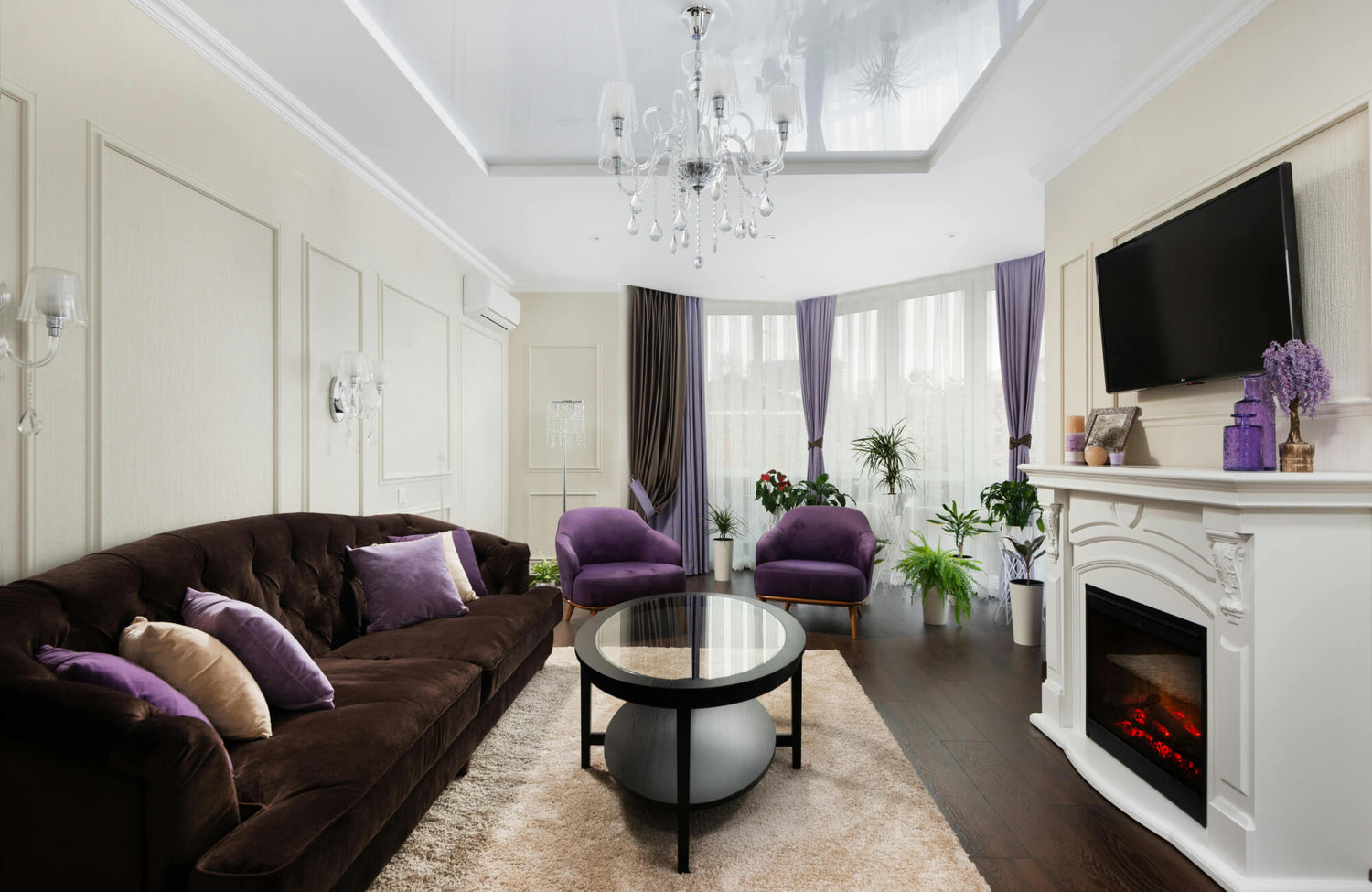
If you want your sofa to feel bold and lively, consider using complementary colors. These are hues that sit opposite each other on the color wheel, such as navy and burnt orange or teal and coral. Because they naturally contrast, they create visual tension that feels dynamic and attention-grabbing. To bring this concept to life, consider incorporating our Merelle 13" x 21" Down Pillow in Orange. Its saturated orange hue delivers a confident pop of warmth against cooler tones, while the tailored lumbar silhouette adds a refined, structured layer to the composition.
However, balance is key. Instead of splitting the colors evenly, allow one shade to dominate while the other acts as an accent. This approach keeps the look intentional rather than overwhelming. When used thoughtfully, complementary tones inject personality and movement into your sofa, making the entire room feel more social and energized.
If you prefer a softer and more tranquil atmosphere, analogous colors offer a seamless solution. These hues sit next to each other on the color wheel, such as sage, olive, and deep green, or soft blue, slate, and navy. Because they share undertones, they transition naturally from one pillow to the next. To prevent the arrangement from looking flat, vary the lightness and depth of the colors you choose. Mixing lighter and darker versions of similar tones adds subtle dimension while maintaining harmony. As a result, your sofa feels cohesive and calming, creating a space that invites relaxation rather than stimulation. Making decorative pillows look good on a sofa ultimately comes down to intentional design choices. When you layer with structure, vary shapes and sizes, balance patterns by scale, mix textures for depth, invest in quality inserts, and choose colors with purpose, the entire arrangement feels cohesive and refined. Rather than piling on pillows, you are composing a visual story where each piece has a role. As a result, your sofa becomes more than a functional seat. It becomes a polished focal point that feels inviting, balanced, and thoughtfully styled. If you would like personalized guidance in refining your space, our team is ready to help. Whether you have questions about selecting complementary materials, coordinating finishes, or achieving a cohesive look throughout your space, reaching out for expert insight can bring clarity and confidence to your design decisions. By connecting with knowledgeable professionals, you can also ensure that every element, from foundational furnishings to the final decorative accents, works together seamlessly to create a living space that feels intentional, elevated, and distinctly yours.Analogous Serenity
Designing a Sofa That Feels Collected, Not Cluttered