
)
)
)
)
)
)
)
)
How To Make A Black Backsplash Work In A Small Kitchen
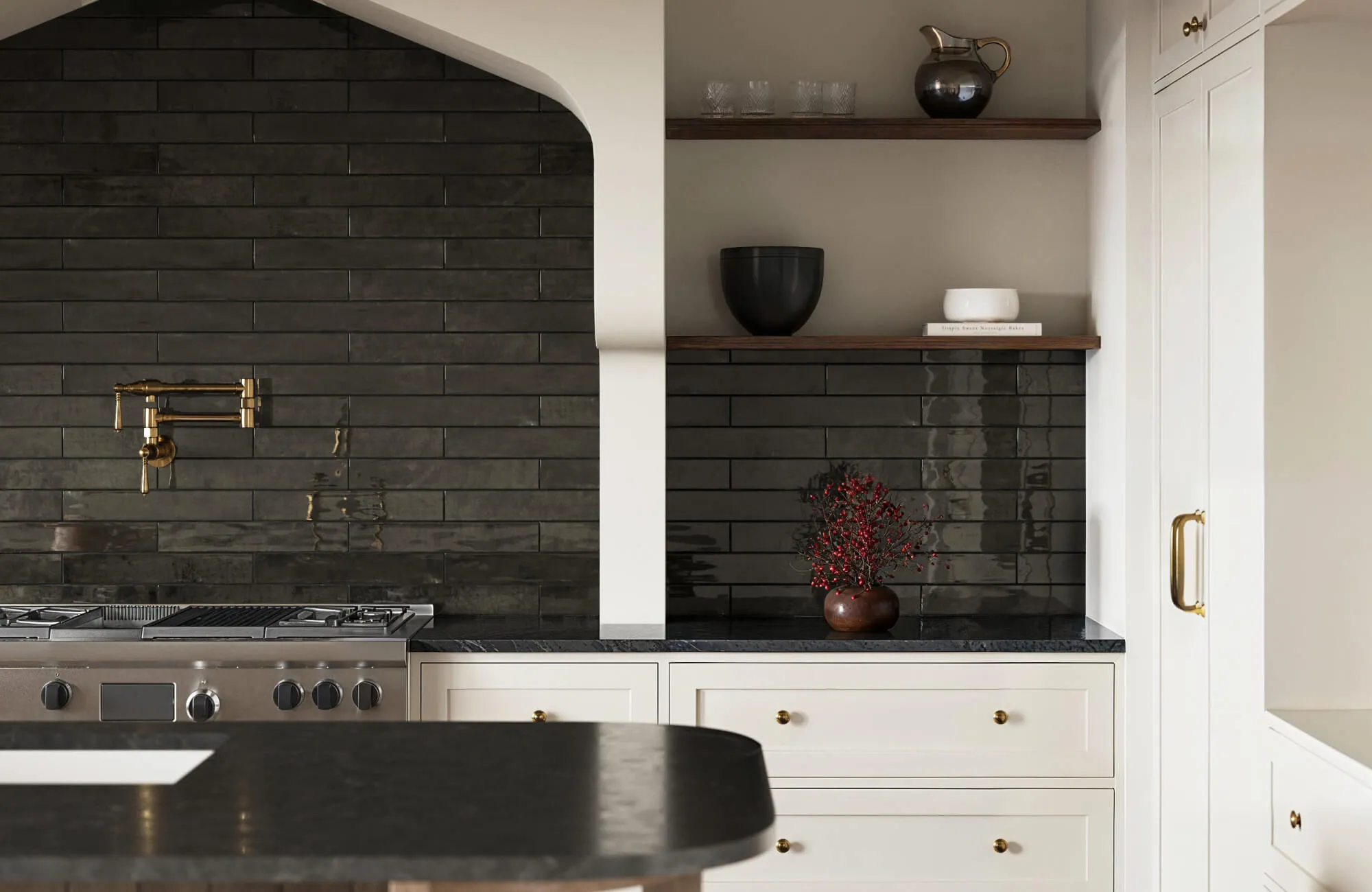
Black backsplashes often get overlooked in small kitchens, but they can add more than just contrast; they bring depth, definition, and a refined sense of style when used thoughtfully. The key isn’t avoiding dark tones, but learning how to work with them. From material choices to layout and lighting, small design decisions can shape how black tiles feel in tight spaces. This guide walks through what makes black backsplashes succeed in compact kitchens, and how to make them feel balanced, not heavy. If your space is small but your style is bold, black might be exactly what your kitchen needs.
Why Black Backsplashes Can Feel Tricky in Small Kitchens
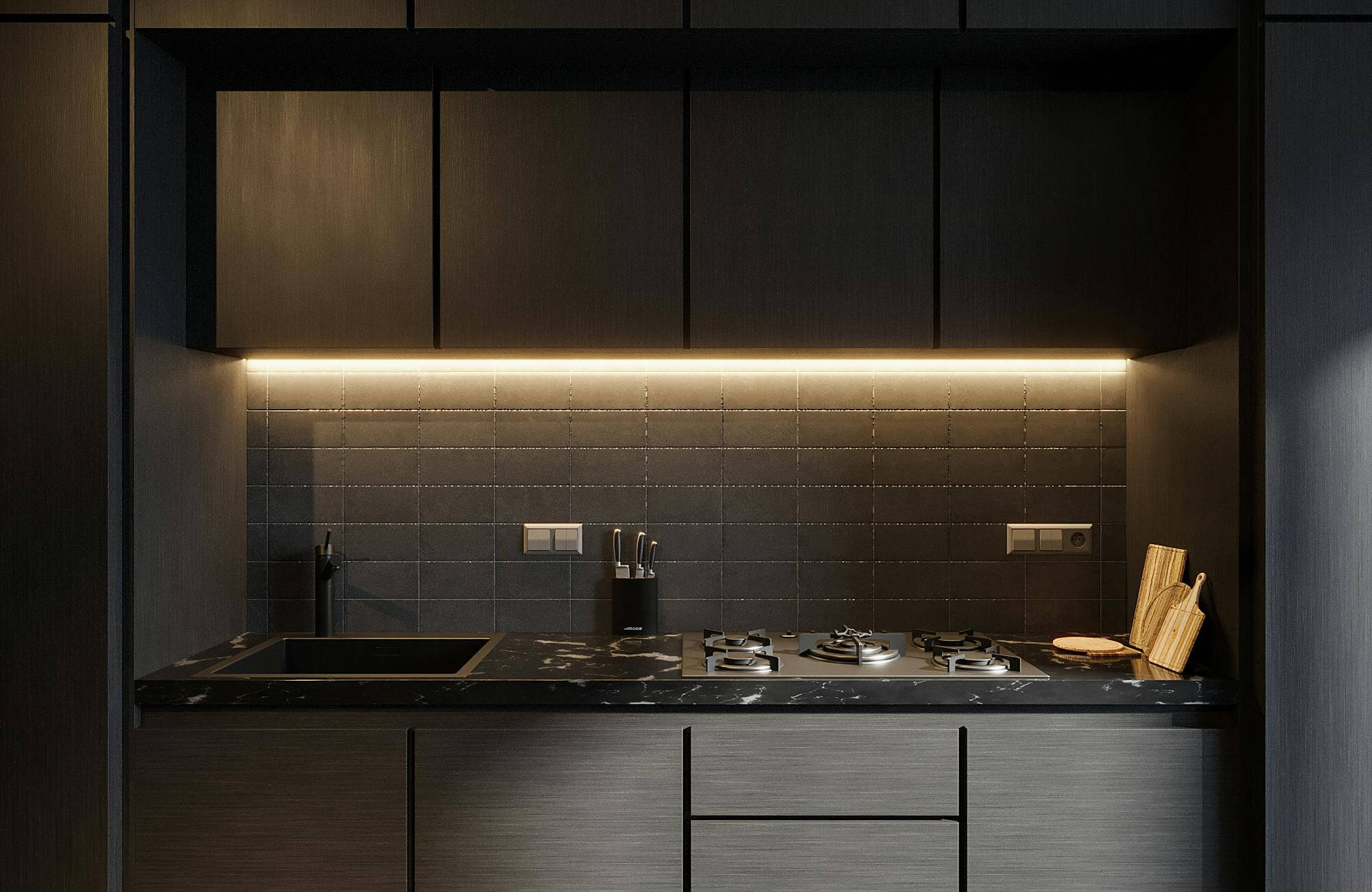
Black is bold, dramatic, and undeniably stylish—but in small kitchens, it tends to raise eyebrows. Many homeowners fear it will make the space feel darker, tighter, or too intense for daily use. These concerns aren’t unfounded; darker tones absorb more light, which can shrink the feel of an already compact room. If paired with heavy materials or dim lighting, black backsplashes can easily overwhelm rather than ground the design. It’s why some avoid them altogether, sticking to lighter, "safer" options.
But black doesn’t have to be off the table for small spaces. When used strategically, it can actually make the room feel more refined and intentional. The key is knowing how to balance it; choosing the right tile material, pairing it with lighter elements, and layering in enough light to prevent visual weight. Instead of dominating, the backsplash becomes a focal point that adds depth and clarity. Black when used well is less about being bold for boldness’ sake and more about shaping contrast and mood.
That’s where thoughtful design makes all the difference. From tile gloss to grout color and cabinet pairing, each detail affects how the black reads in the space. A few smart choices can turn something intimidating into a surprisingly versatile design tool. Throughout the rest of this guide, we’ll walk through what those choices look like—so black feels elegant, not overpowering. If your kitchen is small but your design goals are big, black may be more of an ally than you think.
What Makes a Black Backsplash Feel Balanced, Not Heavy
A black backsplash doesn’t have to weigh down your place if the surrounding elements are chosen with intention. The right supporting features; like lighter finishes, strategic lighting, or tile texture can create contrast and openness without sacrificing the drama black brings. Below, we’ll look at smart ways to keep your backsplash feeling bold yet balanced.
Pairing With Light Cabinets and Countertops
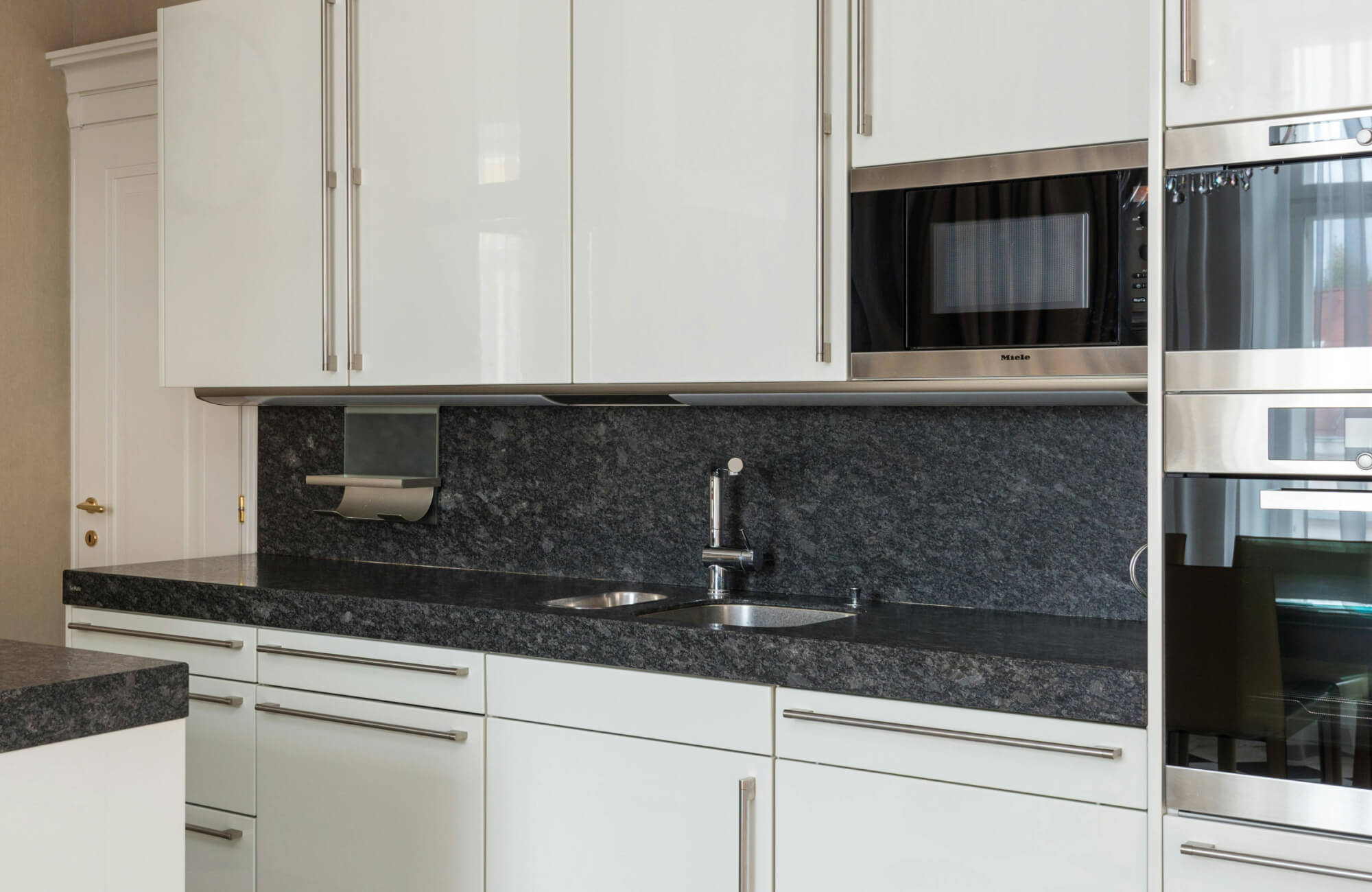
One of the simplest ways to balance black is by surrounding it with brighter tones. White, soft gray, or light wood cabinetry helps offset the depth of a dark backsplash, creating a contrast that feels crisp rather than closed-in. The same goes for countertops; marble or quartz surfaces in creamy tones can reflect more light and give your kitchen breathing room. This approach allows black to serve as a dramatic accent without making the entire space feel enclosed. It also helps maintain a clean, cohesive flow from the upper cabinets to the counter.
Using Glossy or Reflective Surfaces
A shiny surface can make all the difference when working with darker colors. Glossy black tiles reflect both natural and artificial light, helping soften their depth and prevent the space from feeling flat. Even subtle finishes, like a satin glaze or a slightly mirrored texture, can visually lift the surface. These finishes also add sophistication, giving the backsplash a sleek, contemporary edge. It’s a great solution when you want the richness of black without the heaviness.
Adding Under-Cabinet Lighting
Under-cabinet lighting works double duty in small kitchens; it brightens up the work zone and helps showcase your backsplash without casting shadows. LED strips or puck lights installed beneath upper cabinets wash the wall with warm or cool light, depending on the bulb temperature. This creates dimension and keeps the black surface from fading into darkness. It also highlights any texture or sheen in the tile, adding subtle movement and visual interest. With the right lighting, black can become a design feature, not a background.
Choosing Smaller Tile Formats or Borders
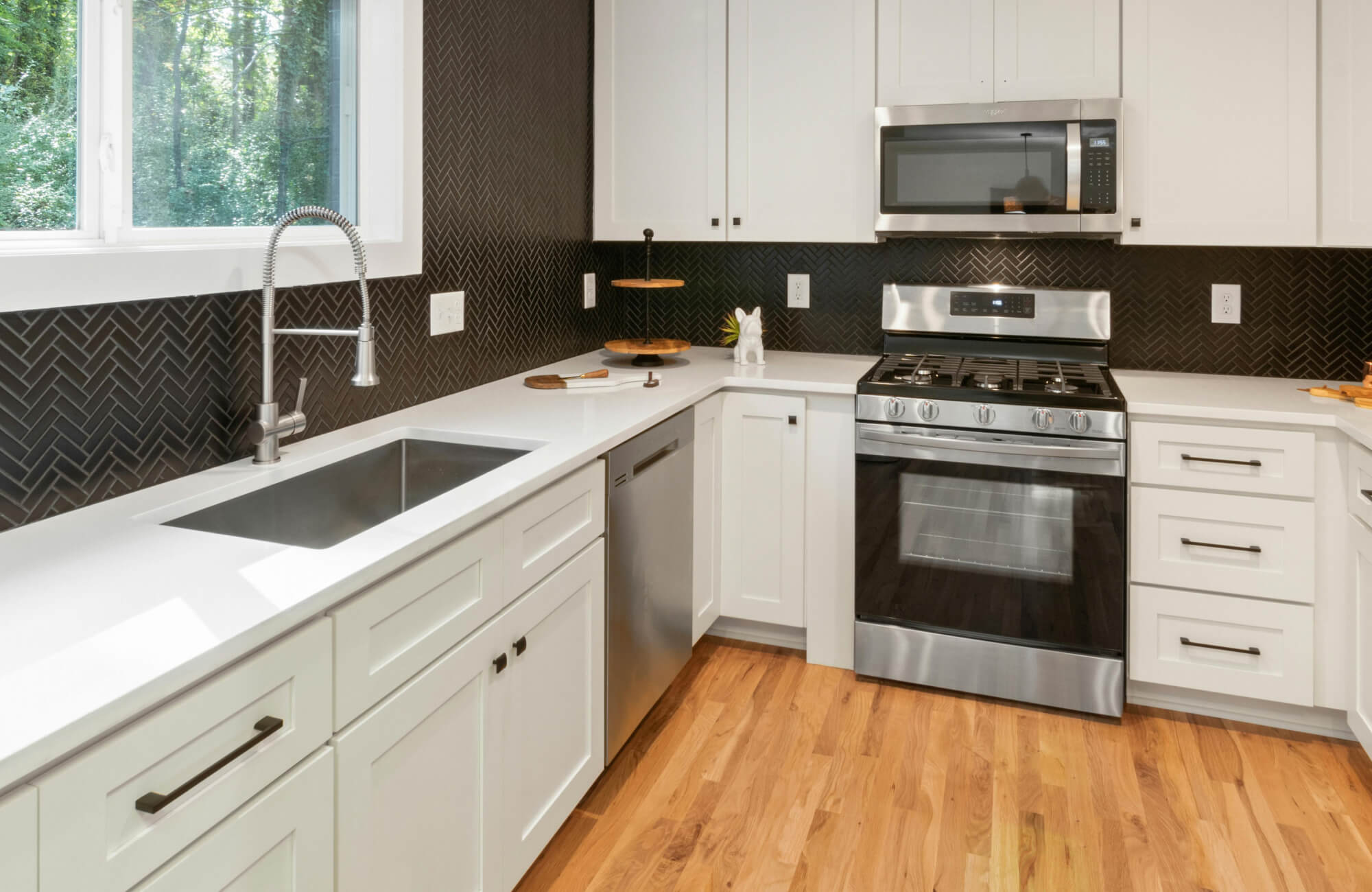
Another way to keep black from overpowering the room is to scale it down. Smaller-format tiles, like mini subways, hexagons, or mosaics, break up the color into more manageable doses, making it easier on the eye. Even a border of black tiles around a lighter field can give you a bold look without the visual weight. This method adds just enough contrast while still keeping the overall palette light and workable. It’s ideal for compact spaces where every inch of openness matters.
Choosing the Right Tile Pattern and Layout
Even with a bold color like black, the way you lay out your tile can completely change how it feels in a small kitchen. Certain patterns and shapes can help stretch the space visually, break up dark surfaces, and introduce a sense of movement.
Go Vertical to Create Height
Vertical tile layouts naturally draw the eye upward, which can make your kitchen walls feel taller and more open. Whether you’re using slim subway tiles or stacked rectangles, a vertical orientation adds lift and keeps the space from feeling boxed in. It’s especially helpful in galley kitchens or kitchens with low ceilings where visual height makes a big difference. This layout also brings a more contemporary, clean-lined feel compared to traditional staggered formats. When paired with glossy black tiles, it gives the room sleekness without the weight.
Keep Grout Lines Clean and Strategic
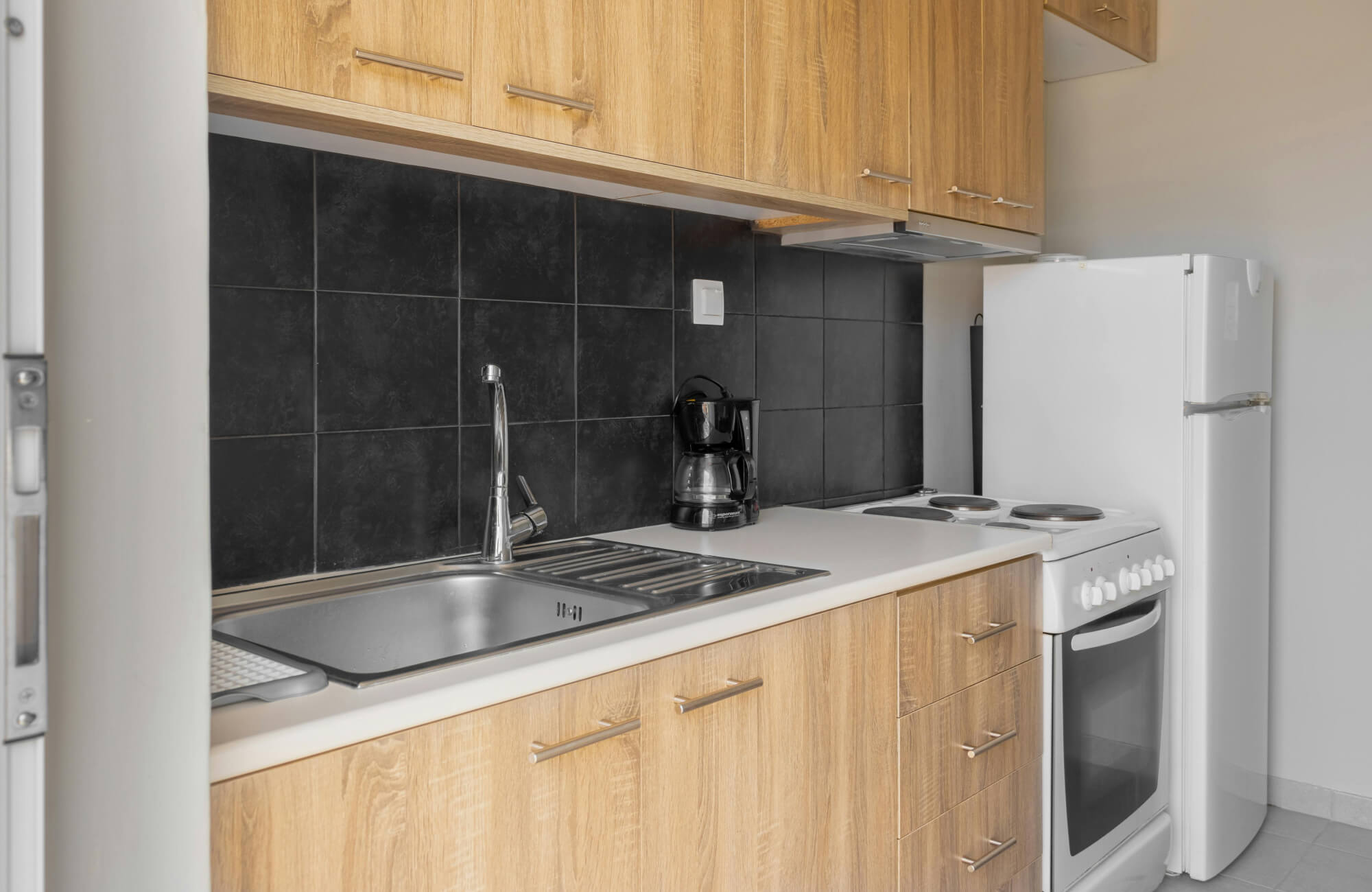
Grout color plays a major role in how a black backsplash reads in the space. Using a lighter grout, like soft gray or white, can outline individual tiles and prevent the surface from looking like a dark, solid block. This contrast brings in clarity and rhythm, helping break up the color while still keeping it cohesive. Clean, evenly spaced grout lines also make the installation feel more polished and intentional. For ultra-small spaces, this visual definition can make the wall feel more dimensional, not closed off.
Try Geometric or Textured Patterns
Geometric tiles, like hexagons, chevrons, or diamonds, add energy and movement, which helps offset the stillness of a flat black wall. These patterns reflect light differently across their surface, especially if they have a beveled edge or 3D relief. That slight variation creates shadow play, which gives depth and interest to an otherwise flat color. Textured black tiles also feel more artisanal and layered, lending a sophisticated touch to a small space. They’re ideal if you want something bold but not harsh.
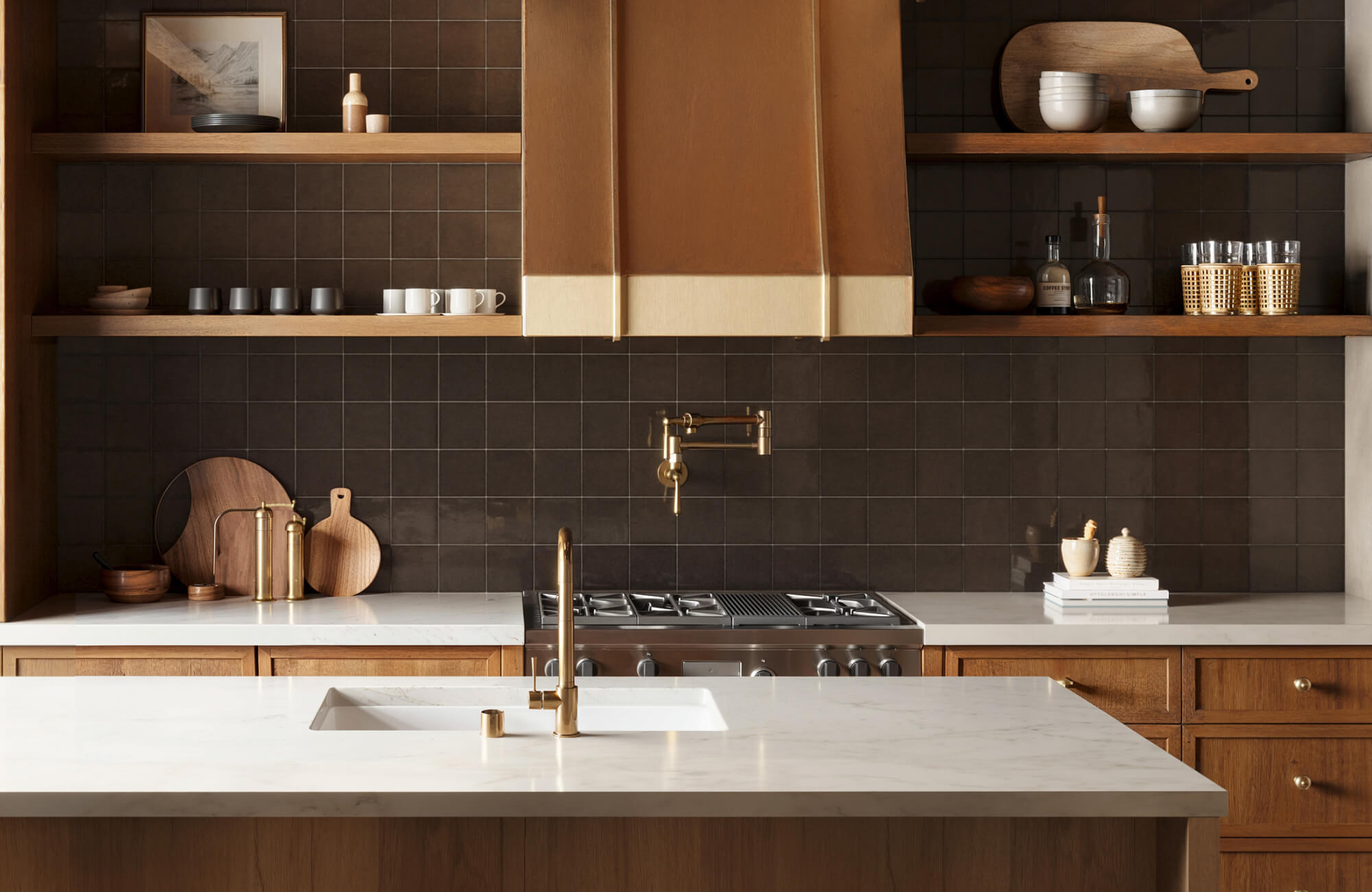
Stick With a Simple Grid for a Clean Look
While bold patterns can be eye-catching, sometimes a simple grid layout works best in a compact kitchen. Straight-set black tiles, especially smaller formats, deliver structure and order, which helps anchor the space. This minimalist layout prevents visual clutter and keeps the attention on contrast or texture instead of complex lines. If you’re working with open shelves or detailed countertops, a clean tile grid won’t compete visually. It’s a timeless, understated way to make black work in tighter spaces.
To showcase how this layout performs not just with black backsplashes but with darker tiles as well, take our Mikayla 5x5 Glossy Ceramic Tile in Espresso above as an example. Its rich, earthy tone and classic grid arrangement create a grounded yet refined backdrop. The glossy finish softens the depth of the color by bouncing light around, which keeps the space from feeling too enclosed. It’s a strong reminder that even darker shades can feel balanced when pattern, finish, and proportion work together.
Visualizing how patterns and layouts will look in your space can be a challenge, especially with bold colors like black. That’s where digital tools like our AR Visualization Tool come in. It lets you preview different tile styles and orientations directly in your kitchen, helping you make confident, informed choices before installation begins.
Where To Use a Black Backsplash Without Overdoing It
Black doesn’t have to cover every wall to make a strong impression. In fact, using it strategically can bring more impact than applying it everywhere. The key is knowing where to place it so it draws the eye without overwhelming the room’s balance.
Focus on a Single Accent Wall
Limiting your black backsplash to one feature area, such as behind the range or sink, creates a focal point without closing in the whole kitchen. This approach grounds the space visually while leaving room for lighter surfaces elsewhere. It also allows the dark tile to feel intentional and graphic, especially when surrounded by softer tones or open space. Even a small stretch of black can bring drama and elegance if it’s used with purpose. For compact layouts, this tactic keeps things bold but breathable.
Balance With Open Shelving or Glass Fronts
Pairing a black backsplash with open shelving or glass-front cabinets helps maintain a light, airy feel in a small kitchen. These elements introduce visual gaps that prevent dark surfaces from taking over. The transparency or openness draws the eye beyond the backsplash, creating a greater sense of depth and movement. This balance is especially useful if you want to use black across a larger area without sacrificing brightness. It’s a subtle design move that makes the whole space feel less boxed in.
Use Black in a Niche or Recessed Area
Installing black tile in a recessed niche, like a coffee bar or prep corner, lets you add depth without drawing too much attention. The inset placement naturally creates shadows, which makes dark tiles feel at home without overloading the surrounding space. It’s a great trick for bringing contrast to a tucked-away area. Plus, when paired with under-cabinet lighting, the niche becomes a subtle design moment. This controlled use of black helps maintain visual balance in tight kitchens.
Best Materials for Black Backsplashes in Small Kitchens
The material you choose plays a big role in how a black backsplash behaves in a compact kitchen. Some finishes reflect light and add dimension, while others can make the space feel closed in. Here we’ll go over a few smart options that pair well with dark tones without making your kitchen feel heavy or cramped.
Glossy Ceramic
Glossy ceramic tiles, such as our Madilyn 3x12 Glossy Ceramic Tile in Midnight, are a go-to for small kitchens because their shiny surface bounces light across the room. When used in black, they give just enough drama without soaking up all the brightness. They’re also easy to clean, making them practical for busy cooking areas. Their smooth finish works well with light cabinetry and under-cabinet lighting to create a balanced contrast. This option keeps things modern, clean, and easy to maintain.
Glass Tile
Glass tile adds instant dimension thanks to its translucent surface and natural shine. Even in black, glass reflects surrounding light, helping prevent that boxed-in feeling small kitchens can sometimes have. It also brings a sleek, contemporary look that feels a bit upscale without being overwhelming. Paired with minimal grout lines and light cabinetry, glass tile can keep your backsplash feeling open and fresh. It’s a great option for those who want a bold color with a soft, reflective touch.
Matte Porcelain
For a more subtle finish, matte porcelain, like our Leona 12x24 Matte Porcelain Tile in Nero Marquina, offers texture and depth without the strong shine. It works best when balanced with brighter elements, like pale countertops or good lighting, to keep the space from feeling too flat. The material itself is durable, low-maintenance, and available in a wide range of shapes and patterns. Just be sure to avoid super dark tones in low-light kitchens unless you’re pairing it with under-cabinet lights. Matte porcelain gives you that grounded feel while still looking stylish and tailored.
Metallic Finishes
Black tiles with metallic accents, like brushed brass, pewter, or steel, can reflect light in unexpected ways and create an eye-catching effect. They’re especially useful in small kitchens because the shimmer gives the illusion of depth, making walls feel more dynamic. You’ll often see these finishes in mosaic tiles or mixed-material backsplashes that add movement and texture. Metallic touches also tie in well with hardware or lighting fixtures, creating a cohesive, layered design. Just use them sparingly to avoid visual clutter in a compact layout.
Should You Use Black Grout or Stick With Contrast?
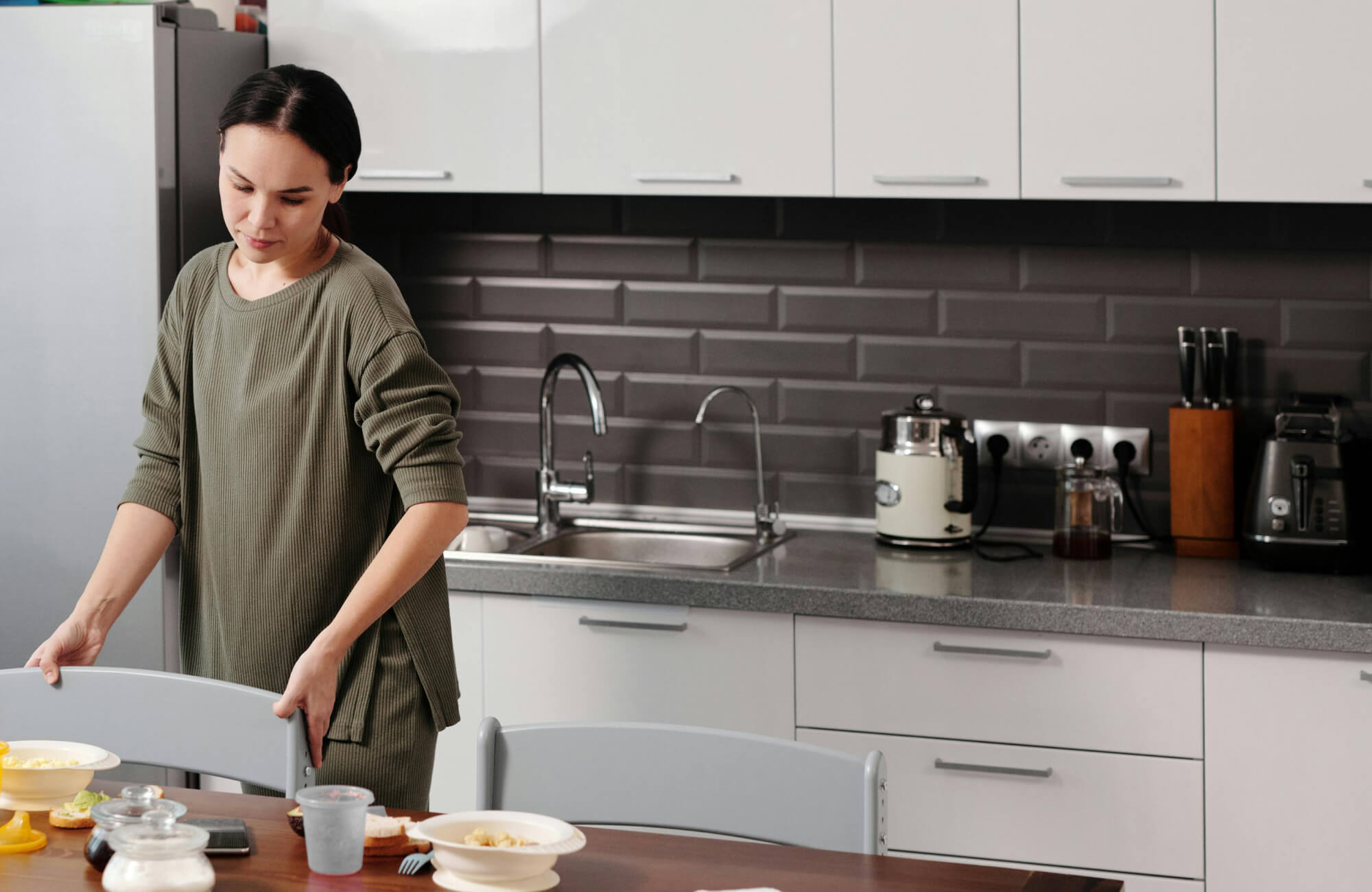
Grout color might seem like a small detail, but in a small kitchen, it can change how your backsplash feels. Light-colored grout, like white, soft gray, or even beige, helps outline each tile and break up the surface visually. This approach adds airiness and makes even a dark backsplash feel lighter and more detailed. It's especially useful when you're working with geometric patterns, stacked layouts, or tiles with interesting shapes since it lets the design shine without overwhelming the space.
On the other hand, black grout creates a seamless, uniform look, great for dramatic kitchens with a more modern or minimalist vibe. It reduces visual breaks between tiles, which can make the backsplash appear sleeker and more grounded. While this bold look adds depth, it can also make a wall feel heavier if not paired with lighter elements elsewhere. It works best when the rest of the kitchen has enough contrast, like pale countertops or open shelving, to offset the richness.
There's no one right choice, but the key is not to overlook grout as part of your overall design. Testing a few tile and grout combinations together under your kitchen’s lighting can help you get a clearer picture of how the final surface will look. Whether you go with contrast or cohesion, grout is your chance to shape the visual flow of the space without changing the tile itself.
Bringing Black Into Small Kitchens With Confidence
A black backsplash in a small kitchen doesn’t have to feel risky; it just needs the right balance. With smart tile selections, thoughtful lighting, and complementary finishes, black can shift from intimidating to inspired. Whether you’re working with a narrow galley or a cozy corner layout, the right design choices can make black tiles feel bold, refined, and completely livable.
If you're still unsure how to bring this look into your own space, our design team is here to help. Schedule a complimentary design consultation to explore tile pairings, layout ideas, and finishes that work best for your kitchen's size and style. We'll help you make black feel not just workable, but exceptional.
Follow us on Instagram
@EDWARD.MARTIN
)
)
)
)
)
)
)
)
)
)
)
)
)
)
)
)