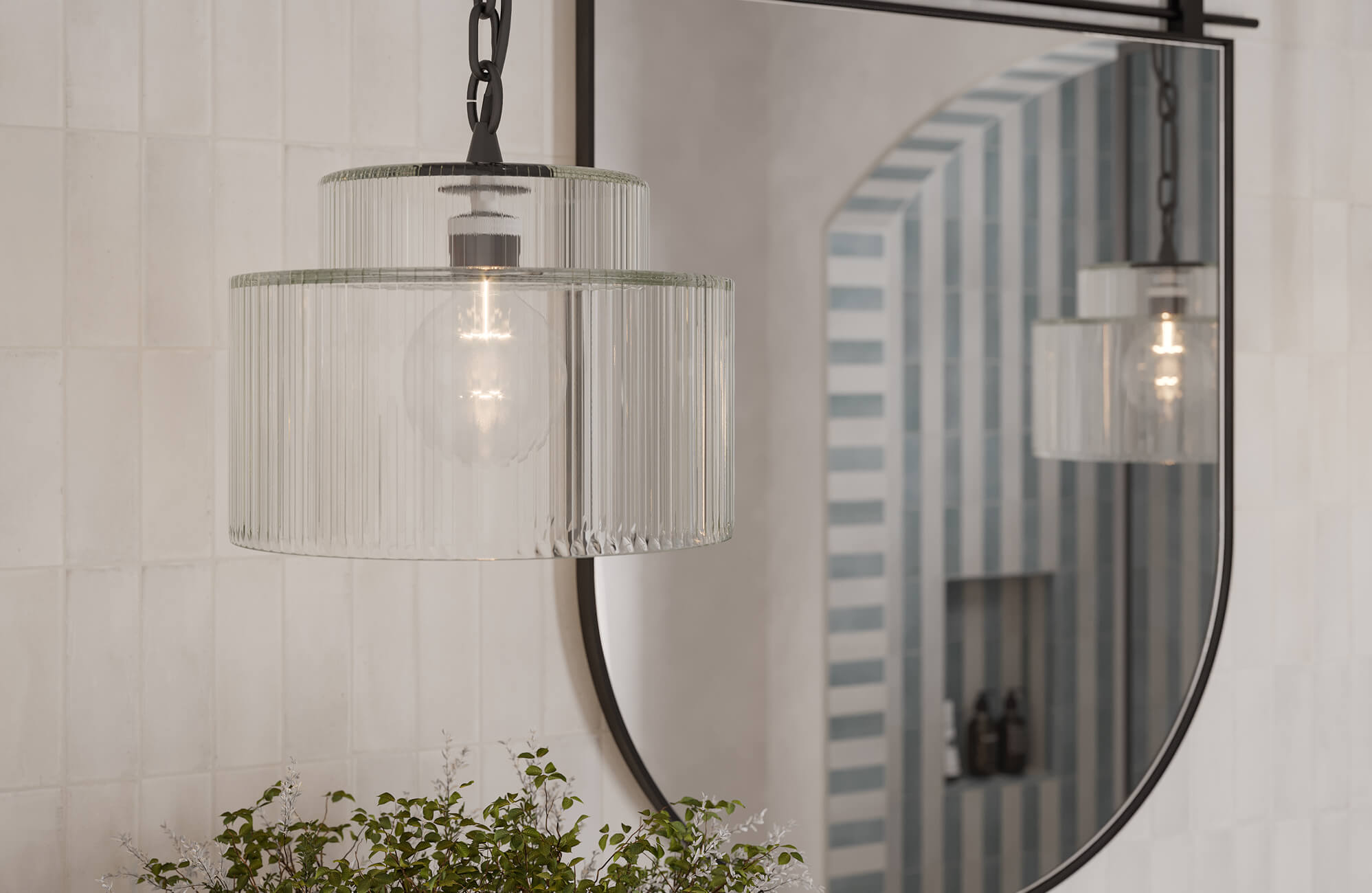
A well-lit living room brings together function and atmosphere, creating a space that feels both comfortable and beautifully inviting. The right lighting shapes the mood, defines the room’s character, and highlights the colors, textures, and details that make it yours. In this article, we’ll explore how to design lighting that enhances your living space, from understanding how light influences design to layering techniques, fixture choices, and mood-setting ideas, so your room feels warm and welcoming at any time of the day.

The Role of Lighting in Living Room Design
Lighting does far more than simply brighten a room; it also shapes how your living space feels, functions, and flows. When thoughtfully planned, it enhances comfort, reveals texture, and creates an atmosphere that supports everything you do, from relaxing with family to entertaining guests.
Light as a Design Element
Lighting goes beyond mere function; it’s a defining element that shapes the overall design and atmosphere of your living room. The right light draws attention to architectural details like textured walls, ceiling beams, or moldings, while gentle shadows introduce depth and dimension. By strategically highlighting focal points, such as artwork, a statement wall, or a cozy reading nook, you can turn ordinary corners into visual moments. Light also influences how materials and colors appear: warm tones enhance the richness of wood and fabrics, while cooler hues emphasize sleek lines and modern finishes. Thoughtfully layered lighting brings these elements together, shaping both the look and feel of your space.
Balancing Function and Atmosphere
In most homes, the living room is a space for many things: entertaining guests, reading, relaxing, or watching TV, so the lighting should easily adapt to each activity. For this reason, it helps to think of lighting as something flexible rather than fixed. During active moments, brighter overhead fixtures or floor lamps can provide the clarity you need. When it’s time to unwind, softer light from table lamps or dimmers creates a calm, inviting atmosphere. By thoughtfully combining task and ambient lighting, you can move seamlessly between brightness and comfort. Ultimately, the goal isn’t to make the room as bright as possible but to make it feel right for every moment.
Understanding Color Temperature
Color temperature, measured in Kelvin, defines whether your lighting feels warm and cozy or cool and crisp. Lower Kelvin values (around 2700K) produce a soft, golden glow that creates a welcoming atmosphere, while higher values (4000K and above) cast a bright, white light ideal for focus and clarity. In a living room, a thoughtful mix of both tends to work best. Warm ambient lighting enhances comfort during the evening, whereas cooler task lighting keeps reading or work areas clear and bright. By layering these tones, you can also create visual depth and ensure your living room transitions naturally from day to night.

Layering Light for Balanced Illumination
Layered lighting brings depth and balance to your living room, making the space feel both complete and dynamic. Rather than depending on a single light source, combine ambient, task, and accent lighting to create flexibility, dimension, and the right mood for every occasion.
Ambient Lighting
Ambient lighting forms the foundation of your living room’s illumination, providing an even, comfortable glow that sets the overall tone of the space. It typically comes from ceiling fixtures, recessed lights, or large pendants that spread light gently across the room. When planning placement, aim for balanced coverage; too few fixtures can leave areas in shadow, while too many may flatten the atmosphere. To fine-tune the mood, consider installing dimmer switches so you can easily adjust brightness throughout the day or for different activities.
For rooms with lower ceilings, fixtures like Edward Martin’s Odessa Semi Flush in Aged Brass offer a perfect balance, delivering warm, diffused light with a sleek, space-saving design that maintains openness without overpowering the room.
Task Lighting
Task lighting provides focused illumination for specific activities such as reading, writing, or working on hobbies. The goal is to deliver light exactly where you need it, without creating glare or harsh shadows. Floor lamps beside armchairs, swing-arm sconces, and adjustable desk lamps all work beautifully. Whenever possible, opt for adjustable fixtures so you can easily direct the light based on your needs.
Effective task lighting enhances clarity and comfort while blending seamlessly with the room’s overall design. For example, a reading lamp should complement nearby lighting rather than compete with it, keeping the space cohesive and visually balanced.
Accent Lighting
Accent lighting brings depth and personality to your living room by highlighting architectural details and decorative elements. In addition to general illumination, this layer helps create visual interest and directs attention where you want it most. Wall washers highlight textured surfaces beautifully, while picture lights naturally draw attention to artwork or standout pieces. For a softer touch, consider LED strips placed beneath shelves or within display cabinets to cast a gentle glow.
The beauty of accent lighting lies in its subtlety; it should guide the eye naturally through the room rather than overpower the other light sources. When carefully balanced with ambient and task lighting, these accents can add contrast, depth, and visual rhythm, making your living room feel dynamic, inviting, and complete.

Choosing the Right Fixtures and Placements
Every lighting fixture plays a role in shaping how your living room both looks and feels. Choosing the right fixtures and placing them thoughtfully can transform your living room; enhancing its style, improving functionality, and creating an natural balance.
Ceiling Fixtures
Ceiling fixtures form the foundation of your living room’s lighting design, grounding the space and establishing its overall mood. To begin with, consider how the fixture complements the layout and purpose of the room. A chandelier can make a striking centerpiece above a coffee table or main seating area, while, in contrast, pendant lights bring shape and visual interest to an otherwise simple ceiling. For a more balanced effect, recessed lights also offer even illumination when spaced thoughtfully. Just remember to avoid placing them directly above seating, where they can cast unwanted shadows.
In rooms with higher ceilings, a statement piece like Edward Martin’s Walsh 7-Light Chandelier in Clear Glass & Burnished Brass beautifully draws the light down to eye level while adding sculptural elegance. Its layered glass globes diffuse light softly, creating warmth and visual rhythm that enhances both modern and transitional interiors. Paying attention to proportion is key; oversized fixtures can overwhelm, while smaller ones may get lost. The right scale ensures your ceiling light enhances the room’s balance, sophistication, and inviting glow.
Floor and Table Lamps
Floor and table lamps can add flexibility and a sense of warmth to your living room, helping you shape light exactly where it’s needed. To create cozy reading zones, place floor lamps beside sofas or accent chairs, and use table lamps on side tables to balance brightness across the room. Keep in mind that a lamp’s height and shade opacity influence how its light spreads; opaque shades focus illumination in a specific area, while translucent ones diffuse it for a softer glow. When selecting designs, mixing lamp styles can also add personality and depth, as long as they share a consistent tone or finish that ties the look together.
Wall and Niche Lighting
Wall sconces and niche lights add depth and character to your living room while saving valuable surface space. When thoughtfully placed, they can frame artwork, highlight mirrors, or bring gentle brightness to alcoves. For best results, position sconces at eye level to create balanced illumination that flatters both the wall and the people nearby.
A refined option like our Phyllis Wall Sconce in Vintage Gold Leaf beautifully enhances this effect, blending soft elegance with functional lighting. Its warm glow and sculptural form lend sophistication to any setting, whether flanking a mirror or accenting a reading nook. In addition, recessed niche lighting, especially when paired with dimmers, introduces a touch of understated drama to built-in shelves or display cabinets. Altogether, these fixtures offer a smart way to elevate visual interest and light distribution without adding clutter to your floor plan.

Adapting Lighting to Living Room Layouts
Every living room has its own shape, size, and personality, so the lighting should adapt to fit its unique character. A lighting plan that responds to your room’s layout allows light to flow naturally through the space, enhancing its proportions and overall harmony.
Open-Concept Spaces
Open-concept living areas benefit from lighting that defines distinct zones while still maintaining a sense of visual flow. To create structure, use pendants or chandeliers to anchor seating or dining areas, and rely on recessed lighting to guide movement between spaces. For a cohesive look, keep color temperatures consistent so the lighting feels unified from one zone to the next.
A thoughtfully chosen fixture, such as Edward Martin’s Santos Pendant in Vintage Gold Leaf, can help achieve this balance. Its warm, organic texture softly delineates a space, like a reading nook or dining corner, without disrupting the open feel of the layout. At the same time, layering different types of light ensures that no single area feels isolated or overly bright, allowing the entire room to function as one harmonious environment.
Small or Low-Ceiling Rooms
In smaller living rooms, lighting can play a powerful role in making the space feel larger and more open. To draw the eye upward, consider wall-mounted sconces or uplighting, which create the illusion of added height. In addition, reflective elements such as mirrors, glass, or subtle metallic finishes help bounce light around the room, increasing brightness without the need for extra fixtures. To maintain an uncluttered look, avoid bulky floor lamps that crowd corners and opt instead for slender profiles or integrated lighting that keeps the room feeling light, spacious, and inviting.
Large or High-Ceiling Rooms
Spacious living rooms and those with high ceilings benefit from a well-scaled lighting plan that brings illumination closer to where it’s needed. To achieve this, consider multi-tier chandeliers, layered pendants, or suspended track lighting that visually connects the ceiling to the room below.
A striking piece like Edward Martin’s Gibson 9-Light Chandelier in Aged Old Bronze works beautifully in such settings, casting a warm, even glow that enhances depth and draws attention without overwhelming the space. For added balance, pair overhead fixtures with floor and table lamps to eliminate dark pockets and introduce a sense of warmth. Because lighting intensity can quickly become overwhelming in larger spaces, dimmers are invaluable, they allow you to fine-tune brightness for comfort and maintain a soft, inviting atmosphere without harsh glare.

Setting the Mood with Light Control and Design Details
Creating the right mood with lighting is all about flexibility and intention. Aside from simply brightening the space, thoughtful light control further helps shape the atmosphere; bright and energetic for social gatherings, then soft and relaxing for quiet evenings at home.
Dimmers and Smart Controls
Installing dimmers on your main fixtures gives you effortless control over brightness, allowing the room’s atmosphere to change as easily as your mood. With a quick adjustment, you can shift from bright and energetic to soft and relaxed, matching the time of day or the occasion. For even greater flexibility, smart lighting systems let you manage settings from your phone or with voice commands. By programming custom scenes, such as a cozy “movie night” mode with lower light and warmer tones, you can create the perfect ambiance with just a tap or a word.
Layered Light Scenes
Think of lighting as a way to tell your living room’s story. By layering different types of light, you can create distinct “scenes” that suit every moment; bright and lively for entertaining, focused for reading, or soft and tranquil for unwinding. For example, pairing warm table lamps with gentle overhead lighting sets a relaxed, conversational tone, while combining task and accent lights brings energy and depth to social gatherings. When these layers work together, your lighting feels natural and expressive, transforming from static to effortlessly dynamic space.
Decorative Accents
Decorative lighting brings the finishing touch to your living room, adding personality and character to the overall design. To enrich the atmosphere, consider candles, LED strips tucked behind furniture, or sculptural fixtures that introduce warmth and texture. Subtle details matter, too; metallic finishes like brass or copper can gently reflect light, enhancing the glow without increasing brightness. Above all, use decorative lighting with intention; it should complement the room’s functional layers rather than compete with them, creating a space that feels cohesive and beautifully balanced.

Incorporating Natural Light and Window Treatments
Natural light forms the foundation of an effective lighting plan. When thoughtfully maximized and balanced with artificial light, it brings a sense of openness and harmony to your living room, enhancing both its comfort and visual appeal.
Maximizing Daylight
Start by noticing how sunlight shifts through your living room during the day. To make the most of it, place mirrors across from windows to bounce light further into the space, and use sheer or light-filtering curtains to gently diffuse and spread the brightness. Even small changes, like swapping out heavy drapes or keeping windows clean, can significantly boost natural light, making the room feel brighter, fresher, and more inviting.
Coordinating Artificial and Natural Light
Natural light changes in color throughout the day, so it’s equally important to keep your artificial lighting balanced with it. During bright daylight, cooler white bulbs blend more naturally with sunlight, helping maintain a crisp, balanced look. As evening approaches, shifting to warmer tones creates a softer, more relaxing atmosphere. For effortless transitions, consider using smart bulbs that automatically adjust color temperature, ensuring consistent lighting that feels comfortable and cohesive from morning to night.
Managing Glare and Privacy
Glare can easily disrupt the balance of a well-designed lighting plan, so managing natural light is just as important as maximizing it. To maintain comfort, consider layered window treatments; pair translucent shades with heavier curtains to filter sunlight without closing off the room. For added flexibility, adjustable blinds allow you to fine-tune brightness and maintain privacy, particularly in urban spaces where large windows face nearby buildings. With the right combination, you can enjoy natural light that feels open and comfortable while keeping your space discreet and well-shaded when needed.

Creating a Cohesive Lighting Plan
When the lighting in your living room works together, it brings a natural sense of harmony and balance. A thoughtful lighting plan ensures each fixture enhances the look and function of the space, creating a living room that feels comfortable, inviting, and beautifully unified.
Integrating Style and Function
A well-designed lighting plan should complement your décor style while supporting your everyday needs. For contemporary spaces, sleek fixtures with clean lines and diffused light enhance simplicity and sophistication. In contrast, traditional interiors often feel more inviting with layered chandeliers and shaded lamps that add warmth and depth. No matter your style, aim for consistency in finishes, tones, or materials to create visual harmony. The most effective lighting blends effortlessly with its surroundings, enhancing both comfort and cohesion throughout the room.
Tips for Maintenance and Upgrades
Lighting performs at its best when it’s well cared for and thoughtfully updated over time. To keep it in top condition, dust fixtures regularly, replace outdated bulbs with energy-efficient options, and test dimmers or smart controls to ensure they’re responsive. As your lifestyle or layout changes, don’t hesitate to adjust your lighting plan; add a reading lamp, upgrade to smart bulbs, or reposition fixtures to suit new furniture arrangements. Even small updates can also make a big difference in keeping your living room functional, comfortable, and effortlessly refreshed.
Making Your Living Room Light Work for You
To light a living room effectively, combine layered lighting that mixes ambient, task, and accent sources for balance and versatility. Use ceiling fixtures for overall brightness, floor and table lamps for focused tasks, and wall or decorative lights to create depth and mood. When thoughtfully balanced with natural light, this layered approach ensures your living room feels comfortable, functional, and inviting throughout the day.
Ready to bring your lighting vision to life? Contact us today to learn more about our design services and discover how we can help you create a living room that looks and feels perfectly illuminated.