Blank walls can feel like a missed opportunity, especially in rooms that already have great furniture and lighting. Instead of hanging one piece and calling it done, many homeowners are turning to gallery-style walls that layer artwork in a more relaxed, collected way. The idea is not to make the wall look perfectly styled from day one, but to build something that reflects your taste and experiences over time. In this guide, we’ll walk through how to layer wall art so it feels balanced, natural, and truly at home in your space.

The Gallery-Style Interior
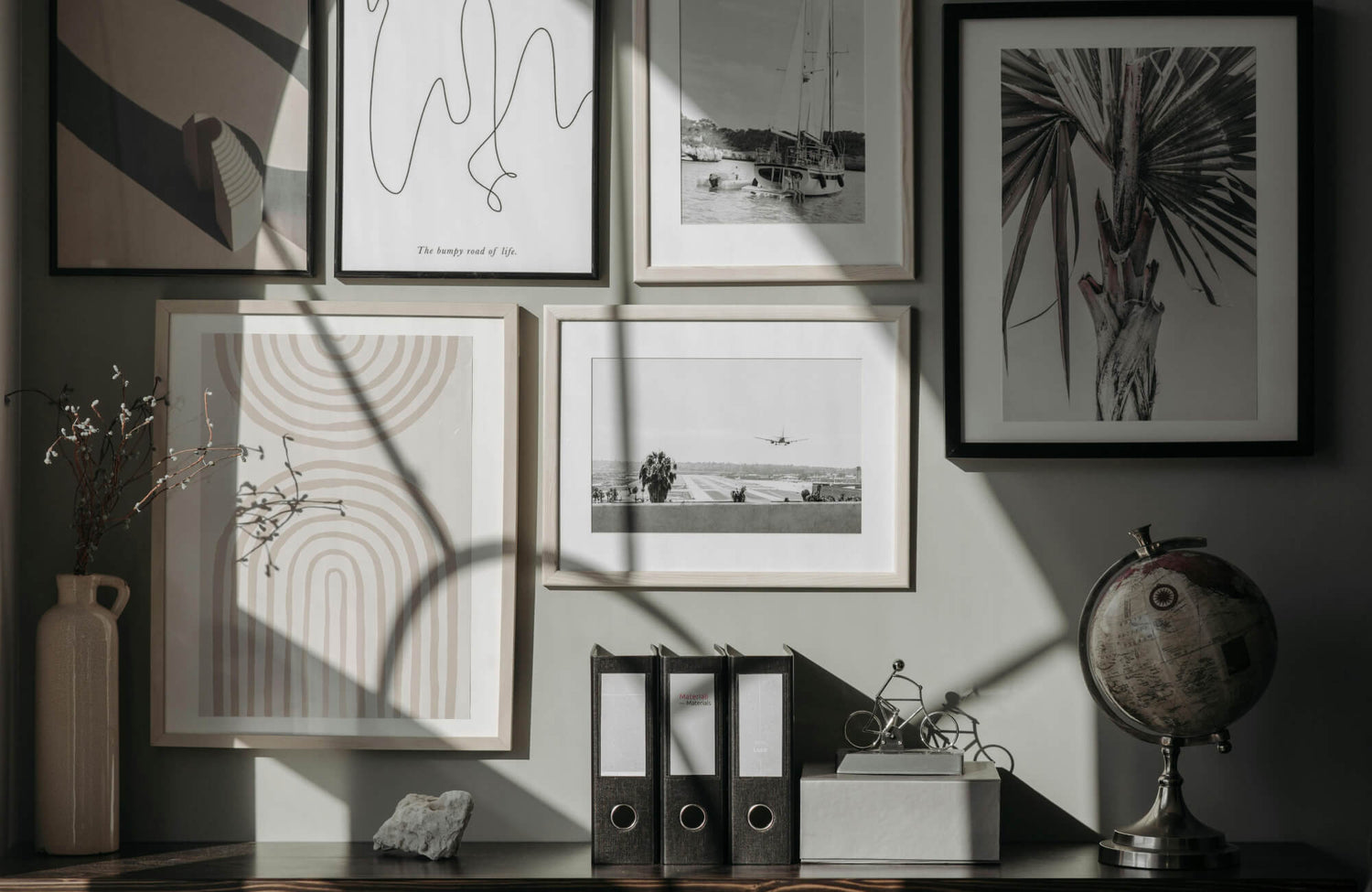
A gallery-style interior brings the feeling of an art gallery into a home, where walls become a space for storytelling rather than simple decoration. Instead of hanging a single piece and stopping there, homeowners layer artwork thoughtfully to create depth and personality. The goal is to build a wall that feels curated and lived in, with each piece contributing to the overall atmosphere of the room.
What Makes a Space Feel Collected Rather Than Cluttered
A collected wall of art doesn’t happen by filling every empty space with frames. Instead, it grows through thoughtful choices that relate to each other in color, scale, or theme. Homeowners often mix artwork from different periods of their lives, which adds personality while still creating visual harmony. The key is giving each piece room to breathe so the wall doesn’t feel crowded. Spacing, scale, and balance all help maintain a sense of order even when many pieces are involved. When arranged with care, a gallery wall can feel layered and interesting without becoming overwhelming.
Why Personal Art Choices Matter in Layered Interiors
One of the reasons gallery-style interiors feel so inviting is that they often reflect the homeowner’s personal story. Art collected from travels, local artists, family photographs, or meaningful prints can all live together on the same wall. These pieces bring character to a space because they represent memories, interests, or experiences. Many homeowners enjoy mixing these meaningful items with a few carefully chosen decorative pieces. Over time, the wall begins to feel less like a design project and more like a reflection of the people who live there. That sense of authenticity is what often makes gallery-style interiors feel warm and personal.
Balancing Structure and Creativity in Gallery Walls
A successful gallery wall often balances creative freedom with a bit of visual structure. Homeowners might combine different frame sizes and art styles, but they still keep a sense of rhythm across the arrangement. Sometimes this structure comes from repeating certain frame finishes or maintaining consistent spacing between pieces. In other cases, color or subject matter helps tie the collection together. This balance allows the wall to feel expressive while still looking intentional. When creativity and structure work together, the gallery wall becomes a cohesive part of the room rather than a random assortment of art.

Starting With an Anchor Piece
A gallery-style wall often feels most natural when it begins with one strong piece of artwork. This anchor piece acts as the visual foundation for the rest of the arrangement, helping guide the overall tone and direction of the wall. Once that focal point is in place, it becomes much easier to layer additional pieces around it in a way that feels balanced and intentional.
Choosing a Statement Artwork to Guide the Layout
The anchor piece is usually the artwork that first captures attention when someone enters the room. Many homeowners choose something slightly larger or visually striking, so it naturally becomes the center of the composition. This piece can introduce the color palette, subject matter, or mood that the rest of the gallery wall will build on. It might be a bold abstract painting, a meaningful photograph, or even a piece collected during travel. Once this artwork is chosen, the surrounding pieces can begin to support and complement it rather than compete for attention. Starting with a strong statement piece gives the wall a sense of direction from the very beginning.
How Anchor Pieces Set the Visual Rhythm
An anchor piece does more than simply stand out; it helps establish the visual rhythm of the entire arrangement. When homeowners begin with one central artwork, it becomes easier to see how other pieces should relate in scale and presence. Larger anchor pieces tend to ground the wall and create a stable focal point that draws the eye. From there, smaller or medium-sized artworks can be layered around it to build movement across the wall. This natural flow helps the gallery arrangement feel organized while still maintaining a relaxed, collected look. Over time, the anchor piece continues to guide how new artwork is added to the wall.
Positioning the First Artwork on the Wall
Deciding where to place the first artwork can make the entire gallery wall feel more intentional. Many homeowners start by positioning the anchor piece near eye level, so it becomes the natural center of attention in the room. From there, additional artwork can grow outward in different directions while still feeling connected to that starting point. The anchor piece often works well above a sofa, console table, or bed, where it visually grounds the wall. This placement gives the arrangement a clear starting point before the rest of the collection begins to expand. Once that first piece is in place, building the rest of the gallery wall tends to feel much more intuitive.
Our Silent Orchard Wall Art works beautifully as that first anchor piece, especially in warm, layered interiors like the setting above. Its overlapping patterned textiles, soft tonal striping, and gently fringed edges introduce quiet texture while still keeping the wall visually calm. The wood frame and earthy palette help the artwork sit naturally alongside wood cabinetry, brass fixtures, and warm architectural details. With hardware already attached and artisan craftsmanship behind it, the piece offers both visual grounding and effortless installation for a thoughtfully composed gallery wall.

Mixing Artwork Sizes for Visual Depth
A gallery-style wall often feels most interesting when it includes artwork in a range of sizes rather than pieces that all share the same scale. Mixing proportions allows the wall to develop depth and movement, helping the arrangement feel layered instead of flat. When homeowners combine larger focal pieces with smaller supporting works, the wall begins to look thoughtfully collected rather than overly structured.
Combining Large and Small Pieces Thoughtfully
Large artworks often serve as the visual foundation of a gallery-style arrangement because they naturally draw the eye and give the wall a sense of presence. Around these larger works, smaller pieces can be layered in to introduce variety, detail, and personality. Homeowners often find that this contrast between scales helps the wall feel more dynamic while still remaining cohesive. Smaller artworks might include personal photographs, prints, or illustrations that add moments of discovery across the wall. As the eye moves from one piece to another, the variation in size keeps the composition visually engaging. When large and small artworks are combined thoughtfully, the wall begins to feel curated and comfortably lived-in.
Using Medium-Sized Art to Bridge the Composition
Medium-sized artworks often play a quiet but important role in making a gallery wall feel complete. These pieces help bridge the visual distance between large focal artworks and smaller accents, creating a smoother transition across the arrangement. Without them, the wall can sometimes feel as though there are gaps in the composition or abrupt shifts in scale. Homeowners often use medium pieces to guide the eye across the wall in a natural way. Placing them near the edges of larger artworks or between clusters of smaller frames helps the entire layout feel connected. Over time, these mid-sized works help unify the arrangement and make the overall composition feel balanced.
Creating Balance Without Perfect Symmetry
Gallery-style interiors rarely rely on perfect symmetry, and that is part of what makes them feel relaxed and personal. Instead of matching pieces on both sides of the wall, homeowners often focus on balancing visual weight across the arrangement. A single large artwork on one side can easily be balanced by a small grouping of frames on the other. This approach allows the composition to feel organic rather than rigid or overly planned. The eye moves comfortably across the wall because the elements relate to one another without needing to mirror each other exactly. When balance is achieved through proportion rather than strict alignment, the gallery wall often feels more natural and inviting.

Layering Frames, Materials, and Media
One of the things that makes a gallery-style wall feel rich and interesting is the variety of pieces on display. Instead of sticking to one type of artwork, many homeowners mix different materials and mediums so the wall feels layered and personal. Paintings, prints, photographs, and even textile or sculptural pieces can all live together when the arrangement feels thoughtful and balanced.
Mixing Frame Finishes Without Losing Cohesion
Using the same frame on every piece can make a gallery wall feel a bit flat, which is why many homeowners choose to mix finishes instead. A combination of black, wood, or metal frames can introduce variety while still keeping the arrangement visually connected. The key is allowing a few finishes to repeat throughout the wall so the pieces still relate to one another. For example, a warm wood frame might appear in several spots across the arrangement, helping the eye move comfortably from one piece to another. When the finishes feel related rather than completely different, the collection still looks cohesive. This small amount of variation helps the wall feel layered and lived in.
Combining Photography, Paintings, and Prints
Gallery-style walls often feel more interesting when different types of artwork are displayed together. Photography might introduce crisp detail and contrast, while paintings bring color and expressive movement to the arrangement. Prints or illustrations can add another layer of personality, especially when they introduce graphic elements or subtle patterns. When these media sit next to each other, the wall begins to feel more like a collection rather than a single design decision. Many homeowners enjoy this mix because it reflects different interests and experiences. Over time, the wall starts to tell a story through the variety of artwork it holds.
Adding Texture With Sculptural or Textile Art
Flat artwork can look beautiful on its own, though adding a few textured pieces can give the wall a little more life. Woven art, small sculptural pieces, or framed textiles introduce surfaces that catch light differently from traditional prints or paintings. As light moves through the room, these pieces create gentle shadows that add dimension to the wall. Homeowners often use them sparingly, so the gallery still feels balanced. Placing a textured piece near framed artwork can break up the arrangement in a natural way. These subtle changes in surface and depth help the entire display feel more layered and visually interesting.

Creating Flow Between Art and the Room
A gallery wall usually feels most natural when it connects with the rest of the room instead of standing apart from it. The placement of furniture, the colors already in the space, and even the lighting can influence how the artwork is experienced. When these elements work together, the art begins to feel like part of the room’s overall composition rather than something added afterward.
Aligning Art With Furniture Placement
One of the simplest ways to create flow between art and the room is by paying attention to furniture placement. Gallery walls often work best when they relate visually to something below them, such as a sofa, console table, or bed. When the artwork is positioned in connection with these pieces, the wall feels more grounded and intentional. Homeowners often center the arrangement above a key furniture piece so the two elements feel tied together. This helps the eye move naturally between the wall and the rest of the space. Over time, the artwork becomes part of the room’s structure rather than simply decoration on an empty wall.
Repeating Colors From the Room’s Palette
Color can quietly link a gallery wall to the rest of the interior. When artwork echoes shades already present in the room, the entire space begins to feel more cohesive. For example, a painting that picks up the same warm tones found in nearby textiles or wood finishes can help tie the wall to the surrounding furniture. Even small color details repeated across several pieces can create a sense of rhythm within the arrangement. Homeowners often notice that this subtle repetition helps the artwork feel naturally connected to the room. The gallery wall still stands out, though it continues to support the overall atmosphere of the space.
Our Golden Drift Wall Art works beautifully in rooms like the one shown above because its woven wool and jute textures introduce both warmth and dimension. The hand-formed knots stack into vertical columns, while gentle shifts in earthy tones echo natural materials often used in calm, spa-like interiors. Elongated fringes soften the structured pattern, giving the piece a relaxed, handcrafted presence on the wall. With hardware pre-attached and artisan craftsmanship behind it, this piece blends effortlessly into thoughtfully layered spaces while still offering a quiet focal point.
Using Lighting to Highlight Layered Artwork
Lighting can also shape how a gallery wall is experienced throughout the day. Natural daylight often brings out subtle textures and colors in the artwork, especially when the wall receives indirect light. In the evening, well-placed lighting fixtures can help the collection remain a focal point in the room. Many homeowners use picture lights, wall sconces, or nearby lamps to softly illuminate the arrangement. This gentle lighting helps highlight individual pieces while still keeping the entire wall visible. When lighting works with the artwork in this way, the gallery wall becomes a natural extension of the room’s design.

Letting the Collection Grow Over Time
Many gallery-style walls feel most authentic when they develop gradually instead of being completed all at once. Homeowners often add pieces over time as they discover artwork that resonates with them. This approach allows the wall to evolve naturally and reflect personal experiences, interests, and memories collected along the way.
Leaving Space for Future Artwork
When building a gallery wall, it can help to think of the arrangement as something that will continue to grow. Leaving a bit of open space between certain pieces gives you room to add new artwork later without needing to rearrange everything. Many homeowners start with a few key pieces and allow the wall to expand gradually as new finds come along. This makes the display feel more relaxed and less forced. It also encourages thoughtful additions rather than filling the wall simply to finish the arrangement. Over time, these new pieces help the gallery wall develop a richer sense of character.
Rotating Pieces to Refresh the Wall
Another way to keep a gallery wall feeling fresh is by rotating artwork from time to time. Homeowners sometimes swap in new pieces or move existing ones to different spots as their tastes evolve. This small change can completely shift the mood of the wall without requiring a full redesign of the space. Seasonal artwork, travel finds, or new prints can all be introduced when the arrangement feels ready for a change. Even rearranging a few frames can give the wall a renewed sense of energy. Because gallery-style interiors are naturally flexible, they adapt easily as collections grow.
Building a Collection That Reflects Your Life
One of the most appealing aspects of a gallery-style interior is how personal it can become over time. The artwork displayed often reflects places you have visited, artists you admire, or moments that carry meaning in your life. Instead of focusing only on matching styles or colors, many homeowners choose pieces that feel meaningful to them. As the collection grows, the wall begins to tell a story about experiences, interests, and memories. This personal layer is what often makes gallery-style interiors feel warm and inviting. In many homes, the gallery wall becomes one of the most expressive parts of the space.
Bringing Your Gallery Wall Together With Confidence
Layering wall art is less about following strict rules and more about creating a wall that feels meaningful and visually balanced within your home. By starting with a strong anchor piece, mixing artwork sizes, and allowing different frames and materials to work together, homeowners can create a gallery-style display that feels natural rather than overly planned. Over time, the collection becomes more than decoration because each piece contributes to the atmosphere of the room. When the arrangement connects with the furniture, colors, and lighting in the space, the wall begins to feel like a natural extension of the interior design.
If you’re exploring ways to build a gallery-style wall that fits seamlessly into your home, Edward Martin’s personalized design consultation can help guide the process. Our team can assist with selecting artwork placement, balancing scale and composition, and ensuring the arrangement complements your space. With thoughtful planning and expert insight, your gallery wall can become one of the most personal and visually engaging features in your home.