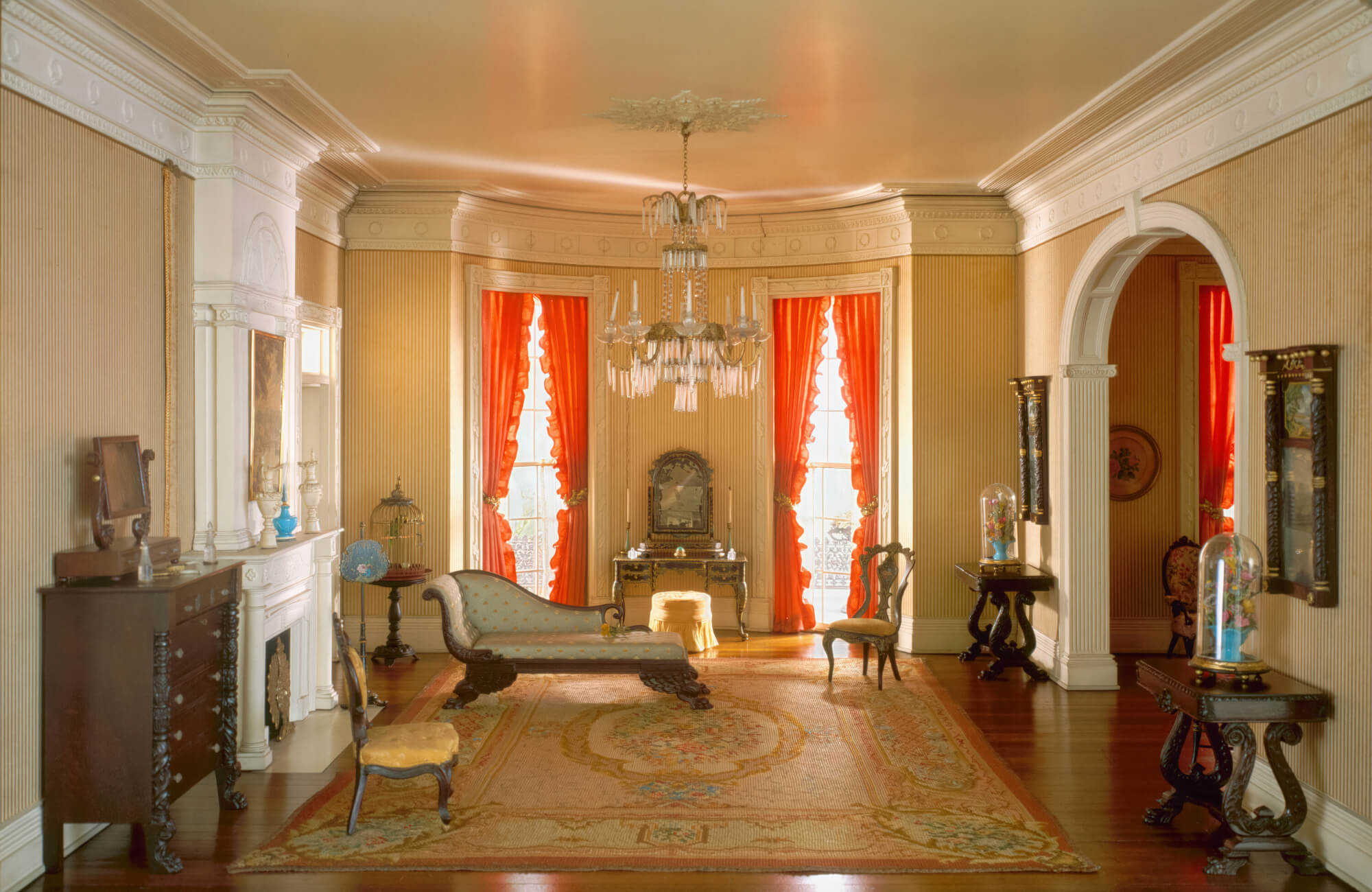
A beautifully placed rug brings softness, balance, and visual harmony to hardwood and tile floors, yet maintaining its elegance requires thoughtful attention beneath the surface. Smooth flooring finishes, while visually refined, reduce friction and can subtly challenge rug stability over time. From fiber composition to anchoring systems, each element plays a quiet but essential role in how a rug settles and performs. When properly supported, an area rug not only enhances interior design but also maintains safety, alignment, and longevity. Understanding how to keep a rug flat on hardwood and tile floors ensures that both form and function remain seamlessly aligned.

Rug Construction and Floor Surface Compatibility
Rug stability on hardwood and tile floors is closely tied to how materials behave against smooth, sealed surfaces where friction is limited. The interplay between fiber composition, weave structure, and backing materials ultimately determines whether a rug settles gracefully or develops curling and movement over time.
Fiber Composition and Dimensional Response
Natural fibers, such as wool, cotton, and jute, are inherently hygroscopic, meaning they absorb and release moisture in response to changes in indoor humidity, which can gradually affect a rug’s dimensions over time. On hardwood and tile floors, these shifts become more noticeable because the rug lacks the friction needed to counteract expansion and contraction. Synthetic fibers, such as polypropylene and polyester, are also often introduced to improve dimensional stability, as they absorb minimal moisture and help limit movement caused by environmental fluctuations.
When thoughtfully combined with natural fibers, synthetics can enhance performance without sacrificing comfort or visual depth. A refined example of this balanced construction, as displayed in the picture above, is Edward Martin’s Davies Rug in Ash / Sand, which blends wool and nylon to pair the resilience and warmth of natural fiber with the stabilizing benefits of synthetics. With its 0.5-inch medium pile height and contemporary design suited to minimalist and Scandinavian-inspired interiors, this Davies rug achieves a practical form of affordable luxury that helps it lie flatter and perform reliably on smooth flooring surfaces.
Weave Structure and Tension Distribution
Weave structure governs how tension is distributed across a rug when subjected to gravity, footfall, and furniture load. For instance, handwoven and tightly constructed flatweaves tend to distribute stress more evenly across their surface, which helps minimize localized buckling and distortion. Machine-tufted rugs, however, rely heavily on adhesive-based backing systems that can stiffen or degrade over time, allowing edges and corners to lift.
On smooth flooring, even minor tension imbalances also become visually evident because there is no underlying resistance to counteract movement. Moreover, dense, low-profile weaves maintain closer and more consistent contact with hardwood and tile surfaces. Aligning weave density and construction method with the smoothness of the floor significantly improves long-term rug stability.
Backing Materials and Friction Coefficient
Backing materials form the critical interface between a rug and the floor, directly shaping how well the rug resists sliding and curling over time. Latex and polymer backings, for instance, offer a moderate level of grip when new, though their elasticity and adhesion can diminish as they age. In contrast, unbacked rugs—such as many flatweaves and kilims—depend entirely on external stabilization to stay flat, particularly on smooth flooring.
This also becomes more significant on hardwood and tile surfaces, which are often treated with sealants, lacquers, or glazes that reduce friction and make movement more likely. As a result, the risk of slippage, rippling, and corner lift increases with prolonged use. Selecting rugs whose backing properties are compatible with low-friction surfaces helps minimize these issues and reduces the need for later corrective measures.

Rug Pads Engineered for Hardwood and Tile Flooring
Rug pads form the essential interface between rug and floor, providing stability while protecting delicate surfaces. Their construction determines grip performance, cushioning support, and long-term durability on hardwood and tile floors.
Felt-and-Rubber Composite Rug Pads
Felt-and-rubber composite rug pads are engineered to combine structural support with controlled adhesion, making them particularly effective on hardwood floors. The dense felt layer absorbs vertical load, helping rugs resist compression and deformation caused by furniture weight and repeated footfall. Beneath this, natural rubber components also enhance static friction without chemically interacting with sealed wood finishes.
This layered design allows the rug to remain firmly in place while still settling naturally over time. Such pads are especially beneficial for larger area rugs that require both stability and floor protection. When properly sized and installed, composite pads significantly improve rug flatness while preserving the integrity of hardwood flooring.
Non-Slip Grid and TPE Rug Pads
Grid-style rug pads made from thermoplastic elastomer are well-suited for tile floors, particularly those with grout lines and subtle surface variations. Their open construction promotes airflow beneath the rug, which helps prevent moisture accumulation that could otherwise compromise adhesives or encourage mildew growth. TPE materials also provide a consistent grip without leaving residue or staining sealed tile surfaces. In addition, the flexible grid structure conforms easily to minor irregularities in ceramic or porcelain tile installations. This adaptability allows the rug to maintain even contact across the entire surface. As a result, rugs remain flat, secure, and visually aligned on tile floors.
Pad Thickness and Density Considerations
Pad thickness plays a crucial role in how a rug responds to pressure, movement, and long-term use. Excessively thick pads can create a floating sensation, which increases the likelihood of edge curl and instability. Conversely, pads that are too thin may fail to provide sufficient grip on smooth flooring surfaces. Density also determines how well the pad maintains its structure under sustained load, particularly in busy areas. Moreover, high-density pads resist compression and provide consistent support over time. Selecting the appropriate combination of thickness and density is essential for optimizing rug performance on hardwood and tile floors.

Edge Control and Localized Stabilization Solutions
Even with an appropriate rug pad, edges and corners remain the most vulnerable areas for movement. Targeted stabilization solutions reinforce these stress points while preserving the rug’s profile and visual integrity.
Rug Corner Grippers and Gel Anchors
Rug corner grippers are designed to secure edges directly to the floor using pressure-sensitive adhesive systems. For example, gel-based anchors rely on silicone polymers that provide strong yet reusable adhesion without leaving residue on sealed surfaces. These solutions are also particularly effective for lightweight rugs and flatweaves that tend to curl at the corners. By anchoring high-stress points, they reduce both tripping hazards and visual distortion. Proper placement further ensures stability without restricting natural rug movement. When used correctly, corner grippers significantly enhance rug flatness on hardwood and tile floors.
Double-Sided Rug Tape Systems
Double-sided rug tape provides a discreet way to stabilize rugs, particularly along the perimeter where movement and edge lift are most likely to occur. These tapes typically use acrylic adhesives formulated for compatibility with sealed wood and tile surfaces, offering secure adhesion without damaging finishes. When applied selectively, they also help anchor edges while still allowing the rug to expand and contract naturally in response to environmental changes. By contrast, overuse across the entire backing can introduce unnecessary tension, making controlled application essential. Tape systems are especially effective for runners and smaller rugs in transitional spaces, where frequent movement increases the risk of shifting.
Perimeter Weighting and Low-Profile Anchors
Perimeter weighting systems work by adding mass at the rug’s edges, counteracting the upward forces that lead to curling and edge lift. Using low-profile anchors, this added weight is introduced without increasing overall thickness or changing the feel underfoot. The additional mass also helps overcome fiber memory and subtle environmental movement, an advantage that is particularly noticeable in flat-woven rugs. For this reason, perimeter weighting is often incorporated into custom or commercial installations where adhesives are not preferred or permitted. Flatweaves and other lightweight constructions benefit most from this approach, as the increased edge mass promotes long-term flatness while preserving a clean, unobtrusive aesthetic.

Flattening and Conditioning Techniques for New or Rolled Rugs
Rugs that arrive rolled often retain shape memory that prevents immediate flatness. Conditioning techniques allow fibers and backing materials to relax naturally against smooth flooring surfaces.
Reverse Rolling and Tension Redistribution
Reverse rolling a rug gently counteracts the curvature introduced during manufacturing, storage, and transport, allowing the fibers and backing to relax in the opposite direction of their compressed memory. This technique is particularly effective for wool, cotton, and other natural fiber rugs that respond well to gradual mechanical adjustment. Applying evenly distributed weight during reverse rolling further encourages uniform relaxation without stressing individual fibers. In addition, abrupt bending or aggressive manipulation should be avoided, as it can weaken the backing or distort the weave. Over time, this controlled approach significantly improves rug flatness on hardwood floors while preserving structural integrity.
Weighted Compression and Settling Periods
Weighted compression encourages consistent, full-surface contact between the rug and the smooth flooring beneath, helping eliminate air pockets and subtle rippling. This method works particularly well for rugs placed on tile floors, where friction alone is insufficient to stabilize lightweight constructions. Unlike adhesive solutions, weighted compression also supports flattening without restricting the rug’s natural response to environmental changes. When allowed to progress gradually, this technique supports long-lasting rug flatness without introducing stress points.
Controlled Steam and Environmental Acclimation
Controlled, low-temperature steam can be used to soften rug fibers and backing materials, making them more receptive to flattening when combined with proper placement. Excessive heat or prolonged steam exposure should be avoided, as it may compromise adhesives or floor finishes. Environmental acclimation before and after steaming also allows fibers to adjust gradually to indoor humidity levels, reducing the likelihood of recurring curl. When executed correctly, steam-assisted conditioning enhances rug performance and helps maintain a smooth, refined appearance on hard flooring.

Long-Term Stability, Maintenance, and Preventive Practices
Maintaining rug flatness over time depends on consistent care rather than one-time adjustments. Preventative practices reduce cumulative stress while preserving structural integrity.
Rug Rotation and Movement Redistribution
Regular rug rotation plays a vital role in distributing footfall evenly across the surface, helping prevent directional wear patterns that can gradually distort edges and corners. In living rooms, bedrooms, and other frequently used spaces, consistent movement paths often lead to uneven compression that becomes more apparent on smooth flooring. Rotating a rug periodically also allows fibers to recover evenly while reducing stress along high-use paths.
Lightweight, low-pile constructions are especially responsive to this practice, as they adjust more easily without retaining deep pressure marks. As shown in the photo above, our Micah Rug in Cream / Dove, with its 0.25-inch low pile height and versatile sizing options, is well-suited to rotation in casual yet cozy interiors where flexibility and ease of movement are important. Its balanced construction also supports even wear over time, helping the rug maintain a flat, composed appearance across changing room layouts.
Humidity Control and Indoor Climate Management
Indoor humidity levels play a continuous role in how rug fibers expand, contract, and ultimately settle against hard flooring surfaces. Keeping relative humidity within the 40% to 60% range helps stabilize natural fibers such as wool and cotton, minimizing dimensional changes as seasons shift. When conditions are too dry, fibers can shrink, creating added tension along edges and corners. Conversely, excessive humidity causes expansion, which may result in rippling or buckling on smooth floors. Climate control measures like humidifiers and dehumidifiers also support this balance year-round, helping rugs remain flat on tile surfaces while protecting both the textile and the flooring beneath.
Cleaning Practices and Backing Preservation
Cleaning routines play a major role in the long-term performance of a rug’s backing and stabilization system. Improper vacuuming techniques, especially using excessive suction or aggressive rotating brushes, can gradually distort edges and weaken backing materials. By using appropriate suction settings and rug-safe attachments, you can effectively remove debris while protecting the structure. Regular cleaning also prevents particulate buildup that can interfere with the friction between the rug, pad, and floor, helping the backing maintain consistent contact and grip over time. In short, thoughtful and methodical maintenance is key to preserving a rug’s stability and performance on hardwood and tile floors.
Enduring Beauty Through Thoughtful Rug Placement
A rug that lies flat enhances both safety and visual harmony, allowing hardwood and tile floors to remain uninterrupted and refined. When construction, stabilization, and environmental conditions work together, rugs perform as beautifully as they appear. Thoughtful rug pads, edge control solutions, and maintenance practices also preserve alignment over time. These measures reduce wear while elevating the overall interior experience. By understanding how to keep a rug flat on hardwood and tile floors, lasting elegance becomes effortless and enduring.
For interiors that require a more tailored approach, Edward Martin’s design services offer expert guidance in selecting, placing, and supporting rugs to complement architectural finishes and lifestyle needs. To achieve a space where every detail feels intentional and balanced, contact us for personalized assistance!