

)
)
)
)
)
)
)
)
How To Improve Home Lighting For Aging Eyes And Seniors
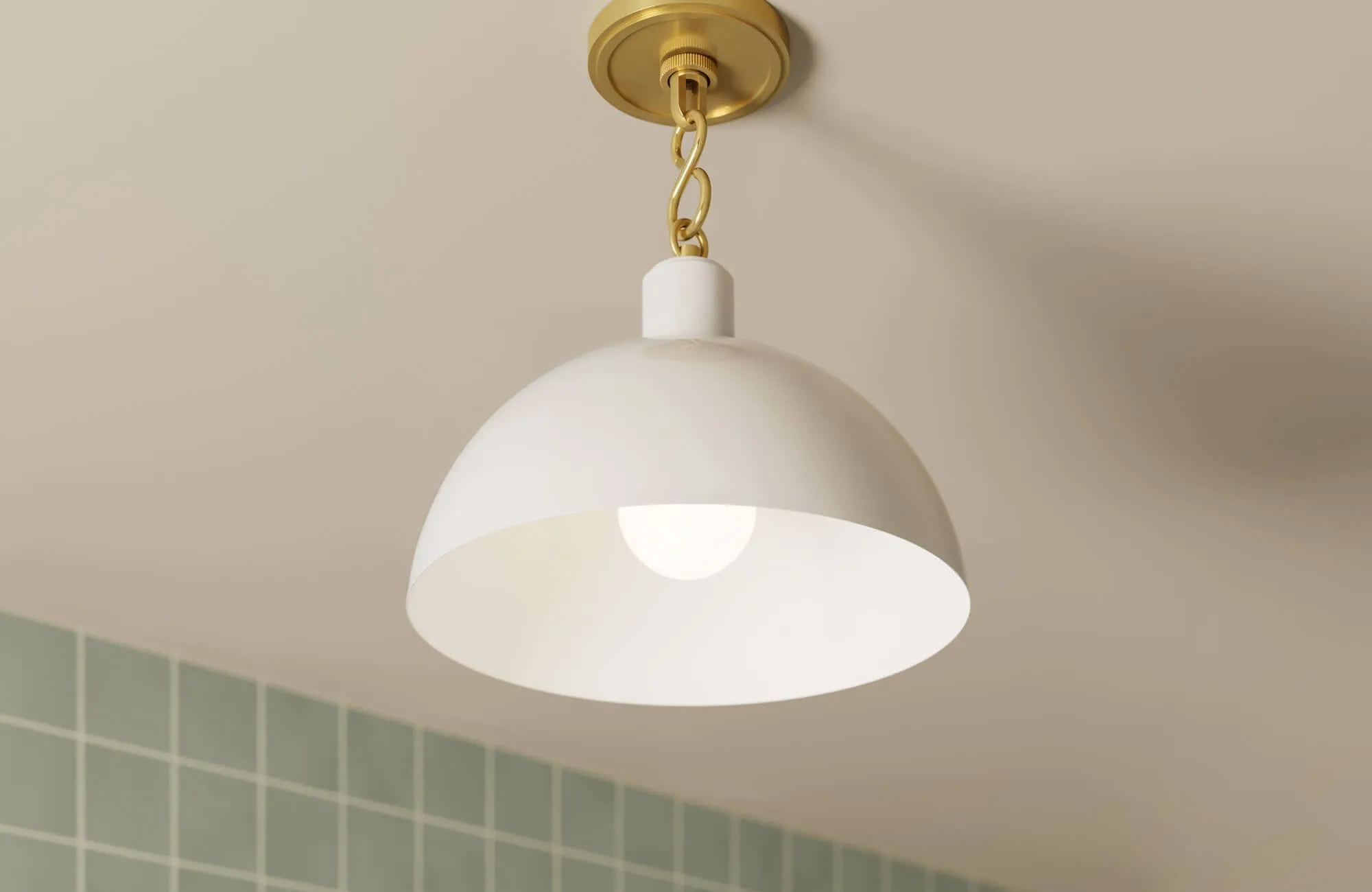
As we age, the way we see and experience light changes, and so should the way we light our homes. Dim vision, glare sensitivity, and reduced contrast make everyday tasks more challenging and, at times, less safe. From layered fixtures that reduce shadows to smart controls that simplify use, thoughtful design can make a real difference. In this guide, we’ll explore practical lighting solutions that create safer, more comfortable, and beautifully illuminated homes for seniors.
Why Lighting Matters as We Age
As we age, our eyes naturally undergo changes that make everyday tasks more challenging without proper illumination. Lighting adjustments become essential, not just for comfort, but also for safety and independence at home.
Dimming Vision and Sensitivity to Glare
Aging often brings a gradual decline in visual sharpness, making it harder to see fine details in low light. At the same time, sensitivity to glare increases, so bright or harsh light can cause discomfort rather than clarity. This combination makes poor lighting particularly problematic, as both dimness and excessive brightness create barriers. Balanced illumination ensures that seniors can see clearly without straining their eyes. By recognizing these changes, we see why careful light planning is necessary.
Reduced Contrast and Color Perception
Another common change is reduced ability to perceive contrast and subtle differences in color. What once seemed easy, distinguishing a step from the floor or separating similar shades, becomes more difficult. This lack of clarity can make even simple tasks riskier, such as moving around or preparing food. Enhanced lighting helps sharpen distinctions, so objects and surfaces remain visible. With the right setup, these challenges become less disruptive to daily life.
Increased Need for Task Lighting
As vision changes, the eyes often require more direct and concentrated light to perform specific activities. Reading, cooking, or even sewing demand illumination that goes beyond general overhead fixtures. Without it, tasks take more effort and cause more fatigue. Adding layers of lighting makes these everyday activities not only easier but also more enjoyable. This need underscores why task lighting grows in importance with age.
Best Types of Lighting for Aging Eyes
For seniors, the right mix of lighting can make a major difference in visibility, safety, and comfort. Layering different types of fixtures ensures spaces feel bright and balanced while reducing strain. By combining ambient, task, and accent lighting with adjustable options, it’s easier to create a home that adapts to changing needs.
Ambient Lighting for Overall Illumination
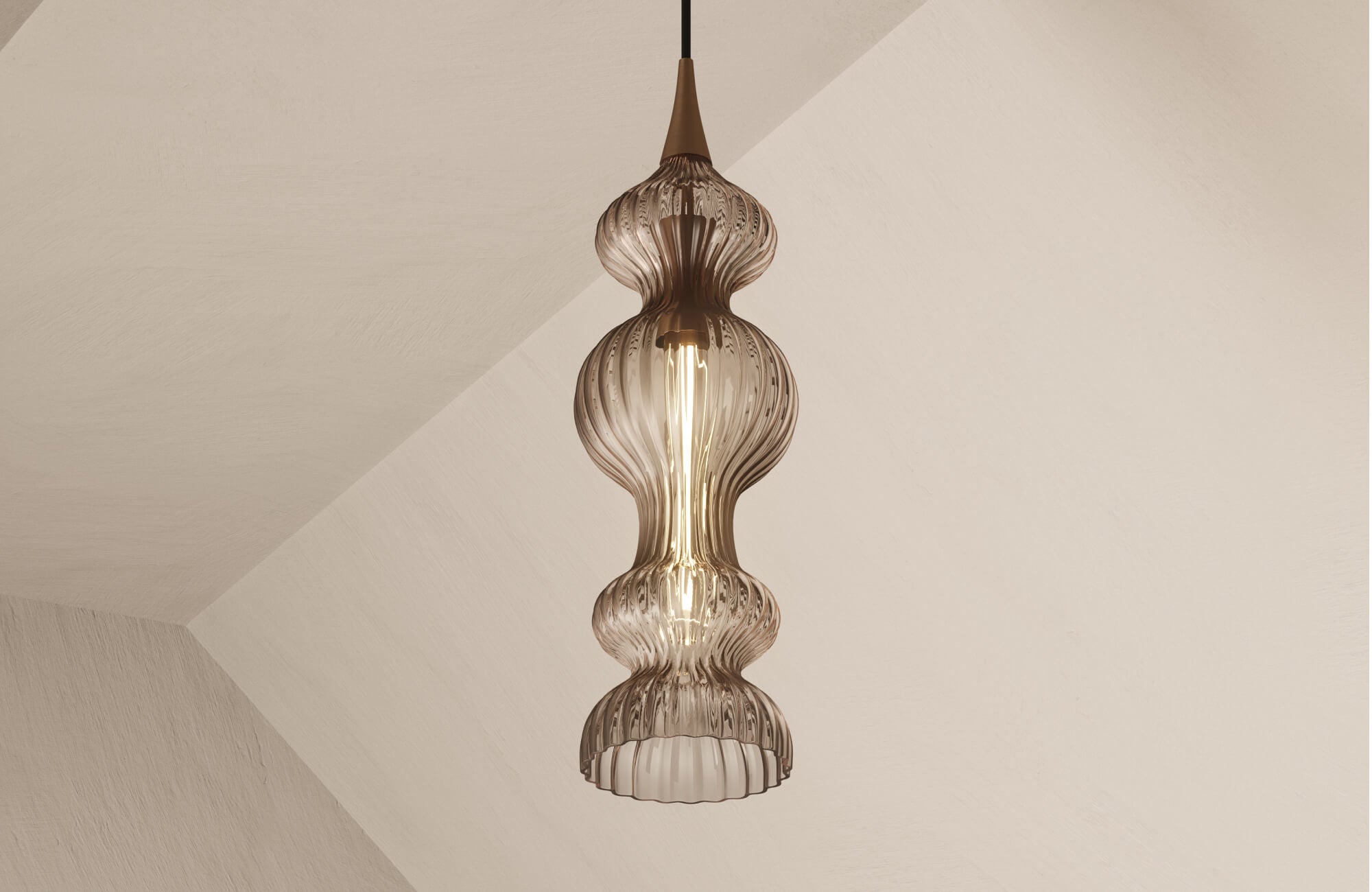
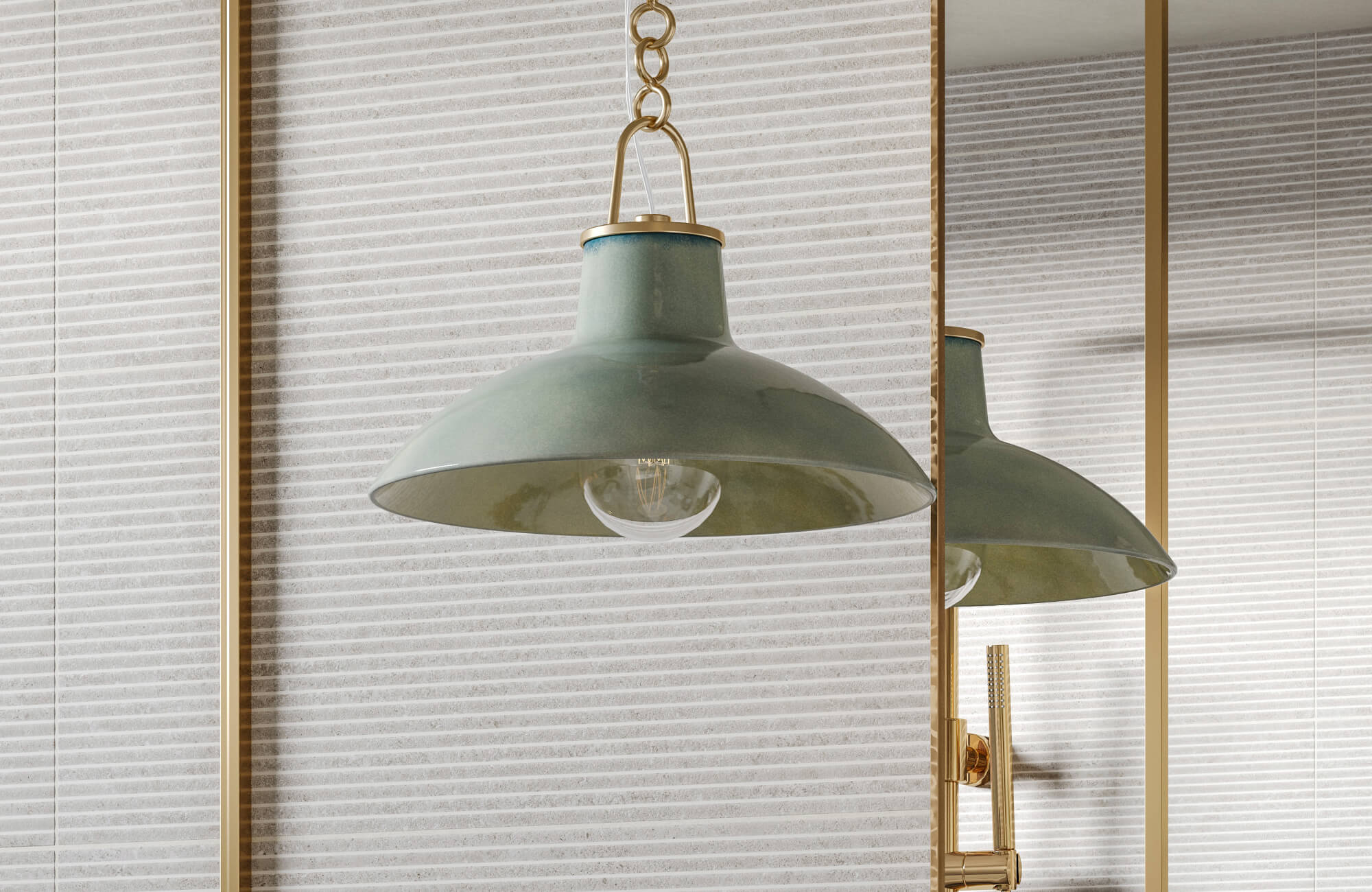
Ambient lighting is the foundation of a safe and well-lit home, providing broad, even illumination that reduces shadows and dark corners. For aging eyes, this type of lighting makes navigation easier and prevents accidents in daily routines. Fixtures like pendants, such as our Satine Pendant in Aged Brass Bronze above, chandeliers, and flush mounts are excellent at spreading light evenly across a room. Instead of relying on a single bulb, multiple sources of ambient light can help maintain consistent brightness. This base layer ensures the home feels both open and accessible.
At the same time, ambient lighting contributes to overall comfort by softening contrasts between bright and dark areas. This is particularly important for seniors, whose eyes take longer to adjust to changes in brightness. A well-chosen chandelier or pendant, for instance, can create a welcoming glow without causing glare. Flush mounts are especially useful in lower ceilings, providing even coverage without taking up visual space. Together, these fixtures build a safe and inviting atmosphere.
Task Lighting for Reading and Daily Activities
Task lighting focuses on areas where precision and clarity are essential, such as reading, cooking, or grooming. Because aging eyes require more concentrated illumination, it’s important to add fixtures that provide direct, localized brightness. Sconces positioned near seating areas or desks deliver clear light for reading without casting harsh shadows. Linear lights under cabinets are another excellent choice, giving countertops brighter coverage for meal prep.
The key to effective task lighting is placement and intensity. Light should be strong enough to illuminate the area clearly but not so harsh that it creates glare or reflections. Adjustable sconces, for instance, allow light to be directed exactly where it’s needed, adding flexibility to the space. Linear fixtures also spread light evenly, eliminating the dark patches that can make detail-oriented work difficult. Task lighting ensures that essential activities remain comfortable and accessible.
Accent Lighting to Reduce Shadows
Accent lighting adds another important layer by minimizing shadows that can create hazards or discomfort. Shadows make it harder for seniors to navigate safely, especially in transitional spaces or areas with uneven surfaces. Picture lights and wall sconces are effective here, brightening walls and highlighting surfaces in a subtle but supportive way. These fixtures don’t just add visual interest; they also balance out lighting so rooms feel more even. This helps reduce the contrast between bright and dark areas that can challenge aging eyes.
Beyond safety, accent lighting also improves overall ambiance. By softly highlighting artwork, mirrors, or architectural features, picture lights and sconces create depth without overpowering the space. This balance helps avoid the “flat” look that can result from relying only on overhead lights. Instead, accent fixtures introduce layers that keep the room both functional and visually appealing. For seniors, this combination of comfort and style is especially beneficial.
Adjustable and Dimmable Fixtures
Flexibility is key when it comes to lighting for seniors, and that’s where adjustable and dimmable fixtures shine. Eyes that are sensitive to glare or brightness benefit from the ability to tailor light intensity throughout the day. Linear fixtures, pendants, and sconces with dimming features allow for easy transitions between bright task lighting and softer evening settings. This adaptability ensures that lighting matches both the activity and the user’s comfort level. A dimmer switch or smart bulb makes these adjustments even more effortless.
Adjustability also means being able to direct light where it’s needed most. Pendant lights over a table or sconces by a chair can be angled or repositioned to reduce shadows and increase clarity. Linear fixtures with dimmable options provide consistent brightness for larger areas while still offering control. These features make it simple to create a lighting environment that’s not only functional but also comfortable at any time of day. For seniors, this level of control can significantly improve both independence and peace of mind.
Room-by-Room Lighting Tips for Seniors
Every room in the home comes with its own lighting needs, and tailoring the setup helps improve safety, comfort, and ease of use. By layering fixtures thoughtfully, seniors can enjoy spaces that feel both practical and welcoming.
Living Rooms and Gathering Spaces
Living rooms benefit from a mix of ambient and task lighting to keep the space versatile. Chandeliers or flush mounts provide even illumination, while sconces or table lamps add focused light for reading or hobbies. Layering these fixtures prevents dark corners, which can make navigation difficult. Adding dimmable pendants also helps adjust brightness depending on whether the room is being used for conversation, reading, or watching TV. This flexibility ensures the living room remains safe and comfortable for all activities.
Kitchens and Dining Areas
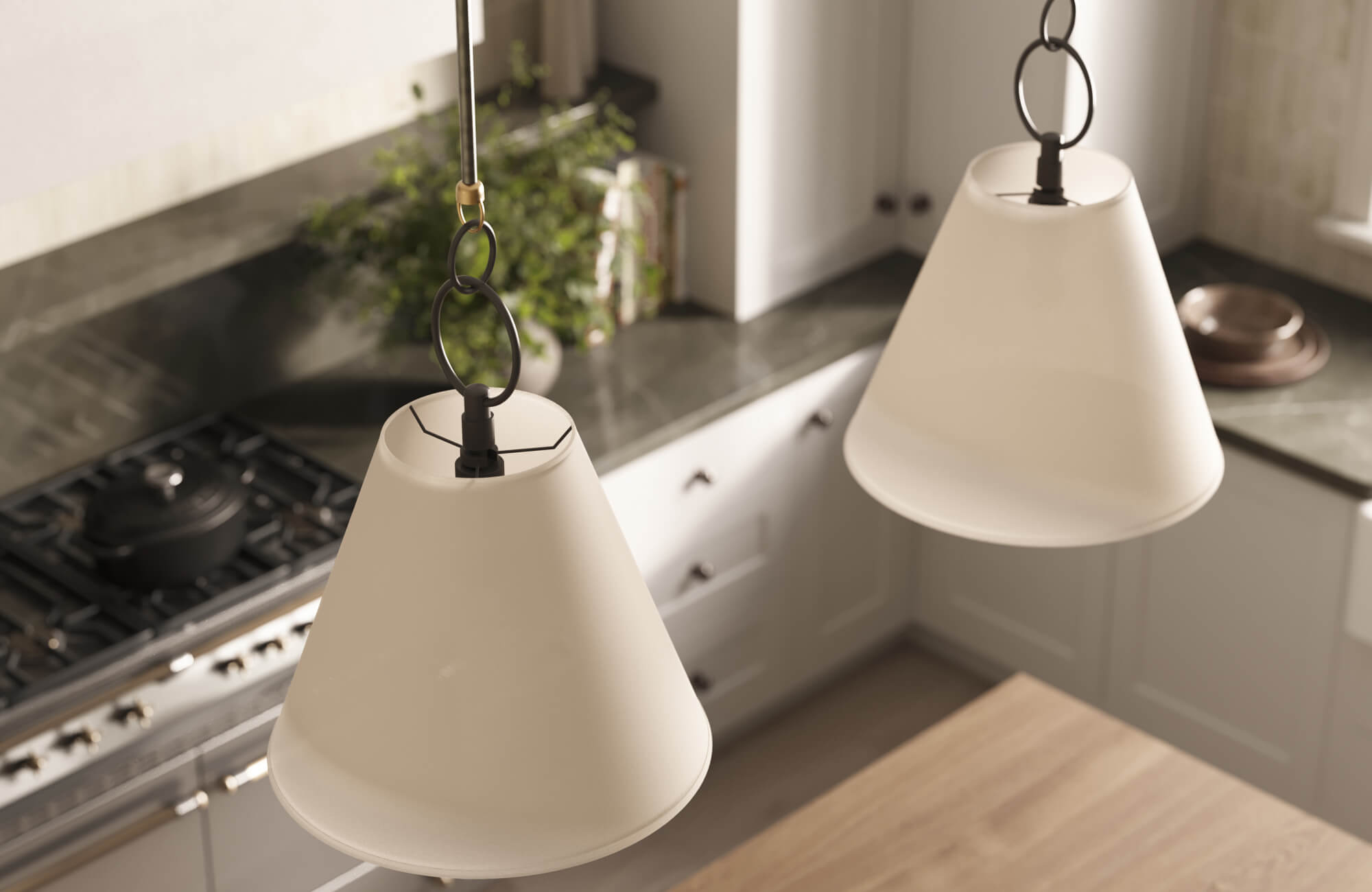
In kitchens, strong task lighting is essential for cooking, prep work, and safety. Linear fixtures under cabinets keep countertops bright and shadow-free, while pendants above islands or dining tables provide focused illumination. Ambient lighting from a flush mount or chandelier ensures the whole room is evenly lit. Adding dimmers allows the space to transition smoothly from practical meal prep to relaxed dining. Together, these layers create a kitchen that’s both safe and enjoyable to use.
Bathrooms and Showers
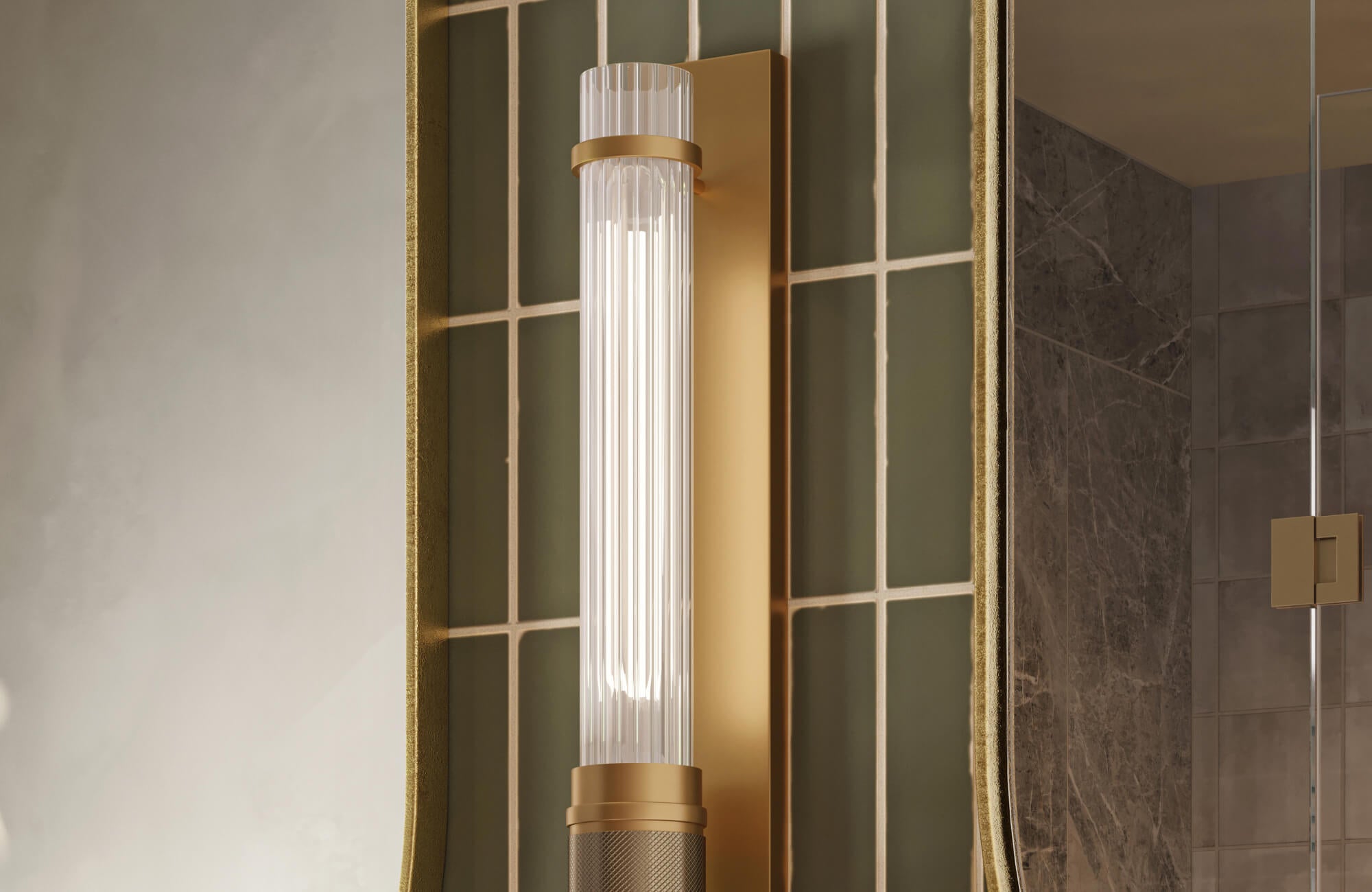
Bathrooms require bright, glare-free lighting for grooming and safety. Wall sconces, like our Geraldine Wall Sconce in Aged Brass, placed on either side of the mirror, eliminate harsh shadows, making tasks like shaving or applying makeup easier. Recessed or flush mounts provide general coverage, while moisture-safe fixtures near the shower add clarity without glare. Using warm, consistent light prevents harsh contrasts that can strain vision. A thoughtful setup ensures bathrooms feel secure, functional, and inviting.
Bedrooms and Nighttime Safety
Bedrooms need lighting that supports both relaxation and safety. Soft ambient light from a flush mount or pendant creates a calming atmosphere, while sconces or bedside lamps provide focused illumination for reading. Pathway lighting or motion-sensor night lights add security when moving around at night. Adjustable fixtures also make it easy to shift from brighter light during evening routines to softer tones before sleep. This layered approach makes the bedroom both restful and practical.
Entryways, Stairs, and Hallways
Entryways and transitional spaces are key areas where proper lighting prevents accidents. Bright ambient lighting from flush mounts or chandeliers keeps these zones clearly visible. Wall sconces along hallways or staircases reduce shadows and provide steady illumination for safe movement. Motion-sensor lights are especially helpful in these areas, turning on automatically when needed. Consistent, even lighting here ensures that seniors can move confidently from one part of the home to another.
Smart Technology and Lighting Controls
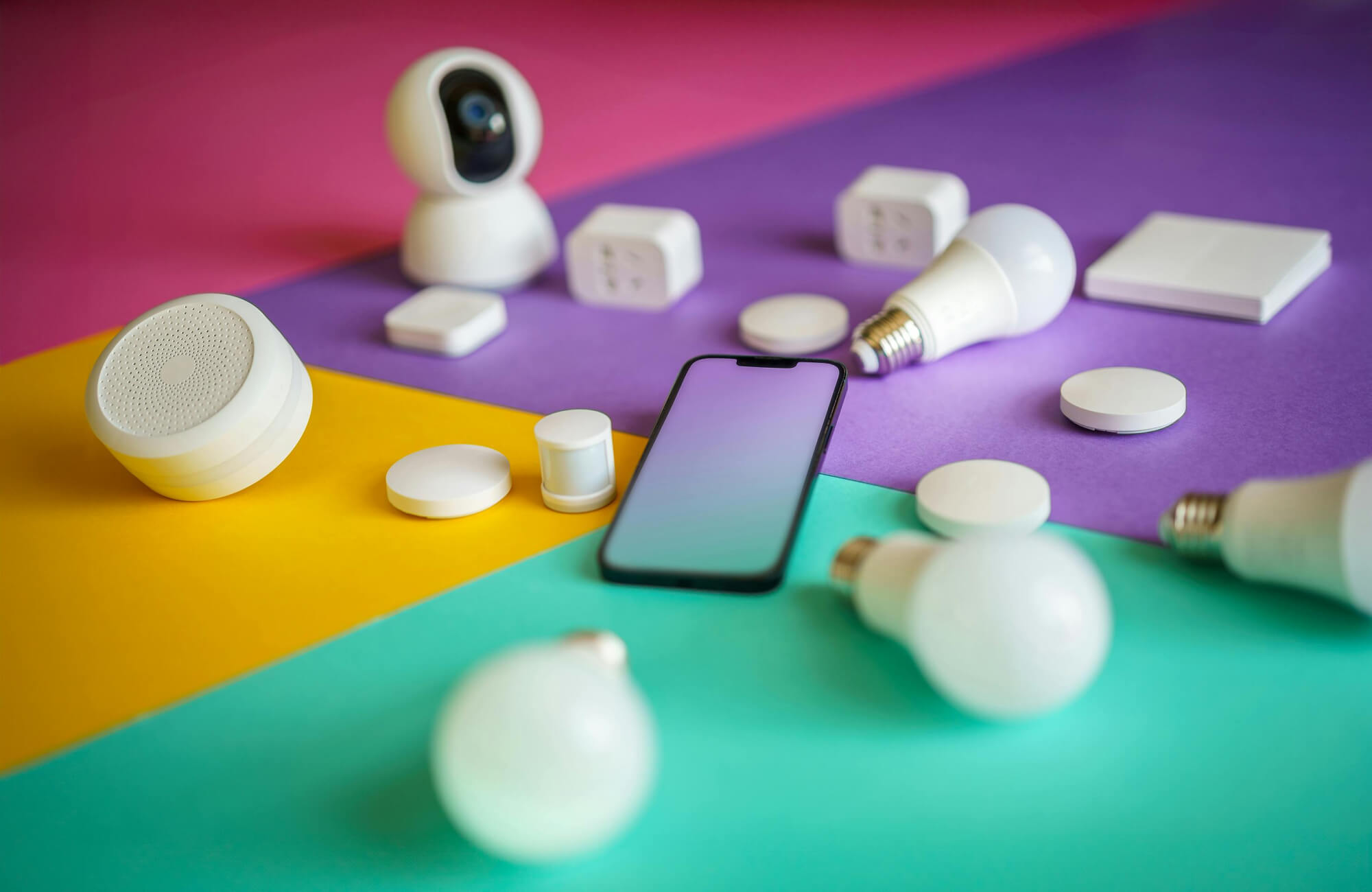
Technology can simplify lighting for seniors by reducing the need for switches and offering hands-free convenience. With the right tools, homes can feel safer, more comfortable, and easier to navigate day or night.
Motion-Sensor Lights for Safety
As mentioned earlier, motion-sensor lights are especially valuable in areas like hallways, stairs, and bathrooms, where visibility is crucial. These lights automatically turn on when movement is detected, preventing the need to fumble for switches in the dark. They also conserve energy by turning off once the space is no longer in use. Installing them near entryways and walkways adds an extra layer of security, too. This small upgrade offers peace of mind by combining safety with convenience.
Smart Bulbs and Voice Controls
Smart bulbs paired with voice controls allow seniors to adjust lighting without having to reach for switches. With simple commands, brightness levels, and even color temperature can be changed to suit different activities. This setup is especially helpful for those with mobility challenges, making daily routines smoother and safer. Smart bulbs can also be controlled through phone apps, offering flexibility for caregivers as well. These features make lighting more accessible and user-friendly in any room.
Automated Lighting Schedules
Automated lighting schedules ensure that lights turn on and off at set times, supporting both comfort and security. For seniors, this means the home can stay well-lit in the evenings without requiring manual adjustments. Morning and nighttime routines become easier when lights are programmed to match daily habits. Scheduled lighting also helps deter intruders by making the house look occupied when residents are away. It’s a simple way to combine functionality with added peace of mind.
Choosing the Right Bulbs and Color Temperature
Selecting the right bulbs makes a significant difference in comfort, visibility, and overall eye health for seniors. The right choice helps reduce strain while ensuring spaces remain safe and well-lit.
Warm vs. Cool Lighting for Seniors
The color temperature of a bulb affects how comfortable a room feels for aging eyes. Warm lighting, often around 2700K–3000K, creates a cozy, inviting atmosphere but can sometimes feel too dim for detailed tasks. Cooler lighting, around 4000K–5000K, provides sharper contrast that improves visibility without being overly harsh. Many seniors benefit from using warmer tones in living spaces and cooler tones for task areas. This balance ensures both comfort and practicality in daily routines.
High-Lumen Bulbs for Better Brightness
As vision dims with age, higher-lumen bulbs become essential to maintain clear visibility. These bulbs deliver stronger light output, helping to reduce strain and improve safety when moving around the home. For example, a high-lumen bulb in a reading lamp makes text more legible and prevents squinting. They also work well in kitchens and bathrooms, where precision is important. Choosing the right brightness ensures lighting remains functional while still comfortable.
Energy-Efficient Options for Long-Term Use
Energy-efficient bulbs, such as LEDs, provide bright and reliable light while consuming far less energy than traditional bulbs. They also last significantly longer, reducing the need for frequent changes that can be inconvenient for seniors. Modern LEDs are available in a wide range of brightness levels and color temperatures, making them adaptable for different needs. They stay cool to the touch, adding an extra layer of safety. By investing in energy-efficient options, seniors can enjoy dependable lighting while keeping utility costs lower.
Bringing Comfort, Safety, and Style Together
Improving home lighting for aging eyes isn’t just about brighter bulbs; it’s about creating an environment where seniors can live safely and comfortably. The right mix of ambient, task, accent, and adjustable lighting reduces strain, prevents accidents, and makes everyday activities more enjoyable. Paired with smart technology and thoughtful bulb choices, these updates can help seniors maintain independence while ensuring their homes remain welcoming and functional. Good lighting is a practical investment that directly impacts quality of life.
If you’re unsure where to start, scheduling a design consultation can help you navigate options tailored to your home and needs. Our experts can recommend fixtures, layouts, and controls that balance visibility, comfort, and style in every room. With personalized guidance, you’ll not only improve safety but also create a home environment that feels warm, accessible, and beautifully designed.
Follow us on Instagram
@EDWARD.MARTIN
)
)
)
)
)
)
)
)
)
)
)
)
)
)
)
)