A heavy mirror can instantly elevate a room, adding both depth and style, but hanging one requires more than a quick nail in the wall. Without the right preparation, even a beautiful mirror can become a safety risk, causing damage or injury if it falls. In this guide, we’ll walk you through what to consider before installation, the best hardware choices, and the safe steps that ensure your mirror stays firmly in place.

The Basics of Heavy Mirror Hanging
Hanging a heavy mirror is very different from hanging a light picture frame because weight distribution plays a much bigger role. A mirror’s weight needs to be supported evenly so it doesn’t strain one point of the wall. For example, spreading the load with brackets or anchors keeps the pressure balanced, which reduces the chance of the mirror tilting or falling. Thinking about how the weight is carried is the first step to safe and long-lasting installation.
Improperly hung mirrors can cause more problems than just looking crooked. A loose or under-supported mirror may fall, which not only damages the glass but can also create serious safety hazards. For instance, a heavy mirror crashing down in a hallway or bathroom could break tiles, scratch furniture, or even injure someone nearby. Taking the time to secure it properly helps prevent accidents and protects both your walls and your home.
Another important factor is the type of wall you’re working with, since not all surfaces handle weight the same way. Drywall without studs can only hold so much before anchors pull out, while concrete or brick requires different drilling methods altogether. For example, a mirror that hangs securely on plaster may need sturdier fasteners on drywall to avoid sagging. Understanding your wall’s material ensures you choose the right approach and gives the mirror a stable foundation.

Choosing the Right Hardware and Tools
The success of hanging a heavy mirror depends largely on using the right hardware and tools. Different fasteners and supports are designed to handle specific weights and wall types, so choosing carefully makes all the difference. Here, we’ll look at the most common options and tools that help ensure a safe and reliable installation.
Wall Anchors vs. Toggle Bolts
When studs aren’t available, wall anchors and toggle bolts are two of the most reliable options for securing heavy mirrors. Anchors expand inside the wall to grip tightly, while toggle bolts use a spring-loaded mechanism to spread pressure across a larger area. For instance, toggle bolts work well in drywall where anchors alone may not provide enough support. Also, both options come in weight-rated varieties, so checking the capacity before installation is essential.
Using Mirror Clips or French Cleats
Mirror clips and French cleats provide strong, balanced support for heavier mirrors. Clips are simple brackets that hold the mirror securely against the wall, while cleats interlock two angled pieces, one attached to the mirror and the other to the wall, for a tight fit. French cleats are especially useful because they distribute weight evenly and make it easier to adjust placement. Also, they offer a professional look by keeping the mirror snug and flush against the wall.
Essential Tools for the Job
Having the right tools on hand ensures that your installation is both safe and efficient. A stud finder, level, drill, and measuring tape are the basics you’ll want before you begin. For example, a level keeps the mirror straight while a stud finder ensures you’re anchoring into solid support. Also, using the correct drill bits for your wall type prevents damage and helps the fasteners grip more effectively.
Checking Weight Ratings on Hardware
One detail that often gets overlooked is the weight rating on the hardware itself. Every anchor, bracket, or cleat is designed to hold a certain maximum load, and exceeding that can lead to failure over time. For instance, a set of anchors rated for 30 pounds will not hold up against a 50-pound mirror. Checking labels carefully before installation ensures that your hardware matches the mirror’s weight and avoids unnecessary risk.

Considering Different Mirror Shapes
The shape of a mirror doesn’t just influence its appearance—it also changes how weight is distributed and how secure the mounting needs to be. Certain shapes balance more evenly, while others place more strain on specific points, which makes choosing the right hardware even more important.
Round and Oval Mirrors
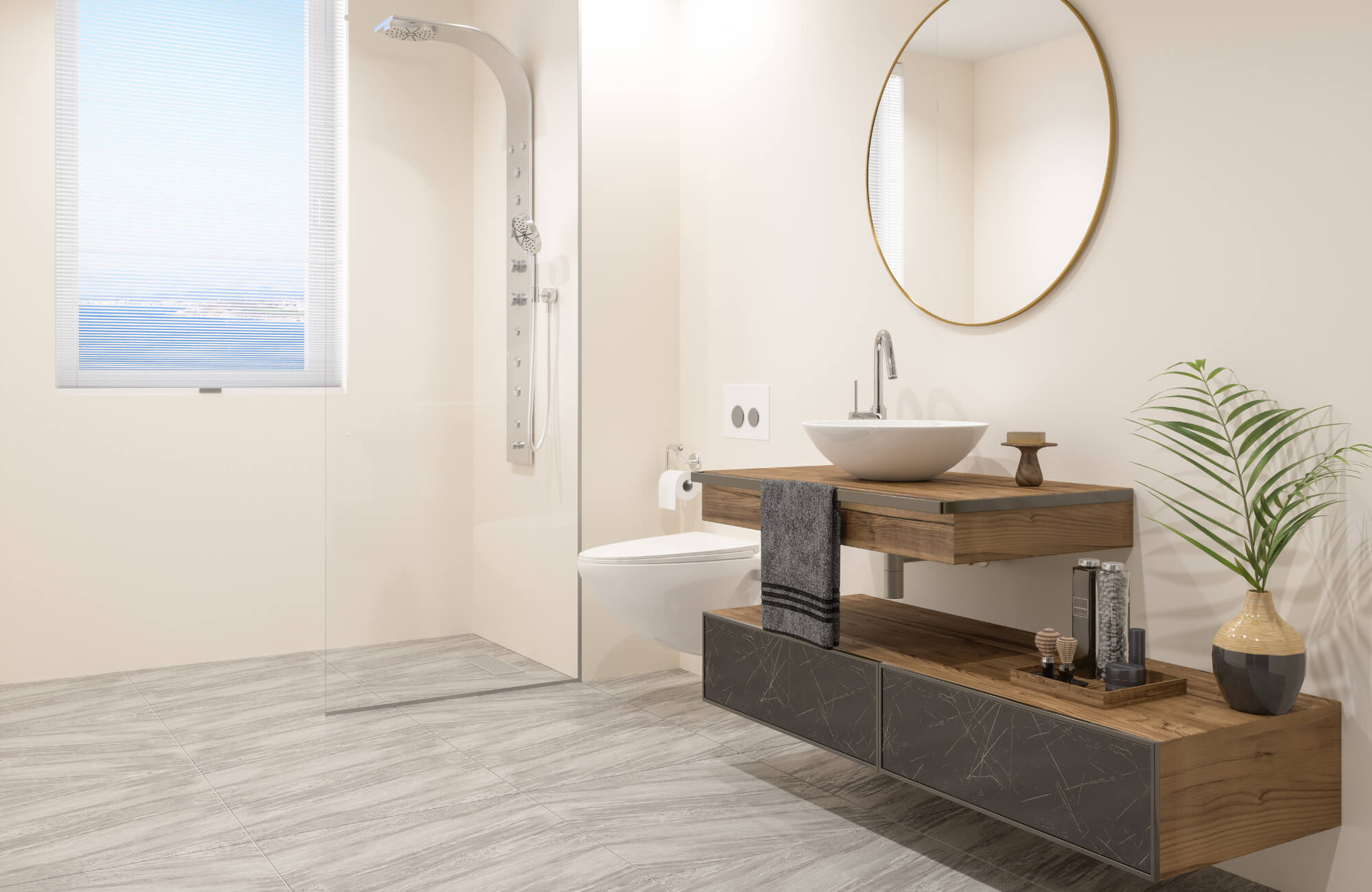
Round and oval mirrors distribute weight differently than square shapes since there are no straight edges to align with studs. This makes them slightly more challenging to hang, as balance depends heavily on secure central support. For instance, French cleats or strong clips often work better than simple hooks because they hold the mirror firmly in place. Also, careful measuring ensures the mirror doesn’t tilt or shift once mounted.
Rectangular or Square Mirrors
Rectangular and square mirrors are the easiest shapes to mount because their weight spreads more evenly across the wall. They align naturally with studs and anchors, which reduces the chance of uneven stress. For example, a wide rectangular mirror in a dining room can be securely supported with two cleats spaced evenly. Also, their straight edges make it simple to keep the mirror level during installation.
Organic-Shaped Mirrors
Organic mirrors with flowing, such as our Shirley Large Mirror in Antique Brass Iron, with irregular edges, are increasingly popular, but their design can make hanging more complex. Because the weight may not sit evenly, using multiple anchor points or a full-length cleat is often the safest choice. For example, a large pebble-shaped mirror may sag on one side if it’s only secured at two points. Also, marking the balance point carefully before drilling ensures the mirror hangs naturally without shifting over time.
Arched Mirrors
Arched mirrors, as seen above with our Clancy Small Arch Mirror in Antiqued Iron, combine the symmetry of rectangular mirrors with the softness of curves, which requires careful support. The flat base makes leveling easier, but the curved top can create a sense of imbalance if not secured properly. For instance, a tall arched mirror leaning against the wall still benefits from brackets at the base for stability. Also, when hanging, spreading support evenly along the lower edge helps keep the arch steady and upright.

Preparing Your Wall for Installation
Before you even pick up a drill, it’s essential to know what’s behind your wall. Locating studs gives you the strongest possible support for a heavy mirror, since screws driven into solid wood hold far more weight than drywall alone. If studs aren’t in the right spot, using high-quality anchors designed for heavy loads can provide the reinforcement you need. Taking this step ensures the wall has the strength to handle the mirror’s weight safely.
Measuring and marking the placement of your mirror is just as important as securing it properly. Rushing through this part can result in a crooked or poorly positioned mirror that throws off the balance of the room. For example, marking the center point and using a level helps you align everything before drilling any holes. This preparation not only makes installation smoother but also reduces the chance of mistakes that are difficult to fix later.
Finally, always take time to assess the condition of the wall itself before drilling. Weak spots, cracks, or areas where drywall is already damaged may not hold fasteners securely. For instance, plaster walls require different drilling methods than drywall, and brick or concrete may need specialized bits and anchors. Checking the wall’s integrity first ensures your mirror has a solid foundation and minimizes the risk of issues after it’s hung.

Step-By-Step Process for Hanging a Heavy Mirror
Once your wall is prepared and the hardware is ready, the actual installation comes down to careful execution. Each step should be taken slowly and with precision, since a heavy mirror leaves little room for error. Following a structured process ensures the mirror stays secure and the wall remains intact.
Attaching Hardware to the Wall
Begin by installing your chosen hardware directly into the marked spots on the wall. If you found studs, screws should be driven into them for maximum support; if not, heavy-duty anchors or toggle bolts will do the job. Using a level while drilling helps ensure that the brackets or cleats line up evenly. This step creates the solid foundation your mirror will depend on once mounted.
Securing Hardware to the Mirror
Next, attach the hardware to the back of the mirror itself. Many heavy mirrors come with pre-installed brackets, but if yours doesn’t, you may need to add D-rings, cleats, or clips designed for its weight. Make sure the hardware is tightened firmly and positioned symmetrically, since uneven placement can cause the mirror to tilt. Checking twice before lifting saves time and reduces frustration later.
Lifting and Mounting Safely
Heavy mirrors are not meant to be hung alone, so always lift with a partner. Carefully align the mirror’s hardware with the wall fasteners, easing it into place without forcing it. For instance, French cleats should slide together smoothly, while clips should snap into position securely. Also, lifting with two sets of hands helps avoid injury and keeps the mirror from slipping during installation.
Double-Checking Alignment Before Hanging
Before you let go, confirm that the mirror is level and properly aligned. Even a slight tilt will be noticeable and may put uneven stress on the hardware over time. Using a bubble level or laser level makes this step quick and accurate. Taking a moment here prevents the need to rehang or adjust the mirror later.
Testing Stability After Installation
Finally, gently test the stability of the mirror once it’s in place. Apply light pressure at different points to make sure it doesn’t wobble or shift on the wall. If there’s any movement, tighten the fasteners or add additional support. Ensuring stability at this stage guarantees the mirror will remain safe and secure for years to come.
Making Sure Your Mirror Is Secure
Hanging a heavy mirror safely starts long before you put it on the wall. It requires the right hardware, careful preparation, and a step-by-step approach that prioritizes stability. By considering weight distribution, wall type, and balance points, you can avoid common mistakes and enjoy a mirror that not only looks stylish but also stays firmly in place. Proper planning protects your walls, your glass, and the overall comfort of your space.
If you are uncertain about hardware choices, wall strength, or the best way to secure a unique mirror shape, working with a design professional can give you peace of mind. Our consultation provides expert guidance on selecting the right supports, checking placement, and blending safety with design. With professional advice, your mirror becomes more than just décor; it becomes a secure and lasting feature in your home.