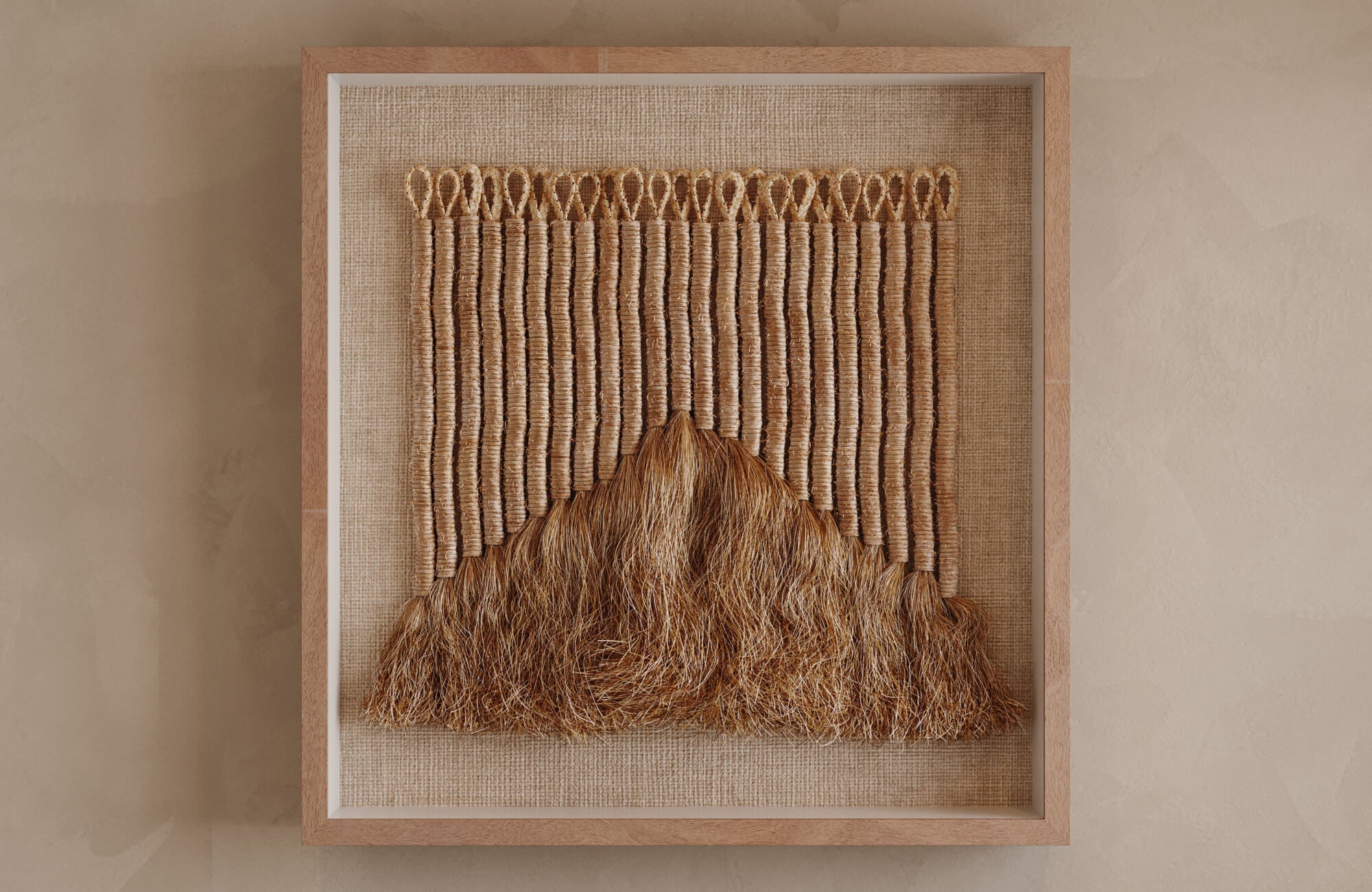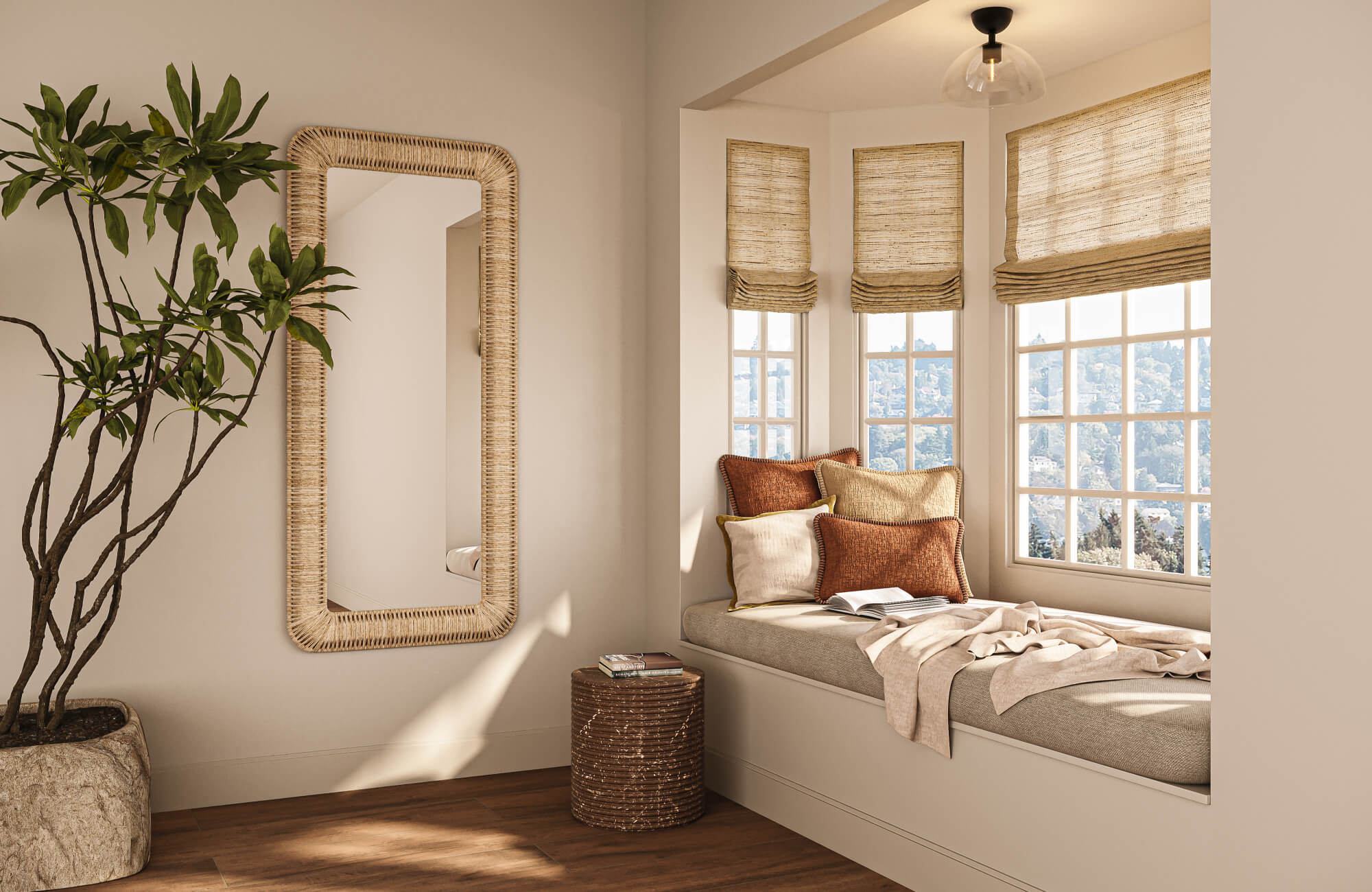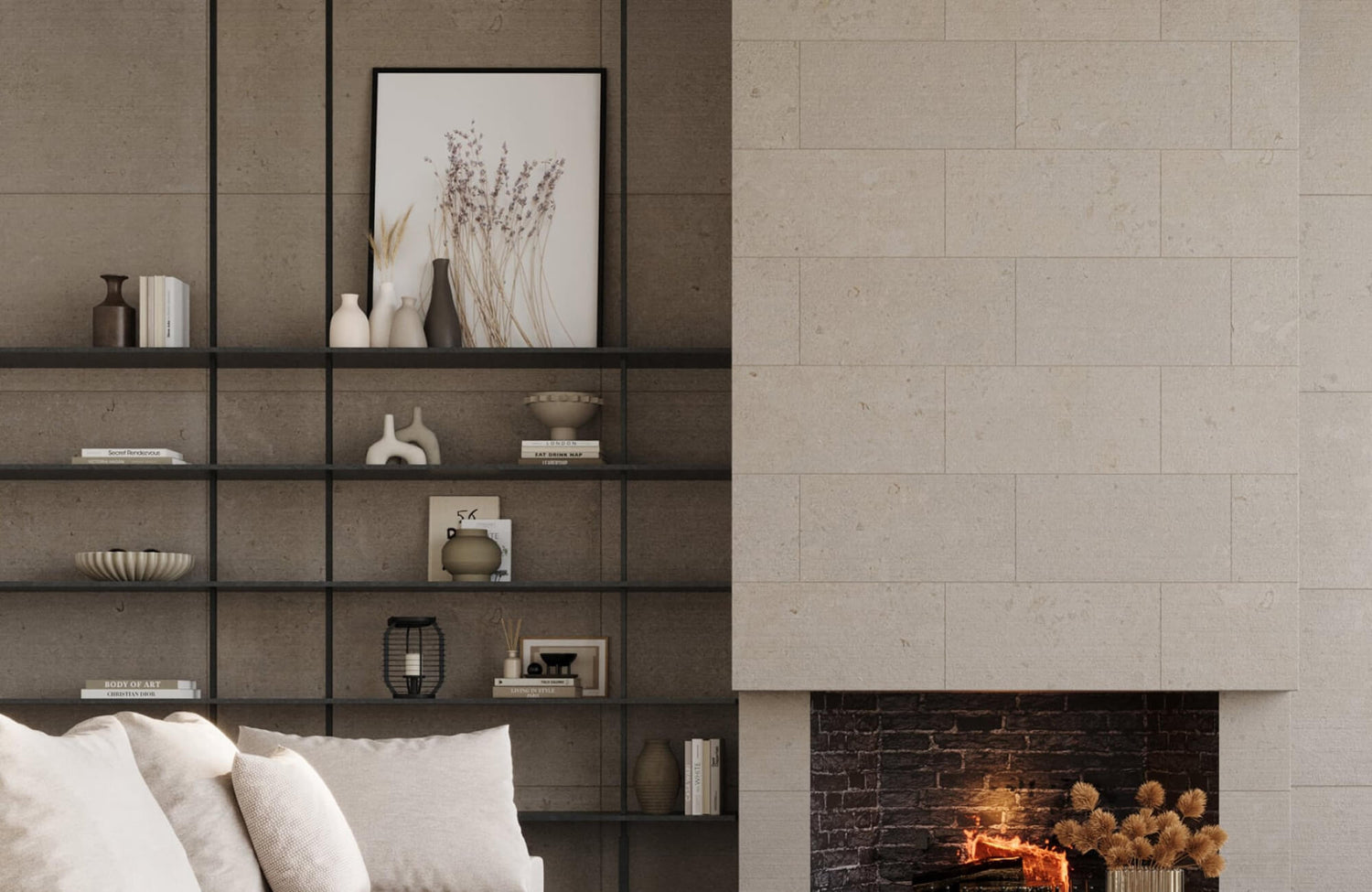
Finding the perfect wall art is not about choosing something that simply looks good on its own. It is about understanding how a piece will exist within your space, how it shapes the atmosphere, and how it expresses your personal style in a way that continues to feel right over time. The right artwork should feel integrated rather than added, as though it naturally belongs on your wall. When chosen thoughtfully, it can quietly transform the way a room feels and functions every day.
As we walk through this guide together, you can expect clear, practical direction on evaluating your space, narrowing your options, and selecting wall art that feels balanced, intentional, and genuinely suited to your home.

Start With the Room’s Purpose and Mood
Before choosing any specific piece, it helps to step back and consider the role the room plays in everyday life. The function of the space and the mood you want to experience there should guide your decision, as wall art significantly influences the overall atmosphere and can subtly shape how a room feels while supporting your daily activities.
Identify the Room’s Function
Consider how the room is used. A bedroom is typically associated with rest, so artwork that conveys a sense of calm and visual ease often feels most appropriate. In contrast, a home office benefits from pieces that support focus and mental clarity, such as balanced compositions or imagery that feels structured rather than distracting.
In shared areas like living rooms, artwork often plays a more social role. It can act as a visual anchor that sparks interest or conversation without dominating the space. When you base your choice on the room’s primary function, the decision-making process becomes clearer and more purposeful.
Define the Emotional Tone
It is equally important to consider how you want the room to feel the moment you step inside. Selecting a few clear descriptors, such as grounded, uplifting, intimate, or focused, can clarify the atmosphere you want to create. These words serve as a practical filter, helping you narrow your options with greater confidence.
For instance, a bedroom intended to feel peaceful may benefit from landscapes with open horizons or gentle tonal shifts that create a sense of ease. In contrast, a dining area designed to feel lively can be enhanced by artwork with visible movement or confident shapes. When you connect specific emotions to visual elements, your decisions become more deliberate and cohesive.
A clear illustration of this principle is shown in the photo above, where Edward Martin’s Meadowline Wall Art complements the kitchen’s grounded and intimate atmosphere. Framed by deep green cabinetry, warm wood flooring, and layered textures, the piece harmonizes with the room’s earthy character rather than drawing attention away from it. Its organic composition supports the room’s existing tone, illustrating how thoughtfully chosen wall art can reflect surrounding elements and deepen the overall atmosphere.
Match Energy Levels
Another important factor to consider is visual energy. Some artworks are rich in detail and contrast, drawing immediate attention, while others are minimal and understated. If your room already features patterned fabrics or layered decorative elements, a more restrained piece can introduce balance. On the other hand, if the space feels visually quiet, a composition with stronger movement or contrast can add presence and character.
When the artwork's intensity reflects the room’s natural rhythm, the space feels cohesive and comfortably balanced rather than overpowering. This thoughtful balance allows the art to enhance the space naturally, without competing for attention.

Work With Color and Light Intentionally
With the mood established, attention naturally turns to color and lighting. Color plays a central role in creating visual harmony, while lighting influences how those tones appear and evolve from morning to evening.
Pull From Existing Decor
Rather than beginning with a blank slate, take cues from the elements already in your space. Observe the tones present in your rug, sofa, cushions, or curtains, and identify two or three colors that stand out. These can serve as a starting point when evaluating potential paintings or prints.
The artwork does not need to match every detail precisely. In many cases, it works more effectively when it subtly reflects a secondary color already in the room. This approach creates visual continuity without feeling overly coordinated. When color is repeated with intention, the overall design feels cohesive and naturally unified.
Use Contrast Strategically
At this point, contrast should be approached with intention rather than hesitation. If your walls and larger furnishings are light-toned, a darker artwork can add definition and establish a clear, natural focal point within the space. Conversely, in a room where bold contrasts already exist, a more tonal piece can help moderate the overall visual intensity.
The key is balance. Contrast should enhance the artwork’s presence without dominating the space. When applied thoughtfully, it brings depth, structure, and clarity to the room as a whole.
Consider Natural and Artificial Light
Lighting plays a crucial role in how artwork is experienced and understood within a space. A piece that appears vibrant in a well-lit setting may look more subdued in a room with limited natural light. For this reason, it is important to observe how light shifts within your space throughout the day before making a final decision.
Warm artificial lighting can also enrich earthy hues and soften contrasts, while cooler lighting tends to highlight blues and grays with greater clarity. By factoring in both natural and artificial light early in the selection process, you can make a choice that remains consistent and satisfying once the artwork is in place.
This relationship between light and art is clearly illustrated in the photo featured above. Edward Martin’s Golden Drift Wall Art is positioned to receive soft natural daylight from the windows, which gently highlights its tones and keeps the details clear without feeling overly bright. At the same time, the Alena Wall Sconce in Aged Brass introduces a warm layer of artificial light that enhances the artwork’s depth and complements the surrounding finishes. Together, these lighting sources demonstrate how thoughtful placement and layered illumination ensure that wall art maintains its character from morning through evening.

Choose the Right Size and Placement
Even the most compelling artwork can seem out of place if the proportions are not right. Careful attention to scale and positioning ensures that a piece feels naturally integrated into the room rather than visually disconnected.
Measure Before You Buy
Accurate measurements are essential before selecting any piece. Start by measuring both the wall and the furniture placed beneath it to ensure the proportions work together. A widely accepted guideline is to choose artwork that spans approximately two-thirds of the width of the sofa, bed, or console below, as this proportion typically creates a balanced and grounded appearance.
Before making a final decision, outline the intended dimensions on the wall using painter’s tape. This practical step allows you to assess the scale in real time, helping you visualize how the piece will relate to the surrounding space and reducing the likelihood of costly adjustments later.
Understand Vertical and Horizontal Balance
Orientation plays a meaningful role in how a space is perceived. For instance, vertical artwork naturally draws the eye upward, helping create the impression of higher ceilings. In contrast, horizontal pieces draw the gaze across the room, reinforcing a sense of openness and width.
With this in mind, it is important to consider the wall’s natural proportions. A tall, narrow wall often works best with a vertically oriented piece, since it follows the natural lines and feels visually in sync. On the other hand, a wide wall, especially above a sofa, generally feels more balanced and cohesive when paired with a horizontal composition.
This principle is clearly illustrated in the photo featured above, where Edward Martin’s Silent Orchard Wall Art is placed within an arched niche above a dresser. Its orientation aligns with the vertical curve of the alcove, allowing it to echo the architectural lines rather than compete with them. By respecting the space's height and shape, the piece enhances the room’s proportions and demonstrates how thoughtful orientation can make the artwork feel naturally integrated.
Explore Gallery Wall Layouts
If you find yourself drawn to several pieces rather than just one, a gallery wall can offer a cohesive way to display them together. The success of this approach depends on consistency. Maintaining even spacing and incorporating a unifying element, such as a consistent frame finish or a shared color palette, helps the arrangement feel intentional rather than scattered.
Before hanging anything, arrange the pieces on the floor to refine the layout. This step gives you the freedom to adjust spacing and positioning until the composition feels balanced, allowing you to move forward with greater confidence once it is time to mount them.

Align With Your Personal Style Identity
After considering function, color, and scale, attention naturally shifts to personal expression. The artwork you choose should reflect your preferences and perspective, rather than simply echoing what happens to be popular at the moment.
Define Your Design Style
Start by observing the lines, shapes, and materials already present in your space. Consider whether your furniture leans toward clean, minimal forms, warm, natural materials, or layered eclectic combinations. Each design direction naturally aligns better with certain types of artwork.
For instance, contemporary interiors often pair well with abstract or geometric compositions that reflect their streamlined look. More traditional spaces, on the other hand, are often complemented by classic portraiture or timeless landscapes. By clearly defining your overall design style, you allow the artwork to strengthen the room’s character rather than creating contrast that feels out of place.
Mix Trends With Timeless Pieces
Trends can offer fresh inspiration, yet they often shift over time. For that reason, it is wise to anchor your space with artwork that feels lasting and personally meaningful, then incorporate trend-influenced pieces in smaller or more flexible formats. This balanced approach allows for adaptability. If your preferences evolve, you can easily refresh smaller accents while keeping your main statement piece in place, preserving a sense of continuity while still introducing variety into the room.
Avoid Impulse Buys
It is easy to feel drawn to a piece in the moment, especially when it makes a strong first impression. Rather than purchasing it right away, consider saving an image and revisiting it after a few days. This short pause allows you to evaluate whether the connection feels lasting or simply immediate. Taking this step helps you avoid decisions driven purely by novelty. The right artwork should continue to resonate beyond the initial excitement and feel meaningful within your space over time.

Select Materials and Framing Thoughtfully
The material and framing you choose play a significant role in how the artwork integrates with the room. These elements shape the texture and visual presence of the artwork while also affecting its durability and how it ultimately appears within your space.
Compare Canvas, Paper, and Metal
Each material brings a distinct presence to a room. Canvas typically offers a soft, matte finish that suits more relaxed or casual settings. Paper prints, particularly when framed under glass, tend to highlight fine detail and often complement more tailored interiors. Metal surfaces, by contrast, reflect light and introduce a clean, contemporary feel.
Because every material responds differently to light and surrounding textures, it is important to consider how it will interact with your existing furnishings. Selecting a medium that aligns with your environment helps ensure the artwork feels integrated and visually consistent within the overall design.
Choose Frames That Enhance
A frame should complement the artwork rather than compete with it. Slim profiles often create a clean, understated look, while thicker frames can add structure and presence when appropriate. The right choice depends on the artwork itself as well as the room’s overall character.
Finish is equally important. Black and natural wood frames tend to integrate effortlessly into a wide range of interiors. Coordinating the frame tone with existing hardware or furniture finishes can create subtle continuity, helping the artwork feel intentionally placed within the space.
This concept is clearly demonstrated in the photo featured above, where Edward Martin’s Dusk Fold Wall Art in a wood frame anchors the wall with quiet confidence. Its dark wood frame echoes the tone of the console table beneath it, creating a visual link between the artwork and the furniture. Rather than overpowering the textured wall, the frame defines the piece and gives it structure, illustrating how a well-chosen wood frame can enhance both the artwork and the surrounding design.
Think About Longevity
Durability is an important consideration, particularly in rooms with strong sunlight or higher humidity levels. UV-protective glass can help preserve color over time, while reliable hanging hardware ensures the piece remains secure and properly positioned. By choosing quality materials from the outset, you not only safeguard the artwork itself but also ensure that it continues to look and feel right in your space for years to come.

Balance Budget With Artistic Value
Cost is an important part of the decision-making process. Finding the perfect wall art does not require an unlimited budget, but it does require thoughtful planning so your investment feels intentional and worthwhile.
Set a Realistic Spending Range
Begin by identifying where artwork will make the greatest impact in your home. A larger piece in a primary living area may warrant a higher investment, while secondary rooms can be styled effectively with smaller or more moderately priced works. By prioritizing key focal points, you can allocate your budget with intention rather than distributing it evenly across every wall. This approach allows you to create strong visual statements where they matter most, while maintaining balance throughout the rest of your space.
Explore Independent Artists and Prints
Original works often bring a distinct sense of character and individuality to a space. At the same time, limited-edition prints can provide a comparable visual impact at a more accessible price point, making them a practical option for many homes. By exploring a range of sources, including independent artists and curated print collections, you broaden your options and improve your chances of finding a piece that feels personal and distinctive. This approach allows you to prioritize authenticity while remaining mindful of your budget.
Know When to Invest
If a piece genuinely resonates with you and serves as a visual anchor for the room, it may justify a greater investment. A well-chosen focal piece can shape the overall tone and create a stronger sense of cohesion throughout the design. Before making a decision, consider how well the piece will stand the test of time, how strongly you connect with it, and whether it will adapt easily if your décor changes in the future. Weighing these factors carefully helps ensure that the investment feels both deliberate and rewarding over time.
Finding the Perfect Wall Art
Finding the perfect wall art is ultimately a process of alignment. It begins with understanding the room’s purpose and mood, then moves through thoughtful decisions about color, scale, personal style, materials, and budget. Each step builds on the last, creating a clear and practical path toward a well-considered choice.
When these elements work together, the result feels cohesive and intentional rather than accidental. By taking a thoughtful, step-by-step approach, you can choose artwork that fits your walls beautifully while reflecting your personality and enhancing your home. If you would like more personalized guidance, you’re welcome to contact us and explore our design service for tailored support in refining your selections and creating a cohesive plan.