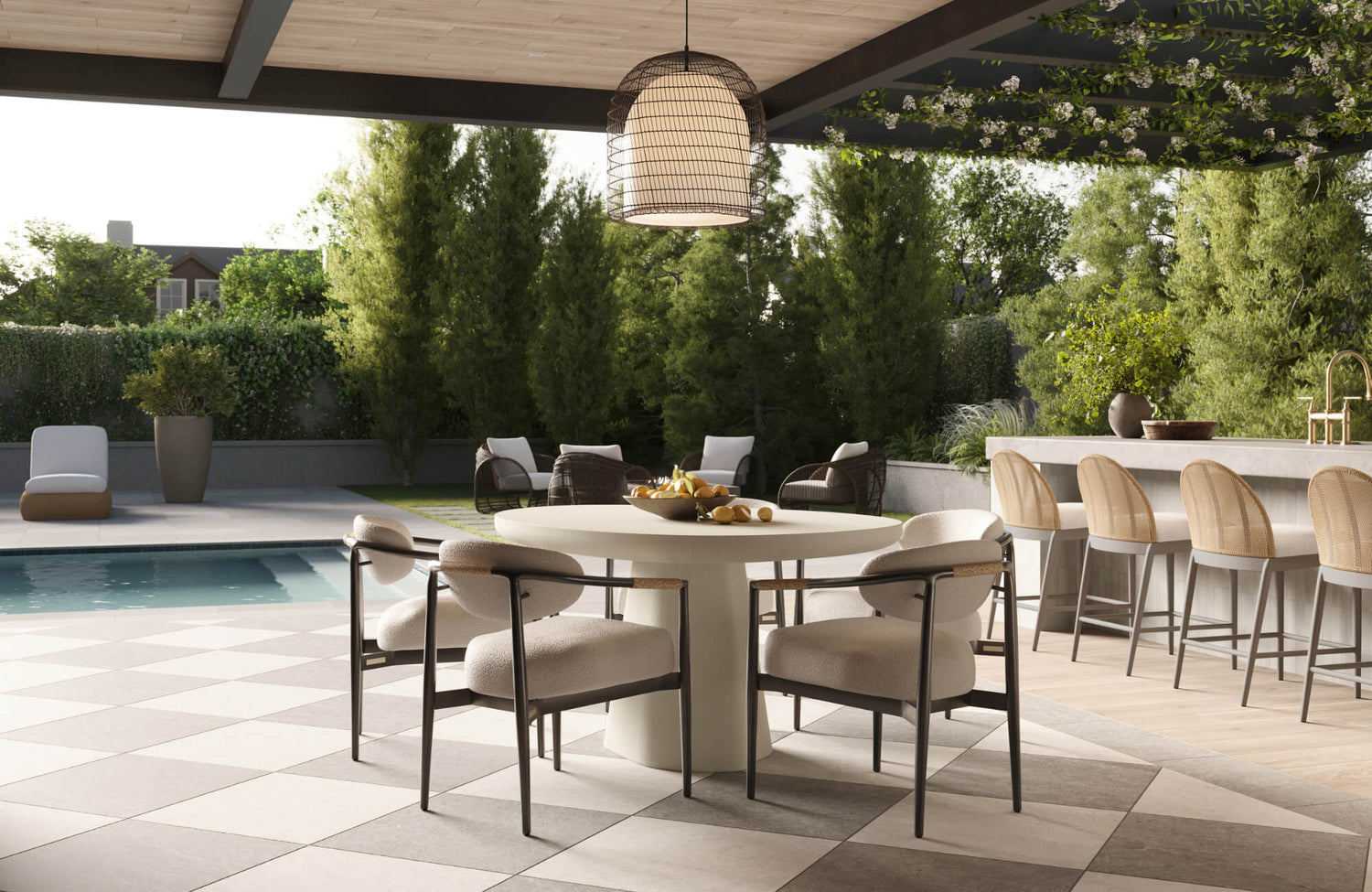
An alfresco area is more than just an outdoor extension of your home, it is a refined living environment where design, comfort, and nature converge. Whether positioned beside a garden, overlooking a pool, or opening seamlessly from your interior living space, a well-designed alfresco setting offers the opportunity to entertain, relax, and elevate everyday moments. For those seeking premium outdoor solutions, the goal is not simply decoration, but the creation of a cohesive, luxurious experience that reflects both lifestyle and aesthetic sensibilities.
Designing such a space requires thoughtful planning and a layered approach. From defining its primary function to selecting high-performance materials and integrating ambient lighting, each decision contributes to the overall harmony of the area. This guide explores how to curate an alfresco space that feels intentional, elegant, and enduring, balancing practicality with refined outdoor living.

Defining The Primary Function Of Your Outdoor Space
Before selecting finishes or investing in premium outdoor pieces, it’s important to step back and consider the intent behind your alfresco area. A beautifully designed space is always grounded in purpose, ensuring that every element feels cohesive rather than incidental. By clearly defining how you want to live in the space, you create a strong foundation that guides all subsequent design decisions. This clarity ultimately transforms your outdoor area into a refined extension of your home rather than just an afterthought.
Zoning For Dining Versus Lounging
Creating distinct zones within your alfresco area helps establish order and enhances usability. A dining zone should feel anchored and structured, often centered around a statement table crafted from durable, high-end materials such as stone, teak, or powder-coated aluminum—Edward Martin’s Maris Teak Rectangular Dining Table, 96" x 42" in the image above exemplifies this with its clean lines and substantial presence. Positioning this area closer to the home facilitates ease of service while maintaining a strong visual connection to indoor living.
A lounging zone, on the other hand, benefits from a more relaxed layout. Low-profile seating, modular sofas such as the Elysia Sofa, and thoughtfully placed outdoor coffee & side tables encourage conversation and comfort while providing practical surfaces for drinks, décor, or ambient lighting. By subtly separating these areas through rugs, lighting, or changes in material, you create a natural flow that allows each zone to function independently while contributing to a unified design language.
Managing Foot Flow And Accessibility
An often-overlooked aspect of alfresco design is movement. A well-designed space allows guests to move effortlessly between zones without disruption. Pathways should remain clear, with furniture arranged to guide rather than obstruct circulation. Consider the placement of entry points, steps, and transitions between indoor and outdoor areas to ensure accessibility is seamless.
In premium outdoor environments, foot flow is as much about experience as it is about function. Thoughtful spacing between furniture pieces, intuitive pathways, and unobstructed sightlines all contribute to a sense of openness and ease. For those seeking a more tailored approach, Edward Martin’s design services can help refine spatial planning to suit both lifestyle and architecture. If you’re considering a bespoke alfresco layout, you can easily contact Edward Martin to explore design solutions that bring clarity and cohesion to your simple outdoor space.

Selecting Weather Resistant Luxury Furniture
Once the purpose of your alfresco space is clearly established, the next step is bringing that vision to life through carefully chosen furnishings. Furniture becomes the backbone of the design, shaping both the functionality and visual identity of the space. In an outdoor setting, however, aesthetics must go hand in hand with durability to ensure long-term performance. This is where investing in weather-resistant luxury furniture becomes essential, offering both resilience and timeless sophistication.
The Durability Of Grade A Teak Wood
Grade A teak wood remains one of the most sought-after materials for outdoor furniture, and for good reason. Its natural oils make it highly resistant to moisture, insects, and decay, allowing it to endure harsh climates while maintaining structural integrity, as seen in Edward Martin’s Cielo Outdoor Console Table in the image above. Over time, teak develops a soft silver patina that adds depth and sophistication to the overall design.
Beyond durability, teak offers a tactile warmth that enhances the alfresco experience. Its organic texture contrasts beautifully with modern materials such as metal and stone, creating a balanced aesthetic that feels both contemporary and timeless. For those seeking a premium outdoor solution, teak represents an investment in both beauty and longevity, though its appearance and aging process may vary depending on climate conditions and maintenance practices.
High Performance Fabrics For Soft Seating
Soft furnishings are essential in elevating comfort, but they must also be engineered for outdoor use. High-performance fabrics are designed to resist fading, moisture, and mildew, ensuring that cushions and upholstery retain their appearance over time; qualities reflected in Edward Martin’s Sabine Outdoor Sofa in Cream, as shown in the image above. These fabrics often feature advanced weaving techniques that combine durability with a luxurious hand feel.
Incorporating such materials allows you to introduce color, pattern, and softness without compromising practicality. Neutral palettes create a serene, resort-like ambiance, while subtle textures add visual interest. The result is a seating arrangement that invites relaxation while maintaining the standards of a high-end outdoor environment, although longevity can still depend on exposure levels and routine care.

Grounding The Design With Outdoor Rugs And Textiles
With the core furniture pieces in place, the alfresco area begins to take shape, but it often still lacks warmth and cohesion. This is where textiles become transformative, softening the overall look while tying different elements together. Outdoor rugs and layered fabrics introduce a sense of comfort that mirrors indoor living, bridging the gap between structure and atmosphere. By thoughtfully incorporating these details, the space evolves into a more inviting and visually balanced environment.
Choosing The Right Size Outdoor Rug
Scale is critical when selecting an outdoor rug. A rug that is too small can make the space feel disjointed, while an appropriately sized piece anchors the furniture and creates visual harmony—Edward Martin’s Marroway Indoor/Outdoor Rug in Brown / Black, 7'10" x 10'9" in the image above demonstrates how proportion can define and unify a seating arrangement. Ideally, the rug should extend beyond the edges of the seating or dining arrangement, ensuring that all key pieces are connected.
Material choice is equally important. High-quality outdoor rugs are typically crafted from synthetic fibers such as polypropylene, which offer durability and resistance to moisture while mimicking the texture of natural materials. This combination of practicality and aesthetic appeal makes them a staple in premium alfresco design.
Adding Texture With Down Pillows And Blankets
Layering textiles introduces depth and comfort, transforming the alfresco area into an inviting retreat. Down pillows in varied textures and tones create a sense of refined softness and luxury, offering superior comfort while enhancing the overall aesthetic—Edward Martin’s Merelle 13" x 21" Down Pillow in Ivory and Merelle 13" x 21" Down Pillow in Tan, seen in the image above, illustrate how subtle tonal variation can elevate a neutral palette. Paired with lightweight blankets, they add both functionality and visual warmth to the space.
The key is to maintain a cohesive palette that complements the overall design. Subtle variations in texture, such as woven fabrics, embroidered details, or tonal patterns, add interest without overwhelming the space. This approach ensures that the alfresco area feels thoughtfully curated and effortlessly elegant.

Layering Lighting For Evening Ambiance
As the material and tactile elements come together, attention naturally shifts to how the space functions beyond daylight hours. Lighting becomes a defining feature, influencing not only visibility but also mood and ambiance. A well-considered lighting scheme enhances the architectural and decorative elements already in place, allowing the alfresco area to transition effortlessly from day to night. Through layered illumination, the space gains depth, warmth, and an elevated sense of luxury.
Overhead Statement Pendants And Chandeliers
Overhead lighting serves as both a functional necessity and a design focal point. Statement pendants or outdoor chandeliers add a sense of grandeur, particularly when positioned above a dining table or central seating area—Edward Martin’s Bernard 15” Lantern in Aged Brass in the image above captures this balance with its sculptural form and warm metallic finish. These fixtures often feature weather-resistant materials such as metal, glass, or treated wood, ensuring durability without sacrificing style.
The choice of fixture should complement the overall aesthetic of the alfresco space. Whether modern, coastal, or classic, the right lighting piece can anchor the design and create a striking visual impact.
Ambient Pathway And Accent Lighting
In addition to overhead fixtures, ambient lighting enhances safety and atmosphere. Soft illumination along pathways, steps, and garden edges ensures visibility while contributing to a serene environment. Accent lighting can be used to highlight architectural features, landscaping, or decorative elements, adding depth and dimension to the space.
The key is subtlety. Low-level lighting creates a gentle glow that enhances the ambiance without overpowering it. This layered approach ensures that the alfresco area remains both functional and visually captivating after sunset.

Incorporating Shade And Climate Control Elements
While lighting extends the usability of your alfresco area into the evening, comfort throughout the day and across seasons requires additional consideration. Exposure to sun, wind, and cooler temperatures can impact how often and how well the space is enjoyed. Integrating shade and climate control solutions ensures that the environment remains pleasant regardless of changing conditions. These elements not only enhance functionality but also contribute to the overall sophistication and completeness of the design.
Elegant Pergolas And Cantilever Umbrellas
Shade structures such as pergolas and cantilever umbrellas provide essential protection from the sun while adding architectural interest. A well-designed pergola can serve as a focal point, framing the alfresco area and creating a sense of enclosure without sacrificing openness, especially when paired with a refined dining setup like Edward Martin’s Seabrook Outdoor Dining Table, 102" in the image above.
Cantilever umbrellas offer flexibility, allowing you to adjust shade coverage as needed. Their sleek, modern design complements contemporary outdoor settings, while their functionality ensures comfort during warmer months. Complementing this arrangement, the Hightide Outdoor Dining Armchair in Stained Aged Grey/Alessi Linen enhances both comfort and visual continuity, reinforcing a cohesive and elevated outdoor dining experience.
Integrating Fire Pits And Outdoor Heaters
As temperatures drop, heating elements extend the usability of the alfresco area. Fire pits create a natural gathering point, offering both warmth and ambiance. Their flickering flames add a dynamic visual element that enhances the overall atmosphere.
Outdoor heaters provide a more discreet solution, ensuring consistent warmth without dominating the design. When integrated thoughtfully, these features allow the alfresco space to remain inviting and comfortable throughout the year, reinforcing its role as a true extension of the home, though it’s important to ensure installation and use align with local regulations and manufacturer safety guidelines.
Elevating The Alfresco Experience
Decorating an alfresco area is an exercise in balance, where functionality meets elegance and durability meets design. By defining the purpose of the space, selecting high-quality materials, and layering elements such as textiles, lighting, and climate control, you create an environment that feels both intentional and inviting.
A thoughtfully designed alfresco area does more than enhance your home; it transforms the way you experience outdoor living. It becomes a place where moments are shared, where comfort is prioritized, and where design excellence is evident in every detail. With the right approach, your alfresco space can embody the essence of luxury living, seamlessly blending indoor sophistication with the beauty of the outdoors.