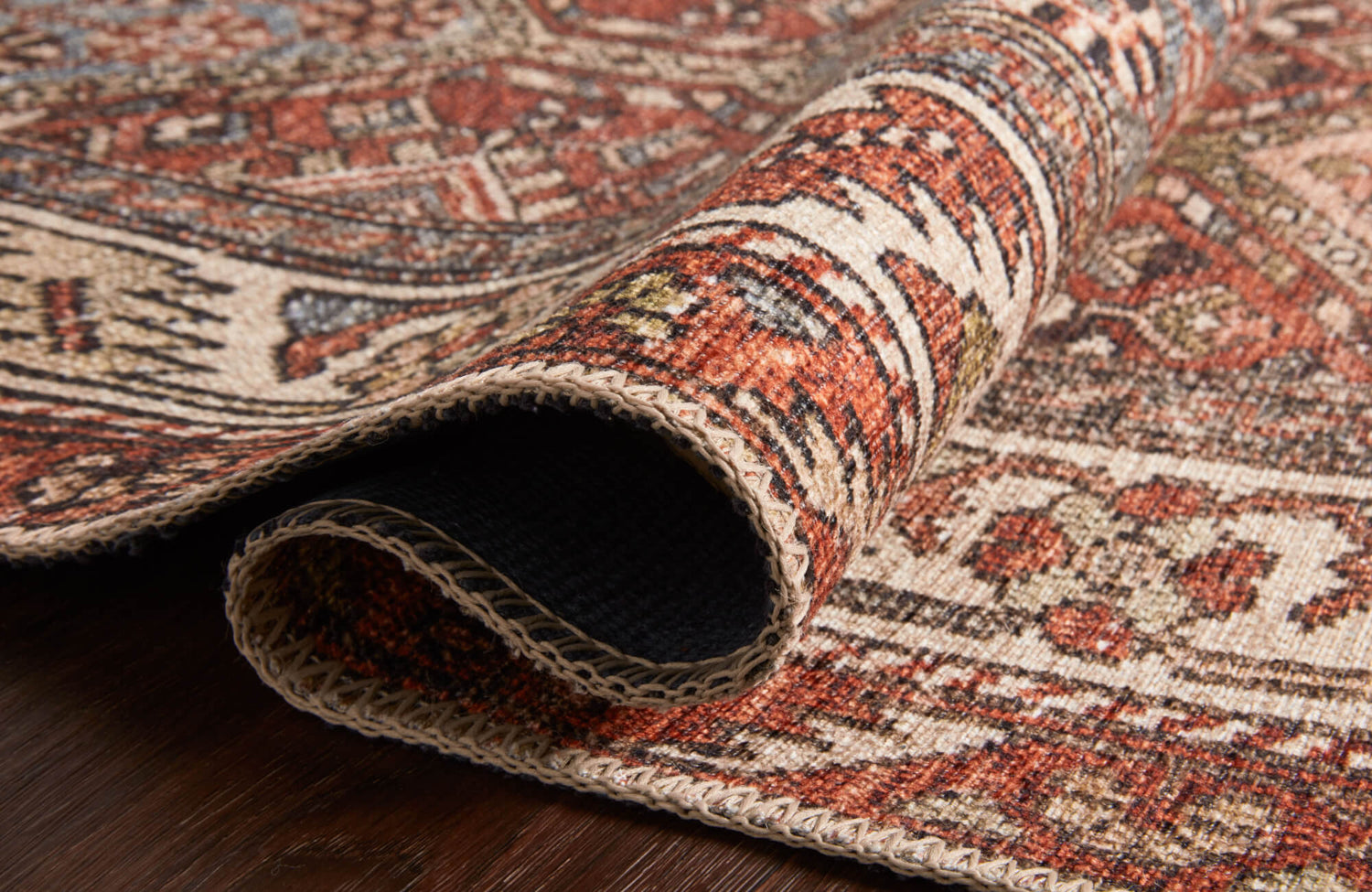
The right rug does more than fill a space; it defines it. Whether you want to add warmth to a bare floor, connect scattered furniture, or simply bring color and texture into a room, your rug choice can transform the entire feel of your space. Yet, with so many sizes, materials, styles, and functions to choose from, picking the perfect one can feel overwhelming.
This article breaks down the process into clear, practical steps so you can make an informed decision with confidence. From selecting the right size and shape to understanding the impact of color, pattern, texture, and maintenance, each section is crafted to help you choose a rug that not only fits your lifestyle but also elevates your entire room with comfort, style, and purpose.

Exploring Rug Sizes and Proportions
A rug that’s too large or too small can disrupt the harmony of a space. Proper sizing ensures visual balance, functional zoning, and aesthetic cohesion. The key is to consider your room’s layout, furniture placement, and architectural features when selecting rug dimensions.
Living Room Layouts and Size Guidelines
In the living room, a rug anchors your furniture and subtly defines the zone it occupies. When you’re working with an open-concept layout, the rug helps carve out a dedicated area for seating, keeping the space from feeling disjointed. A good rule of thumb is the "front-legs-on" approach, where only the front legs of sofas and chairs rest on the rug. This creates cohesion without overwhelming the space.
However, if you’re aiming for a more polished, enveloping look, consider the "all-legs-on" layout. This works especially well in larger rooms, where the rug can support every piece of furniture in your seating area. If your furniture lines the walls, ensure the rug reaches under at least the front legs to visually tie pieces together. Leaving around 18 inches of exposed floor around the rug also helps frame the room and prevents the space from feeling cramped.
Rugs for Dining Rooms and Chairs
Dining rooms call for precision when it comes to rug sizing. The rug must be large enough to contain the dining table and still allow the chairs to glide in and out without catching the edges. A reliable approach is to add at least 24 inches on all sides of the table when determining the rug size. So, if your dining table measures 72 by 42 inches, a rug around 120 by 90 inches will offer ample space for comfort and movement.
But dimensions alone aren’t everything. Shape also plays a key role in achieving visual harmony. Matching the shape of the rug to your dining table enhances symmetry and flow. A rectangular table, for instance, pairs best with a rectangular rug, while round rugs echo the curves of a circular table. This alignment not only enhances aesthetics but also reinforces balance, especially in formal dining settings.
Bedroom Rugs by Bed Size
In the bedroom, the right rug makes your mornings softer and your space more serene. For a queen-sized bed, an 8 by 10 foot rug usually offers ideal coverage, while a 9 by 12 foot option better suits a king. The rug should also extend past the foot of the bed and the sides, giving your feet a soft, warm landing every morning and adding a grounded, cohesive feel to the room.
As seen in the image above, our Hutchinson Polyester Face Rug in Sage Graphite beautifully illustrates how a thoughtfully chosen rug enhances a bedroom's atmosphere. With its earthy sage-green tones blended with graphite and hints of soft beige, this rug adds a rich vintage elegance without overpowering the space. Its detailed yet muted pattern also brings texture and warmth beneath a neutral bed frame, showing how the right rug can tie every element of the room together in both comfort and style.

Color, Pattern, and Visual Impact
A rug’s color and pattern can set the mood, create focal points, or visually alter the perception of space. Use these tools to inject personality, create harmony, or balance room proportions.
Using Color Theory in Rug Selection
Color is one of the most immediate and powerful elements in rug selection, influencing how a space feels the moment you enter. Warm tones such as reds, oranges, and yellows can inject a space with vibrancy and a sense of intimacy, making them a perfect fit for living rooms, dining areas, or other spaces where conversation and energy are encouraged. In contrast, cool tones like blues, greens, and soft grays can bring a soothing, expansive quality that calms the senses, ideal for bedrooms, reading nooks, or spaces where you unwind.
When choosing a rug, think about the palette of your room and whether you want the rug to harmonize with or boldly contrast against it. If your room already features bold wall colors or statement furniture, a rug in muted tones can offer visual relief while still complementing the overall look. On the other hand, if your space is neutral or understated, a rich, saturated rug can become the focal point that ties everything together. You can also use analogous colors for a gentle transition or complementary tones to create eye-catching contrast and energy.
A beautiful example is our Georgette Polyester Pile Rug in Clay Navy, featured in the photo above, which demonstrates how a thoughtfully chosen palette can transform a space. Its rich clay base infused with subtle navy accents creates a warm yet grounded presence that energizes without overwhelming. Set against soft neutral furnishings, this rug becomes a visual anchor, adding both depth and character to the room. It's a perfect example of how using complementary tones can elevate a minimalist space while inviting a sense of comfort and cohesion.
Choosing Patterns Based on Room Dynamics
Pattern plays a vital role in shaping how a room is perceived, especially in terms of scale and personality. If your space is small or naturally crowded, opt for large-scale or tone-on-tone patterns. These designs reduce visual clutter and help the room feel more open and breathable. Simpler patterns also blend more easily with surrounding decor, allowing other features like furniture or art to shine without competition.
In more spacious or sparsely decorated rooms, intricate patterns can lend a grounding effect, pulling the elements of the room inward and adding visual richness. This is where ornate geometrics, florals, or tribal motifs can thrive. However, be aware of pattern density. Too many fine details in a room already filled with textures or prints can make the environment feel overstimulating. If your space leans minimalist, a rug with a dynamic or playful pattern can be the single bold statement that elevates everything. Conversely, solid or subtly patterned rugs help tone down an already busy setting, restoring a sense of visual calm.
Visual Tricks for Depth and Space
Beyond color and pattern, rugs can also manipulate how space is perceived. For instance, striped rugs are powerful tools. When placed horizontally, they can make a narrow room appear wider; vertically, they stretch the visual field to create the illusion of added length. The direction and spacing of the stripes also play a key role, so it’s worth experimenting to find what enhances your layout best.
In addition to stripes, tonal gradients, where color subtly shifts from light to dark, bring depth and movement into a space that might otherwise feel flat. These designs work especially well in modern or transitional interiors where texture and visual flow are key. Meanwhile, if you’re working with a small or dim room, light-colored or subtly patterned rugs reflect more light and keep things airy. For larger, more expansive spaces, dark-toned rugs can add weight and balance, anchoring the furniture and helping the room feel more intimate. These techniques let you shape not just how your room looks, but how it feels.

Material and Durability Considerations
Material selection affects a rug’s texture, longevity, maintenance needs, and even its environmental impact. Choose wisely based on where the rug will be used and how it will be treated.
Wool, Cotton, and Jute Rugs
Natural fibers offer a range of benefits, and each one brings something unique to the table. Wool stands out as a timeless favorite thanks to its combination of softness, resilience, and inherent stain resistance. It handles constant use with grace, bouncing back from compression and hiding dirt well, which makes it especially effective in living rooms or entryways where both comfort and durability are important. Though often more expensive upfront, wool's longevity and ease of upkeep often make it a worthwhile investment in the long run.
A great example of wool’s versatility is our Mallory Wool Pile Rug in Forest, shown in the image above. This rug showcases a rich, muted green tone that captures the essence of forest hues, perfect for bringing grounded tranquility into your space. Its subtle pattern and plush texture create a luxurious underfoot experience while maintaining the robust performance wool is known for. Whether styled in a quiet reading corner or anchoring a lively living room, it effortlessly balances beauty with everyday practicality.
Cotton, on the other hand, is lightweight and budget-friendly, perfect for casual spaces or for those who like to switch up décor regularly. It’s easy to clean—many cotton rugs are even machine-washable, which makes them a practical choice for playrooms, kitchens, or informal bedrooms. However, it does tend to wear faster and may flatten under heavy furniture. If you’re drawn to earthy textures and sustainable materials, jute offers a tactile, natural look with a coarse weave that brings visual interest to the floor. Jute also works best in moderately used rooms where texture and aesthetics take precedence, such as home offices or sunrooms.
Synthetics like Polypropylene and Nylon
Synthetic materials have surged in popularity for good reason; they’re built to handle the hustle of daily life. Polypropylene, one of the most common synthetic rug fibers, is highly resistant to stains, moisture, and mildew, making it a top choice for homes with kids, pets, or busy areas. Its colorfast properties also ensure that vibrant hues remain intact even under direct sunlight. Lightweight and budget-conscious, polypropylene rugs can go nearly anywhere, from basements to outdoor patios.
Nylon is another heavy-hitter in the synthetic category, prized for its unmatched durability and elasticity. It handles high-pressure wear areas like hallways or offices with ease, retaining its shape even after years of use. Although slightly more costly than polypropylene, nylon offers a smoother feel underfoot and more sophisticated design options.
Both materials are hypoallergenic and easy to clean with just basic vacuuming and spot treatments, making them a go-to for practical, low-maintenance living.
Blends and Specialty Fibers
If you’re seeking something that combines beauty with performance, rug blends and specialty fibers offer compelling options. Wool-viscose blends, for instance, merge the strength of wool with the sheen of viscose to create a luxurious texture that elevates a room. Bamboo silk brings a similar soft glow with a silky hand-feel, perfect for adding sophistication to bedrooms or formal lounges. These materials, while visually striking, are more sensitive to moisture and constant use, so they require gentle handling and occasional professional cleaning.
Moreover, other niche materials like sisal and recycled PET (made from plastic bottles) cater to specific needs that extend beyond conventional aesthetics. Sisal is incredibly strong and durable, making it suitable for areas like mudrooms or stairs where wear is constant. Though rougher underfoot, its structured texture offers a clean, tailored look that suits utilitarian spaces with a minimalist or natural design ethos.
Similarly, recycled PET stands out as a surprisingly soft yet eco-conscious option, perfect for those who want to blend sustainability with everyday comfort. It mimics the feel of wool while offering enhanced resistance to stains and moisture. However, while these specialty fibers introduce distinct character and thoughtful intention to your space, they often require more attentive upkeep. As a result, they are best reserved for rooms where you’re aiming to make a lasting visual impact without compromising on design values or environmental responsibility.

Functional Needs and Room-Specific Rugs
Different rooms pose unique functional demands. Understanding them helps you choose a rug that balances beauty with practicality.
Kitchens, Hallways, and Entryways
These busy zones see the most action in your space, from rushed mornings in the kitchen to muddy boots at the front door. In such spaces, your rug must endure constant use, resist stains, and stay securely in place. Low-pile rugs work best here because they’re easier to clean and won’t interfere with doors or cause tripping hazards. Synthetic materials like polypropylene or nylon are also excellent picks since they’re moisture-resistant and easy to maintain.
A great option for these busy areas is our McGowan Polyester Polypropylene Pile Rug in Moss / Sand. As featured in the photo above, its soft, muted moss-green tone infused with sandy undertones blends effortlessly into minimalist or natural interiors, while the durable low-pile construction ensures it holds up to everyday wear. Whether placed in an airy entryway or underfoot in a busy hallway, it offers understated elegance and practicality in equal measure. The combination of tone and texture brings warmth without demanding attention, exactly what these transitional spaces call for.
For narrow passageways or galley kitchens, runners are also a smart solution. They stretch across the space without crowding it, providing comfort underfoot while visually guiding movement. To maintain a tidy look, consider dark colors or patterned designs that help conceal dirt and minor spills. Additionally, pair your rug with a non-slip backing or a quality rug pad to prevent shifting and ensure safety in these busy areas.
Bathrooms and Moisture-Prone Areas
In bathrooms, utility is as important as style. You need a rug that stands up to splashes, humidity, and daily use without becoming soggy or harboring mildew. Synthetic options like polypropylene are especially suited for these conditions, as they dry quickly and are resistant to mold. Furthermore, look for rugs explicitly labeled for bath use or rated for indoor/outdoor durability—these often come with antimicrobial treatments that add a layer of hygiene protection.
Bamboo bath mats or microfiber rugs also perform well in damp settings. Bamboo offers a sleek, spa-like aesthetic and dries fast, while microfiber provides a plush, absorbent feel underfoot. Whichever material you choose, always ensure the rug has a reliable anti-slip bottom or pair it with a moisture-tolerant pad. This not only keeps it in place but also prevents accidents on slick tile floors. With the right rug, your bathroom can be both comfortable and safe.
Kids’ Rooms and Pet-Friendly Spaces
When pets and kids are part of daily life, your rug choices must account for spills, fur, accidents, and endless play. Opt for rugs made from durable synthetics like nylon or PET, which hold up well under rough use and are easy to clean. Choose rugs that can also handle frequent washing without fading or fraying.
Visually, mid-tone colors and playful patterns help mask stains and wear while adding charm to the space. Steer clear of high-pile or shaggy textures, as these tend to trap allergens, dust, and fur, especially challenging if you or your family members have sensitivities. Instead, go for low-pile, tightly woven designs that are easy to vacuum and gentle on crawling knees or playful paws. Prioritize options that are low-VOC and hypoallergenic to maintain a healthy environment, especially in rooms where kids and pets spend a lot of time. With the right rug, you’ll have a space that’s both vibrant and resilient.

Placement Techniques and Layering Strategies
Strategic rug placement shapes visual flow and space definition. Layering adds warmth and personal flair.
Zoning with Rugs in Open Spaces
In open-plan layouts where walls don’t naturally separate areas, rugs can serve as visual boundaries that bring order and purpose to large or shared spaces. Placing a rug under a sofa and coffee table, for example, clearly outlines a living area without the need for physical dividers. Similarly, anchoring a dining table with a distinct rug helps differentiate mealtime from relaxation or work zones nearby. These visual cues guide how the space is used and experienced.
For the best effect, align rug edges with surrounding furniture or pathways. This alignment creates clean sight lines and a structured flow, making the room feel intentional and cohesive. Oversized rugs often work best for grouping larger furniture pieces, as they prevent the room from appearing disjointed. When a rug encompasses all major furniture in a specific zone, it subtly signals that everything within that boundary belongs together, making your open space feel more organized and thoughtfully arranged.
Layering Rugs for Texture and Style
Layering rugs introduces dimension, contrast, and personality to your floorscape. By placing a smaller, patterned, or plush rug over a larger, neutral base, you can draw the eye to a focal point while keeping the underlying texture consistent throughout the space. This technique is especially effective in eclectic, bohemian, or transitional styles where blending materials and patterns is encouraged, but it also works beautifully in modern interiors that need a touch of softness or intrigue.
To pull off layering without visual chaos, avoid stacking competing patterns. If the top rug features bold motifs or vibrant colors, the base should remain subdued to act as a canvas. You can also play with pile height and materials like combinng a flatweave jute base with a shag or hand-knotted wool accent rug for tactile contrast. This not only enriches the room’s texture but also creates an inviting, collected look that feels both grounded and expressive.
Rug Pads and Underlay Considerations
Although often overlooked, rug pads are essential for both performance and comfort. A quality rug pad prevents slipping, especially on hard flooring, and protects the rug’s backing from wear. It also offers additional cushioning underfoot, which can make a world of difference in rooms where you spend a lot of time standing or walking. Beyond function, pads help extend the life of your rug by absorbing impact and reducing friction with the floor.
Ultimately, choosing the right type of pad depends on your specific needs and how the rug will function in the space. Felt pads add plushness and are especially suited for thicker rugs placed in living rooms or bedrooms where extra comfort is appreciated. In contrast, rubber pads offer a firm, secure grip, making them ideal for busy or moisture-prone areas like hallways, kitchens, or bathrooms.
For even greater versatility, hybrid options combine both cushioning and stability, providing the benefits of each in one solution. Regardless of the type you select, it’s important to ensure the pad is cut slightly smaller than the rug. This prevents the edges from curling or peeking out, which helps maintain a neat appearance while reducing tripping hazards. In turn, the right pad not only extends the life of your rug but also enhances the overall feel and functionality of the room.

Maintenance, Cleaning, and Longevity
Rugs last longer and look better with regular care. Implementing smart maintenance routines and responding promptly to issues can dramatically extend the life of your rug and preserve its appearance. However, because materials and construction can vary significantly, always refer to the manufacturer’s care instructions before applying any cleaning method or product. Following brand-specific guidance ensures your rug remains protected and retains its original quality over time.
Routine Maintenance Practices
Caring for your rug consistently is the simplest way to preserve its appearance and structural integrity over time. Weekly vacuuming keeps dust, dirt, and allergens from embedding deep within the fibers. Be sure to adjust your vacuum settings to suit the rug’s pile—high suction for dense, low-pile rugs, and gentler settings or suction-only attachments for delicate or high-pile varieties. Skipping this step can accelerate wear and dull the rug’s color and texture.
To further prevent uneven aging, rotate your rug about once a month. This ensures that usage, sunlight, and weight from furniture are distributed more evenly across its surface. Additionally, take the time to move heavy furniture slightly every few months. Doing so prevents pressure marks and reveals any hidden damage or pests. These simple habits go a long way in keeping your rug vibrant, functional, and firmly in place for years to come.
Handling Spills and Stains
Accidents happen, but how you respond can make all the difference between a minor inconvenience and a permanent blemish. At the first sign of a spill, blot (don’t rub) the area with a clean, dry cloth to absorb as much liquid as possible. Rubbing spreads the stain and pushes it deeper into the fibers, making removal more difficult. Once blotted, you can treat the area depending on the type of stain.
For most water-based spills like juice or coffee, a gentle vinegar and water solution can break down the residue without harming the rug. Organic stains, such as pet accidents, respond best to enzyme-based cleaners that neutralize odors and bacteria. For greasy spills or oil-based marks, baking soda can absorb excess oils before blotting and vacuuming. Always test any cleaning solution on a discreet part of the rug first to ensure it doesn’t cause discoloration. Quick, targeted care minimizes damage and keeps your rug looking fresh.
Professional vs. DIY Cleaning
When it comes to deep cleaning, knowing when to call in a professional versus handling it yourself is crucial. Delicate materials like wool and silk require expert handling due to their sensitivity to moisture, heat, and agitation. Large rugs that cover wide areas or are anchored by heavy furniture also benefit from professional cleaning, which can address embedded dirt and revive color without risking structural damage.
On the other hand, synthetic rugs made from polypropylene, nylon, or PET are generally more forgiving and can be safely cleaned with the right equipment. Whether you choose professional help or a DIY route, thorough drying is essential. Even slightly damp rugs can develop mold or mildew if left untreated, especially in humid climates. With proper care, your rug will stand the test of time.
Elevate Your Space with the Right Rug
Choosing the right rug is about curating an experience, not just completing a room. When you align material, size, design, and function with the specific needs of your space, the result is not only beautiful but also deeply practical. The perfect rug anchors your room, supports your lifestyle, and brings a sense of completeness that makes every space feel more intentional and inviting. By understanding what matters most in each decision, you’re not just choosing a rug. You’re also setting the tone for how your space feels, lives, and welcomes.
If you’re ready to find the rug that completes your space, the next step is just as personal as the one you place beneath your feet. We’re here to guide you through every part of the process, from material selection to sizing advice and everything in between. Whether you have a specific question or need tailored recommendations, our team is available to help. Visit our Contact Us page to reach out, and let us help you bring your vision to life with a rug that feels as good as it looks.