Polypropylene rugs are often chosen for their practicality, but selecting the right one involves more than just picking a design. While these rugs are known for their affordability, stain resistance, and durability, their performance can vary significantly depending on how and where they’re used.
From construction and comfort to sizing and maintenance, every detail contributes to how well a rug fits your space. In this guide, we’ll walk you through the key factors to consider so you can choose a polypropylene rug that not only looks refined but performs beautifully over time.

Assessing Your Needs
The first step in choosing a polypropylene rug is understanding how it will function within your space. A rug placed in a high-use area like a living room or entryway will need to withstand constant movement, while one in a bedroom or reading nook can prioritize softness and comfort.
For outdoor settings, durability takes on an added dimension. Polypropylene’s moisture-resistant properties make it especially well-suited for patios and covered outdoor areas, which is why it’s commonly used in indoor/outdoor rugs designed to handle both interior spaces and exposure to the elements.
Lifestyle is also an important factor. Homes with pets, children, or frequent gatherings benefit from rugs that resist flattening and clean easily. In more relaxed spaces, a softer texture or higher pile can create a more inviting, comfortable feel. By aligning your rug choice with how you live, you ensure it enhances both the function and atmosphere of your home.

Checking Durability
One of polypropylene’s strongest advantages is its ability to maintain its appearance over time. However, not all rugs offer the same level of resilience. Construction details, particularly weave and density, have a direct impact on long-term performance.
Density and Weave Quality
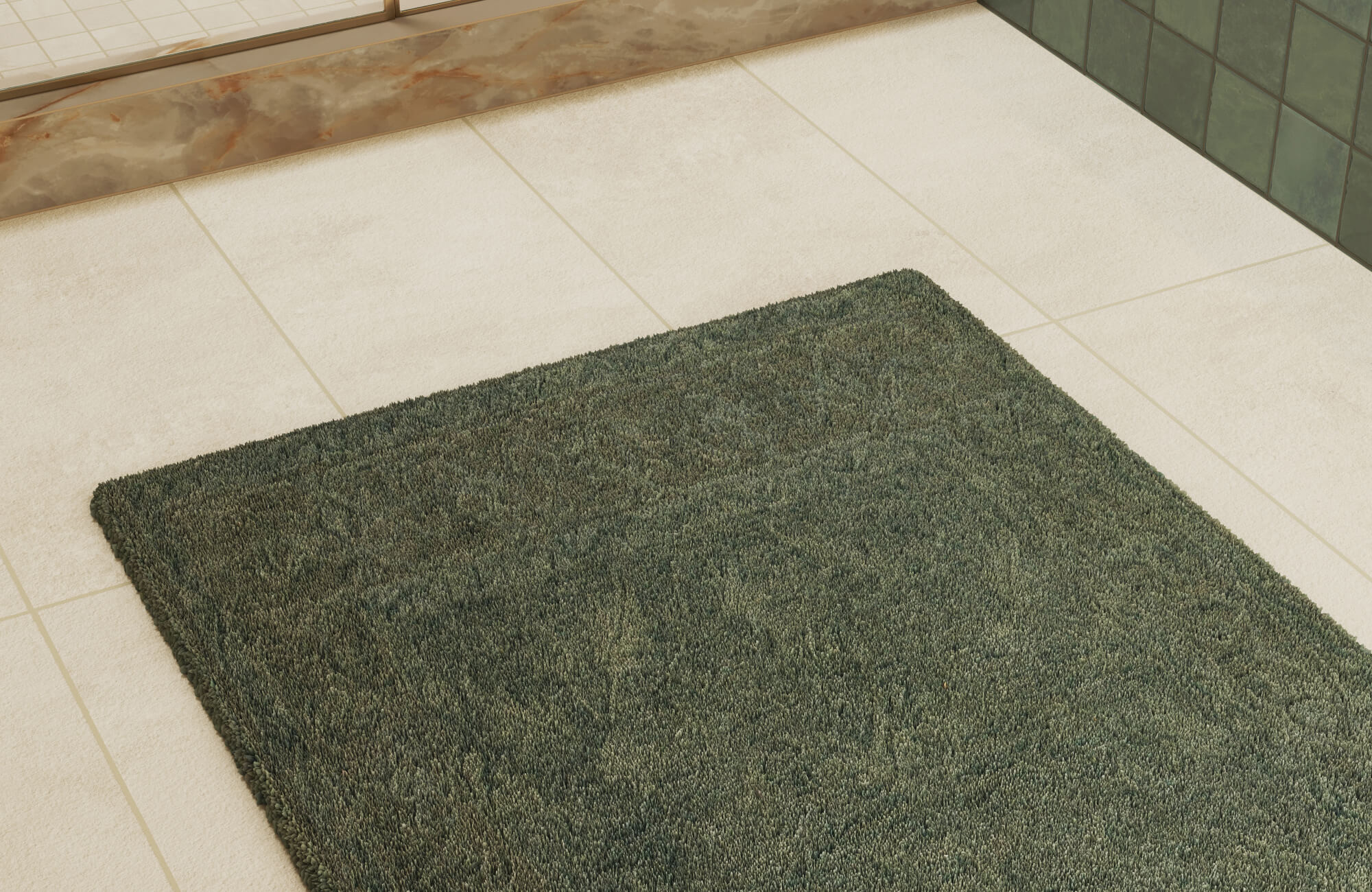
A tightly woven rug is better equipped to handle daily wear. Higher density helps fibers retain their structure, preventing premature flattening and preserving the rug’s overall look, as seen in Edward Martin’s Broderick Rug in Coffee / Bronze in the image above, where the compact pile contributes to its long-lasting resilience.
It’s worth noting that thickness alone can be misleading. A thicker rug may feel plush initially, but if the fiber density is low, it may lose its shape more quickly. The most reliable options strike a balance between a substantial feel and a tightly constructed weave.
Wear and Tear Resistance
Polypropylene fibers are inherently resilient, making them well-suited for spaces that see regular activity. They resist shedding, hold their shape, and maintain color better than many natural fibers, which can wear down more quickly under similar conditions.
For added longevity, look for details like reinforced edges and durable backing. Lower pile heights are also less prone to matting, making them a practical choice for areas with frequent foot fall. When thoughtfully constructed, a polypropylene rug can offer both durability and everyday comfort.

Evaluating Stain Resistance
Polypropylene rugs are especially valued for how easily they handle spills and messes. Their non-absorbent fibers prevent liquids from penetrating the surface, making cleanup straightforward and helping the rug maintain its appearance over time.
Built-In Stain Protection
One of the defining qualities of polypropylene is its natural resistance to staining. Liquids tend to sit on the surface rather than soaking in, giving you time to address spills before they set, a benefit clearly demonstrated by Edward Martin’s Broderick Rug in Natural / Bone in the image above with its clean, low-maintenance surface.
This makes polypropylene an ideal choice for dining areas, playrooms, and other spaces where messes are more likely. Even with regular use, these rugs retain their clean, well-kept look with minimal effort.
Additional Protective Treatments
While polypropylene fibers are inherently resistant to stains, some rugs include additional treatments for enhanced protection. These coatings can improve resistance to both water-based and oil-based spills, offering an extra layer of defense in especially active areas.
When considering treated options, look for finishes that preserve the rug’s texture and breathability. Reviewing manufacturer details will help ensure you’re selecting a rug that balances protection with comfort.

Examining the Backing
A rug’s backing is essential to how it performs day to day. It affects stability, comfort, and how well the rug protects the floor beneath it.
Many polypropylene rugs feature backings made from latex, rubber, or jute, each offering different levels of grip and support. On smooth surfaces like tile or hardwood, a non-slip backing helps keep the rug securely in place and reduces shifting.
If a rug doesn’t include built-in grip, a rug pad is a worthwhile addition. Beyond improving stability, a pad can enhance comfort, reduce wear, and help the rug maintain its shape over time. It also provides a protective layer between the rug and your flooring, which is especially important for delicate surfaces.

Reviewing Safety and Comfort
Beyond durability, a well-chosen rug should contribute to a safe and comfortable environment. This is particularly important in homes with children, pets, or high daily activity.
Safe for Indoor Use
Many polypropylene rugs are made with non-toxic materials, making them suitable for indoor environments. Some options also offer fire-resistant properties, adding an extra level of safety.
For those with sensitivities, polypropylene’s resistance to moisture helps prevent mold and mildew, while also reducing the buildup of dust and allergens. These qualities make it a practical choice for maintaining a clean and comfortable home.
Softness and Comfort Underfoot
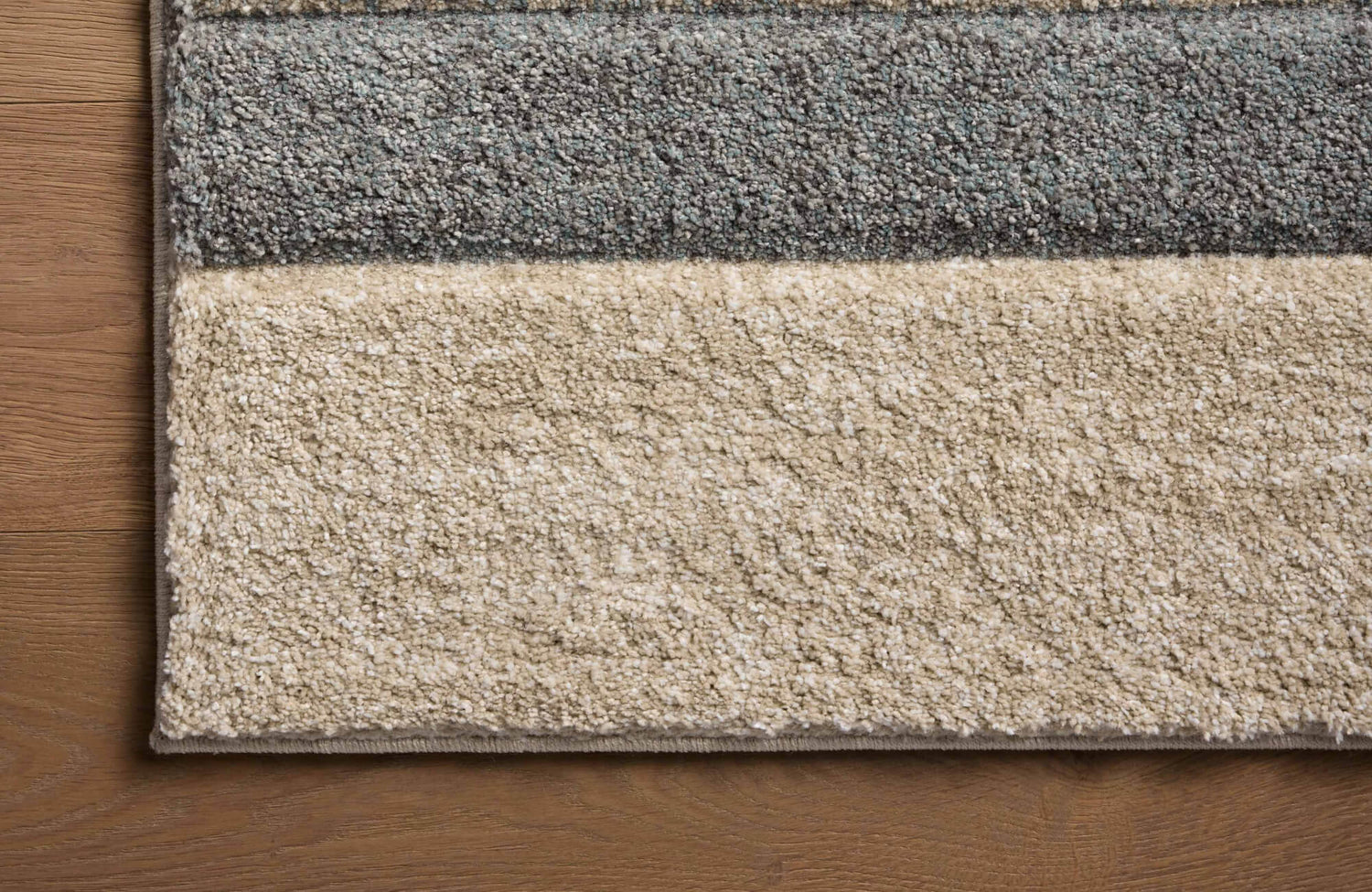
Polypropylene rugs are available in a range of textures, from structured low piles to softer, more cushioned designs. The right choice depends on how the space is used, with options like Edward Martin’s Broderick Rug in Mist / Dune in the image above offering a balanced feel that combines softness with subtle structure.
In areas where comfort is key, such as bedrooms or lounging spaces, a higher pile or softer weave creates a more inviting feel. In contrast, lower pile rugs offer a firmer surface that holds up well in frequently used areas.
For added comfort, especially with thinner rugs, a cushioned pad can make a noticeable difference while also extending the rug’s lifespan.

Measuring Your Space
Choosing the right size is essential to creating a cohesive and well-balanced room. A rug that is too small can feel disconnected from the layout, while one that is too large may overwhelm the space.
Accurate Measurements
Start by defining the area where the rug will be placed, then measure both length and width carefully. In dining areas, allow enough space for chairs to move comfortably, even when pulled out. In living rooms, consider whether the rug will sit fully beneath furniture or serve as a central anchor.
It’s also important to account for door clearance and walkways. Taking precise measurements ensures the rug fits seamlessly within your layout.
Choosing the Right Size for Your Room
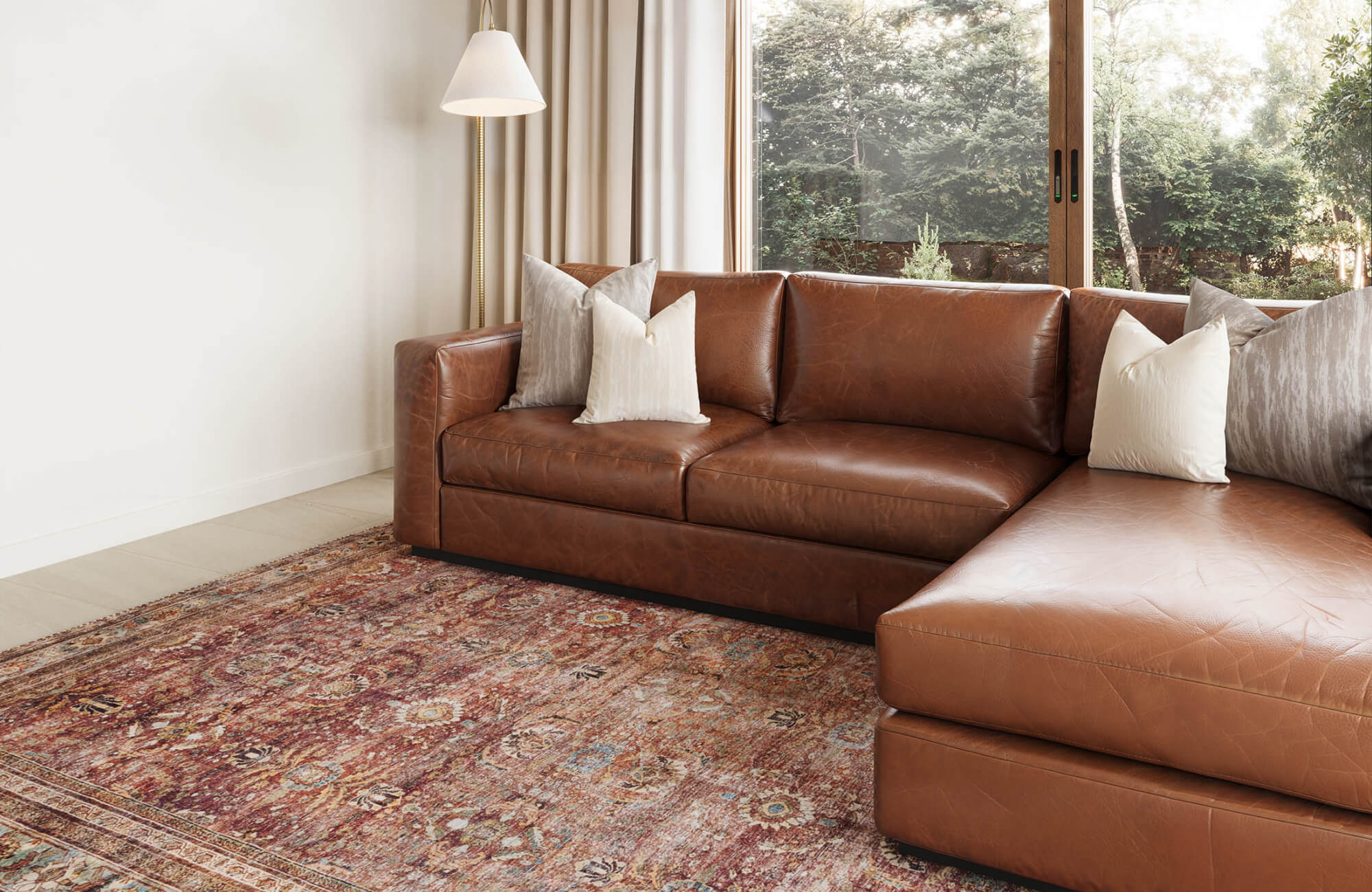
The ideal rug size depends on the room’s function and furniture arrangement. In living rooms, larger rugs that extend beneath key pieces help unify the space, as illustrated by Edward Martin’s Hutchinson Polyester Face Rug in Burgundy / Denim in the image above, where the scale anchors the seating area effectively.
In dining areas, the rug should comfortably accommodate both the table and chairs.
In bedrooms, rugs that extend beyond the bed create a sense of warmth and balance. Whether placed under the entire frame or along the sides, thoughtful sizing enhances both comfort and visual harmony.

Maintenance Tips
While polypropylene rugs are designed for durability, consistent care helps preserve their appearance and extend their lifespan.
Regular Cleaning Routine
Routine vacuuming prevents dirt from settling into the fibers and helps maintain the rug’s texture. Adjusting your vacuum settings based on pile height ensures effective cleaning without unnecessary wear.
In frequently used areas, more frequent cleaning may be needed. Rotating the rug periodically also promotes even wear over time.
Handling Spills and Stains
Spills are unavoidable, but polypropylene makes them easier to manage. Blotting liquids promptly prevents them from settling, while removing solid debris before cleaning helps avoid further spreading.
For most situations, a mild soap and water solution is sufficient. For more stubborn spots, a mixture of white vinegar and water can break down residue without damaging the fibers. Avoid harsh chemicals, as they may weaken the material over time.
Following Manufacturer’s Care Instructions
Each rug is constructed differently, so it’s important to follow the care guidelines provided by the manufacturer. Some rugs may be machine washable, while others require spot cleaning only.
Using excessive water should be avoided, as even quick-drying materials can retain moisture if oversaturated. Adhering to proper care instructions ensures your rug remains in excellent condition for years to come.
The Right Polypropylene Rug for Your Space
Choosing the right polypropylene rug comes down to understanding how it will function in your home. By considering factors like placement, construction, stain resistance, and sizing, you can select a piece that aligns with both your lifestyle and design preferences.
With the right balance of performance and style, a polypropylene rug can enhance your space while offering long-lasting reliability. If you need guidance in selecting the right option, Edward Martin’s design consultation service offers personalized support, or you can contact Edward Martin directly for assistance in finding a rug that feels considered, comfortable, and perfectly suited to your home.