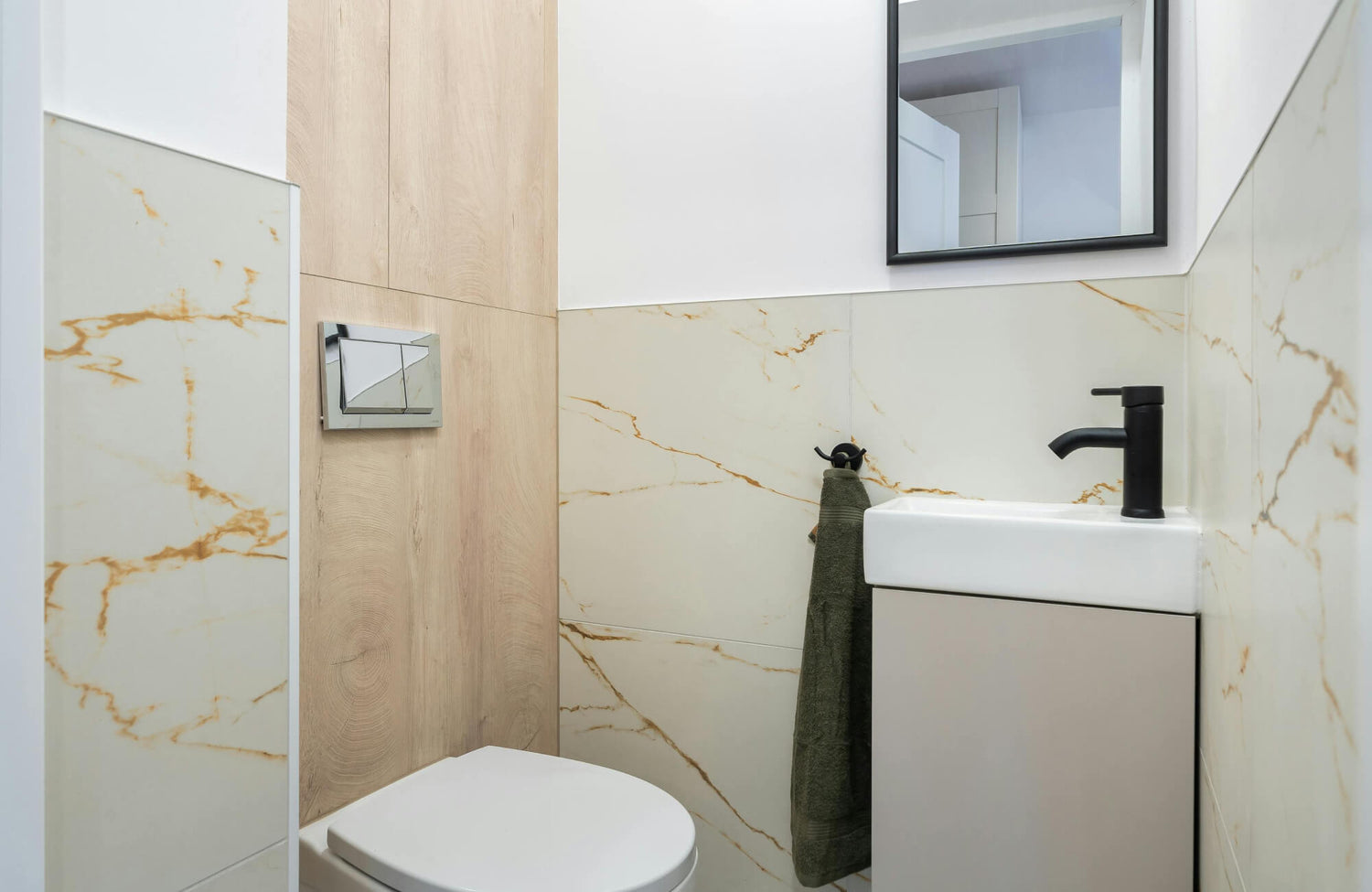
A 20-inch vanity can completely change how a tiny bathroom functions, especially when every inch of space is already working hard. In rooms where clearance is tight and layouts feel unforgiving, the right vanity size helps maintain comfort, balance, and daily usability without making the space feel crowded. In this blog, we’ll walk through how to choose the right 20-inch vanity for a tiny bathroom, covering layout considerations, design choices, and practical details that help the space feel intentional and easy to use.

Why A 20-Inch Vanity Works Well In Tiny Bathrooms
In tiny bathrooms, vanity size has a direct impact on how the room functions and feels day to day. A 20-inch vanity often hits the right balance between usability and clearance, offering enough surface and storage without overwhelming the layout. Its proportions help support both comfort and visual balance in tight spaces.
Why Scale Matters More Than Style In Tight Bathrooms
In small bathrooms, scale often matters more than style because oversized pieces quickly disrupt movement and balance. A vanity that’s too wide can crowd walkways and make the room feel closed in. A 20-inch width keeps the footprint compact while still providing essential function. This allows other elements, like toilets and showers, to maintain comfortable clearance. While style is still important, it works best when paired with appropriate sizing. The right scale helps the entire bathroom feel more intentional and usable.
How Compact Vanities Improve Daily Flow
Compact vanities improve daily flow by reducing visual and physical obstacles in a small bathroom. With less depth and width to navigate around, moving through the space feels easier and more natural. This becomes especially noticeable during busy mornings or in shared bathrooms. A 20-inch vanity, such as our Jensen 20" Single Vanity in Glossy White & Brushed Nickel with White Glossy Composite Stone Top, allows doors and drawers to open without blocking circulation paths. It also helps prevent tight corners from feeling awkward or cramped. Over time, this improved flow makes the bathroom more comfortable to use.
Where A 20-Inch Vanity Makes The Biggest Difference
A 20-inch vanity makes the biggest difference in bathrooms where every inch counts. Powder rooms, narrow layouts, and bathrooms with inward-swinging doors benefit most from a smaller footprint. This size also works well in spaces where fixtures must sit close together without overlapping clearances. In older homes with tight floor plans, a compact vanity often solves layout challenges more easily. It allows the bathroom to feel functional rather than forced.

Freestanding Vs Floating Vanities In Small Bathrooms
When space is limited, the choice between a freestanding or floating vanity can shape how the entire bathroom feels. Each style affects visual weight, storage options, and how open or enclosed the room appears. These differences help you choose a vanity that supports both function and comfort in a very small layout.
How Freestanding Vanities Occupy Floor Space
Freestanding vanities sit directly on the floor, which gives them a more substantial presence in small bathrooms. Because they extend all the way down, they visually anchor the space and can make the room feel more grounded. This can work well when the bathroom needs structure, but it may also feel heavier in very tight layouts. Freestanding designs usually offer enclosed storage, which is helpful for keeping items out of sight. However, they do reduce visible floor area, which can affect how open the room feels. For some bathrooms, that trade-off is worth the added storage.
Why Floating Vanities Feel Lighter Visually
Floating vanities create a lighter visual effect because they leave the floor visible underneath. This open space helps the bathroom feel less crowded, especially when square footage is limited. Because the vanity appears to hover, the room often feels more modern and airy. Floating designs can also make cleaning the floor easier, which is a practical benefit as well. That said, they may offer less storage than freestanding options. Still, for many tiny bathrooms, the visual openness makes a noticeable difference.
Storage Differences Between Freestanding And Floating
Storage is one of the biggest differences between freestanding and floating vanities. Freestanding vanities usually provide more enclosed storage, which helps reduce visual clutter. Floating vanities, on the other hand, tend to prioritize drawers or slimmer cabinets. This can be enough for daily essentials but may require more thoughtful organization. For example, homeowners may rely on wall storage or nearby cabinets to supplement space. Choosing between the two often depends on how much storage you truly need.
Cleaning And Maintenance Considerations
Cleaning routines can also influence which vanity style works best in a small bathroom. Freestanding vanities require cleaning around the base, which can be tricky in tight corners. Floating vanities make it easier to reach the floor beneath, helping keep the space looking tidy. This can be especially helpful in bathrooms used daily. At the same time, floating vanities may show wall wear more easily if not installed carefully. Considering how you maintain the space helps guide the decision.
Installation Limitations In Older Bathrooms
Older bathrooms sometimes present challenges that affect vanity choice. Wall construction may not support the weight of a floating vanity without reinforcement. In these cases, freestanding vanities are often easier to install. Plumbing placement can also limit flexibility, especially when walls are not easily modified. Because of this, some homeowners choose freestanding options for simplicity. Understanding these limitations early helps avoid installation surprises.
Which Style Works Better In Extremely Narrow Layouts
In extremely narrow bathrooms, floating vanities often feel more comfortable because they reduce visual bulk and keep the floor visible. That open space helps the room feel wider and makes movement through the layout easier. However, when wall space is limited or uneven, a compact freestanding vanity can still be the more practical option. In those cases, the focus shifts to finding the right balance between clearance and everyday usability. A shallow freestanding design, for example, can offer a workable compromise without overwhelming the space. Ultimately, the best choice comes down to the specific constraints of the layout and how the bathroom is used.

How Vanity Depth And Clearance Affect Movement
Vanity depth and clearance play a big role in how comfortable a small bathroom feels once you start using it daily. Even if the width is right, depth and spacing can quickly make the room feel tight or awkward. Below, we’ll look at how depth, door swing, and surrounding clearances shape movement in compact bathrooms.
Understanding Depth On A 20-Inch Vanity
Depth is one of those details that often gets overlooked until the bathroom feels harder to move through. A deeper vanity may sound appealing because of the extra counter space, but in a small bathroom, it can quickly steal walking room. With a 20-inch vanity, a shallower depth usually keeps the layout feeling more comfortable. This matters even more when the vanity sits near a doorway or directly across from another fixture. Keeping depth in check helps the room feel usable rather than squeezed. It’s about finding that balance between surface space and breathing room.
Door Swing Vs Drawer Pull-Out Clearance
How a vanity opens can change how the bathroom works in everyday use. Swinging cabinet doors need space to open, which can block movement in narrow layouts. Drawers, on the other hand, pull straight out and are often easier to work around. This makes accessing storage feel smoother, especially when space is limited. In tight bathrooms, that difference becomes noticeable very quickly. Choosing the right opening style helps the room feel less restrictive.
Clearance Around Toilets And Shower Openings
Clearance around toilets and showers can make or break a small bathroom layout. If a vanity is placed too close, doors may bump into each other or limit how fixtures are used. This is common in bathrooms with inward-opening shower doors or tight toilet spacing. Giving each element enough room to function on its own keeps the space feeling organized. It also makes daily routines feel easier and less cramped. Proper clearance supports both comfort and usability.
Avoiding Pinch Points In Narrow Bathrooms
Pinch points happen when fixtures leave just enough space to pass through, but not enough to move comfortably. In narrow bathrooms, these tight spots can quickly become frustrating. A vanity that’s too deep or poorly positioned is often the cause. Adjusting placement or choosing a slimmer profile can make a noticeable difference. Even a few inches can improve how the space flows. Identifying these trouble areas early helps prevent an awkward layout.
How Clearance Affects Everyday Comfort
Clearance affects how the bathroom feels during everyday tasks, from washing up to moving around other people. When space is too tight, even simple routines can feel awkward or rushed. Adequate spacing allows movements to feel natural instead of forced. This is especially important in shared bathrooms or spaces used throughout the day. Over time, better clearance makes the room more enjoyable to use. Thoughtful spacing decisions go a long way in small bathrooms.

Choosing Storage That Fits A Small Vanity
Storage matters even more when you’re working with a small vanity, because every inch needs to work efficiently. The goal is to keep daily essentials easy to access without making the vanity feel overfilled or cluttered.
Drawer-Based Storage For Better Organization
Drawers tend to work especially well in small vanities because they allow you to see and access everything without digging. Instead of stacking items behind one another, drawers let you organize things by category, which makes daily routines feel smoother. This becomes important when space is tight and clutter builds quickly. In a 20-inch vanity, drawers often make better use of the available interior than deep cabinets. They also help prevent items from shifting around when the vanity is opened and closed. Over time, this kind of organization makes the space easier to maintain.
Single-Door Cabinets And Interior Access
Single-door cabinets can still be effective in small vanities, especially when interior access is thoughtfully designed. A wide-opening door makes it easier to reach items stored at the back, which helps avoid wasted space. Without some form of internal structure, however, cabinets can easily turn into cluttered storage zones. Adding baskets or simple dividers helps keep things in place and easier to find. This setup works best when you’re storing a limited number of items rather than everything you own. When used intentionally, a cabinet can feel flexible instead of chaotic.
Open Shelving For Frequently Used Items
Open shelving can be a helpful addition in small bathrooms when used for items you reach for regularly. Having towels or daily essentials within view reduces the need to open cabinets constantly. Open shelves also help the bathroom feel lighter because they don’t add visual bulk. That said, they require some level of organization to stay visually calm. For example, using baskets or neatly folded towels keeps the shelf from feeling messy. When styled with restraint, open shelving supports both function and openness.
Internal Dividers And Smart Organizers
Internal dividers make a noticeable difference in how efficiently a small vanity functions. They create defined spaces for different items, which helps prevent everything from blending together. This is especially useful in compact vanities where even small amounts of clutter feel amplified. Smart organizers also make it easier to maintain order over time rather than constantly resetting the space. For instance, separating daily-use items from occasional ones keeps routines smooth. These small details often have a big impact on usability.
What Should Live Inside A 20-Inch Vanity
A 20-inch vanity works best when it holds only what you use on a regular basis. Everyday toiletries, grooming tools, and basic cleaning supplies are usually enough to fill the space comfortably. Trying to store too much inside quickly makes the vanity feel crowded and harder to use. Being selective helps the space stay organized without effort. This approach also makes it easier to find what you need. Keeping essentials inside supports a more relaxed daily routine.
What To Store Elsewhere To Reduce Clutter
Items that aren’t used daily are often better stored outside the vanity. Extra toiletries, backups, and rarely used products can take up valuable space that’s better reserved for essentials. Moving these items to wall storage or a nearby closet helps the vanity stay clear and functional. It also reduces the need to constantly rearrange items to make room. This separation keeps the bathroom feeling more intentional. In small spaces, storing less inside the vanity often leads to a calmer, more usable layout.

Selecting Finishes That Keep The Bathroom Feeling Open
Finish choice plays a major role in how open or enclosed a small bathroom feels, especially when the vanity sits front and center. Color, sheen, and surface reflectivity all influence how light moves through the space and how large it appears. Below, we’ll look at how thoughtful finish choices can help a compact bathroom feel brighter and more balanced.
Light Finishes That Reflect More Light
Light finishes are often a natural choice in small bathrooms because they reflect light instead of absorbing it. When a vanity surface bounces light back into the room, the space tends to feel brighter and more open overall. This effect is especially noticeable in bathrooms with limited natural light or fewer windows. Light finishes also help soften shadows around the vanity, which reduces visual heaviness in tight layouts. Over time, that added brightness makes the room feel calmer and more comfortable to use. The overall impression is a space that feels less enclosed and easier to move through.
A great example is our Jensen 20" Single Vanity in Walnut Whisper & Brushed Nickel with White Glossy Composite Stone Top, which combines light-reflective surfaces with warm natural tones. The white glossy top helps bounce light around the room, while the soft walnut finish and brushed nickel details add contrast without weighing the space down. Its compact silhouette and flexible installation options make it especially well-suited for small bathrooms that need to feel open yet thoughtfully designed.
When Dark Finishes Still Work In Small Bathrooms
Dark finishes can still work beautifully in small bathrooms when they’re used with intention. Rather than overwhelming the space, they often add depth and contrast that help the layout feel more defined. Dark vanities tend to work best when balanced with lighter surrounding elements, such as walls or countertops. This contrast keeps the room from feeling closed in while still allowing the vanity to stand out. In some layouts, a dark finish can even make the vanity feel more grounded without dominating the space. The key is treating darker tones as a supporting element rather than the sole focus of the room.
Matte Vs Glossy Surfaces In Tight Spaces
Surface sheen plays a noticeable role in how finishes feel in tight bathrooms. Glossy surfaces tend to reflect light more directly, which can brighten the room and help emphasize clean lines. Matte finishes, on the other hand, absorb more light and create a softer, more understated appearance. In smaller spaces, that muted effect often feels calm and intentional rather than flat or dull. The choice usually comes down to how much visual energy you want the space to carry. When paired with the right lighting and surrounding colors, both matte and glossy finishes can work comfortably in compact layouts.
Coordinating Vanity Finishes With Fixtures
Coordinating the vanity finish with nearby fixtures helps create a more cohesive look in a small bathroom. When finishes relate to one another, the space feels unified instead of visually fragmented. This doesn’t mean everything has to match exactly, but tones should feel compatible. For example, a warm vanity finish often pairs naturally with warm metal fixtures, while cooler finishes feel more balanced with chrome or brushed nickel. Thoughtful coordination helps the vanity feel integrated into the room rather than standing apart. That sense of harmony supports a bathroom that feels open, intentional, and well considered.

Pairing A 20-Inch Vanity With Mirrors And Lighting
Mirrors and lighting play an important role in how a small bathroom functions around a compact vanity. When they’re scaled and positioned carefully, they improve visibility while also helping the space feel more open and comfortable. Below, we’ll look at how mirror size and lighting placement work together to support balance, usability, and visual clarity around a 20-inch vanity.
Mirror Size That Matches A 20-Inch Vanity
Mirror size should feel intentionally matched to the vanity rather than chosen for impact alone. When the mirror aligns closely with the width of a 20-inch vanity, the setup feels balanced and visually calm. A mirror that’s too wide can overwhelm limited wall space, while one that’s too narrow may feel disconnected from the vanity below. In small bathrooms, proportion matters because oversized elements tend to exaggerate tight dimensions. Choosing a well-scaled mirror helps the vanity area feel cohesive and thoughtfully planned.
Vertical Mirrors To Add Height
Vertical mirrors are especially useful in small bathrooms because they help draw the eye upward. This upward emphasis can make the room feel taller, which is helpful when ceiling height is limited. Vertical mirrors also reflect light across a larger vertical surface, which adds brightness throughout the space. As a result, the vanity area often feels more open and less boxed in. For compact layouts, this subtle visual lift can make the room feel more comfortable overall.
Wall-Mounted Lighting Vs Integrated Options
Lighting choice affects both how the vanity area functions and how visually clean it feels. Wall-mounted lighting offers more flexibility, for instance, allowing you to adjust placement for better illumination. Integrated lighting, on the other hand, creates a streamlined look that reduces visual interruption. In small bathrooms, that simplicity can be helpful because too many elements quickly feel crowded. Choosing between the two often comes down to whether function or visual restraint matters more in your space.
How Lighting Changes Perceived Vanity Width
Lighting placement can subtly influence how wide or narrow a vanity appears. Even well-distributed light helps define edges clearly, which makes the vanity feel more proportionate within the room. When lighting is uneven, shadows can exaggerate tightness and make the area feel more cramped. This is especially noticeable in small bathrooms where every visual cue matters. Thoughtful lighting helps soften transitions and makes the vanity area feel easier to move around.
Avoiding Visual Crowding Above The Vanity
The space above a small vanity can feel cluttered quickly if too many elements compete for attention. Oversized mirrors, bulky fixtures, or layered accessories can overwhelm limited wall space. Keeping this area visually simple helps maintain a sense of openness and calm. That said, simplicity doesn’t mean removing personality, but choosing pieces that work well together. A restrained approach keeps the vanity area feeling balanced and comfortable to use day to day.
We also offer vanity options beyond compact sizes for bathrooms that have more room to work with. Our collection includes larger vanities up to 72 inches, which are well-suited for shared bathrooms, double-sink layouts, or spaces where added counter space and storage are priorities. This flexibility makes it easier to carry the same thoughtful design approach from small powder rooms to more expansive primary baths.
Pulling Together The Right 20-Inch Vanity For Your Space
Choosing the right 20-inch vanity is less about squeezing something into a small bathroom and more about making thoughtful decisions that support how the space is actually used. From scale and clearance to storage, finishes, and lighting, each choice affects how comfortable and balanced the room feels over time. When these elements work together, even the smallest bathroom can feel intentional rather than constrained. The result is a space that functions well without sacrificing visual ease.
If you’d like help bringing all of these details together, our design team is here to support you. A design consultation can help you evaluate layout constraints, visualize finishes, and choose a vanity setup that fits your bathroom and your daily routine. Having professional guidance early on often simplifies decision-making and reduces guesswork. It’s an easy way to move forward with confidence and create a small bathroom that truly works for you.