



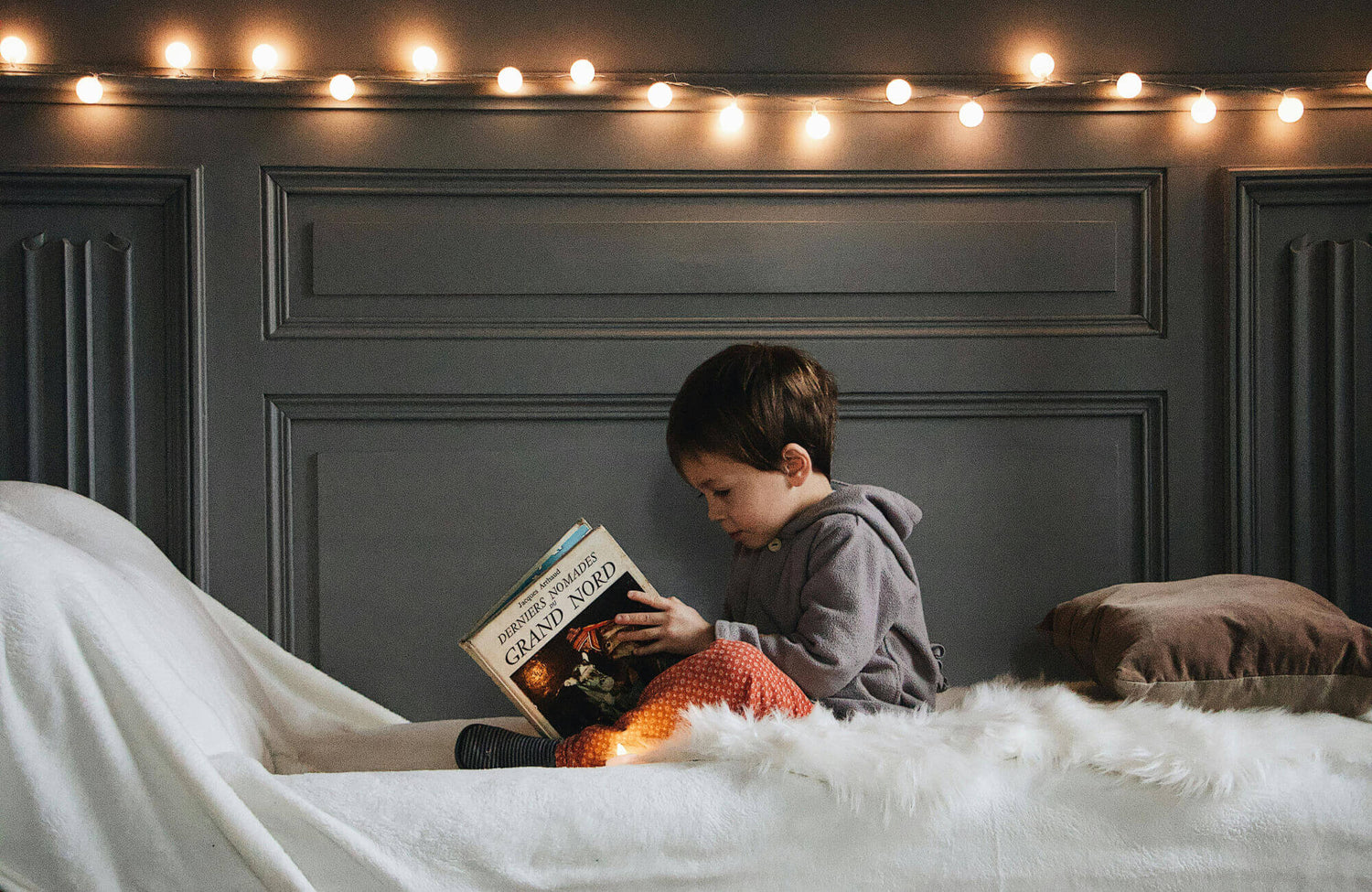
Lighting in a child’s room plays a key role in making the room feel safe, calm, and inviting each day. The right setup can help bedtime routines run more smoothly, create a cozy spot for rest, and provide the brightness needed for play or homework. In this guide, we will share practical tips for choosing lighting that blends safety, comfort, and style into a space your child will truly enjoy.

Why Lighting Matters in Kids’ Rooms
Lighting plays a central role in shaping how children experience their bedrooms, influencing everything from their sense of comfort to how well they focus or relax. The right lighting can make a room feel welcoming and secure, while poor choices may create shadows or glare that make it harder for kids to feel at ease. Beyond appearance, lighting also impacts how children use their space, whether for play, reading, or winding down at the end of the day.
One of the biggest effects lighting has is on the atmosphere. Soft, warm light creates a cozy environment where children feel safe and calm, making it easier to transition from active playtime to bedtime. Brighter, more focused light helps stimulate concentration and energy during homework or creative activities, ensuring the space feels adaptable. Striking the right balance helps the bedroom function as both a place to rest and a space to engage with daily routines.
Lighting also strongly influences sleep quality and routine. Overly bright or cool-toned lights in the evening can disrupt natural rhythms, while gentle, dimmable options signal to children that it’s time to rest. A consistent lighting setup reinforces healthy sleep habits, creating a dependable environment where kids can unwind. When thoughtfully chosen, lighting supports not just the look of a child’s room but their overall well-being.

Safety First: Choosing Child-Friendly Lighting
When it comes to kids’ rooms, safety should always come before style. The right lighting choices can prevent accidents, reduce risks, and provide peace of mind for parents. By focusing on safe bulbs, secure installation, and durable materials, you create a space where children can play and rest without unnecessary hazards.
Low-Heat and Energy-Efficient Bulbs
Bulbs that give off minimal heat, such as LEDs, are safer for children’s rooms than traditional incandescent options. Kids are naturally curious and may touch lamps or fixtures, so choosing bulbs that stay cool prevents burns. Energy-efficient options also reduce long-term costs while providing consistent light levels. With these, you gain both safety and practicality without compromising function.
Cordless and Wall-Mounted Options
Loose cords are a common hazard in children’s spaces, posing risks of tripping or entanglement. Cordless fixtures, like our Caruso 16" Pendant in Vintage Gold Leaf / White Plaster above or wall-mounted lights, eliminate this danger while keeping lighting safely out of reach. These setups also help free up floor and table space, making the room feel more open. For parents, they offer reassurance that lighting is both functional and secure.
Durable Fixtures and Shatter-Resistant Shades
Kids’ rooms often see plenty of movement, so lighting fixtures need to withstand bumps and play. Choosing lamps with shatter-resistant shades or sturdy materials reduces the risk of breakage. Fixtures designed with durability in mind ensure they hold up even in busy, active environments. This creates a safer, longer-lasting lighting solution that gives parents one less thing to worry about.

Soothing Light for Sleep and Relaxation
A calm, restful atmosphere in kids’ rooms often starts with the right lighting. Choosing soft, soothing options can help children wind down after busy days and signal their bodies that it’s time to rest. Warm tones, adjustable brightness, and gentle nightlights all play an important role in creating this bedtime comfort.
Warm vs. Cool Light for Bedtime
Warm light is ideal for evenings because it mimics the glow of sunset, which helps prepare the body for sleep. Cool light, on the other hand, is stimulating and best reserved for study or active play, not for winding down. Using warm-toned bulbs near bedtime reduces overstimulation and creates a cozy, relaxed mood. Parents often find that swapping bright white bulbs for warm ones makes bedtime routines smoother. Over time, this consistency helps kids associate warm lighting with rest and relaxation.
Nightlights and Dimmable Lamps
Nightlights and dimmable lamps add reassurance while preventing the room from feeling too dark. A dimmer switch allows parents to gradually lower brightness, helping kids transition from play to sleep more naturally. Nightlights provide comfort for children who feel uneasy in total darkness, while still keeping the room restful. Choosing soft-glow versions prevents harsh light from interrupting sleep cycles. Together, these tools create an environment that feels safe, calm, and perfectly suited for bedtime routines.

Functional Lighting for Study and Play
Good lighting makes a big difference in how kids focus and enjoy their rooms. Task lighting provides clarity for schoolwork, while brighter fixtures keep play areas safe and fun. Balancing these needs ensures the room works well for both learning and leisure.
Adjustable Desk Lamps for Homework
A well-placed desk lamp helps children concentrate by providing direct light on homework or reading tasks. Adjustable models are especially helpful because the angle and brightness can be tailored to different activities. This reduces eye strain and keeps kids comfortable during longer study sessions. Lamps with LED bulbs also provide consistent, flicker-free light that mimics natural daylight. Together, these features make homework time feel less tiring and more productive.
Bright Overhead Lighting for Play Areas
Play zones need clear, bright lighting to keep activities safe and enjoyable. Ceiling fixtures or flush mounts that spread light evenly across the room prevent dark corners and shadows. Bright overhead light encourages active play while reducing the chance of accidents. For shared spaces, dimmable overhead fixtures can adapt to quieter activities like board games or crafts. This flexibility ensures the lighting supports all kinds of play.
Floor Lamps for Flexible Spaces
Floor lamps are a great option for areas that serve multiple purposes, such as a reading nook that doubles as a play corner. They can be moved around easily and used to supplement either task or ambient lighting. Many modern floor lamps come with adjustable heads or multiple bulbs, making them versatile for changing needs. This flexibility is especially useful in growing children’s rooms, where layouts shift over time. By adding floor lamps, parents can create a layered lighting plan without permanent fixtures.
Accent Lighting for Creative Activities
Accent lighting, like LED strips or clip-on lights, can inspire creativity during play and craft time. These small, targeted lights highlight workspaces without overpowering the rest of the room. Kids often enjoy the playful touch that colorful LED options bring, making art and building projects more engaging. Because they use low energy and stay cool, they’re safe for children to use independently. Accent lights add both function and fun, supporting activities beyond homework.

Style & Placement Tips for Kids’ Room Lighting
Lighting in a child’s room should go beyond practicality, offering both safety and a sense of style that complements the space. By choosing the right mix of fixtures, you can create a room that feels bright, welcoming, and functional without sacrificing personality.
Ceiling fixtures are often the starting point, since they provide broad, even illumination while keeping valuable floor space free. For a touch of style, these fixtures can reflect the theme of the room—whether that’s simple and modern or more whimsical. The key is to ensure the light spreads evenly so every corner of the room feels usable.
Wall lighting is another smart way to make the most of limited space. Mounted sconces, such as our Goodwin Wall Sconce in Aged Brass above, or clip-on lights free up desks, nightstands, and dressers, allowing kids to use those surfaces more effectively. Placing sconces near the bed can provide a cozy reading light without requiring a table lamp, which is ideal for smaller rooms. Since they’re mounted securely, wall lights also help keep cords and fixtures out of the way, reducing trip hazards and mess.
Layering light ties the whole design together, giving the room flexibility for different activities. A central ceiling fixture can handle general lighting, while wall sconces, floor lamps, or small accent lights add warmth and focus where needed. This approach makes the room adaptable, bright, and lively during playtime, yet soft and calming before bedtime. By mixing placement and fixture types, parents can create a kids’ room that feels functional, safe, and thoughtfully styled at all times.

Common Mistakes to Avoid
One of the most common mistakes is relying on lighting that is too bright or harsh. Overly intense bulbs can make the room feel clinical and overstimulating, especially during the evening when kids need to wind down. The glare can also be uncomfortable for children’s sensitive eyes, interfering with reading or play. Instead, a softer, layered approach with warm-toned bulbs helps create a welcoming, soothing atmosphere that works better for everyday routines.
Another oversight is forgetting the importance of flexibility in brightness. A single, fixed light level rarely meets all the needs of a child’s room, from bedtime relaxation to study sessions. Adding dimmers allows parents and kids to adjust the lighting for different activities, making the space more versatile and supportive. This adaptability not only improves comfort but also empowers children to feel more in control of their environment.
It’s also easy to overlook placement when planning lighting in a child’s room. Fixtures that are poorly positioned can leave certain areas dim while over-lighting others, leading to uneven brightness that disrupts both comfort and function. For example, a ceiling light placed too far from the study corner might not provide enough illumination for homework. Ensuring balanced placement throughout the room keeps every zone, from sleeping to playing, well-lit without straining the eyes or leaving dark spots.
Creating Safe, Comfortable & Flexible Lighting for Kids
The way a child’s room is lit can completely change how the space feels and functions. Soft, safe, and well-placed lighting makes the room inviting while also supporting daily routines like play, study, and winding down at night. When parents choose fixtures and tones with intention, the result is a space that feels secure, balanced, and comforting for kids at every stage of the day.
To make those choices easier, our design consultation service can walk you through the best options for your child’s room. From selecting dimmable lamps to planning layered light placement, we’ll help you build a setup that’s practical and personal. With expert guidance, you can feel confident that the final design won’t just look good; it will create an environment where your child feels safe, calm, and inspired.


