Lighting is more than illumination—it is the poetry that defines space, texture, and emotion within every interior. The right balance of architectural and decorative lighting transforms ordinary rooms into curated environments that reflect both function and personality. From soft ambient glows that evoke tranquility to sculptural fixtures that anchor a room’s character, every detail influences how a space feels and performs. Thoughtful lighting design also merges technical precision with aesthetic harmony, ensuring that brightness, tone, and proportion align effortlessly with architectural intent. Ultimately, choosing lighting that fits your space and style is an artful journey where beauty meets engineering, shaping not just visibility—but atmosphere, comfort, and timeless elegance.

The Interplay of Form, Scale, and Light
Lighting design begins with understanding the interplay between architecture and light. Each surface, proportion, and structural feature affects how illumination behaves within a room, making spatial analysis the foundation of every well-lit environment.
Room Proportion and Volume
Room geometry profoundly influences light distribution, and understanding these relationships ensures optimal illumination. For example, high ceilings demand luminaires with greater luminous flux to fill vertical space effectively, whereas lower ceilings benefit from compact recessed or flush-mounted fixtures that minimize glare. In professional lighting design, the Room Cavity Ratio (RCR) also helps calculate how light disperses across planes, maintaining consistency between wall and ceiling brightness. In addition, proper spacing and beam orientation prevent visual defects like scalloping or shadow banding.
When these factors are harmonized, illumination enhances both architectural rhythm and spatial perception. For instance, fixtures like Edward Martin’s Runa Pendant in Aged Brass, as displayed in the picture above, demonstrate how proportion and placement can define the atmosphere of a room. Its elongated form and warm metallic finish naturally complement spaces with generous ceiling height, creating a sense of vertical balance while preserving openness. Moreover, when paired with corresponding wall sconces or diffused natural light, such pendants reinforce spatial symmetry and visual continuity. The room becomes more balanced, comfortable, and elegantly proportioned.
Surface Reflectance and Light Reflectance Value (LRV)
Every surface interacts with light differently, and understanding reflectance helps determine appropriate illumination levels. Materials with a high Light Reflectance Value (LRV), such as light oak, polished marble, or satin paint, amplify brightness by bouncing light back into the room. Conversely, darker finishes absorb illumination, reducing ambient brightness but adding depth and warmth. Therefore, designers often calculate LRV to predict how much light a surface will reflect, adjusting lumen output accordingly. Moreover, contrasting reflectance levels can create intentional zones of focus and depth within a room. This careful balance between absorption and reflection defines a space’s overall atmosphere and visual coherence.
Daylight Integration and Shadow Management
Natural light plays a critical role in determining artificial lighting needs. By understanding Daylight Factor (DF) values, designers can evaluate how sunlight enters, reflects, and diffuses across surfaces throughout the day. For instance, south-facing rooms may require dimmable fixtures to offset intense midday brightness, while north-facing interiors rely more heavily on layered artificial light to maintain uniformity. Additionally, architectural elements like beams, cabinetry, or window mullions can cast unwanted shadows if not considered early in the design phase. Integrating smart sensors and daylight-responsive controls also ensures seamless balance between natural and artificial sources. As a result, lighting adapts effortlessly to environmental changes while preserving comfort and energy efficiency.

Defining Lighting Layers and Functions
Balanced lighting design relies on layering — blending ambient, task, and accent illumination to achieve both function and visual harmony. When integrated thoughtfully, these layers bring flexibility, depth, and rhythm to a space.
Ambient Lighting for Overall Illumination
Ambient lighting provides the foundational brightness that allows other layers to build upon it. Typically, designers achieve this through ceiling-mounted fixtures, recessed downlights, or concealed cove lighting that distributes light evenly across a room. Moreover, using indirect or direct-indirect luminaires helps soften illumination and reduce harsh contrasts. When ambient levels are properly calibrated, the space feels open yet inviting, avoiding overexposure or gloom.
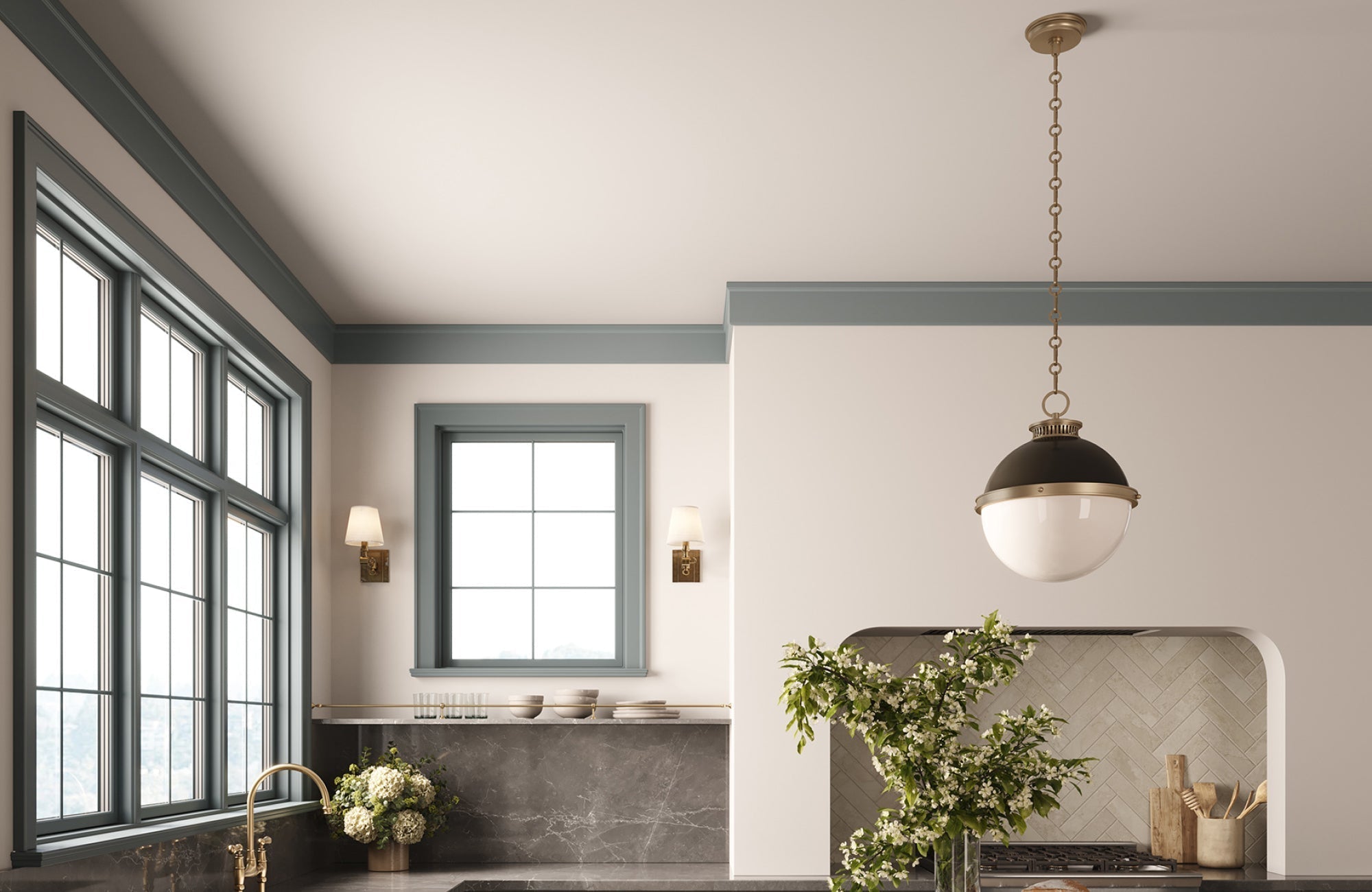
For instance, the Barnes 14" Pendant in Aged Antique Distressed Bronze, as shown in the photo above, beautifully exemplifies how ambient lighting can merge functional illumination with timeless elegance. Its dome silhouette and aged bronze finish cast a warm, diffused glow that complements both classic and contemporary kitchens. When paired with wall sconces or natural daylight, it achieves a harmonious balance that enhances visual comfort and depth throughout the space. Ultimately, it establishes the base upon which task and accent lighting can effectively operate.
Task Lighting for Precision Activities
Where detailed visual work occurs, task lighting becomes indispensable. For instance, kitchens require high-output under-cabinet LEDs for safe food preparation, while reading areas benefit from adjustable sconces or floor lamps with focused beams. Designers must consider both beam spread and Color Rendering Index (CRI) to ensure clarity and visual accuracy. Moreover, layering task lighting separately from ambient sources enables flexible light modulation for different times of day. Dimmers further refine this precision, allowing users to adjust illumination intensity to match their comfort levels. Consequently, well-designed task lighting supports productivity without sacrificing ambiance.
Accent and Decorative Lighting
Accent lighting introduces depth and artistic definition by drawing attention to focal features. For example, adjustable spotlights, picture lights, or wall washers can emphasize textures, artwork, or architectural niches. In addition, narrow beam optics of 15°–30° create crisp highlights that sculpt form and material. Decorative lighting, on the other hand, combines function with visual identity—serving as jewelry for the room. Furthermore, maintaining consistent color temperature across accent and ambient layers ensures a cohesive design language. Together, these elements elevate interiors from simply illuminated to experientially dynamic.

Aligning Lighting Style with Interior Design
Lighting style must complement interior aesthetics while enhancing the design narrative. When chosen with intention, it reinforces both visual identity and emotional resonance within a space.
Modern and Minimalist Lighting Design
Modern interiors emphasize geometry, simplicity, and precision. Linear LED strips, recessed channels, and flush-mounted luminaires achieve a streamlined, architectural effect. Additionally, finishes like matte black, brushed aluminum, or satin white harmonize with minimalist palettes, creating continuity without visual clutter. The optimal color temperature, typically around 3,000–3,500 K, maintains clarity while preserving warmth. Moreover, controlled beam direction subtly highlights architectural details, emphasizing structure over ornamentation. This balance of restraint and precision produces serene, gallery-like environments that feel purposeful and refined.
Transitional and Contemporary Lighting Aesthetics
Transitional design bridges traditional elegance with contemporary simplicity. Fixtures featuring brass, glass, or mixed-metal elements add timeless sophistication while complementing neutral tones. For instance, pairing sleek wall sconces with sculptural pendants enhances dimensional layering. Proportion is critical; oversized fixtures dominate, while undersized ones feel insignificant, so designers aim for balanced visual weight relative to furnishings. Also, warm-white light at 2,700–3,000 K enhances comfort and depth in these spaces. Consequently, the result is a cohesive, adaptable design that feels both familiar and modern.
Eclectic and Artistic Lighting Expressions
Eclectic interiors thrive on creative tension and contrast. Statement fixtures, such as sculptural pendants or colored glass shades, transform lighting into functional art. In addition, layering multiple materials and finishes creates rhythm and movement within the visual composition. Maintaining consistent color rendering (CRI 90+) ensures vibrancy across diverse textures and hues. However, variety must still follow visual balance; too much contrast can fragment cohesion.
A striking example, as featured in the picture above, is our McKay Chandelier in Burnished Brass, which combines sculptural form and soft radiance to elevate artistic interiors. Its cluster of glass spheres casts a warm, ambient glow that enhances depth while emphasizing texture and emotion. When paired with expressive furnishings or layered artwork, this chandelier also transforms lighting into a centerpiece of individuality and design sophistication. When done correctly, eclectic lighting design exudes authenticity, reflecting individuality and artistic expression.

Understanding Technical Lighting Metrics
Precision in lighting design depends on quantifiable parameters that ensure performance, efficiency, and comfort. Accurate measurement transforms creative concepts into functionally balanced environments.
Lumens, Lux, and Illuminance Distribution
Lumens measure light output, while lux quantifies how much of that light reaches a given surface. For instance, residential living areas typically target 300–500 lux, whereas task zones such as kitchens or offices require up to 750 lux. Designers employ the Zonal Cavity Method to calculate light uniformity across different planes, ensuring no area appears overly dim or glaringly bright. Moreover, maintaining balanced illuminance across vertical and horizontal surfaces enhances spatial coherence. Consistency prevents fatigue and supports aesthetic continuity. Thus, understanding these metrics ensures lighting fulfills both visual and functional needs.
Color Temperature and Color Rendering Index (CRI)
Color temperature influences the emotional tone of a space, guiding how it feels and functions. Warm tones (2,700–3,000 K) promote relaxation, while neutral-white (3,500–4,000 K) supports focus and clarity. The Color Rendering Index measures color accuracy, with values above 90 ideal for art displays or retail environments. In addition, consistent color temperature across fixtures maintains harmony, avoiding disjointed lighting effects. Matching color temperature and CRI across all layers reinforces design integrity and realism. Ultimately, proper calibration preserves the authenticity of materials and colors under illumination.
Glare Control and Visual Comfort
Glare reduces visual comfort and can significantly impact perceived luxury. Fixtures with baffles, diffusers, or microprisms lower Unified Glare Rating (UGR) values for better visual control. Indirect lighting strategies, such as wall washing or uplighting, also help soften contrast transitions. Furthermore, adjusting beam orientation minimizes unwanted reflections on glossy or mirrored surfaces. Designers consider sightlines to prevent direct exposure to intense light sources. As a result, the environment feels balanced, calm, and visually ergonomic.

Fixture Selection and Placement Strategy
Choosing the right fixtures and positioning them correctly determines how light interacts with architectural volumes. This stage combines science, art, and ergonomic precision.
Ceiling Fixtures and Mounting Height
Ceiling-mounted luminaires form the backbone of ambient illumination. Designers calculate the Spacing-to-Mounting-Height (S/MH) ratio to achieve consistent brightness throughout. For higher ceilings, pendants or suspended luminaires direct focused light downward, reducing spatial voids. Conversely, lower ceilings benefit from recessed or flush-mounted options to maintain headroom and elegance. In addition, evenly spaced fixtures eliminate dark patches and overlapping beams. When executed correctly, ceiling lighting establishes both functionality and architectural symmetry.
Pendant Lighting and Visual Rhythm
Pendants define rhythm and focal emphasis in both open and intimate spaces. For instance, placing pendants 28–38 inches above a countertop ensures balanced proportion and sightline comfort. Designers often cluster fixtures in odd numbers to maintain visual equilibrium. Moreover, material selection, like frosted glass or perforated brass, modifies diffusion and character. Dimmable drivers also enhance flexibility between functional and ambient use. With this, pendants serve as both sculptural accents and functional light sources, unifying vertical and horizontal design lines.
Wall Lighting and Vertical Illumination
Vertical lighting broadens perception and adds architectural drama. Wall sconces, for example, wash light across surfaces, reducing contrast and visually expanding narrow rooms. Mounting them near eye level ensures even illumination for tasks like grooming or reading. Moreover, high-CRI warm white sources render skin tones naturally and flatteringly. Adjustable-arm sconces also provide versatility for different applications. The resulting vertical balance enriches spatial definition and visual comfort.

Lighting Controls and System Integration
Lighting control systems transform static illumination into responsive environments. By integrating automation, dimming, and zoning, designers enhance adaptability, comfort, and efficiency.
Dimming and Scene Control Systems
Dimmers allow precise adjustment of brightness levels for different activities or moods. For instance, trailing-edge dimmers specifically designed for LEDs provide smooth, flicker-free control. Moreover, programmable scene controllers create presets for tasks such as entertaining, relaxing, or working. Integrating dimming across multiple lighting layers adds nuance and flexibility as well, while smooth transitions reduce visual fatigue and maintain aesthetic continuity. As a result, users experience lighting as a customizable and intuitive part of their environment.
Smart Lighting and Automation
Smart lighting systems merge technology with design intelligence. Wireless protocols like DALI, Zigbee, or Wi-Fi enable dynamic adjustments based on occupancy, daylight, and scheduling. Sensors can also automatically reduce brightness in daylight-rich areas, improving energy efficiency. In addition, mobile applications or voice assistants offer effortless control and personalization, while data analytics can monitor energy consumption for sustainable optimization. These smart ecosystems redefine lighting as an active, responsive architectural system.
Zoning and Hierarchical Switching
Dividing lighting into zones enhances control precision and visual structure. Separate circuits for ambient, accent, and task layers allow tailored adjustments without overlap. Additionally, motion or time-based sensors automate transitions between zones, improving convenience and efficiency. Hierarchical switching also preserves energy by activating only necessary circuits. Designers align these zones with user movement and spatial function for maximum usability. The result is an intelligent, occupant-centered lighting experience.

Efficiency, Maintenance, and Longevity
Lighting performance extends beyond aesthetics—it must remain efficient, durable, and sustainable over time. Thoughtful planning ensures longevity without compromising design integrity.
Energy Efficiency and Luminaire Efficacy
LED technology remains the benchmark for efficiency, offering high luminaire efficacy measured in lumens per watt. In addition, ENERGY STAR–rated or DLC-certified fixtures ensure compliance with performance standards. Precision optics also maximize light distribution while reducing wasted output. Moreover, efficient thermal management prevents degradation of LED chips and drivers.
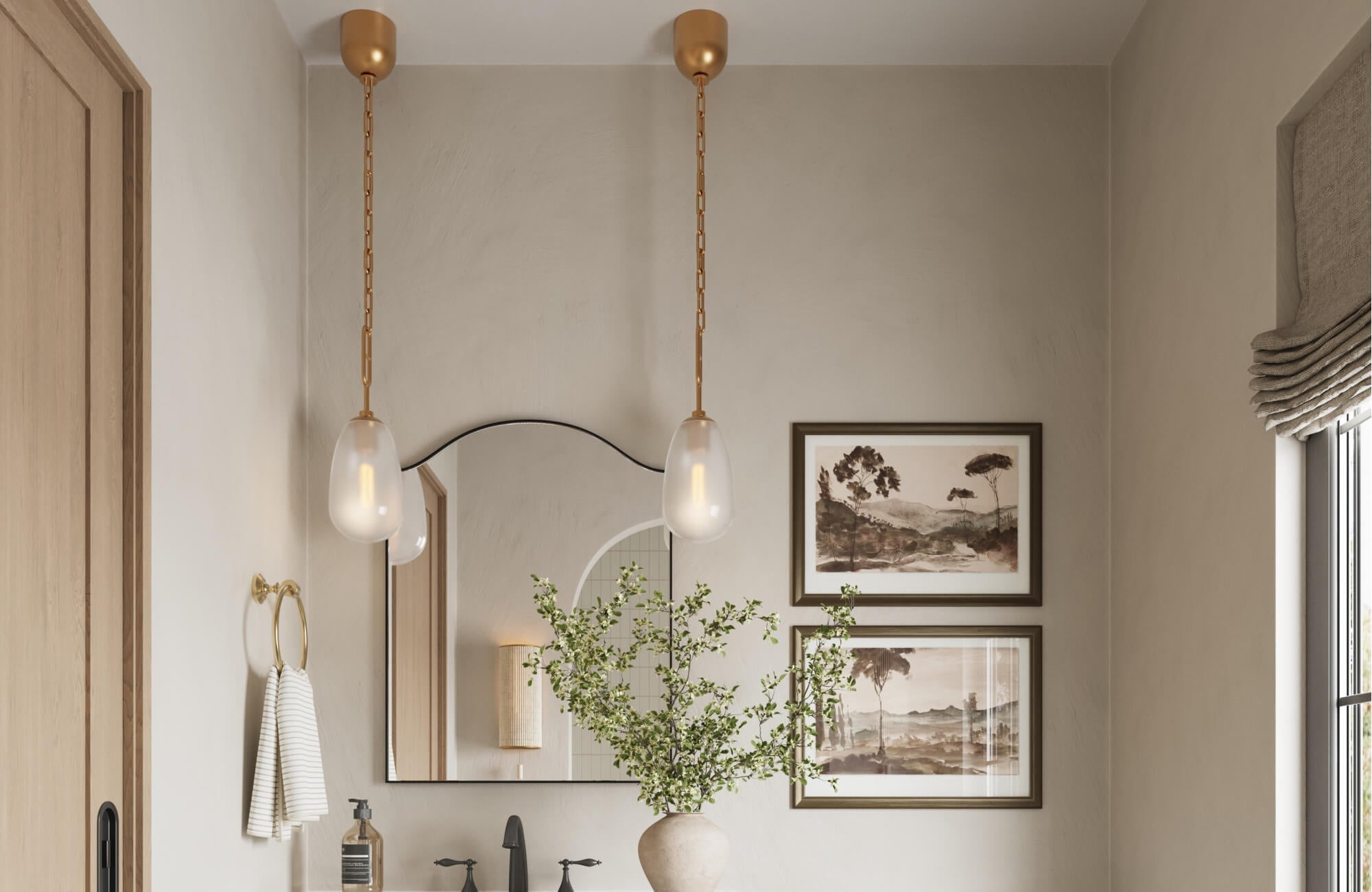
A prime example of this balance between performance and design is Edward Martin’s Ezekiel Wall Sconce in Vintage Brass, as displayed in the picture above. Its integrated LED source delivers exceptional brightness with minimal energy consumption, while the fluted glass and brass detailing diffuse light evenly for enhanced ambiance. When used in pairs, such sconces optimize illumination levels across reflective surfaces like mirrors, demonstrating how efficiency and elegance can coexist seamlessly. Pairing efficient fixtures with smart dimming further reduces energy load. Consequently, sustainable lighting design enhances both environmental and economic outcomes.
Maintenance and Light Loss Factors
Over time, light output naturally decreases due to lumen depreciation and surface dirt accumulation. Factoring in Light Loss Factors (LLF) ensures consistent illuminance throughout a system’s lifespan. Regular cleaning and inspection also maintain diffuser transparency and reflector performance. Designers select modular fixtures with accessible components for simplified servicing. Additionally, adequate ventilation extends driver life and stabilizes color temperature. Continuous upkeep sustains the lighting’s aesthetic and operational integrity.
Lifecycle Cost and Upgrade Planning
Lighting should be viewed as a long-term investment rather than a short-term purchase. Analyzing lifecycle costs reveals that high-quality luminaires often yield greater savings over time. Modular construction also allows individual part replacement, minimizing waste and disruption. In addition, anticipating technological advancements ensures compatibility with future upgrades, while evaluating total ownership costs promotes strategic resource allocation. Ultimately, this approach balances financial efficiency with sustainable design responsibility.
Illuminating the Art of Timeless Design
True lighting design extends beyond brightness—it becomes the silent language that shapes how architecture breathes and how interiors come alive. When each fixture, finish, and beam of light is thoughtfully curated, the result is a cohesive atmosphere that feels both functional and effortlessly refined. Through this harmony of engineering and artistry, light enhances texture, depth, and emotion within every room. In the end, thoughtful lighting design transforms living spaces into luminous reflections of beauty, purpose, and enduring style.
In collaboration with Edward Martin’s expert design services, every detail is tailored to express your home’s character through precision and aesthetic harmony. Contact us today to begin crafting a lighting design that transforms your space into a luminous reflection of beauty, purpose, and enduring style!