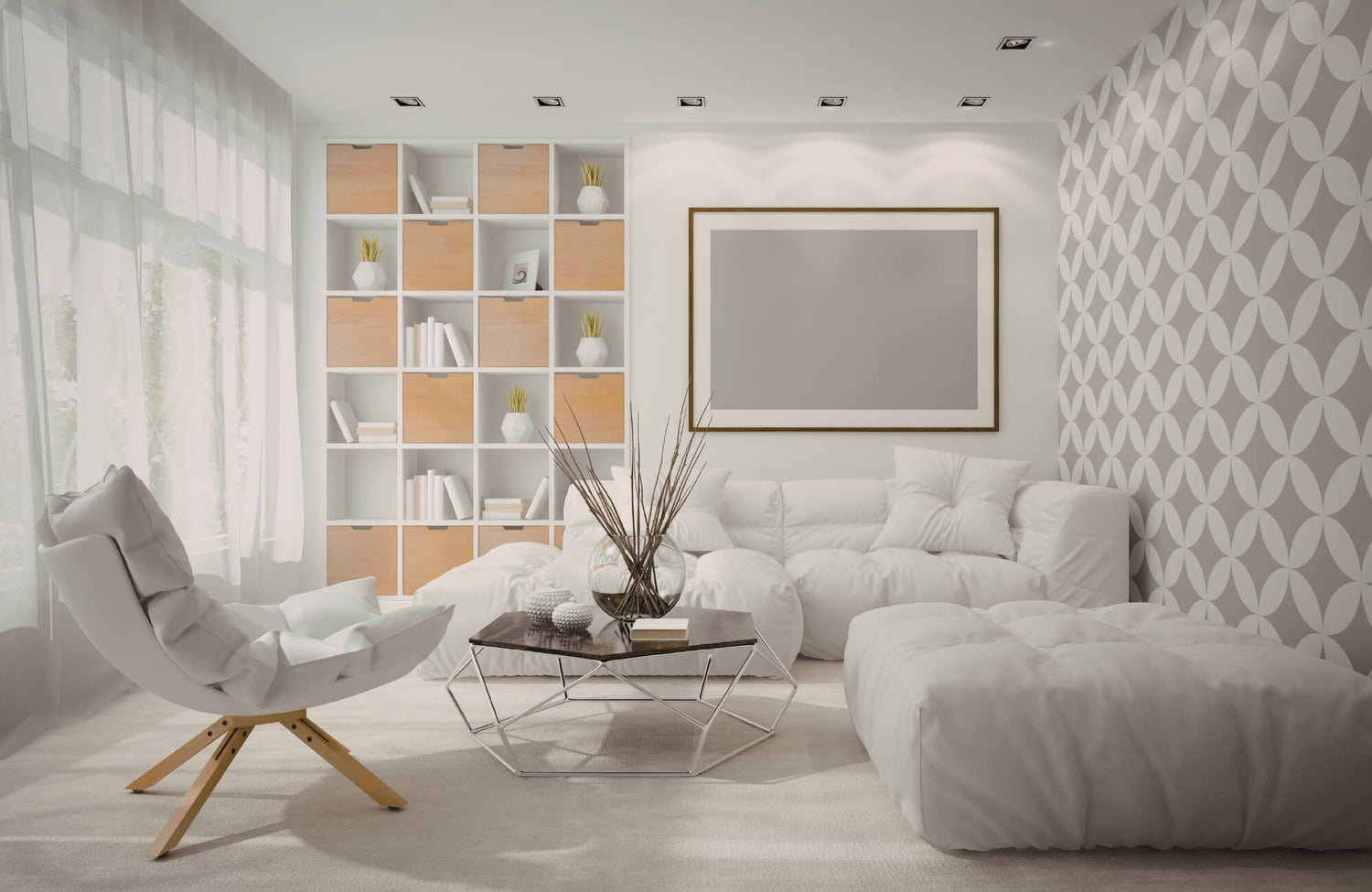
A mural has the power to transform a room, but its impact extends far beyond a single wall. When thoughtfully designed, a mural color palette can unify an entire home, reinforcing architectural details, complementing furnishings, and elevating the overall design narrative. When chosen impulsively, however, it can feel disconnected, beautiful on its own, yet visually isolated from the rest of the house.
For those investing in premium tiles, custom vanities, statement lighting, curated rugs, and tailored furniture, cohesion is everything. A mural should not compete with these elements; it should converse with them. The key lies in understanding your home’s existing color story and intentionally weaving the mural into that framework. The result is not just a striking wall, but a seamless, connected interior that feels considered from room to room.

Analyzing Your Existing Whole House Color DNA
Before selecting a mural color palette, it is essential to decode the existing color DNA of your home. Every well-designed interior carries a pattern of repetition, subtle echoes of tone, undertone, and proportion that create flow. Understanding this underlying structure allows the mural to feel integrated rather than imposed.
Identifying The Dominant Neutral Foundation
Most cohesive homes are anchored by a dominant neutral foundation. This may appear as warm greige walls, creamy white trim, soft taupe upholstery, or even the undertones in natural stone flooring. In premium interiors, these neutrals often extend across multiple surfaces, from porcelain tile to large area rugs and millwork. A scenic design such as Edward Martin’s Hillrise Mural Wallpaper, 312" x 132", shown in the image above, illustrates how layered earth-toned neutrals can act as both backdrop and unifying element without overwhelming the space.
Begin by identifying the neutral that appears most consistently throughout the house. It might not be the most obvious color, but it is the one that quietly holds everything together. A mural palette should respect this base. If your flooring features warm limestone tones or your furniture leans into soft beige and camel, a mural infused with complementary warmth will feel harmonious. Conversely, if your home relies on crisp whites and cool gray stone, cooler mural hues will align more naturally.
When the mural’s background color subtly reflects your dominant neutral, the transition between rooms becomes effortless. The eye registers continuity, even when the mural introduces new layers of color or artistic detail.
The Sixty Thirty Ten Rule For Whole Home Color
The classic sixty thirty ten rule offers a reliable framework for maintaining visual balance across an entire house. Sixty percent of the home is typically occupied by the dominant neutral foundation. Thirty percent is made up of secondary colors, often seen in upholstery, cabinetry, rugs, or large decor pieces. The remaining ten percent is reserved for accent color, where personality and boldness emerge.
A mural often occupies more visual space than a traditional accent. For that reason, its palette should be calibrated carefully. If the mural is expansive, it may function as part of the thirty percent secondary color rather than the ten percent accent. Alternatively, a mural with restrained coloration and a neutral base may act as a subtle extension of the sixty percent.
Assess how color is distributed throughout your home. If deep blue appears only in small accessories, introducing a wall-to-wall navy mural may overwhelm the established hierarchy. Instead, consider incorporating that blue in measured proportions within a broader, neutral-forward composition. When the mural respects the existing color ratios, the entire home retains balance.
Determining Warm Versus Cool Undertones
Undertones are the silent drivers of cohesion. Two colors may appear similar at first glance, yet clash when placed together due to conflicting undertones. A beige with pink undertones will not harmonize with a greige leaning green, and a cool white may look stark against creamy ivory millwork.
To determine your home’s undertone direction, examine fixed elements such as tile, stone countertops, wood flooring, and built-in cabinetry. These are long-term investments that typically define the palette more than paint or decor. If your oak floors have golden warmth and your bathroom tiles carry earthy undertones, your mural palette should reflect that warmth to maintain continuity.
In homes with cooler finishes, think marble with blue veining, matte black fixtures, and crisp architectural lines, cool-toned murals in soft grays, muted blues, or sage greens will feel more cohesive. Aligning undertones ensures that the mural feels intentionally designed within the broader interior composition.

Deciding The Visual Role Of The Mural
Once you understand your home’s color DNA, the next step is determining what role the mural will play. Is it meant to whisper or command attention? Should it serve as a quiet backdrop to curated furniture and layered lighting, or as the room’s primary focal point? Clarity of purpose prevents visual tension. When a mural’s intensity exceeds its intended role, it disrupts the flow of the whole house.
The Monochromatic Approach For Quiet Luxury
In homes that embrace quiet luxury, restraint is often more powerful than contrast. A monochromatic mural palette draws from varying shades of a single color family, creating depth through tone rather than bold color shifts.
For example, in a living room anchored by soft taupe upholstery and warm stone flooring, a mural rendered in layered beiges, creams, and subtle browns can introduce movement without disrupting serenity. If you are drawn to the softly textured, tonal effect seen in the featured image, Edward Martin’s Skyveil Mural in Mistfall III, 312" x 132" offers a similarly atmospheric look, blending depth and nuance within a refined, neutral spectrum. Texture, scale, and artistry provide interest while the color story remains consistent.
This approach works particularly well in open-plan spaces where the mural is visible from multiple angles. Because the palette is refined and cohesive, it enhances architectural features and premium materials rather than competing with them. The result is a sophisticated backdrop that elevates the entire home.
Using High Contrast For A Dramatic Focal Point
There are moments when drama is desirable. A bold mural in a dining room or entryway can create a memorable experience, especially in homes with otherwise neutral foundations. High contrast palettes, deep charcoals against soft plaster tones, rich emerald against pale walls, command attention.
The key is intentional containment. In a whole-house design, high contrast works best when anchored by repeating elements. A dramatic mural featuring dark tones may feel balanced if similar shades appear in adjacent spaces through lighting fixtures, furniture frames, or accent rugs.
Contrast should be echoed, even subtly, throughout the home. Without repetition, a bold mural risks feeling isolated. With thoughtful integration, it becomes a powerful design statement that still belongs to the larger narrative.
Matching The Mural Intensity To Your Upholstery
Upholstery often occupies a significant visual footprint, especially in living rooms and bedrooms. Sofas, headboards, and large rugs set the tone for softness and saturation. A mural that disregards these elements can disrupt harmony.
If your furniture is upholstered in muted, natural fabrics such as linen, boucle, or wool, a highly saturated mural may overpower the room. Instead, select hues that mirror the depth and softness of those textiles. Conversely, in spaces where velvet sofas or richly colored rugs take center stage, a pale mural may appear underwhelming.
Matching intensity does not require exact color repetition. Rather, it calls for balance in saturation and depth. When the mural’s vibrancy aligns with the surrounding furnishings, the space feels intentional and composed.

Designing For Open Floor Plans And Sightlines
Modern homes often feature open floor plans, where sightlines extend from kitchen to dining to living area. In such environments, a mural is rarely confined to one isolated room. It becomes part of a continuous visual experience. Designing for these sightlines ensures that the mural enhances, rather than interrupts, spatial flow.
The Threading Technique For Adjacent Rooms
The threading technique involves pulling one or two hues from the mural and subtly repeating them in adjacent spaces. This may appear as throw pillows that echo a mural’s accent color, bar stools upholstered in a related tone, or decorative objects that reinforce the palette.
Threading creates visual bridges. When the eye moves from one room to another, it recognizes familiar colors and perceives cohesion. This strategy is particularly effective in homes where premium materials, such as porcelain tile flooring or custom cabinetry, already establish continuity. The mural simply becomes another thread in the larger fabric of design.
Evaluating The View From The Entryway
The entryway offers a critical vantage point. It often reveals multiple spaces at once, setting expectations for the rest of the home. If a mural is visible from this perspective, its palette must align with the broader aesthetic introduced at the entrance. In the image above, the depth and contrast of Edward Martin’s Greensward Wallpaper in Black/Tan II, 52" x 132" demonstrate how a darker botanical motif can create a memorable first impression while still feeling grounded in warm undertones.
Consider the flooring material, lighting temperature, and decor that greet visitors. A warm-toned foyer with brass lighting and natural wood accents pairs best with murals that carry complementary warmth. A cooler, contemporary entry with polished concrete or large-format gray tile may require a more restrained, cool-toned mural to maintain continuity.
Evaluating this primary sightline prevents visual dissonance and reinforces a cohesive first impression.
Using Transition Spaces To Buffer Bold Colors
Hallways, stairwells, and transitional corridors offer opportunities to soften or buffer bold mural palettes. If a mural introduces strong color, transitional spaces can gently taper that intensity through neutral paint, complementary artwork, or subtle decor accents.
This buffering technique prevents abrupt shifts between rooms. Instead of moving from vibrant color to stark neutrality, the eye experiences a gradual progression. Such transitions are especially important in homes that prioritize architectural flow and premium finishes.

Adjusting For Natural Light And Architectural Direction
Color is never static. It shifts throughout the day in response to natural light and architectural orientation. A mural palette that feels balanced in morning light may appear dramatically different by evening. Understanding how light interacts with color ensures that the mural enhances, rather than distorts, the home’s atmosphere.
Warming Up North Facing Rooms With Earth Tones
North-facing rooms often receive cooler, indirect light. This can make colors appear subdued or slightly gray. In these spaces, mural palettes infused with earth tones, such as terracotta, warm beige, muted ochre, or soft clay, can counteract the coolness. Edward Martin’s Bower Wallpaper in Taupe I, 52" x 132", as seen in the image above, reflects how layered taupe and warm botanical detailing can soften shadows and introduce gentle warmth without overpowering the room.
These warmer hues introduce depth and comfort, particularly when paired with natural materials like wood flooring or textured rugs. In premium interiors, this warmth reinforces a sense of invitation and intimacy, preventing the space from feeling stark.
When thoughtfully selected, earth-toned murals in north-facing rooms create balance, making the entire home feel more cohesive across orientations.
Cooling Down South Facing Rooms With Blues And Greens
South-facing rooms typically receive abundant, warm light. While this brightness is desirable, it can intensify already warm colors. In such spaces, cooler mural hues, soft blues, sage greens, muted teal, can create equilibrium. If you are weighing how much cool contrast is needed, Edward Martin’s design consultation service can help refine the palette so it aligns seamlessly with your flooring, furnishings, and overall whole-home color story.
These cooler tones absorb and balance the warmth of sunlight, maintaining visual comfort throughout the day. When integrated with cool stone surfaces or contemporary furniture, they enhance the architectural clarity of the space. For tailored recommendations or product-specific questions, you can always contact Edward Martin for guidance.
Choosing a cooler palette for sun-drenched rooms ensures that the mural complements, rather than amplifies, natural light.
Testing Mural Swatches At Different Times Of Day
Even the most carefully curated color palette should be tested before final installation. Viewing mural swatches at different times of day reveals how light alters tone and saturation.
Morning light may highlight undertones, midday sun may intensify contrast, and evening artificial lighting may shift hues entirely. Observing these variations allows for informed adjustments, ensuring that the mural remains harmonious within the whole-house color scheme.
This deliberate testing process reflects the same attention to detail applied when selecting premium tiles, custom vanities, or designer lighting. It reinforces the principle that cohesive design is never accidental.
The Art Of Connected Home Design
Choosing a mural color palette that flows with the whole house is both an analytical and artistic endeavor. It requires understanding your home’s neutral foundation, respecting established color ratios, and aligning undertones. It calls for clarity about the mural’s visual role and sensitivity to sightlines, natural light, and architectural context.
When approached thoughtfully, a mural becomes more than decorative art. It acts as a connective element, reinforcing the design language established through flooring, furniture, lighting, and decor. It supports rather than competes, enhances rather than distracts.
The art of connected home design lies in these deliberate choices. A well-integrated mural does not simply occupy a wall; it strengthens the story of the entire home, creating a cohesive, elevated environment that feels intentional from the first step inside to the furthest room beyond.