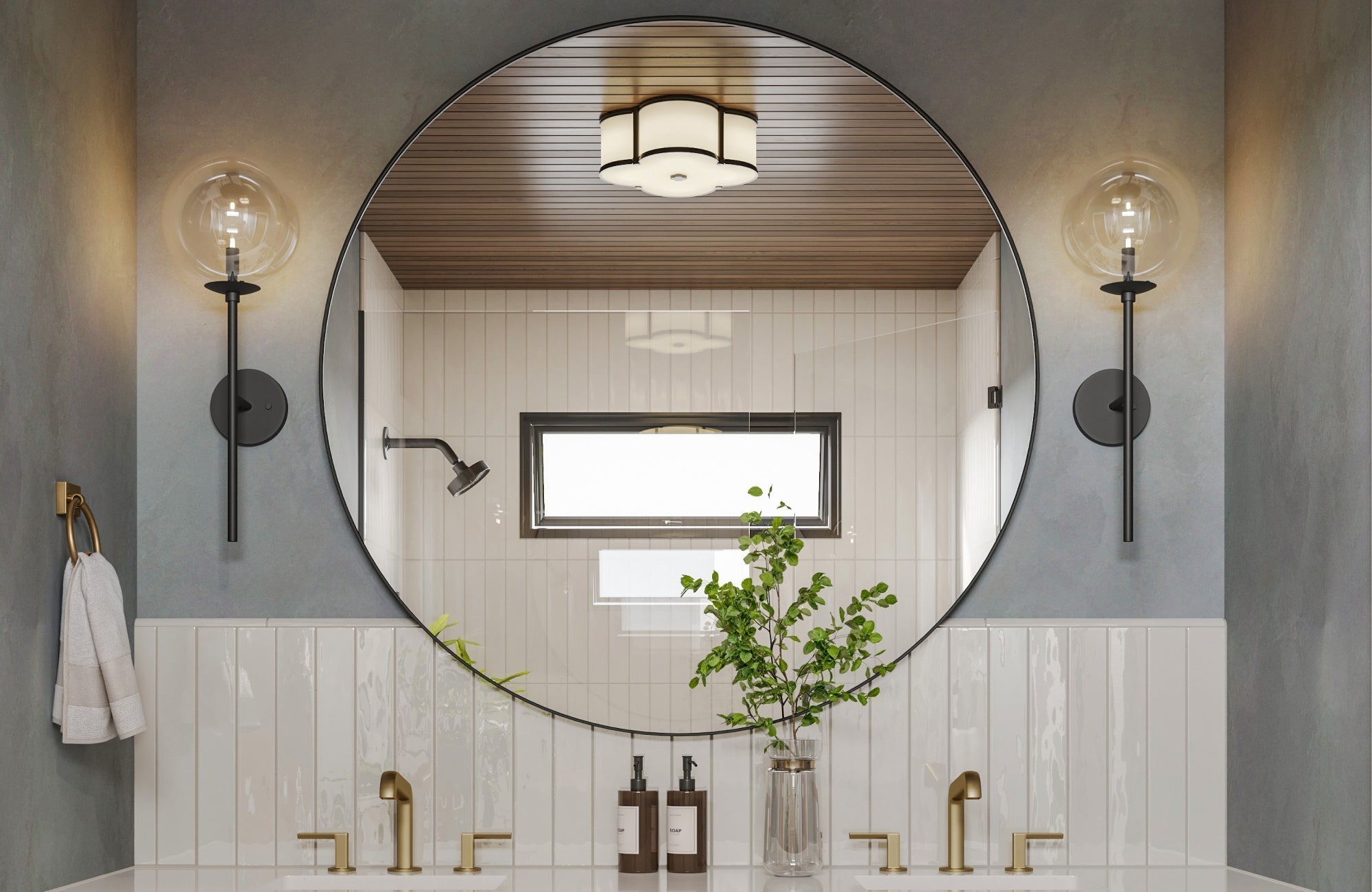
Mirrors are far more than simple surfaces that show your reflection. When chosen thoughtfully, their shape can completely shift the way a room feels, altering light flow, creating the illusion of space, and even influencing mood. From subtle ovals that soften a minimalist bathroom to bold geometric forms that ground a busy living room, mirror shape plays a starring role in both design and function.
In this article, you’ll explore distinct angles that go beyond style trends and help you select the perfect mirror shape for your space. Whether you're working with a tight hallway, designing around architectural curves, or highlighting your personal style, the shape you choose will make a visible difference.

Aligning Mirror Shape with Function and Purpose
The shape of a mirror should always reflect its intended use. In spaces where function takes priority, like bathrooms, vanity areas, or dressing rooms, your mirror choice needs to enhance visibility and comfort. Vertical rectangles, squares, and ovals are ideal for grooming and daily routines, as they naturally frame your upper body and align with typical sink and lighting layouts. A great example is our Clancy Small Mirror in Antiqued Iron, pictured above in a classic black finish. Its clean, square shape and subtle industrial edge make it a smart choice for dual vanities or compact powder rooms where clarity and style both matter. For full-body reflections in dressing rooms or entryways, taller rectangular mirrors also give you the practical visibility you need while contributing to the room’s visual height and proportion.
On the other hand, when a mirror is meant not just for function but also for decorative impact, you have more freedom to explore creative shapes. Round, arched, or irregular mirrors act as artistic statements, offering style and softness that geometric shapes often lack. These sculptural forms work best in places such as above mantels or consoles, and can transform a blank wall into a design feature. Ultimately, balancing purpose with aesthetic intention ensures the mirror genuinely supports the way you use the space.

Architectural Harmony Matching Mirror Shape to Structure
Mirrors play a critical role in harmonizing with a room’s architecture when chosen with intention. Rather than serving as decorative afterthoughts, mirrors should reflect and reinforce the structural and design language of a space. When aligned with the geometry of ceilings and walls, whether curved, flat, or coffered, a mirror can maintain the rhythm and flow of the room. Arched or oval mirrors also work well with rounded architectural features, while rectangular or square mirrors strengthen the symmetry and structure found in linear or gridded designs.
A beautiful example is our Esmeralda Wide Mirror in Iron Matte Black, featured in the image above. Its tall, arched form and bold matte black finish complement the room’s soft tilework and curved lines, offering a striking yet balanced architectural focal point.
Beyond ceiling and wall shapes, a mirror’s form can further complement the room’s angles and balance. In rooms with sharp lines or strong symmetry, structured mirrors like squares and rectangles emphasize order and clarity. Meanwhile, round or abstract shapes soften rigid environments and subtly offset asymmetry. By matching a mirror's shape to architectural cues, you create a sense of unity, allowing the mirror to support the room’s aesthetic rather than disrupt it.

Reinforcing Interior Design Themes
Mirror shape plays a subtle but essential role in communicating your interior style. Whether you're building a cohesive look or adding contrast for visual interest, the right shape can elevate your space and tie your design vision together.
Shape as a Style Cue
Every design style carries its own visual language, and mirror shapes are one of the easiest ways to speak it fluently.
Traditional
In traditional interiors, where elegance and refinement take center stage, mirrors with arched tops or oval silhouettes add softness and classic appeal. These shapes often feel more formal, especially when paired with beveled edges or ornate frames. They also reflect the curved furniture lines and vintage-inspired details that define this style, reinforcing its timeless charm.
Our Raelynn Mantel Mirror in Iron Matte Black perfectly embodies this traditional elegance. With its graceful arched top and classic matte black frame, it brings a sense of structure and sophistication to any mantel or console. Its timeless silhouette further adds depth without overwhelming the space, making it a refined finishing touch in a room rooted in tradition.
Modern or Minimalist
For modern or minimalist spaces, simplicity is key. Clean-lined rectangular or square mirrors with little to no ornamentation fit seamlessly into this aesthetic. Whether set in sleek metal, natural wood, or even frameless designs, these mirrors blend into the architecture rather than stand out. Their structure also mirrors the clarity and functionality of the room, emphasizing light, order, and open space.
A strong example of this minimalist elegance is our Tristan Square Mirror in Polished Brass. Its geometric precision and luminous brass frame add just the right amount of contrast to a pared-down setting, delivering modern polish while keeping the overall look clean and intentional.
Bohemian or Eclectic
If your space leans bohemian or eclectic, shape becomes a playful design tool. Mirrors in sunburst patterns, asymmetrical silhouettes, or organically inspired forms add a sense of movement and personality. These unconventional shapes also reflect the carefree spirit and artistic layering found in eclectic spaces.
Capturing that same spirit, the mirror seen in the photo above is our Shirley Large Mirror in Antique Brass Iron. Its gently uneven silhouette and warm brass finish add a touch of whimsy without overpowering the serene, natural palette. The mirror’s shape also feels collected rather than calculated, perfect for a space that values creativity, softness, and individuality.
Industrial
For industrial settings, consider using round mirrors with raw-metal, blackened steel, or distressed finishes. The circular form softens the harshness of exposed materials while maintaining a utilitarian, grounded presence that fits the theme perfectly.
Our Tristan Round Mirror in Rustic Black captures that balance effortlessly. With its bold, round silhouette and textured black finish, it introduces a subtle contrast to concrete, brick, or wood surfaces while keeping the overall look authentic and raw. It's also a versatile piece that feels both industrial and inviting, perfect for adding character without compromising the room’s rugged integrity.
Echoing or Contrasting Furnishings
The relationship between your mirror and surrounding furniture has a significant impact on how cohesive or dynamic your space feels. Echoing shapes, such as pairing a round mirror with a round dining or coffee table, can create a soothing, balanced atmosphere. This visual repetition builds unity in the room, making the space feel harmonious and well-composed. Repetition also draws the eye naturally between design elements, creating rhythm without overwhelming the senses.
On the flip side, using contrasting shapes can inject energy and visual intrigue. For instance, placing a sharp-edged rectangular mirror above a curved sofa can create a striking interplay between structure and softness. This kind of contrast works best when it’s purposeful, anchored by other repeating elements like color, material, or texture. Whether you’re aiming for alignment or contrast, consistency in how you apply the concept is key. A deliberate approach to shape matching also ensures your mirrors feel like an intentional design element, not an afterthought.

Evoking Mood and Personality Through Shape
Mirror shapes do more than reflect your surroundings. They also reflect emotion. Whether you want to soften a space, establish structure, or show off your creative spirit, the shape you choose can influence how a room feels and how much of yourself it reveals.
Curves for Warmth
Curved mirrors have a naturally calming presence that works wonders in spaces filled with sharp lines and hard surfaces. When your room features tile, metal, glass, or any other rigid material, introducing a soft-edged mirror like an oval or arch can instantly ease the tone. These shapes bring visual comfort and organic balance, helping to offset the harshness of structural elements. In modern kitchens, where cabinetry and appliances often emphasize straight lines, an arched or round mirror can also humanize the space without disrupting its functionality.
Bathrooms, in particular, benefit from this gentle touch. A softly curved mirror over the sink adds warmth to the often clinical materials found there, such as porcelain or chrome. Our Fitz Mirror in Antique Silver, displayed in the picture above, is a perfect example. Its round shape softens the vertical geometry of the green tile backdrop, while the antique silver finish brings a subtle metallic glow that feels both refined and relaxed. Beyond their aesthetic impact, these shapes also evoke a sense of movement and softness, qualities that can make your daily routines feel more soothing and personal. In any space where you want calm to take the lead, curves offer an easy, elegant way to achieve that mood.
Geometric Shapes for Grounding
Although curves create flow, geometric shapes like squares and rectangles bring clarity. In rooms filled with varied textures, patterns, or layered styles, a mirror with sharp lines helps establish order. Its defined shape also creates a visual anchor, a steadying element that balances the energy around it. When you place a rectangular mirror above a fireplace in a richly decorated room, it acts as a frame of calm amid the detail, allowing the space to breathe.
This grounding effect is particularly useful in eclectic or maximalist spaces where design risks are part of the charm. A clean, geometric mirror doesn’t compete with bold choices; instead, it supports them by offering structure. Even in more subdued interiors, a rectangular mirror can also give the room a sense of purpose and direction. It serves as a visual cue that says, "this is the center," without overwhelming the style around it.
Abstract Forms for Self-Expression
When utility takes a back seat to creativity, abstract mirrors are where you can let your personality shine. These mirrors, often irregular, asymmetrical, or entirely freeform, aren’t just functional objects; they’re expressive pieces of décor. Their unique outlines also draw attention and invite curiosity, making them ideal for spaces where you want to explore and showcase your individuality. Whether you’re decorating a bedroom, a personal studio, or a creative nook, these mirrors let your style lead the way.
Because abstract mirrors don’t follow traditional rules of symmetry or proportion, they give you room to play. They can mimic natural forms, hint at movement, or simply break up the expected lines in a room. This makes them particularly effective in spaces where creativity is central. A lopsided mirror above a desk or a sculptural form on an accent wall can also inspire without saying a word. These shapes may not offer the most conventional reflections, but what they lack in predictability, they more than make up for in personality and presence.

Enhancing Design with Light and Reflection Strategy
The shape and orientation of a mirror don’t just affect how it looks on your wall. They also influence how light moves through your space and what gets visually emphasized. By thinking strategically about reflection, you can turn a simple mirror into a powerful design tool.
Orientation Drives Light Direction
The direction your mirror faces and the shape it takes have a direct impact on how light is distributed throughout the room. A vertical mirror naturally enhances light movement along the vertical axis, reflecting both upward and downward. This effect can visually lift the ceiling and make a room feel taller, which is especially helpful in tight or low-ceilinged areas. Placing a vertical mirror near a floor lamp or directly across from a tall window also amplifies this effect, giving the room a heightened sense of vertical space and brightness.
On the other hand, horizontal mirrors are particularly effective at spreading light laterally. When placed on a long wall or above a wide piece of furniture, they reflect light across a broader surface area, brightening the room more evenly from side to side. This makes them especially valuable in large or open-concept rooms where you want to carry natural light from one side of the space to the other. If you have a panoramic view or wide windows, a horizontal mirror can also echo that width, essentially doubling the visual exposure of the landscape.
Highlighting Key Visuals
Mirrors can act like picture frames, shaping and controlling what you see. By choosing a mirror that complements the object or scene it reflects, you turn the reflection into part of the design. For instance, a round mirror hung above a table can beautifully center and highlight a decorative vase or sculpture. Its shape also draws the eye toward the object and reinforces symmetry, almost like a spotlight that doesn’t need electricity.
If you're lucky enough to have a view worth showing off, a tall mirror placed near a window can make that outdoor element feel like an extension of the room. The vertical form captures more of the greenery, skyline, or distant scenery and pulls it inward. It’s also a simple way to blur the line between inside and out, expanding your visual environment and adding depth. With the right placement and shape, a mirror can elevate the beauty of objects and surroundings that might otherwise go unnoticed.
Avoiding Problematic Reflections
Not all reflections enhance a room. Some can create unnecessary visual noise. If a mirror captures a cluttered bookshelf, a laundry basket, or an awkward architectural detail, it can distract rather than contribute. In these situations, shape and placement become crucial. Opt for smaller mirrors that limit the scope of the reflection or choose ones with narrow, vertical frames that naturally reduce the field of view. This also helps you keep the reflected content controlled and intentional.
Additionally, positioning a mirror too low or directly across from a chaotic area can make the mess appear twice as overwhelming. A carefully chosen shape, like a small circular mirror or a modest rectangle, can still offer light and style without exposing undesirable elements. Always take a moment to step back and see not just how the mirror looks on the wall, but what it’s showing you, and decide if that view is something you want to highlight or hide.
Mirror Shape as a Design Power Move
Choosing the right mirror shape is ultimately about enhancing the way a space feels and functions. From framing natural light to emphasizing architectural features and personal style, your mirror’s silhouette can guide the eye, set the tone, and bring balance to a room. With the right shape, a mirror becomes more than a design detail. It also becomes a thoughtful expression of how you live, move, and connect within your space. When you align form with purpose, style with structure, and emotion with reflection, the mirror you choose doesn’t just fit the space; it transforms it.
Whether you're seeking expert guidance on selecting the perfect shape or exploring bespoke design solutions, our team is here to help you bring your vision to life. With a commitment to personalized service and attention to detail, our knowledgeable staff can walk you through options that align with your aesthetic goals and functional needs. Visit our Contact Us page to start a conversation, schedule a consultation, or ask questions—because the right mirror begins with the right support.