Decorative pillows can completely change how a couch feels and functions in a space. When arranged with intention, they can make a seating area feel more inviting, balanced, and visually cohesive without sacrificing comfort. At the same time, figuring out how to arrange them can feel overwhelming, especially with so many options in size, shape, and style.
In this article, we’ll walk through a clear and practical approach to help you style your couch with confidence, even if you are new to decorating. You will learn how to choose the right pillows, layer them effectively, and create a sense of balance that feels natural rather than forced. By the end, you will have a clear understanding of how to arrange decorative pillows that fit your space while supporting everyday comfort and use.

Choosing The Right Pillow Foundation
Before arranging anything, it helps to focus on selecting pillows that work well together from the start. When the foundation is thoughtfully chosen, the entire styling process becomes more straightforward and visually cohesive.
Selecting Core Sizes
A good starting point is choosing larger pillows that can visually anchor the couch. When placed at the base of the arrangement, they provide structure and keep smaller pillows from appearing scattered or unsupported. As smaller pillows are added, they introduce variation while maintaining a sense of stability. This approach helps the arrangement feel intentional and well-composed, especially when viewed from a distance.
Mixing Shapes With Purpose
Shapes can be used to introduce subtle contrast within the arrangement. Square pillows create a sense of consistency, while lumbar or round pillows help break repetition and guide the eye across the couch. At the same time, it is important to keep the mix controlled. Using too many different shapes can make the arrangement feel disjointed, so keeping the selection limited helps maintain a cohesive and well-structured look.
Choosing Durable And Stylish Fabrics
It helps to consider how the couch is used before selecting fabrics. In more relaxed, everyday spaces, breathable materials like cotton or linen tend to feel comfortable and practical. In contrast, more formal settings often benefit from richer fabrics that enhance the overall appearance. The key is choosing materials that balance comfort with durability, ensuring they hold up well over time while still contributing to the overall look.
Establishing A Cohesive Color Base
It is helpful to define a color direction that connects with the existing elements in the space. Rather than combining multiple unrelated shades, focusing on a limited palette makes the arrangement feel more intentional and easier to build upon. With a clear color base in place, adding new decorative pillows becomes more straightforward, as each piece naturally complements the overall look instead of feeling out of place.

Building A Layered Arrangement From Back To Front
Once the pillows are selected, the next step is to consider how they are positioned on the couch. A layered approach adds depth, giving the arrangement a more complete and structured appearance rather than a flat one.
Starting With The Back Layer
Begin by placing the largest pillows at the back corners of the couch to establish a clear foundation. This placement creates a visual boundary that frames the arrangement and defines its overall structure. It also helps anchor the entire setup, making it easier to position the remaining pillows with intention. As this base layer takes shape, the couch starts to feel more organized and visually grounded.
This approach is reflected in the arrangement featured above, where larger pillows such as Edward Martin’s Merelle 22" x 22" Down Pillow in Terracotta and Merelle 22" x 22" Down Pillow in Tan are positioned at the back to create a stable, cohesive base. Their size and placement provide structure, making it easier for the front layers to build naturally without disrupting the overall balance.
Adding Mid-Layer Support
Next, position medium-sized pillows slightly in front of the larger ones to build a gradual transition. This middle layer helps connect the back layer with the front accents, avoiding any abrupt shifts in size or placement. It also adds depth, making the arrangement easier to follow visually. With this step in place, the overall composition feels more cohesive and balanced.
This transition is clearly illustrated in the photo above, where a medium-sized option like Edward Martin’s Brielle 18'' x 18'' Down Pillow in Natural / Mustard is placed just in front of the larger back pillows. Its scale helps bridge the gap between the base layer and the smaller front accents, allowing the arrangement to flow naturally without feeling disconnected.
Placing Front Accent Pillows
At the front, place smaller or more distinctive pillows to introduce detail and visual interest. These pieces naturally draw attention and help complete the arrangement without overwhelming it. Their role is to enhance the overall look while remaining in harmony with the layers behind them. When chosen carefully, they add personality while still supporting a unified design.
This final layer is reflected in the photo above, where a smaller piece, such as Edward Martin’s Merelle 13" x 21" Down Pillow in Terracotta, is positioned at the front to stand out subtly. Its elongated shape and placement help draw the eye forward while still tying in with the colors and textures established in the layers behind it.
Overlapping For A Natural Look
Rather than spacing pillows evenly, allow them to overlap slightly to create a more relaxed appearance. This approach softens the arrangement and makes it feel less structured or formal. It also helps the pillows sit more naturally together, as they would in everyday use. As a result, the couch feels more inviting and less like a staged display.

Creating Visual Balance Across The Couch
After layering the pillows, the next step is to step back and assess how the arrangement feels from one side to the other. Visual balance helps ensure the couch appears stable, comfortable, and well-proportioned rather than uneven or distracting.
Using Symmetry For A Clean Look
For a more structured appearance, pillows can be arranged in a mirrored layout on both ends of the couch. This approach creates a sense of order that feels calm and visually stable. It works particularly well in spaces where simplicity and consistency are preferred. In addition, symmetrical arrangements are easier to maintain, as the placement is clear and repeatable.
Applying Asymmetry With Control
A more relaxed arrangement can be achieved by varying placement while still maintaining balance. Instead of matching items exactly, the focus shifts to distributing visual weight in a way that feels balanced and natural. This allows for more flexibility in combining different sizes, shapes, or patterns. When done carefully, the result feels natural and visually engaging without appearing unbalanced.
Distributing Visual Weight Evenly
Balance is not only about symmetry but also about how elements are visually distributed. A bold pillow on one side can be balanced with a few more subtle pillows on the other. This creates a sense of stability while keeping the arrangement from feeling repetitive. By focusing on overall visual impact, the arrangement remains cohesive without relying on identical placement.
Leaving Space For Functionality
While styling plays an important role, the couch should remain comfortable and usable. Leaving some open space ensures that the arrangement does not interfere with everyday seating. It also helps prevent the couch from feeling overcrowded or overly styled. Maintaining this balance between function and appearance keeps the space both practical and inviting.

Coordinating Patterns And Textures Without Clashing
Once the placement is established, the next step is to consider how each pillow works visually with the others. This stage introduces character into the arrangement while ensuring everything still feels cohesive and well put together.
Mixing Pattern Types
Combining different pattern types works best when one design takes the lead while the others remain more understated. This creates contrast without overwhelming the overall arrangement. It also allows the eye to settle on a focal point rather than competing elements. When balanced carefully, the result feels visually interesting while still controlled.
Varying Pattern Scale
Adjusting the scale of patterns helps prevent them from competing with one another. Larger patterns tend to draw attention, while smaller ones add subtle detail in the background. This variation creates a natural sense of movement across the arrangement. As a result, the overall look feels more layered and visually engaging.
Layering Complementary Textures
Texture plays an important role in how the arrangement feels both visually and physically. Combining smooth fabrics with more tactile materials adds depth without relying on color alone. This contrast makes the pillows feel more inviting and comfortable. Over time, it also helps the arrangement maintain interest without needing constant changes.
Maintaining A Unifying Element
Even when mixing patterns and textures, it is important to maintain a shared element across all pillows. This could be a common color tone, material, or subtle design detail that ties everything together. Without this connection, the arrangement can feel scattered or disconnected. A consistent thread helps unify the overall look while still allowing for variation.

Adapting Pillow Arrangements To Different Couch Types
Not every couch requires the same approach, as size and shape influence how pillows should be arranged. Adjusting the setup accordingly helps the arrangement feel proportionate, balanced, and well-suited to the couch.
Styling Sectional Sofas
Sectional sofas benefit from a more focused approach, particularly around the corners where the sections meet. Placing pillows in these areas helps emphasize the shape of the couch without overwhelming its size. It also creates a natural focal point that visually connects the different sections. Keeping one side slightly lighter can further improve balance across the larger surface, preventing the arrangement from feeling too heavy.
Adjusting For Loveseats
Smaller couches require a more restrained approach to maintain proportion. Using fewer pillows allows the arrangement to feel appropriate for the limited space available. It also helps preserve comfort by avoiding unnecessary crowding. With a simpler setup, the overall look remains clean, balanced, and easy to maintain.
Working With Deep Seating Sofas
Deep-seating sofas call for pillows that match their scale and depth. Larger sizes and fuller layering help ensure that the pillows do not appear too small or out of place. This approach also makes the seating feel more comfortable and visually complete. When proportions are aligned, the arrangement feels more intentional and well-integrated with the couch.
Keeping Minimalist Couches Clean
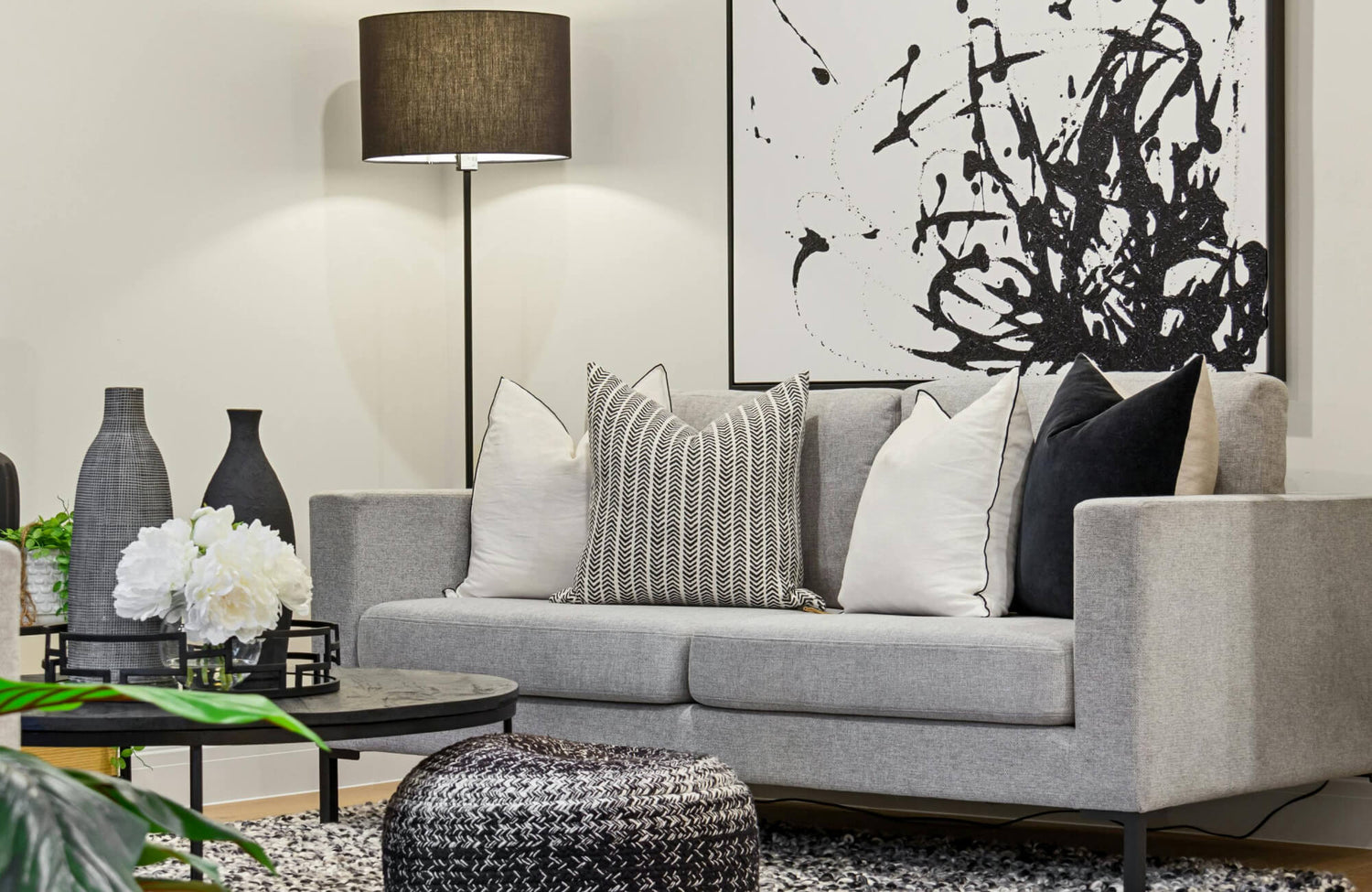
Couches with minimalist designs benefit from a more refined and restrained arrangement. Limiting both the number and complexity of pillows helps maintain the clean lines of the furniture. It also prevents the overall look from becoming visually cluttered. By focusing on simplicity, the arrangement supports the design rather than competing with it.

Aligning Pillow Styling With Interior Design Styles
Finally, it is important to consider how the pillow arrangement fits within the overall style of the space. Aligning these elements helps create a look that feels consistent, cohesive, and thoughtfully put together rather than disconnected.
Modern Spaces
In modern spaces, pillow arrangements tend to follow a more structured and simplified approach. Clean lines and a restrained color palette help maintain a sense of order and clarity. Each pillow should feel intentionally placed rather than just added for decoration. This results in an arrangement that feels balanced, minimal, and visually controlled.
Bohemian Interiors
Bohemian interiors lend themselves to a more relaxed and layered approach to pillow styling. A mix of patterns, textures, and colors can be used more freely, as long as there is some level of cohesion. The arrangement does not need to feel perfectly aligned, which adds to its casual appeal. Overall, the look feels expressive, comfortable, and naturally put together.
Traditional Rooms
Traditional spaces often benefit from a more symmetrical and coordinated arrangement. Pillows are typically placed in a balanced layout, with colors and patterns that complement each other closely. This creates a refined appearance that feels consistent and orderly. The result is an arrangement that supports a classic and polished interior style.
Casual Living Spaces
In casual living spaces, comfort and ease take priority in the arrangement. Pillows can be arranged more casually while still maintaining a sense of balance. Softer fabrics and simple combinations can also help create an inviting atmosphere. This approach allows the couch to feel both functional and thoughtfully styled without appearing overly arranged.
Making Your Arrangement Feel Intentional
Arranging decorative pillows on a couch involves combining thoughtful selection with a clear and structured approach to placement. Starting with the right foundation, layering pillows from back to front, and maintaining visual balance across the couch helps the arrangement feel natural and well-composed. Attention to patterns, textures, and the overall style further refines the look while keeping it cohesive and effortless.
With these steps in place, arranging decorative pillows becomes less about guesswork and more about creating a setup that feels comfortable, cohesive, and suited to everyday use. If you would like more personalized guidance or help refining your space, reaching out through our contact page or exploring available design services can provide practical support and direction tailored to your needs.