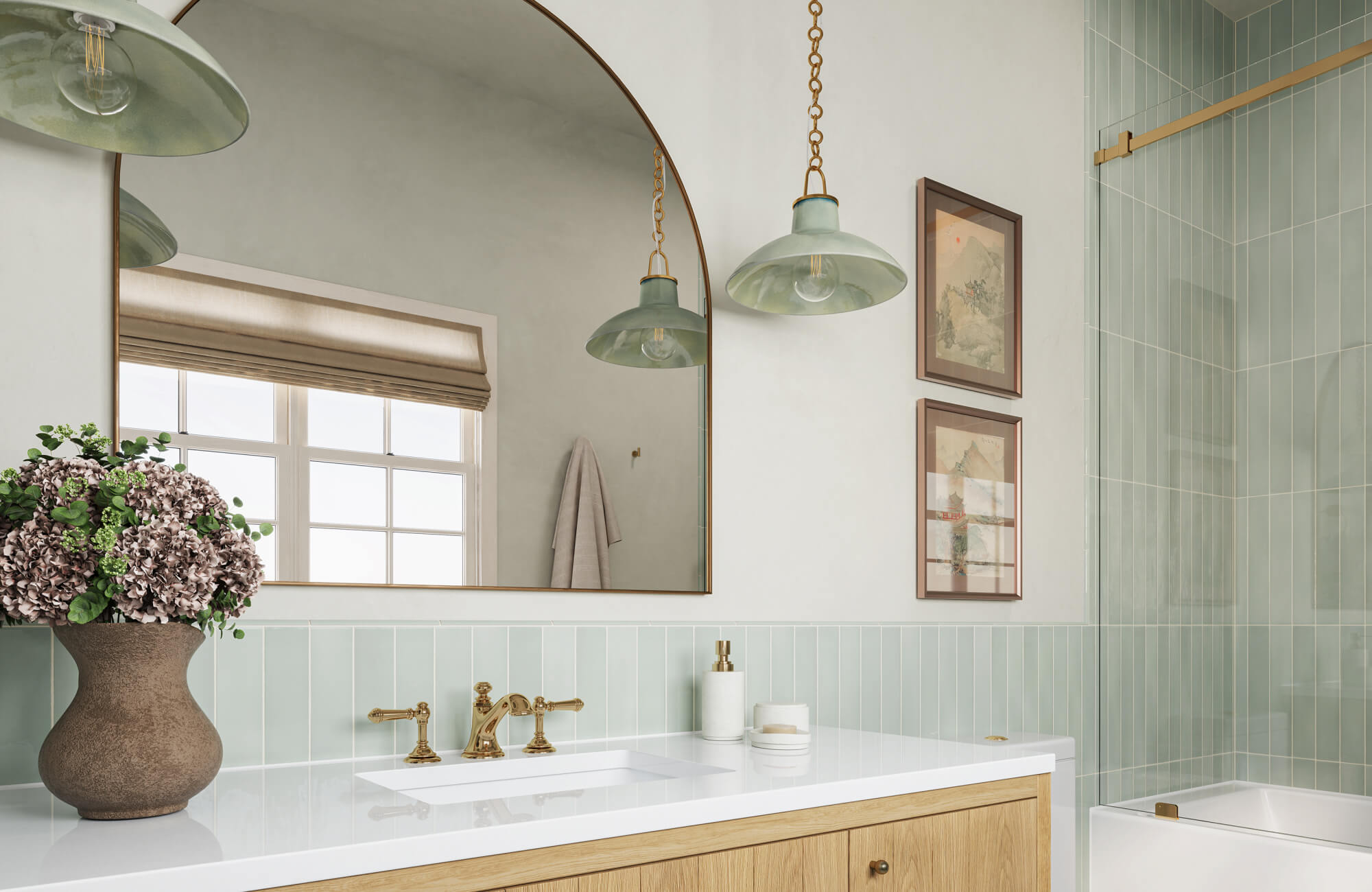
A modern bathroom blends style with function, and the vanity is often the piece that brings everything together. More than just storage, it anchors the layout, influences the overall design, and sets the mood of the space. The right choice can make a compact bathroom feel larger, add balance to a master suite, or bring understated elegance to a guest bath.
In this guide, we’ll walk through vanity styles, materials, and common mistakes to help you achieve a truly modern bathroom. By understanding how each decision shapes both practicality and design, you’ll be better equipped to create a bathroom that feels cohesive, functional, and contemporary.

Why Vanity Matters in Modern Bathrooms
The vanity often dictates how the rest of the bathroom comes together, from layout to finishing touches. Its size, placement, and overall look influence whether the space feels balanced, functional, and modern. By anchoring both style and usability, the vanity plays a role far greater than simple storage.
The Vanity as a Focal Point
No matter the size of the bathroom, the vanity often becomes the feature people notice first. Its placement, proportions, and design naturally draw the eye, establishing the bathroom’s overall mood. A wide vanity with clean lines can make the space feel expansive, while a smaller, streamlined unit keeps the look tidy and efficient. By serving as this visual centerpiece, the vanity helps define the style direction, whether it leans minimal, contemporary, or bold.
Balancing Form and Function
Modern design emphasizes harmony between practicality and aesthetics, and the vanity embodies that principle. It must provide sufficient storage for daily essentials while maintaining a clutter-free appearance. Features like built-in drawers or hidden shelving make organization easier without disrupting the clean lines that define modern bathrooms. When function and form are balanced well, the vanity delivers both usability and design integrity, keeping the space purposeful and elegant.
A great example is our Bridgette 72" Double Vanity in Whitewashed Oak with 3 cm White Zeus Quartz Top, as seen above. Its expansive width, abundant storage options, and quartz countertop show how a vanity can meet daily needs while maintaining a clean, modern look. Thoughtful details like soft-close drawers and built-in outlets reinforce the balance of form and function that defines contemporary design.
Supporting the Overall Bathroom Design
The vanity doesn’t exist in isolation—it directly shapes other design elements around it. Mirrors are often scaled to match the vanity, lighting is positioned to complement its placement, and hardware choices are guided by its finish. Even the flooring layout and wall treatments may center around the vanity’s proportions. This interconnectedness makes the vanity a design anchor, ensuring that all elements work together to achieve a cohesive and modern look.

Choosing the Right Vanity Style for a Modern Look
The style of vanity you choose directly shapes how modern your bathroom feels. From floating designs that highlight open space to practical double setups and streamlined single units, each option carries its own strengths. Focusing on the right style ensures the vanity complements both the layout and the overall aesthetic.
Floating Vanities for Clean Lines
Floating vanities, such as our Royce 72" Double Vanity in Chestnut with 3 cm White Zeus Quartz Top above, are mounted to the wall, leaving floor space visible and creating an open, airy look. This design choice naturally emphasizes modern simplicity, making smaller bathrooms appear larger and more uncluttered. The clean lines and minimal bulk align perfectly with contemporary interiors that value space efficiency. Because they don’t sit directly on the floor, they also provide opportunities for under-lighting, which can add a sleek and stylish touch.
Beyond aesthetics, floating vanities offer practical advantages. The open floor space makes cleaning easier and helps the room feel less heavy. They pair especially well with tile or wood flooring, where the uninterrupted surface enhances the modern effect. In compact bathrooms, they prevent the room from feeling boxed in, while in larger spaces, they reinforce a polished, streamlined design. This makes them one of the most versatile choices for modern homes.
Double Vanities for Practical Luxury
Double vanities bring a sense of balance and symmetry that works beautifully in modern bathrooms. Their side-by-side sinks not only provide functionality for shared spaces but also create a structured, intentional look. The extra counter space can be styled minimally, keeping the design clean while still offering practicality. In master bathrooms, especially, double vanities add to the feeling of comfort and convenience without compromising aesthetics.
They also help modern bathrooms feel more luxurious by combining efficiency with design. A double vanity prevents morning routines from feeling crowded while reinforcing a balanced visual layout. With thoughtful placement, it can anchor a wide wall and give the bathroom a sense of proportion. This style is particularly well-suited to contemporary households that value both function and a polished, upscale finish.
Minimalist Single Vanities
Single vanities work best in smaller bathrooms or powder rooms where space is limited. Their streamlined form keeps the look tidy, emphasizing clean lines and efficiency. When chosen with care, a single vanity still captures the essence of modern design by avoiding unnecessary detail and focusing on simplicity. Their compact scale ensures the bathroom doesn’t feel overfilled, which is key to maintaining a modern atmosphere.
Despite their smaller size, single vanities don’t need to sacrifice style. A well-proportioned design can bring harmony to a guest bath or ensuite while providing just enough storage to keep essentials organized. Their minimalist aesthetic pairs well with modern lighting and mirrors, creating a cohesive and uncluttered space. For many homeowners, this option delivers the right balance of practicality and understated elegance in a compact package.

Modern Finishes and Materials That Define the Look
The finish and material of a vanity are what truly define its modern character. They influence not only how the bathroom looks but also how it feels and functions day to day. Choosing the right surface ensures your vanity balances style, durability, and comfort in a way that reflects contemporary living.
Wood Tones for Warmth and Balance
Wood finishes, such as light oak and walnut, add an organic touch that balances the sleek lines of modern bathrooms. Their natural grain introduces warmth, preventing the space from feeling overly sterile or cold. A vanity with a light oak finish works well in airy, minimalist interiors, while deeper walnut adds richness and depth. Both options bring in natural beauty that grounds the bathroom while still keeping the design clean and modern.
In addition to aesthetics, wood tones offer versatility. They can be paired with stone floors, neutral wall tiles, or matte finishes without disrupting the streamlined look. This makes them a timeless choice that bridges modern design with a sense of comfort. By blending nature-inspired textures with contemporary structure, wood tones create harmony between warmth and precision in the bathroom.
A great example is our Trisha 72" Double Vanity in Whitewashed Walnut with 3 cm White Zeus Quartz Top, as seen above. Its mid-century inspired design, louvered doors, and warm finish bring texture and character, while the quartz countertop ensures long-lasting durability. With abundant concealed storage, this vanity combines natural charm with modern practicality.
High-Gloss and Lacquered Surfaces
Glossy and lacquered vanities are a hallmark of sleek, modern design. Their reflective finish enhances light, making even compact bathrooms appear larger and brighter. The smooth, uninterrupted surfaces reinforce clean lines, which are essential to contemporary style. A high-gloss finish in white or charcoal can immediately set a modern, polished tone that feels fresh and uncluttered.
These surfaces also stand out for their practicality. They’re relatively easy to wipe clean, which makes them suitable for busy bathrooms where appearance matters. Gloss finishes pair seamlessly with minimalist hardware and frameless mirrors, emphasizing a streamlined look. For those seeking a bold, modern edge, lacquered surfaces provide that crisp, high-impact finish without overwhelming the space.
Stone and Quartz Countertops
Stone and quartz countertops elevate a bathroom vanity with a sense of luxury and permanence. Quartz, in particular, is favored in modern homes for its sleek appearance, durability, and resistance to stains. Natural stone, like marble or granite, brings unique veining and texture, adding sophistication and individuality to each piece. These surfaces anchor the bathroom with a premium look that aligns with modern elegance.
Beyond their beauty, stone and quartz countertops are highly functional. They provide a durable surface that withstands daily use, making them ideal for households that want style without sacrificing longevity. Their clean edges and polished finishes integrate effortlessly with both minimalist and bold vanity bases. In modern bathrooms, these countertops act as the finishing layer that ties together form, function, and refined design.

How to Style a Modern Vanity
The right vanity sets the foundation, but styling is what completes the look. Thoughtful choices in hardware, mirrors, and décor can transform a functional piece into the true centerpiece of a modern bathroom. By focusing on finishing touches, you ensure the space feels polished, cohesive, and intentional.
Coordinating Hardware and Fixtures
Hardware plays a key role in defining a vanity’s personality. Finishes like matte black, brushed nickel, or polished chrome can shift the mood from bold and dramatic to sleek and understated. Modern styling often leans on streamlined shapes, avoiding ornate details in favor of simple, geometric lines. Coordinating drawer pulls, faucet finishes, and towel bars ensures the entire bathroom feels tied together without distractions.
These choices also influence how the vanity interacts with the rest of the bathroom. For instance, matte black hardware can create a striking contrast against a white vanity, while brushed nickel offers a softer, more neutral effect. Consistency is key—using the same finish across all fixtures creates visual harmony. By treating hardware as more than just functional pieces, you elevate the vanity into a cohesive design element.
A great example is our Gwen 72" Double Vanity in Pebble Oak with 3 cm White Zeus Quartz Top, as seen above. Its champagne brass tab-style pulls highlight how hardware choices can elevate the vanity’s personality, while the geometric facade adds dimension and artistry to a modern bathroom. Combined with concealed storage and a sleek quartz surface, it balances refined design with everyday practicality.
Pairing with the Right Mirror and Lighting
Mirrors and lighting act as natural extensions of the vanity, enhancing its modern appeal. A frameless or backlit mirror emphasizes clean lines, while geometric shapes like round or oval mirrors soften the look without breaking the contemporary flow. Lighting positioned above or alongside the mirror should highlight the vanity while maintaining a balanced glow throughout the space. Together, they add dimension and ensure the vanity remains the focal point.
The relationship between mirrors and lighting also defines how practical the bathroom feels. Proper placement reduces shadows, making daily routines like grooming more comfortable. Sleek sconces or LED strip lighting reinforce the minimalist aesthetic, while avoiding bulky fixtures keeps the design uncluttered. When mirrors and lighting are chosen with care, they bring function and refinement to the vanity in equal measure.
Keeping Décor Minimal but Intentional
Modern bathrooms thrive on restraint, so décor should be selected with a purpose. A simple vase of greenery, a neatly folded set of towels, or a tray with essentials can bring character without cluttering the space. These small additions soften the look of sleek surfaces, making the room feel lived-in while still aligned with a minimalist aesthetic. By limiting accents, the vanity remains the star of the design.
Intentionality also means leaving negative space where it’s needed. A clear counter reinforces the clean lines of a modern vanity, while one or two well-placed accents keep it from feeling too stark. Neutral tones or natural textures tend to work best, adding quiet warmth without stealing focus. The result is a vanity that feels both functional and elevated—modern in design yet welcoming in atmosphere.

Mistakes to Avoid When Choosing a Vanity
The right vanity can elevate a bathroom, but the wrong choice often creates lasting frustrations. From sizing issues to poor storage planning, certain missteps can make even the most stylish vanity feel out of place. Being aware of these common mistakes helps you make smarter decisions that align with both modern design and everyday functionality.
Picking the Wrong Size Vanity
A vanity that’s too large can overwhelm a bathroom, while one that’s too small may leave the space feeling unfinished. Proportions should match the room’s scale, ensuring there’s enough clearance for doors, drawers, and movement. In modern bathrooms, balance is key—the vanity should anchor the design without dominating it. Taking accurate measurements before choosing prevents costly installation errors and layout frustrations.
Ignoring Storage Needs
A vanity may look beautiful, but without proper storage, clutter quickly takes over. Modern design thrives on clean lines, which means everyday items should have a designated space out of sight. Drawers, shelving, or hidden compartments keep toiletries organized and counters clear. Failing to account for storage often leads to chaos that undermines the entire modern aesthetic.
Overcomplicating the Design
One of the biggest mistakes is choosing a vanity with ornate details or excessive features. Modern bathrooms rely on simplicity, where minimal hardware and clean surfaces create elegance. Overly decorative vanities can feel heavy and out of step with the rest of the design. Keeping the look restrained ensures the vanity complements the room rather than distracting from it.
Overlooking Plumbing Placement
Practical details like plumbing are sometimes forgotten in the excitement of design. A vanity that doesn’t align with existing pipes may require costly adjustments, delaying the project. Considering plumbing placement early ensures the vanity fits seamlessly into the space. This step saves both time and money while avoiding unexpected construction challenges.
Choosing Style Over Functionality
It’s easy to prioritize appearance over usability, but a vanity should serve both. For example, a sleek design with minimal drawers may not meet the needs of a family bathroom. Modern looks can still be practical if storage and layout are carefully considered. Ignoring function often leads to daily frustration, which undermines the initial design goals.
Achieving Modern Elegance with the Right Vanity
A modern bathroom is defined by balance, between style and practicality, warmth and simplicity, detail and restraint. The vanity plays a central role in achieving that balance, serving as the piece that grounds the space while influencing finishes, fixtures, and overall flow. Whether it’s a floating design that opens up the room, a double vanity that adds symmetry, or a minimalist single unit for compact spaces, the right choice ensures the bathroom feels intentional and modern.
From selecting materials like quartz, wood, or high-gloss surfaces to coordinating mirrors, hardware, and lighting, every decision surrounding the vanity shapes the atmosphere. Avoiding common mistakes, such as choosing the wrong size or overlooking storage, keeps the bathroom both functional and refined. For tailored guidance, Edward Martin offers expert design consultations to help you choose a vanity that not only fits your space but also reflects your modern vision with confidence.