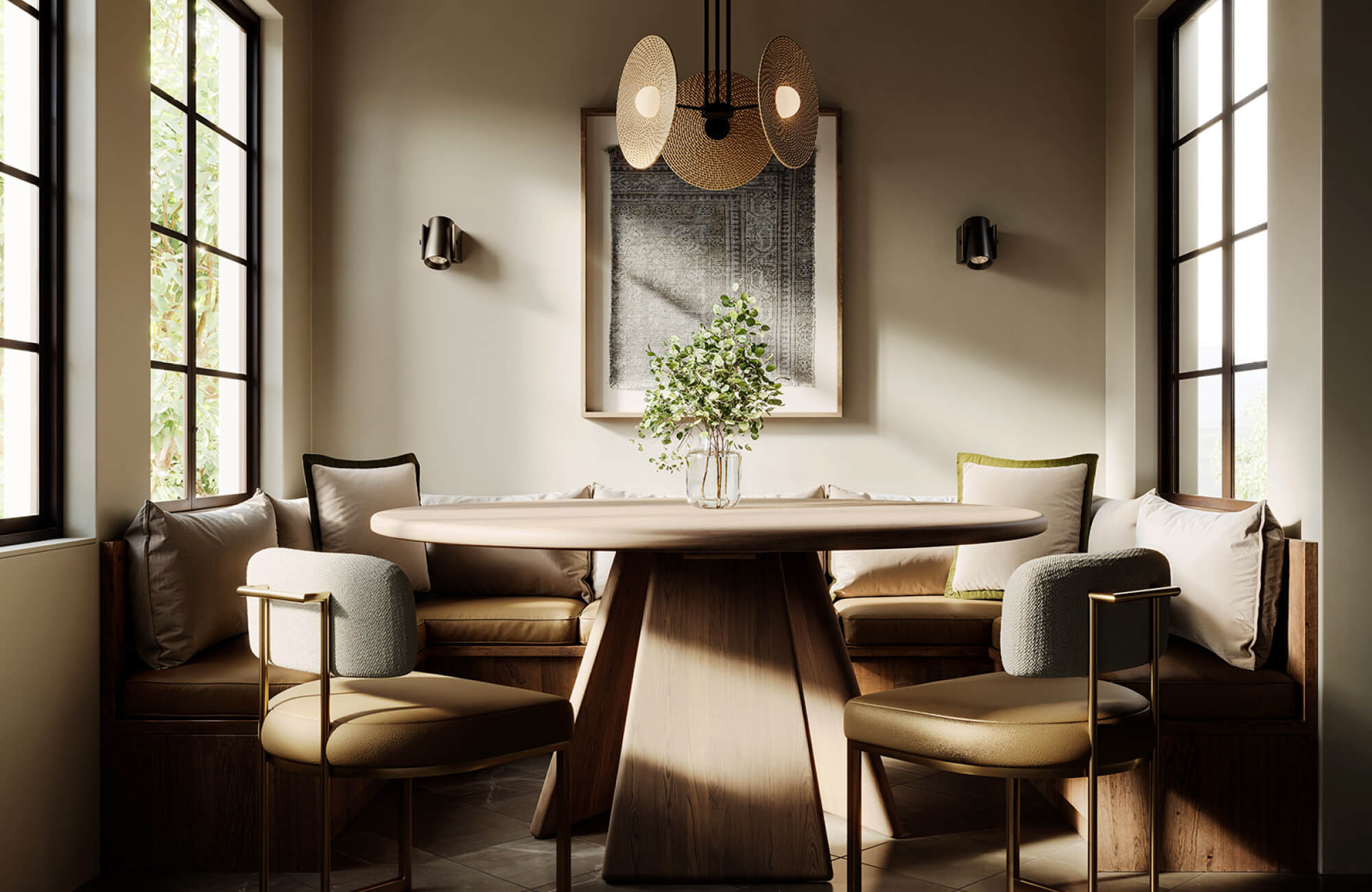
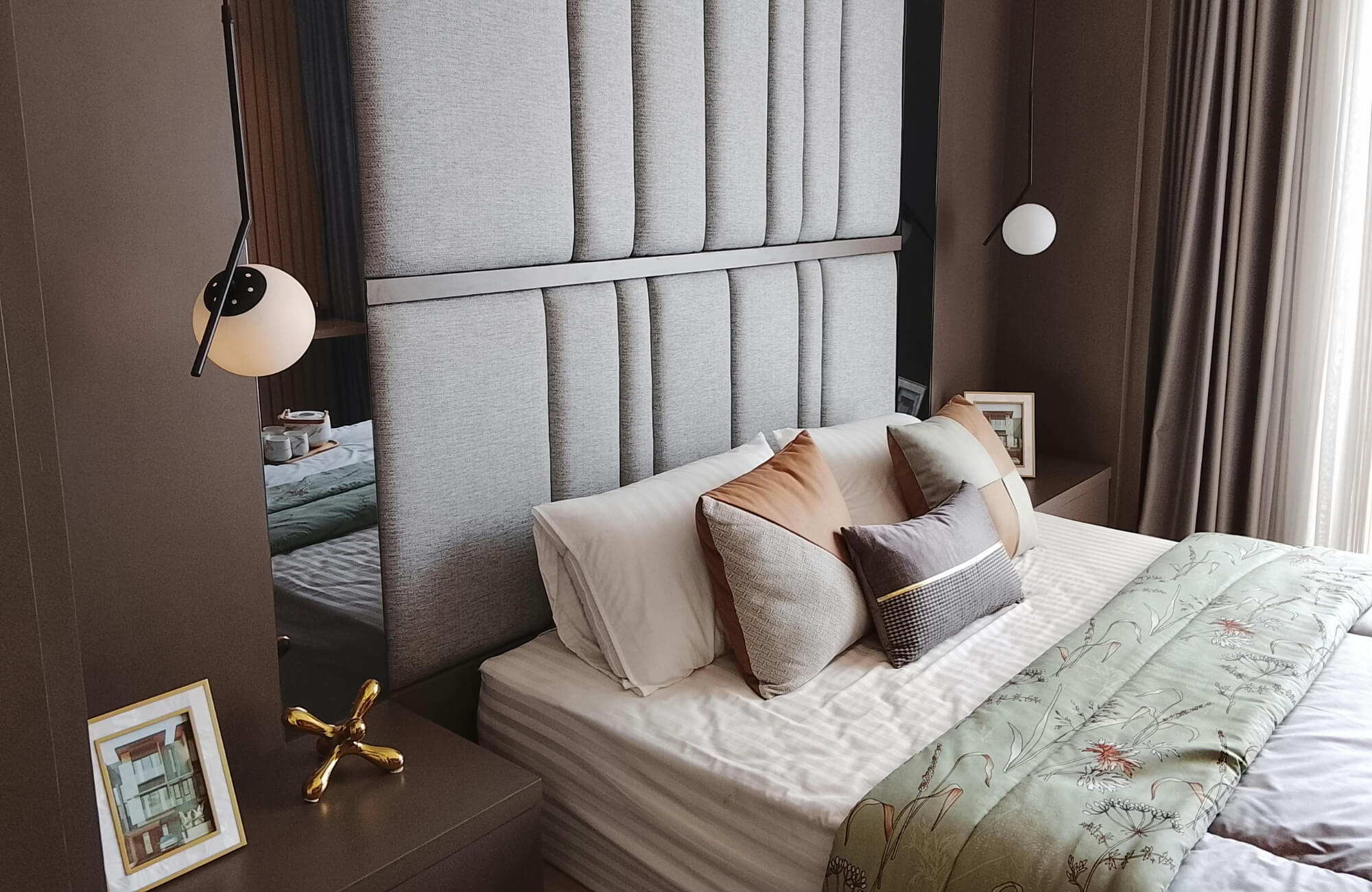
A wall can feel complete one year and slightly off the next, even when nothing obvious has changed. That shift often comes down to how your wall art interacts with your space as your style, layout, and daily routines evolve. Instead of replacing everything, most updates come from smaller moves like rotating pieces, adjusting layouts, or reworking how art is framed and styled. In this blog, we’ll walk through when it makes sense to update your wall art and how to keep it feeling aligned with your space over time.

Why Wall Art Updates Matter
Wall art plays a bigger role in your home than it might seem at first glance, often shaping how a space feels the moment you walk in. Over time, even the most well-designed room can start to feel a bit static if nothing changes visually. Updating your wall art from time to time keeps your space feeling aligned with your style and how you actually live in it today.
How Wall Art Shapes the Mood of a Space
Wall art has a quiet but powerful influence on the mood of a room, often setting the tone before anything else is noticed. The colors, scale, and subject of a piece can make a space feel calm, energetic, cozy, or even dramatic, depending on how it is styled. Because of this, even a small change in artwork can shift how the entire room feels without needing to redo everything else. This is especially noticeable in shared spaces like living rooms or bedrooms, where atmosphere matters most. Over time, as your preferences change, the mood created by your current pieces might not feel quite right anymore. Updating your wall art helps bring that feeling back into balance.
If you are aiming to create a softer, more grounded atmosphere, a piece like our Golden Drift Wall Art, shown above, naturally sets that tone. Its hand-formed knots of wool and jute create a richly textured surface, while the vertical composition adds a sense of structure without feeling rigid. The subtle shifts in earthy tones move gently across the piece, helping the space feel warm and relaxed rather than overly styled. Finished with elongated fringes, it brings in a more organic, lived-in quality that works beautifully in calm, inviting interiors.
Why Static Décor Can Feel Outdated Over Time
Even if your wall art was carefully chosen, leaving it unchanged for too long can make a space feel a bit stuck. As trends shift and your surroundings evolve, the same pieces can start to blend into the background instead of adding interest. This does not necessarily mean the artwork itself is outdated, but rather that it no longer feels connected to the rest of the space. Small updates can bring back that sense of intention without requiring a full redesign. When nothing changes visually, the room can lose a bit of its energy and personality. Refreshing your wall art helps keep things feeling current and thoughtfully styled.
Reflecting Personal Growth Through Your Walls
Your home naturally evolves as your lifestyle, interests, and priorities change, and your wall art should reflect that as well. Pieces that once felt meaningful might not resonate in the same way years later, especially as you experience new phases of life. Updating your wall art gives you a chance to reflect on where you are now while still keeping elements of your past if you choose to. It becomes less about replacing everything and more about curating what still feels relevant. This approach makes your space feel more personal and lived in rather than static. Over time, your walls start to tell a more accurate story of who you are.
The Difference Between Refreshing and Replacing Art
Updating your wall art does not always mean starting from scratch or buying entirely new pieces. In many cases, simply refreshing what you already have can make a noticeable difference. This could mean rearranging layouts, rotating pieces between rooms, or pairing existing artwork with new accents. Replacing art, on the other hand, is more about introducing something completely different when the current pieces no longer fit your style. Both approaches have their place, depending on what your space needs at the moment. Knowing the difference helps you make changes that feel intentional rather than unnecessary.

How Often Should You Really Update Wall Art?
There is no single timeline that works for everyone when it comes to updating wall art, and that is what makes it feel more personal than procedural. Some people enjoy switching things up often, while others prefer to keep certain pieces in place for years. What matters most is finding a rhythm that fits your lifestyle, your space, and how you want your home to feel over time.
Seasonal Updates vs Long-Term Displays
For some homeowners, updating wall art seasonally is an easy way to keep things feeling fresh without making major changes. Swapping in lighter tones or softer visuals during warmer months and richer, more layered pieces during cooler seasons can subtly shift the mood of a space. At the same time, not every piece needs to rotate this often, especially if it has a more timeless or personal quality. Long-term displays tend to anchor a room and provide consistency, which helps balance out smaller seasonal updates. Mixing both approaches allows your space to evolve without feeling unstable. Over time, you naturally find which pieces stay and which ones rotate.
If you prefer keeping a few pieces in place year-round, our Silent Orchard Wall Art, shown above, works beautifully as a long-term anchor. Its layered textile composition, with soft tonal striping and subtle fringe details, brings warmth and depth without feeling tied to a specific season. The mix of patterns feels collected yet restrained, making it easy to style around as other elements in the room shift over time. Because it carries a grounded, handcrafted look, it stays relevant even as you rotate smaller accents throughout the year.
When a Space Starts to Feel Visually Stale
Sometimes the need to update your wall art is less about timing and more about how the space feels. If you find yourself no longer noticing your artwork or feeling disconnected from it, that is usually a sign that something could be refreshed. This does not mean the pieces are no longer good, but rather that the room may need a slight shift to feel engaging again. Even small changes, like rearranging layouts or introducing one new piece, can bring back that sense of interest. The key is paying attention to how the space feels rather than following a set schedule. When the room starts to feel flat, it is usually time for a change.
Updating Art Based on Life Changes or Milestones
Wall art often carries personal meaning, so it makes sense that updates happen alongside life changes. Moving into a new home, starting a new chapter, or even shifting your daily routine can influence what feels right on your walls. These moments naturally create opportunities to reassess what you want your space to reflect. Instead of forcing updates, they tend to happen more organically as your priorities evolve. This approach keeps your home feeling aligned with your current lifestyle rather than stuck in the past. Over time, your wall art becomes a reflection of where you have been and where you are going.
How Often Designers Typically Refresh Interiors
In professional settings, designers often revisit and refresh interiors every few years to keep spaces feeling current and cohesive. However, this does not always involve replacing everything, as many updates focus on layering in new elements while keeping foundational pieces intact. Designers tend to look at how a space is being used, how trends are shifting, and how the overall feel can be improved with small adjustments. This mindset can be helpful even at home, where gradual updates often feel more natural than full redesigns. It is less about keeping up with trends and more about maintaining a space that continues to feel relevant. Taking a similar approach allows your home to evolve at a comfortable pace.

Signs It Is Time to Refresh Your Wall Art
Sometimes the decision to update your wall art is not about timing, but about how your space starts to feel day to day. Small shifts in appearance, condition, or even your personal connection to the pieces can signal that it is time for a change. The good news is that you do not need a full redesign, because even subtle updates can bring a noticeable sense of freshness back into the room.
When Your Space Feels Repetitive or Flat
If your space starts to feel a bit too familiar or lacks visual energy, your wall art may be part of the reason. Over time, even well-styled pieces can fade into the background when nothing around them changes. This can make the room feel repetitive, especially if the layout has stayed the same for a while. A simple refresh, such as rearranging frames or introducing one new piece, can shift the entire atmosphere. It helps bring back contrast and interest without disrupting the overall design. When the space feels flat, it is often a sign that it just needs a small visual reset.
When that happens, introducing a piece like our Meadowline Wall Art, shown above, can quietly bring back dimension without overwhelming the space. Its layered white wool yarn and soft cascading fringes create texture that immediately adds depth, while the subtle beige and light brown tones keep everything grounded. The balance between structured rows and relaxed fringe detail helps the piece stand out without feeling too bold. It works especially well in spaces that need movement and softness to feel more alive again.
Fading, Damage, or Wear Over Time
Physical wear is one of the most straightforward signs that it may be time to update your wall art. Colors can fade with exposure to light, frames can show signs of aging, and materials can lose their original finish. While some wear can add character, too much can make the space feel less polished. In these cases, updating does not always mean replacing everything, as sometimes reframing or restoring a piece is enough. Paying attention to these details helps maintain the overall quality of your space. Keeping your artwork in good condition ensures it continues to contribute positively to the room.
Mismatch With Updated Furniture or Color Schemes
As your furniture, finishes, or color palette evolve, your wall art may no longer feel as connected as it once did. A piece that worked perfectly before might now feel slightly off when paired with new materials or tones. This mismatch can be subtle, but it can affect how cohesive the space feels overall. Updating your wall art, or even just adjusting placement, can help realign everything visually. It allows the room to feel more intentional and balanced again. When the elements in a space start to feel disconnected, it is usually a good moment to reassess.
Losing Emotional Connection to the Artwork
Wall art often holds personal meaning, so when that connection fades, it becomes more noticeable than you might expect. A piece that once felt meaningful may no longer resonate in the same way as your tastes and experiences evolve. This does not mean it needs to be discarded, but it may be better suited for a different space or rotated out for something new. Updating your art in this way keeps your home feeling more personal and relevant to who you are now. It also allows you to bring in pieces that reflect your current perspective. When the connection is no longer there, it is usually time to make a thoughtful change.

Easy Ways to Update Wall Art Without Replacing Everything
Refreshing your wall art does not always mean starting over or investing in entirely new pieces. In many cases, small and thoughtful changes can completely shift how your space feels without stretching your budget. When you focus on flexibility and creativity, it becomes much easier to keep your home feeling updated while still making the most of what you already have.
Rotating Artwork Between Rooms
One of the simplest ways to refresh your space is by moving artwork from one room to another. A piece that feels familiar in one area can feel completely new when placed somewhere else with different lighting, furniture, or surrounding décor. This approach allows you to experience your existing collection in a fresh way without adding anything new. It also helps distribute visual interest more evenly throughout your home. Over time, rotating artwork can prevent any single space from feeling too static. It is an easy habit that keeps things feeling dynamic and intentional.
Reframing or Changing Matting for a New Look
Sometimes the artwork itself does not need to change, but the way it is presented can make all the difference. Updating the frame or adjusting the matting can shift the tone of a piece from traditional to modern, or from subtle to more defined. Even small changes in color, thickness, or material can alter how the artwork interacts with the rest of the room. This is especially useful when your overall style has evolved, but you still love the original piece. It allows you to keep what you have while making it feel more current. With the right frame, the same artwork can take on an entirely new presence.
Rearranging Gallery Walls for a Fresh Layout
If you have a gallery wall, simply reworking the arrangement can create a noticeable change. Shifting the spacing, swapping positions, or introducing a new focal point can make the entire display feel refreshed. This process does not require new artwork, just a willingness to experiment with layout and balance. It can also help highlight pieces that may have been overlooked in the original arrangement. Taking the time to adjust how everything is placed can bring new energy into the space. Even subtle changes can make the wall feel more thoughtful and updated.
Mixing Existing Pieces With New Accents
Instead of replacing everything, adding a few new elements alongside your existing artwork can create a layered and updated look. This could include smaller prints, decorative objects, or even framed textiles that complement what you already have. The goal is to build on your current collection rather than start from scratch. When new accents are introduced carefully, they can highlight and refresh older pieces at the same time. This approach keeps the design feeling intentional while adding variety. It also allows you to evolve your space gradually without losing its original character.
Updating Surrounding Décor to Refresh the Look
Wall art does not exist in isolation, so changing the surrounding elements can completely transform how it is perceived. Adjusting nearby furniture, lighting, or accessories can bring out different qualities in the artwork without altering it directly. For example, a new lamp or a different color palette in the room can shift the overall mood and make the art feel new again. This approach works especially well when you want a refresh without making major changes. It shows how connected every element in a space really is. Sometimes, updating what surrounds the art is enough to give the entire room a new feel.

Balancing Timeless Pieces With Trend-Based Updates
Creating a home that feels both lasting and current often comes down to how you balance timeless pieces with more trend-driven updates. While classic artwork provides a strong foundation that can stay relevant for years, newer pieces can introduce a sense of freshness that keeps the space from feeling stagnant. When both are used thoughtfully, your home can evolve naturally without feeling like it needs constant change.
Investing in Timeless Art That Lasts
Timeless artwork tends to anchor a space because it does not rely on trends to feel relevant. These pieces often feature classic subjects, balanced compositions, or neutral palettes that continue to work even as other elements in the room change. Because of this, they provide a sense of consistency that makes the space feel more grounded over time. Instead of needing to be replaced, they can adapt to different layouts, furniture updates, or seasonal shifts around them. This makes them a reliable foundation that supports other design choices. When you invest in pieces like this, you create a base that can carry your space through different stages without losing its appeal.
Introducing Trendy Pieces in Smaller Doses
While trends can be exciting and inspiring, it often works best to introduce them in a more measured way. Rather than letting trend-based art take over the entire space, smaller pieces or accents can bring in that updated feel without overwhelming the design. This allows you to experiment with new styles while still keeping the overall look cohesive. Over time, these smaller additions can be swapped out more easily as your preferences change. This approach keeps your space feeling current without requiring a full refresh each time a trend shifts. It also gives you more flexibility to evolve your style gradually.
Layering Classic and Contemporary Styles
Blending classic and contemporary artwork can create a more dynamic and layered look that feels intentional rather than overly styled. For example, pairing a timeless piece with something more modern can highlight the strengths of both without making either feel out of place. This contrast adds depth and keeps the space from leaning too heavily in one direction. At the same time, it allows you to express different aspects of your style within a single room. When these layers are balanced well, the result feels curated and personal. Over time, this mix helps your space stay interesting without needing constant updates.
A piece like our Earthbound Trace Wall Art, shown above, fits naturally into this kind of layered approach. Its structured rows of beige and brown wool bring a grounded, classic feel, while the soft cascading fringes introduce a more relaxed, contemporary edge. The subtle white band adds contrast without disrupting the overall palette, making it easy to pair with both traditional and modern elements in the room. Because it sits comfortably between styles, it works as a bridge that helps different design influences come together more seamlessly.
Avoiding Trend Fatigue in Your Space
Following every trend too closely can eventually make a space feel overwhelming or quickly outdated. When too many trend-driven pieces are introduced at once, the design can lose its sense of balance and become harder to maintain. Instead, it helps to step back and choose only what genuinely fits your style and the overall feel of your home. This kind of restraint allows each update to feel more intentional and longer-lasting. It also reduces the need for frequent changes that can become exhausting over time. By being selective, you create a space that feels current but still comfortable and easy to live with.

Creating a Flexible Wall Art Strategy for Your Home
Keeping your wall art feeling fresh over time becomes much easier when you approach it with a simple and flexible system in mind. Instead of making big changes all at once, it helps to think in terms of gradual updates that you can adjust as your space evolves. When your setup allows for easy movement, storage, and rearranging, your home can stay current without feeling like it constantly needs a full reset.
Building a Rotatable Art Collection
One of the most practical ways to manage wall art is by building a collection that you can rotate over time rather than display all at once. This allows you to switch pieces in and out depending on the season, your mood, or changes in your space. Instead of overcrowding your walls, you can highlight a few pieces while keeping others stored for later use. This approach keeps your home feeling fresh without requiring new purchases each time you want a change. Over time, it also helps you appreciate your collection more, since different pieces get their moment. It creates a natural rhythm that keeps your space evolving in a way that feels easy to maintain.
Storing Artwork Properly When Not in Use
When artwork is not on display, storing it properly becomes just as important as how it is styled. Keeping pieces in a clean, dry space helps protect them from dust, moisture, and potential damage over time. Using protective layers, such as soft cloth or paper, can prevent scratches or wear, especially for framed pieces. It also helps to store artwork in a way that keeps it easily accessible, so rotating pieces does not feel like a hassle. When storage is simple and organized, you are more likely to switch things out regularly. This makes the entire process feel more natural rather than something you avoid.
Planning Layouts That Are Easy to Update
Designing your wall art layout with flexibility in mind can make future updates much easier. Instead of committing to a fixed arrangement that is difficult to change, consider layouts that allow for small adjustments over time. For example, leaving a bit of space between pieces or using arrangements that can be expanded makes it easier to swap or add artwork later on. This approach helps you avoid having to redo everything each time you want a refresh. It also encourages experimentation, since changes feel less permanent and easier to manage. Over time, your layout can evolve along with your style without feeling restrictive.
Keeping Your Home Feeling Fresh Without Overhauls
Maintaining a fresh look in your home does not have to involve major redesigns or constant updates. Small, thoughtful changes, whether through rotation, repositioning, or subtle additions, can make a noticeable difference over time. This approach allows your space to grow with you without becoming overwhelming to manage. It also helps preserve the pieces you already love while giving you room to introduce something new when it feels right. By focusing on gradual updates, your home stays dynamic without losing its sense of consistency. In the end, it is about creating a system that feels effortless and works with your lifestyle.
Keeping Your Wall Art Thoughtful and Easy to Evolve
Updating your wall art is less about following a strict timeline and more about staying in tune with how your space feels over time. As your home evolves, small changes like rotating pieces, adjusting layouts, or introducing new accents can make a noticeable difference without overwhelming the design. When approached thoughtfully, these updates help maintain a balance between familiarity and freshness. Over time, your walls become a reflection of both your style and how you live in your space.
Whether you are building a rotatable collection or simply refining what you already have, flexibility is what keeps your space feeling current without constant effort. If you want guidance on how to bring everything together, our Personalized Design Consultation can help you refine your layout, style, and overall direction. With the right support, your wall art can feel cohesive, personal, and adaptable as your home continues to grow with you.