Decorative pillows often define the finishing layer of a well-composed interior. They soften architectural lines, introduce tactile contrast, and bring dimension to seating, bedding, and transitional spaces. Yet while luxury covers and textiles receive careful attention, the inserts hidden beneath them are frequently overlooked. Over time, even the finest accent pillows lose their shape, resilience, and support, gradually diminishing the polished appearance of an otherwise refined room.
Understanding how long decorative pillow inserts last is essential for maintaining both visual integrity and household comfort. Fill material, environmental conditions, daily use, and maintenance habits all influence how quickly an insert deteriorates. A plush velvet cushion may still appear pristine on the surface while its interior has already flattened or shifted beyond recovery. Recognizing these subtle changes allows interiors to retain their intended structure and balance without unnecessary replacement cycles.

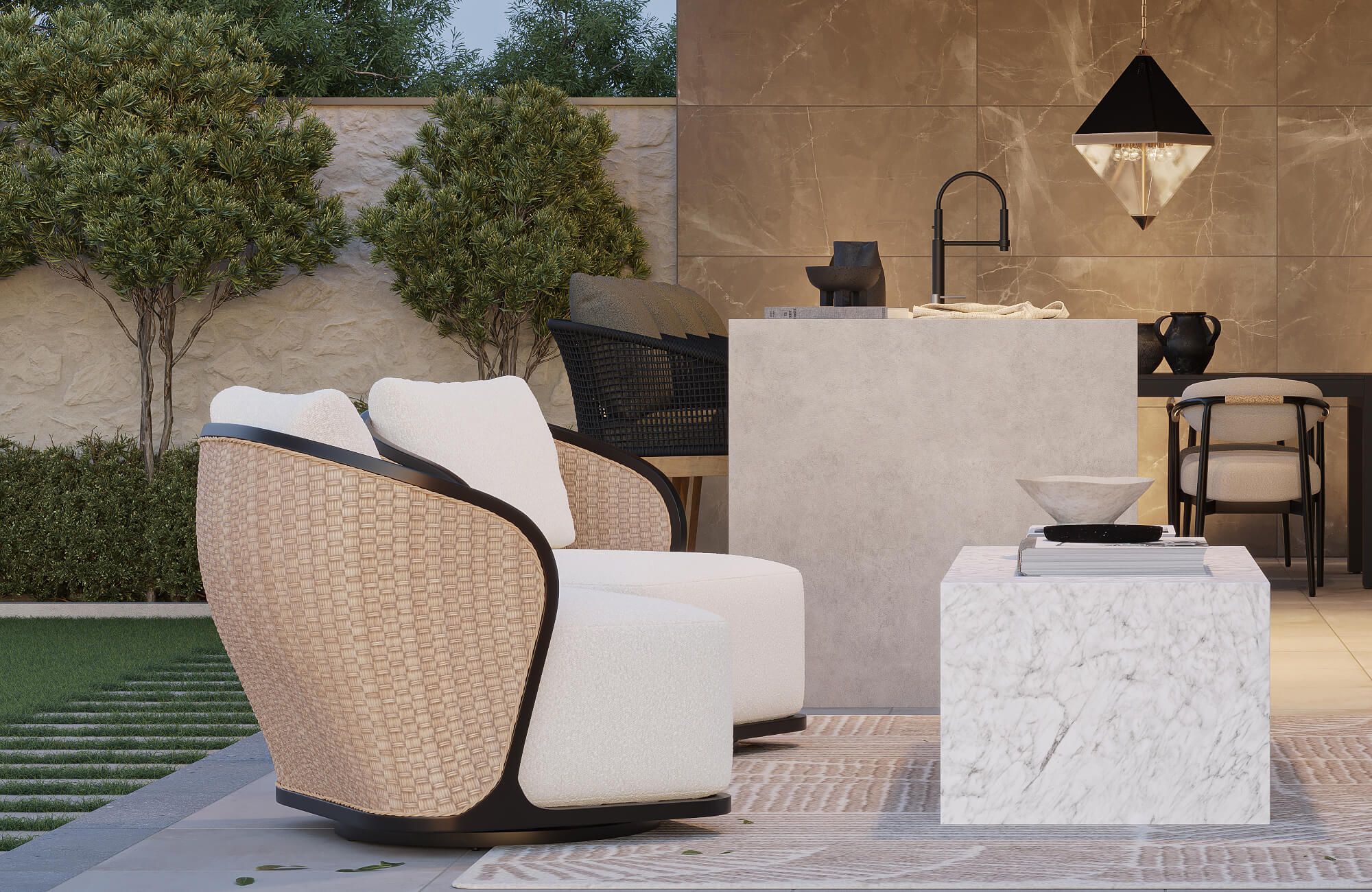
The Merelle 13" x 21" Down Pillow in Ivory and Marisette 12" x 27" Pillow Cover in Black add graphic contrast to the woven outdoor lounge setting.
Understanding the Lifespan of Your Luxury Accent Pillows
Determining when to replace decorative pillow inserts involves more than preserving softness alone. Structural resilience directly affects how pillow covers sit, fold, and recover after use. In most interiors, high-quality decorative inserts typically maintain optimal performance for roughly two to four years, though that range varies significantly depending on material composition, placement, humidity exposure, and frequency of handling. Edward Martin’s Merelle 13" x 21" Down Pillow in Ivory, styled within a woven outdoor lounge setting, reflects how properly supported inserts help decorative textiles maintain crisp structure and tailored dimension over time.
Accent pillows also age differently from standard bed pillows. Decorative cushions experience repeated compression from lounging, leaning, repositioning, and casual handling throughout the day. Sofa pillows in family rooms often receive concentrated pressure in specific areas, especially corners and lumbar sections, while bedroom accent pillows may retain their form considerably longer because they are handled less aggressively. Even in formal living rooms, repeated fluffing and styling eventually weaken internal fill structure.
Delaying replacement for too long can subtly undermine the appearance of premium furnishings. Flattened inserts create sagging corners, loose fabric drape, and uneven silhouettes that diminish the tailored look of luxury textiles. Expensive boucle, linen, velvet, or woven wool covers begin to appear tired when unsupported by properly filled interiors. Replacing inserts at the right interval preserves the crisp geometry and dimensional layering that define elevated interiors.

The Corvello Banquette in Brown and Vivara Mirror in Natural/Bone, Medium complement the layered neutral pillows with warm architectural balance.
Structural Longevity by Fill Material
Not all decorative pillow inserts age at the same rate. Fiber resilience, density, moisture retention, and recovery performance all influence longevity. Understanding how each material behaves over time helps determine whether an insert can realistically be revived through maintenance or if replacement becomes the more effective solution.
Down and Feather Inserts (Lifespan: 3 to 5+ Years)
Natural down and feather inserts remain among the longest-lasting decorative pillow options due to the inherent resilience of goose and duck plumage. High-quality down clusters repeatedly compress and rebound without permanently collapsing, which allows these inserts to retain loft for several years when properly maintained.
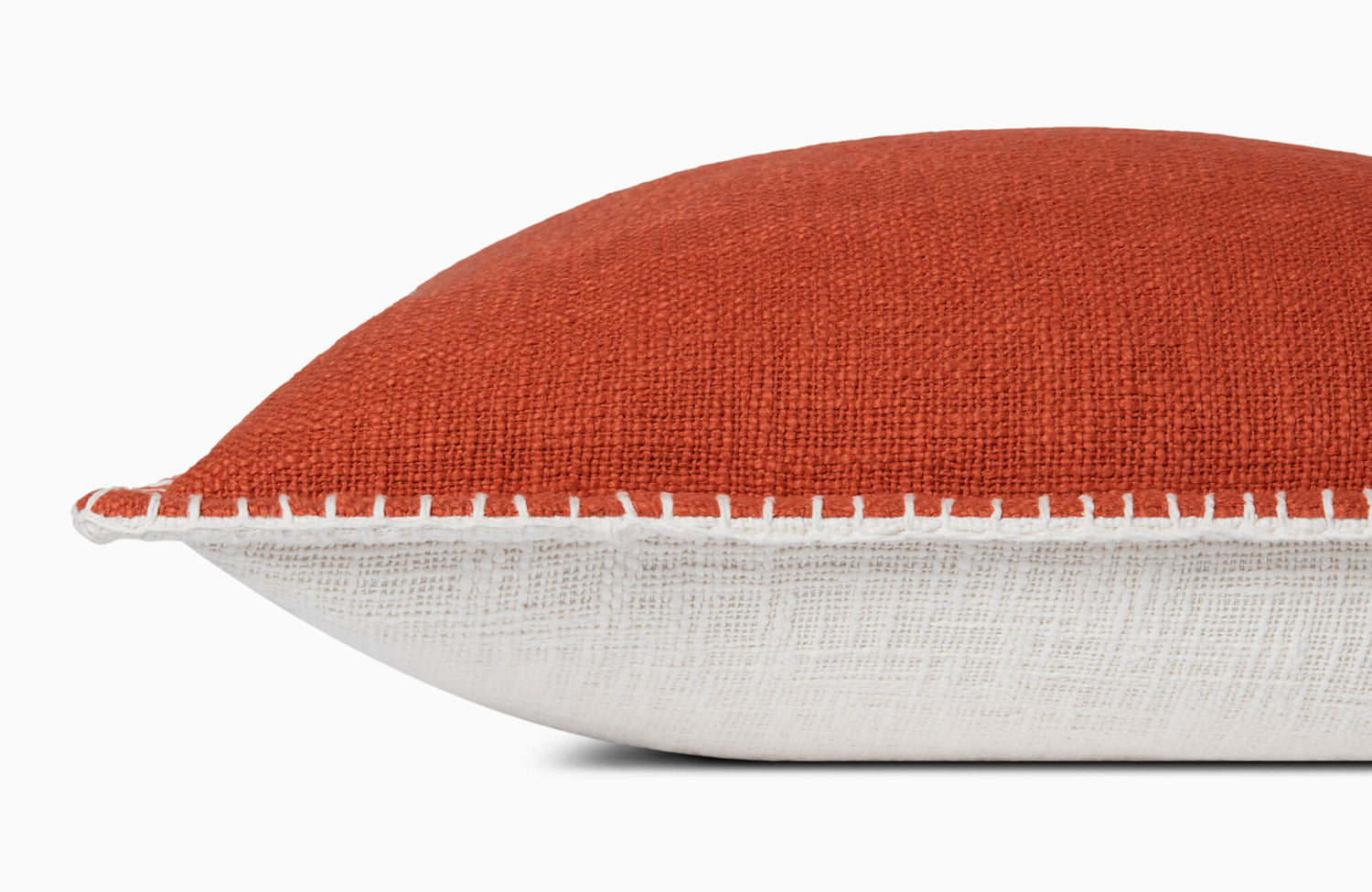
Feather blends, particularly those with a balanced feather-to-down ratio, provide the sculptural structure often associated with luxury styling. They create the relaxed yet tailored appearance commonly seen in editorial interiors, including the soft center indentation often referred to as the “karate chop.” The refined texture and piped edging visible in Edward Martin’s Merelle 13" x 21" Down Pillow in Olive further demonstrate how well-filled inserts support clean silhouettes and dimensional textile layering. Routine fluffing redistributes the fill and prevents excessive compaction, though over time the quills themselves eventually weaken, break down, or puncture interior casings.
Despite their longevity, natural fills are sensitive to prolonged moisture exposure. In humid climates or poorly ventilated spaces, down clusters can absorb ambient moisture, leading to odor retention or clumping. Following manufacturer cleaning instructions is especially important for preserving natural fill integrity, since excessive heat or improper washing can permanently damage delicate plumage.
Down-Alternative and Microfiber Inserts (Lifespan: 2 to 3 Years)
Down-alternative inserts are engineered to mimic the softness and loft of natural down using fine synthetic microfiber clusters. These inserts offer a hypoallergenic option while maintaining a plush appearance that suits both casual and formal interiors.
Initially, microfiber fills recover well after compression, particularly in low-to-moderate use environments. Over time, however, the fine polyester filaments begin to shift and mat together under consistent pressure. This gradual internal migration creates uneven distribution, reducing corner fullness and producing visible inconsistencies beneath fitted pillow covers.
Synthetic fills also tend to retain static and environmental particles more readily than natural alternatives. While regular laundering can improve freshness, persistent flattening or internal clumping usually indicates structural fatigue rather than temporary compression. Once the fibers lose elasticity, loft restoration becomes increasingly limited.
Polyester Fiberfill Inserts (Lifespan: 1 to 2 Years)
Standard polyester fiberfill inserts generally have the shortest usable lifespan due to the structural limitations of conventional batting and carded synthetic fibers. These inserts are often lightweight and economical, but repeated compression quickly produces irreversible flat spots and uneven density.
Within heavily used seating areas, polyester fill tends to bunch toward the center or collapse along edges, leaving decorative covers limp and unsupported. Heavier textile covers, including wool blends, dense jacquards, or thick velvets, can accelerate deterioration because the insert lacks sufficient resilience to support the additional weight.
Although fiberfill inserts remain practical for temporary styling or low-use guest spaces, they rarely provide the longevity or tailored structure associated with premium decorative layering. Once clumping becomes pronounced, replacement is typically more effective than attempting restoration through washing or fluffing.
Memory Foam and Gel-Infused Inserts (Lifespan: 3 to 4 Years)
Memory foam and gel-infused inserts are commonly used for structured lumbar pillows and ergonomic decorative cushions where firmer support is preferred. Their open-cell composition distributes pressure evenly and maintains a sculpted silhouette longer than many loose-fill alternatives.
Over time, though, foam-based inserts experience chemical and structural degradation. Exposure to heat, body oils, humidity, and repeated compression gradually weakens elasticity, causing permanent indentations or a noticeably slower recovery rate. Aging foam may also begin to crumble internally or develop a brittle texture along the edges.
Because foam inserts are more sensitive to moisture retention, proper ventilation remains important, especially in warm or humid climates. Any signs of cracking, crumbling, or persistent deformation typically indicate that the material has reached the end of its functional lifespan.

The Merelle 22" x 22" Down Pillows in Terracotta and Tan pair with the Brielle 18'' x 18'' Down Pillow in Natural / Mustard for a warm layered arrangement.
Four Tell-Tale Signs Your Cushion Forms Need Replacement
Decorative pillow inserts rarely fail all at once. Deterioration tends to occur gradually, often becoming visible only after the surrounding textiles begin to lose their intended shape. Identifying early warning signs helps preserve the overall composition of a room before worn inserts compromise the presentation of carefully selected fabrics and furnishings.
Loss of loft is typically the first indication of structural fatigue. An insert that no longer rebounds after compression or remains visibly flattened throughout the day has likely experienced permanent fiber collapse. In high-quality feather or down blends, diminished resilience often becomes noticeable when the pillow no longer maintains its sculptural contour or soft central indentation. The layered arrangement surrounding Edward Martin’s Merelle 13" x 21" Down Pillow in Terracotta illustrates how properly filled inserts contribute to fuller corners, balanced proportions, and more intentional visual depth.
Internal clumping presents another clear sign of deterioration. As filling materials shift unevenly, empty corners and dense pockets begin to form beneath the cover. This imbalance disrupts the tailored silhouette expected from premium accent pillows and causes fabric to sag awkwardly around the edges. Synthetic fills are particularly prone to this type of migration after prolonged use.
Persistent odors and staining may also indicate that an insert has surpassed its practical lifespan. Decorative pillows naturally absorb airborne moisture, oils, dust, and environmental particles over time. While laundering can improve surface freshness, deeply embedded odors that remain after cleaning often signal accumulated internal contamination rather than temporary surface buildup.
Allergen accumulation presents an additional concern, particularly in heavily used seating areas. Dust mites, microscopic debris, and retained particulates gradually collect within fill materials despite routine maintenance. Although regular cleaning helps reduce surface allergens, individuals with heightened respiratory sensitivities should adhere to recommended replacement timelines instead of relying exclusively on laundering for long-term hygiene management.

The Brielle 18'' x 18'' Down Pillow in Natural / Blue introduces tailored texture and soft contrast against the neutral upholstery.
How to Test the Structural Integrity of an Insert
Evaluating the condition of a decorative pillow insert does not require specialized equipment. Several simple at-home assessments can quickly reveal whether the filling still retains sufficient resilience and support.
One of the most reliable methods is the 10-second fold test. Fold the insert firmly in half and hold it compressed for several seconds before releasing it. A healthy insert should spring back almost immediately into its original shape. If it remains limp, partially collapsed, or slow to recover, the internal structure has likely weakened beyond practical restoration. The visible fullness and clean edge definition of Edward Martin’s Brielle 18'' x 18'' Down Pillow in Natural / Blue offer a useful reference for how well-performing inserts maintain shape consistency even along tailored contrast piping.
Weight can also reveal hidden deterioration. Inserts that feel unusually dense or heavy may have absorbed moisture, dust, or environmental debris over time. This issue is particularly common in humid climates where natural fills retain ambient moisture more readily. Excess weight often corresponds with reduced loft and lingering odor retention.
The corner compression test offers another useful diagnostic tool. Gently press along the outer corners of the insert to determine whether the fill still extends evenly into the seams. Well-performing inserts maintain consistent density across the full shape of the pillow, while aging inserts leave corners visibly empty or underfilled. This becomes especially noticeable beneath fitted decorative covers where unsupported tips create a drooping appearance.

The Haverford Rug in Platinum / Bronze and Everett 2x10 Matte Ceramic Tile in Almond reinforce the living room’s warm palette and organic texture.
Environmental Factors That Accelerate Pillow Degradation
The lifespan of a decorative pillow is shaped as much by its environment as by its fill material. Placement, humidity exposure, household activity, and routine handling all influence how quickly an insert begins to lose structure.
Active Living Spaces vs. Lightly Used Guest Bedrooms
Decorative pillows used daily in active living areas naturally deteriorate faster than those placed in formal or infrequently used rooms. Continuous lounging, leaning, and repositioning create concentrated pressure that compresses filling materials unevenly over time.
Family room sofas often expose inserts to repeated body weight, head resting, and occasional floor placement, particularly in relaxed entertainment spaces. By contrast, accent pillows in guest bedrooms or formal sitting rooms may retain their original structure for significantly longer because they experience minimal compression and handling. Rotating inserts between frequently used and low-use spaces can help distribute wear more evenly throughout a collection, particularly for larger sectional arrangements with multiple coordinated pillows.
The Impact of Pets and Children
Households with children or pets place additional stress on decorative inserts through rough handling, jumping, pulling, and repeated compression. Even when covers remain visually intact, internal fill materials may break down more quickly under inconsistent weight pressure and frequent reshaping.
Micro-moisture exposure also contributes to accelerated deterioration. Damp fur, spills, body oils, and accidental moisture absorption can gradually weaken both synthetic and natural fibers. Feather inserts may develop odor retention more quickly in these environments, while polyester-based fills often compact prematurely after repeated compression. Using removable protective liners beneath decorative covers can help minimize direct exposure to oils, moisture, and particulate buildup while extending overall insert longevity.
Humidity and Climate Considerations
Climate conditions significantly affect how decorative pillow inserts age. Coastal regions and high-humidity environments expose fills to prolonged moisture retention, which accelerates the breakdown of both natural and synthetic materials.
Natural down clusters are especially vulnerable because absorbed moisture reduces loft and encourages clumping. Foam inserts may also degrade more quickly in humid conditions due to trapped heat and reduced airflow within the material structure. Maintaining consistent indoor ventilation helps reduce excess moisture accumulation, particularly in spaces with limited airflow or strong seasonal humidity fluctuations.

The relaxed sofa styling and soft natural lighting create a casual setting that reflects the effects of everyday pillow use.
Maintenance Strategies to Extend Insert Lifespan
Consistent maintenance can substantially extend the usable life of decorative pillow inserts while preserving their intended shape and comfort. Small routine habits often make the difference between an insert that remains supportive for years and one that collapses prematurely.
Daily fluffing redistributes fill materials before compression becomes permanent. Feather and down inserts especially benefit from regular reshaping because natural clusters tend to settle unevenly with repeated use. Rotating pillows throughout the week also prevents concentrated wear patterns from forming in the same areas repeatedly.
Laundering practices should always align with manufacturer care recommendations, since different fill materials respond very differently to heat, agitation, and moisture exposure. Down inserts often recover best when dried thoroughly at low temperatures alongside wool dryer balls that help separate compressed clusters. Synthetic fills generally tolerate washing more easily, though excessive heat can weaken fiber elasticity and accelerate flattening.
Protective inner liners provide another valuable layer of preservation. Zippered hypoallergenic barriers shield inserts from oils, spills, and airborne debris before contaminants penetrate the core filling. This added protection becomes especially useful for light-colored textiles, delicate fabrics, or decorative cushions used regularly in entertaining spaces.
Although maintenance can prolong structural performance considerably, even well-cared-for inserts eventually reach a point where resilience cannot be restored. Recognizing that distinction helps preserve the visual quality of surrounding furnishings instead of repeatedly attempting to revive permanently fatigued materials.

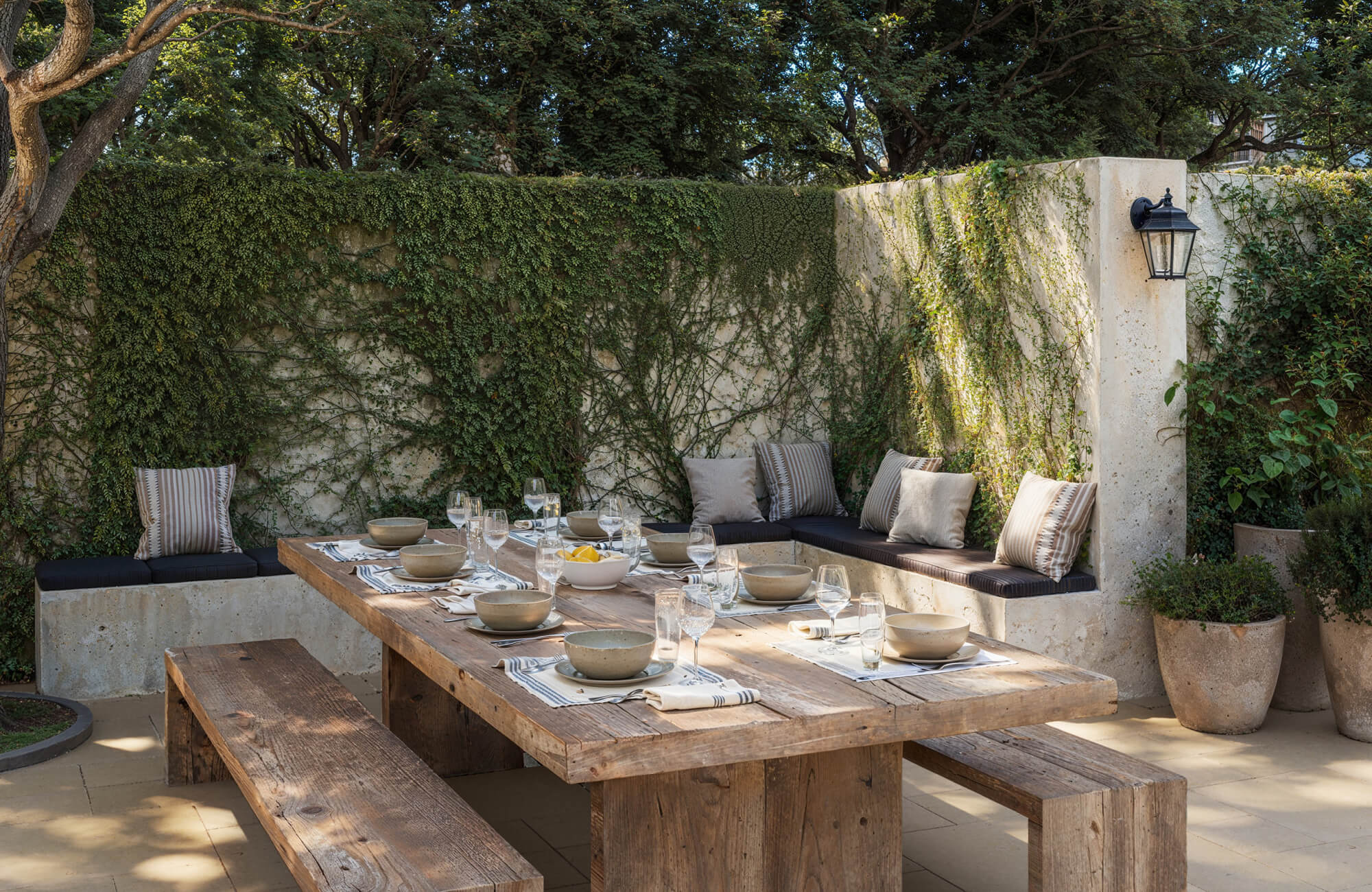
The Sabine Outdoor Sofa in Cream and Marlow 24x48 Matte Porcelain Tile in Roman create a calm outdoor setting anchored by layered neutral textures.
Selecting Durable Replacements to Enhance Your Space
When decorative pillow inserts no longer provide adequate support, selecting the right replacement can significantly improve both comfort and visual balance within a room. Insert density, sizing, and fill composition all influence how effectively a pillow complements surrounding furnishings and textiles.
One of the most effective techniques for achieving a fuller, tailored appearance is slight upsizing. Choosing inserts one to two inches larger than the pillow cover creates plumper corners and a more structured silhouette, particularly for luxury linen, velvet, or woven textile covers.
Material pairing also affects long-term performance. Heavier covers such as wool, boucle, or thick velvet generally benefit from sturdier feather-filled inserts that can support the additional weight without collapsing. Lightweight linen or silk covers often work better with softer down-alternative fills that maintain a gentler drape and more relaxed contour. Edward Martin’s Marisette 12" x 27" Down Pillow in Black demonstrates this balance particularly well, pairing structured woven texture with a supportive elongated insert that preserves the pillow’s tailored profile across both indoor and outdoor seating arrangements.
For larger styling updates involving layered textiles, coordinated furnishings, or seasonal refreshes, working with experienced design professionals can help ensure consistency across materials, proportions, and color relationships. Edward Martin’s Design Services can assist in curating decorative combinations that align with both practical use and overall spatial composition, particularly when balancing pillows alongside rugs, upholstery, lighting, and accent furnishings.
Readers seeking guidance on insert sizing, textile coordination, or product-specific recommendations can also explore the Edward Martin Contact Page for direct assistance regarding tailored decorative solutions and trade-related inquiries.
Summarizing Decorative Pillow Lifespan Essentials
Decorative pillow inserts quietly shape the comfort, structure, and refinement of an interior long before deterioration becomes visually obvious. While most premium inserts remain effective for roughly two to four years, actual longevity depends heavily on fill composition, environmental conditions, maintenance routines, and daily use patterns.
Regular evaluations help prevent flattened or uneven inserts from diminishing the appearance of luxury textiles and carefully layered furnishings. Simple assessments such as fold tests, corner compression checks, and visual loft inspections provide reliable indicators of structural fatigue before covers begin to sag or lose definition. Establishing an annual review of decorative cushions throughout the home creates an effective long-term maintenance habit. Refreshing worn inserts at the appropriate interval preserves comfort, supports healthier indoor conditions, and maintains the polished, dimensional styling that distinguishes thoughtfully designed interiors.