Bathroom remodeling remains one of the most valuable upgrades for homeowners, but accurately estimating project costs can be challenging due to the wide range of materials, labor rates, and design complexities. This article provides a detailed, realistic breakdown of bathroom renovation expenses so you can plan with confidence and prevent budget overruns. We will explore cost drivers, layout implications, plumbing and electrical upgrades, material specifications, and efficiency-focused design choices that influence your final investment. By the end, you’ll have a comprehensive perspective on what truly determines bathroom renovation pricing.

Core Cost Breakdown for Bathroom Renovations
Bathroom renovation pricing is shaped by a combination of project scale, material quality, and labor intensity, creating a layered cost structure that homeowners must understand before committing to a design direction. As these elements interact, they provide a clearer framework for setting realistic expectations and identifying where the greatest investments and returns typically occur.
Basic, Mid-Range, and Luxury Remodels
A basic bathroom remodel introduces essential updates, and because these improvements focus primarily on surface changes, costs typically remain between $8,000 and $15,000 while still producing noticeable enhancements in functionality and appearance. As the scope expands into a mid-range renovation, upgraded fixtures, porcelain tile installations, and semi-custom vanities naturally raise both performance and durability, bringing the typical budget into the $18,000–$35,000 range. This transition also reflects a shift toward more thoughtful material selection, where each component is chosen not only for aesthetic appeal but also for long-term reliability.
Luxury remodels continue this progression by incorporating natural stone, custom cabinetry, and high-end fittings, each of which introduces more specialized craftsmanship and pushes costs well beyond $40,000. The increased investment is further justified by premium installation standards that elevate moisture protection, structural reinforcement, and tactile refinement. In this way, each tier builds upon the previous one, allowing homeowners to tailor their renovation to both their design goals and financial comfort.
How Bathroom Size Influences Pricing
Bathroom size plays a decisive role in shaping renovation budgets because each added square foot demands additional materials, installation time, and substrate preparation. Even in smaller bathrooms, tight working conditions often require installers to take more meticulous steps, which can subtly increase labor costs despite limited floor area. Conversely, larger spaces introduce opportunities for layered lighting, extended vanities, or expanded shower zones, all of which naturally elevate the scope and cost of the project.
As these larger layouts evolve, contractors must coordinate more trades and sequencing requirements to ensure smooth construction progress. This broader scope also increases the likelihood of upgrading multiple systems, ranging from waterproofing to ventilation, which contributes to the overall investment. By understanding how scale affects both efficiency and complexity, homeowners can more accurately anticipate their renovation costs.
Geographic Labor Variations
Regional labor markets influence bathroom renovation pricing because contractor rates shift in response to local demand, cost of living, and trade specialization. In metropolitan areas, higher operating expenses and denser project pipelines often lead to increased labor charges that reflect the competitive construction environment. Suburban or rural markets, meanwhile, may offer lower rates, yet limited access to specialized trades can occasionally extend timelines or narrow material availability.
These regional dynamics also affect how quickly homeowners can secure qualified professionals, especially during peak building seasons. Furthermore, permitting fees and local code requirements vary widely, adding additional layers of cost that depend entirely on location. As a result, geographic context becomes a pivotal factor in forecasting a realistic bathroom renovation budget.

The Financial Impact of Layout, Plumbing, and Structural Modifications
Changes to the layout or structural framework of a bathroom significantly influence renovation costs because each modification introduces additional trades, regulatory steps, and technical adjustments. When these elements converge, they elevate both the complexity and precision required, ultimately shaping the financial scope of the project.
Relocating Plumbing Fixtures
Relocating fixtures such as toilets, sinks, or showers requires extensive plumbing adjustments, and because drainage slope, venting, and supply routing must remain precise, the process often becomes one of the most labor-intensive aspects of remodeling. As floors or walls are opened to access these systems, installers frequently uncover outdated or deteriorated components that must be addressed before new fixtures can be placed. This exposure also provides an opportunity to enhance waterproofing or optimize mechanical placement, though it adds to the project timeline and cost.
Local plumbing codes further guide these relocations, ensuring that every modification meets performance standards and long-term safety requirements. In addition, the coordination between plumbers, inspectors, and installers introduces additional scheduling considerations that subtly expand project duration. Ultimately, these combined factors make fixture relocation a major cost driver in full bathroom renovations.
Structural Adjustments and Wall Reframing
Any structural change, from reframing interior walls to expanding a footprint, requires careful engineering, and because these modifications alter load distribution, they demand high-precision execution. As homeowners push for more open layouts or larger walk-in showers, contractors must reinforce joists, add support headers, or reconfigure partitions to maintain structural stability. These adjustments naturally extend to permitting and inspection processes, which ensure that every intervention aligns with building codes and safety standards.
Once walls are opened, hidden deficiencies such as failing insulation, antiquated wiring, or compromised studs often emerge, complicating the renovation but also providing opportunities for modernization. Moreover, carpenters must coordinate seamlessly with plumbers and electricians to rebuild the space in a clean, code-compliant sequence. With each layer contributing its own requirements, structural work becomes a significant financial and logistical component of any advanced remodel.
Electrical Upgrades and Code Compliance
Electrical upgrades shape both safety and functionality in a renovated bathroom, and because these systems must support modern lighting loads, smart controls, and high-efficiency ventilation, they often require substantial updating. Older wiring frequently lacks the capacity needed for LED lighting, heated flooring, or powered mirrors, prompting electricians to replace circuits or install new lines.
At the same time, GFCI protection and updated switch locations enhance user safety, making these upgrades essential rather than optional. Improved ventilation systems also help regulate humidity, which protects finish materials and prevents long-term moisture issues. As electricians integrate these enhancements, they must coordinate with tile installers, cabinet makers, and drywall crews to maintain streamlined sequencing. Consequently, electrical improvements become an integral component of both code compliance and long-term bathroom performance.

Material Quality and Finish-Level Pricing
Material selection shapes not only the appearance of a bathroom renovation but also its durability, maintenance requirements, and installation complexity. As homeowners move toward higher-performing materials, the project naturally incorporates more specialized craftsmanship and long-term value considerations.
Tile Materials and Installation Thickness
Porcelain and ceramic tiles are widely favored for their durability and affordability, and because they resist moisture and wear, they remain a dependable foundation for most bathroom projects. Natural stone tiles, however, introduce a richer, more organic aesthetic, yet they demand expert cutting, sealing, and handling to preserve their integrity. Large format tiles further elevate the design with broad, uninterrupted surfaces, though their size and weight call for precise installation to ensure a smooth, lasting result. Smaller mosaics and decorative patterns, by contrast, require meticulous alignment, rewarding the extra craftsmanship with added dimension and visual artistry. Across all tile types, proper substrate preparation, waterproof membranes, correct setting materials, and thorough curing work together to protect the assembly and ensure long-term structural integrity.
The photo above offers a perfect example: with thoughtfully curated selections like Edward Martin’s Makenna 6x6 Glossy Porcelain Tile in Ice for the walls and the Tatum 24x48 Matte Porcelain Tile in Cross-Cut Straw for the floors, the design achieves a harmonious balance of texture, scale, and color. These tiles not only elevate the aesthetic but also combine elegance with technical performance, creating a bathroom that feels cohesive, refined, and truly worth the investment.
Edward Martin’s augmented reality (AR) tool further streamlines tile selection by allowing homeowners to visualize porcelain, ceramic, and natural stone materials in their actual bathroom space before installation begins. This digital preview enhances decision-making accuracy, ensuring tile scale, finish, and pattern layout harmonize seamlessly with the overall design.
Fixtures, Fittings and Performance Features
Bathroom fixtures bridge utility and aesthetics, and because they influence daily use, their quality significantly shapes long-term satisfaction. For example, entry-level chrome fixtures provide dependable performance, yet higher-end finishes like brushed nickel or matte black introduce elevated visual texture and resistance to wear. Advanced systems such as thermostatic shower valves or multi-port diverters also allow users to fine-tune temperature and flow, creating spa-like experiences that enhance perceived value.
These complex systems require precise plumbing alignment, making professional installation crucial for both performance and warranty compliance. As you explore more sophisticated features, they often integrate technologies like water-saving cartridges or pressure-balancing valves for added efficiency. Through this combination of engineering and design, fixture selection becomes a major determinant of both cost and overall user experience.
Countertops, Vanities, and Storage Components
Countertop materials such as quartz provide a strong balance of durability and visual consistency, making them ideal for homeowners seeking dependable long-term performance. In contrast, natural stone options offer a more unique, expressive appearance, yet they require periodic sealing and professional fabrication to maintain their surface resilience. Custom vanities extend this level of refinement by offering tailored storage solutions that align with daily routines and spatial constraints.
Floating vanities like our Royce 72" Double Vanity in Chestnut with 3 cm White Zeus Quartz Top amplify visual openness and facilitate easier floor cleaning, though they require reinforced wall systems for secure mounting. Integrated storage features, such as pull-out trays, interior lighting, or concealed organizers, improve usability while maintaining a sleek, cohesive appearance. Meanwhile, a freestanding vanity, such as the Abigail 60" Single Vanity in Light Natural Oak with a 3 cm White Zeus Quartz Top, as featured in the picture above, introduces a refined focal point that blends functional storage with a warm, designer-driven aesthetic. Taken together, these selections influence not only the budget but also the functionality and longevity of the bathroom environment.

Labor, Specialty Trades and Installation Techniques
Labor accounts for a substantial portion of bathroom renovation costs because each trade brings specialized technical knowledge that directly affects performance and durability. As these experts work collaboratively across waterproofing, electrical, plumbing, and tile installation, their coordinated precision becomes essential to the space’s long-term reliability.
Advanced Waterproofing Systems
Waterproofing forms the backbone of a successful bathroom renovation, and because moisture control is crucial in wet zones, the installation process must be executed with exceptional accuracy. Sheet membranes, liquid membranes, and integrated drain assemblies each provide unique advantages, yet all require careful handling to ensure continuous coverage. When installers transition from floors to walls, niches, or penetrations, the membrane must remain uninterrupted to prevent long-term moisture intrusion. These layers also help preserve surrounding structural materials, reducing the risk of mold, rot, or tile failure over time. Certified installers often handle these products because specific training ensures correct adhesion, curing, and integration with tile systems. As these components work together, waterproofing becomes both a technical investment and a safeguard for the renovation’s longevity.
Tile Setting, Substrate Preparation and Leveling
Tile installation begins with substrate preparation, and because even slight irregularities can compromise long-term performance, leveling and reinforcement are essential steps. To achieve this, installers often rely on backer boards, mortar beds, or self-leveling compounds to create a flat, structurally sound surface. When working with large format tiles, additional measures, such as anti-lippage devices and careful trowel techniques, ensure perfectly even alignment across the field.
Once the surface is properly prepared, specialized grouts, whether epoxy-based or high-performance cementitious blends, are applied to provide moisture resistance and long-term durability. Because each tile type interacts differently with adhesives and grout, selecting the appropriate thinset formulation is a technical decision as much as an aesthetic one. Through this combination of methodical preparation and skilled execution, tile setting becomes one of the most intricate and impactful stages in a bathroom renovation.
Regional Labor Costs and Contractor Expertise
Labor markets vary widely, and because contractor expertise influences both craftsmanship and sequencing efficiency, these regional shifts play a decisive role in renovation budgeting. In high-demand metropolitan areas, specialists such as tile artisans or master plumbers command premium rates due to their advanced skill sets. Moreover, smaller markets may offer more affordable labor, yet specialized trades may be less accessible, affecting scheduling and material choices.
As contractors manage project flow, their experience becomes evident in how they coordinate trades, minimize downtime, and maintain installation accuracy. Homeowners often find that the most skilled professionals deliver fewer callbacks, stronger warranties, and smoother project timelines. Consequently, contractor selection becomes an investment not only in quality but also in long-term renovation value.

Budget Planning, Hidden Costs, and Long-Term Value Optimization
Effective budgeting requires anticipating both visible expenses and the concealed issues that often emerge during renovation, ensuring that homeowners maintain control over their financial framework. By preparing for these variables, it becomes easier to make thoughtful design decisions that optimize performance, longevity, and long-term value.
Contingency Planning for Unforeseen Issues
Hidden issues frequently surface once demolition begins, and because bathrooms endure constant humidity, problems such as mold, subfloor damage, or corroded pipework are surprisingly common. Addressing these conditions early prevents structural deterioration, making timely remediation essential for long-term reliability. Establishing a contingency fund of 10–20% helps you absorb these unexpected expenses without interrupting construction flow. This financial buffer also supports necessary upgrades that may arise from code changes or previously concealed deficiencies. As contractors uncover these issues, they can adjust sequencing and material selection to protect the integrity of the final build. Thus, contingency planning becomes an indispensable element in achieving a smooth and predictable renovation process.
Selecting Energy-Efficient and Water-Saving Fixtures
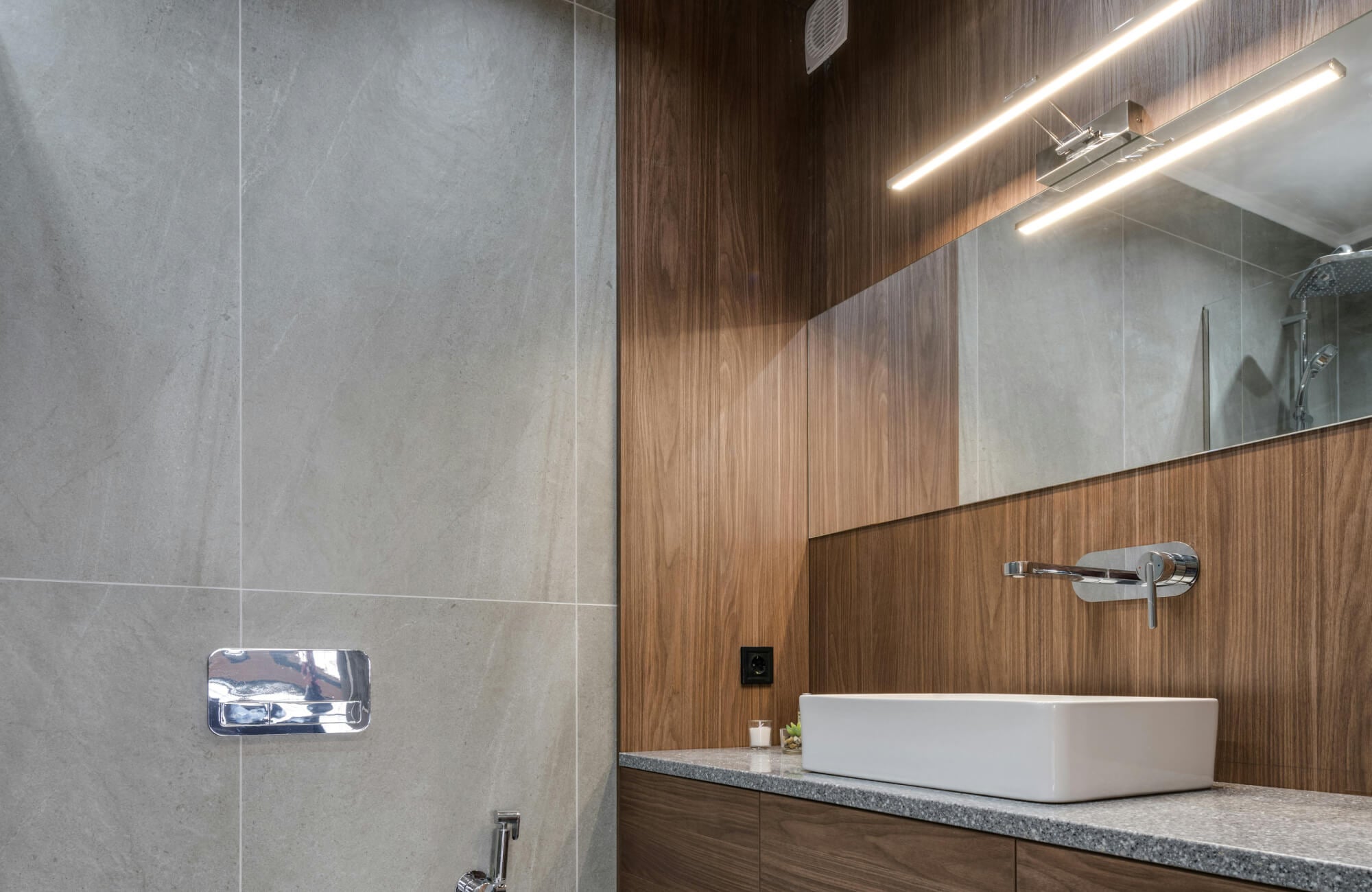
Energy-efficient and water-saving fixtures enhance long-term value by reducing utility consumption while improving overall comfort. For instance, low-flow toilets and aerated faucets conserve water without compromising performance, creating meaningful cost savings over time. LED lighting systems, such as the Ezekiel Wall Sconce in Vintage Brass (displayed in the photo above), further support efficiency by producing bright, consistent illumination with minimal energy draw. In addition, high-efficiency ventilation prevents humidity buildup, which protects tile assemblies, finishes, and cabinetry from premature wear. As these upgrades are integrated, they also improve indoor air quality and reduce maintenance demands. Together, they create a more sustainable and economically resilient bathroom environment.
Maximizing ROI Through Smart Design
Smart design choices elevate both aesthetic longevity and functional efficiency, ensuring that a renovated bathroom retains its value for years to come. By selecting timeless elements, such as a classic rug like our Hutchinson Polyester Face Rug in Sage / Graphite, and cohesive color palettes, the space avoids premature stylistic obsolescence and remains relevant as trends evolve. Durable finishes further support long-term appeal by reducing repair frequency and preserving both visual and functional integrity.
In addition, integrated storage solutions help streamline daily routines, fostering a cleaner, more organized environment. Complementing these practical features, layered lighting enhances mood and task visibility while supporting energy efficiency. Together, this blend of thoughtful aesthetics and practical performance delivers a strong return on investment and lasting everyday comfort.
Elevating Value Through Strategic Bathroom Renovation Planning
A well-planned bathroom renovation aligns design intent with budget strategy, ensuring every investment contributes to long-term function and measurable value. By considering how materials, labor, and layout choices interact, a remodeling project can proceed with clarity and confidence. Incorporating energy-efficient fixtures, high-performance waterproofing, and durable finishes also helps ensure the bathroom performs flawlessly over time. Through thoughtful decision-making and careful attention to cost dynamics, a bathroom renovation becomes more than a cosmetic refresh—it becomes a lasting improvement to the home’s overall livability.
Edward Martin’s design services further support you by translating renovation goals into cohesive, high-functioning layouts tailored to both budget and style. By integrating expert spatial planning with material and fixture recommendations, these services help ensure every design choice contributes to long-term value and visual refinement!