
)
)
)
)
)
)
)
)
How Long Do Porcelain Tiles Last Outdoors?
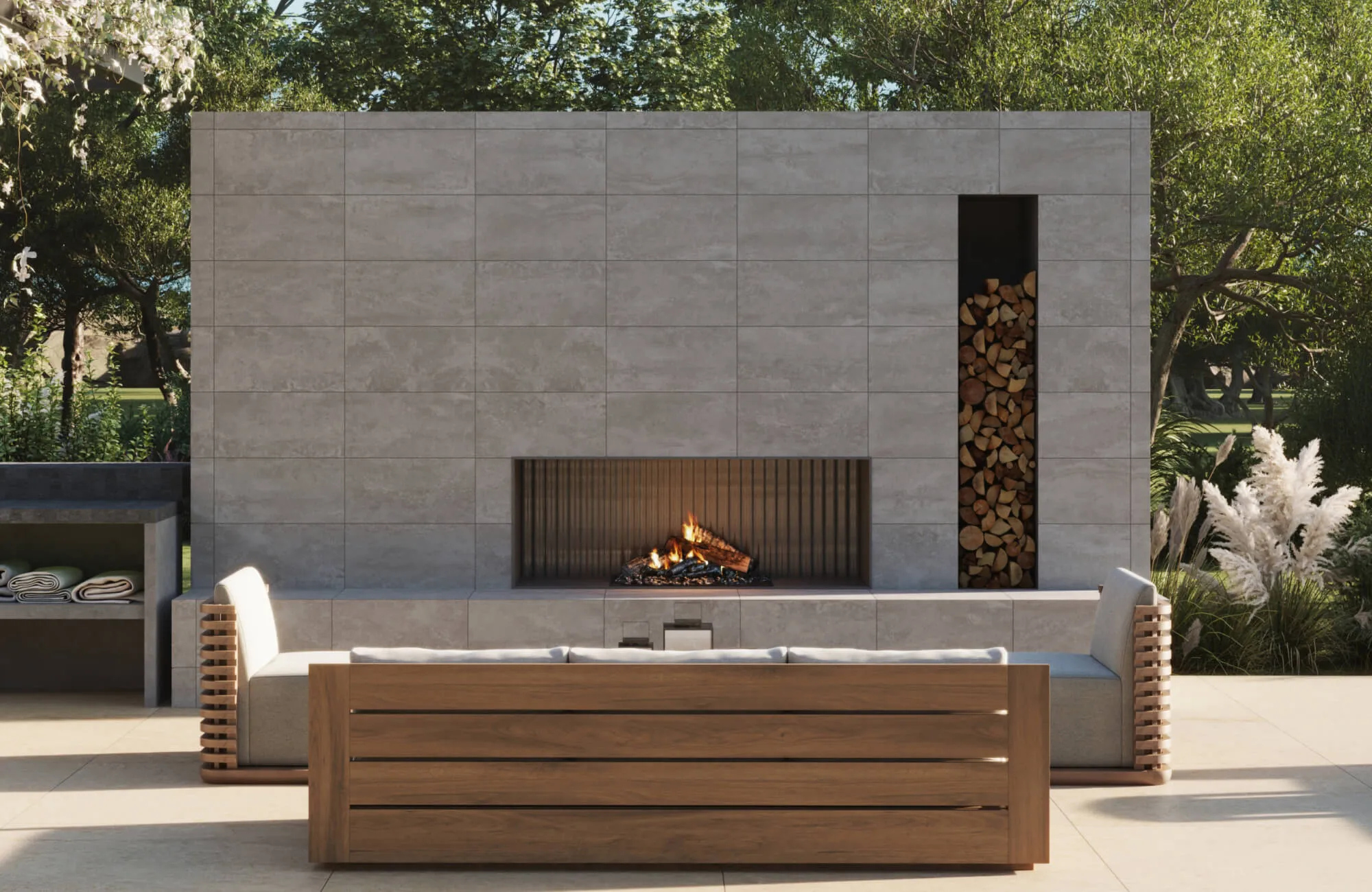
When you're investing in an outdoor surface, whether it’s for a patio, walkway, or kitchen, you want it to stand the test of time. Porcelain tiles often top the list for their sleek look and reputation for toughness, but just how long can they really hold up against everything nature throws their way?
This article takes you beyond the sales pitch and into the real-world performance of outdoor porcelain tiles. You’ll also explore the key factors that affect their longevity, from climate extremes and installation methods to material composition and long-term care. If you want your outdoor space to stay beautiful and durable year after year, understanding what impacts tile lifespan is essential, and that's exactly what you'll uncover here.
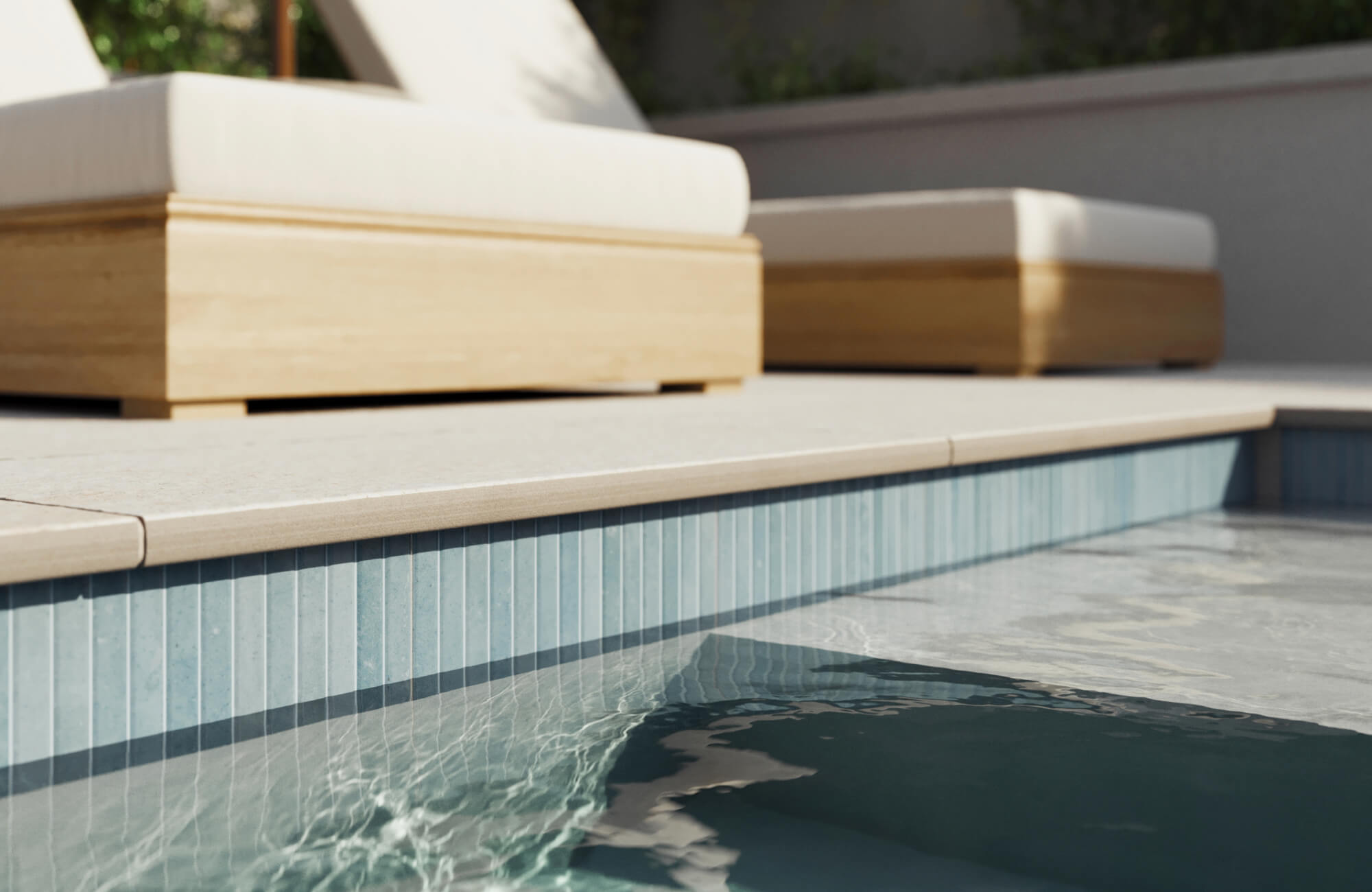
Material Composition And Its Role In Durability
When it comes to the longevity of outdoor porcelain tiles, everything starts with what’s beneath the surface. Understanding how these tiles are made gives you insight into why they perform so well in challenging exterior conditions.
Differentiating Porcelain and Ceramic for Outdoor Applications
Not all tiles are created equal, and knowing the difference can make or break the durability of your outdoor space. Porcelain tiles are crafted from refined clays, including kaolin and feldspar, and are subjected to extremely high temperatures and pressure during production. This process results in a dense, vitrified material that is non-porous, which is key in helping porcelain resist the cracking and surface damage that often come with freeze-thaw cycles in colder climates.
By contrast, ceramic tiles may look similar but aren’t built to endure the same environmental stress. They’re more porous and better suited for indoor use, where exposure to moisture and temperature fluctuations isn’t as intense. If you’re planning an outdoor upgrade, choosing porcelain ensures that your tiles won’t degrade or shift over time due to moisture seepage or sudden weather changes.
The Influence of Additives and Glazing on Performance Longevity
Beyond the base composition, the performance of porcelain tiles can be further enhanced with specialized additives. Elements like quartz and feldspar aren’t just fillers; they actively boost strength and improve vitrification. Quartz adds rigidity, making the tiles more resistant to pressure and wear, while feldspar ensures a glass-like finish that tightens the structure for extra durability.
When it comes to finishes, the choice between unglazed and glazed porcelain matters. Unglazed tiles are uniform throughout, so even as they wear, their color and texture remain consistent. This makes them ideal for busy areas. Glazed tiles, however, offer more visual versatility with a range of patterns and finishes. If you prefer glazed tiles for their style, be sure they have a high abrasion resistance, typically rated IV or V on the PEI scale, to stand up to outdoor conditions.
Weather Exposure And Environmental Stress
Outdoor porcelain tiles are constantly exposed to environmental elements that challenge their durability and appearance. From seasonal changes to airborne irritants, how well your tile installation handles these forces depends on the materials you choose and the care you take during installation.
Mitigating the Effects of Freeze-Thaw Cycles and Water Absorption
Even with porcelain’s non-porous surface, moisture can still find its way into the tile system through grout lines or beneath the surface. When temperatures drop, this trapped water freezes and expands, applying pressure that can eventually lead to cracking, edge chipping, or even full tile detachment. The damage isn’t always immediate but builds up over time with each freeze-thaw cycle, especially in colder climates.
To avoid this, it’s essential to create a moisture-resistant system from the start. Using a polymer-modified, low-permeability grout helps block water intrusion. Just as important is making sure water drains effectively beneath the tiles, so it doesn’t linger and freeze. With thoughtful planning, you can safeguard your outdoor surfaces from one of the most common and damaging environmental stressors.
Counteracting Degradation from Sunlight, Heat, and UV Exposure
Sunlight and heat can be just as tough on outdoor tiles as freezing temperatures. Prolonged exposure to UV rays tends to fade surface colors, especially in darker or more vibrant glazes. When this happens, the once-rich tones of your tiles may start to look washed out, diminishing their visual appeal. Heat itself can also create stress, causing the tiles to expand. If there's no room to accommodate this movement, the pressure can lead to tenting or lifting.
To protect against these issues, your installation should include well-placed expansion joints that give tiles room to expand and contract without damage. A professional installer will ensure these joints are correctly positioned and that high-performance adhesives formulated to withstand extreme temperatures are used. These small yet vital precautions help maintain stability and preserve the beauty of your outdoor space, even under intense sun exposure.
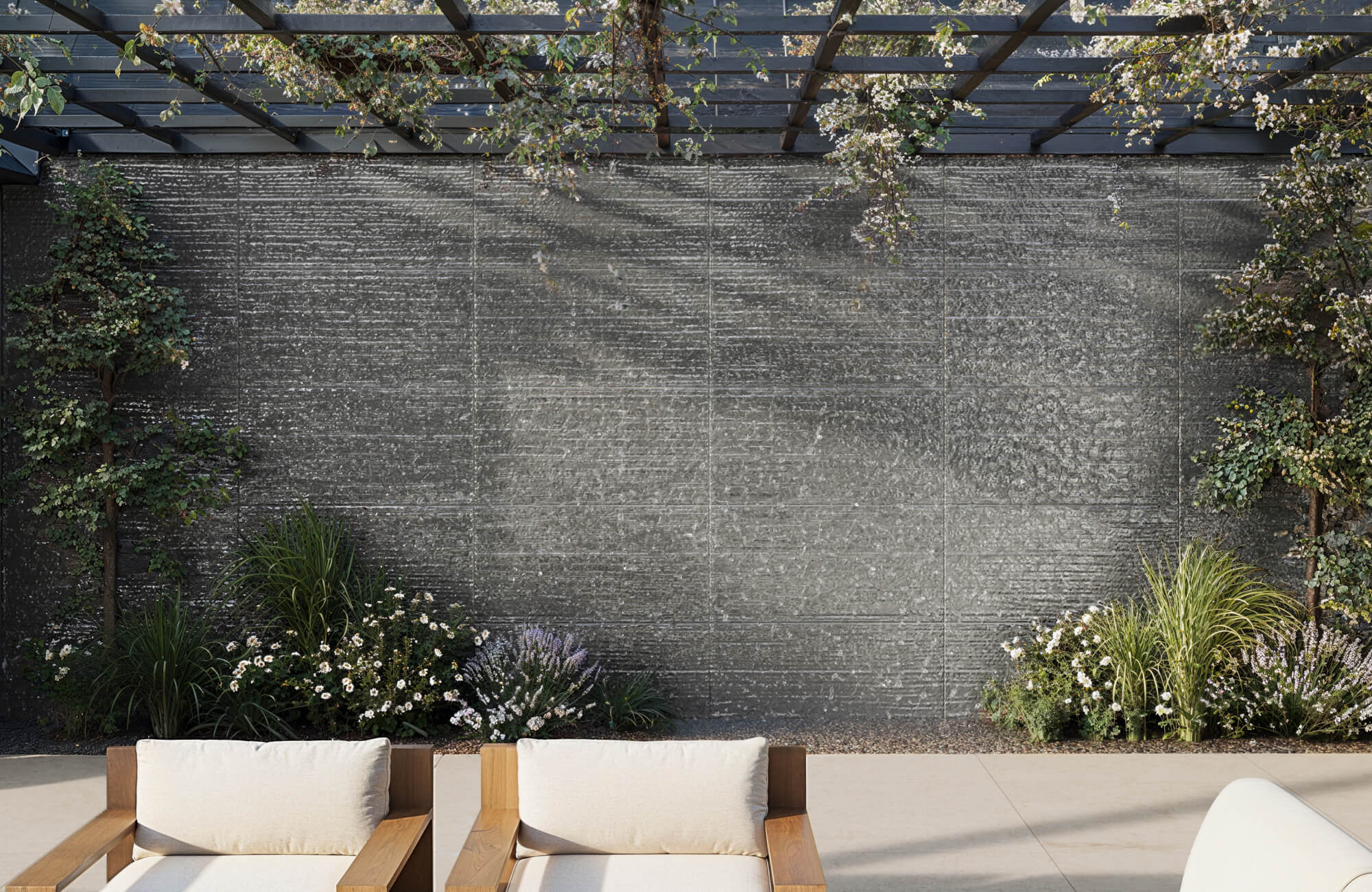
For example, the Palmer 24x48 Chiseled Porcelain Tile in Grey, as shown in the image above, features a stone-inspired texture in a timeless slate grey tone. Its UV-resistant surface and subtle chiseled finish make it an ideal option for open-air spaces where heat and light exposure are constant.
Mitigating the Abrasive and Corrosive Impacts of Environmental Elements
Your porcelain tiles might face invisible threats depending on your location. In coastal areas, salt from sea air can settle into grout lines and porous surfaces, eventually crystallizing and weakening the installation. Meanwhile, dry, windy regions carry fine sand that acts like sandpaper, slowly wearing down finishes. Even in urban spaces, pollutants in the air can cause surfaces to dull or stain over time.
Routine maintenance becomes key in environments like these. Promptly washing away salt deposits, sand, or grime helps prevent surface damage before it starts. Using manufacturer-approved pH-neutral cleaning products designed for outdoor porcelain also extends the life and look of your tiles. By staying proactive with upkeep, you can keep your outdoor surfaces resilient and attractive, regardless of the conditions they face.
Installation Methods That Extend Tile Life
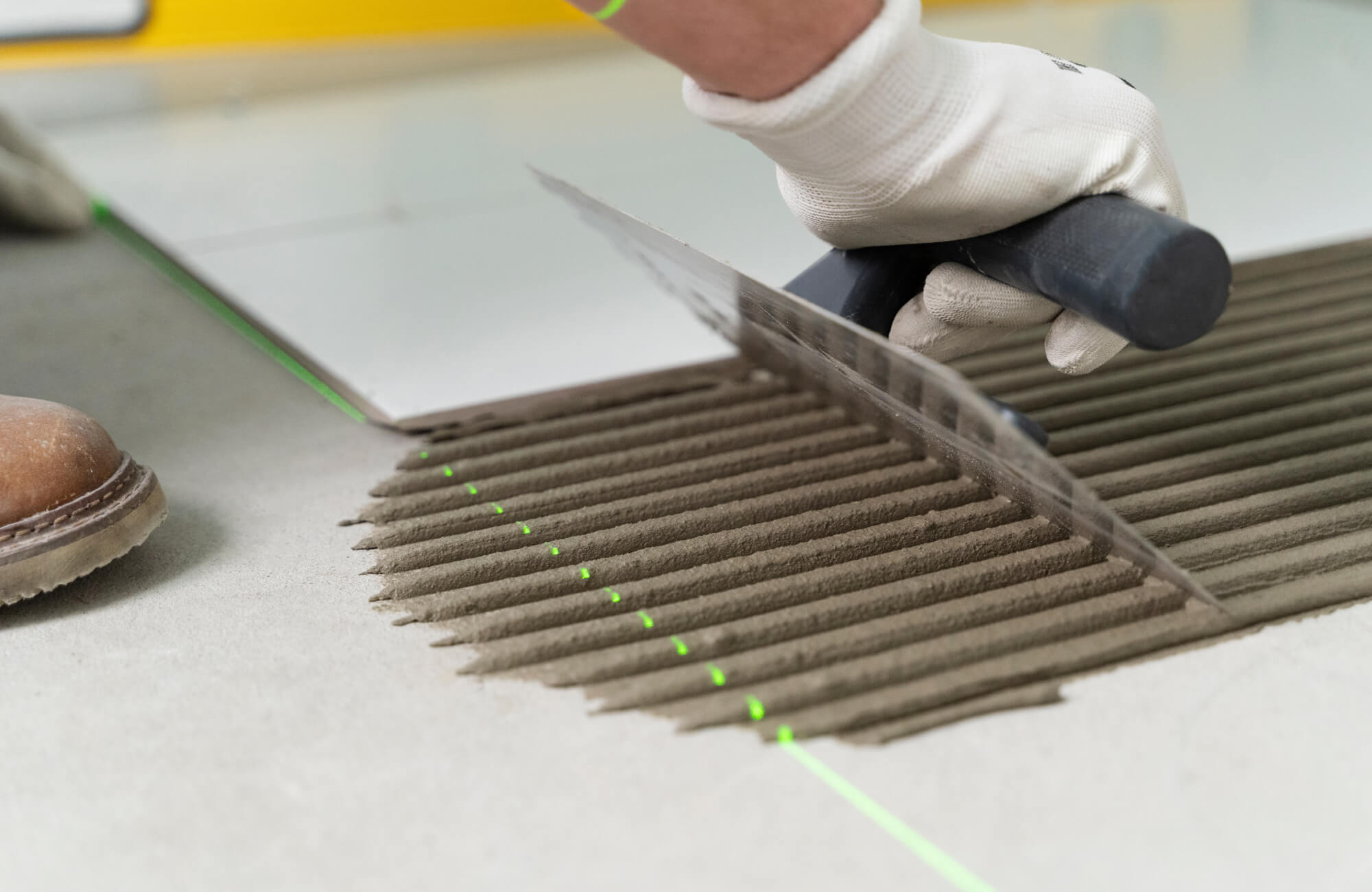
Porcelain tiles are incredibly resilient by nature, but even the toughest materials can fail if installed incorrectly. This is why professional installation is highly recommended, as trained experts ensure that every part of the system is properly planned, executed, and maintained to support long-term performance.
Proper Substrate Preparation and Drainage Design
Everything begins with the surface you build on. If the substrate beneath your tiles lacks stability or a proper slope, you’re setting the stage for problems later on. A stable base, whether it’s a reinforced concrete slab or a well-compacted gravel bed, helps prevent shifting and keeps tiles firmly in place. Just as critical is ensuring that water has a way to flow away from the surface. A minimum slope of 2% directs rain and runoff away from the installation, reducing the risk of pooling.
Without proper drainage, especially in colder climates, water can collect underneath the tiles. As it freezes and expands, that trapped moisture stresses the bond and can eventually lead to lifting or cracking. In areas prone to heavy rain or groundwater, you may also need additional systems like French drains or weep holes to move water out efficiently and preserve the integrity of your surface over time.
Adhesives and Grouts
The adhesives and grouts you choose play a vital role in how well your tile installation holds up against environmental pressure. Using mortars that comply with ANSI A118.4 or A118.15 ensures they can handle the expansion, contraction, and moisture exposure typical of outdoor settings. Polymer-modified adhesives are also especially effective, offering greater flexibility and stronger bonds under stress.
When it comes to grout, not all formulas are equal. Standard cement-based grout may suffice indoors, but outdoors it’s vulnerable to water absorption and chemical attack. Opting for polymer-modified or epoxy grout gives your installation the edge in resisting efflorescence, staining, and the constant cycle of freezing and thawing. These high-performance products maintain their integrity longer and help lock in the durability you expect from porcelain.
Expansion Joints and Perimeter Spacing
No matter where you live, exterior surfaces experience temperature swings, and your tiles will expand and contract in response. That movement needs room to happen safely. Expansion joints, placed every 8 to 12 feet, allow the tile system to absorb thermal stress without cracking or lifting. These joints should also match any existing ones in the slab to prevent mismatched stress points.
Along edges and boundaries like walls, steps, or curbs, it’s equally important to leave a flexible gap. These perimeter spaces should be filled with a weatherproof, elastic sealant that accommodates natural shifts in the structure. Without this kind of movement tolerance, even the best tile work can fail prematurely. Ensuring your installation breathes with its environment is key to keeping it solid and beautiful for years to come.
Maintenance And Cleaning Practices That Influence Longevity
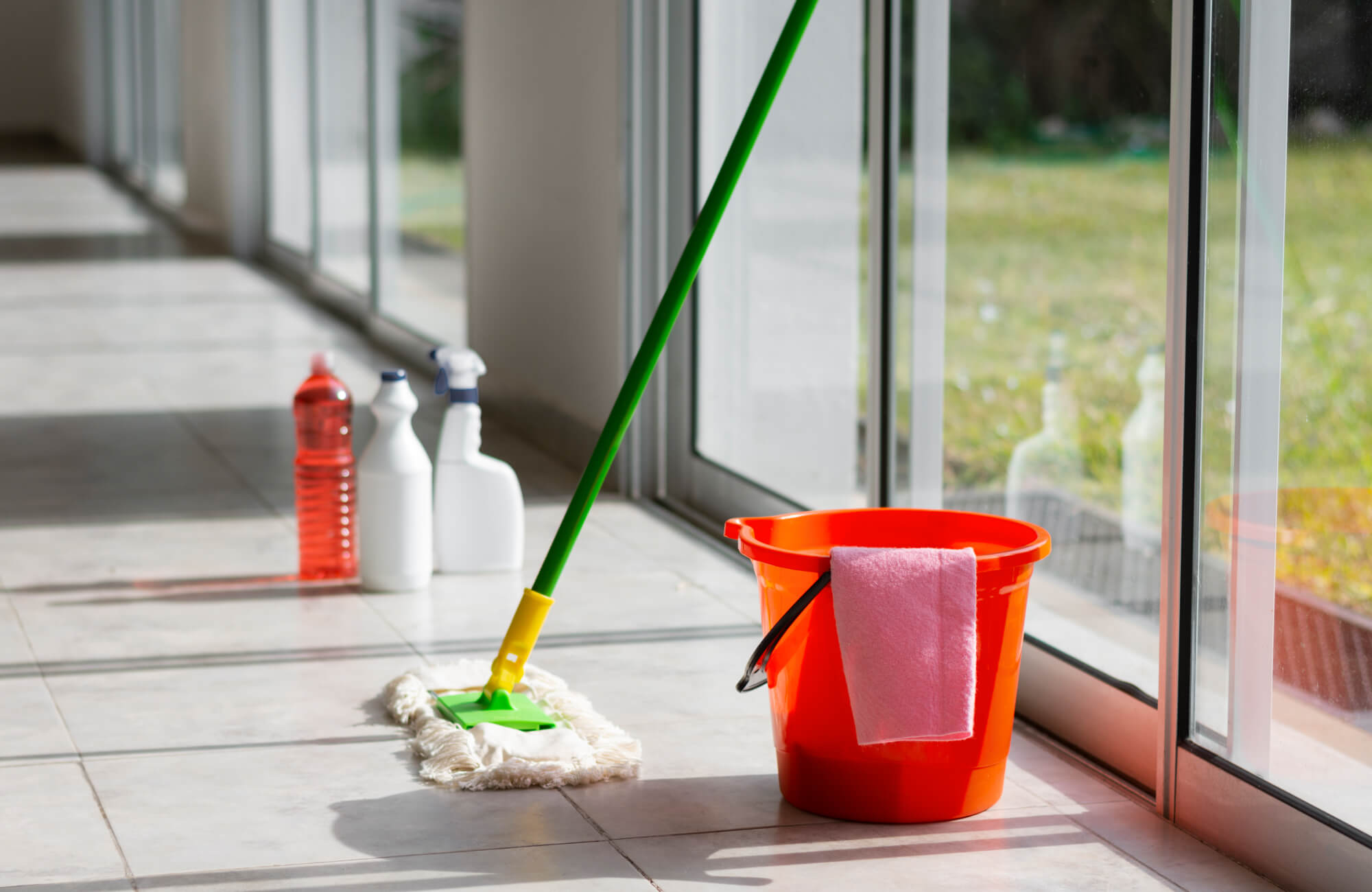
Keeping your outdoor porcelain tiles in excellent shape requires more than just a one-time installation. Consistent maintenance not only preserves their appearance but also strengthens their ability to withstand weather and daily wear over time. Following the manufacturer's care recommendations is essential, as using improper cleaning methods or products may impact performance and could void the warranty.
Seasonal Maintenance Routines
Each season brings different challenges, and adapting your maintenance routine accordingly can prevent small issues from becoming costly repairs. Before and after winter, pressure washing helps remove grime, fallen leaves, and de-icing salts that could deteriorate surfaces or settle into grout lines. These residues, if left unchecked, may cause long-term discoloration or damage that weakens the system.
Seasonal inspections in spring and fall are equally important. Take the time to check for chipped tiles, worn grout, or peeling sealant, signs that often point to underlying problems. Fixing these early keeps water from sneaking in and creating structural stress beneath the surface. A little vigilance goes a long way in keeping your outdoor area safe, attractive, and intact throughout the year.
Safeguarding Against Chemical Degradation
Not all cleaning products are tile-friendly, and choosing the wrong one can lead to unintended damage. Acidic or overly alkaline cleaners can eat away at grout or dull the sheen of glazed finishes, leaving your tiles looking tired before their time. Instead, stick to pH-neutral cleaners specifically made for porcelain and grout. They’re effective at removing dirt without compromising the surface.
For heavier grime or organic stains, you can turn to mild alkaline or enzymatic cleaners, but use them with care and always rinse thoroughly to prevent any residue from attracting new dirt. Additionally, steer clear of bleach or harsh degreasers, especially if your grout is colored, as these can cause fading or leave behind film that makes the surface harder to keep clean.
Sealing Grout and Exposed Edges
Porcelain tiles themselves are dense and resistant to water, but the surrounding grout is not. Grout lines are naturally porous and act like sponges unless properly sealed. Applying a penetrating grout sealer creates an invisible barrier that helps block moisture while allowing the material to breathe. This step is crucial in preventing water-related issues like efflorescence, staining, or freeze-thaw cracking.
Furthermore, don’t overlook exposed or cut edges either, especially on steps or around coping. These vulnerable areas can absorb lateral moisture if left unsealed, leading to slow deterioration from within. Reapplying sealers annually, particularly in high-moisture or cold regions, ensures ongoing protection and keeps your tile installation strong and stable for the long haul.
Real-World Lifespans in Different Climates
The environment you live in plays a major role in how long your outdoor porcelain tiles hold up. By understanding the challenges specific to your region, you can make smarter decisions during installation and maintenance that significantly extend their life. To help you make the right choice from the start, our augmented reality (AR) tool lets you preview selected tiles directly in your own space, giving you a clear sense of how they’ll look before committing to an installation.
Cold and Snowy Regions
If you’re dealing with harsh winters, porcelain tiles can still be a reliable choice, as long as they’re installed with precision and cared for properly. In cold and snowy areas, these tiles often last between 15 to 25 years. However, freeze-thaw cycles repeatedly stress the tile system, and if water finds its way into unsealed edges or deteriorating grout, damage can escalate quickly.
De-icing salts, while necessary for safety, can also take a toll over time by breaking down grout and undermining adhesives. The key to preserving your installation is to focus on details like proper slope for drainage, consistent edge sealing, and using materials designed to tolerate extreme cold. When these factors are handled correctly, your outdoor tiles will stay secure and attractive for decades, even in the toughest winters.
One such cold-weather-friendly option is the Leona 24x24 Matte Porcelain Tile in Amani Grey. Its smooth matte surface provides a subtle grip, while the soft, grey tone offers a neutral, modern look that pairs beautifully with snow-covered surroundings. Built for resilience, this tile also handles winter moisture and temperature swings with confidence.
Hot and Arid Climates
In dry, sun-drenched areas, porcelain tiles often exceed expectations, lasting 20 to 30 years or more. With little threat from moisture or freeze-thaw issues, these climates offer ideal conditions for long-lasting tile performance. Still, that doesn’t mean there’s nothing to watch out for.
Constant sun exposure can fade vibrant glazes or cause dark-colored tiles to absorb excessive heat, leading to thermal expansion. Over time, this expansion, if not accommodated, can cause stress on the tile system. Choosing lighter tones and UV-stable finishes helps minimize these effects, while properly placed expansion joints ensure the installation can flex with the heat without cracking. With those measures in place, you’ll enjoy a durable, low-maintenance surface that handles the heat with ease.
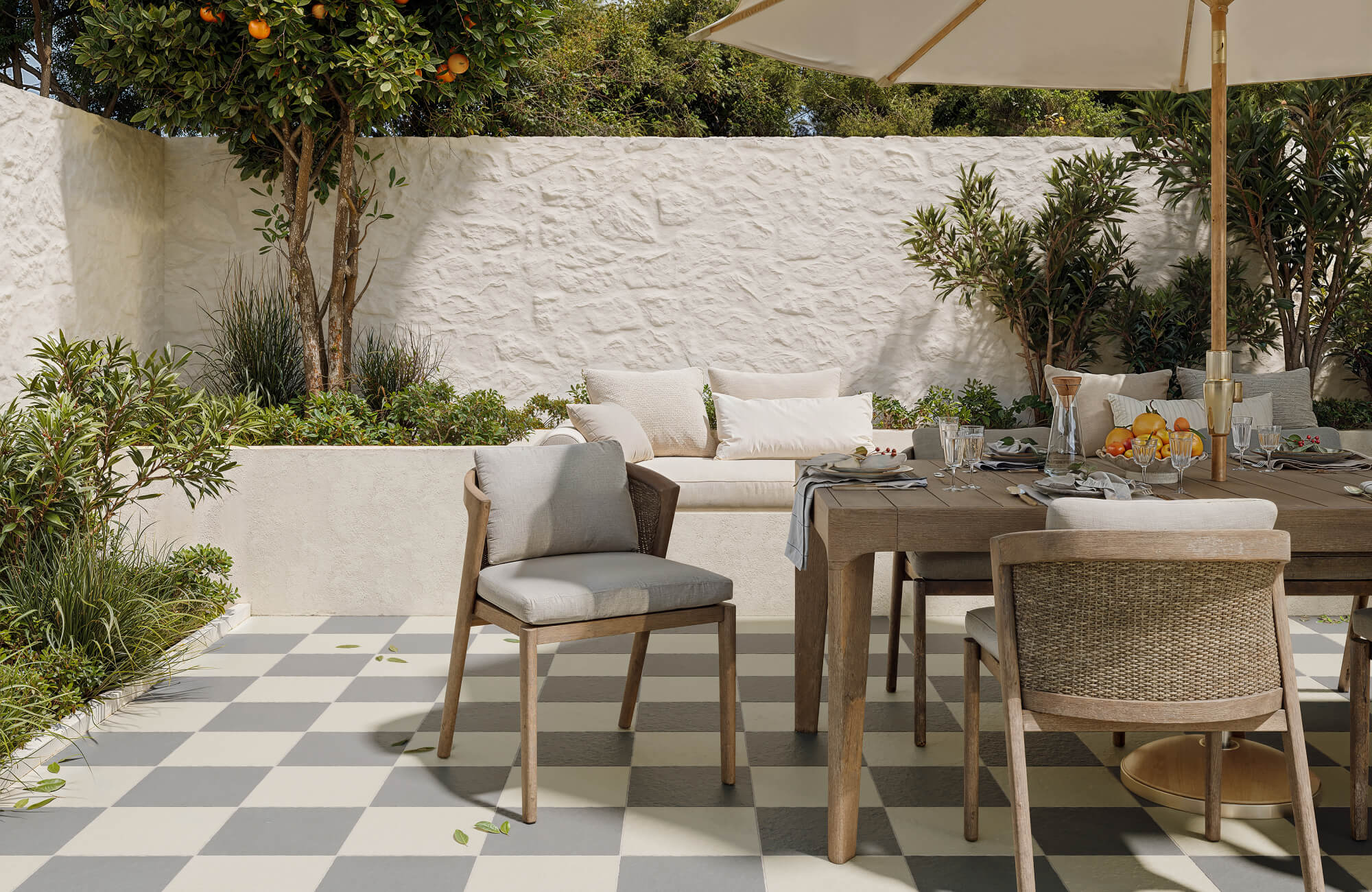
A great example is the Palmer 12x12 Checkerboard Raw Porcelain Tile in White and Grey, as shown in the picture above, in a bright, citrus-filled patio. The matte finish and pale tones of this classic checkerboard pattern reflect heat efficiently while maintaining a crisp, timeless aesthetic, perfect for hot climates where both performance and style matter.
Coastal and Humid Environments
Living near the ocean or in a humid climate presents its own set of challenges. Porcelain tiles in these areas tend to last around 15 to 20 years, depending on how well you manage moisture, salt, and biological growth like algae or mildew. Salt can penetrate grout lines and create long-term erosion if not regularly washed away, while humidity fosters slippery surfaces that compromise safety.
To maintain both longevity and traction, it’s crucial to clean frequently. This keeps salt and moisture from settling into vulnerable points. In addition, selecting raw or high slip-resistant tiles helps reduce accidents caused by wet or algae-covered surfaces. With disciplined care, your outdoor tiles can remain strong and slip-safe even in the most humid or salty conditions.
A smart choice for these environments is the Palmer 24x48 Raw Porcelain Tile in Nero, which features a textured matte finish and deep black tone. Its raw surface offers enhanced grip, making it especially suited for areas exposed to frequent moisture while adding bold, architectural contrast to lush, coastal surroundings.
Signs Of Wear And When To Replace
Even with the best materials and careful installation, outdoor porcelain tiles won’t last forever. Over time, exposure to the elements can lead to gradual wear. Knowing when that wear crosses the line into replacement territory can help you avoid safety issues and preserve the look of your space.
Material Fatigue
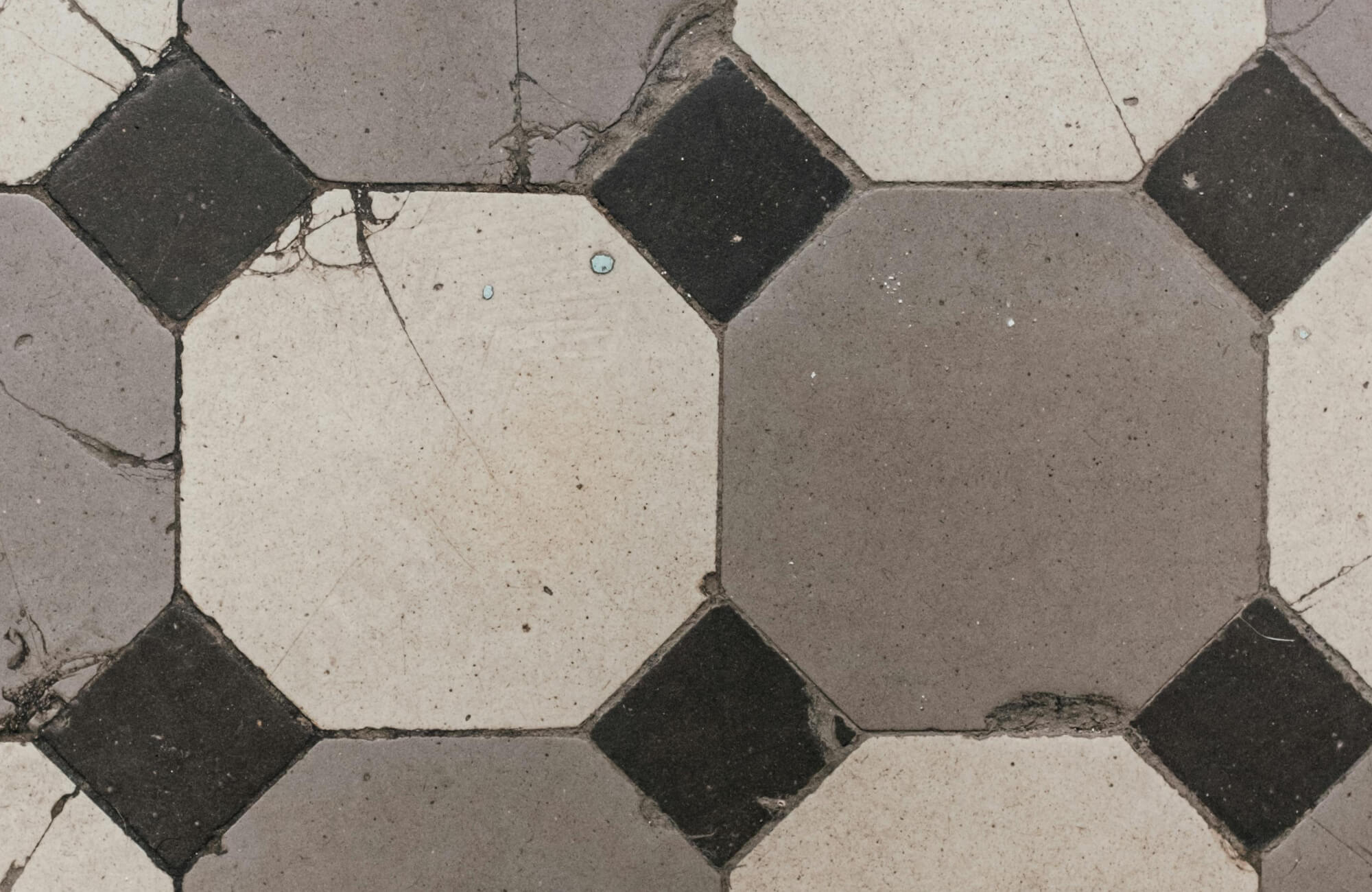
One of the earliest signs of aging appears on the surface itself. You might notice that once-vibrant colors have faded, or that glazed finishes have become dull or patchy, especially in areas with constant sun exposure. Although these visual changes don’t always affect performance right away, they indicate that the protective layer has started to degrade.
As that finish wears thin, the porcelain tile becomes more vulnerable to moisture, stains, and abrasion. In busy zones, this erosion can accelerate, wearing down both the surface and your overall design appeal. If the tile still performs structurally, resealing or enhancing protection might buy some time, but ongoing aesthetic wear is often the first nudge toward eventual replacement.
Structural Compromises
Cracks and lifted tiles are warnings of deeper trouble. These issues often start small but signal that something in the tile system has failed. Water might be getting in through degraded grout, or the substrate may have shifted due to freeze-thaw cycles or thermal expansion. When tiles begin to sound hollow or move underfoot, it usually means the bond has been compromised.
In a similar way, grout that crumbles, disappears, or separates from the tile edges points to moisture infiltration or aging materials. Although isolated damage can sometimes be repaired, widespread failure typically suggests the need for a full replacement. At that point, patching won’t restore structural integrity; it will only delay the inevitable.
Loss of Slip Resistance
Safety is a major concern when the surface texture of your tiles begins to smooth out. Slip resistance, especially around pools, patios, and stairs, is essential to prevent accidents. Over time, constant use, cleaning equipment, and abrasive debris can wear down the micro-textures that provide grip.
When tiles become slick and no longer feel stable underfoot, even when clean, it’s a clear sign that the surface has aged past its functional prime. Although some coatings may temporarily restore traction, they aren’t always effective or long-lasting. In such cases, replacing the tiles is the best way to regain both safety and peace of mind.
Maximizing the Lifespan of Outdoor Porcelain Tiles
With the right combination of climate-aware planning, expert installation, and thoughtful maintenance, porcelain tiles can easily deliver 15 to 30 years of reliable service. Their impressive durability isn't just about what they're made of—it's about how well they’re supported, protected, and cared for over time. By treating every phase of your project with intention, you give your outdoor surfaces the strength to withstand the elements and the style to elevate your space for decades.
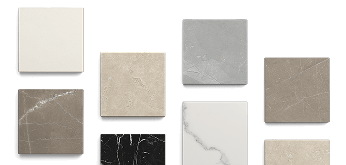
To ensure your project starts with the best foundation, Edward Martin offers a curated selection of porcelain tile samples that let you experience the quality firsthand. Seeing and feeling the textures, tones, and finishes in person helps you make confident decisions that align with your design vision and performance needs. Requesting samples is a simple but essential step in choosing materials that will stand the test of time, both functionally and aesthetically.
Follow us on Instagram
@EDWARD.MARTIN
)
)
)
)
)
)
)
)
)
)
)
)
)
)
)
)