Polypropylene rugs often end up in some of the hardest-working areas of the home, from busy living rooms and dining spaces to patios exposed to the elements. Their reputation for durability and easy maintenance makes them a popular choice, but many homeowners still wonder how long they can realistically expect one to last. The answer depends on more than just the material itself, as factors such as placement, household activity, construction, and care all play a role in long-term performance. In this blog, we'll take a closer look at the typical lifespan of polypropylene rugs, what affects their longevity, and how to help them stay looking their best for years to come.

How Long Do Polypropylene Rugs Typically Last?
One of the reasons polypropylene rugs remain so popular is that they offer impressive durability for their price point. While no rug lasts forever, a well-made polypropylene rug can often provide years of reliable performance when placed in an appropriate setting and given routine care. Understanding what affects its lifespan can help you set realistic expectations and choose the right rug for your space.
Average Lifespan In Different Areas Of The Home
In most homes, polypropylene rugs typically last anywhere from five to ten years, though the actual lifespan depends heavily on where they are placed. Rugs in lower-use spaces such as guest bedrooms, home offices, or sitting rooms often remain in excellent condition for longer because they experience less daily stress. In these environments, it is not uncommon for a polypropylene rug to maintain its appearance well beyond the average lifespan. Because the fibers naturally resist stains and moisture, they can continue looking presentable even after years of use. This makes them a practical choice for homeowners seeking durability without a significant investment.
Spaces that see more daily activity tend to shorten that timeline. Living rooms, dining rooms, hallways, and entryways expose rugs to constant use, furniture movement, and everyday wear that gradually compresses the fibers over time. Hallways and entryways, in particular, often show signs of wear first because they concentrate movement into a relatively small area. Even so, many polypropylene rugs continue performing well for years in these locations, especially when wear is distributed evenly through occasional rotation. The key is understanding that lifespan expectations naturally vary from room to room.
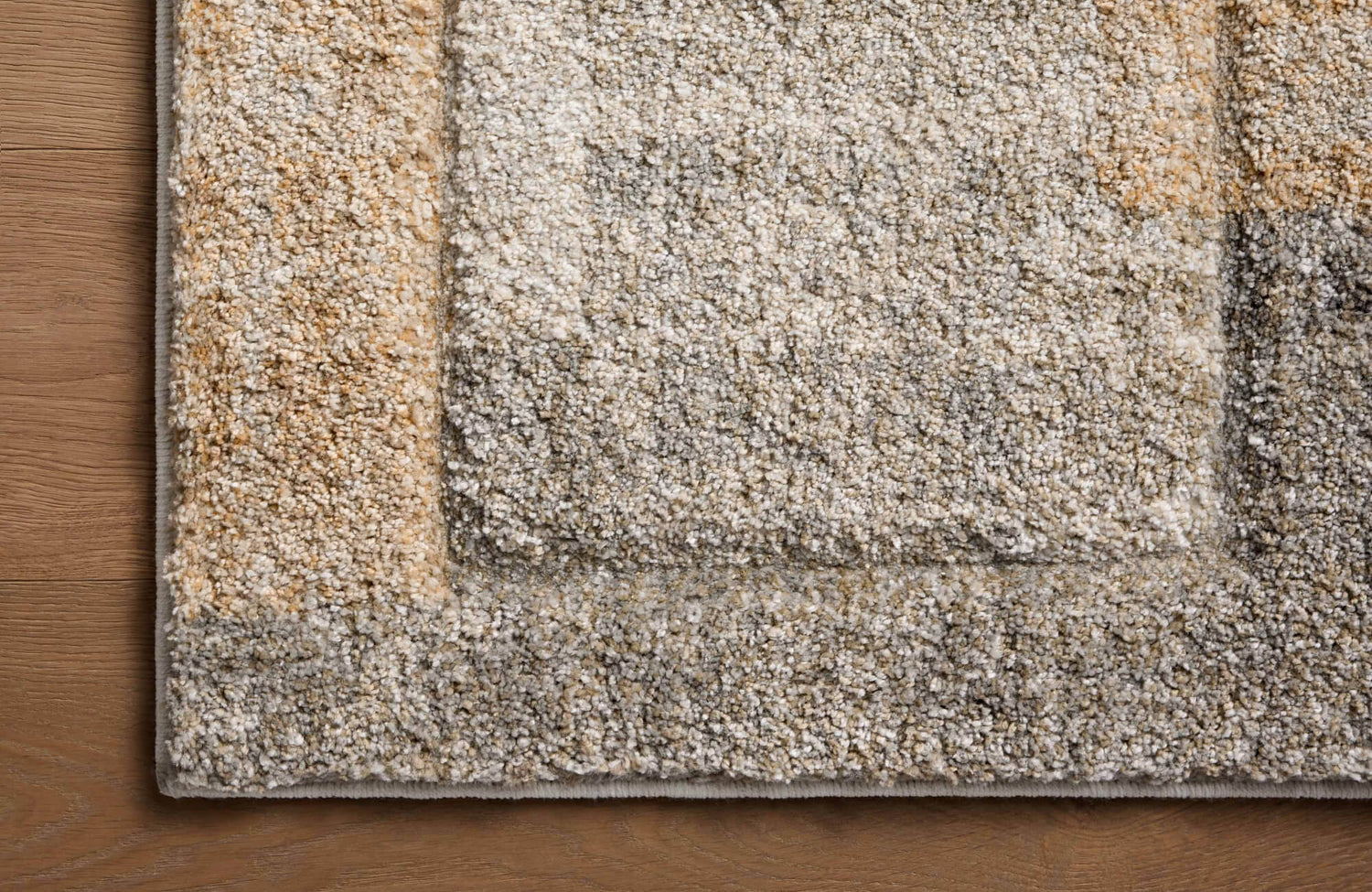
As shown above, our Broderick Rug in Natural / Bone demonstrates why polypropylene remains a popular choice for active households. Its 100% polypropylene construction is designed to resist fading, staining, mildew, and abrasion, while the beige and off-white checkerboard pattern helps maintain a relaxed, lived-in look over time. With a practical medium pile and moisture-resistant fibers, it is well suited for spaces such as hallways, entryways, kitchens, and other areas that see regular daily use.
How Outdoor Conditions Affect Lifespan
Polypropylene's moisture resistance makes it one of the most popular materials for outdoor rugs. In covered patios, screened porches, and other protected outdoor areas, these rugs can often last for many years while maintaining their color and overall appearance. Because the fibers do not readily absorb water, they are less susceptible to mold and mildew than many natural materials. This resilience helps them perform well in environments where occasional exposure to moisture is unavoidable. For homeowners looking to furnish outdoor living spaces, polypropylene often strikes a strong balance between durability and affordability.
Fully exposed outdoor spaces present a different set of challenges. Constant sunlight, heavy rain, fluctuating temperatures, and seasonal weather conditions can gradually accelerate wear even in a durable material like polypropylene. Homes located in especially hot, humid, or harsh climates may notice fading or fiber deterioration sooner than those in milder regions. While polypropylene generally handles outdoor exposure better than many alternatives, environmental conditions still play a major role in determining how long the rug will maintain its appearance. Choosing a location with some protection from the elements can often extend its usable life considerably.
Signs Your Polypropylene Rug Is Nearing The End Of Its Lifespan
Over time, even a well-maintained polypropylene rug will begin to show signs of age. One of the most common indicators is persistent matting or flattening that does not improve with vacuuming or routine care. Areas that receive frequent use may start looking noticeably different from the rest of the rug, creating uneven wear patterns across the surface. You may also notice individual fibers becoming frayed or losing their original texture. While some wear is expected, these changes can signal that the rug is approaching the end of its most attractive years.
Visual changes are not the only signs to watch for. Significant fading, particularly in areas exposed to sunlight, can make the rug look noticeably older even if the fibers remain intact. In some cases, the backing may begin to deteriorate, curl, crack, or separate from the rug itself, affecting both appearance and performance. Once structural issues begin to develop, repairs are often less practical than replacement. Recognizing these warning signs early can help you plan for a future replacement before the rug begins to detract from the overall look of the space.

What Makes Polypropylene Rugs So Durable?
Polypropylene rugs have earned a reputation for being one of the most durable and low-maintenance rug options available. Their ability to handle moisture, everyday wear, and even outdoor conditions helps explain why they remain a popular choice for a wide range of spaces. Below, we'll take a closer look at the qualities that contribute to their long-lasting performance.
The Strength Behind Polypropylene Fibers
Polypropylene fibers are naturally resilient, allowing them to withstand regular use without breaking down as quickly as many other materials. Their structure helps resist abrasion from daily use, making them particularly well-suited for busy households and frequently used spaces. Unlike some fibers that can become crushed or permanently flattened over time, polypropylene generally does a good job of recovering from everyday pressure. This resilience helps the rug maintain its overall appearance even as it experiences normal wear. Combined with its affordability, this durability is one of the main reasons polypropylene remains a practical choice for both residential and commercial settings.
Moisture Resistance And Everyday Performance
One of polypropylene's most valuable qualities is its ability to resist moisture. Because the fibers do not readily absorb water, spills are less likely to penetrate deeply into the rug, making cleanup easier and helping reduce the risk of mold or mildew growth. This characteristic also contributes to the rug's stain resistance, which can be especially beneficial in homes with children, pets, or frequent entertaining. Beyond accidental spills, moisture resistance helps the rug maintain its integrity in areas where humidity levels fluctuate throughout the year. For many homeowners, this combination of practicality and durability makes polypropylene an easy material to live with on a daily basis.
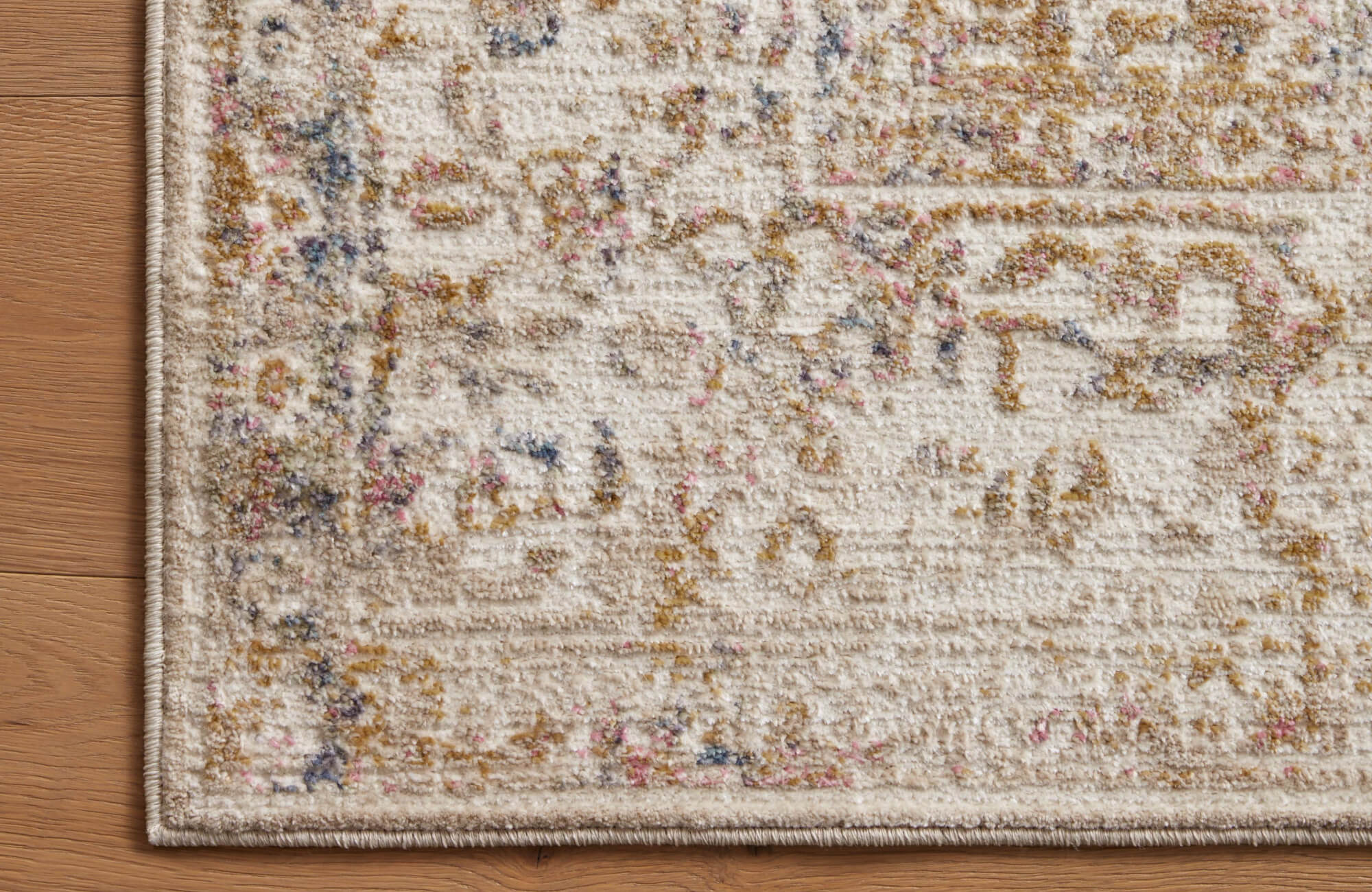
Spaces like entryways often highlight why material performance matters just as much as appearance. Featured above, our McGowan Rug in Moss / Sand combines polypropylene's moisture resistance and easy-care nature with polyester's strength, softness, and vibrant color retention, creating a rug that is both practical and comfortable underfoot. This blend allows it to handle the demands of everyday living while helping the floral tracery, vine borders, and layered beige, grayish-green, and soft yellow gold tones maintain their depth and character over time.
Why Polypropylene Works Well Outdoors
Polypropylene's durability extends beyond indoor spaces, making it one of the most common materials used in outdoor rugs. Its resistance to moisture allows it to handle exposure to rain, humidity, and damp conditions far better than many natural fibers. Many polypropylene rugs are also designed to resist fading from sunlight, helping them maintain their appearance even when used on patios, porches, and other outdoor living areas. While prolonged exposure to harsh weather will eventually contribute to wear, polypropylene generally holds up remarkably well compared to many alternative materials. This versatility allows homeowners to use the same durable material throughout both indoor and outdoor spaces with confidence.

What Factors Affect How Long A Polypropylene Rug Lasts?
Two polypropylene rugs can be made from the same material, yet age very differently depending on how and where they are used. Everything from the room they are placed in to the amount of daily activity they experience can influence how well they hold up over time.
Placement Matters More Than Most People Realize
The room where a polypropylene rug lives can have a major influence on how long it maintains its appearance. A rug placed in a guest bedroom or a quiet home office will typically experience much less daily activity than one positioned in a family room, hallway, or entryway. Over time, those differences add up, even when the rugs themselves are made from the same material. Areas that see constant movement tend to develop signs of wear sooner because the fibers are repeatedly compressed and exposed to dirt, debris, and everyday use. This does not mean polypropylene rugs are unsuitable for busy spaces, but it does mean their lifespan will often vary depending on where they are used. When estimating how long a rug may last, placement is usually one of the most important factors to consider.
How Footsteps Shape Wear Patterns Over Time
Everyday movement throughout the home gradually leaves its mark on a rug, even when the changes are subtle at first. You may notice certain pathways becoming more visible over time, particularly near seating areas, doorways, or routes that family members use repeatedly throughout the day. These areas often begin to look slightly flatter or less textured than the surrounding portions of the rug. Because the same sections are being compressed again and again, they tend to age faster than areas that receive less activity. This type of wear is completely normal and can happen with nearly any rug material, including polypropylene. The more concentrated the daily movement, the more likely these patterns are to become noticeable over the years.
The Role Of Pile Height And Density
A polypropylene rug's construction plays a significant role in how well it holds up over time. Rugs with a denser pile generally do a better job of supporting weight and maintaining their appearance because the fibers work together to resist compression. Lower-pile styles are often a practical choice for busy households since they are less likely to flatten and are easier to keep clean. Higher-pile rugs can feel softer and more luxurious underfoot, but they may begin to show signs of compression sooner, particularly in frequently used areas. That does not mean high-pile rugs are less durable overall, only that changes in texture may become more visible as the rug ages. Looking beyond color and pattern to consider pile construction can help you choose a rug that better matches the demands of your space.
Furniture Weight And Compression Effects
The way furniture interacts with a rug can influence its appearance just as much as everyday movement throughout the home. Heavy sofas, sectionals, dining tables, and bed frames place constant pressure on the fibers beneath them, sometimes creating indentations that become more noticeable over time. In dining rooms, the repeated movement of chairs can add another layer of wear as legs slide across the rug's surface day after day. While polypropylene is known for its resilience, no rug material is completely immune to prolonged compression. The effect is often more noticeable in softer, thicker constructions where the fibers have more height to lose. Over the course of several years, these small changes can gradually affect how uniform the rug looks across the room.
Pets, Kids, And Daily Life Considerations
Real life is often the biggest test of a rug's durability. Children playing on the floor, pets racing through the house, accidental spills, dropped toys, and constant activity all place demands on a rug that go beyond simple wear. This is one of the reasons polypropylene has become so popular with busy households, as it handles many of these everyday situations remarkably well. Its stain-resistant nature helps it recover from the occasional mishap, while its durable fibers are designed to withstand regular use without breaking down quickly. Even so, a home with energetic children and active pets will naturally put more stress on a rug than a quieter environment. Understanding how your household actually uses a space can often provide the best indication of how long a polypropylene rug is likely to remain at its best.

How To Extend The Lifespan Of A Polypropylene Rug
A polypropylene rug is designed to handle everyday life, but a few simple habits can make a noticeable difference in how long it maintains its appearance. The goal is not just keeping the rug clean, but reducing the types of wear that gradually break down fibers and dull its overall look.
How Often Should You Vacuum A Polypropylene Rug?
Regular vacuuming is one of the easiest ways to extend the life of a polypropylene rug because it removes dirt and debris before they become embedded in the fibers. Small particles may not seem harmful at first, but over time, they can act like abrasives that gradually wear down the surface of the rug. In busier areas of the home, vacuuming once or twice a week is often enough to prevent buildup and keep the fibers looking their best. Spaces that receive less daily activity may require less frequent attention, though routine cleaning is still beneficial. Consistency matters more than intensity, as a simple maintenance routine is often more effective than waiting until the rug looks visibly dirty.
Deep Cleaning Without Damaging The Fibers
Even with regular vacuuming, dirt, oils, and residue can gradually accumulate below the surface of a rug. Periodic deep cleaning helps remove this buildup and refreshes the appearance of the fibers without requiring aggressive cleaning methods. Because polypropylene is naturally resistant to moisture and staining, it generally responds well to gentle cleaning solutions and careful rinsing when needed. Harsh chemicals and overly abrasive tools, however, can affect the rug's appearance over time and should be avoided whenever possible. Following the manufacturer's care recommendations helps ensure that deep cleaning improves the rug's condition rather than contributing to unnecessary wear.
Preventing Premature Wear And Matting
Wear tends to develop most quickly when the same areas of a rug are subjected to repeated pressure day after day. Rotating the rug occasionally can help distribute wear more evenly, reducing the likelihood of noticeable pathways, flattened fibers, or uneven aging. Rug pads can also provide additional cushioning and stability, helping minimize friction between the rug and the floor beneath it. In spaces with furniture, shifting pieces slightly from time to time can help prevent long-term compression from developing in one location. These small adjustments may seem minor, but they can significantly improve how well a polypropylene rug holds its appearance over the years.
Managing Sunlight Exposure And Fading
Polypropylene rugs are known for their excellent color retention, but no material is completely immune to the effects of prolonged sunlight. Areas that receive direct sun for several hours each day may eventually experience some degree of fading, particularly over many years of exposure. Window treatments, UV-filtering films, or thoughtful placement within the room can help reduce this effect while still allowing natural light into the space. Rotating the rug periodically can also help prevent one section from fading more noticeably than another. Taking a few simple precautions can help preserve the rug's color and ensure it continues to look balanced and vibrant over time.

Polypropylene Vs Other Rug Materials: Which Lasts Longer?
When evaluating a rug's lifespan, the material is only one part of the equation. Placement, household activity, maintenance habits, and construction quality all influence how long a rug will remain attractive and functional. Still, understanding how polypropylene compares to other popular rug materials can help you set realistic expectations and determine which option best aligns with your needs.
Polypropylene Vs Wool
Wool has long been considered one of the most durable rug materials available, with high-quality wool rugs often lasting for decades when properly maintained. Its natural resilience allows the fibers to recover well from compression, helping the rug maintain its texture and appearance even after years of use. Wool also offers natural insulation and a luxurious feel that many homeowners appreciate. However, this durability often comes with a significantly higher upfront cost and greater maintenance requirements than synthetic alternatives. For some households, the added investment is worthwhile, particularly when longevity is a top priority.
Polypropylene approaches durability from a different angle. While it may not match the potential lifespan of premium wool in ideal conditions, it offers impressive resilience at a fraction of the cost. It is also far more resistant to moisture and staining, making it easier to live with in households that include children, pets, or frequent entertaining. Many homeowners find that a polypropylene rug lasting five to ten years provides excellent value, especially in spaces where wear and accidental spills are more likely. In practical day-to-day living, polypropylene often delivers a level of performance that exceeds expectations for its price point.
Polypropylene Vs Polyester
Polypropylene and polyester are often compared because both are affordable synthetic rug materials commonly used in residential settings. Polyester is known for its soft feel and vibrant color retention, which can make it an appealing option for bedrooms, sitting areas, and other lower-use spaces. It also resists many common stains and generally performs well when maintained properly. However, polyester fibers can be more susceptible to crushing and matting over time, particularly in areas that experience consistent daily activity. As a result, its appearance may begin to change more quickly in busier parts of the home.
Polypropylene typically has an advantage when durability is the primary concern. Its fibers are generally more resistant to wear and better suited to spaces that experience regular movement throughout the day. This makes it a popular choice for family rooms, hallways, and other areas where maintaining appearance over time is important. While polyester may offer a slightly softer feel underfoot, polypropylene often holds up better under demanding conditions. For homeowners prioritizing longevity, that added resilience can make a noticeable difference over the life of the rug.
The differences between polypropylene and polyester become easier to appreciate when both materials are used together in a single design. As seen above, our Charlise Rug in Navy / Khaki combines polypropylene's resistance to moisture and everyday wear with polyester's soft handfeel and ability to retain color beautifully over time. Together, the fibers help preserve the richness of its heirloom-inspired pattern, from the central medallion to the detailed botanical border, while supporting long-term performance in busy spaces. The result is a rug that feels comfortable underfoot while remaining practical for everyday living.
Polypropylene Vs Nylon
Nylon is widely regarded as one of the strongest synthetic rug fibers available. It is known for its ability to resist crushing, recover from compression, and maintain its appearance even in demanding environments. Because of these characteristics, nylon is frequently used in commercial settings and busy residential spaces where durability is essential. High-quality nylon rugs can often outlast many other synthetic materials when properly maintained. This level of performance, however, is typically reflected in a higher purchase price.
Polypropylene remains competitive because it offers a more budget-friendly alternative while still providing reliable durability for everyday use. Although nylon generally has the edge in terms of overall resilience and lifespan, many homeowners do not require the level of performance nylon is designed to deliver. Polypropylene's stain resistance, moisture resistance, and affordability make it a practical solution for a wide range of households. For many families, the difference in longevity may not justify the higher investment associated with nylon. The right choice often comes down to balancing expected use with overall budget considerations.
Which Material Offers The Best Long-Term Value?
The answer depends largely on how you define value. If your primary goal is achieving the longest possible lifespan regardless of cost, high-quality wool and nylon rugs often lead the conversation. Both materials can provide exceptional durability when properly cared for, making them attractive long-term investments for homeowners willing to spend more upfront. However, initial cost, maintenance requirements, and lifestyle considerations should all be factored into the equation. A rug that lasts longer is not always the most practical choice for every household.
For many homeowners, value comes from balancing performance, maintenance, and affordability rather than focusing solely on maximum lifespan. This is where polypropylene often stands out. It provides dependable durability, strong stain resistance, and easy maintenance at a significantly lower cost than many competing materials. While it may not last as long as premium wool or nylon in every situation, its combination of practicality and affordability makes it one of the strongest overall value propositions in the rug category. For households looking for a durable rug that can comfortably handle everyday life without requiring a substantial investment, polypropylene remains a compelling option.
Getting More Years Out Of Your Polypropylene Rug
Polypropylene rugs have earned their popularity by offering a combination of durability, affordability, and everyday practicality that works well in a wide range of homes. While their lifespan ultimately depends on factors such as placement, household activity, and ongoing care, they often provide years of reliable performance without requiring the level of maintenance associated with some other materials. Understanding what influences longevity can help you make more informed decisions when selecting and caring for a rug.
Whether you're furnishing a busy family room, a covered patio, or a quieter retreat within the home, choosing the right rug is just as important as maintaining it properly. Factors such as material, construction, pile height, and intended use all contribute to how well a rug performs over time and how satisfied you'll be with it in the years ahead. If you'd like help narrowing down your options, our Personalized Design Consultation can provide expert guidance tailored to your space, lifestyle, and design goals. With the right advice and a well-chosen rug, creating a space that looks beautiful and performs well for the long haul becomes much easier.