
)
)
)
)
)
)
)
)
How High Should A Mirror Be Hung Above A Vanity?
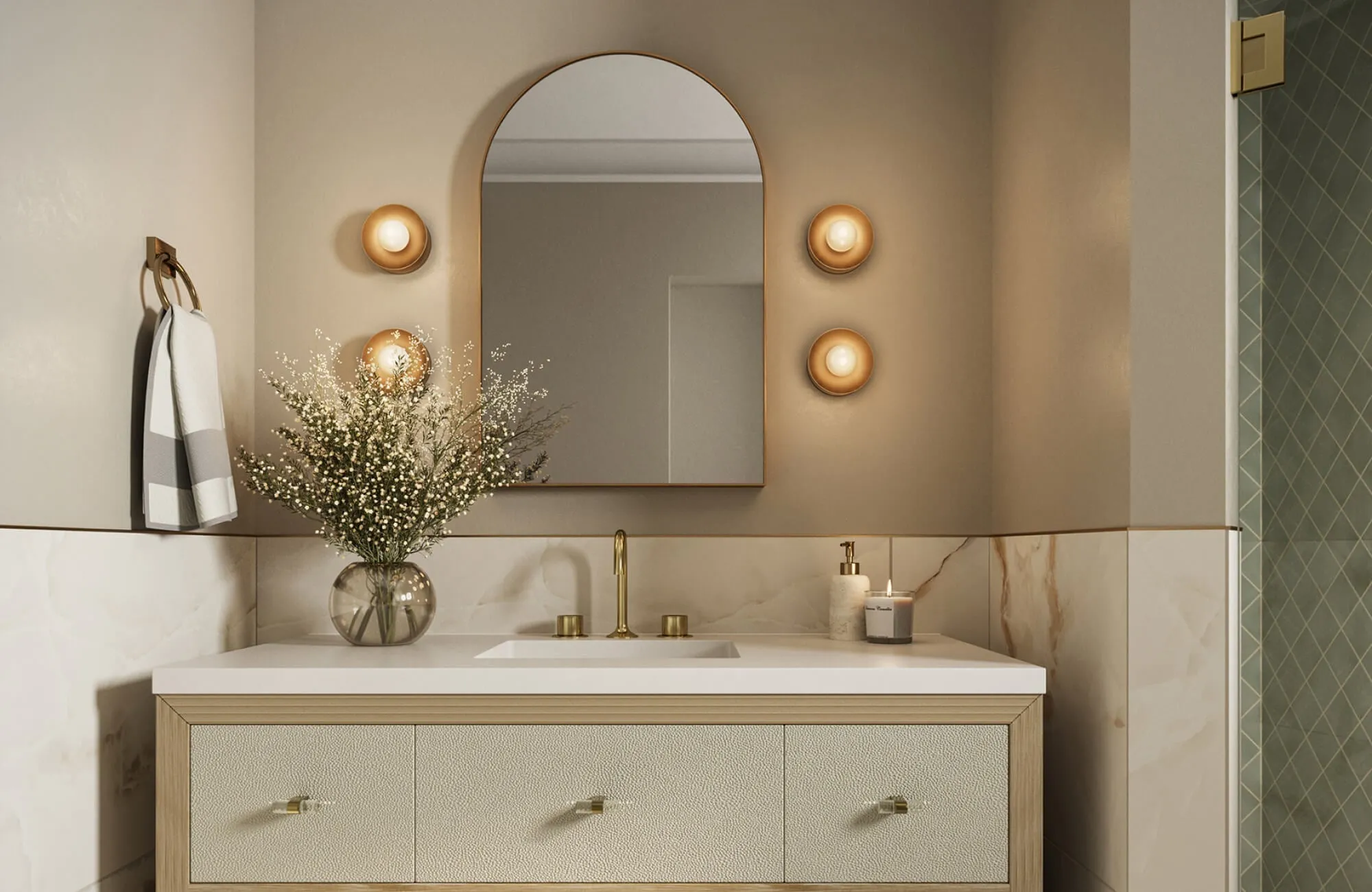
A mirror’s placement may seem like a minor detail in bathroom design, yet it profoundly shapes both how the space functions and how it feels. The height you choose determines whether the mirror complements the vanity’s proportions, supports natural posture, and enhances the overall lighting balance of the room. In this comprehensive article, you’ll explore the principles that govern optimal mirror placement, from eye-level ergonomics and vanity proportion to lighting integration and long-term maintenance. Each consideration builds toward a single goal: to create a mirror installation that is both practical and beautifully composed.
Understanding the Ergonomic Principles of Mirror Height
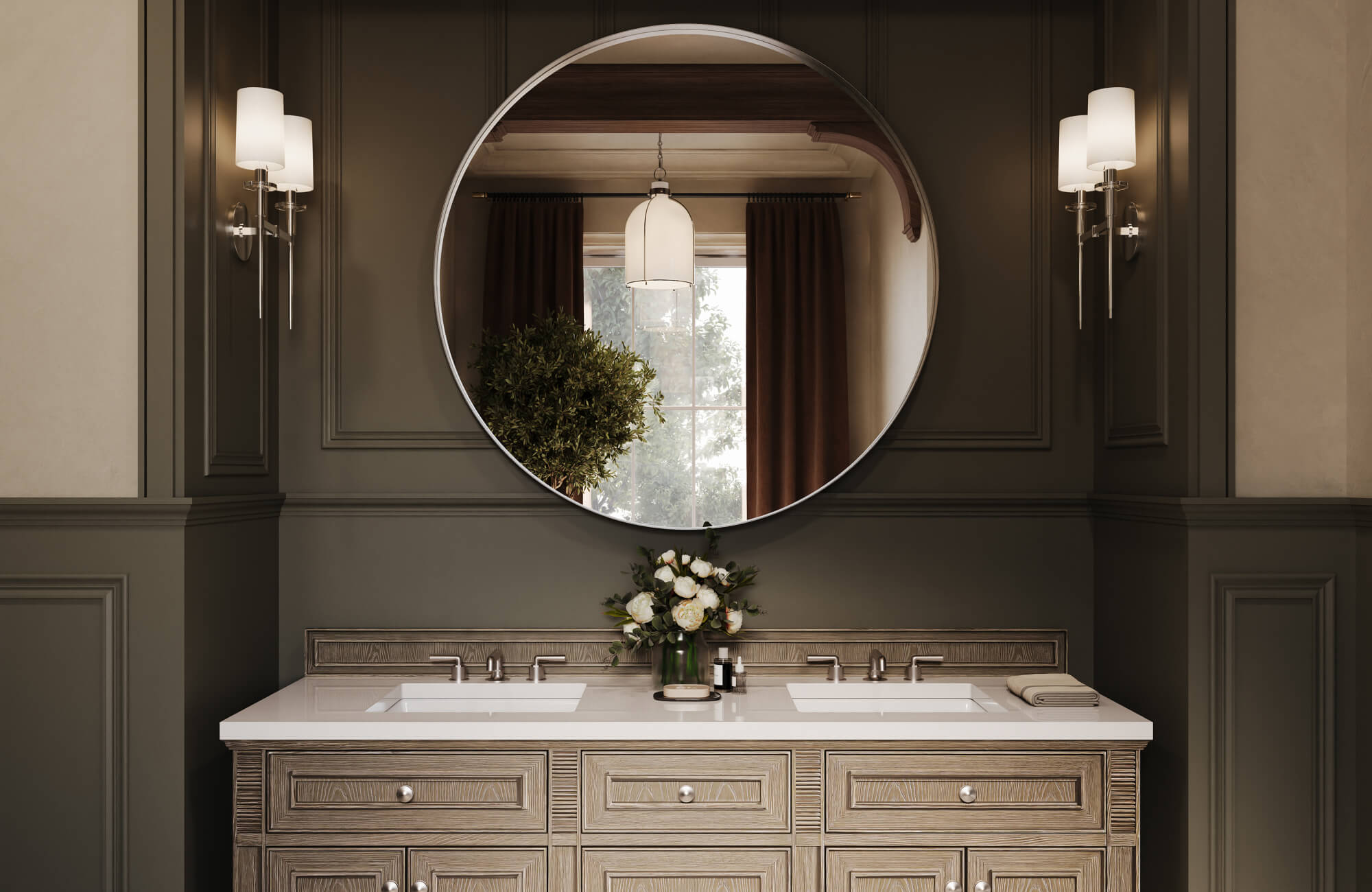
The ergonomics of mirror placement extend far beyond visual aesthetics. They also define how naturally and comfortably a bathroom supports everyday use. A well-positioned mirror aligns with your natural eye level, typically between 57 and 65 inches from the floor, creating a reflection that feels effortless and balanced. This thoughtful positioning ensures that you can maintain proper posture while performing daily tasks, such as grooming or skincare, without the need to lean or stretch. At the same time, the mirror must remain proportionate to surrounding elements like the vanity, faucet, and lighting, establishing a cohesive visual rhythm.
Equally significant is the adaptability of mirror placement to different users and environments. Shared and family bathrooms, for instance, benefit from adjustable or pivoting mirrors that cater to a range of heights, while accessible designs must follow ADA guidelines with the bottom edge no higher than 40 inches to accommodate seated users. Beyond ergonomic inclusivity, functional integration also plays a key role. The mirror should sit 4 to 6 inches above the faucet to prevent water splashes and align with nearby lighting for even illumination. Together, these considerations transform mirror placement from a simple installation detail into a carefully calibrated design decision that enhances comfort, accessibility, and visual unity within the space.
Considering Vanity Dimensions and Proportion
Creating a visually balanced and functional bathroom begins with understanding how your mirror interacts with the vanity beneath it. The relationship between the two determines not only aesthetic harmony but also everyday usability, ensuring that the mirror feels naturally placed within your space.
Standard Vanity Heights
Most vanities measure between 32 and 36 inches in height, a range that sets the foundation for ideal mirror placement. To maintain proper proportions and practical clearance, the mirror’s lower edge should generally sit about 5 to 10 inches above the countertop. This distance keeps the glass free from splashes while aligning comfortably with your line of sight. If you’re using a vessel sink, however, the height should be measured from the top of the sink bowl rather than the countertop. Adjusting the mirror upward in this case also ensures it remains at an ergonomic level, allowing you to use it naturally without strain while preserving a cohesive visual rhythm between the vanity and the wall.
In designs featuring warm metallic accents and modern textures, such as the brass fixtures and soft green tile shown above, the choice of mirror can greatly influence the room’s tone and balance. Our Clancy Small Arch Mirror in Antique Brass perfectly complements this style, offering a gentle arch framed in a timeless brushed gold finish. Its elegant curvature also softens the vertical lines of the vanity while maintaining proportional harmony, making it an ideal centerpiece for bathrooms that merge warmth, sophistication, and functionality.
Visual Proportion Between Mirror and Vanity
To create a sense of balance, the mirror’s width should ideally match or be slightly narrower than the vanity. This alignment produces a clean, structured look that anchors the entire space. Taller mirrors can visually elongate smaller bathrooms, introducing a feeling of height and openness, while shorter and wider styles lend a grounded, intimate effect. The key lies in keeping symmetrical spacing, equal visual weight above and below the mirror, so it feels purposefully integrated rather than detached from the vanity. Such proportional harmony also allows your bathroom design to feel complete, cohesive, and visually satisfying.
Coordinating with Fixture Mounts and Sink Types
The configuration of your vanity and fixtures plays a major role in determining mirror dimensions and placement. For pedestal or console sinks, taller mirrors help fill the open wall space and maintain visual continuity. Built-in or undermount sinks, on the other hand, typically allow for tighter spacing between the faucet and mirror, resulting in a streamlined and polished appearance. If your design includes wall-mounted faucets, position the mirror high enough to clear them while keeping the reflection comfortably centered at eye level. By thoughtfully coordinating each element, you create a seamless connection between form and function, ensuring your mirror enhances both practicality and design harmony.
Adapting Placement for Different Mirror Shapes and Styles
Every mirror shape brings its own personality to a bathroom, influencing not only how light moves through the space but also how the design feels overall. The right placement depends on balancing form and function, ensuring that your mirror complements the vanity, lighting, and architectural features around it while enhancing visual flow.
Round and Oval Mirrors
Round and oval mirrors offer a soft, organic counterpoint to the straight lines often found in bathroom layouts. To achieve the best balance, center the midpoint of the mirror at your natural eye level, usually around 57 to 65 inches from the floor, while keeping equal spacing between the mirror, vanity, and lighting fixtures. These curved shapes naturally create a sense of openness, making smaller bathrooms feel more fluid and inviting. Be sure to leave enough wall space around the mirror’s edges to let its shape breathe, allowing the design to stand out without feeling crowded or compressed within the layout.
For a timeless interpretation of this form, our Tristan Round Mirror in Rustic Black captures the perfect balance of simplicity and character. Its deep rustic black frame, reminiscent of weathered iron, adds a subtle contrast against lighter walls or tiles, grounding the overall composition. Whether styled in a minimalist setting or paired with textured finishes, this mirror brings a refined sense of depth and softness that complements both contemporary and classic bathroom designs.
Square and Oversized Mirrors
Square mirrors bring structure and refinement, emphasizing the room’s vertical lines and enhancing a sense of spaciousness. When working with standard square mirrors, position the bottom edge about 4 to 6 inches above the vanity surface to maintain both proportion and practicality. Oversized mirrors, on the other hand, can extend closer to the countertop to visually anchor the design and reflect more light across the room. In double-vanity setups, align each mirror precisely above its corresponding sink to preserve symmetry and create a clean, unified appearance. This thoughtful alignment ensures that both mirrors feel integrated into the overall composition rather than competing for attention.
A striking option that captures this balance of form and proportion is our Clancy Mirror in Antique Brass. Its clean, squared silhouette framed in a brushed gold finish adds warmth and sophistication without overpowering the surrounding design. The mirror’s polished geometry also enhances symmetry while subtly reflecting natural and artificial light, creating a space that feels open, balanced, and elegantly cohesive.
Arched and Asymmetrical Mirrors
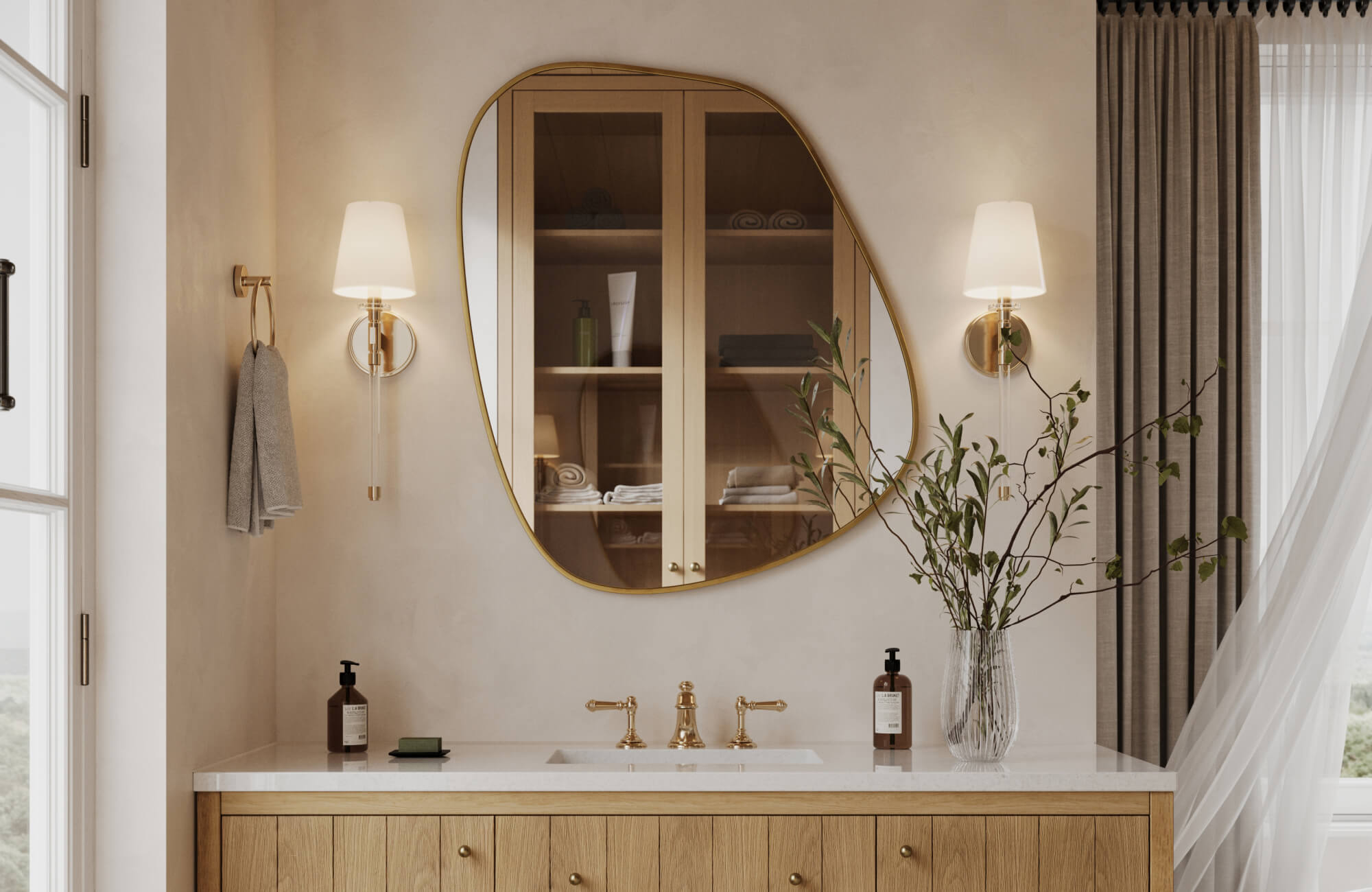
Arched and asymmetrical mirrors instantly draw the eye, adding architectural interest and a sense of sophistication. To highlight their distinctive form, hang them slightly higher than standard mirrors so the arch or irregular contour is fully visible while still keeping the reflective area comfortably usable. Also, align the highest point of the shape with nearby design elements such as door frames, window trims, or tile borders to establish a cohesive visual rhythm. This mindful placement allows the mirror to act as a statement piece that enhances both the vertical balance and the overall aesthetic of your bathroom, blending artistry with everyday functionality.
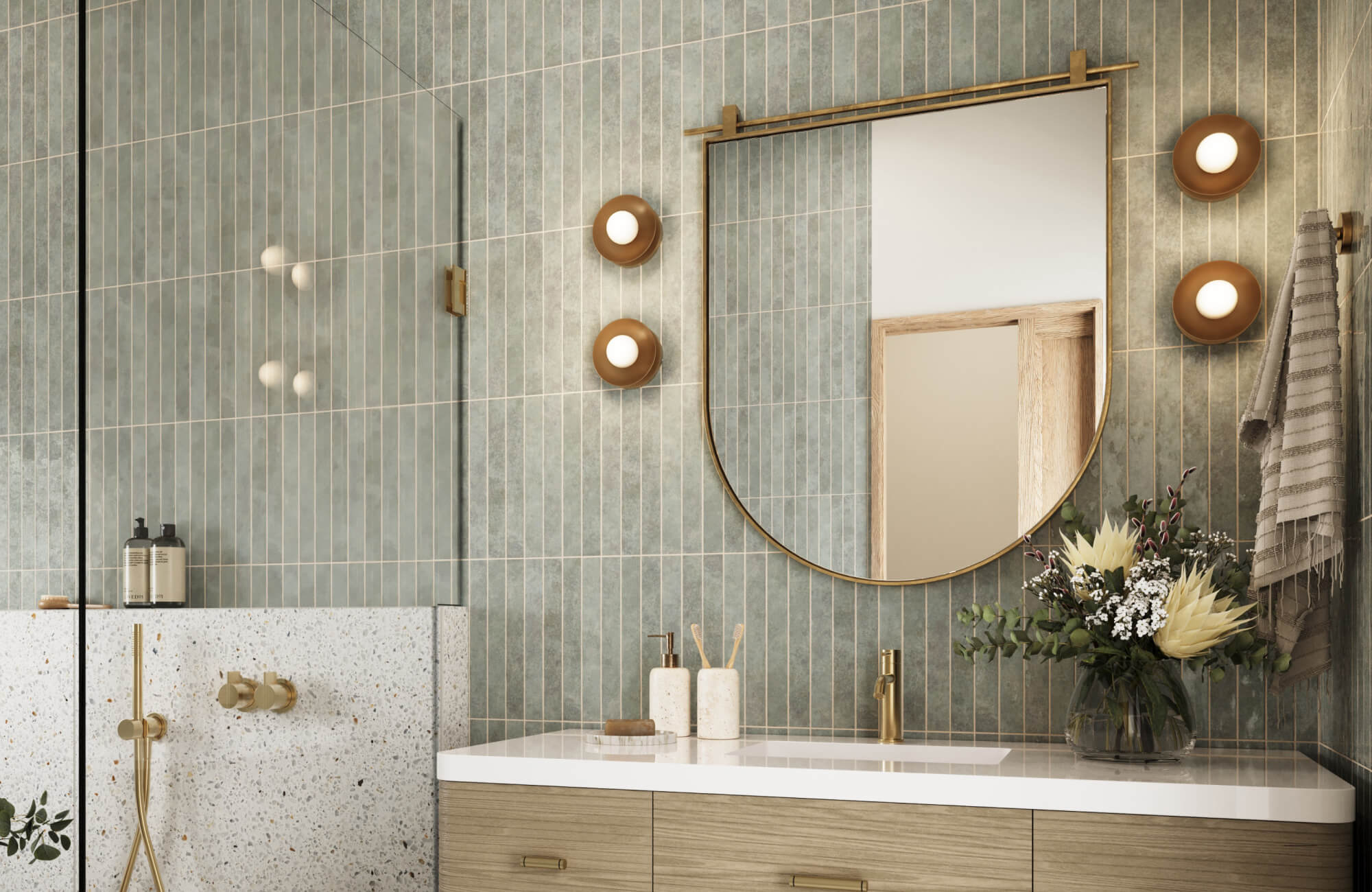
A beautiful example of this approach can be seen in the image above featuring our Shirley Small Mirror in Antique Brass Iron, where its softly irregular shape and brushed gold finish introduce warmth and artistry into the space. Its sculptural frame complements natural wood tones and neutral palettes, creating a refined focal point that feels both modern and timeless. When positioned thoughtfully, this mirror enhances depth and light while bringing a touch of individuality to your bathroom design.
Integrating Design Harmony with Room Architecture
A mirror should do more than serve a functional purpose; it should feel like a natural extension of the room’s architecture. When thoughtfully positioned, it strengthens the connection between the vanity, walls, and ceiling, creating a sense of rhythm and visual unity that ties the entire space together.
Aligning with Ceiling and Wall Lines
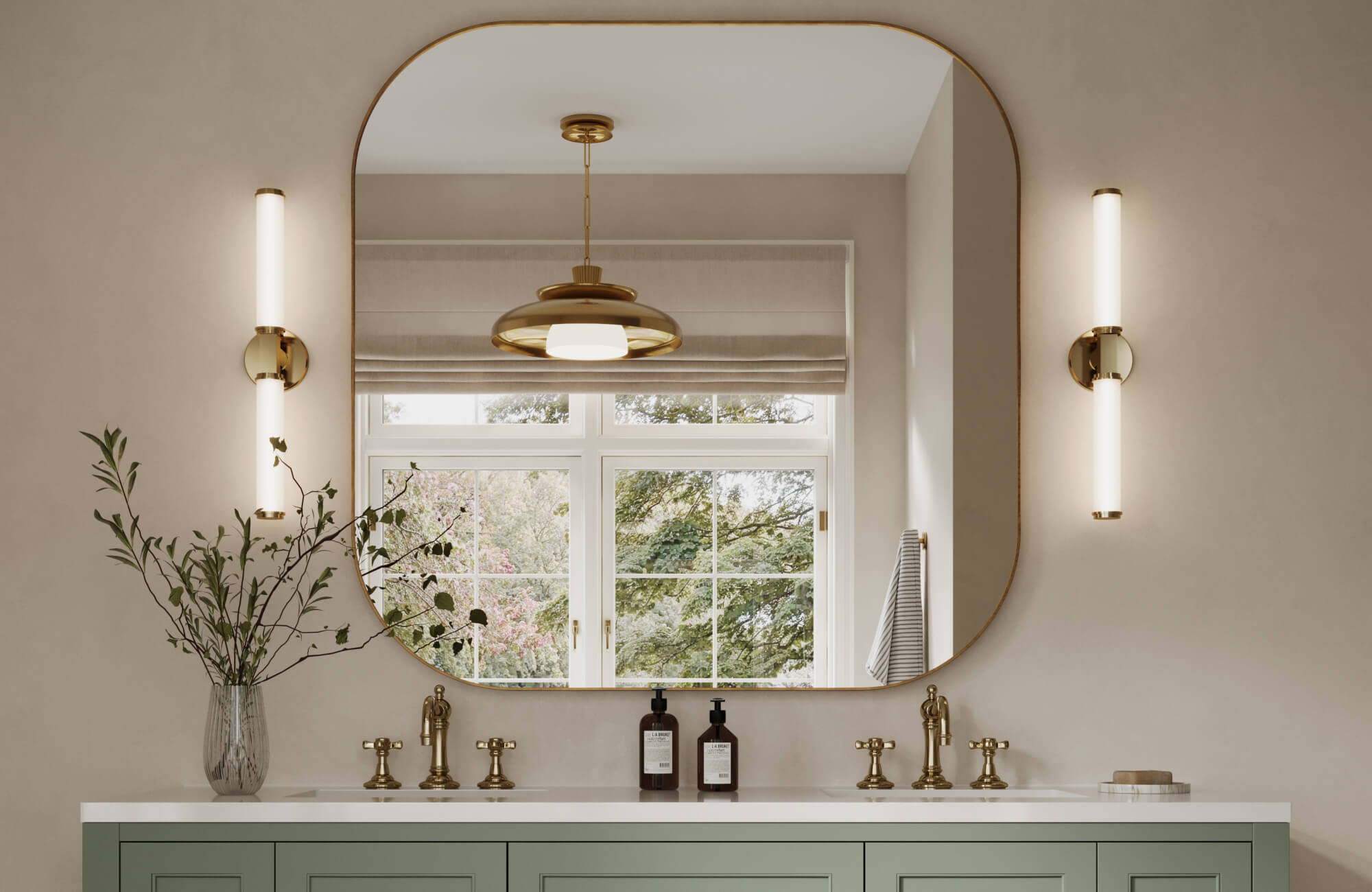
To achieve a cohesive and intentional look, align your mirror’s top edge with established architectural lines such as the tops of door frames, window trims, or other horizontal features. This alignment creates a continuous visual flow, guiding the eye naturally across the space. By following these architectural cues, your mirror will appear integrated rather than floating awkwardly within the wall. This subtle attention to proportion also helps maintain a clean, structured aesthetic that enhances both the mirror and the surrounding design elements.
An excellent example of architectural balance can be achieved with our Tristan Square Mirror in Polished Brass, displayed in the photo above. Its refined square silhouette and luminous gold finish add both warmth and precision to the design. When aligned with ceiling lines, sconces, or window frames, this mirror reinforces symmetry and spatial rhythm while reflecting natural light beautifully. The result is a bathroom that feels unified, intentional, and timelessly elegant.
Working with Wall Treatments and Backsplashes
When your vanity includes a backsplash, tile accent, or wainscoting, spacing becomes crucial to avoid a cluttered look. Leave approximately 2 to 3 inches of clearance between the top of the backsplash and the mirror’s lower edge. This small gap introduces a visual pause that separates materials while adding depth and dimension to the wall. It also prevents the mirror from feeling crowded by the surrounding finishes, allowing each design element, such as tile, countertop, and mirror, to stand out individually yet still work harmoniously together.
Utilizing Windows and Natural Light Reflection
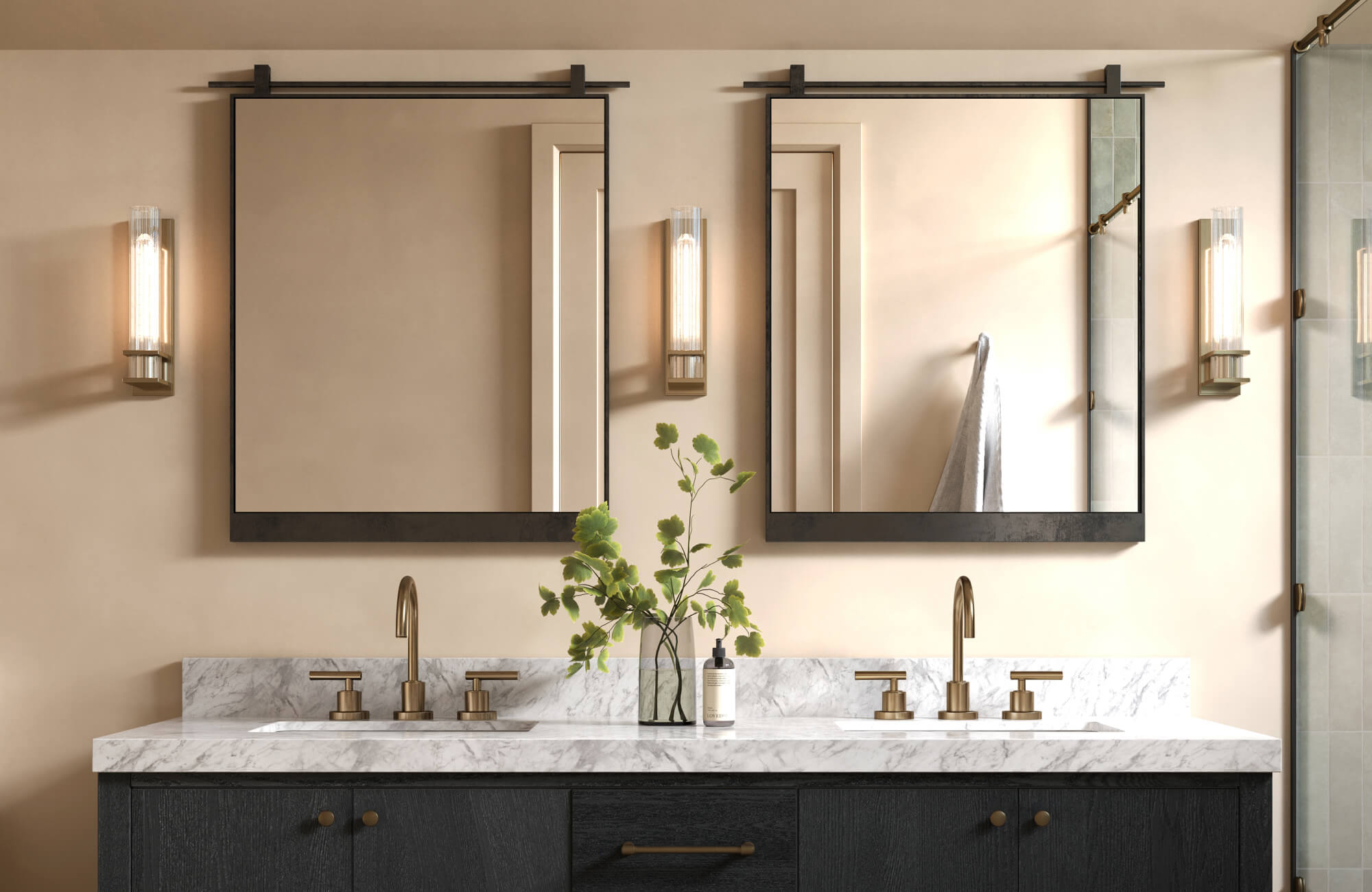
Mirrors positioned near or across from windows amplify natural light and expand the room’s sense of openness. When placed opposite or adjacent to a window, the mirror captures daylight and redistributes it, brightening darker corners and creating a warm, airy atmosphere. Slightly elevating the mirror can also help it catch more light, subtly enhancing the sense of depth within the room. This thoughtful integration of natural light brings a refreshing, balanced energy to your bathroom environment.
For a mirror that enhances this play of light, our Everdale Small Mirror in Gunmetal offers a refined balance of modern utility and visual depth. Its slim, deep, smoky gray finish adds understated contrast that complements both natural illumination and soft interior tones. Positioned to reflect window views or diffuse sunlight, it not only brightens the space but also introduces a touch of contemporary sophistication that elevates the overall ambiance.
Maintenance and Longevity in Mirror Placement
Proper mirror placement does more than elevate your bathroom’s look; it safeguards your investment over time. By planning for easy maintenance, moisture protection, and service accessibility, you ensure that your mirror remains both functional and beautiful for years to come.
Ensuring Accessible Cleaning and Edge Sealing
An often-overlooked aspect of mirror placement is how it impacts cleaning and moisture resistance. Leaving 5 to 10 inches of space between the vanity and the bottom edge of the mirror allows you to wipe surfaces easily while preventing splashes from collecting along the lower edge. This small gap also promotes airflow, keeping the area dry and clean. For frameless mirrors, professional edge sealing is essential. It prevents moisture from seeping behind the glass, reducing the risk of desilvering or unsightly black spots over time. By considering these practical details early, you protect your mirror’s clarity and finish while minimizing long-term upkeep.
Mitigating Fogging and Condensation Issues
Bathrooms naturally create humidity, so addressing condensation is key to maintaining a clear reflection. Mounting the mirror with a slight offset from the wall improves air circulation and helps minimize fogging after hot showers. For even greater convenience, you can integrate defogging pads or subtle heating elements directly into the mirror. These systems keep the surface clear without manual wiping, and with proper planning, the wiring and control boxes can be concealed neatly behind the installation. This thoughtful integration also preserves both the mirror’s sleek appearance and its everyday usability.
Planning for Future Access to Electrical and Plumbing
A well-planned bathroom considers not just today’s design but also tomorrow’s maintenance. Before finalizing your mirror placement, confirm that it doesn’t block access to plumbing shut-offs, electrical junction boxes, or hidden service panels. Ensuring these points remain reachable prevents unnecessary dismantling or damage during repairs. This kind of foresight, balancing aesthetics with accessibility, also keeps your space practical, adaptable, and easy to maintain long after installation is complete.
Aesthetic Value and Timeless Appeal
Determining how high a mirror should be hung above a vanity ultimately comes down to achieving harmony between people, proportions, and the space itself. When ergonomics align with design intent, the result is more than a practical installation; it’s a visual statement that enhances light, complements materials, and defines the room’s rhythm. The right height transforms a mirror into a unifying element that reflects not only your image but also the thoughtful craftsmanship behind the entire design. Through precision, proportion, and purpose, the mirror becomes a timeless focal point, one that balances everyday comfort with enduring beauty.
If you’re planning your next bathroom design or renovation and want expert guidance on achieving that perfect balance of form and function, our team is here to help. Whether you need personalized recommendations for mirror placement, assistance with vanity and fixture coordination, or professional insights into material and finish selections, our specialists can guide you through every detail. Visit our Contact Us page to connect with us and discover how thoughtful planning can elevate your space into one that feels both timeless and uniquely yours.
Follow us on Instagram
@EDWARD.MARTIN
)
)
)
)
)
)
)
)
)
)
)
)
)
)
)
)