From a simple painting to a cherished photograph or a complex textile, every piece of art holds a story waiting to be told. Yet, even the most beautiful artwork can disappear into the shadows of a room without proper illumination. Accent lighting is the powerful, often-overlooked tool that not only reveals the intricate details of your collection but also transforms a flat wall into a dynamic focal point that defines your space.
This guide from Edward Martin will walk you through the art and science of illuminating your home’s masterpieces, ensuring they receive the attention they deserve while enhancing the overall ambiance of your interior design.

The Foundational Principles of Light and Art
Before diving into fixture options or placement strategies, it’s important to understand the core principles of how light interacts with art. Contrast, shadow, beam spread, and even UV protection all play a role in how pieces are seen and preserved. These fundamentals set the stage for every lighting decision that follows.
The Role of Contrast and Shadow
Contrast defines form and directs visual attention, making it essential in presenting wall art. High-contrast lighting, achieved through spotlights or narrow-beam fixtures, emphasizes texture, brushstrokes, and relief, while controlled shadows add depth and drama. Designers often use a lighting ratio (e.g., 3:1 or 5:1 between illuminated art and ambient light) to balance focus with harmony, ensuring the art stands out without overwhelming the room.
Protecting Your Art from UV and Heat
While illumination enhances art, unmanaged light can degrade it. Ultraviolet (UV) radiation causes fading and chemical breakdown in pigments, paper, and textiles, while infrared (IR) radiation and heat buildup can warp canvases or dry out natural fibers. To mitigate risk, conservation-grade LED fixtures, engineered with minimal UV and IR output, are the industry standard. Additional strategies include museum-quality glazing, UV filters, and dimmable controls that regulate exposure without compromising visibility.
Understanding Beam Angle and Spread
Beam angle determines how light is distributed across an artwork, directly affecting perception. Narrow beams (10°–25°) are ideal for highlighting smaller pieces or creating intense focus, while wider beams (40°–60°) provide even coverage for large canvases or gallery walls. The spread must be proportional: ideally, the illuminated field should extend just beyond the edges of the frame to avoid distracting hotspots or vignetting. By adjusting distance, mounting height, and aiming angle (often recommended at 30° to reduce glare), designers can achieve precise, museum-quality presentation.

Selecting the Right Fixtures for Your Collection
Once the basics are clear, the next step is choosing fixtures that align with your collection’s needs. From picture lamps to track lighting, each option offers unique benefits in terms of precision, flexibility, and design integration. The right fixture ensures those foundational principles translate effectively in practice.
Art Lights and Picture Lamps
Picture lamps, often mounted directly above or onto a frame, are designed to provide localized, controlled illumination. Available in hardwired or battery-operated options, these fixtures deliver consistent coverage and minimize glare when sized appropriately, ideally extending to about two-thirds of the artwork’s width. Modern LED picture lamps with adjustable color temperatures (2700K–3000K) balance warmth and clarity while avoiding the UV and heat output associated with traditional halogen bulbs.
Track and Recessed Lighting
For versatility and scalability, track and recessed fixtures remain industry standards. Track lighting allows for repositionable heads that can accommodate rotating collections, while recessed downlights deliver a cleaner, architectural look that integrates seamlessly into ceilings. Both systems often feature adjustable beam angles, dimming compatibility, and advanced optics to ensure precise focus. Designers frequently use a 30° aiming angle with recessed or track fixtures to avoid reflective glare on glass or varnished surfaces.
Wall Sconces and Spotlights
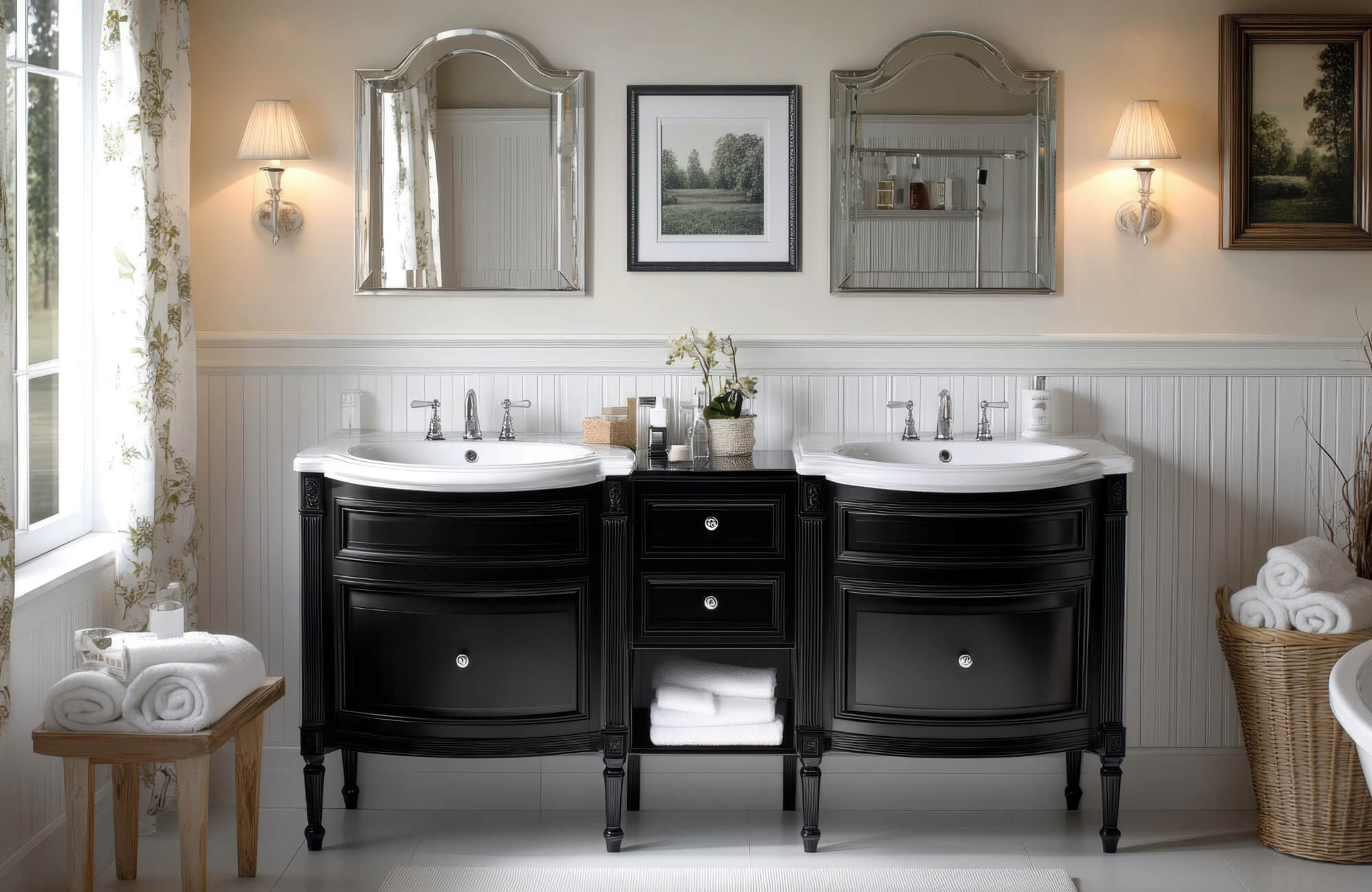
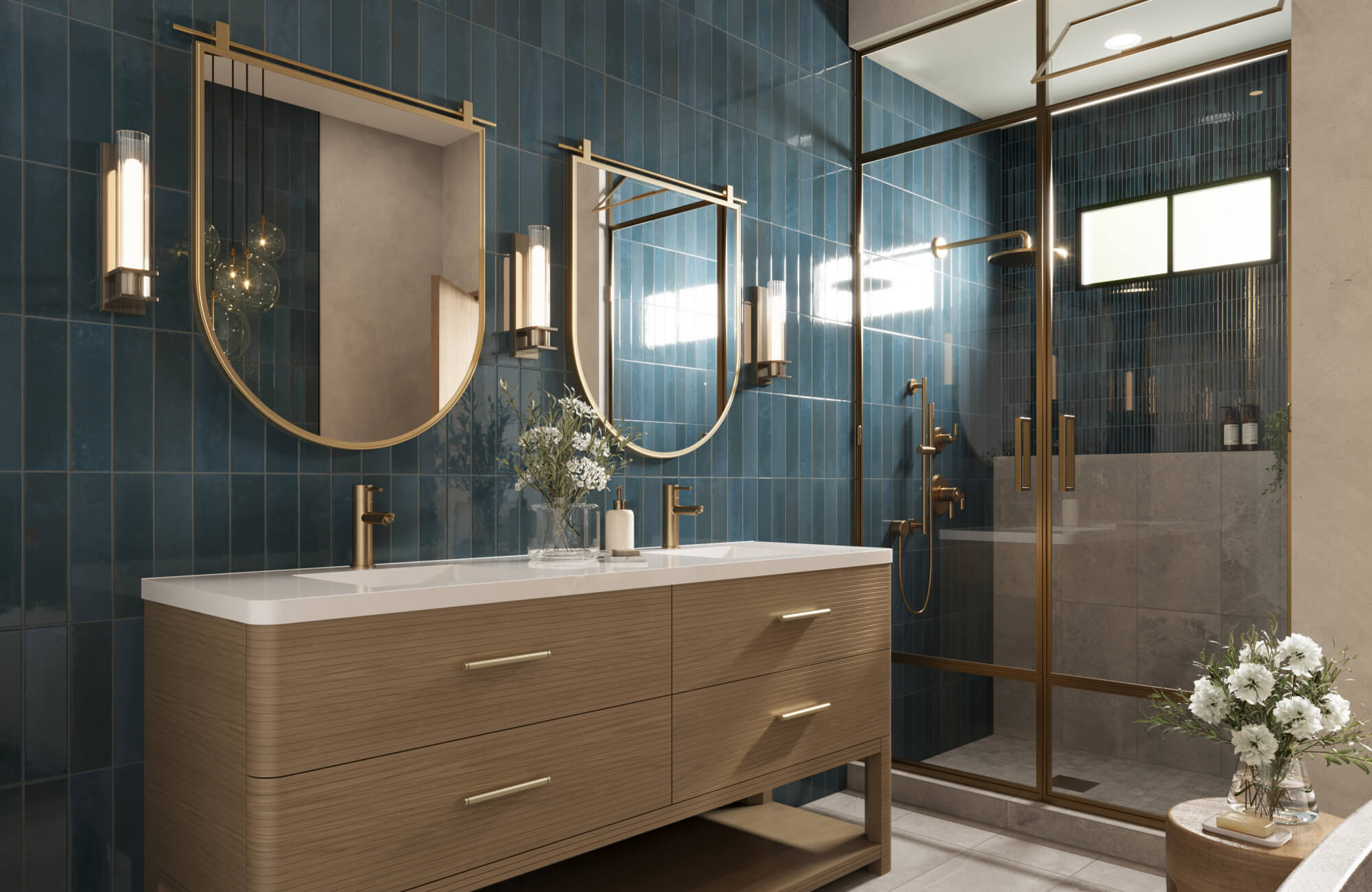
Wall sconces and spotlights not only illuminate but also contribute to the spatial design of a room. Sconces, when strategically placed, can provide ambient or grazing light that enhances surrounding surfaces without overwhelming the art. A refined example is Edward Martin’s Kara Wall Sconce in Aged Brass, shown above, which pairs sculptural design with directional versatility, adding both elegance and functionality. Spotlights, on the other hand, deliver concentrated beams for dramatic emphasis, making them ideal for sculptural works or feature pieces. The use of high Color Rendering Index (CRI) LEDs ensures that pigments appear true to life, preserving both vibrancy and detail under focused illumination.

Mastering Placement and The Angle of Illumination
Even the best fixtures won’t achieve their potential without thoughtful positioning. Placement, beam spread, and aiming angles determine whether light enhances detail or creates distracting glare. Building on fixture selection, this stage focuses on achieving balance, uniformity, and visual impact.
The 45-Degree Rule for Optimal Illumination
A widely accepted guideline is to position fixtures so light falls on the artwork at roughly a 30°–45° angle. This minimizes specular reflection, particularly on glazed or varnished pieces, while evenly distributing brightness across the surface. Angling at 30° reduces glare, while shifting closer to 45° enhances texture and depth by accentuating surface relief. Adjustable luminaires are ideal here, as they allow fine-tuning based on media type and mounting height.
Sizing Fixtures to Your Artwork
Fixture size and beam spread must be proportional to the scale of the artwork. For smaller pieces, a narrow beam angle (10°–25°) provides concentrated coverage without spill, whereas larger canvases require broader beams (40°–60°) or multiple fixtures to ensure edge-to-edge illumination. A fitting example is Edward Martin’s McAvoy 24" Picture Light in Aged Old Brass, shown above, designed to span wide works with even illumination while maintaining visual balance. Ideally, the lit field should extend just beyond the artwork’s borders to create uniformity without visible hot spots. This precision requires balancing fixture output (measured in lumens) with placement distance to avoid over- or under-lighting.
Lighting Multiple Pieces or a Gallery Wall
When illuminating a grouping or gallery wall, consistency and rhythm become essential. Fixtures should be spaced to overlap their beam spreads slightly, preventing dark gaps between works. A continuous track or recessed system allows for flexible repositioning as collections evolve, while dimmable controls enable individualized intensity for different mediums. Designers often calculate spacing by fixture-to-art ratio, ensuring each piece receives balanced light while maintaining an overall cohesive visual field. This approach allows multiple artworks to be appreciated both individually and as part of a unified display.

The Impact of Color Temperature and Rendering
Light quality directly influences how artwork is perceived, making color temperature and rendering vital considerations in any display. These factors shape mood, accuracy, and overall visual impact, ensuring that art is both faithfully represented and experientially engaging.
The Impact of Color Temperature
Color temperature, measured in Kelvins (K), determines the warmth or coolness of light. Warmer tones (2700K–3000K) create an intimate, inviting atmosphere, often complementing traditional paintings, wood frames, and textiles. Neutral white light (3500K–4000K) offers balance, enhancing clarity without skewing color perception, making it a common choice in galleries. Cooler temperatures (5000K+) mimic daylight but can appear stark in residential settings. A fixture such as Edward Martin’s McAvoy 24" Picture Light in Aged Brass, shown above, demonstrates how thoughtful fixture design works hand in hand with color temperature, ensuring both the artwork and the space feel cohesive and well-balanced.
Understanding the CRI Color Rendering Index
The Color Rendering Index (CRI) measures how accurately a light source reveals the true colors of an object compared to natural light, with a scale up to 100. For art illumination, fixtures with a CRI of 90 or higher are recommended, as they maintain pigment fidelity and subtle tonal variations. A high CRI ensures reds appear rich, blues remain vibrant, and neutrals retain depth, qualities essential to appreciating fine art. Many modern LED luminaires combine high CRI with low UV and IR output, offering both color accuracy and conservation-grade protection.
When to Use Color Changing Lights
Dynamic lighting technologies, such as tunable white and full-spectrum RGBW fixtures, provide flexibility in how art is experienced. Tunable systems allow users to shift between warm and cool tones, adapting to time of day or curatorial intent. RGBW fixtures, while less common in conservation contexts, can enhance experiential or contemporary installations by creating immersive environments that interact with the artwork. When used thoughtfully, color-changing lights expand the interpretive possibilities of a collection while still requiring careful calibration to avoid distorting the artist’s intended palette.

Advanced Techniques for Challenging Situations
Finally, some scenarios require solutions that go beyond the standard rules. From illuminating sculptures to managing reflections and integrating smart controls, advanced techniques resolve complexities while maintaining artistry. This last layer ties everything together, showing how thoughtful lighting adapts to even the most demanding displays.
Lighting Sculptures and Three-Dimensional Art
Unlike flat canvases, sculptures and installations require multi-directional illumination to reveal form, texture, and depth. A layered approach using key, fill, and backlighting prevents harsh shadows while emphasizing contours. Adjustable track heads or narrow-beam spotlights are ideal for accentuating specific planes, while grazing light can highlight surface materiality such as bronze patina or stone relief. For delicate works, low-heat LED fixtures are essential to preserve structural integrity without compromising dimensionality.
Integrating Lighting with Smart Home Technology
Smart lighting systems expand control over both aesthetics and preservation. Through wireless protocols like Zigbee or Wi-Fi, fixtures can be programmed for time-of-day shifts, occupancy sensing, and remote adjustment of intensity or color temperature. For private collectors, integration with whole-home platforms allows synchronized scenes where artwork lighting complements architectural and decorative layers. Dimming curves, automated presets, and tunable white technology offer museum-level precision adapted to residential or gallery contexts.
Solving Glare and Reflection Challenges
Framed artworks under glass or glossy varnishes often suffer from specular reflection, which can obscure detail. A common solution is the 30°–45° aiming rule, which redirects light away from the viewer’s line of sight. Anti-reflective glazing reduces surface glare, while cross-lighting from two lower-intensity sources balances illumination without introducing hotspots. A fixture such as Edward Martin’s Vicente Picture Light in Aged Old Bronze, shown above, illustrates how refined design can minimize glare while providing even, controlled illumination. For highly reflective media, such as photographs or mixed-media works with metallic finishes, polarized filters on luminaires can further reduce glare, ensuring clarity and fidelity of presentation.
Transform Your Home with the Power of Light
From understanding the science of light to selecting the perfect fixtures and mastering the art of placement, the journey to beautifully illuminated wall art is a rewarding one. You have the knowledge and tools to transform your space, highlighting your most cherished pieces and creating an atmosphere that is both inviting and inspiring. The right light can make a room feel larger, more dramatic, and more personal, turning your home into a gallery that is truly a reflection of you.
To make confident style choices, Edward Martin’s design consultation service offers expert guidance tailored to your project’s unique needs, whether you’re curating art displays, layering lighting, or balancing textures and finishes. For personalized recommendations, product questions, or assistance with tile, rug, or furniture selections, don’t hesitate to contact Edward Martin. Thoughtful planning with the right support ensures your home not only shines but tells your story with intention and elegance.