Down pillows are one of the easiest ways to refresh a living space, adding color, pattern, and personality to a sofa or chair. However, mixing solid and patterned pillows can quickly make a room feel cluttered if the arrangement lacks balance. The key is understanding how patterns, colors, textures, and proportions work together to create a cohesive look.
When styled thoughtfully, down pillows can tie together elements like rugs, furniture, and décor while adding depth and sophistication to the room. In this guide, we’ll explore practical design principles for mixing solid and patterned down pillows so your space feels curated, balanced, and visually refined rather than busy.

The Fundamental Rule Of Three For Pattern Mixing
Before choosing specific prints or fabrics, it helps to understand the design principle that keeps mixed patterns feeling balanced rather than chaotic. Designers often rely on a simple framework that introduces variety while maintaining visual harmony.
Establishing A Dominant Anchor Pattern
Every successful down pillow arrangement begins with a statement pattern that acts as the visual anchor. This dominant pillow typically features the largest-scale print and sets the tone for the rest of the grouping. It might be a bold floral, an intricate global motif, or a painterly abstract design that reflects the room’s overall aesthetic.
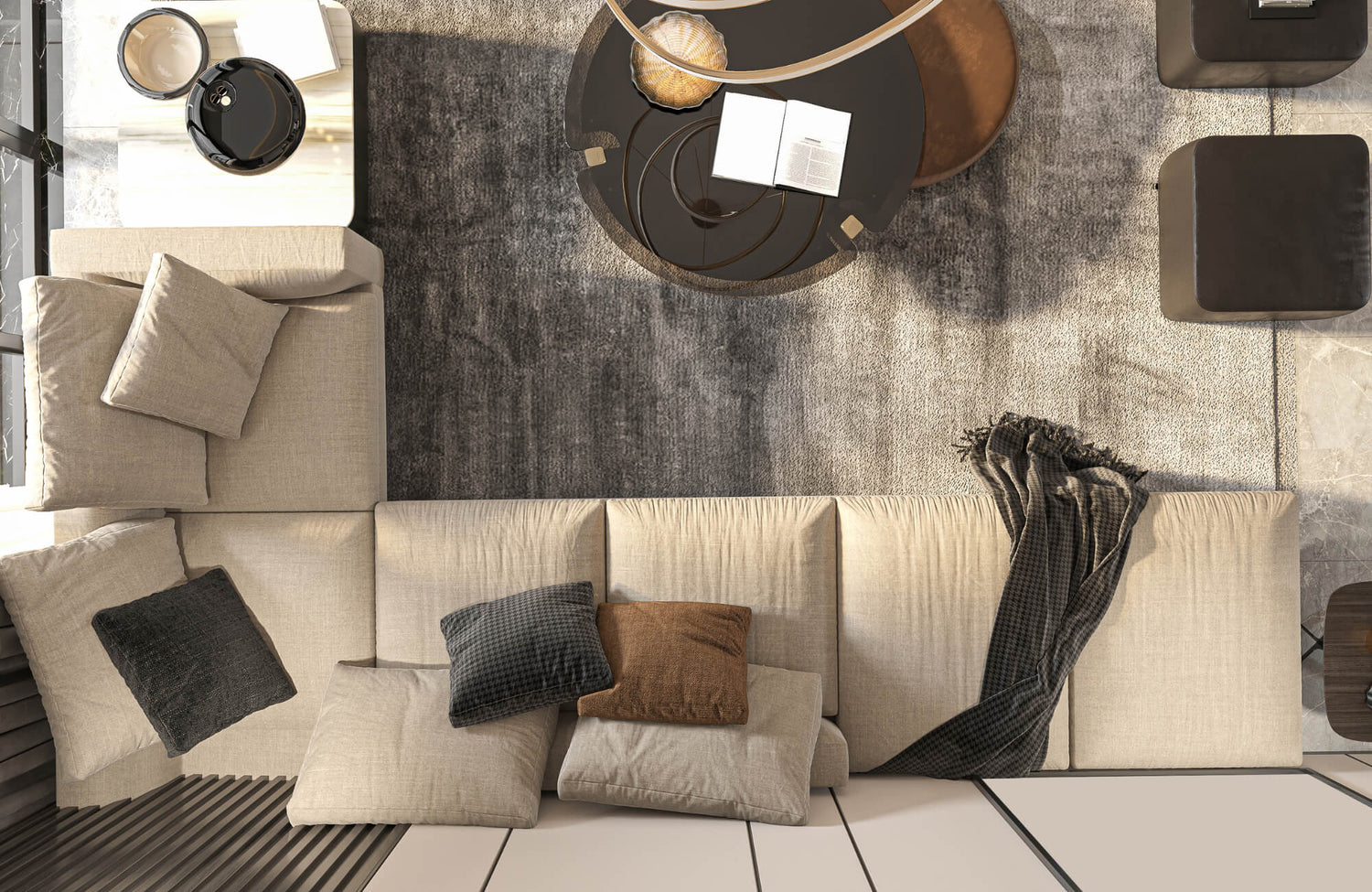
The anchor pattern should relate to other design elements in the room, such as a patterned area rug, a piece of wall art, or the fabric of an upholstered chair. By echoing colors or motifs already present in the space, the pillow naturally integrates into the broader design narrative rather than appearing as an isolated accent. Warm, earthy tones can work especially well for this role, much like the layered combination of Edward Martin’s Merelle 22" x 22" Down Pillow in Terracotta and Merelle 13" x 21" Down Pillow in Terracotta shown in the image above, where the rich color establishes a strong visual anchor while maintaining cohesion with surrounding neutrals. Positioned toward the corners of the sofa, these larger patterned pillows establish the foundational palette and visual energy of the arrangement.
Introducing A Secondary Mid Scale Geometric
Once the anchor pillow has established the design direction, the next step is introducing a secondary pattern that offers contrast without competing for attention. A mid-scale geometric or subtle stripe often works beautifully in this role.
The key to this layer is scale variation. If the dominant pillow features a large organic motif, the secondary pillow should feel more structured and slightly smaller in pattern size. This difference creates visual rhythm and prevents the patterns from blending into one another. Designers often choose geometric prints because they introduce a sense of order and structure. Whether it is a refined lattice, a modern chevron, or a subtle herringbone, this secondary pattern bridges the gap between bold expression and visual restraint, similar to how Edward Martin’s Merelle 22" x 22" Down Pillow in Tan, visible in the image above, introduces a softer complementary tone that balances stronger accent colors while maintaining a cohesive layered look.
Grounding The Arrangement With A Solid Neutral
The third component in the pattern mixing formula is the solid pillow. While it may seem simple compared to its patterned counterparts, the solid element acts as a stabilizing element in maintaining balance.
A solid neutral allows the eye to rest and helps frame the surrounding patterns. Shades such as warm ivory, taupe, charcoal, or soft beige work particularly well because they complement most color palettes while reinforcing a sense of sophistication. This calming effect can be seen with Edward Martin’s Brielle 18'' x 18'' Down Pillow in Natural / Mustard, featured in the image above, where the understated neutral tone softens the surrounding colors while still adding subtle visual interest through its trim detail. The solid pillow acts almost like negative space in artwork. By introducing calm between the patterns, it ensures the overall composition feels refined rather than crowded.

Unifying The Arrangement With A Cohesive Color Palette
Once pattern scale and structure are established, the next step is ensuring the pillows feel visually connected. A cohesive color palette allows different prints and solids to work together seamlessly within the larger design of the room.
Pulling Colors From A Statement Rug Or Wall Art
One of the most effective strategies for choosing pillow colors is drawing inspiration from an existing focal point in the room. A richly patterned rug, a large abstract painting, or a decorative tapestry can serve as the guiding source.
When the colors in the pillows echo those found in the rug or artwork, the entire room begins to feel layered and thoughtfully curated. Subtle accents of the same hues reinforce the design narrative and make the pillows appear as an extension of the room’s overall composition. This approach works particularly well in living rooms where the sofa sits atop a statement rug, allowing the pillows to visually connect the furniture with the surrounding décor.
The Power Of The Monochromatic Pattern Mix
A monochromatic palette offers another sophisticated solution for mixing patterns. Rather than combining many colors, this approach focuses on variations of a single hue.
For example, a collection of pillows in different shades of blue might include a navy geometric print, a soft powder blue stripe, and a deep indigo velvet solid. Although the patterns differ, the shared color family keeps the arrangement calm and cohesive. This same layered effect can be achieved through contrasting textures and pattern scales, as illustrated by the pairing of Edward Martin’s Merelle 13" x 21" Down Pillow in Ivory with Edward Martin’s Marisette 12" x 27" Down Pillow in Black in the image above, where a neutral base and graphic pattern create depth without disrupting the overall color harmony. Monochromatic layering often appears in luxury interiors because it conveys elegance without overwhelming the space.
Utilizing High Contrast Solids For Visual Punctuation
While harmony is important, a touch of contrast can add dramatic flair. A solid pillow in a darker or lighter shade than the surrounding patterns can act as visual punctuation.
For instance, a charcoal velvet pillow placed among lighter patterned pillows immediately grounds the arrangement and adds depth. Similarly, a crisp ivory pillow can brighten a darker palette and create a sense of balance. Strategic contrast prevents the pillowscape from appearing flat while maintaining an overall sense of refinement.

Balancing Visual Weight Through Fabric Texture
Beyond color and pattern, texture also influences how pillows interact within a space. Thoughtfully combining different fabric finishes can add depth and dimension while keeping the arrangement visually balanced.
Pairing Smooth Prints With Nubby Boucle Solids
A common designer technique involves pairing smooth printed fabrics with textured solids. A crisp cotton or linen pattern feels beautifully balanced when placed beside a nubby boucle pillow.
The contrast between smooth and textured surfaces creates subtle depth without relying solely on pattern. Even a neutral solid pillow becomes visually interesting when its fabric introduces a tactile element. Boucle, with its looped yarn texture, adds warmth and softness that complements structured prints.
The Luxury Of Velvet For Deep Solid Accents
Velvet remains one of the most beloved materials for down pillows, particularly in upscale interiors. Its rich surface reflects light differently throughout the day, adding depth and elegance to any arrangement.
A velvet pillow in a saturated color, such as emerald, navy, or burgundy, can act as a grounding accent among lighter patterned pillows. The material itself becomes a statement while still maintaining the simplicity of a solid. Velvet also pairs beautifully with other luxurious materials found in the home, including polished metals, marble surfaces, and plush rugs.
Matching Fabric Seasonality Across The Pillowscape
Another subtle consideration is seasonality. Just as wardrobes change throughout the year, pillow fabrics can evolve with the seasons.
In cooler months, heavier materials such as velvet, wool, and boucle create a sense of warmth and coziness. During warmer seasons, lighter fabrics like linen and cotton introduce breathability and a relaxed atmosphere. Keeping fabric weights consistent within a single arrangement ensures the pillows feel cohesive and appropriate for the time of year.

Sizing And Spatial Arrangement On The Sofa
With patterns, colors, and textures working together, the final step is arranging the pillows in a way that feels intentional and proportional. Size and placement help transform individual pillows into a polished, layered composition.
Starting Large With 22 Inch Corner Foundations
The largest pillows typically sit at the back corners of the sofa. Standard 22 inch down pillows provide generous scale and establish the foundation of the arrangement.
These pillows often carry the dominant anchor pattern discussed earlier, allowing them to command attention while framing the entire grouping. Their placement at the corners helps define the edges of the seating area and creates a structured base for layering smaller pillows in front.
Stepping Down To 20 Inch Secondary Patterns
The next layer usually consists of slightly smaller pillows, often around 20 inches. These secondary pillows introduce the complementary patterns that support the anchor design.
Placed just in front of the larger pillows, they create a sense of depth while still allowing the anchor pattern to remain visible. This gradual step down in size keeps the arrangement visually balanced and prevents the pillows from appearing stacked or crowded.
Adding A Patterned Lumbar For Front And Center Focus
The final layer often features a lumbar pillow positioned at the center of the sofa. With its elongated shape, the lumbar pillow acts as a finishing touch that brings the entire arrangement together.
This pillow frequently carries a bold pattern or distinctive texture, making it a focal point without overwhelming the composition. Because of its unique shape, the lumbar pillow also enhances comfort while reinforcing the curated aesthetic of the space.
Curating A Tailored And Inviting Home
Mixing solid and patterned down pillows without making a room look cluttered ultimately comes down to balance. By following principles like the rule of three, maintaining a cohesive color palette, varying textures, and layering pillows in thoughtful sizes, you can create an arrangement that feels intentional rather than overwhelming. When patterns, solids, and textures complement one another, the result is a sofa that looks polished, inviting, and visually harmonious.
If you’re looking to refine your space further, Edward Martin offers professional design consultation to help curate balanced interiors that reflect your style and lifestyle. For personalized guidance on selecting pillows, coordinating décor, or completing your living space, you can also reach out through Edward Martin’s contact page to connect with our design team.