
)
)
)
)
)
)
)
)
How Do You Match A Chandelier With Your Interior Style?
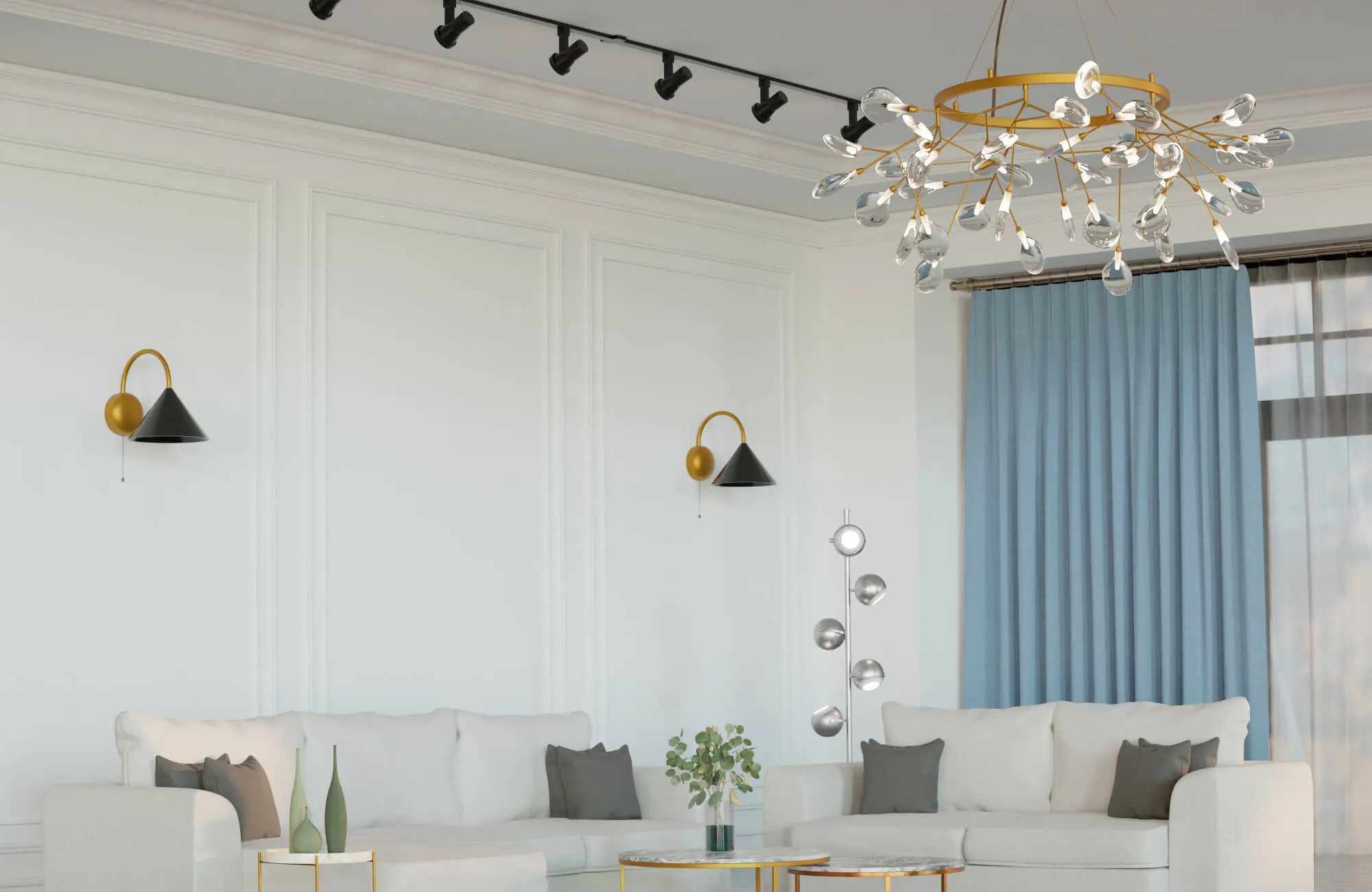
Matching a chandelier with your interior style requires more than visual preference—it involves balancing proportion, light behavior, and architectural context to achieve true design harmony. A chandelier that complements both spatial geometry and decorative character transforms lighting from a functional necessity into a sculptural focal point. When its materials, finish, and illumination temperature align with the surrounding palette, the space feels naturally cohesive and refined. This relationship between design and light not only enhances ambiance but also defines rhythm and depth within a room. Through an understanding of proportion, finish coordination, and evolving lighting technologies, a chandelier becomes the anchor that unites architecture, mood, and modern functionality.
Understanding Architectural Context and Design Language
Every chandelier must engage directly with the architecture surrounding it, responding to ceiling height, structural rhythm, and stylistic detailing. When proportion and form work in harmony with the room’s built framework, the result is an atmosphere of balance and intentional design.
Reading the Architectural Envelope
Ceiling height, molding, and geometry dictate how a chandelier integrates into its architectural environment. Low ceilings call for compact or semi-flush fixtures that preserve openness, while high or vaulted ceilings invite tiered silhouettes that emphasize verticality and grandeur. Architectural cues, such as coffers, beams, or medallions, also subtly guide the shape of fixtures—rectilinear patterns harmonize with linear chandeliers, while curved ceilings complement round or radial designs. When the chandelier’s silhouette echoes the ceiling’s rhythm, visual flow feels continuous rather than forced. This dialogue between structure and light creates architectural coherence, turning illumination into a deliberate extension of form.
Establishing Design Harmony
Architecture carries its own visual tempo, and the chandelier should act as its conductor. For instance, ornate spaces benefit from crystal or candelabra fixtures that mirror their decorative richness, while minimalist settings thrive under clean, geometric LED compositions that maintain composure and restraint. Transitional interiors bridge these worlds, blending timeless silhouettes with contemporary finishes to unify eras seamlessly. The key lies in resonance—where fixture form and architectural rhythm move together rather than compete.
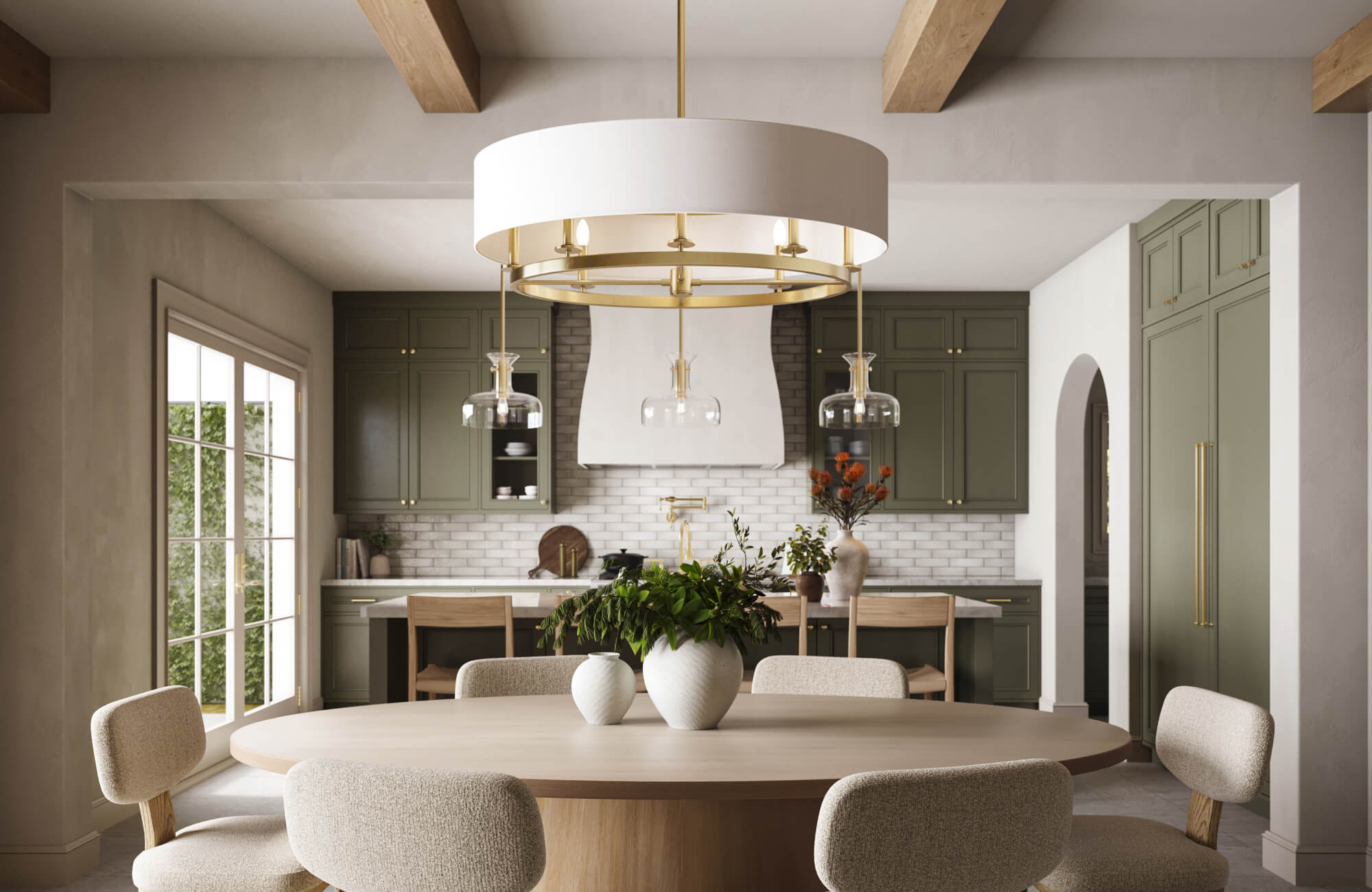
In the photo shown above, Edward Martin’s Reece Linear Lighting in Aged Brass exemplifies this harmony through its thoughtful placement and material coordination. Suspended above the kitchen island, its streamlined brass frame mirrors the circular chandelier’s warm metallic tone, creating a continuous visual dialogue between task and ambient lighting. The linear geometry of Reece also complements the room’s structural order from the beamed ceiling to the cabinetry lines, while the chandelier’s rounded drum softens these edges. Together, they balance symmetry and softness, achieving a unified design language that seamlessly ties light, architecture, and function into one cohesive rhythm.
Proportion, Scale, and Spatial Balance
A chandelier’s scale governs how it occupies a room, influencing both spatial perception and lighting performance. When proportions align with architectural dimensions, illumination becomes a natural extension of the design narrative rather than an intrusion.
Determining Optimal Size
Proportion determines harmony, and harmony begins with precision. A dependable rule, adding the room’s length and width in feet to find the chandelier’s diameter in inches, ensures a balanced footprint. Oversized fixtures also dominate a space, creating visual tension, while undersized ones lose presence and purpose. In dining rooms, the ideal chandelier spans roughly half to two-thirds of the table’s width, centering light where activity unfolds. Open-plan interiors, meanwhile, achieve cohesion by pairing multiple smaller fixtures along architectural axes. When proportion is mathematically and visually consistent, lighting integrates seamlessly into the spatial rhythm.
Suspension Height and Visual Flow
Suspension height determines how light interacts with surfaces and sightlines. In dining areas, a chandelier hung 30–36 inches above the tabletop achieves both intimacy and functional brightness, while taller ceilings invite incremental adjustments to maintain proportion. Foyer installations also demand at least seven feet of clearance, preserving openness and safe circulation. Moreover, mounting mechanisms, such as chains, rods, or cables, must correspond to the ceiling structure and load-bearing standards, ensuring technical integrity. When height, balance, and symmetry align, the chandelier feels weightless, connecting architecture and occupant through light.
Balance through Layering
Lighting harmony rarely relies on a single source. Chandeliers form the ambient core, but layered illumination through sconces, cove lighting, and recessed downlights enhances depth and texture. Each layer contributes to visual rhythm—the chandelier establishes tone, while accent and task lighting sculpt contrast and mood. This interplay prevents overexposure and invites versatility through dimming control. When lighting operates as a system rather than a statement, every element contributes to spatial balance.
Materiality, Finish, and Color Temperature Coordination
Material and finish define how a chandelier speaks to its environment through reflection, absorption, and tone. When coordinated with lighting color temperature, these characteristics establish a sensory harmony that feels both tactile and atmospheric.
Choosing Materials with Intent
Materiality shapes mood as much as form. Brass and bronze radiate warmth, ideal for classical interiors, while nickel, chrome, and blackened steel lend precision to modern spaces. Glass, whether frosted, smoked, or prismatic, also refracts light with subtle variation, transforming brightness into movement. Additionally, organic materials like wood or alabaster soften industrial edges and introduce tactile depth. Combining these elements, such as metal frames with glass diffusers, achieves equilibrium between strength and translucence.
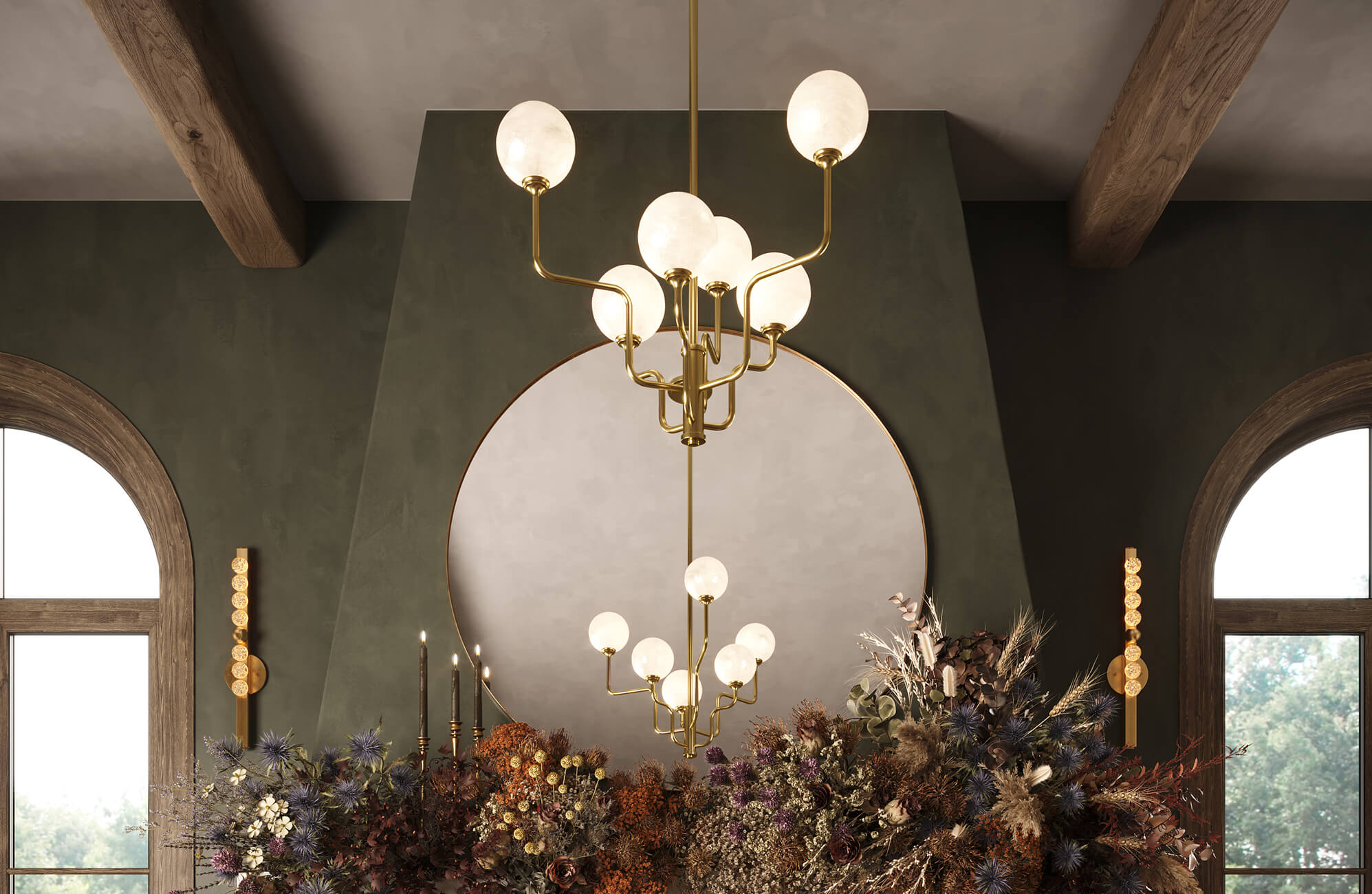
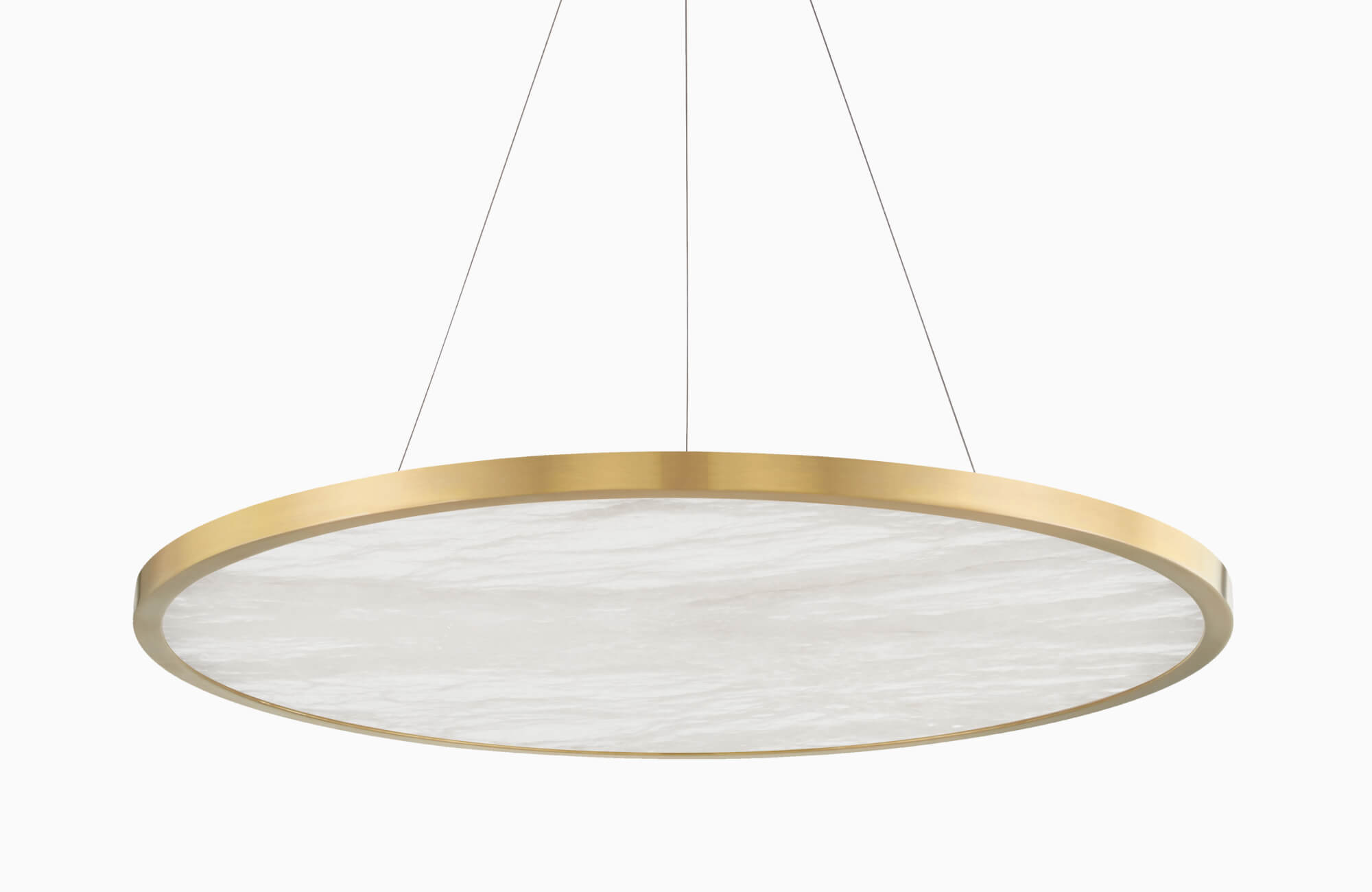
As displayed in the picture above, the Kennie 36" Chandelier in Aged Brass beautifully illustrates this principle. Its lustrous, aged brass frame captures the warmth of metal while maintaining a refined modern edge, allowing it to harmonize with both contemporary and transitional interiors. The chandelier’s circular silhouette and soft alabaster diffuser showcase a balance between solidity and glow, blending durability with elegance.
This thoughtful material pairing not only enhances the fixture’s sculptural quality but also reinforces how intentional finishes and textures can define atmosphere—turning light into a tactile, expressive design element. When chosen intentionally, materials guide both visual and emotional tone, anchoring the chandelier within its stylistic ecosystem.
Harmonizing Light Color and Finish
Color temperature determines how finishes perform under illumination. For instance, warm light at 2700K–3000K enhances golden metals and natural textures, producing comfort and intimacy. On the other hand, cooler temperatures between 3500K–4000K emphasize clarity and crispness in chrome or glass finishes. Selecting LEDs with a high Color Rendering Index (CRI 90+) also ensures hues appear accurate, preserving material integrity. When finished and color temperature are aligned, the chandelier radiates coherence, neither too stark nor overly muted. This harmony transforms technical lighting into a seamless visual language of tone and warmth.
Surface Reflection and Texture
Light interacts with texture much like sound with acoustics—its quality changes through every surface it meets. Glossy metals, for example, expand brightness, while matte finishes absorb it, creating contrast and depth. Pairing opposites, such as brushed brass with frosted glass, invites a dynamic balance between shimmer and softness. Reflectivity also influences perceived scale, making spaces appear larger or cozier depending on the finish choice. Thoughtful texture variation ensures light moves rhythmically across materials, elevating visual interest without overwhelming the composition.
Aligning Chandelier Styles with Interior Aesthetics
Every interior carries its own emotional and visual language, and the chandelier must articulate that dialect fluently. When form, finish, and proportion align with stylistic intent, the lighting becomes an expression of the design philosophy itself.
Modern and Minimalist Spaces
Modern interiors thrive on precision, and their chandeliers mirror that exactitude. In particular, linear LED pendants or halo rings emphasize symmetry, reducing ornamentation in favor of proportion and clarity. Meanwhile, frameless diffusers and slim metallic frames allow light to appear as structure rather than embellishment. Subtle dimming also reinforces tranquility, guiding light as an architectural gesture rather than a decorative accent. Monochromatic palettes support this restraint, producing serene visual continuity. The result is illumination that feels innate to the space—quiet, balanced, and purposeful.
Transitional and Contemporary Interiors
Transitional design marries classic familiarity with modern refinement, and its chandeliers follow suit. Metal frames, for instance, softened by linen or glass diffusers, bridge eras gracefully, uniting warmth with clean geometry. Meanwhile, polished nickel or brushed brass finishes provide a timeless sheen without excessive opulence. Layered shapes, such as drum shades over candle-style bulbs, offer depth and dimension that evolve under changing light levels. Neutral temperature LEDs also maintain consistency across traditional and modern details. In this balance, the chandelier feels sophisticated yet adaptable, never anchored to one period.
Traditional and Classic Designs
Classic interiors celebrate ornamentation, and their chandeliers extend that tradition through detail and proportion. Multi-tiered crystal designs refract light into brilliant patterns, turning illumination into movement. Candle-arm frameworks also recall historical craftsmanship while grounding the piece in elegance. Warm-toned LEDs amplify golds, woods, and rich textiles, enhancing the sense of heritage and comfort.
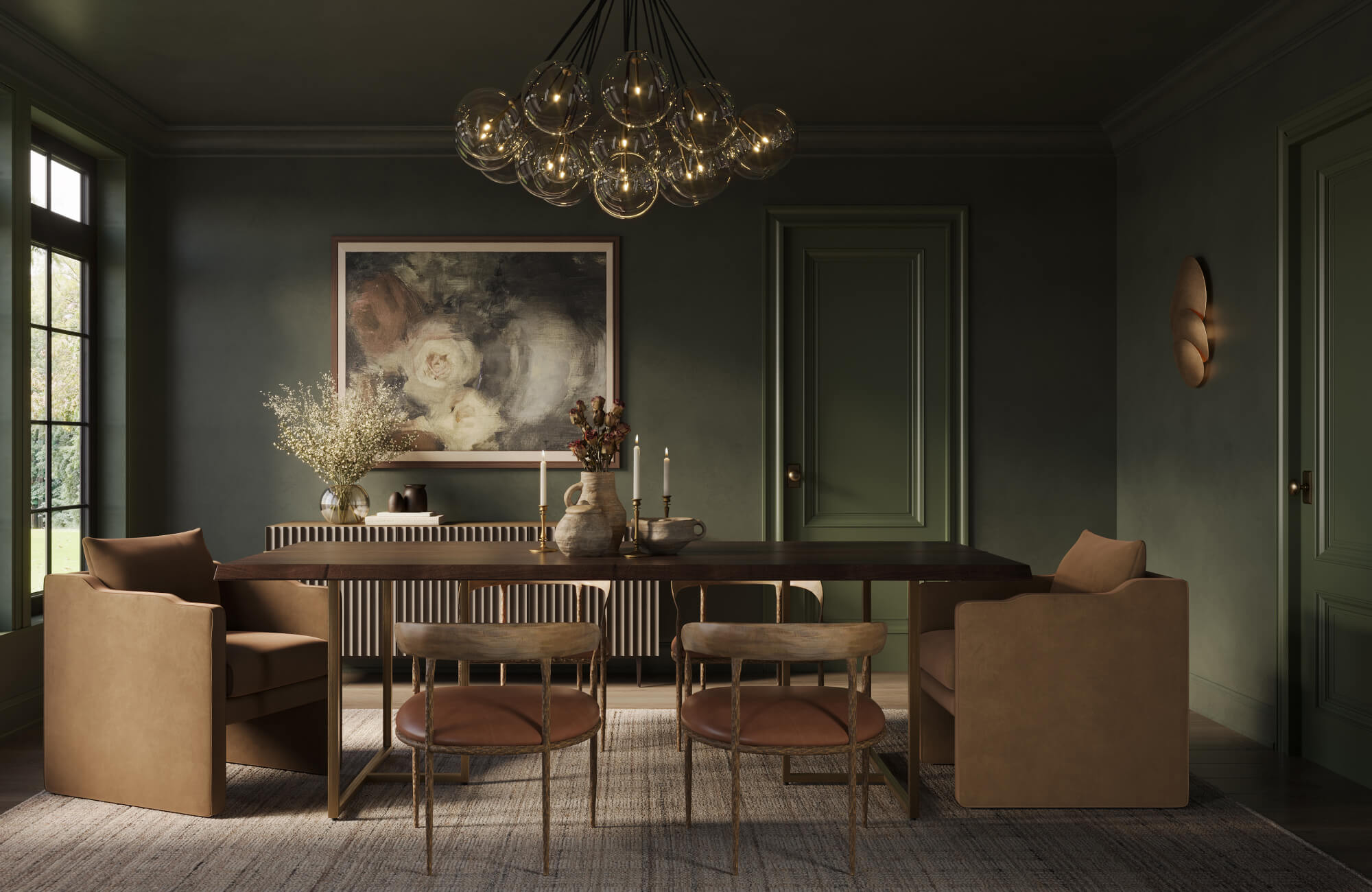
Our McKay Chandelier in Burnished Brass captures this timeless essence beautifully, as featured in the photo above. Its cluster of smoky glass globes suspended from slender brass stems creates a warm, atmospheric glow that complements the rich green paneling and earthy palette. The chandelier’s burnished brass finish also introduces a vintage luster, echoing the warmth of the leather seating and aged wood tones. This seamless blend of texture, tone, and form reinforces the sophistication of traditional interiors, transforming light into a living reflection of refined craftsmanship and enduring style.
In such spaces, the chandelier’s presence reinforces architectural grandeur, aligning scale and decor into timeless harmony. Light becomes both memory and ornament—a reflection of enduring craftsmanship.
Industrial, Rustic, and Organic Styles
Industrial and rustic interiors derive character from texture and authenticity, which chandeliers echo through exposed mechanics and raw materials. For example, blackened steel, distressed bronze, and reclaimed wood capture an artisanal narrative rooted in craft. On the other hand, Edison-style bulbs contribute a nostalgic glow that softens otherwise rugged surfaces. Matte finishes and open frames also keep light fluid, complementing natural textures like stone and timber. This dialogue between structure and warmth transforms utilitarian design into inviting elegance. When handled with restraint, the result feels genuine, tactile, and effortlessly grounded.
Scandinavian and Japandi Aesthetics
Nordic and Japandi design philosophies prize serenity, minimalism, and organic flow. Chandeliers in pale woods, paper diffusers, or opal glass emphasize simplicity and emotional calm. Soft, evenly distributed light also enhances tactile materials like linen and clay, fostering visual warmth. Moreover, neutral color palettes and delicate silhouettes encourage focus on proportion and balance, while integrated LED systems maintain sustainability and subtlety without visual intrusion. The effect is a quiet harmony where design, nature, and light coexist in peaceful rhythm.
Lighting Functionality and Layered Design Strategy
A chandelier’s true success lies not only in how it looks, but in how it works within a layered lighting scheme. When ambient, task, and accent layers are composed as a unified system, illumination feels natural, adaptive, and complete.
Ambient, Task, and Accent Integration
Lighting layers function as visual choreography. The chandelier provides ambient illumination, setting the base tone of brightness and warmth. Task lighting through pendants or undercabinet sources also ensures functionality for specific activities. Meanwhile, accent lighting adds nuance, drawing attention to texture, art, or architectural relief. When each layer supports the others, illumination becomes dimensional rather than flat. Dimming systems further allow seamless transitions between brightness levels, turning light into an adaptable design element.
Calculating Lumen Requirements
The technical foundation of lighting design rests on lumen output. Dining rooms typically require 3,000–6,000 lumens, while expansive living spaces may reach up to 9,000, depending on reflectivity and palette. Selecting energy-efficient LEDs also maintains brightness with minimal consumption. Multiple low-intensity sources often outperform a single high-output fixture by distributing light evenly and preventing glare. When light levels align with room volume and surface tone, the space feels both vibrant and restful. Precision in lumen planning ensures efficiency without aesthetic compromise.
Smart Lighting and Dimming Controls
Modern chandeliers extend beyond static illumination, integrating digital intelligence for tailored ambiance. For instance, DALI, Zigbee, and Bluetooth Mesh systems enable wireless control, allowing users to adjust brightness and color temperature effortlessly. Scene programming also transitions spaces from work mode to evening relaxation with a single command, while tunable white LEDs synchronize with circadian rhythms, promoting wellness through dynamic light variation. Mobile and voice controls further enhance convenience while optimizing energy use. This intersection of technology and design elevates lighting into an experience of both beauty and responsiveness.
Placement, Suspension, and Technical Considerations
Strategic chandelier placement determines how illumination defines proportion and hierarchy within a room. When technical precision meets aesthetic intuition, the fixture becomes an anchor that harmonizes architecture and experience.
Centerline Alignment and Visual Anchors
Placement establishes order and visual calm. In dining spaces, centering the chandelier above the table rather than the room ensures balance with the primary activity zone. When architecture dictates asymmetry, twin fixtures or linear designs restore equilibrium. Rugs, furniture layouts, and ceiling lines also act as visual anchors guiding alignment decisions. Consistency across fixtures preserves flow between open zones. When executed precisely, placement feels natural—an extension of spatial rhythm rather than a forced focal point.
Ceiling Height and Mounting Systems
Mounting systems must respect both ceiling geometry and structural load. Adjustable chains or rods accommodate varied heights, while multi-point suspension ensures level balance on angled surfaces. Reinforced junction boxes and rated anchors also maintain safety under weight stress. Moreover, subtle adjustments in stem length can fine-tune visual proportion. Proper installation safeguards both design and durability, merging aesthetic precision with engineering rigor. The chandelier thus becomes a seamless part of the architectural framework.
Application-Specific Positioning
Every room tells its own story through the way light interacts with space. In bedrooms, chandeliers placed toward the foot of the bed prevent glare while creating a quiet sense of balance. Along staircases, cascading fixtures echo vertical movement, drawing the eye upward with ease. In foyers, proportions matter; pendants should hang in harmony with the entry’s height, offering presence without overpowering scale. Living areas call for a central placement that complements furniture orientation and natural circulation. When lighting honors both proportion and purpose, it feels instinctive—an effortless part of the architecture, not an afterthought.
Sustainable and Technological Lighting Innovations
The evolution of chandeliers reflects a larger design movement toward sustainability, efficiency, and intelligent adaptability. By merging eco-conscious materials with digital innovation, lighting becomes both art and advancement.
Energy-Efficient LED Integration
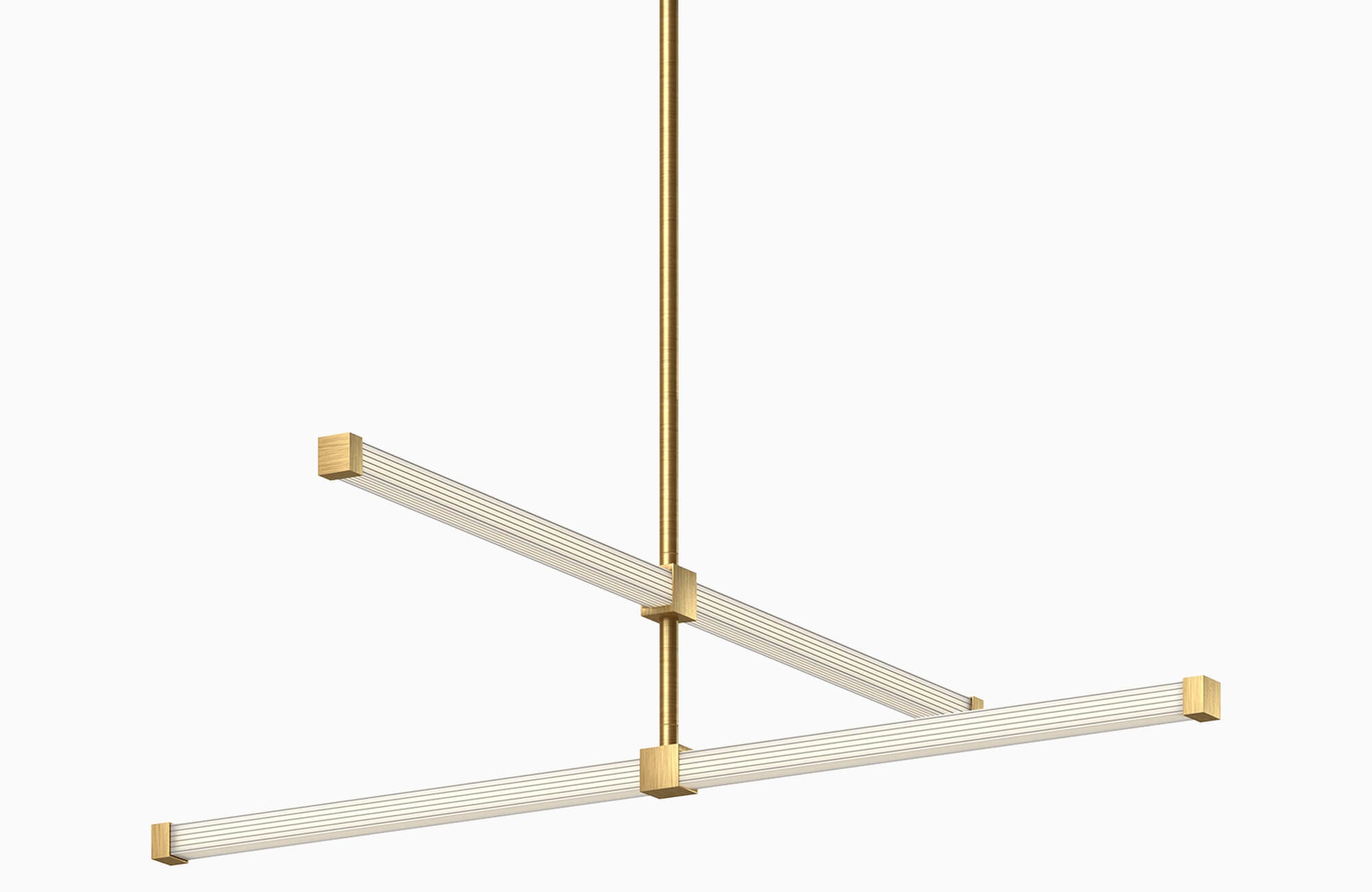
Modern LED chandeliers deliver luminous intensity with remarkable efficiency, operating at 90–110 lumens per watt while lasting up to 50,000 hours. Their minimal heat emission preserves material integrity and reduces maintenance cycles. Compact drivers also allow for slimmer, more expressive designs without bulky housings. This fusion of efficiency and aesthetics enables chandeliers to illuminate sustainably without sacrificing artistry.
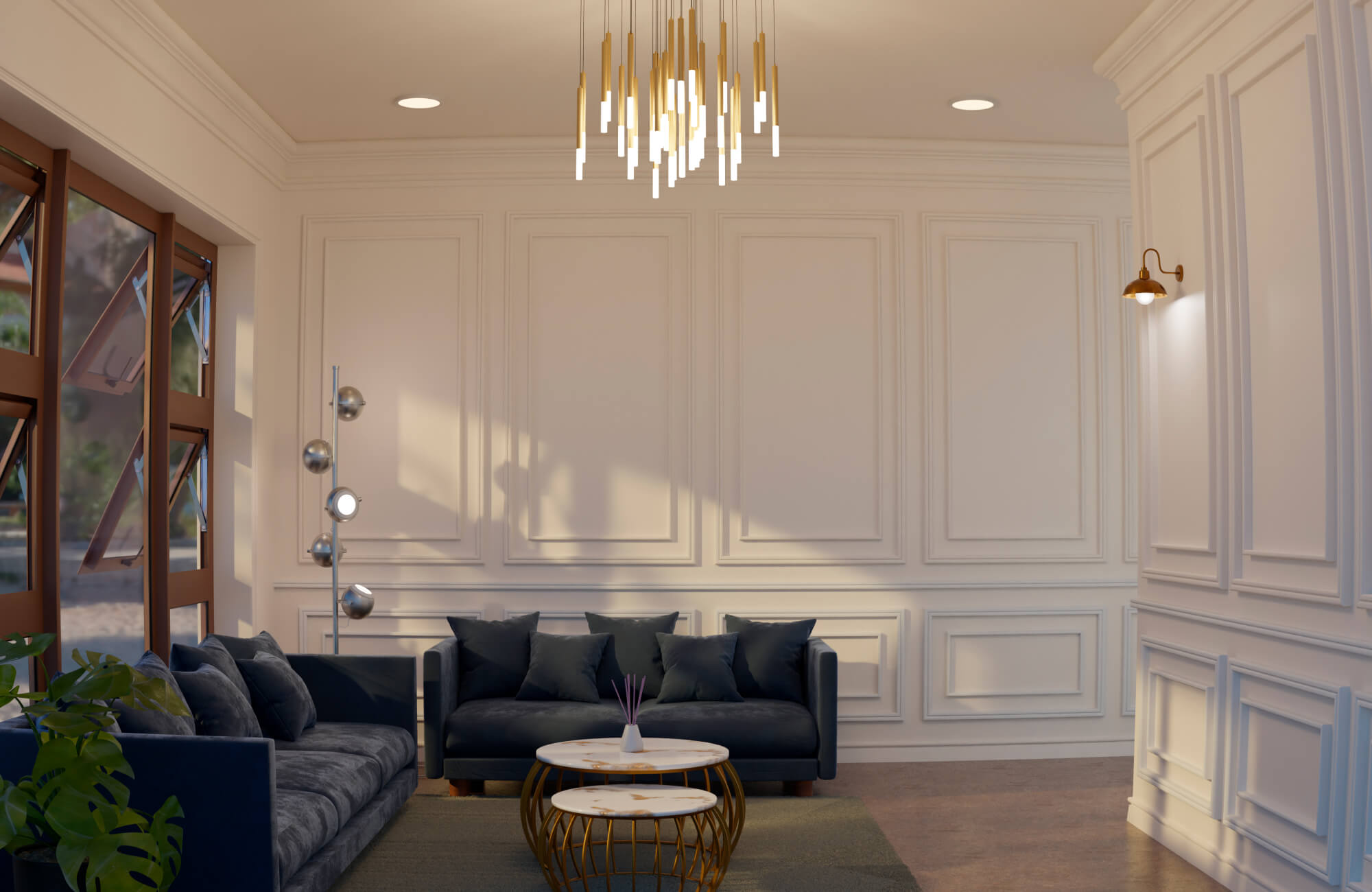
As shown in the picture above, the Silas 32" LED Chandelier in Brushed Gold exemplifies this modern evolution of form and function. Its integrated LED system provides consistent, energy-efficient illumination while maintaining a refined sculptural presence. The brushed gold finish also enhances warmth and sophistication, turning high-performance lighting into a visual statement of contemporary luxury. With its sleek linear composition and seamless light diffusion, this Silas chandelier demonstrates how efficiency can coexist with elegance—proving that sustainability in lighting design can embody beauty, precision, and modern refinement as well.
Eco-Responsible Materials and Finishes
Sustainability extends beyond energy consumption into the craftsmanship of materials themselves. Fixtures built from recycled glass, reclaimed metals, and FSC-certified wood reflect ethical design values without compromising quality. Low-VOC coatings and powder finishes also enhance durability while minimizing environmental toxins. This thoughtful selection of resources adds narrative depth—each material telling a story of renewal. Through sustainable composition, the chandelier becomes not just a fixture, but a reflection of conscientious design evolution.
Smart Systems and Adaptive Lighting
Intelligent lighting platforms transform chandeliers into responsive design instruments. For example, sensors adjust brightness in relation to daylight, reducing energy waste while maintaining visual comfort. Color-tunable LEDs also adapt throughout the day, mirroring natural light cycles for improved well-being. In addition, integration with home automation systems allows dynamic control through mobile or voice commands. These adaptive features blend performance with personalization, aligning technological innovation with human comfort. When lighting evolves with its occupants, the chandelier becomes both intuitive and enduring.
The Art of Harmonizing Light and Design
A chandelier does more than brighten a room—it defines the essence of style, proportion, and atmosphere within a space. When its form aligns with architecture and its illumination complements material tone, design coherence naturally follows. A thoughtfully selected chandelier enhances both visual rhythm and emotional resonance, bridging the technical and the aesthetic with precision. The interplay of proportion, finish, and lighting control also transforms interiors into curated environments of comfort and character. In the end, the chandelier stands not merely as an accent but as the heart of spatial storytelling, where light, material, and architecture converge in timeless harmony.
For homeowners and designers seeking guidance in achieving this perfect balance, Edward Martin’s design services offer expert consultation to help you curate lighting that enhances your unique architectural and stylistic vision. From personalized recommendations to cohesive spatial planning, our team ensures every detail feels intentional and artfully integrated. Contact us to bring your vision to life with lighting that reflects both craftsmanship and character!
Follow us on Instagram
@EDWARD.MARTIN
)
)
)
)
)
)
)
)
)
)
)
)
)
)
)
)