
)
)
)
)
)
)
)
)
How Do You Clean A Polypropylene Rug?
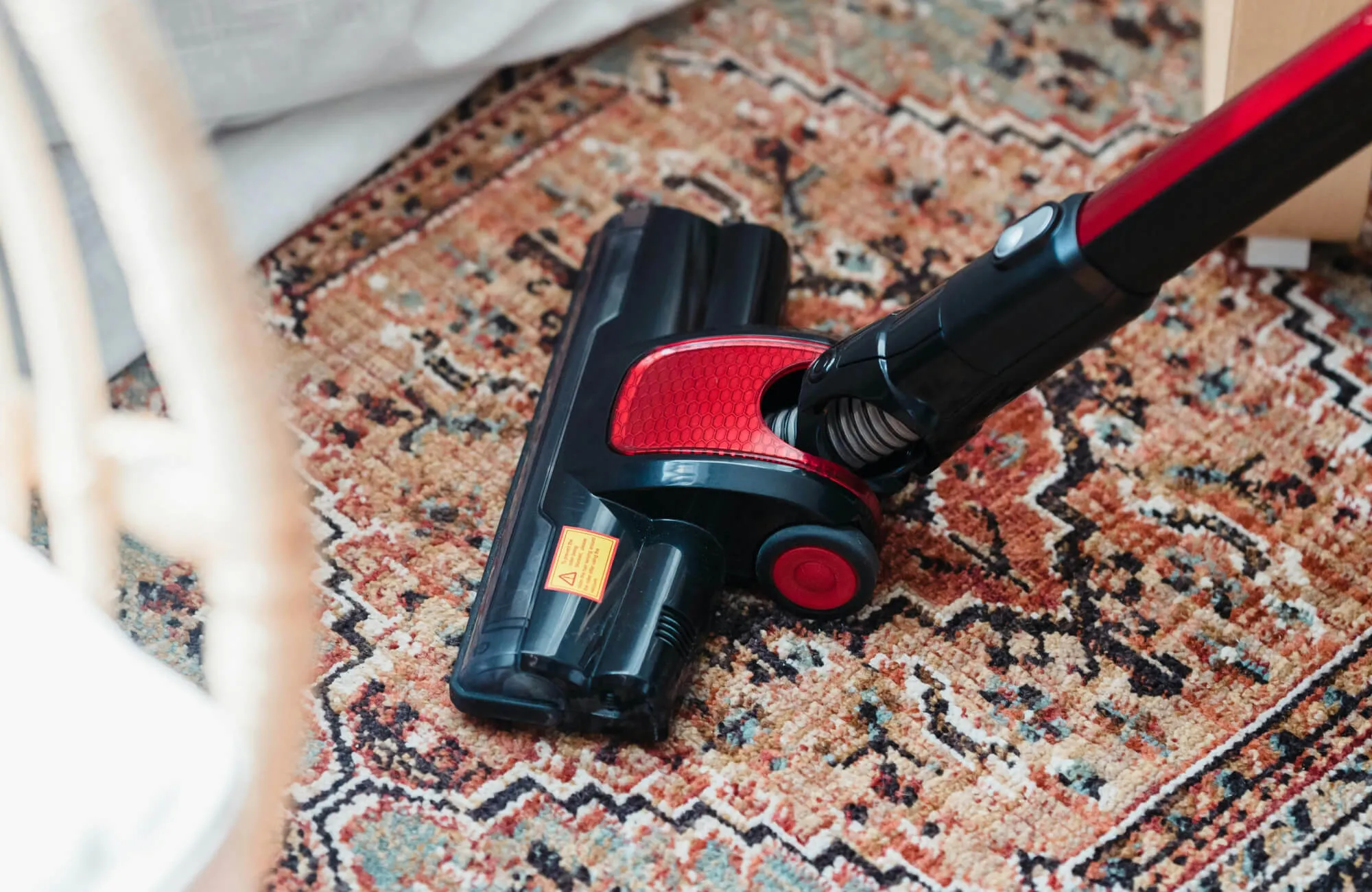
Polypropylene rugs, prized for their durability and stain resistance, are a popular choice for homes with pets, children, and high-use areas. While they withstand spills and dirt remarkably well, they still require regular cleaning to maintain their appearance and longevity. Whether addressing everyday maintenance, deep cleaning, or tackling stubborn stains, using the right methods ensures that your rug remains in excellent condition. This guide explores the best cleaning methods for polypropylene rugs, including routine care, stain removal, and proper drying to prevent damage.
Understanding Polypropylene Rugs For Effective Cleaning
Before going into the specific techniques for cleaning polypropylene rugs, it's essential to understand the unique properties of this synthetic material. These characteristics determine how they interact with stains, moisture, and cleaning solutions, allowing for better cleaning strategies.
Why Polypropylene's Nature Impacts Cleaning
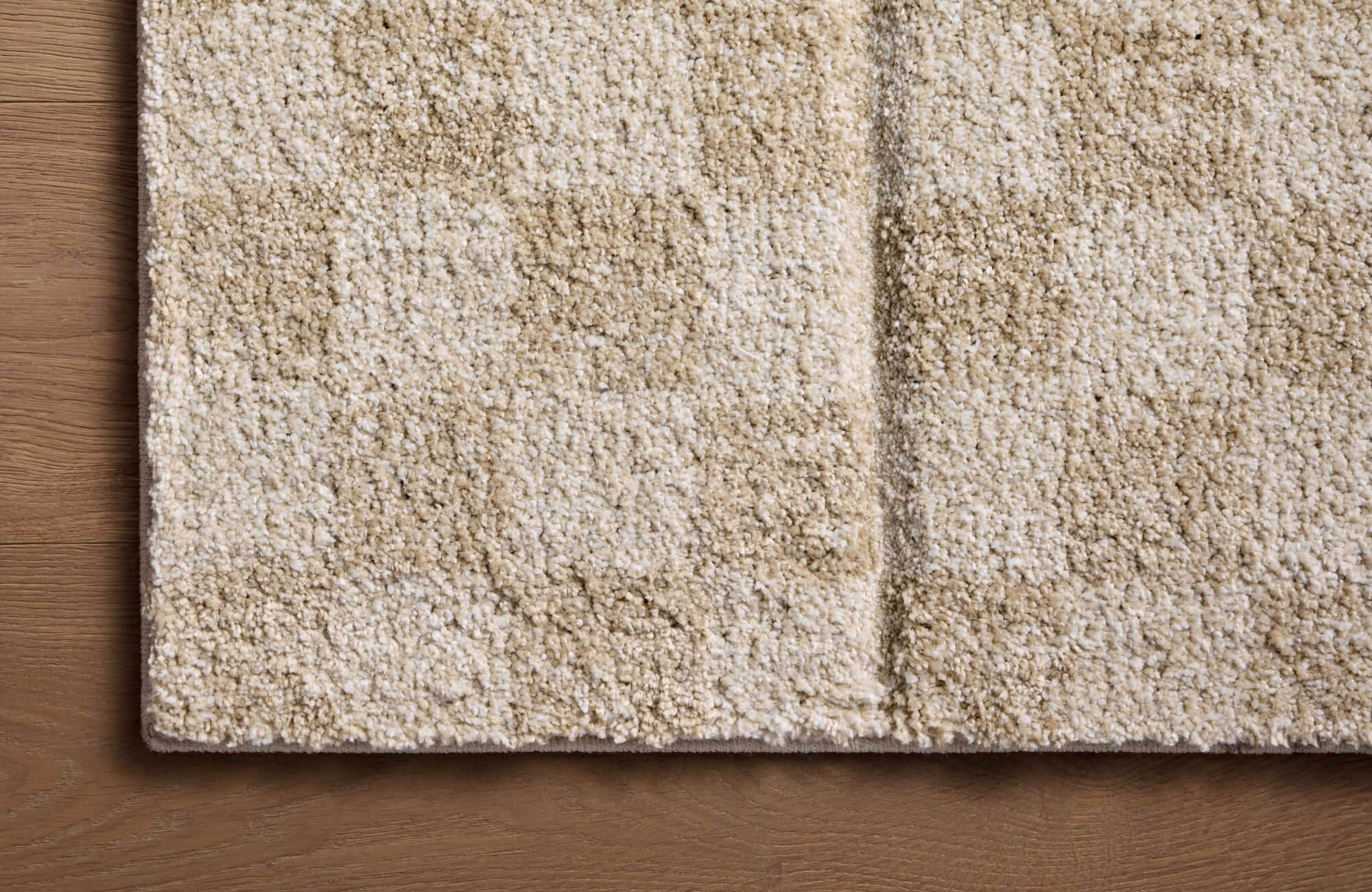
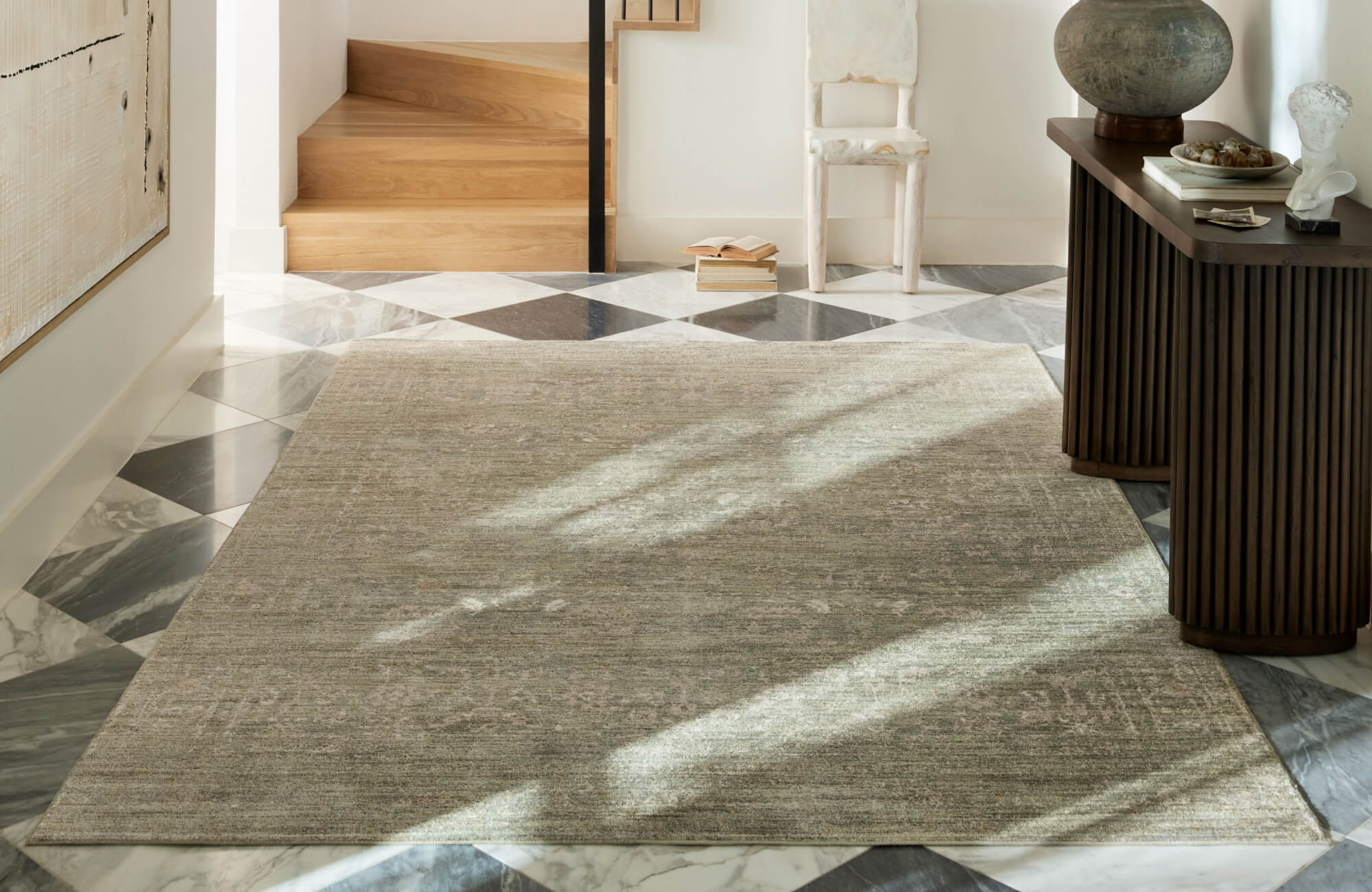
Polypropylene is a synthetic fiber known for its durability, affordability, and moisture resistance. Unlike natural fibers, it does not absorb water, making it highly resistant to mold and mildew. A great example is Edward Martin's Broderick Polypropylene Pile Rug in Lake / Bone, as shown in the photo above, which offers both resilience and easy maintenance, making it ideal for busy households. However, this hydrophobic nature also means oil-based stains cling more stubbornly to the fibers, requiring specialized cleaning methods. Since polypropylene fibers do not absorb liquids deeply, cleaning solutions tend to remain on the surface, making thorough rinsing and blotting essential.
Adapting Cleaning To Rug Weave And Texture
The weave and texture of a polypropylene rug profoundly influence how dirt and debris accumulate and how effectively they can be removed. Flatweave rugs, for instance, present a smooth, dense surface that minimizes particle entrapment, making them relatively easy to clean with simple vacuuming. Conversely, shag rugs, with their long, loose fibers, tend to trap dirt and require more vigorous cleaning methods. A rotary brush attachment on a vacuum is often necessary for these types. Furthermore, textured rugs, with raised or looped designs, can harbor dirt in their crevices. Understanding the specific weave and texture of your rug is crucial for selecting the appropriate cleaning tools and techniques. This ensures thorough cleaning without damaging the rug's structure.
Protecting Rug Colors From Fading During Cleaning
While polypropylene fibers are resistant to fading, the dyes used to color them can be susceptible to degradation, especially when exposed to harsh chemicals or prolonged sunlight. Before applying any cleaner, perform a colorfastness test by dabbing a small amount of the solution on an inconspicuous part of the rug, such as a corner hidden under furniture. Then, blot the area with a white cloth. If any color transfers to the cloth, the dye is not colorfast, so opt for a milder cleaning method. To minimize fading, use cleaning solutions specifically formulated for synthetic fibers and avoid harsh chemicals like bleach. Also, limit exposure to direct sunlight during and after cleaning, as UV radiation can accelerate dye degradation.
Simple Steps To Keep Your Rug Looking Great
Routine maintenance can significantly reduce the need for intensive cleaning. Here are effective daily and weekly actions to help preserve your polypropylene rug's appearance.
Maximizing Vacuuming Benefits For Your Rug
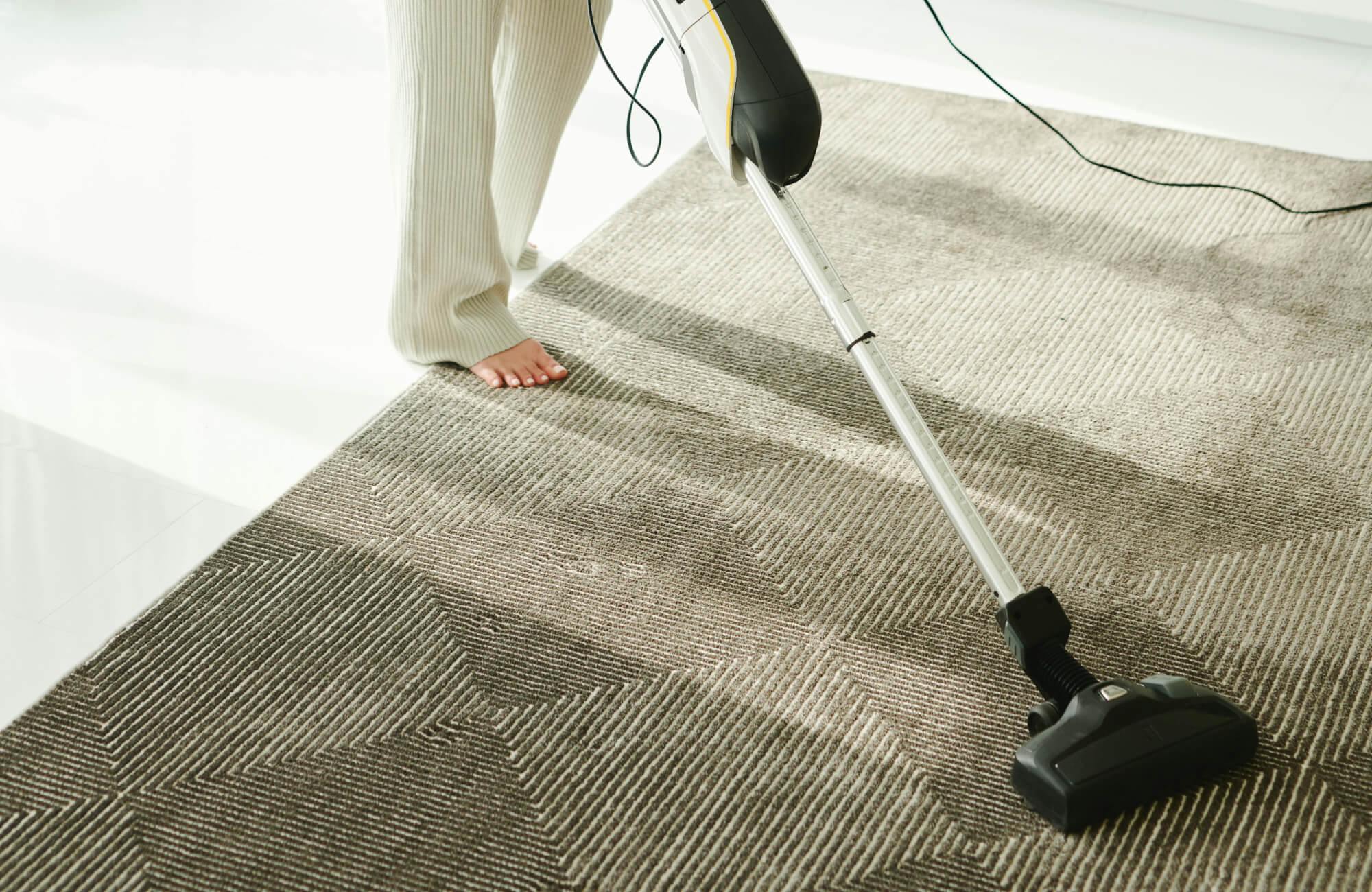
Polypropylene rugs are easy to vacuum because their durable, low-maintenance fibers don’t easily trap dirt. Regular vacuuming is the most effective way to prevent dirt accumulation and maintain your polypropylene rug’s texture. Beyond removing surface debris, it helps prevent dirt particles from settling deep into the fibers, which can lead to premature wear.
Using a vacuum with adjustable height settings also ensures optimal contact with your rug's surface, regardless of its pile height. For shag rugs, a rotary brush attachment helps dislodge embedded dirt, while flatweave rugs benefit from a gentler suction setting to avoid fiber disturbance. Consistent vacuuming—ideally two to three times per week in busy areas—reduces the need for more intensive cleaning over time.
Rug Placement And Its Effect On Cleaning Needs
The placement of your polypropylene rug significantly impacts its exposure to dirt and spills, directly affecting cleaning frequency. Rugs in high-use areas, such as entryways and hallways, naturally accumulate more dirt and require frequent maintenance. Placing polypropylene rugs in these areas necessitates the use of rug pads, which provide a barrier against dirt and prevent slippage, thereby reducing wear and tear. In areas prone to spills, such as dining rooms and kitchens, using polypropylene rugs with a tighter weave can minimize stain penetration. Additionally, strategically placing mats at entry points can trap dirt before it reaches the rug, minimizing the need for frequent cleaning.
Dealing With Spills Quickly For Best Results
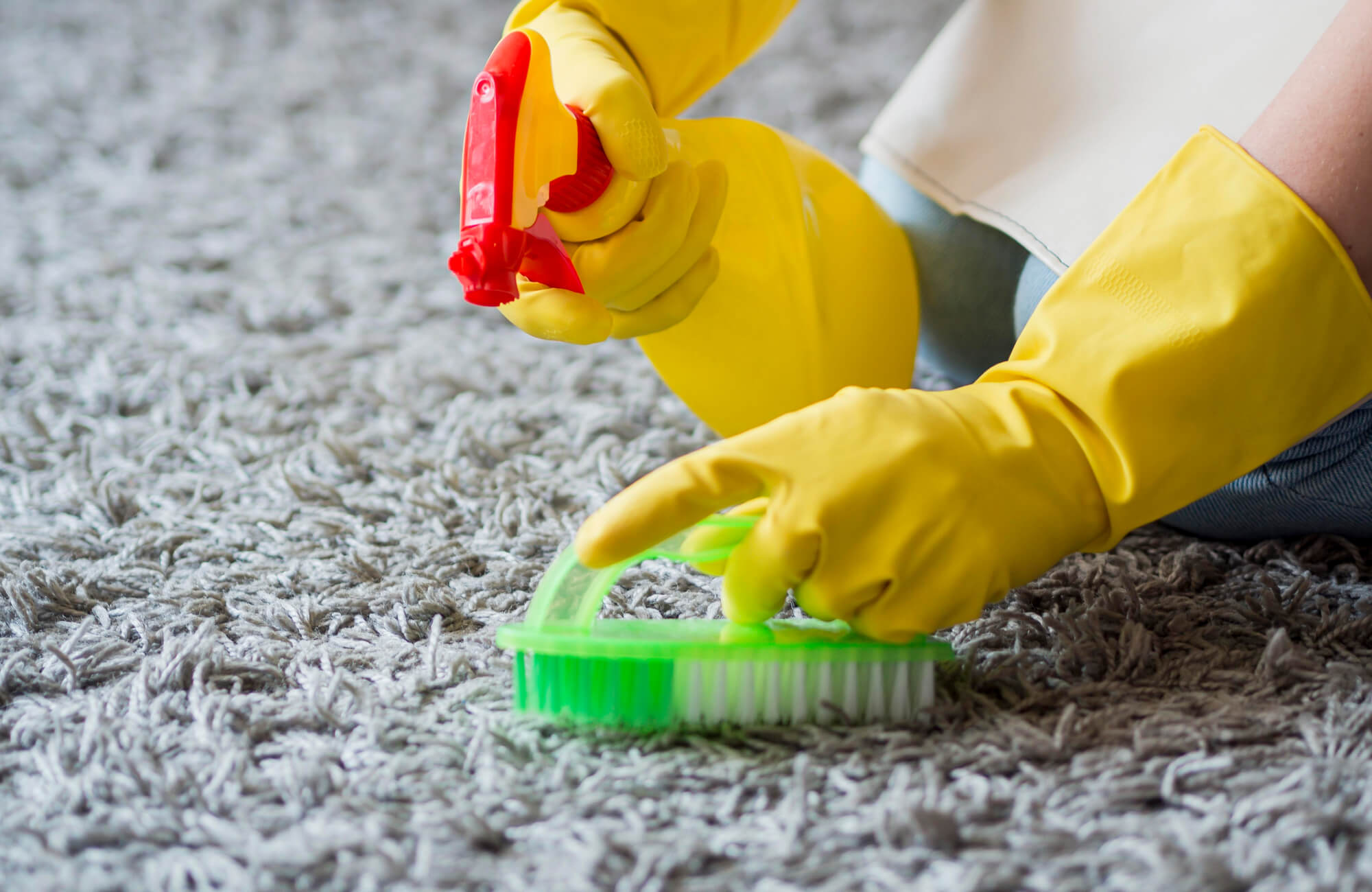
Addressing spills immediately helps prevent stains from setting and keeps your polypropylene rug looking fresh. Promptly blotting the spill with a clean, dry cloth or paper towel prevents the liquid from spreading and penetrating the fibers. Also avoid rubbing, as this can push the spill deeper into the rug. For liquid spills, gently press the cloth onto the affected area, absorbing as much liquid as possible. For semi-solid spills, such as food, carefully scrape away the excess with a dull knife or spatula before blotting. Once the initial liquid is absorbed, a mild detergent solution can be used to treat any remaining stain. Just keep in mind to always test the solution on an inconspicuous area first. Using a spray bottle, apply the solution to the stained area and blot with a clean cloth, and repeat until the stain is removed. Then rinse the area with clean water and blot dry.
How To Remove Tough Stains
Identifying the type of stain you're dealing with is key to choosing the right cleaning approach, whether it's food, pet, or oil stains. Here's a brief guide on tackling common stains:
Identifying Stains To Choose The Right Cleaner
Despite their stain-resistant nature, polypropylene rugs can still be susceptible to various types of blemishes. Identifying the specific type of stain on your rug is crucial for choosing the most effective cleaning method. For common food stains, a mild detergent mixed with cool water is usually sufficient. However, pet stains often require enzymatic cleaners because they are specifically formulated to break down organic matter effectively. For oil stains, which can be particularly stubborn on polypropylene fibers, solvent-based cleaners may be necessary. However, it's important to first conduct a spot test on a small, concealed area of the rug to ensure the cleaner does not cause any damage. This precaution helps in maintaining the integrity and appearance of your rug.
Using Natural Stain Removers Found At Home
Natural solutions offer a safe and effective alternative to commercial products, minimizing the risk of chemical damage to polypropylene rugs. Vinegar, for instance, is a versatile cleaner that can neutralize odors and break down certain stains. A solution of equal parts white vinegar and water can be applied to the stain and blotted with a clean cloth. Baking soda, known for its absorbent properties, can be sprinkled on wet stains to absorb liquids and neutralize odors. A paste made from baking soda and water can also be used to treat stubborn stains. To create a simple, natural stain remover, combine 1/4 cup of white vinegar, 1/4 cup of water, and a tablespoon of mild dish soap. Apply the solution to the stain, allow it to sit for a few minutes, and then blot with a clean cloth. Natural cleaners are beneficial due to their non-toxic nature, making them safe for households with children and pets.
Picking The Best Commercial Rug Stain Remover
When selecting a commercial stain remover, it is crucial to consider the product's compatibility with polypropylene fibers, so it is best to choose cleaners specifically formulated for synthetic rugs to minimize the risk of damage. Always read the product label and follow the manufacturer's instructions carefully. Before applying any commercial cleaner to the entire rug, perform a spot test in an inconspicuous area to ensure colorfastness and prevent discoloration. Look also for products that are labeled as rug-safe and that do not contain harsh chemicals like bleach or strong solvents. When using these commercial stain removers, apply a small amount to the stained area and blot with a clean cloth. Avoid rubbing, as this can spread the stain and damage the fibers. Consider cleaners that are low VOC as well, for better indoor air quality.
Deep Cleaning Your Rug For A Thorough Refresh
While routine maintenance and spot cleaning address surface-level issues, deep cleaning is essential for a thorough refresh of polypropylene rugs. This process removes embedded dirt, allergens, and odors, revitalizing the rug's appearance and extending its lifespan.
Handwashing for Delicate Weaves
Handwashing is a gentle and effective way to clean a polypropylene rug, especially those with delicate weaves or intricate designs. Polypropylene rugs are naturally washable due to their durable, moisture-resistant fibers, though gentle handling helps maintain their structure.
To wash a polypropylene rug, start by preparing a large, flat area covered with a plastic sheet, and fill a tub with cool water and a mild detergent designed for synthetic fibers. Submerge the rug and gently agitate it, using a soft brush to clean more soiled areas. Rinse thoroughly to remove any residue, then press out excess water without wringing. Finally, lay the rug flat to air dry in a well-ventilated area, allowing it to dry evenly and helping prevent mold.
Steam Cleaning For Deep Dirt Removal
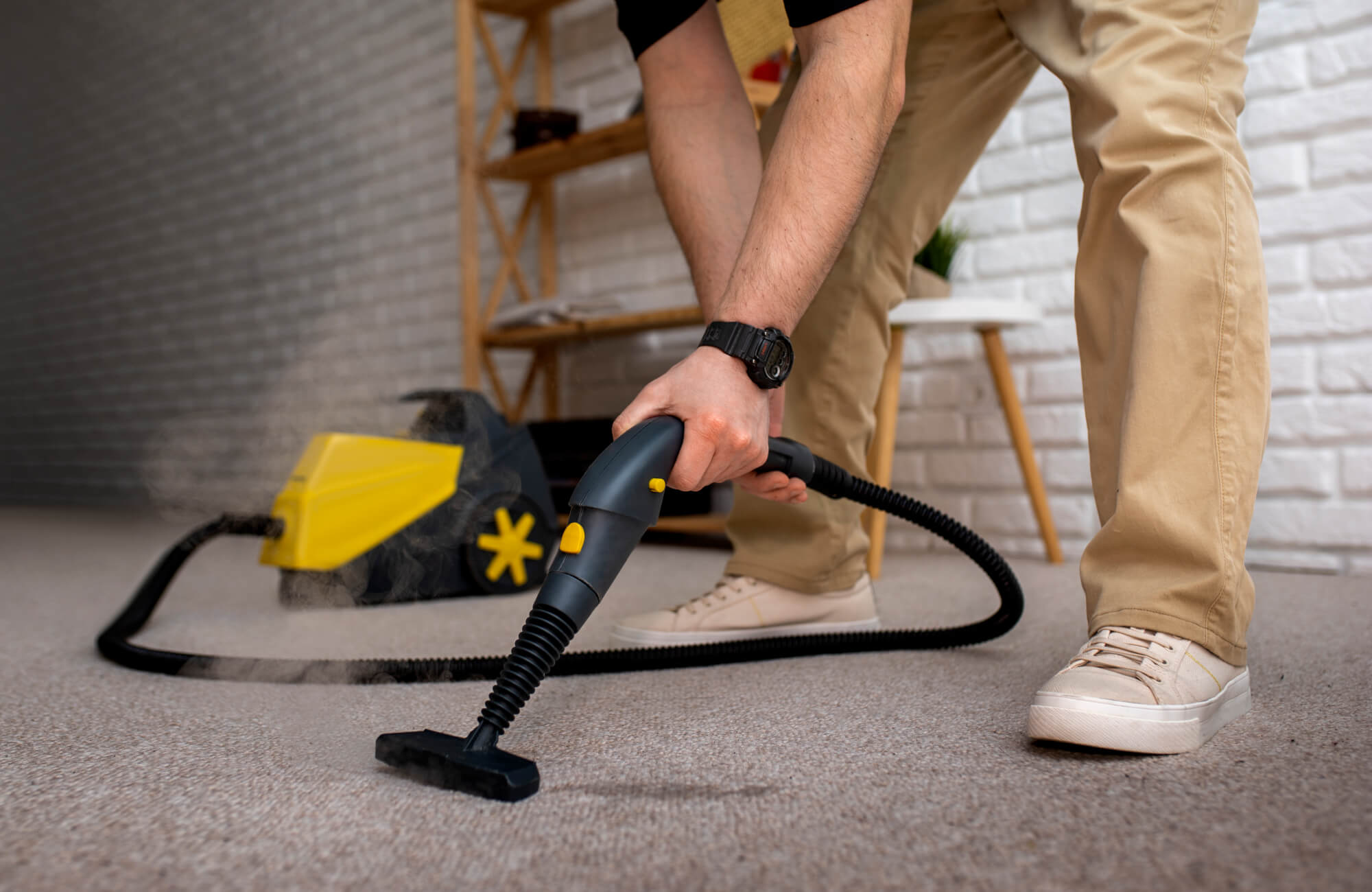
Polypropylene is moisture-resistant and can be steam cleaned on-site with proper care, making it a practical option for removing deeply embedded dirt, especially in busy or pet-heavy areas. Start by vacuuming to remove loose debris. Use a steam cleaner designed for rugs, and follow the manufacturer’s instructions closely. Work slowly without oversaturating the fibers, and ensure proper ventilation during and after cleaning to help the rug dry completely and prevent moisture buildup.
Outdoor Cleaning for Large or Heavily Soiled Rugs
Outdoor cleaning suits large or heavily soiled rugs. Place the rug on a flat surface like a driveway, wet it thoroughly, apply a mild detergent, and scrub with a brush or sponge. After scrubbing, rinse the rug until all detergent is removed, use a squeegee to expel excess water, and lay it flat in a well-ventilated, sunny area for drying. Just make sure that you minimize exposure to direct sunlight to avoid fading.
Proper Drying Techniques To Prevent Rug Damage
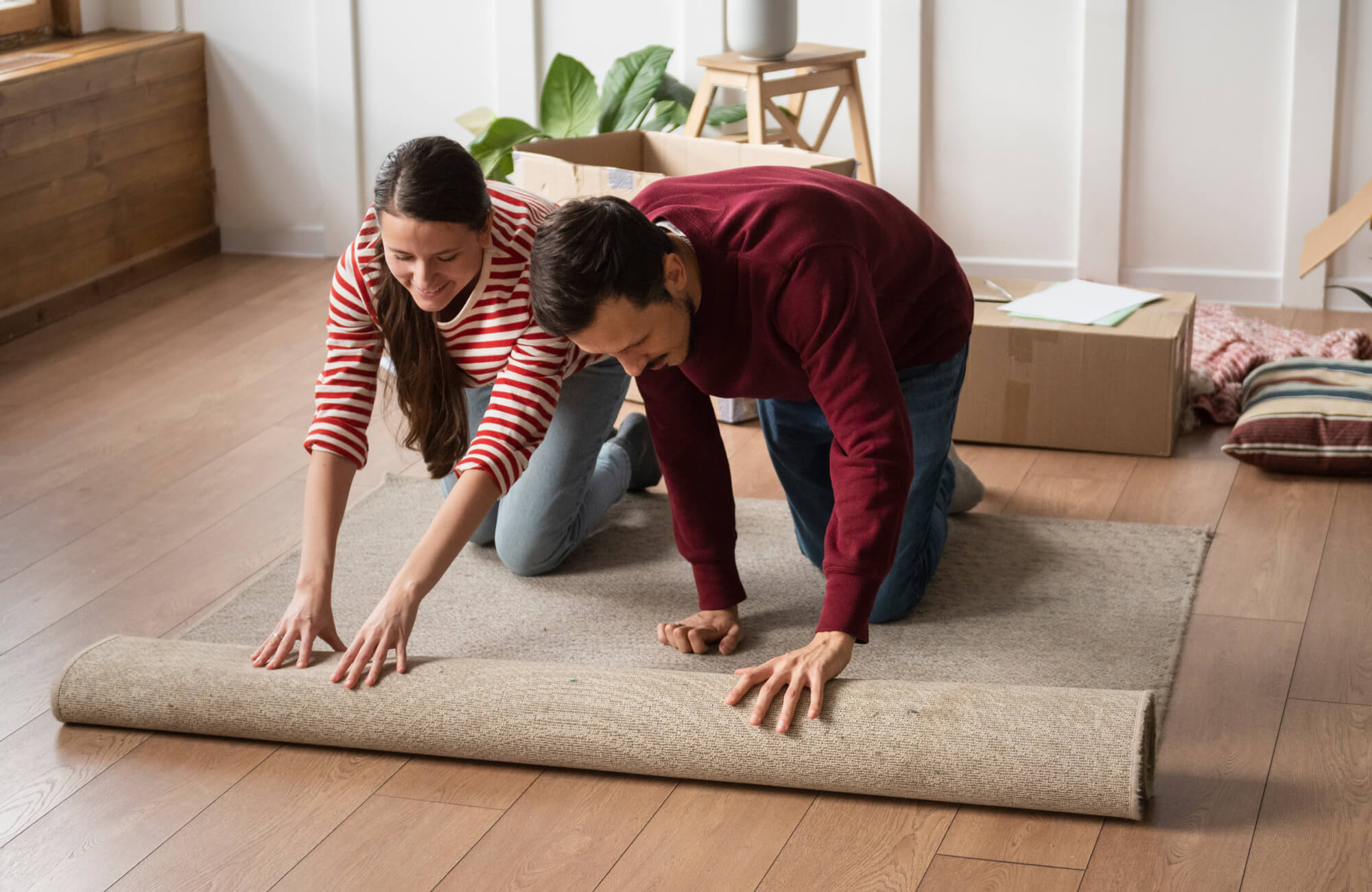
After cleaning a polypropylene rug, proper drying is crucial to prevent damage such as mold growth, fiber distortion, and color fading. Employing the right drying techniques ensures the rug returns to its original state, maintaining its aesthetic appeal and structural integrity.
Air Drying Your Rug For Quick And Safe Results
Air drying is the safest method, minimizing the risk of heat damage by positioning your polypropylene rug in a well-ventilated area away from direct sunlight. You can also use fans and dehumidifiers to remove moisture more efficiently. Ensure the rug is elevated to allow air circulation beneath it and rotate it regularly to dry uniformly.
Using Towels To Remove Excess Water From Your Rug
Before air drying, it's effective to remove as much water as possible using towels. For instance, you should blot your polypropylene rug with absorbent towels like microfiber or terry cloth, applying pressure to soak up moisture. Then replace wet towels with dry ones to enhance efficiency and ensure the floor beneath is protected with plastic sheeting.
The Risks And Benefits Of Sun Drying
While sun drying can quickly evaporate moisture, it poses risks of color fading, especially in rugs with vibrant dyes. If using this method, choose times when sunlight is less intense, and rotate the rug to ensure even drying. Avoid prolonged exposure and consider drying under a canopy or on a shaded patio to balance drying efficiency with color preservation.
Knowing When Professional Rug Cleaners Are Needed
While many polypropylene rug cleaning tasks can be handled effectively at home, certain situations necessitate the expertise of professional rug cleaners. Their specialized knowledge and equipment ensure thorough cleaning and prevent potential damage, preserving the rug's longevity and aesthetic appeal.
When To Seek Professional Help For Stubborn Stains
Professional rug cleaning is highly recommended when dealing with severe stains, particularly those caused by substances like red wine, ink, or pet urine that have deeply penetrated the rug's fibers. Water damage from floods or leaks also necessitates professional intervention.
Professional cleaners have the tools and solutions to extract excess water and prevent mold and mildew growth. And it is important to choose a reputable service by researching online reviews, checking certifications from industry associations, and verifying insurance coverage. Don’t forget to discuss the rug's specifics and the cleaning methods employed, and obtain a detailed estimate that includes a service guarantee. Professional intervention is often vital to prevent the rug from being irreparably damaged.
Specialized Cleaning For Unique Rug Designs
Rugs with intricate designs, delicate weaves, or specialized textures greatly benefit from professional cleaning, since professionals are equipped to manage these unique features without damaging the rug. Intricate patterns and complex color variations also require precise cleaning techniques to avoid color bleeding and fiber distortion. Specialized tools and methods like low-moisture cleaning or dry cleaning are usually used to protect delicate materials and minimize risks like shrinkage and color fading. This level of professional care ensures that high-value rugs maintain their optimal condition.
Getting Expert Advice For Ongoing Rug Maintenance
Professional cleaners also provide invaluable advice for maintaining polypropylene rugs over time. They assess the rug's condition, identify potential issues, and recommend cleaning schedules and techniques tailored to the rug’s needs. Regular professional cleanings help prevent the buildup of dirt and allergens, thus preserving the rug's hygiene and appearance. Additionally, professionals can offer strategies for odor removal and advise on the best vacuuming techniques and protective measures to minimize wear and tear. Seeking such expert advice ensures that the rug remains in excellent condition, enhancing its functionality and aesthetic appeal for years.
The Key to a Lasting Polypropylene Rug
By understanding the unique properties of polypropylene rugs and using the right cleaning techniques, you can maintain their appearance and extend their lifespan. From managing daily spills to performing occasional deep cleans, a proactive approach keeps your rug looking fresh and inviting while supporting the overall comfort and aesthetic of your home.
If you need guidance in selecting or caring for the right rug for your space, our design service can help you make an informed decision with solutions tailored to your needs. Feel free to contact us for personalized advice and support.
Follow us on Instagram
@EDWARD.MARTIN
)
)
)
)
)
)
)
)
)
)
)
)
)
)
)
)