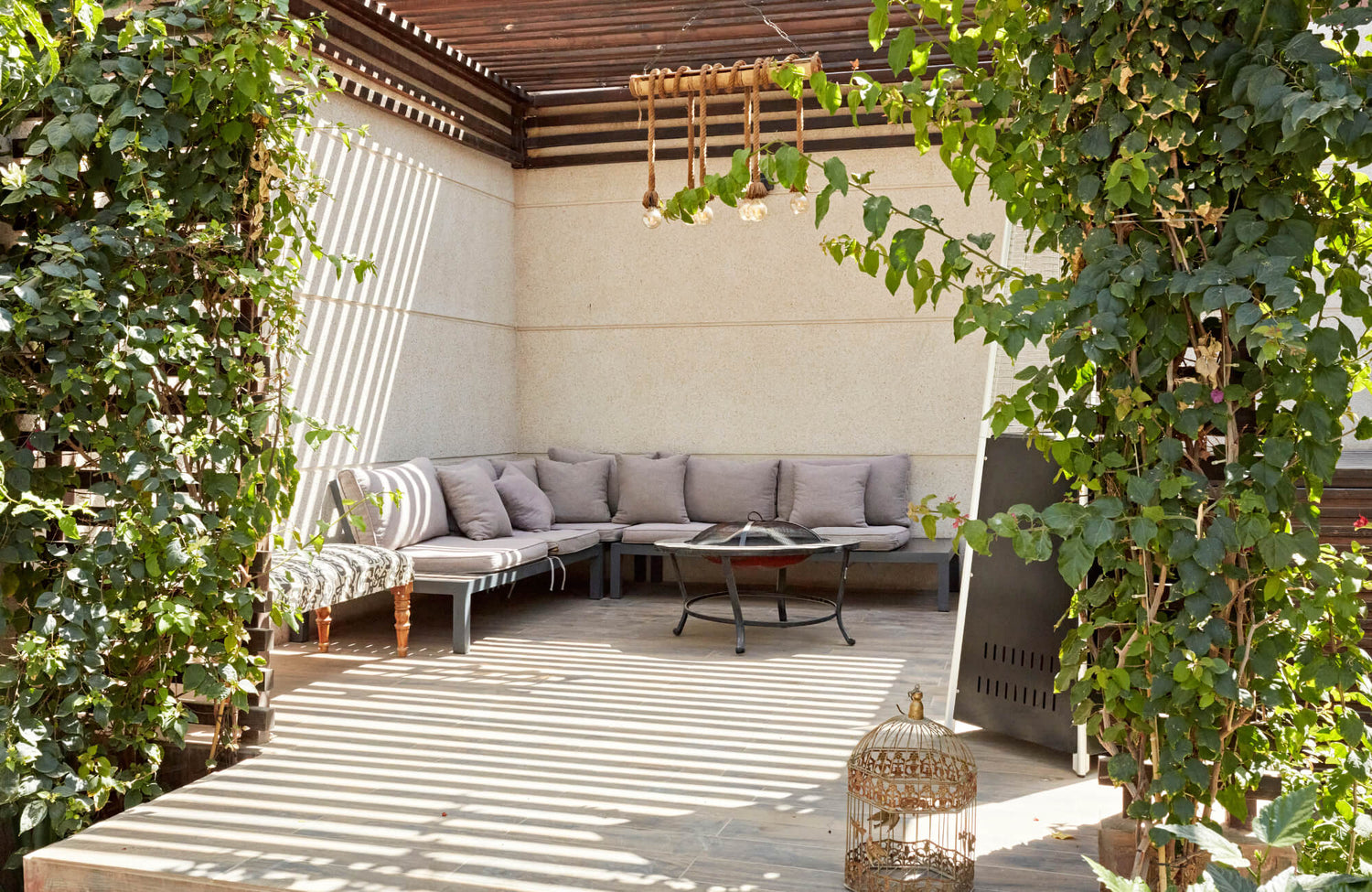
Choosing a patio tile color that can endure years of sunlight without losing its vibrancy is one of the most important design decisions you’ll make as a homeowner. Outdoor surfaces live under harsher conditions than anything inside your home, and the sun is relentless, especially in warm or high-altitude regions.
A beautifully designed patio can quickly lose its charm if its colors fade unevenly or prematurely. Fortunately, when you understand what actually causes fading and how materials respond to UV exposure, you can make choices that protect both your investment and your aesthetic vision.
With the right insights, you can create an outdoor space that stays stylish, cohesive, and timeless no matter how intense the sunlight becomes.

Understanding the Science of Fading
Before you can choose a patio tile color that truly lasts, it helps to understand what causes fading in the first place. By looking at how sunlight interacts with pigments and materials, you’ll gain the foundation you need to make smart, long-term design choices.
The Real Culprit Is Ultraviolet (UV) Radiation
UV radiation is the true enemy of long-lasting color. When UV light penetrates tile surfaces, it doesn’t simply touch the top layer; it disrupts the chemical bonds that hold color pigments together.
Over time, this breakdown changes how the material reflects light, making colors appear washed out or uneven. The more intense the sunlight, the faster this process accelerates. This is why patios in sun-soaked climates often show fading even when the tiles themselves remain structurally intact.
UV radiation doesn’t discriminate based on style, price point, or brand. Only materials engineered at their core to resist this disruption will maintain their original tones over years of exposure.
The Problem with Dyes and Surface-Level Color
Many tiles rely on dyes or surface-applied pigments, and while they may look vibrant on installation day, their long-term performance is often limited. Surface-level color sits right where UV radiation hits hardest.
Once the top film deteriorates, the underlying material may reveal a noticeably different tone or texture. This creates a patchy appearance that cannot be restored with sealing or cleaning. Homeowners are often surprised when their rich terracotta or charcoal-toned patio becomes dull or chalky, not realizing that the color was only skin-deep.
When the pigment sits only on the surface, fading is not just likely but inevitable.
How Some Natural Stones Can Be Deceiving
Natural stone seems like a safe, durable choice, but its relationship with color stability is more complicated. Certain stones contain minerals that react unpredictably under UV exposure. For example, stones with iron-rich veining may oxidize, causing the color to shift or darken.
Others may gradually bleach out in full sun, even when they started with deep, attractive tones. The natural variation that makes stone so appealing can also introduce uncertainty. Even within the same batch, some pieces may fade while others remain unchanged.
This inconsistency can disrupt a carefully designed outdoor palette, leaving the patio looking older and more weathered than expected.

The Champion Material: Porcelain Tile
Now that you know why fading happens, the next step is choosing a material that naturally resists it, and porcelain consistently leads the pack. Its unique composition and firing process make it one of the most reliable options for patios that need to withstand years of sun exposure.
Why Porcelain Is Structurally Colorfast
The extraordinary durability of porcelain comes from the way it is made. Porcelain is fired at extremely high temperatures that fuse the color into the body of the tile itself. Rather than sitting on the surface, pigments become part of the tile’s internal structure.
UV radiation cannot break down what it cannot access, and because porcelain has such low porosity, light cannot penetrate deeply enough to alter the pigments within. This structural colorfastness is why porcelain maintains its appearance year after year, even in climates with intense, direct sunlight.
This is clearly reflected in the image above, where Edward Martin’s Dawson 24x48 Grip Porcelain 2cm Paver Tile in Dune showcases the kind of inherent color stability that keeps outdoor spaces looking refined long-term.
Glazed Porcelain vs. Through-Body Porcelain
Both glazed porcelain and through-body porcelain offer excellent performance, but they do so in different ways. Glazed porcelain incorporates a high-performance surface coating that protects the design and color while also adding slip resistance, texture, or sheen.
This glaze is engineered to withstand UV exposure, meaning the pattern stays crisp and vivid. Through-body porcelain, on the other hand, contains the same color and pattern throughout its entire thickness.
This means that even if the surface wears slightly over many years, the underlying material looks identical, preserving the tile’s appearance naturally. Homeowners seeking maximum longevity often appreciate the reassurance that through-body porcelain provides.
The Added Benefit of Non-Porous Durability
Beyond color preservation, porcelain’s non-porous structure offers additional advantages that contribute to long-lasting beauty. Because water cannot penetrate the tile, issues like staining, mildew, and freeze-thaw damage are significantly reduced.
These environmental stresses often accelerate fading in more porous materials, but porcelain remains stable and resistant. The result is a patio surface that looks polished and well-maintained with minimal effort, retaining its original tone and texture across seasons.

The Safest Color Choices to Maximize Longevity
With the material selected, the focus shifts to color, because even the best tile can look tired if the shade isn’t chosen thoughtfully. Building on porcelain’s natural durability, certain tones and patterns help your patio maintain a fresh, balanced look over time.
The King of Practicality: Variegated Mid-Tones
Variegated mid-tones offer an exceptional blend of beauty and practicality. These colors mimic the natural variation found in stone, giving your patio a sense of depth and movement that sunlight cannot easily flatten or distort.
Their tonal diversity creates a forgiving canvas that conceals minor shifts or imperfections over time. Whether the palette leans toward warm beiges, earthy taupes, or cool greige combinations, these mid-tones maintain their visual appeal because they distribute light in a balanced way.
In the image above, the nuanced movement of Edward Martin’s Carter 24x48 Grip Porcelain 2cm Paver Tile in Stone demonstrates how these mid-tones harmonize with outdoor furnishings while offering long-lasting visual resilience.
The Problem with Pure, Solid White
Solid white tiles may look striking in a catalog, but in full sunlight they quickly reveal their limitations. Even when made from porcelain, pure white surfaces reflect light so aggressively that they can highlight even the slightest discoloration or residue.
Exposure to dust, soil, or the occasional leaf stain can cause the surface to appear uneven or dingy, detracting from the clean aesthetic originally intended. While these tiles may not technically fade, their pristine appearance is difficult to maintain in an outdoor environment, making them a challenging choice for a busy patio.
The Dark Color Dilemma
Dark tiles, especially deep charcoals and blacks, come with their own challenges. Although porcelain prevents true fading, dark tones absorb a significant amount of heat from the sun, which can create a warmer walking surface.
Over time, this heat absorption may lead to subtle surface variation, giving the tile a slightly weathered appearance. Dark patios can still look gorgeous and modern, but they require thoughtful placement and consideration of surrounding shade, climate, and usage habits to deliver the best long-term results.

Other Key Factors in Your Patio Tile Choice
Once you’ve narrowed down durable colors and materials, the final piece is making sure your tile performs well in everyday outdoor conditions. Factors such as slip resistance, heat absorption, and design cohesion all play essential roles in creating a patio that’s both beautiful and practical.
The Critical Role of Slip Resistance
Safety should always be part of the conversation when choosing outdoor tiles. Surfaces exposed to rain, pool water, or morning dew can become unexpectedly slick. Porcelain tiles designed for outdoor use often incorporate textured finishes that enhance traction without sacrificing visual quality.
Prioritizing slip resistance ensures your patio feels as functional as it is beautiful, especially in areas where guests and family members frequently walk barefoot or when entertaining in damp conditions.
The surface shown in the image above, featuring Edward Martin’s Bowden 24x24 Grip Porcelain 2cm Paver Tile in Canvas, highlights how a subtle textured finish can provide dependable grip while maintaining a clean, contemporary aesthetic.
The Heat Absorption Factor
The amount of heat a tile absorbs affects not only comfort but also the overall ambiance of your outdoor space. Light and mid-toned tiles remain cooler under direct sun, making them more pleasant for barefoot use.
Choosing a color that stays comfortable throughout the day helps create an inviting environment that encourages relaxation and outdoor enjoyment. Heat absorption does not directly cause fading, but it influences how the surface feels and performs, shaping your long-term satisfaction with the space.
Creating a Cohesive Indoor-Outdoor Flow
Your patio is an extension of your home, and the most stunning designs treat it as a continuation of the interior aesthetic. Selecting a color that harmonizes with your indoor flooring creates visual continuity that makes the entire living area feel larger and more curated.
With tools like Edward Martin’s Augmented Reality (AR) Visualization Tool, you can preview how different tile tones will look in your exact space before committing, ensuring the transition feels intentional and seamless.
Porcelain tiles come in a vast range of tones and finishes, enabling you to echo the themes of your living room, kitchen, or sunroom while giving the outdoor space its own personality. And once you find a style you love, you can request an Edward Martin tile sample to confirm the color and texture in person, making the design process both cohesive and confidently guided from start to finish.
Your Guide to a Fade-Proof, Timeless Patio
Creating a patio that retains its beauty year after year begins with choosing materials and colors that can stand up to the sun’s power. Understanding how UV radiation affects different surfaces allows you to make confident decisions, while selecting porcelain tiles gives you the peace of mind that comes from structural colorfastness and long-term durability.
With the right combination of durable materials, smart color selection, and attention to practical performance factors, your patio becomes a space that welcomes guests, enhances your home’s aesthetic, and resists fading even in the brightest climates.
When you balance beauty with science and intention, you create an outdoor environment that feels timeless, inviting, and truly built to last.