Choosing the right chandelier for your room goes beyond simply finding a beautiful design. It’s about selecting a fixture that feels balanced, complements your décor, and provides the right amount of light for the space. The size, height, and placement of your chandelier can influence not only how the room looks but also how inviting it feels. In this blog, we’ll help you choose the ideal chandelier size so it feels like a natural extension of your home’s design.

The Role of a Chandelier
A chandelier naturally draws the eye upward, anchoring the space with a sense of height and purpose. Its presence helps organize how the room feels, creating a visual focal point that ties architecture and décor together. As light travels through its form, it softens edges, highlights textures, and adds depth, giving the entire room a sense of balance and quiet sophistication. Whether large or understated, it shapes how the space is perceived, turning an ordinary ceiling into a defining feature.
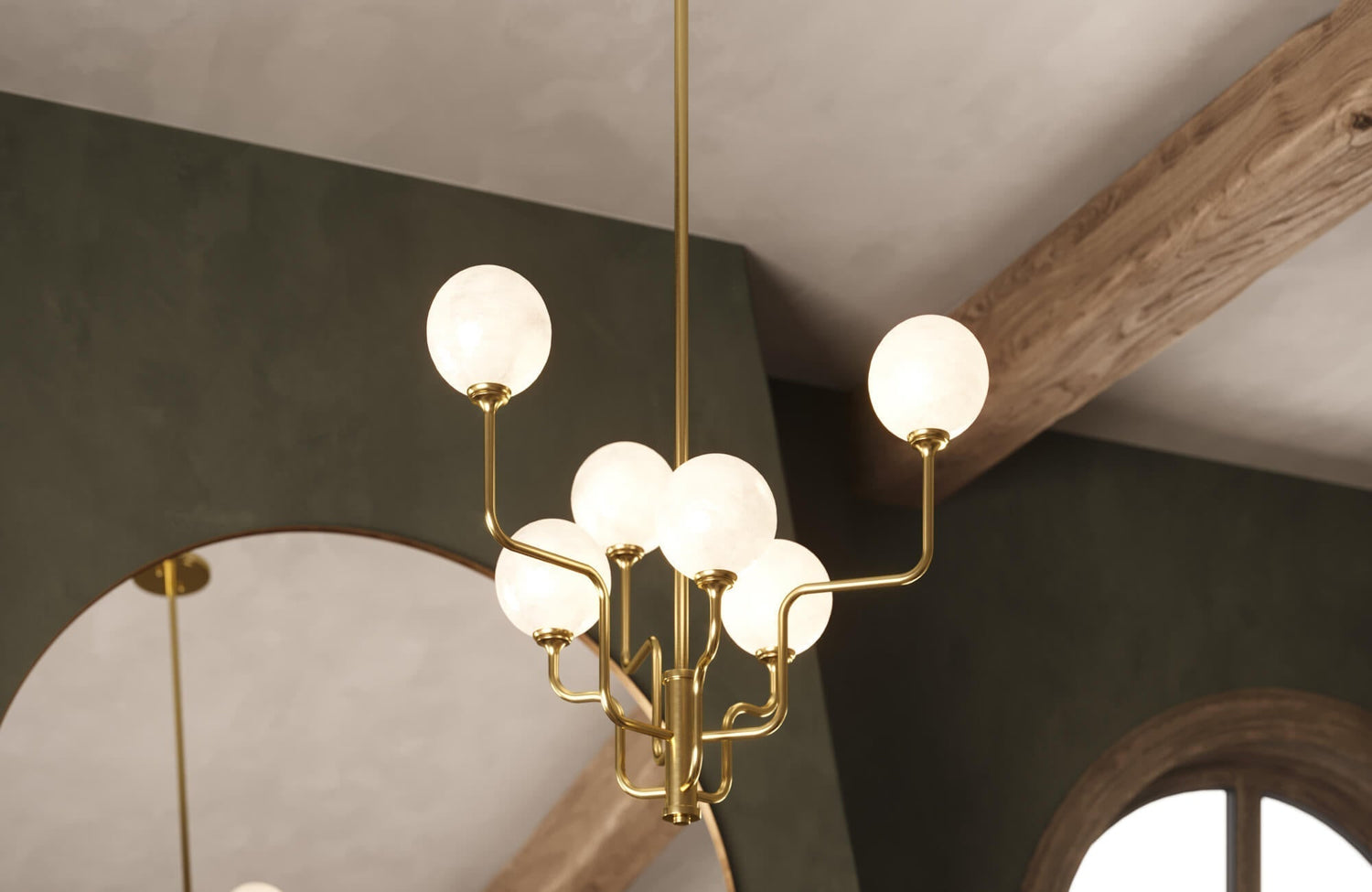
At the same time, a chandelier plays a practical role that supports how the room feels and functions each day. Beyond its beauty, it provides lighting that defines mood, clarifies focal points, and enhances how people experience the space. For instance, a crystal chandelier can bring a sense of elegance and celebration to formal dining areas, while a matte metal fixture introduces calm, modern simplicity in relaxed settings. A thoughtfully chosen piece, such as our McKay Chandelier in Burnished Brass above, unites design and purpose, illuminating the room while grounding its overall character.

How to Measure for the Right Chandelier Size
Finding the right chandelier size is about achieving one that complements the scale of the room and feels visually comfortable. A fixture that’s too large can overwhelm the space, while one that’s too small may get lost in the layout. As a general guideline, these measurements serve as helpful starting points, but consulting a design professional can ensure your chandelier fits both the proportions and lighting needs of your specific space.
Using Room Dimensions to Find Ideal Diameter
A reliable way to size your chandelier is by using your room’s dimensions as a guide. Add the length and width of the room (in feet), and the total gives you the ideal chandelier diameter in inches. For example, if your room measures 12 by 14 feet, a chandelier around 26 inches wide would be well-proportioned. This easy calculation helps you choose a fixture that feels balanced within the room without needing complex measurements or design software.
Once you have the approximate diameter, you can fine-tune based on furniture placement and personal preference. Larger rooms with open layouts might benefit from slightly bigger fixtures, while compact rooms can maintain balance with a smaller one. It’s always better to visualize the scale before purchase, as the chandelier’s presence changes once installed and illuminated. The goal is to find a size that looks intentional and enhances the space without dominating it.
Adjusting for Ceiling Height and Room Scale
Ceiling height plays a major role in how a chandelier looks and functions. For rooms with standard 8-foot ceilings, aim for about 7 feet of clearance from the floor to the bottom of the fixture. In spaces with higher ceilings, add roughly 3 inches of chandelier height for each additional foot of ceiling space to maintain proper proportions. This ensures that the chandelier feels balanced and provides comfortable visibility for everyone in the room.
In rooms with dramatic ceilings or open floor plans, the chandelier can hang a bit lower to emphasize the room’s height. However, make sure it doesn’t obstruct views or interfere with movement. Visual balance is key for your chandelier to fill vertical space gracefully without overwhelming it. With careful measurement, it will look cohesive and well-placed, regardless of room size.
Positioning Above Tables and Key Furniture
When placing a chandelier above a dining table, kitchen island, or living room centerpiece, positioning matters just as much as size. A good rule is to keep the bottom of the chandelier about 30 to 36 inches above the surface of the table or island. This height allows for comfortable conversation and clear sightlines while maintaining even illumination across the area. It also ensures that the fixture feels visually connected to the furniture below it.
For living rooms or open spaces without central tables, align the chandelier with the main seating or focal area. This placement helps anchor the design and create a sense of symmetry. In large or multipurpose rooms, layering multiple light sources around the chandelier can help distribute brightness more evenly. The right positioning not only enhances function but also adds refinement and balance to the overall design.

Matching Chandelier Size to Room Type
Different rooms call for different chandelier sizes and placements. The right fixture should complement both the room’s proportions and its purpose, creating balance without overpowering the design. Below, we’ll go over general sizing guidelines and how to choose a chandelier that enhances comfort, style, and visual flow in every space.
Dining Rooms and Kitchens
For dining rooms, the chandelier should typically measure about half to two-thirds the width of the table to maintain proportion. Hang it 30 to 36 inches above the table surface to ensure comfortable sightlines and even illumination. In kitchens, medium-sized chandeliers or pendant-style fixtures ranging from 18 to 24 inches wide work well over islands or breakfast nooks. If you’re lighting a long island, consider using two smaller fixtures instead of one large piece for symmetry. The goal is to create an inviting glow that complements mealtime gatherings while maintaining functional lighting for everyday use.
Living Rooms and Entryways
In larger areas like living rooms and entryways, chandelier sizing depends on both room width and ceiling height. A good rule is to choose a chandelier with a diameter of about 2 to 3 inches per foot of ceiling height. For example, a 10-foot ceiling pairs well with a 20- to 30-inch-wide fixture. Hang the chandelier so the bottom is at least 7 feet from the floor to maintain clear headroom. For grand entryways, multi-tier designs or fixtures between 30 and 36 inches wide create a strong focal point. These proportions add drama while keeping the lighting warm and welcoming.
Bedrooms and Bathrooms
Bedrooms and bathrooms benefit from smaller, softer chandeliers that emphasize comfort and relaxation. For standard-sized bedrooms, fixtures between 20 and 24 inches wide usually fit nicely, positioned about 8 feet above the floor or centered above the bed. In bathrooms, mini chandeliers or pendants between 12 and 18 inches wide look elegant above tubs or vanities, providing both beauty and functionality. Always ensure there’s enough clearance, about 8 feet from the floor or water surface, for safety and proportion. These delicate touches bring luxury to intimate spaces without feeling overwhelming.
Home Offices and Studies
For home offices, choose a chandelier that offers both clarity and style without creating glare. A fixture about 18 to 24 inches wide works well for rooms around 10x12 feet, ideally centered above the main workspace. Keep the hanging height around 7 to 7.5 feet from the floor for balanced illumination. Opt for sleek designs in brushed metal or matte finishes to complement a focused and professional atmosphere. The right size and placement ensure your office feels bright, polished, and comfortable for long hours of work.
Hallways and Staircases
Hallways and staircases often benefit from elongated or cascading chandeliers that guide the eye naturally through the space. For staircases, ensure at least 9 to 10 feet of clearance above steps for safety while maintaining visibility from both floors. Narrow hallways look best with fixtures around 15 to 20 inches wide, placed evenly to distribute light throughout the passage. In taller stairwells, tiered or linear designs add vertical interest without crowding the space. Using these general measurements helps create harmony between function, safety, and style.

Exploring Different Lighting Fixture Options
A well-designed room rarely relies on a single light source. Instead, layering different fixtures creates depth, comfort, and versatility that work beautifully throughout the day. Here, we’ll look at several lighting options that pair seamlessly with chandeliers to build a cohesive and balanced lighting plan for your home.
Sconces for Ambient and Accent Lighting
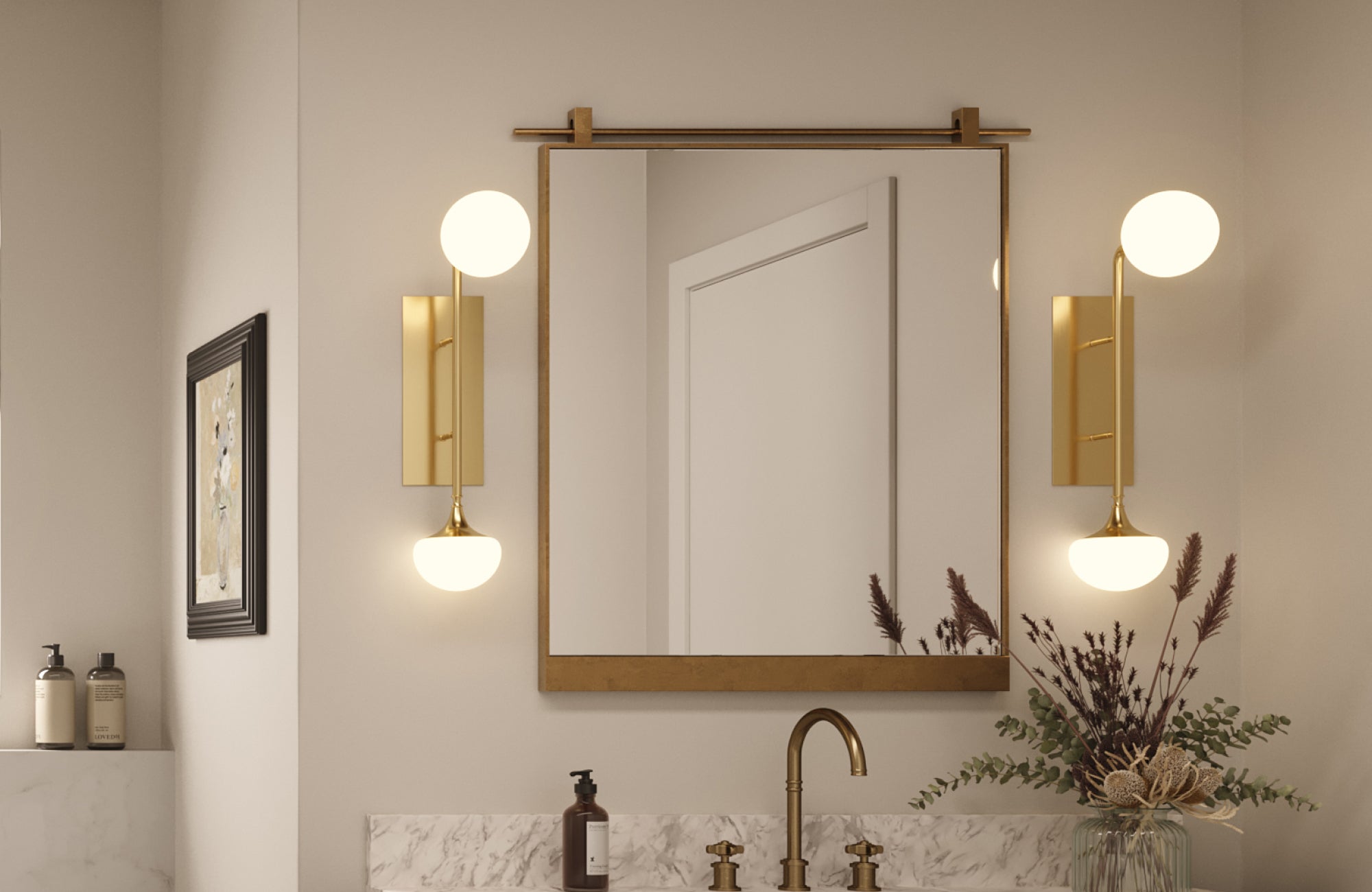
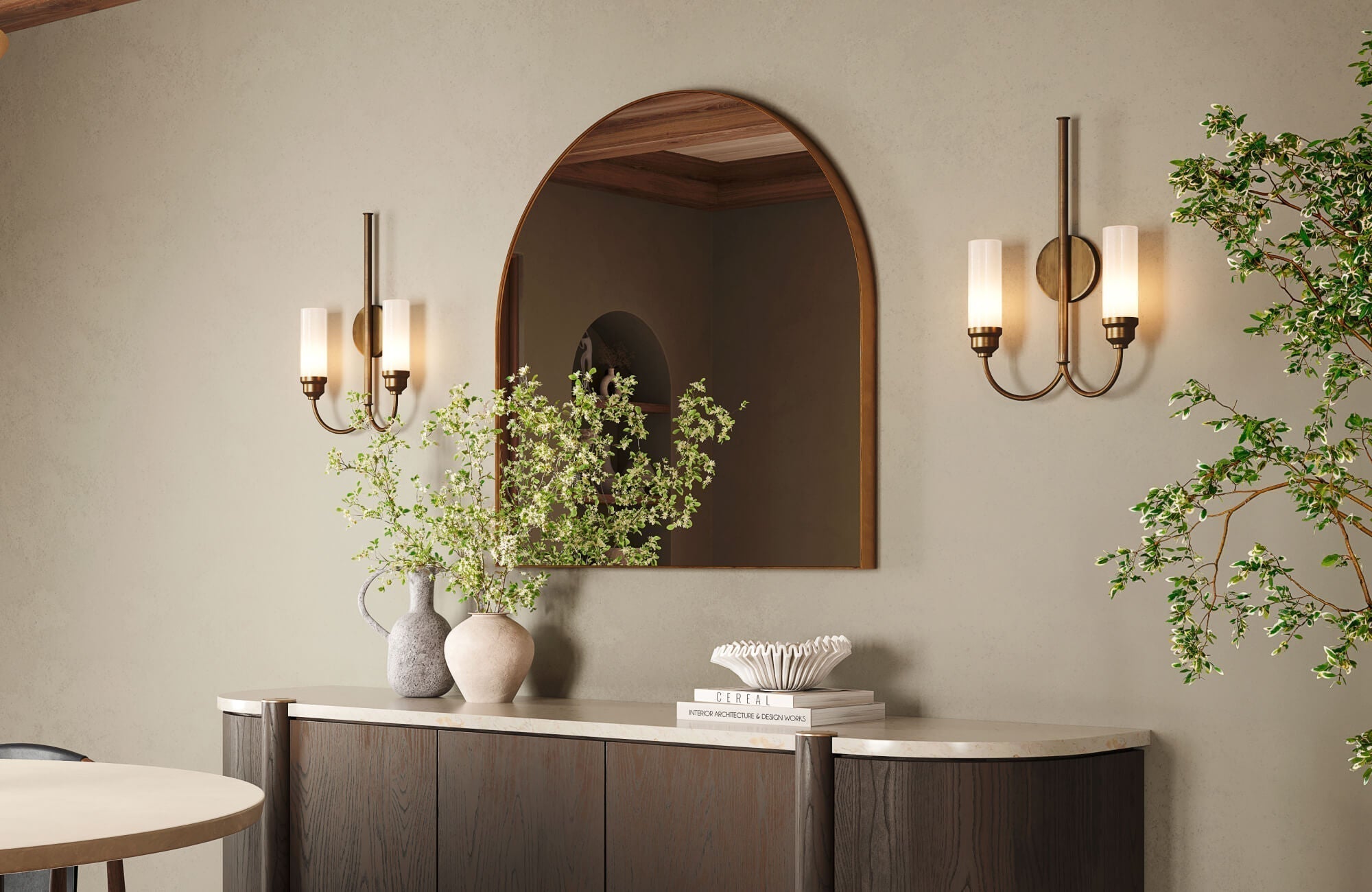
Sconces bring subtle warmth and character to a room, especially when placed at eye level along walls or beside mirrors. They help fill in areas that a central fixture might not reach, softening shadows and creating an inviting glow. In hallways, bathrooms, or living areas, sconces add both function and personality to the space. Choosing dimmable sconces can also make it easier to shift from bright daytime lighting to a calm evening atmosphere. They’re a small detail that makes a big difference in overall ambiance.
Pendants for Targeted Illumination
Pendant lights are perfect for adding focused lighting where you need it most. They work beautifully above kitchen islands, dining tables, and even bedside nightstands, offering both visual interest and practicality. The variety of shapes and materials available, from glass to metal or fabric, makes them easy to coordinate with any décor style. Hanging pendants at the right height helps define specific areas in open layouts, improving both function and visual flow.
A great example of this is our Satine Pendant in Aged Brass Bronze, shown above. Its rippled glass shade and elongated silhouette create a soft, sculptural glow that beautifully complements kitchens, dining areas, and entryways. The combination of translucent glass and warm brass fittings brings a balance of refinement and warmth, making it a versatile choice for both modern and classic interiors.
Flush Mounts and Picture Lights
Flush mounts and picture lights are ideal for smaller spaces or areas where ceiling height is limited. Flush mounts provide broad, even illumination without taking up visual space, making them great for hallways, bedrooms, or utility areas. Picture lights, on the other hand, bring attention to artwork, shelves, or decorative walls, enhancing the details that define your space. Together, these fixtures offer subtle functionality that complements larger statement pieces. They ensure that every corner of your home feels thoughtfully lit and visually connected.
Linear Lighting for Modern Symmetry
Linear lighting brings a clean, contemporary touch that fits perfectly in modern or minimalist interiors. These long fixtures work especially well above dining tables, kitchen islands, or office spaces where even light distribution is key. Their sleek design helps maintain visual balance, adding structure without overwhelming the room. They can also serve as a stylish alternative to multiple pendants, simplifying the layout while keeping it cohesive. With their versatility and refined look, linear lights complete a well-rounded lighting plan that blends form and function beautifully.

Choosing the Right Material and Finish
Selecting the right material and finish for your chandelier helps it blend naturally with your room’s colors, textures, and overall mood. The material not only influences how light reflects but also defines the personality of your space.
Glass, Metal, and Crystal Options
Each chandelier material brings its own character and way of interacting with light. Glass fixtures scatter light softly, giving the room a bright yet gentle glow that suits modern and transitional spaces. Metal finishes like brass or black iron, as seen in our Reece Chandelier in Polished Nickel, bring both structure and contrast to a space. They add depth and character, enhancing the look of minimalist or industrial interiors with a refined, timeless appeal. Crystal chandeliers, on the other hand, refract light into subtle sparkles that elevate elegance and formality. Understanding how each material affects reflection and texture helps you choose one that suits your desired atmosphere.
Coordinating with Room Hardware and Decor
A cohesive design often comes from paying attention to the smaller details, such as coordinating your chandelier’s finish with other elements in the room. Matching or complementing finishes with hardware like cabinet pulls, faucets, and mirror frames helps unify the space visually. For example, a brushed gold chandelier can tie in beautifully with warm-toned fixtures, while matte black pairs effortlessly with modern accents. Even subtle alignment between materials gives the room a polished, intentional feel. It’s a simple design decision that brings harmony to your lighting and décor.
Considering Longevity and Maintenance
Durability is an important factor when selecting chandelier materials and finishes. Some finishes, like polished brass or chrome, may need regular upkeep to maintain their shine, while matte or powder-coated options tend to hide fingerprints and wear better over time. Consider where the chandelier will be placed—areas like kitchens or bathrooms may require materials resistant to moisture and buildup. Choosing a durable finish ensures your chandelier continues looking refined with minimal effort. With a bit of maintenance planning, your lighting will stay beautiful and functional for years to come.
Finding the Perfect Chandelier for Your Space
Lighting plays an important role in creating both comfort and character within a home, and the chandelier often sets the tone for it all. A well-sized fixture should complement the room’s proportions while adding just the right amount of visual presence. From ceiling height and room layout to materials and finish, every detail contributes to how balanced and cohesive the design feels. When chosen with care, the right chandelier completes a room, bringing warmth, personality, and lasting style.
If you’re unsure which chandelier size or style will work best for your space, our professional guidance can make the process easier and more rewarding. A design consultation can help you determine ideal measurements, match finishes with your décor, and create a lighting plan that feels both functional and refined. Book a personalized design consultation today to discover a chandelier that perfectly fits your home and reflects your individual sense of style.