Choosing the right rug size is one of the most important steps in creating a balanced and well-designed room. A rug does more than cover the floor; it defines zones, supports furniture placement, improves comfort underfoot, and helps the entire layout feel more intentional.
Whether you are styling a living room, bedroom, dining area, hallway, or entryway, the right area rug size should work with the room’s dimensions, furniture scale, movement, and overall interior design style. By understanding rug proportions, standard rug dimensions, and placement rules, you can choose a rug that feels visually grounded and practical for everyday use.

The layered placement of our Georgette Polyester Pile Rug in Clay / Navy demonstrates how a larger area rug can visually expand a seating arrangement while creating better proportion between furniture, flooring, and surrounding negative space
Exploring Rug Sizes
Before deciding on placement, it helps to understand the standard rug sizes commonly available. Popular area rug dimensions include 5x8, 7x9, 8x10, 9x12, and 10x14, while runners are often available in sizes such as 2x8, 3x8, 3x10, and 3x12. These measurements refer to the rug’s width and length in feet, but their visual impact depends heavily on the scale of the room. For instance, a 5x8 rug may feel generous in a compact apartment living room, yet appear too small beneath a full-size sofa and accent chair arrangement.
Rug size also affects how furniture groupings are perceived. A larger rug can create a unified furniture footprint, making a seating area, dining area, or bedroom layout feel anchored within the space. Smaller rugs, on the other hand, work best when used intentionally, such as beside a bed, in front of a door, or as an accent layer. If the rug is too small for the main furniture arrangement, the room can look visually fragmented because the rug no longer connects the key design elements.
Proportion is especially important when comparing rug dimensions to room dimensions. A rug should leave enough exposed flooring around the edges to frame the space, but not so much that it feels disconnected from the furniture. In many rooms, maintaining a border of visible floor creates negative space, which helps the layout breathe and prevents the rug from looking cramped. Understanding these basic rug sizing principles makes it easier to move into more specific placement decisions for each area of the home.

Factors to Consider When Selecting Rug Size
The first factor to consider is the function of the room. A rug used to define a living room seating area has different sizing requirements than a rug placed under a dining table or beside a bed. In a living room, the rug should support conversation zones and connect major furniture pieces. In a dining room, there must be enough clearance for chairs to move in and out comfortably. In a bedroom, it should provide softness where you step while also framing the bed as the main focal point.
Room measurements are just as important as furniture placement. Before choosing a rug, measure the length and width of the room, then consider door swings, walkways, built-ins, and open circulation paths. A rug should never interrupt natural movement through the space. In busy areas, leaving clear walking paths around furniture helps maintain both visual order and practical accessibility. This is especially important in open-concept layouts, where rugs often serve as quiet boundaries between different functional zones.
The furniture scale should also guide your rug size. A large sectional, oversized bed, or long dining table usually needs a larger rug to maintain proper visual weight. When the rug is too small compared to the furniture, it can make the surrounding pieces feel oversized or poorly placed.
Material and pile height also matter when selecting rug size. Low-pile rugs are often ideal for dining rooms, entryways, and busy family spaces because they are easier to clean and allow chairs or doors to move more smoothly. Plush or textured rugs can bring comfort to bedrooms and lounge areas, but they should still be sized carefully so the room does not feel heavy. When size, material, and placement work together, the rug becomes a functional design layer rather than just a decorative accent.

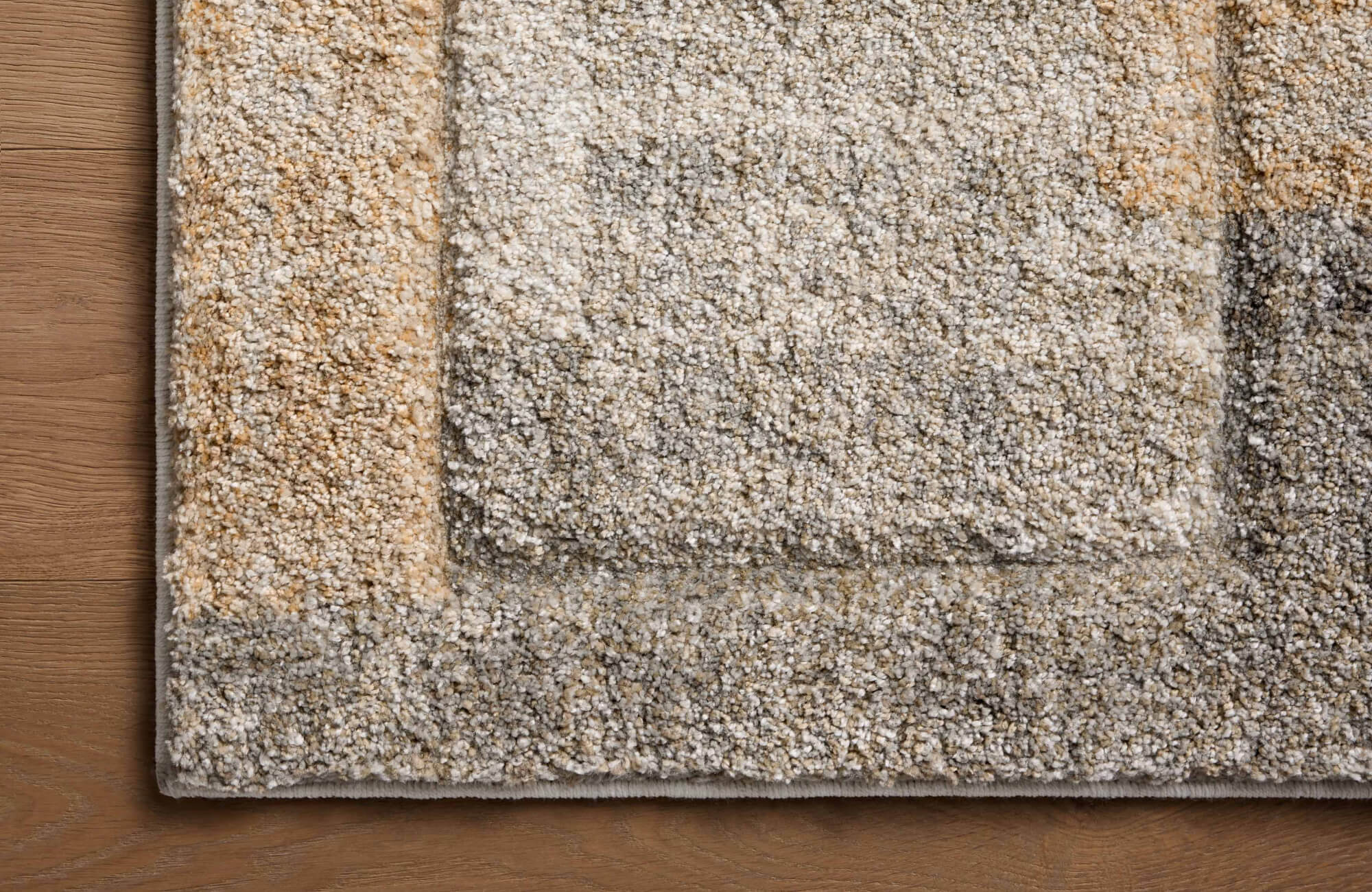
With its soft, distressed pattern and generous floor coverage, our Georgette Polyester Pile Rug in Desert / Multi helps define the living area while maintaining a seamless transition between seating zones and architectural features
Room-Specific Guidelines
Once you understand the general principles of rug dimensions, proportion, and furniture layout, you can apply them to each room more effectively. Every space has its own requirements based on use, scale, and movement, so the right rug size should respond to the way the room functions every day.
Living Room
In the living room, the rug usually acts as the foundation for the seating arrangement. The most cohesive layout is to place all major furniture legs on the rug, including the sofa, lounge chairs, and coffee table. This works especially well in larger living rooms or open-concept spaces because it creates a clear furniture zone. For medium-sized rooms, placing only the front legs of the sofa and chairs on the rug can still create a connection without requiring full floor coverage.
Common living room rug sizes include 7x9, 8x10, 9x12, and 10x13, depending on the furniture footprint. An 8x10 rug is often suitable for standard sofa-and-chair layouts, while a 9x12 or larger rug works better with sectionals or more spacious seating areas. A rug that is too small and sits only beneath the coffee table can make the room feel disconnected because it does not visually link the seating pieces.
As seen with our Georgette Polyester Pile Rug in Desert / Multi, a well-scaled rug can also bring depth and warmth to a living room without overpowering the furniture. In spaces with hardwood, tile, or stone flooring, rugs help soften acoustics and add texture underfoot. Low-pile or medium-pile rugs are often practical for living rooms because they provide comfort while remaining easy to maintain in everyday use.
Dining Room
In the dining room, rug sizing should begin with the table and chair arrangement. The most important rule is that the rug should extend at least 24 to 30 inches beyond the table on all sides. This extra clearance allows dining chairs to remain on the rug even when pulled out, preventing chair legs from catching on the rug edge or creating an uneven seating experience.
For most dining rooms, 8x10, 9x12, and 10x14 rugs are common choices. A smaller dining table may work well with an 8x10 rug, while a longer rectangular table usually needs a 9x12 or 10x14 rug to maintain proper chair clearance. Matching the rug shape to the dining table can also improve visual alignment. Rectangular rugs pair naturally with rectangular tables, while round rugs can complement round dining tables and breakfast nooks.
Pile height is especially important in dining areas. A low-pile polyester rug or flatweave-style rug is easier to clean, allows chairs to glide more smoothly, and reduces the chance of food debris settling deep into the fibers. Subtle patterns are also useful in dining rooms because they can help disguise minor crumbs or everyday wear between cleanings. Adding a rug pad underneath improves stability, reduces shifting, and gives the dining area a more secure feel.
Bedroom
In the bedroom, the rug should frame the bed while adding comfort where it matters most. For larger rugs, the best placement is usually beneath the lower two-thirds of the bed, allowing the rug to extend beyond the sides and foot. This creates a soft landing area while keeping the rug visually connected to the bed. The rug does not always need to sit beneath the nightstands, especially if the goal is to highlight the lower sleeping area and preserve balance.
Rug size should correspond to bed size. A queen bed typically pairs well with an 8x10 rug, while a king bed often needs a 9x12 or 10x14 rug to look properly scaled. Smaller rugs, such as 5x8 or 7x9, can work in compact bedrooms when placed partially under the bed or positioned off-center to support the room’s layout. Runners on both sides of the bed are another practical option, especially when full rug coverage is not possible.
Bedroom rugs also contribute to warmth, texture, and acoustic softness. A rug placed where your feet land in the morning can make the space feel more comfortable and layered. When coordinating with bedding, curtains, or upholstered furniture, choose colors and patterns that support the overall palette rather than competing with it. This helps the rug feel integrated into the bedroom design instead of appearing as a separate decorative piece.
Hallways and Entryways
Hallways and entryways require rugs that support movement, durability, and visual direction. In hallways, runners are the most practical choice because they guide the eye through narrow spaces while adding comfort underfoot. A runner should leave a few inches of visible floor on each side so it does not look wall-to-wall or squeezed into the space. Common hallway runner sizes include 2x8, 3x8, 3x10, and 3x12, depending on the length and width of the corridor.
In entryways, smaller rugs such as 2x3, 3x4, and 4x6 can create a welcoming focal point without blocking door movement. The rug should be large enough to catch dirt and moisture from shoes, but not so thick that it interferes with the door swing. Durable materials, stain-resistant fibers, and low-pile constructions are especially important in these busy areas.
Rug safety is also essential in narrow or transitional spaces. A non-slip backing or quality rug pad helps keep the rug in place and reduces movement underfoot. From a design perspective, linear patterns can visually lengthen a hallway, while warm tones or subtle textures can make an entryway feel more inviting. The goal is to choose a rug that looks intentional while still handling daily use.

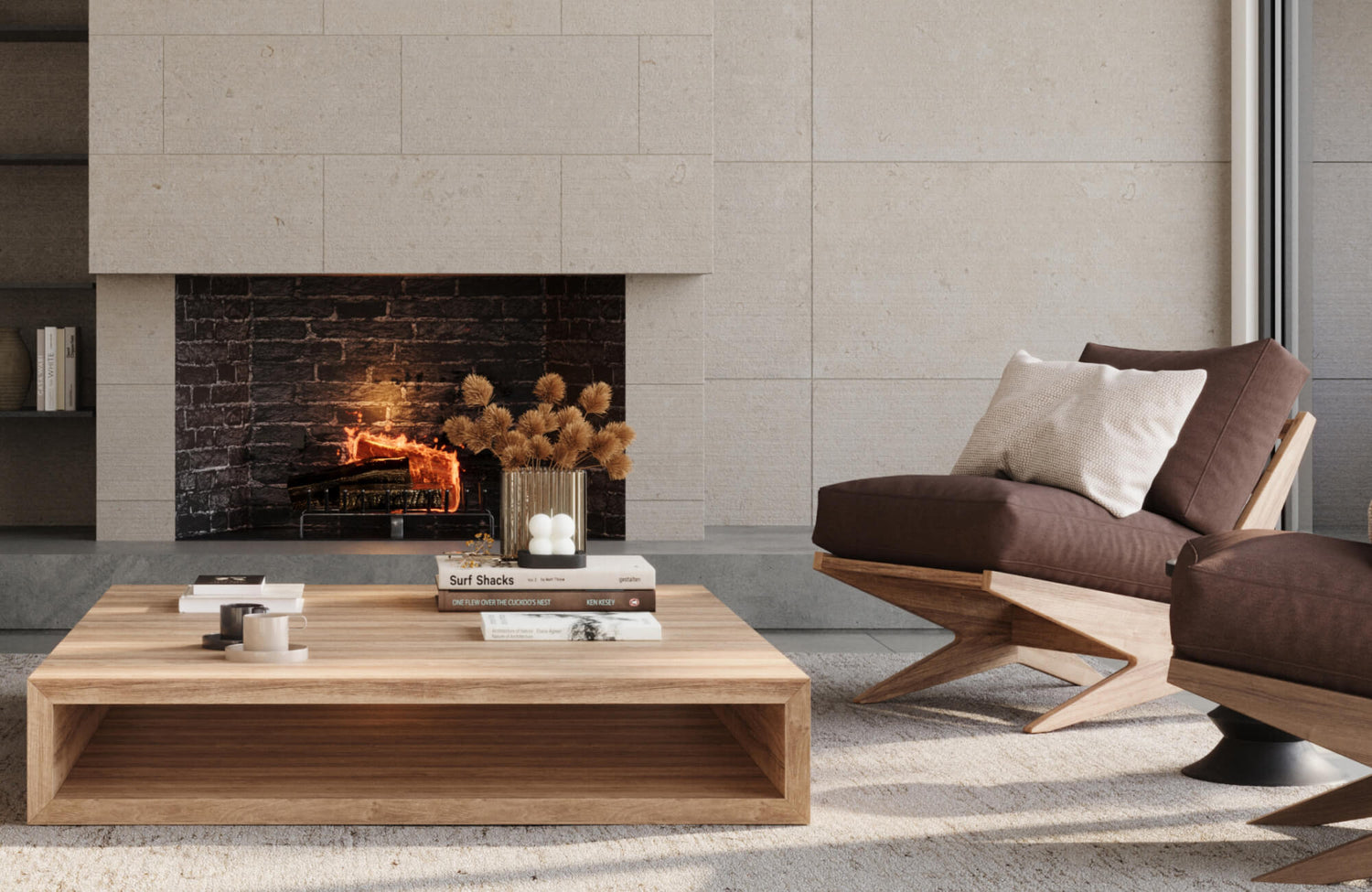
The rectangular layout of our Hutchinson Polyester Face Rug in Sage / Graphite complements the linear furniture arrangement and fireplace architecture, reinforcing the room’s natural spatial flow and symmetry
Matching Rug Shape to Room Layout
Rug shape should work with the architecture of the room and the arrangement of the furniture. Rectangular rugs are the most versatile because they follow the natural lines of many rooms, sofas, beds, and dining tables. They are especially useful in long rooms, open layouts, and spaces where the furniture is arranged along a clear horizontal or vertical axis.
Square rugs work best in rooms with balanced proportions or symmetrical furniture layouts. They can help reinforce visual stability in square dining rooms, centered seating arrangements, or areas with evenly spaced architectural features. However, they should be used carefully in narrow rooms, where a square rug may interrupt the natural flow of the space.
Round rugs are ideal for softening angular layouts and introducing movement into a room. They work well under round dining tables, in reading nooks, near curved furniture, or beneath circular light fixtures. A round rug can also break up sharp architectural lines in a square or rectangular room, making the space feel less rigid. Choosing a rug shape that either mirrors or gently contrasts the room layout helps create a more thoughtful and balanced interior design composition.

The oversized layout of our Marroway Indoor/Outdoor Rug in Brown / Black, 7'10" x 10'9", demonstrates how properly scaled outdoor rugs can define conversation zones, improve spatial continuity, and create a more cohesive indoor-outdoor living experience
Pro Tips for Visual Harmony
Before purchasing a rug, use painter’s tape to outline the rug dimensions directly on the floor. This simple planning technique allows you to evaluate scale, furniture spacing, and circulation paths before committing to a size. It is especially helpful when comparing standard rug sizes like 8x10 and 9x12, since even small dimensional changes can significantly affect the room’s visual balance. Mapping out the rug placement in advance also helps prevent common layout mistakes, such as blocking walkways or selecting a rug that feels undersized relative to the furniture arrangement.
Maintaining consistent floor exposure around the rug is another important principle in interior design. In most rooms, leaving approximately 12 to 18 inches of visible flooring between the rug edges and the walls creates a balanced visual frame. This negative space improves spatial proportion and prevents the room from feeling crowded or visually heavy. In compact spaces, slightly narrower borders may still work well, but the rug should always feel intentionally scaled to the room rather than stretched wall-to-wall like carpeting.
Furniture alignment also plays a major role in achieving visual cohesion. Whenever possible, anchor key furniture pieces either fully or partially on the rug to establish a unified furniture footprint. Floating furniture that sits completely outside the rug can make the layout feel disconnected, especially in larger living rooms or open-concept interiors. Keeping front furniture legs aligned along the rug edge often creates a cleaner and more structured composition while still preserving visible flooring around the perimeter.
Layering rugs is another effective way to add texture, dimension, and contrast without overwhelming the space. A larger neutral area rug can act as the foundation, while a smaller patterned or high-pile rug layered above it introduces depth and visual interest. This approach works particularly well in modern, transitional, and eclectic interiors where texture variation helps soften the overall design. Warm tones such as beige, ivory, rust, clay, and terracotta are especially versatile for layered rug styling because they complement both natural materials and contemporary finishes.
Rug orientation should also follow the architectural flow of the room. In rectangular spaces, positioning the rug parallel to the longest wall usually creates a more natural visual rhythm and improves spatial continuity. For open floor plans, properly oriented rugs can subtly separate functional zones, such as living and dining areas, without interrupting the overall layout. This zoning technique is widely used in interior styling because it helps large spaces feel organized while maintaining openness.
Finally, do not overlook the importance of a quality rug pad. Rug pads improve grip, reduce shifting, add cushioning, and help extend the lifespan of both the rug and the flooring underneath. They also enhance underfoot comfort and contribute to better acoustic absorption, particularly in rooms with tile, hardwood, or stone flooring. For the best fit, choose a rug pad slightly smaller than the rug dimensions so it remains hidden while still providing full support across the surface.
Finding the Rug That Ties It All Together
Choosing the right rug size comes down to proportion, placement, and purpose. The best rug should fit the room’s dimensions, support the furniture layout, and allow comfortable movement throughout the space. When the size is right, the rug helps define the area, soften the floor, and bring the overall design into clearer focus.
Before buying, measure carefully, map the rug size on the floor, and consider how the rug will function in your daily routine. Whether you need a large area rug for a living room, a low-pile rug for a dining space, or a runner for a hallway, thoughtful sizing will help you create a more comfortable and visually refined home. If you need help choosing the right polyester rug size for your space, feel free to contact us! We're happy to guide you toward a comfortable, stylish, and long-lasting option that fits both your layout and lifestyle.