



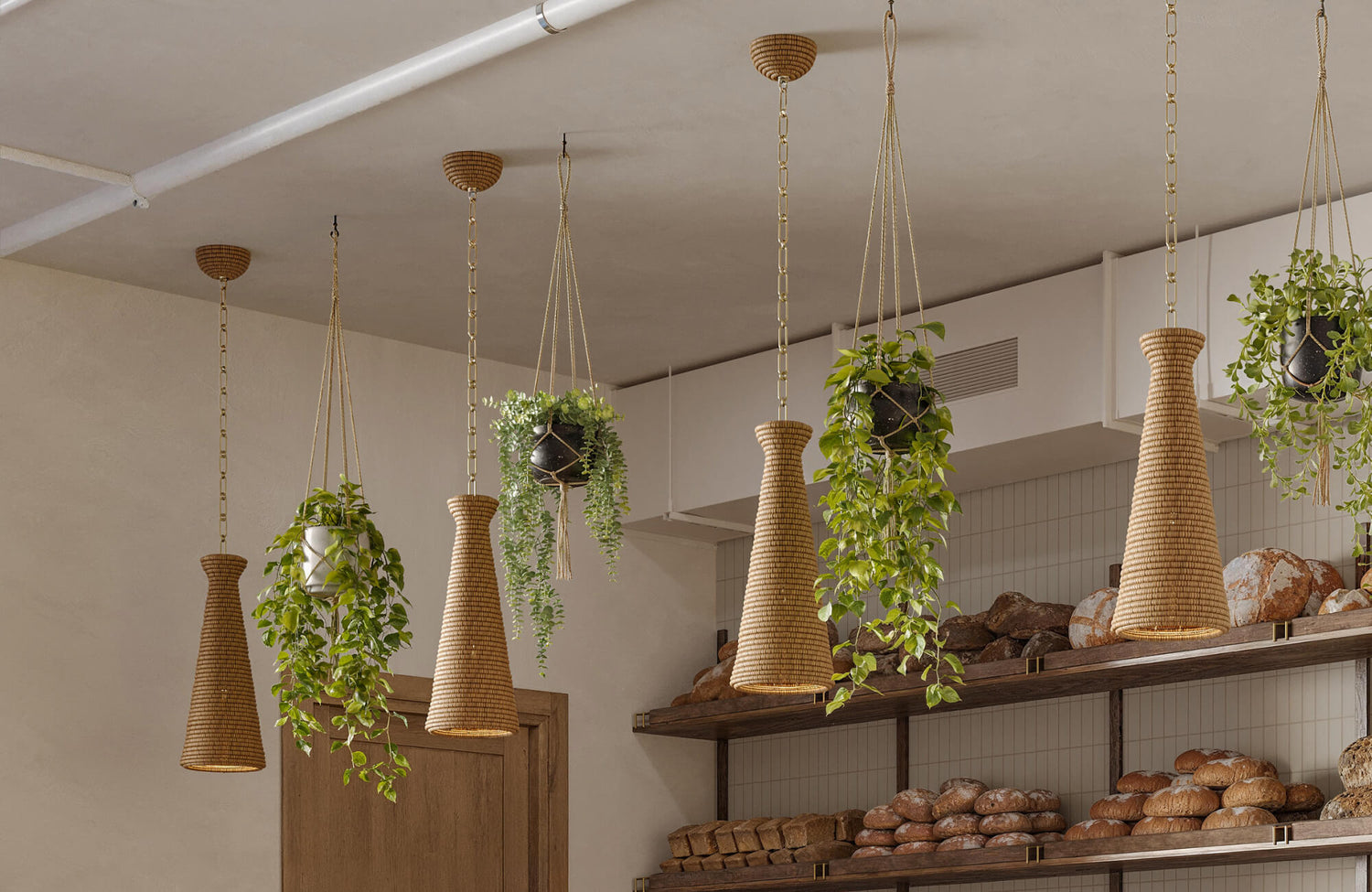
Pendant lighting has long been a favorite among homeowners and designers due to its unique blend of style and functionality. More than just a light bulb hanging from a cord, a well-chosen pendant can define a space, provide practical illumination, and enhance your home's overall design aesthetic. However, with the variety of sizes, materials, styles, and placement options available, selecting the right one can feel overwhelming. This guide is designed to simplify the process and help you choose a pendant light that not only meets your needs but also elevates the character of your home.

Exploring Function and Placement
Before diving into aesthetics, start by determining the purpose and placement of your pendant light. This foundational step ensures your lighting solution serves both functional and decorative goals.
Decide the Role of the Pendant Light
Pendant lights are versatile and can serve as ambient, task, or accent lighting, each with a distinct purpose. Ambient lighting provides a general glow to fill a room, task lighting focuses on specific work areas like kitchen islands or reading nooks, and accent lighting highlights focal points such as artwork or architectural features. For example, a trio of pendants over a kitchen island often provides targeted task lighting, especially when the fixture itself adds warmth and texture, like our Sable Pendant in Distressed Bronze/Ceramic Ivory Crackle, seen above, which combines earthy elegance with practical illumination. Meanwhile, a single statement pendant over a dining table can offer a warm, ambient glow.
Match the Light to the Room Type
The function of the room plays a big role in choosing the right pendant. In entryways, a striking pendant sets the tone and creates a welcoming focal point. Kitchens typically require pendants for task-oriented lighting, while in bedrooms and bathrooms, they can add a layer of softness or direct illumination over a vanity. In each case, the pendant should serve both practical needs and complement the room’s atmosphere.
Consider Ceiling Height and Hanging Distance
Proper placement ensures your pendant light performs effectively and looks balanced. Generally, pendants should hang 28–34 inches above a table or counter, or about 72 inches from the floor in open spaces. However, room-specific adjustments are necessary; higher ceilings may require longer downrods or adjustable chains to bring the light source into the correct visual and functional range. The goal is to provide adequate illumination without obstructing sightlines or becoming visually disconnected from the space it serves.

Choosing the Right Size and Scale
Once placement is determined, focus on selecting a pendant size and scale that aligns with your space. A light that's too large can overpower a room, while one that's too small may feel underwhelming.
Measure the Space and Furniture
Start by measuring the room’s dimensions. A simple formula is to add the room’s width and length (in feet) and convert that sum to inches; this gives a good baseline for the pendant’s diameter. For specific zones like kitchen islands, either one large pendant or two to three smaller fixtures can be used, spaced evenly to distribute light effectively across the surface.
Balance with Furniture and Visual Weight
Ensure the pendant is visually balanced with the furniture it complements. A dining table, for instance, should be paired with a light that mirrors its width without exceeding it. The style and weight of the pendant should also match the furniture—oversized rustic fixtures might overwhelm a sleek modern table, while a minimal pendant could seamlessly enhance it. Don’t forget to factor in ceiling height and suspension length to maintain the right visual and physical proportions across the space.

Exploring Design Styles and Materials
The style and material of a pendant light can dramatically influence the overall aesthetic of a room. It's essential to choose a fixture that complements your interior design theme.
Match Pendant Style to Room Decor
To create a cohesive space, start by selecting a pendant style that complements your room’s existing decor. Industrial interiors pair well with metal pendants and exposed bulbs, while mid-century modern rooms benefit from simple geometric shapes or glass globes. Our Barnes 14" Pendant in Aged Antique Distressed Bronze, shown above, is a striking example. Its bold form and vintage-inspired finish offer a refined yet approachable touch that enhances mid-century and transitional spaces alike. For minimalist and modern settings, look for clean lines and polished finishes. If your home has a more rustic or farmhouse feel, pendants with woven shades, distressed finishes, or wooden accents would be a great fit. Coordinating your light with your existing design theme creates visual harmony and a polished look.
Play with Materials and Finishes
Pendants come in a vast array of materials, each contributing a distinct look and feel. Glass provides a clean, elegant look that allows light to spread freely. Metal adds boldness and works well in both contemporary and industrial schemes. Wood brings natural texture and warmth, while fabric or rattan shades introduce softness and a cozy touch. Finishes are also equally important: matte black finish offers a sophisticated, modern contrast, while brass, gold, or chrome introduce hints of glamor or classic charm.
Mix or Match for Impact
Your approach to combining pendants, whether to mix or match, can shape the space’s personality. Matching fixtures in identical styles and finishes create a streamlined, cohesive look ideal for symmetry and minimalism. Alternatively, mixing different shapes, textures, or finishes adds a more eclectic and unique look. For instance, pairing a light wood pendant with a sleek metal one creates a visually interesting contrast. The key is to find a balance between the different elements to create a curated, intentional look.

Considering Light Output and Bulb Type
Beyond aesthetics, the practical performance of your pendant light is critical. The right light output and bulb type can make a significant difference in a room's ambiance and functionality.
Know Your Lumens
Lumens, which measure brightness, are crucial in determining how much light your space actually needs. For task-oriented areas like kitchens, aim for 35–50 lumens per square foot to ensure clarity and visibility. In contrast, spaces like reading nooks or dining rooms benefit from lower lumen levels, which create a softer, more relaxed atmosphere. Assess the function of the space to guide your lighting decisions.
Bulb Type and Energy Efficiency
The type of bulb you choose affects both the quality of light and energy consumption. LEDs are highly energy-efficient and long-lasting, making them a popular choice for lighting applications. Incandescent and halogen bulbs provide a warm, traditional glow but consume more energy. It's also important to consider the bulb's color temperature; warm light (2700K–3000K) creates a cozy, inviting atmosphere, while cool light (4000K–5000K) is brighter and more stimulating, ideal for task-oriented spaces. Look for bulbs with dimmable features to allow you to adjust the light output to suit different moods and activities.
Shade Transparency and Direction
The pendant's shade transparency and direction also affect light output. Transparent glass shades provide bright, all-around illumination, making them great for ambient lighting. Opaque shades or directional styles, like downward-facing domes, focus light on specific areas, making them ideal for task lighting above counters or tables. Consider the function of the pendant and choose a shade that directs light where you need it most.

Coordination and Layering with Other Fixtures
A single pendant light can make a statement, but it works even better when it's part of a cohesive lighting plan. Understanding how to coordinate and layer your lighting will help you create a functional and beautiful space.
Coordinate with Other Light Sources
Pendant lights should complement, not compete with, your other light sources. In a room with a central chandelier, for example, pendants can be used as accent lighting to highlight a specific area without drawing attention away from the main fixture. In a kitchen with recessed lighting, pendants can be used over an island to add a decorative element and provide focused task lighting. The key is to use pendants to enhance your existing lighting plan, creating a harmonious and balanced look.
Layering for Function and Mood
Layering your lighting allows you to create different moods and meet different needs throughout the day. You can combine ambient lighting from a central fixture, task lighting from your pendants, and accent lighting from sconces or other fixtures. For instance, in a kitchen, you might use pendants over the island for food prep, recessed lights for general illumination, and under-cabinet lighting for subtle accent lighting. This layered approach allows you to adjust the lighting to suit any activity, from a busy morning to a quiet evening.
Maintain a Consistent Theme
For a cohesive look, it's important to maintain a consistent theme across your fixtures. You can stick to similar finishes or design elements across your pendants, chandeliers, and sconces to ensure they all work together. However, you can also vary the shapes and sizes slightly to add visual interest without making the space feel cluttered or disjointed. A great example of this approach is our Kaley 16" Pendant in Aged Brass, featured above. Its smooth, organic shape and warm finish pair beautifully with similarly styled sconces, bringing balance and personality to the room without overwhelming it. A family of fixtures that share a common material or finish but have slightly different forms can create a curated, sophisticated look.

Installation and Practical Considerations
Before committing to a pendant light purchase, it's essential to consider the installation logistics and practical requirements. These factors can influence your overall design, impact your budget, and ensure safe, long-term functionality.
Consider Electrical Needs
Begin by evaluating your space's existing electrical infrastructure. Is there already a junction box where you want to hang the pendant, or will new wiring be necessary? If the current setup doesn't align with your desired pendant placement, relocating or installing a new junction box may be required—an adjustment that can affect both your timeline and installation costs. Understanding these requirements in advance helps avoid unexpected hurdles.
Use Mounting and Canopy Wisely
Choose a canopy finish that coordinates with the pendant’s design for a seamless look. Adjustable cords or rods provide valuable flexibility, allowing you to customize the hanging height to suit different ceiling heights or specific room needs, particularly helpful in spaces with vaulted or sloped ceilings.
Professional Help vs. DIY
While simple installations may be manageable as DIY projects, consider hiring a licensed electrician for more complex setups. Professional installation ensures safety, code compliance, and peace of mind.
Finding Your Perfect Pendant Light
Choosing the right pendant light goes beyond style; it’s about setting the tone, enhancing functionality, and expressing your personal aesthetic. Start by considering placement, purpose, and proportion, how the light will function in the space, and how its size and design align with the room’s overall look.
Every element matters, from materials and finishes to brightness and bulb type, shaping the look and feel of your home. The right pendant light doesn’t just illuminate, it elevates. When chosen thoughtfully, it becomes more than just a finishing touch. It becomes a defining detail that reflects your lifestyle, your taste, and the story your home tells. If you need help selecting the right pendant for your space, contact us to speak with our design specialists—we’re here to help you find a light that truly fits your home.


