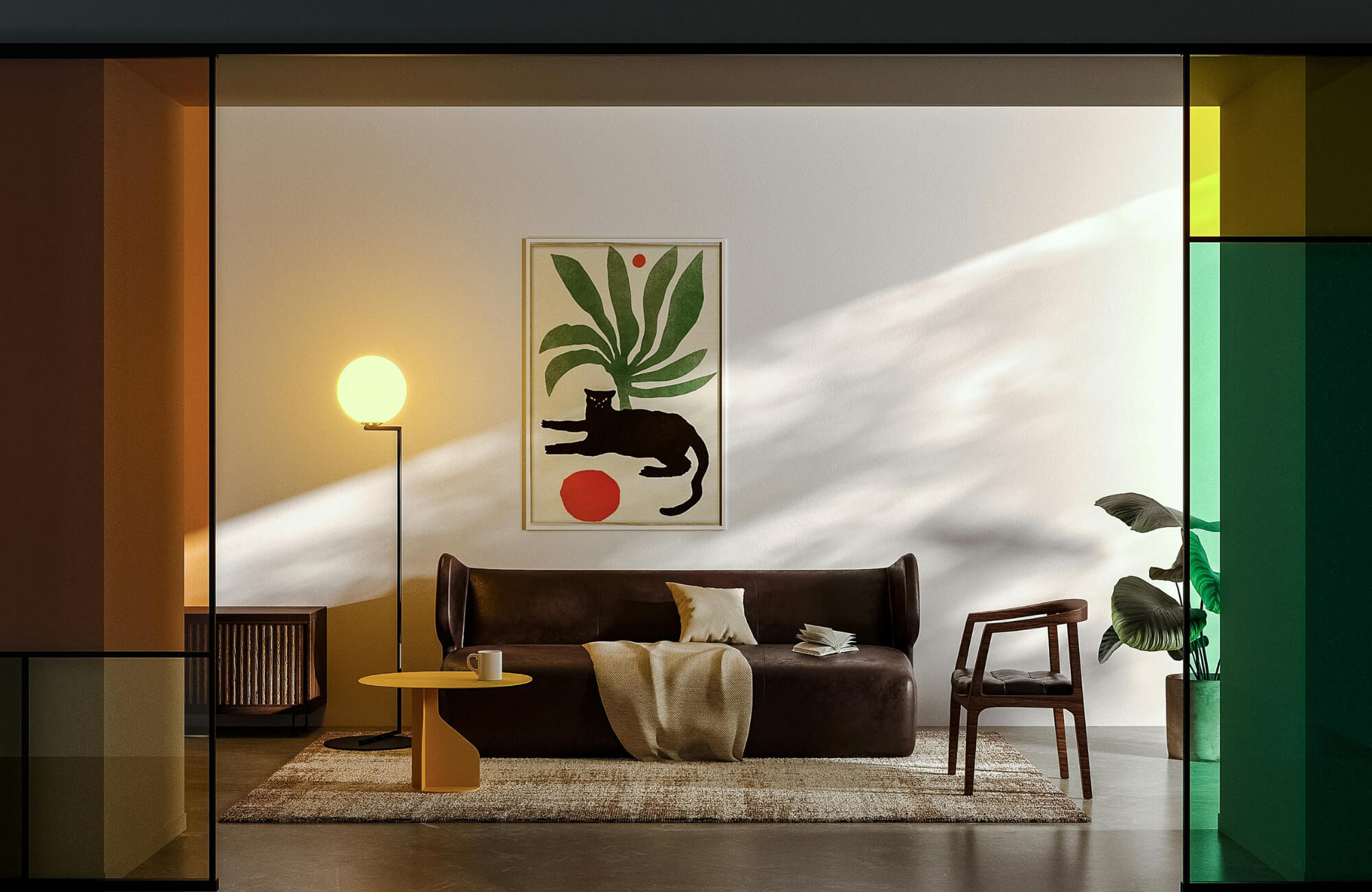
Decorative pillows are often overlooked, yet they hold remarkable influence over how a room is perceived and experienced. Although larger furnishings establish the foundation, it is these smaller elements that refine the composition, introducing color, texture, and structure in a way that feels both intentional and adaptable. As a result, even subtle adjustments in pillow selection or arrangement can dramatically shift the mood and visual balance of a space.
Moreover, their versatility allows for continuous transformation without the need for major updates. Whether used to unify a palette, add contrast, or enhance comfort, decorative pillows provide a practical and creative way to evolve interiors over time. By understanding their impact across multiple design aspects, it becomes clear how these accents contribute to a more cohesive, dynamic, and thoughtfully styled environment.

Establishing Color Harmony and Visual Balance
Decorative pillows are one of the most effective tools for shaping the color composition of a room, offering both flexibility and precision in design. Because they are easily interchangeable, they allow you to experiment with color relationships without altering permanent elements such as wall finishes or furniture. When thoughtfully selected, pillows can unify disparate tones, soften transitions between materials, and establish a cohesive visual rhythm throughout the space.
Reinforcing Existing Color Schemes
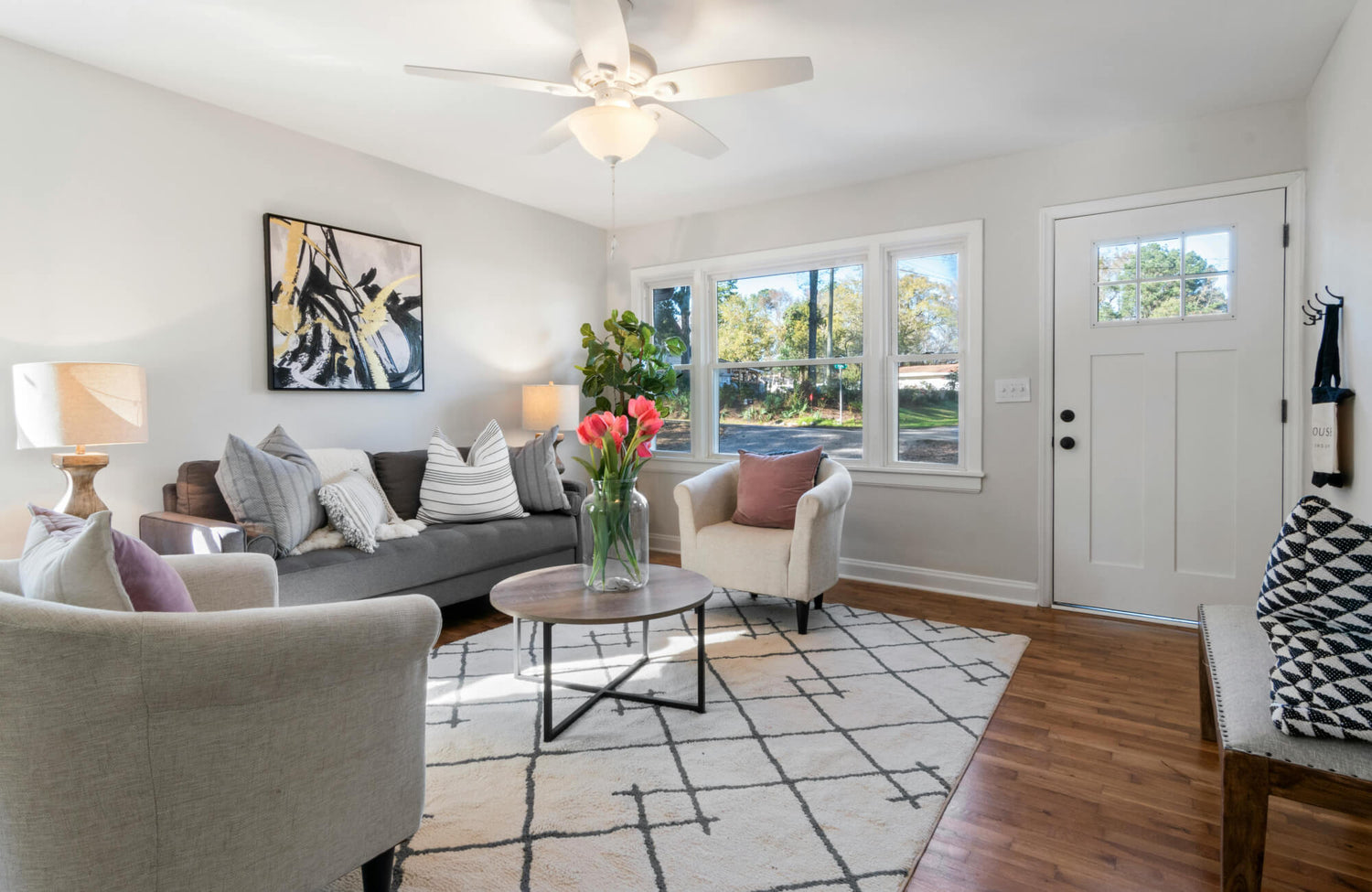
One of the primary functions of decorative pillows is to reinforce the existing color palette within a room. By drawing from hues already present in foundational elements such as area rugs, upholstery, artwork, or window treatments, pillows help create a sense of continuity that visually ties the space together. This approach is particularly effective in settings like the one shown above, where warm wood tones, soft neutrals, and earthy accents work in harmony to create a calm, cohesive atmosphere. Incorporating pieces like the Merelle 22" x 22" Down Pillow in Ivory complements the light, neutral backdrop while enhancing the layered textures already present on the bench.
Effective color reinforcement relies on tonal variation rather than exact matching. For instance, incorporating pillows in slightly lighter or darker shades of a dominant color can add depth while maintaining harmony. This technique, often referred to as tonal layering, prevents the space from appearing flat and introduces subtle complexity. Additionally, repeating secondary accent colors through pillows can strengthen visual connections across different areas of the room, ensuring that no element feels isolated or disconnected.
Introducing Accent Colors for Contrast
Although cohesion is essential, contrast plays an equally important role in creating a dynamic and engaging interior. Decorative pillows provide an ideal opportunity to introduce accent colors that may not be prominently featured elsewhere in the space. In the same setting shown above, where warm neutrals and soft browns dominate, incorporating a piece like the Merelle 13" x 21" Down Pillow in Olive introduces a muted green accent that subtly enlivens the palette while maintaining the room’s organic, grounded feel. These accents can act as visual focal points, drawing attention and adding energy without overwhelming the overall design.
Strategic use of contrast involves careful consideration of color intensity, proportion, and placement. In neutral or monochromatic environments, a limited number of pillows in saturated hues, such as deep blues, rich terracottas, or vibrant greens, can create a striking yet balanced effect. Conversely, in more colorful interiors, contrast may be achieved through complementary color pairings or subtle shifts in undertone.
Equally important is the distribution of accent colors across the seating arrangement. Rather than clustering bold hues in a single area, dispersing them evenly helps maintain visual balance and prevents one side of the room from feeling heavier than the other. Through this deliberate approach, decorative pillows can introduce contrast in a controlled manner, enhancing both the visual interest and overall harmony of the space.

Enhancing Texture and Material Depth
Beyond color, decorative pillows play a crucial role in shaping the tactile and material experience of a room. Interiors that rely solely on flat or uniform surfaces can feel visually incomplete, even when the color palette is well executed. By introducing varied textures through pillows, a space gains depth, dimension, and a more layered, sophisticated character that reflects intentional design.
Layering Different Fabrics
Incorporating a mix of fabrics is one of the most effective ways to enrich an interior. Materials such as linen, velvet, wool, boucle, and leather each contribute distinct visual and tactile qualities, allowing pillows to function as subtle yet impactful design elements. Linen, for example, offers a relaxed, breathable texture that works well in casual or transitional spaces, while velvet introduces a sense of refinement through its soft sheen and depth of color.
The key to successful layering lies in contrast and complementarity. Pairing smooth surfaces with more tactile or nubby weaves creates a balanced composition that feels dynamic rather than repetitive. For instance, combining a matte fabric like cotton or linen with a plush material such as velvet or chenille can enhance visual interest without overwhelming the space. Additionally, varying the scale of texture, from fine weaves to more pronounced patterns, helps create a sense of hierarchy within the arrangement.
Balancing Softness and Structure
Equally important is the balance between softness and structure, which affects both the visual composition and functional performance of decorative pillows. Plush, overfilled pillows provide comfort and invite relaxation, making them ideal for lounging areas. However, when used exclusively, they can lack definition and cause the arrangement to appear overly casual or unstructured.
To address this, it is beneficial to introduce pillows with more structured forms or firmer inserts. These may include tailored designs with crisp edges, denser fills, or fabrics that hold their shape more effectively. Structured pillows help anchor the arrangement, providing visual clarity and preventing the composition from appearing too loose or undefined.
The interaction between soft and structured elements also creates a balanced aesthetic that feels both comfortable and intentional. For example, placing firmer pillows at the back of a sofa and softer ones toward the front allows for both support and flexibility in use. This layered arrangement not only enhances visual depth but also improves ergonomics, ensuring that the space remains practical for everyday living.

Defining Style and Design Direction
Decorative pillows play a pivotal role in articulating the overall design language of a space. Although larger furnishings establish the foundation, pillows refine and clarify the aesthetic, acting as visual cues that communicate style with precision. Their versatility allows them to either reinforce an established theme or introduce nuanced variations that keep the interior feeling current and intentional.
Aligning With Interior Themes
Selecting pillows that align with the overarching interior style ensures visual consistency and strengthens the room’s identity. Each design style carries its own set of characteristics, which can be reinforced through pattern, material, and detailing. In contemporary interiors, for instance, pillows often feature clean lines, geometric patterns, and minimal embellishment, contributing to a streamlined and structured appearance. In contrast, traditional spaces benefit from more intricate elements such as embroidery, ornate patterns, or rich textiles that reflect a sense of heritage and craftsmanship.
Material selection also plays a critical role in this alignment. Coastal interiors may incorporate lightweight fabrics like linen in soft, sun-washed tones, while rustic or farmhouse settings often favor textured weaves and earthy hues. In eclectic spaces, a curated mix of patterns and materials can be used to create a layered, collected look, provided there is a unifying element such as color or scale. By carefully matching pillow characteristics to the design theme, the overall composition feels cohesive and deliberately styled.
Updating Style Without Major Changes
Decorative pillows offer an efficient way to evolve a space without undertaking extensive renovations. Because they are relatively easy to replace or update, they provide a flexible design solution for adapting to seasonal shifts, emerging trends, or changing personal preferences. A piece like the Merelle 13" x 21" Down Pillow in Ivory, seen above, exemplifies this versatility, offering a soft, neutral accent that can effortlessly brighten and refine an arrangement without disrupting the existing palette. This adaptability is particularly valuable in spaces where the foundational elements, such as sofas or beds, remain constant over time.
Seasonal updates, for example, can be achieved by transitioning between lighter fabrics and softer tones in warmer months to richer textures and deeper hues in cooler seasons. Beyond seasonal changes, pillow covers can be swapped to introduce new patterns or color accents that subtly shift the room’s aesthetic direction. This approach allows for continuous refinement while maintaining the integrity of the existing design.

Influencing Scale and Proportion
The size and arrangement of decorative pillows play a critical role in shaping how furniture is perceived within a room. Beyond comfort, proportion directly impacts visual balance, determining whether a seating area feels cohesive, overcrowded, or under-styled. By carefully considering scale in relation to furniture dimensions and room size, pillows can enhance both the functionality and overall composition of the space.
Choosing the Right Pillow Sizes
Selecting appropriate pillow sizes begins with understanding the scale of the furniture they accompany. Larger sofas or sectionals, particularly those with deep seating, benefit from oversized pillows, typically ranging from 22 to 24 inches, as these provide adequate back support while maintaining visual presence. In contrast, smaller sofas, accent chairs, or compact seating arrangements require more modest pillow sizes to prevent the space from feeling cramped or disproportionate.
Layering different sizes is a key strategy for achieving a well-balanced look. Combining larger foundational pillows with medium or smaller accent pillows introduces depth and dimension, creating a structured yet inviting arrangement. For example, placing larger pillows at the back establishes a visual anchor, while smaller ones in front add detail and flexibility. This graduated sizing approach ensures that the arrangement feels intentional rather than arbitrary, while also accommodating practical use.
Arranging for Visual Structure
Arrangement is equally important in defining how pillows contribute to the overall structure of a space. Symmetrical arrangements, where pillows are mirrored on either side of a sofa or bed, create a sense of order and formality. This approach works particularly well in traditional or transitional interiors, where balance and consistency are central to the design.
In contrast, asymmetrical arrangements introduce a more relaxed and contemporary feel. By varying the number, size, or placement of pillows, you can create a composition that feels organic and less rigid. This method is especially effective in casual living spaces, where comfort and approachability are prioritized.
Spacing and density also influence visual structure. Overcrowding a sofa with too many pillows can reduce usable seating and disrupt proportion, while too few may leave the arrangement feeling incomplete. The goal is to strike a balance where pillows enhance both the appearance and usability of the furniture. When thoughtfully arranged, decorative pillows help define scale, reinforce proportion, and contribute to a cohesive and visually balanced interior.
In the picture shown above, the pillow selection demonstrates how thoughtful layering of tones and sizes can elevate a seating arrangement. Larger foundational pieces like the Merelle 22" x 22" Down Pillow in Tan and the Merelle 22" x 22" Down Pillow in Terracotta establish a warm, earthy base, while the Brielle 18" x 18" Down Pillow in Natural Mustard introduces a subtle contrast in both color and scale. Complementing these, the Merelle 13" x 21" Down Pillow in Terracotta adds variation in shape, helping to break up the arrangement and create a more dynamic, layered composition that feels both curated and inviting.

Creating Focal Points and Visual Interest
Decorative pillows can serve as effective visual anchors within a room, subtly guiding the eye and reinforcing the overall composition. Although they may be small in scale, their strategic placement and design can draw attention to key areas, helping to define focal points without the need for larger, more permanent elements. When used intentionally, pillows contribute to a more dynamic and visually engaging environment.
Using Patterns to Attract Attention
Patterned pillows are particularly useful for introducing visual interest, especially when working with solid or neutral upholstery. By incorporating patterns, you can break up uniform surfaces and create layers of complexity that enhance the overall aesthetic. A piece like the Marisette 12" x 27" Down Pillow in Black illustrates this well, using a linear pattern to introduce contrast and definition while still complementing the surrounding neutral tones, as seen above. The key lies in selecting patterns that vary in scale and density. For instance, pairing a large-scale print with a smaller, more intricate pattern can create contrast while maintaining harmony within the arrangement.
Color coordination also plays an important role in pattern selection. Patterns should relate to the existing palette to ensure cohesion, even when they introduce contrast. Additionally, balancing bold patterns with solid or subtly textured pillows helps prevent visual overload. This measured approach allows patterns to stand out as focal elements without disrupting the overall balance of the space.
Highlighting Key Furniture Pieces
Decorative pillows can be used to emphasize and elevate key furniture pieces, such as sofas, armchairs, or beds. By carefully arranging pillows on these elements, they become more visually prominent and integrated into the room’s design narrative. This is particularly effective in open-plan spaces, where defining focal points helps organize the layout and guide visual flow.
Coordinated arrangements enhance this effect by creating a sense of intentionality. For example, using a consistent color story or repeating a specific pattern across multiple pillows can unify the seating area and draw attention to it as a central feature. Placement is equally important; positioning pillows to frame the edges of a sofa or to layer across the center of a bed can help establish visual boundaries and structure.

Supporting Functionality and Comfort
In addition to their visual impact, decorative pillows play an important role in enhancing the everyday functionality of a space. Although they are often selected for their aesthetic contribution, their ability to improve comfort and adaptability makes them equally valuable from a practical standpoint. When thoughtfully chosen, pillows can support a range of activities, ensuring that a room is not only visually appealing but also comfortable and user-friendly.
Improving Ergonomic Support
Decorative pillows can significantly improve ergonomic support, particularly in seating areas designed for extended use. On deeper sofas or lounge chairs, pillows help fill the gap between the user and the backrest, promoting proper posture and reducing strain on the lower back. Lumbar pillows, in particular, are designed to align with the natural curve of the spine, providing targeted support that enhances comfort during activities such as reading or working.
The effectiveness of this support largely depends on the type of fill and construction. Down and feather inserts offer a softer, more adaptable feel, allowing the pillow to conform to the body, while high-density polyester or foam inserts provide firmer support and better shape retention. Selecting the appropriate level of firmness ensures that pillows maintain both their structural integrity and their functional purpose over time. By incorporating a mix of supportive and softer options, seating areas can accommodate different comfort preferences while maintaining a cohesive appearance.
Adapting to Different Uses
Another key advantage of decorative pillows is their adaptability to various daily activities. Unlike fixed elements, pillows can be easily repositioned to suit changing needs, whether for casual lounging, social gatherings, or more structured seating arrangements. This flexibility allows a single space to serve multiple functions without requiring additional furniture or significant adjustments.
For example, during informal use, pillows can be arranged to provide additional cushioning or support for reclining. In more formal settings, they can be styled in a structured arrangement that enhances visual order while still remaining accessible. This ability to transition between decorative and functional roles makes pillows particularly valuable in multipurpose living areas.
Decorative pillows change the look of a room by acting as both visual and functional enhancers that refine every layer of the interior. Through their ability to introduce color harmony, add texture, define style, and influence proportion, they help unify the overall design while adding depth and interest. At the same time, their flexibility allows for easy updates, making it possible to adapt a space to different moods, seasons, or preferences without significant investment. Ultimately, when selected and arranged with intention, decorative pillows elevate a room from simply furnished to cohesively designed, creating a space that feels balanced, inviting, and complete. Building on this attention to detail, every design choice should feel intentional and supported by expert guidance when needed. Whether you're refining a single room or reimagining an entire space, having access to knowledgeable assistance can make the process smoother and more rewarding. If you have questions, need product recommendations, or want help bringing your vision together, our team is here to provide thoughtful support tailored to your needs. Reach out anytime—we’re committed to helping you create a space that feels distinctly yours!Transforming Interiors Through Thoughtful Details