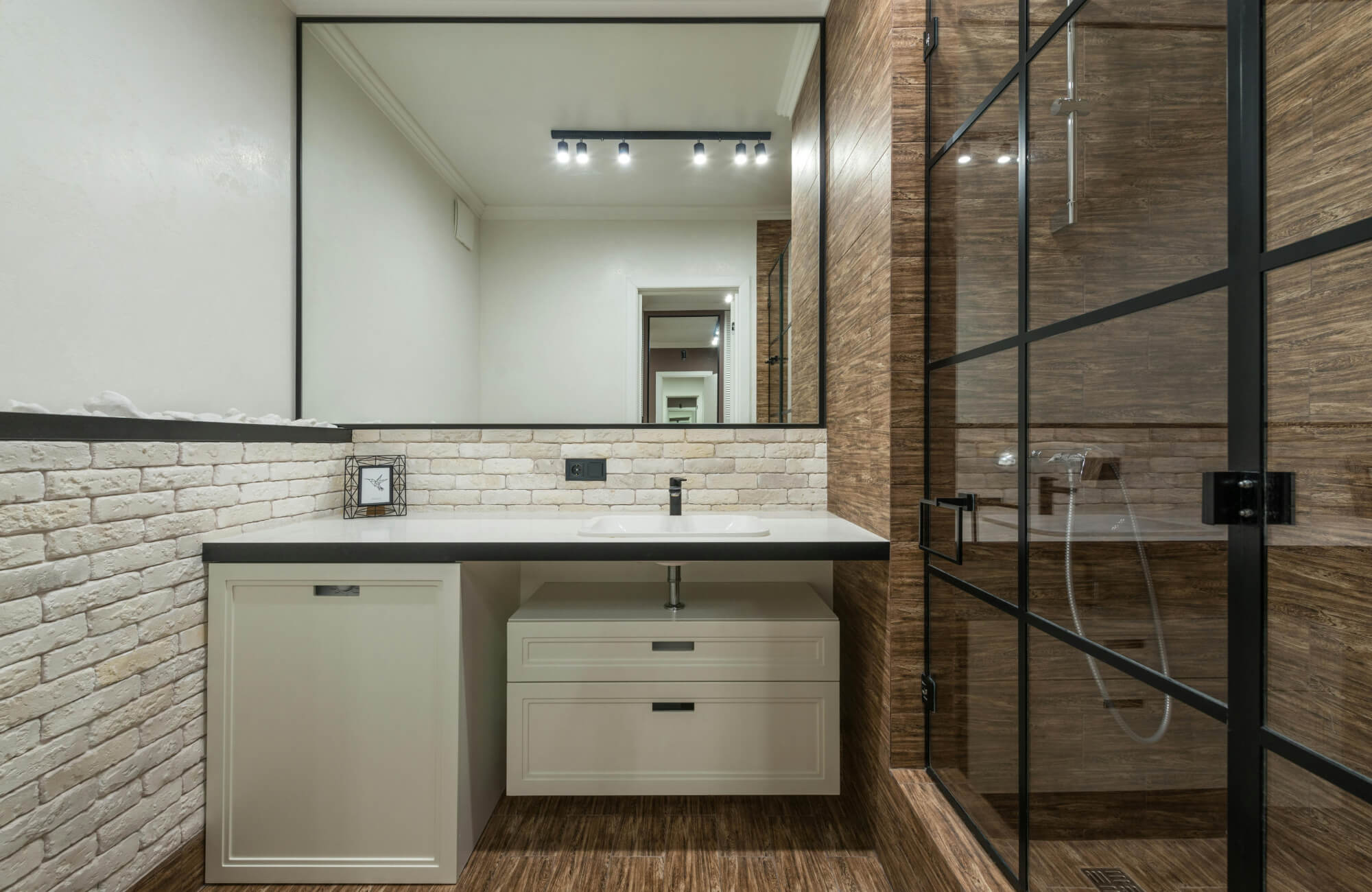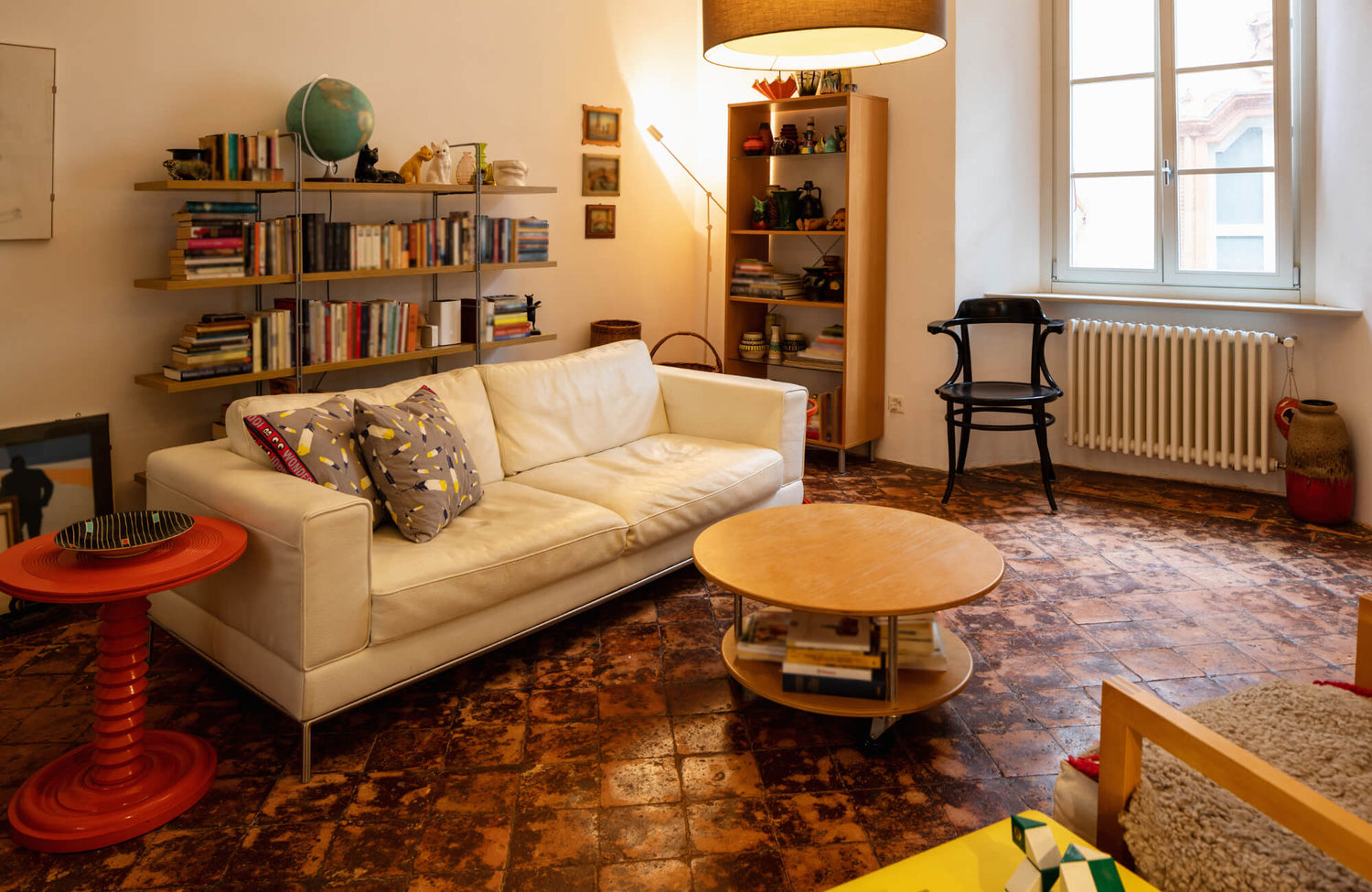
Terracotta flooring is experiencing a resurgence as homeowners and designers embrace earthy palettes, sustainable materials, and timeless finishes that bridge traditional and contemporary design. Known for its warm tones and natural texture, terracotta brings depth and authenticity to spaces ranging from rustic Mediterranean homes to modern minimalist interiors.
Its versatility lies in how it pairs with both organic and refined elements, making it as relevant in today’s design trends as it has been for centuries. In the sections ahead, we’ll explore practical design strategies to style your room around terracotta floors with cohesion and character.

Choosing the Right Color Palette
The first step in designing around terracotta flooring is understanding how color influences the room’s mood. By choosing complementary or contrasting palettes, you can highlight terracotta’s warmth while ensuring the space feels balanced and cohesive.
Earthy and Neutral Tones
Pairing terracotta floors with earthy neutrals such as taupe, beige, or warm gray emphasizes the organic qualities of the clay. These shades establish tonal harmony that feels grounded and timeless, particularly in transitional or rustic interiors. Incorporating layered textures, linen upholstery, jute rugs, or natural wood furnishings, reinforces the palette, allowing terracotta to serve as a unifying foundation rather than a competing focal point.
Bold and Contrasting Colors
For those seeking a more expressive look, bold contrasts such as deep navy, charcoal, or emerald green create striking tension against terracotta’s warm orange-red base. Drawing on complementary color theory, these cooler hues counterbalance terracotta’s heat, producing a dramatic yet sophisticated effect. In modern settings, matte finishes on cabinetry or accent walls can heighten this high-contrast scheme while maintaining a sense of restraint and refinement.
Incorporating Pastels and Soft Hues
Pastel shades, including blush pink, sage green, and powder blue, gently soften terracotta’s intensity, bringing an airy freshness to the space. These subdued hues work especially well in Mediterranean-inspired interiors, where light reflection and subtle gradations are integral to the design. Combined with soft textiles such as cotton drapes or wool throws, pastels temper terracotta’s richness without diminishing its warmth, achieving a balance between vibrancy and tranquility.

Selecting Furniture and Materials
Once the color foundation is set, the next layer comes from furniture and finishes. The right mix of materials, whether organic or modern, helps tie the palette to the floor, creating depth and texture throughout the room.
Natural Wood and Rattan
Solid wood furnishings, particularly oak, walnut, or reclaimed timber, enhance terracotta’s rustic authenticity. Their grain patterns and natural patinas echo the floor’s earthy character, reinforcing a warm, organic aesthetic. Rattan and wicker introduce woven textures that add visual depth without heaviness, making them ideal for accent chairs, side tables, or storage in Mediterranean or bohemian-inspired spaces. In the image above, Edward Martin’s Catalina 7x8 Hexagon Matte Porcelain Tile in Clay reflects this same spirit, its warm clay tones creating a durable, cohesive foundation for layering natural elements.
Sleek Metal and Glass
For a more contemporary direction, pairing terracotta with metal and glass creates striking contrast. Powder-coated steel, brushed brass, or matte black iron introduce clean lines and industrial precision that temper the clay’s rustic quality. Glass tabletops and shelving add lightness and transparency, preventing darker tones from appearing too heavy. Together, these materials work especially well in modern or urban loft interiors, where achieving balance between tactile warmth and structural clarity is essential.
Upholstery and Textiles
Textiles strongly influence the atmosphere of a terracotta-floored room. Natural fibers such as linen, wool, and cotton harmonize with terracotta’s organic composition, while performance fabrics provide resilience in busy areas. Neutral upholstery can ground the space, whereas richly colored or patterned options, indigo, ochre, or bold geometrics, introduce rhythm and interest. Layering area rugs, cushions, and throws not only softens terracotta’s hardness but also enhances comfort, warmth, and acoustic quality.

The Role of Lighting and Decor
After establishing colors and furnishings, lighting and decor become essential tools to shape the atmosphere. Thoughtful illumination and carefully chosen accents can emphasize terracotta’s natural variation while preventing the space from feeling heavy.
Warm and Layered Lighting
Layered lighting, combining ambient, task, and accent sources, ensures terracotta floors are illuminated in a way that enhances their rich tonal variations. Warm color temperature bulbs (2700K–3000K) complement the clay’s earthy undertones, preventing the surface from appearing harsh or flat. Pendant fixtures, recessed downlights, and wall sconces add dimension, while accent lighting directed toward the floor highlights its artisanal texture.
Mirrors and Reflective Surfaces
Mirrors and glossy finishes help optimize both natural and artificial light in terracotta-floored spaces. Placing a large mirror opposite a window increases daylight penetration, softening terracotta’s intensity while brightening the overall atmosphere. Reflective decor, metallic frames, polished ceramics, or glass accessories, introduces subtle highlights that balance the clay’s matte quality, adding lightness and preventing the room from feeling too grounded.
Plants and Greenery
Greenery brings organic contrast to terracotta’s warmth, with tones ranging from deep emerald to soft sage refreshing the floor’s earthy base. Large potted plants, trailing vines, and sculptural succulents not only soften architectural lines but also introduce the benefits of biophilic design. As seen in the featured photo, Edward Martin’s Catalina 2x16 Matte Porcelain Tile in Cotto captures this natural spirit, its elongated format providing a warm, linear foundation that pairs beautifully with woven planters and lush foliage.

Accessorizing Your Space with Rugs and Art
Once lighting establishes the mood, accessories provide the final layer of personality. Rugs, artwork, and small decor objects not only soften terracotta’s presence but also introduce rhythm and character that bring the design to life.
Choosing the Perfect Rug
Rugs serve both functional and aesthetic purposes, softening terracotta’s hardness, improving acoustics, and defining spatial zones. Wool and cotton flatweaves provide breathable comfort for living areas, while plush pile rugs add tactile contrast in bedrooms. Pattern choice is equally important: geometric motifs highlight terracotta’s rustic qualities, while monochrome or tonal designs underscore its earthy palette. Proportion matters too; extending rugs at least 18 inches beyond seating clusters helps establish cohesion and balance.
Displaying Cohesive Artwork
Artwork introduces vertical balance to complement terracotta’s grounded presence. When selecting pieces, muted earth tones reinforce harmony, while bold jewel hues add contrast and vibrancy. Scale is essential, large canvases or curated gallery walls prevent expansive flooring from dominating the visual field. As illustrated in the image above, Edward Martin’s Karina 5.5x5.5 Matte Porcelain Tile in Cotto offers a terracotta-inspired alternative, its soft matte surface grounding the space subtly while allowing artwork to stand out within a cohesive, curated scheme.
Decorative Accents and Objects
Smaller decorative elements, ceramics, sculptural vases, or woven baskets, add layering and rhythm to terracotta-based interiors. Textural variety is key: matte pottery complements clay’s natural finish, while glazed accents introduce subtle reflectivity. Metallic details in brass or bronze echo terracotta’s undertones, serving as warm highlights without overpowering the design. When placed with intention on shelving, coffee tables, or sideboards, these objects act as punctuation marks that reinforce the room’s overall narrative.

Designing with Terracotta-Inspired Porcelain Tiles
For those who love the look but want a more versatile alternative, terracotta-inspired porcelain tiles offer a practical solution. They extend the same warmth and character into spaces where durability, uniformity, and easy maintenance are priorities.
The Benefits of Porcelain Tiles
Porcelain tiles are engineered for long-lasting performance, offering exceptional strength, moisture resistance, and reliable protection against everyday wear. Fired at higher temperatures than terracotta, they form a dense, low-porosity surface ideally suited for kitchens, bathrooms, and outdoor areas where water exposure is frequent. Maintenance is straightforward, typically limited to routine cleaning and, in most cases, no additional sealing.
However, some finishes or specific applications may benefit from extra protection, so it’s always best to follow the manufacturer’s care recommendations to ensure optimal results and long-term performance. Building on the alternatives highlighted earlier, porcelain once again proves its versatility; in the photo above, Edward Martin’s Juliet 7x8 Hexagon Matte Porcelain Tile in Rust demonstrates how the category balances timeless terracotta-inspired warmth with the resilience and consistency of modern engineering.
Styling Differences with Porcelain
Unlike natural terracotta, which develops a patina over time, porcelain maintains a consistent finish, giving designers greater control over long-term aesthetics. Offered in an extensive range of formats, including large-format slabs, hexagons, and patterned mosaics, porcelain provides flexibility for precise layout planning. This uniformity is ideal for projects that call for a seamless look, such as open-plan modern interiors, or for designs where intentional contrast between surfaces is desired.
Modern and Minimalist Aesthetics
Terracotta-inspired porcelain tiles integrate seamlessly into minimalist design, where clarity and restraint are key. Their smooth finishes and rectified edges allow for narrow grout lines, enhancing visual continuity across a space. Paired with neutral walls, streamlined furniture, and minimal decor, porcelain brings warmth without compromising simplicity. The result is a design language that merges rustic influence with contemporary refinement, making porcelain a versatile solution for those seeking both timeless character and modern sophistication.
Bringing Balance to Terracotta-Rooted Design
In the end, terracotta flooring remains a timeless foundation that brings warmth, texture, and character to any room. Its impact, however, depends on thoughtful coordination of color palettes, materials, lighting, and decor that work together in harmony.
To make these decisions easier, Edward Martin’s Augmented Reality (AR) Visualization Tool lets you preview tile options directly in your space before committing. When paired with the ability to order physical tile samples, you gain the clarity and confidence needed to ensure your design vision is both practical and enduring.