More than just decorative accents, sconces are powerful design tools that influence how a room feels, functions, and flows. Mounted at eye level and designed to cast soft, directional light, these wall fixtures reduce glare, add depth, and offer a tactile sense of warmth that overhead lighting often lacks.
From hand-finished brass to frosted artisan glass, sconces also act as sculptural accents that reinforce or contrast a room’s aesthetic. Whether flanking a mirror or framing a fireplace, they bring rhythm and balance to both traditional and modern interiors. In this blog, we’ll explore how the right sconce can transform your home’s atmosphere, both functionally and stylistically.

Exploring Sconces and Their Unique Appeal
To understand how sconces elevate a space, it helps to start with the basics: what they are and why they stand apart from standard lighting solutions. From there, we can see how they fill the gaps overhead fixtures often leave behind.
What Are Sconces?
At their core, sconces are wall-mounted fixtures designed to provide light without taking up floor or surface space. Originally created to hold candles or torches, they’ve since evolved into sophisticated lighting solutions that blend functionality with visual appeal. Depending on the design, sconces may direct light upward, downward, outward, or in multiple directions.
In terms of configuration, today’s sconces range from hardwired models that require in-wall junction boxes to plug-in versions ideal for rentals or retrofit projects. Materials span from hand-blown glass and forged metal to ceramics and sustainable woods. Many contemporary designs also incorporate features like dimmable LEDs, adjustable color temperatures (measured in Kelvins), and integrated drivers, enabling precise control over both mood and brightness. As part of a layered lighting plan, wall-mounted sconces support ambient, task, or accent roles while also conserving space and adding architectural definition.
Beyond Overhead Lighting
While ceiling fixtures like chandeliers and recessed lighting provide general illumination, sconces offer something more nuanced. Specifically, they contribute vertical interest and deliver localized lighting at eye level, reducing glare and enhancing visual comfort. As a result, they’re especially useful in transitional spaces such as hallways, staircases, and powder rooms where subtle, space-conscious lighting is key.
In addition to their functional value, sconces enhance spatial composition. They break up large wall surfaces and introduce rhythm through light and shadow. Techniques like wall grazing or wall washing, where light is cast close to a surface to emphasize its texture, add depth and visual intrigue. When paired with the appropriate beam spread, lumen output, and directional control, sconces can help define functional zones without overwhelming the broader space.
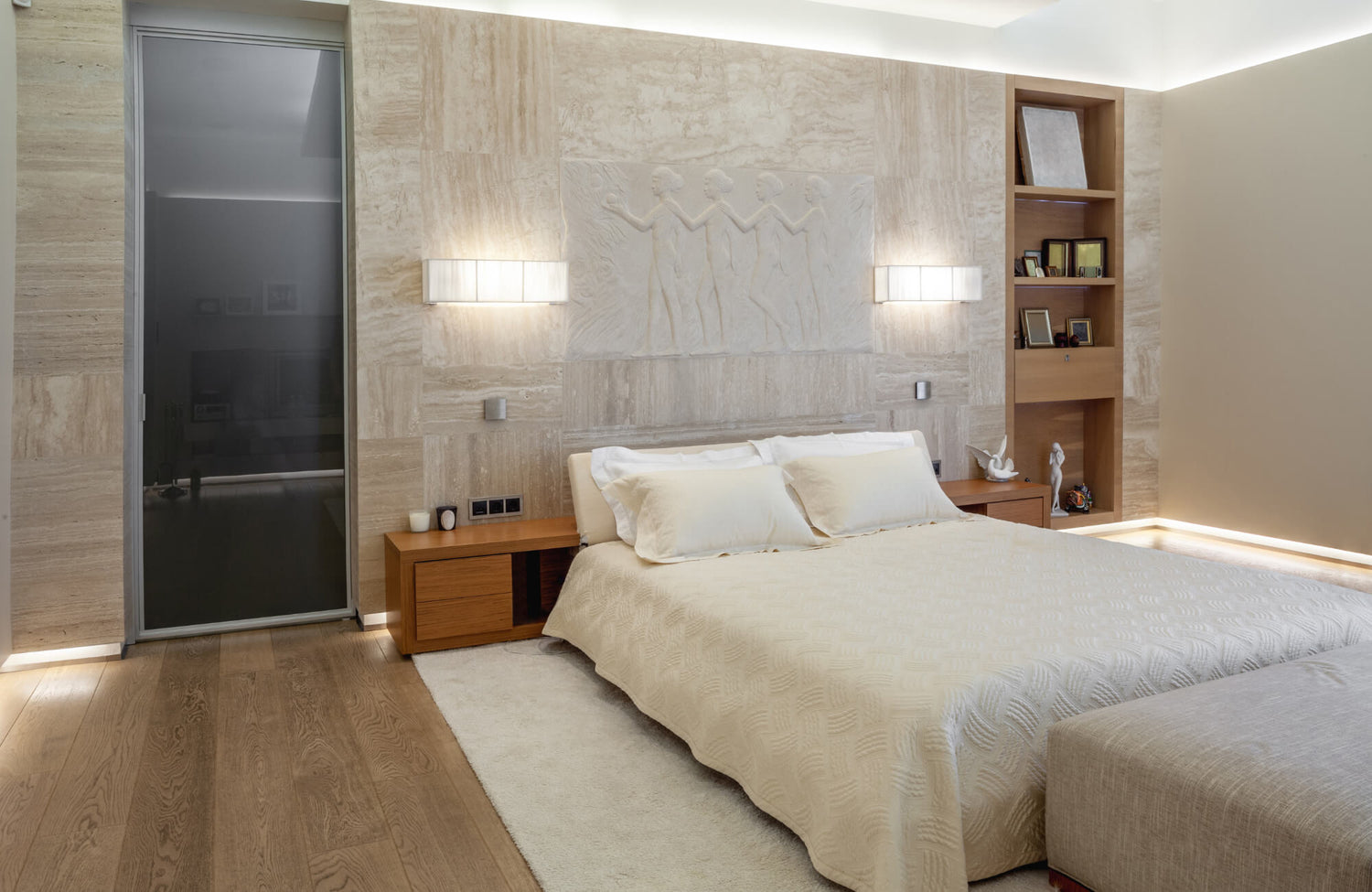
For instance, consider our Johansson Wall Sconce in Antique Nickel. As shown above, its tall, refined silhouette and soft fabric shade diffuse light both upward and downward, creating a gentle ambient glow with task-ready utility. Whether placed beside a mirror or along a hallway, this fixture shows how a well-chosen sconce can elevate a room’s atmosphere without dominating the design.

Crafting Mood and Atmosphere with Sconces
Once you understand what sconces are and how they differ from typical lighting, the next step is seeing how they shape the feel of a space. Through thoughtful placement and light quality, sconces can influence everything from mood to the way a room is experienced.
Creating Warmth and Intimacy
Fundamentally, sconces excel at creating warmth and intimacy, especially in residential settings. Unlike overhead lighting, which can feel harsh or clinical, sconces provide soft, low-level illumination that enhances comfort and visual appeal. Choosing fixtures with warm color temperatures, typically 2700K to 3000K, helps replicate the inviting glow of incandescent light.
Furthermore, where sconces are placed has a significant impact. Positioned beside a fireplace, bed, or seating area, they offer indirect lighting that minimizes shadows and fosters a soothing ambiance. Many modern models include dimmers for customizable brightness, while uplight designs bounce illumination off the ceiling to create a cocoon-like effect. To further soften glare, frosted or opal diffusers are ideal, making sconces a perfect fit for bedrooms, dining rooms, and entryways where mood is a central design element.
Enhancing Architectural Features
Beyond setting a tone, sconces also serve as effective tools for accentuating architectural features such as archways, niches, crown molding, or textured walls. In lighting design, this technique, known as accent lighting, uses directional beams or wall-grazing optics to add dimension and drama.
To that end, fixtures with articulating arms or adjustable heads allow for targeted control, while narrow or wide beam angles can either focus light on specific elements or softly wash an entire surface. For instance, sconces installed along a gallery wall can enhance framed artwork by minimizing shadows and improving color accuracy, especially when using fixtures with a high CRI (Color Rendering Index).
In addition, sconces placed in stairwells or corridors create rhythm and continuity, reinforcing the flow of a home’s architectural layout. Edward Martin’s Jodie Wall Sconce in Antique Brass Iron, featured above with its sculptural silhouette and vertical emphasis, beautifully illustrates how lighting can double as both a design statement and a functional layer of illumination.
Defining Zones and Spaces
In open-concept or multifunctional rooms, sconces can also help delineate distinct zones without the need for structural partitions. For example, lighting a reading nook or flanking a lounge area sets it apart visually from the surrounding space.
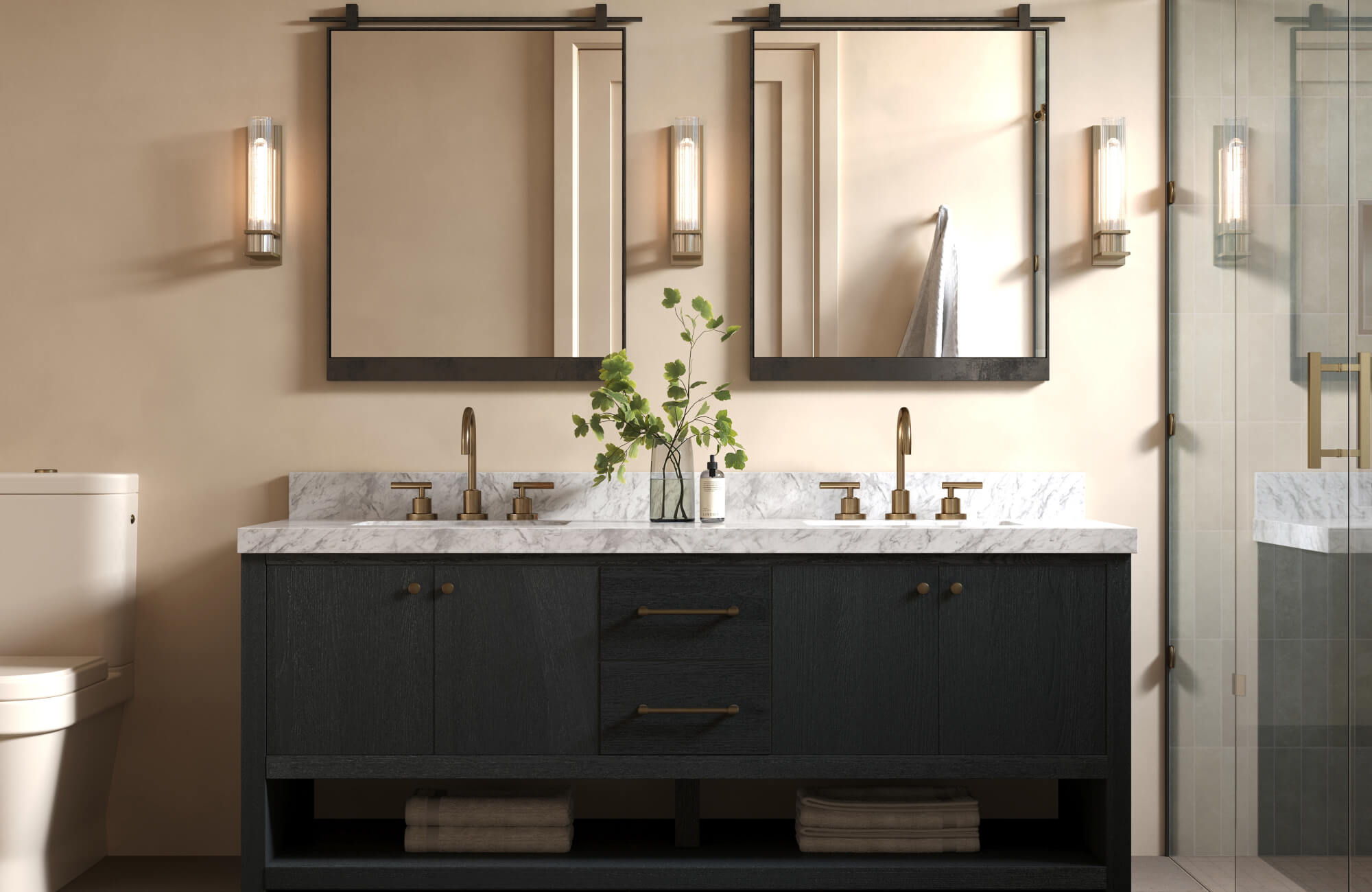
Moreover, sconces improve task-specific functionality. In kitchens, directional sconces near prep areas can supplement undercabinet lighting, while in bathrooms, fixtures on either side of a mirror ensure even, shadow-free light. Similarly, in home offices or media rooms, dimmable sconces adapt seamlessly to various activities, from focused work to ambient screen lighting. When mounted at the appropriate height (typically 60–72 inches from the floor), they also assist with wayfinding and enhance overall comfort by guiding circulation through the space.

Practical Applications and Placement Strategies
Knowing how sconces shape mood and space is only part of the equation; their true impact comes from how and where they're used. Different rooms call for different lighting strategies, and sconces offer the flexibility to meet those needs with both style and intention.
Living Room Illumination
Notably, the living room, often a multifunctional hub, benefits greatly from layered lighting. Here, sconces complement ambient fixtures by offering localized brightness for tasks such as reading, entertaining, or displaying art. For balance and symmetry, consider placing sconces on either side of a fireplace, media console, or large art piece to prevent shadowy wall voids and ensure visual harmony.
For added flexibility, opt for sconces with adjustable arms or swivel heads, which allow for customized beam direction. Choosing models with a high Color Rendering Index (CRI of 90+) ensures accurate color display, especially helpful when lighting art, while dimmable drivers support smooth transitions from lively gatherings to relaxed evenings. As a general rule, mount sconces between 66 and 72 inches from the floor to maintain effective, eye-level illumination without causing seated glare.
A great example is Edward Martin’s Esme 26" Wall Sconce in Aged Brass. As displayed above, its elongated silhouette and frosted diffuser offer a soft, ambient glow ideal for both modern and transitional interiors, especially when paired symmetrically with key architectural features.
Bedroom Serenity and Functionality
Shifting to the bedroom, sconces serve both functional and atmospheric purposes. Wall-mounted designs free up nightstand space and reduce clutter. When equipped with articulating arms or pivoting heads, they also offer ergonomic advantages for nighttime reading or winding down. Position them 6–12 inches above the headboard or 30–36 inches above the mattress, depending on the user’s height while seated.
In terms of light quality, warm white color temperatures (2700K–3000K) are ideal for promoting relaxation. Additionally, dimmable or smart controls allow users to tailor brightness levels throughout the day. Downlight sconces with opaque or diffused shades help minimize eye strain, while built-in features like USB ports or touch sensors boost usability without compromising design integrity. When layered with ambient and accent lighting, sconces complete a serene and visually cohesive bedroom lighting plan.
Hallways and Entryways
Finally, in transitional zones such as hallways and entryways, sconces offer both form and function. These areas require consistent, glare-free illumination to guide movement safely and set the visual tone. Installing sconces every 6 to 8 feet, depending on ceiling height, ensures even light distribution, while mounting them 60 to 66 inches from the floor keeps them aligned with eye level.
In entryways specifically, sconces placed beside mirrors, art, or console tables can enhance depth and layering. Choosing high-efficacy fixtures (measured in lumens per watt) ensures energy-efficient performance, especially in spaces that remain illuminated for long periods. For added convenience, consider models with motion sensors or dusk-to-dawn settings, which offer hands-free operation ideal for busy or transitional areas.

Choosing the Right Sconce Style and Finish
Once you've identified where sconces will go, the next step is choosing ones that truly fit your space. From style and finish to how they cast light, every detail contributes to how well a sconce complements both your design and your daily use.
Matching Your Interior Design Theme
Before anything else, a well-chosen sconce should reinforce your room’s design narrative, whether rooted in classic elegance, sleek modernism, industrial chic, or transitional fusion. For example, traditional interiors benefit from ornate forms, curved arms, and finishes like antique brass or aged bronze, often paired with candelabra-style bulbs or frosted glass for a soft, warm glow.
Conversely, modern and minimalist spaces thrive on clean lines, geometric silhouettes, and understated finishes such as matte black or polished chrome. Slim, flush-mounted fixtures preserve the uncluttered aesthetic. Meanwhile, transitional interiors call for hybrid sconces that mix traditional forms with contemporary finishes, like brushed brass paired with black, for subtle elegance that bridges styles.
Ultimately, sconces act as architectural accessories that tie the room together. Consider Edward Martin’s Fenton Wall Sconce in Iridescent Acid Wash, for instance. As seen above, its sculptural shape and artisanal finish introduce rich texture while complementing natural materials such as woven cabinetry and matte tile. Mounted beside a mirror, it enhances visual depth while reinforcing a cohesive design palette.
Material and Finish Considerations
Once the aesthetic tone is defined, the choice of materials and finishes further shapes both style and durability. Metals like brass, bronze, and nickel are reliable and adaptable, available in polished, brushed, or antiqued finishes. For a fixture that evolves with time, living finishes like unlacquered brass develop a natural patina. On the other hand, powder-coated metals offer superior scratch resistance and color retention, especially useful in busy areas.
Glass, frequently used in shades or diffusers, also has a significant impact. Clear glass amplifies brightness and works well with decorative filament bulbs, while frosted or opal glass diffuses harsh light for a gentler look. Fabric shades add softness and tactile contrast but are best suited for dry spaces due to maintenance needs. Additionally, in moisture-prone environments such as bathrooms or coastal homes, opt for corrosion-resistant materials like marine-grade stainless steel, resin, or treated aluminum. In short, balancing aesthetic appeal with practical needs ensures your sconces will endure beautifully.
Light Direction and Output
Finally, beyond style and materials, the way a sconce delivers light has a significant effect on performance and mood. Fixtures are generally categorized by light direction: uplights provide ambient reflection, downlights offer focused task lighting, bidirectional sconces deliver a vertical spread, and diffuse fixtures emit a soft, all-around glow. Your choice should align with how the light will function in the intended space.
To fine-tune performance, consider beam angle, narrow for accent lighting, wide for wall washing, as well as brightness (typically 300–800 lumens for residential use) and color temperature (2700K–3000K for warm, inviting tones). For added versatility, select fixtures compatible with dimmer switches or smart lighting systems, allowing seamless adjustments based on mood or time of day. Altogether, these considerations ensure your sconce not only enhances the room visually but also adapts to your lifestyle needs.
For a more personalized approach, Edward Martin’s design consultation service can guide you through the lighting selection process, helping you choose fixtures that not only meet performance standards but also harmonize with your tile, rug, and furniture choices.
And if you have questions or need guidance, just contact the Edward Martin team. We’re happy to assist with tailored product recommendations or support in selecting complementary materials, ensuring your entire space feels thoughtfully curated and complete.

Installation Tips and Safety Considerations
Once you've selected the perfect sconces, proper installation is key to making them look and perform their best. From initial planning to wiring and mounting, a thoughtful approach ensures both safety and a polished, professional result.
Planning Your Installation
The first step is to define each sconce’s purpose—ambient, task, or accent lighting, as this will guide placement and orientation. For general use in hallways or living rooms, mount sconces 60 to 72 inches from the floor to the center of the fixture. In bathrooms, by contrast, sconces flanking a mirror should be positioned at eye level, typically 65 to 70 inches from the floor and 36 to 40 inches apart, for balanced, shadow-free illumination.
Next, identify wall studs and existing electrical infrastructure early in the process. Hardwired sconces usually require junction boxes mounted between standard 16-inch stud spacing and rated to support the fixture’s weight. For remodels or tighter spaces, low-profile or retrofit boxes are practical alternatives. Additionally, assess the circuit’s load capacity, especially in older homes, to avoid overloading. Thankfully, most LED sconces draw less than 10 watts, making them energy-efficient options that are easy on your electrical system.
Environmental conditions are another critical factor. In humid zones or areas near exterior doors, choose fixtures rated for damp or wet locations according to UL or ETL certifications. If you’re planning to use dimmers, confirm compatibility in advance, particularly for integrated LED sconces, which may require ELV (Electronic Low Voltage) dimmers rather than traditional types. And while some installations may seem manageable, it’s always best to work with a licensed electrician to ensure everything is safe, compliant, and up to code.
DIY vs Professional Installation
At this stage, you may be weighing whether to install the fixtures yourself or hire a professional. For simpler scenarios, such as plug-in sconces or surface-mounted models that connect to existing junction boxes, confident DIYers may feel comfortable taking the reins. These fixtures often come with clear instructions and mounting hardware. However, always shut off power at the breaker panel and test wires before beginning any electrical work.
On the other hand, more complex setups, like installing new junction boxes, running wiring through finished walls, or integrating sconces into a multi-gang dimmer system, are best left to licensed electricians. Mistakes can cause serious issues, including circuit overloads, electrical fires, or building code violations. A professional will ensure proper grounding, secure all connections, and verify full compliance with the National Electrical Code (NEC).
Moreover, electricians can assess total circuit capacity, reinforce mounting surfaces for heavier sconces, and deliver results that are not only technically sound but visually flawless. In short, investing in professional installation protects both your home and your lighting investment, especially during high-end renovations or before resale.
Elevate Your Space with Purposeful Illumination
Nonetheless, sconces are far more than decorative accents; they're intentional design tools that add depth, direction, and emotional nuance to any interior. With features like dimmable LEDs, directional beam control, and finish options that harmonize with your material palette, these fixtures offer a seamless blend of form and function.
At Edward Martin, we believe great lighting transforms a house into a home. So whether you’re planning a quick update or embarking on a full-scale renovation, let sconces bring warmth, clarity, and character to your space. For personalized ideas or professional guidance, explore our latest collections or speak with a design expert who understands the art and utility of light.