Mirrors are far more than everyday household objects. For centuries, they have been regarded as powerful symbols in cultural traditions, spiritual practices, and design philosophies, each viewing reflective surfaces as carriers of energy and intention. From amplifying light and redirecting flow to symbolically multiplying abundance, mirrors have been linked with prosperity and protection in ways that continue to influence how we use them today.
When placed and used with care, mirrors can transform more than the appearance of a room. They shape how energy circulates, how rituals are performed, and even how you perceive yourself in daily life. This article explores the many dimensions of mirrors, showing how they can be harnessed to cultivate balance, positivity, and ultimately, good fortune.

Harnessing Feng Shui Principles with Mirrors
In Feng Shui, mirrors are considered powerful tools that can either invite prosperity or disrupt harmony, depending on how they are placed. They are believed to influence chi, or life energy, by amplifying light, expanding space, and symbolically multiplying what they reflect. With mindful use, mirrors also become instruments of clarity, abundance, and vitality.
One of their most effective roles is redirecting energy to refresh spaces that feel stagnant. A mirror opposite a window can draw in the vitality of sunlight and greenery, while one in a narrow hallway can widen the perspective, creating a greater sense of openness. Yet what a mirror reflects matters just as much as where it is placed. Reflections of clutter or sharp edges may create imbalance, while those of plants, artwork, or soft light enhance joy and stability. At the same time, Feng Shui cautions against placements that disturb equilibrium, such as mirrors directly opposite the front door, which may bounce good energy away, or mirrors facing the bed, which can disrupt rest.
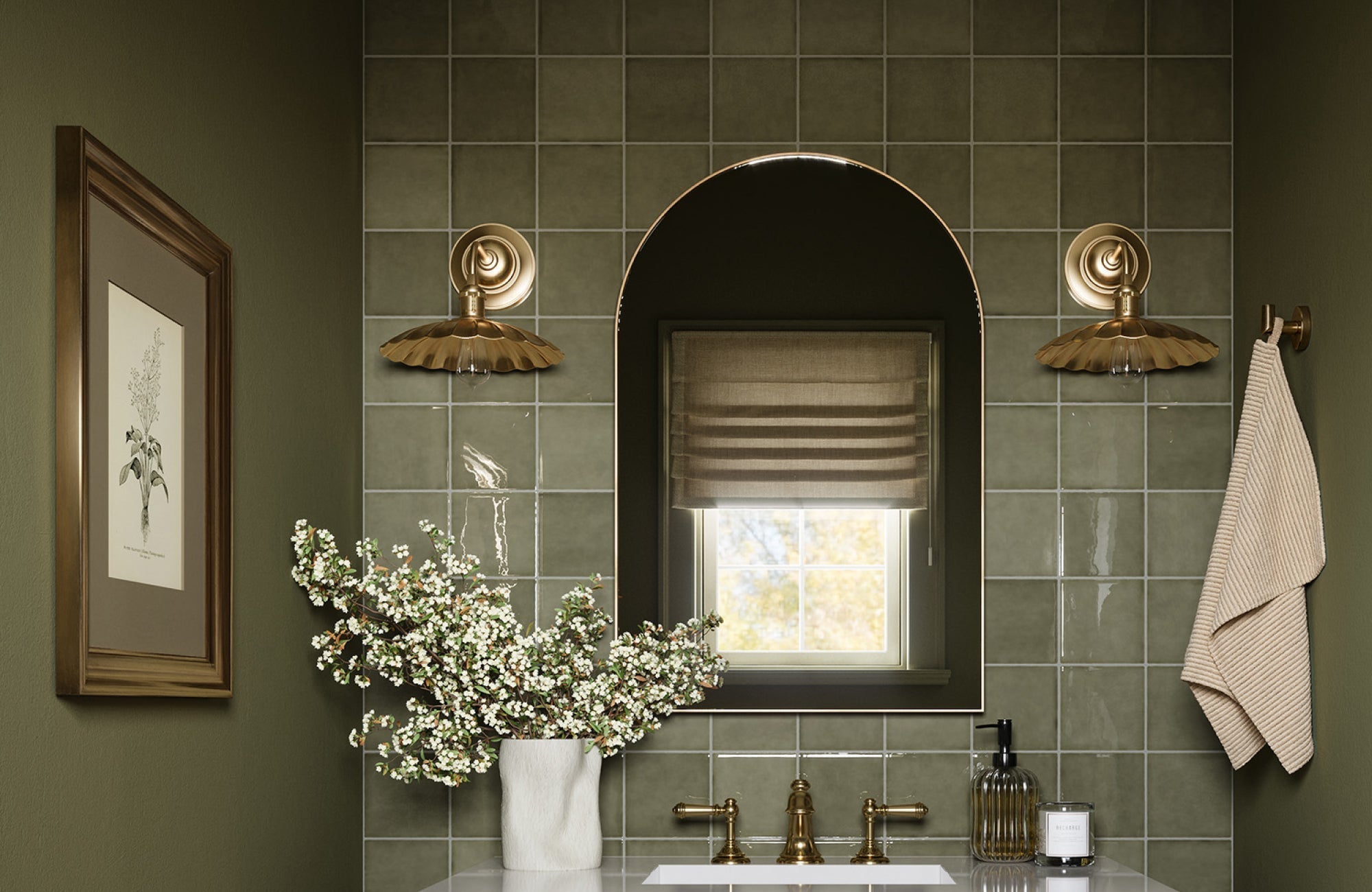
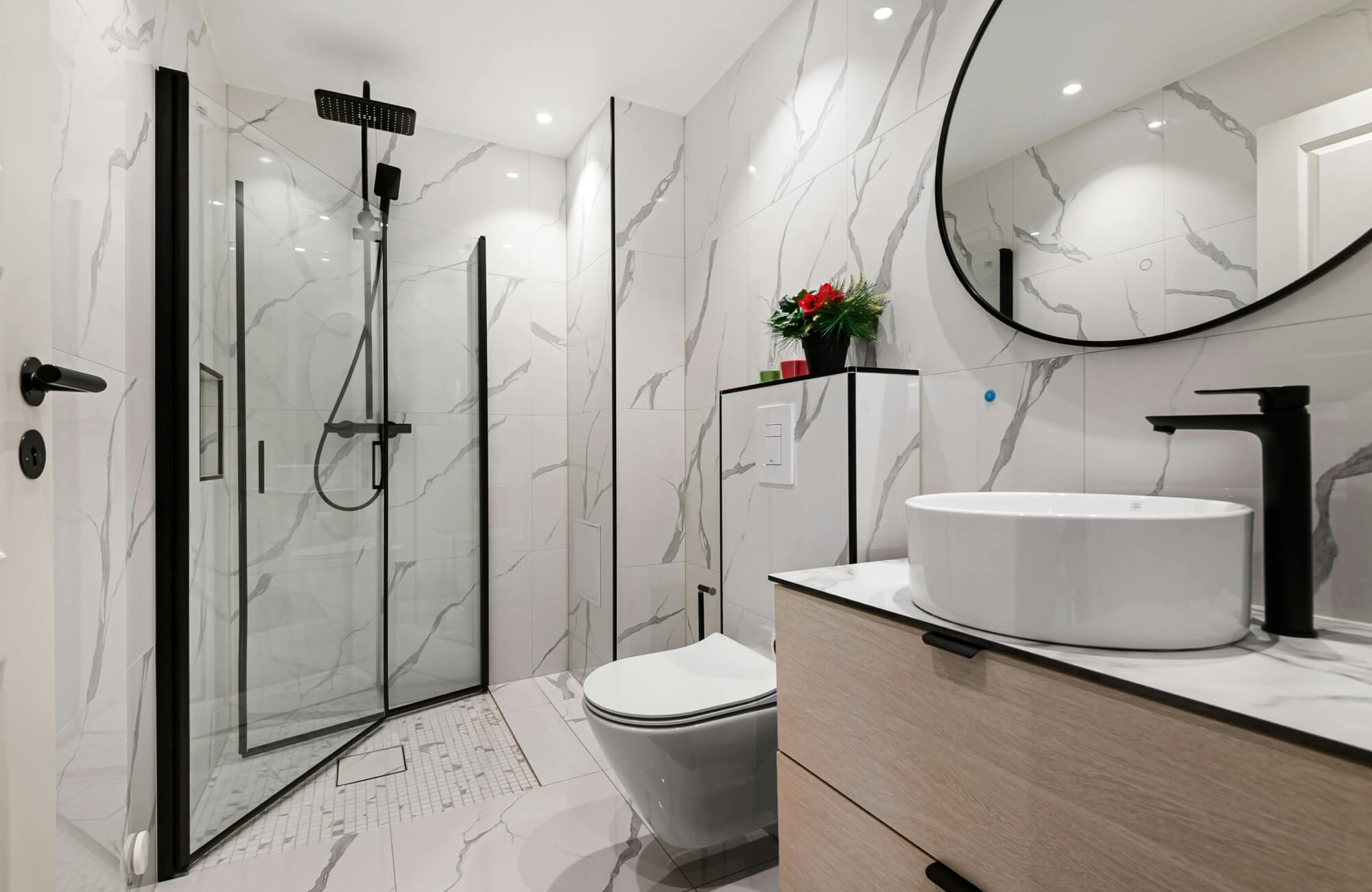
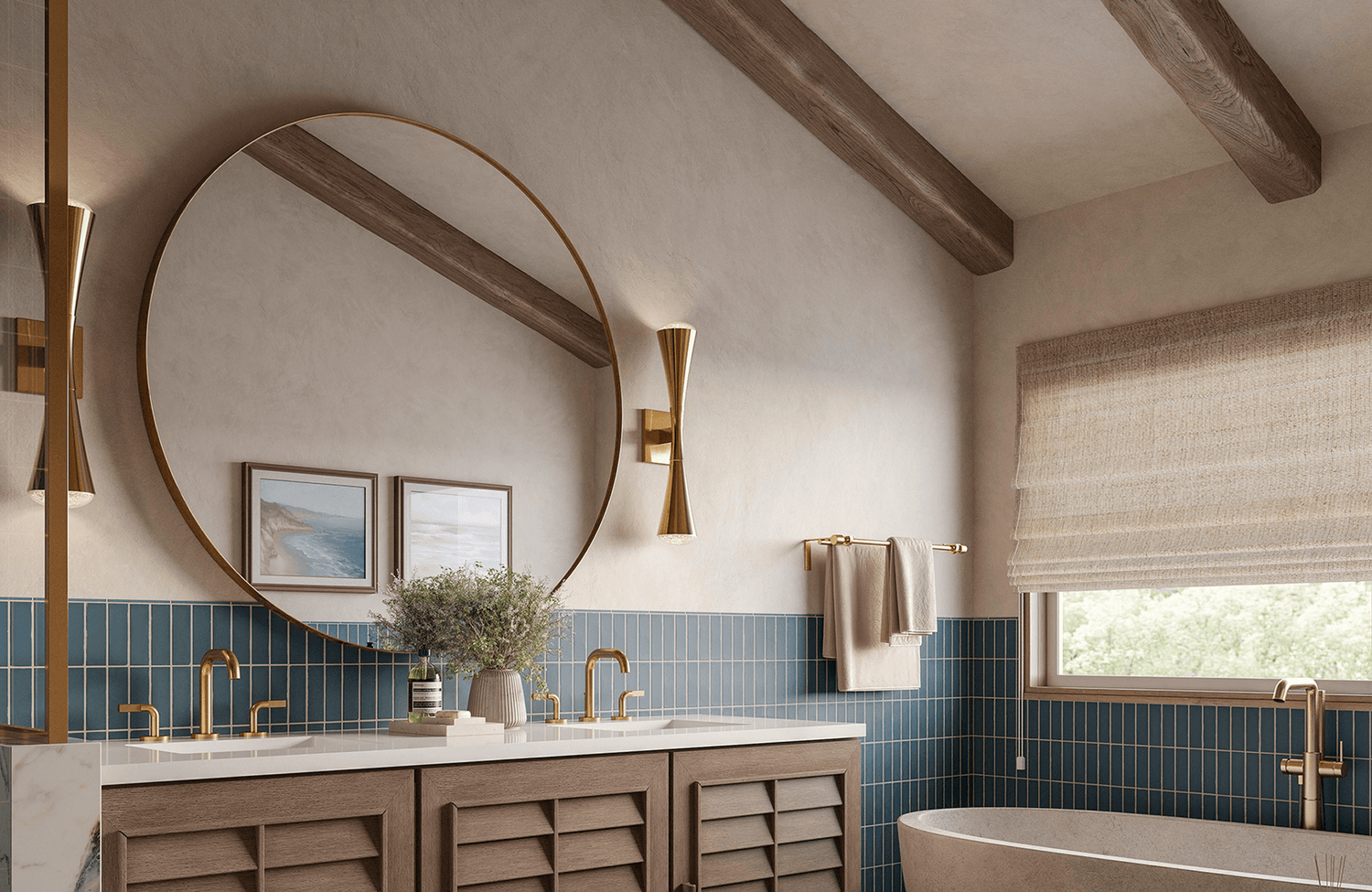
In the bathroom image shown above, our Raelynn Mantel Mirror in Iron Matte Black demonstrates how a mirror can work both aesthetically and energetically. Its bold black frame anchors the vanity wall while its elongated organic shape expands light from the nearby window, helping chi flow freely through the room. The combination of balance, proportion, and intentional placement also allows this mirror to serve as a conduit for harmony and good fortune.
Mirrors are also deeply symbolic, especially in relation to abundance. A mirror near a dining table is thought to double the food and light on display, sending a subconscious message of prosperity and continuity. This idea extends to other reflections as well: blooming plants suggest growth, glowing lamps symbolize opportunity, and harmonious images reinforce good fortune. To maintain their positive influence, mirrors should always be kept clean and intact, ensuring that the energy they project remains clear, supportive, and aligned with your intentions.

Cultural Beliefs on Mirrors and Fortune
Across the world, mirrors have been seen as more than simple reflective surfaces. In many traditions, they are mystical objects that serve as portals, protectors, and amplifiers of energy. These beliefs reveal why mirrors hold such a strong connection to good fortune, prosperity, and spiritual well-being.
Mirrors as Protective Talismans
In several Asian traditions, mirrors are used as guardians of the space. The Bagua mirror is a well-known example, often placed above doorways or gates to repel negative energy before it crosses the threshold. Its octagonal frame also carries Taoist symbols of balance, while the convex glass pushes harmful forces outward, bending and scattering them rather than drawing them in. This practice highlights how mirrors are seen as active participants in shaping energy flow, rather than passive decorations.
Other cultures also embrace mirrors for their protective qualities. In some European and Middle Eastern folk practices, small mirrors hung near windows or doorways were believed to confuse wandering spirits, who would be unable to enter once confronted with their own reflection. Even today, you may find decorative mirrors near entrances serving both aesthetic and symbolic roles, forming a protective shield between the outer world and the sanctuary within.
Symbolism of Mirrors in Prosperity Rituals
Mirrors play an important role in prosperity and abundance rituals. In Vastu Shastra, India’s traditional system of spatial harmony, a mirror facing the dining area or a place where wealth is stored symbolically multiplies resources. The reflection is not only visual; it is thought to magnify the flow of fortune itself, reinforcing abundance as a constant presence in your life.
European traditions also carry their own interpretations. During certain harvest rituals, mirrors were positioned in fields to reflect the sun’s light, symbolically drawing its strength to the crops for a fruitful yield. Additionally, mirrors have been used in fertility rituals, their reflective quality associated with continuity, growth, and the promise of future generations. In divinatory practices, mirrors become more than tools of fortune-telling; they are gateways reflecting symbols of prosperity, often revealing glimpses of what abundance may lie ahead.
The Superstition of Broken Mirrors
Among the most enduring mirror-related beliefs is the superstition that breaking one brings seven years of bad luck. This notion traces back to ancient Rome, where mirrors were considered to hold not just your likeness but part of your soul. Breaking one was thought to fracture your spiritual essence, which, according to Roman belief, required seven years to heal and renew.
Though centuries have passed, the superstition remains alive in many cultures, reminding us of the symbolic weight mirrors carry. Even if you don’t literally fear seven years of misfortune, the caution encourages you to treat mirrors with respect as vessels tied to energy, intention, and the well-being they can either protect or disturb.

Expanding Light to Energize Spaces
Beyond spiritual symbolism, mirrors hold a practical but equally powerful role in interior design. They maximize light, enhance spatial flow, and transform ordinary rooms into uplifting environments. When a space feels brighter and more expansive, it naturally supports emotional clarity and a sense of optimism, qualities often linked with attracting prosperity and good fortune.
Shaping Room Proportions for Balance
Mirrors can do more than reflect what is already there; they can reshape the way you experience a room. In a narrow hallway or a cramped living area, placing a large mirror along one wall can open the perspective, instantly creating a sense of width and freedom. Similarly, if your ceilings feel low and heavy, a tall mirror draws the eye upward, introducing a subtle sense of grandeur and vertical expansion. These visual adjustments not only make a room feel more comfortable but also help energy flow without obstruction.
Equally important is how mirrors guide attention. By positioning a mirror to highlight a favorite architectural feature, such as a fireplace or an arched doorway, you redirect energy toward beauty and balance. The result is a space that feels harmonious and thoughtfully proportioned. When your surroundings look and feel balanced, you are also more likely to experience emotional steadiness and energetic stability, foundations that many traditions consider vital for inviting lasting prosperity.
In the living room photo above, our Raelynn Mantel Mirror in Polished Brass demonstrates how a mirror can elevate both proportion and atmosphere. Its golden brass frame adds warmth against the brick fireplace, while its arching form softens the strong lines of the room. By reflecting light and architectural detail, the mirror guides attention toward the hearth, reinforcing symmetry and creating a focal point that grounds the space in balance. This thoughtful placement shows how a mirror can do more than decorate. It can also transform a room into a harmonious and inviting environment.
Selecting Shapes and Frames with Intention
The symbolism of a mirror goes far beyond its reflective surface. Its shape and frame contribute to the energy it carries into your space. A circular mirror, for example, conveys continuity, wholeness, and unity. This makes it a natural choice when your goal is to cultivate harmony in a living space. Other shapes also bring their own symbolism, shifting the mood and meaning within a room. Square mirrors, with their balanced proportions, introduce stability and order, while arched mirrors soften those angles with a graceful curve that blends structure and fluidity. Asymmetrical mirrors, on the other hand, break convention with playful forms that spark creativity and add a sense of individuality. Angular or geometric mirrors, by contrast, create sharper lines and more dynamic movement, aligning with modern interiors that thrive on clarity and decisive energy.
The frame adds yet another layer of meaning. Gold and metallic finishes are often associated with abundance and prosperity, catching the light in ways that evoke wealth and radiance. Wood frames, on the other hand, feel grounded and organic, symbolizing growth and renewal. Even choosing a frameless mirror carries significance—it suggests openness, simplicity, and the removal of barriers. A perfect example is our Esmeralda Round Mirror in Polished Brass, where the circular form emphasizes unity and the polished gold finish radiates warmth and prosperity. By carefully selecting both shape and frame, you can align the energy of your mirrors with your personal intentions, ensuring that their presence not only elevates design but also attracts the kind of fortune you wish to invite.

Mirrors in Personal Rituals and Daily Practices
Mirrors can be more than tools for checking your appearance. They can also support personal growth when woven into your daily routines. When you use them intentionally, mirrors become companions in cultivating confidence, clarity, and empowerment, helping to attract the kind of energy that feels like good fortune in everyday life.
One of the most effective ways to work with mirrors is through affirmations and visualization. Speaking positive words into your reflection creates a feedback loop that strengthens self-belief, transforming abstract thoughts into lived conviction. Over time, this practice reshapes your inner dialogue, building the kind of confidence that draws opportunities your way. Mirrors also serve as gateways for meditation and manifestation, allowing you to connect with the image of your future self who has already achieved your goals. This fusion of sight, intention, and emotion turns the mirror into a tool of possibility, bridging the gap between where you are and where you want to be.
Just as important as their use is their care. In many traditions, mirrors are cleansed with salt water, incense, or herbal sprays to release any stagnant or negative energy they may have absorbed. This ritual of cleaning is both practical and symbolic, resetting the mirror’s role as a clear channel for your intentions. A polished, energetically refreshed mirror not only reflects your image but also amplifies your goals, ensuring that it continues to attract clarity, positivity, and good fortune into your life.

Outdoor and Architectural Uses of Mirrors
When placed outdoors or integrated into architecture, mirrors extend their influence into the larger environment. In gardens, a well-positioned mirror can reflect greenery, flowers, or water, symbolically multiplying nature’s vitality and abundance. This not only creates the illusion of more space but also enhances light in shaded areas, supporting both plant growth and personal well-being. Aligned with natural elements, an outdoor mirror becomes a bridge between cultivated design and the life force of the environment, reinforcing prosperity through harmony with nature.
Entryways also benefit from the symbolic power of mirrors. By placing one near the front door—but never directly opposite—you guide energy inward and create a sense of expansiveness from the moment someone approaches. The mirror turns the threshold into a welcoming passage, ushering in good fortune while setting a tone of openness and abundance. Our Tristan Square Mirror in Rustic Black is a standout example, with its geometric form introducing structure and balance while its dark, weathered frame grounds the energy, making it an ideal piece for both modern and transitional entryways.
On a larger scale, architectural mirrors in public spaces serve as bold statements of success and vitality. A mirrored wall in a restaurant can amplify celebration and exclusivity, while expansive mirrors in a hotel or corporate lobby project ambition and growth. These design choices are not purely decorative; they subtly shape perceptions and communicate abundance, transforming mirrors into symbols of thriving environments where prosperity is reflected in both form and feeling.
Using Mirrors to Attract Good Fortune
Mirrors can attract good luck when they are used with intention, clarity, and respect for what they reflect. By brightening and expanding spaces, reinforcing cultural and spiritual practices, and supporting rituals of confidence and renewal, they become more than design elements—they become tools for prosperity and transformation. With thoughtful placement and mindful care, mirrors also invite balance and abundance into your surroundings, encouraging you to project the kind of energy that draws good fortune into every part of your life.
If you are ready to bring these ideas into your own space, our team can guide you in selecting mirrors that align with both your style and your intentions. From choosing the right shapes and finishes, we are here to help you make thoughtful choices!