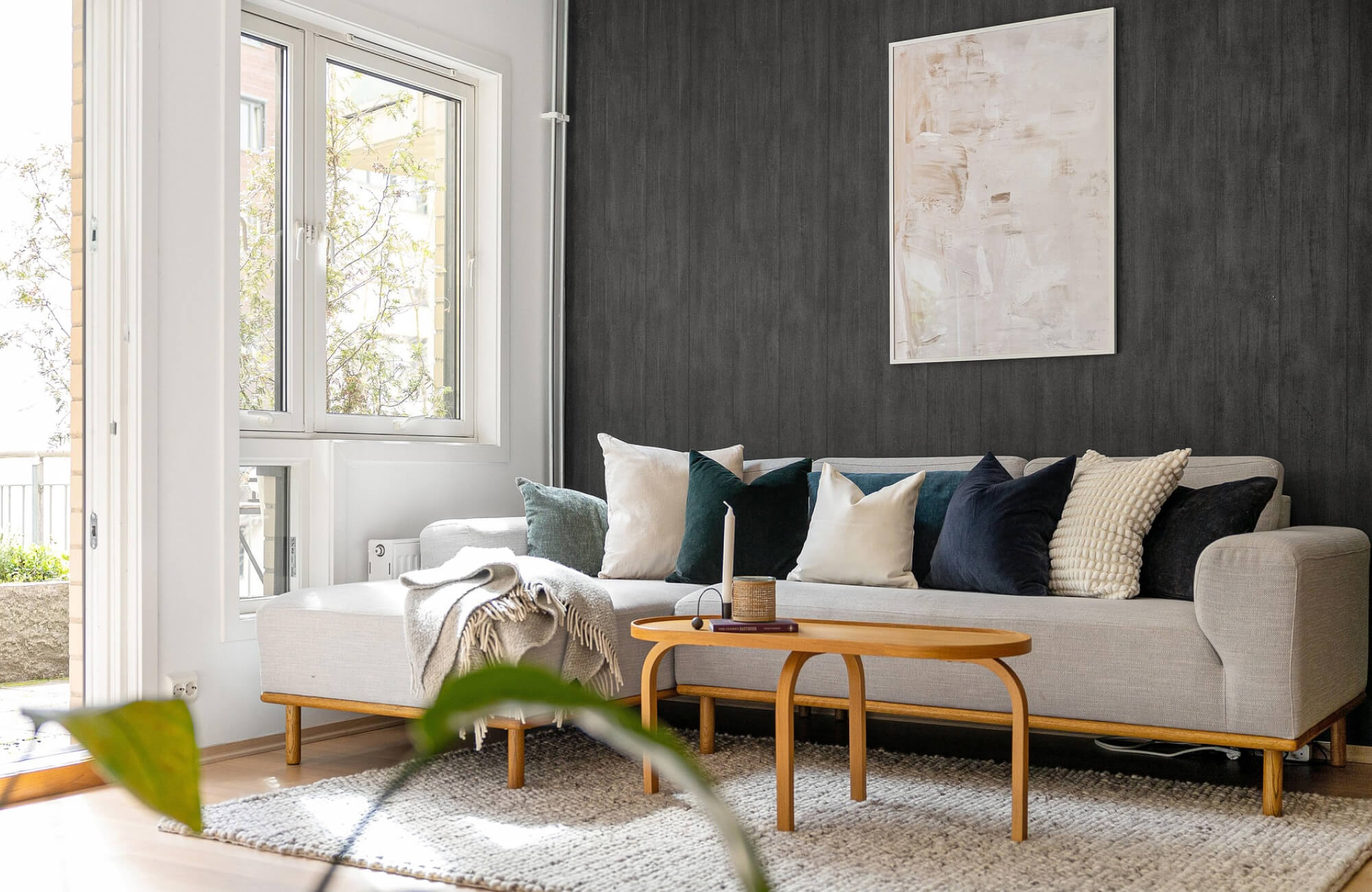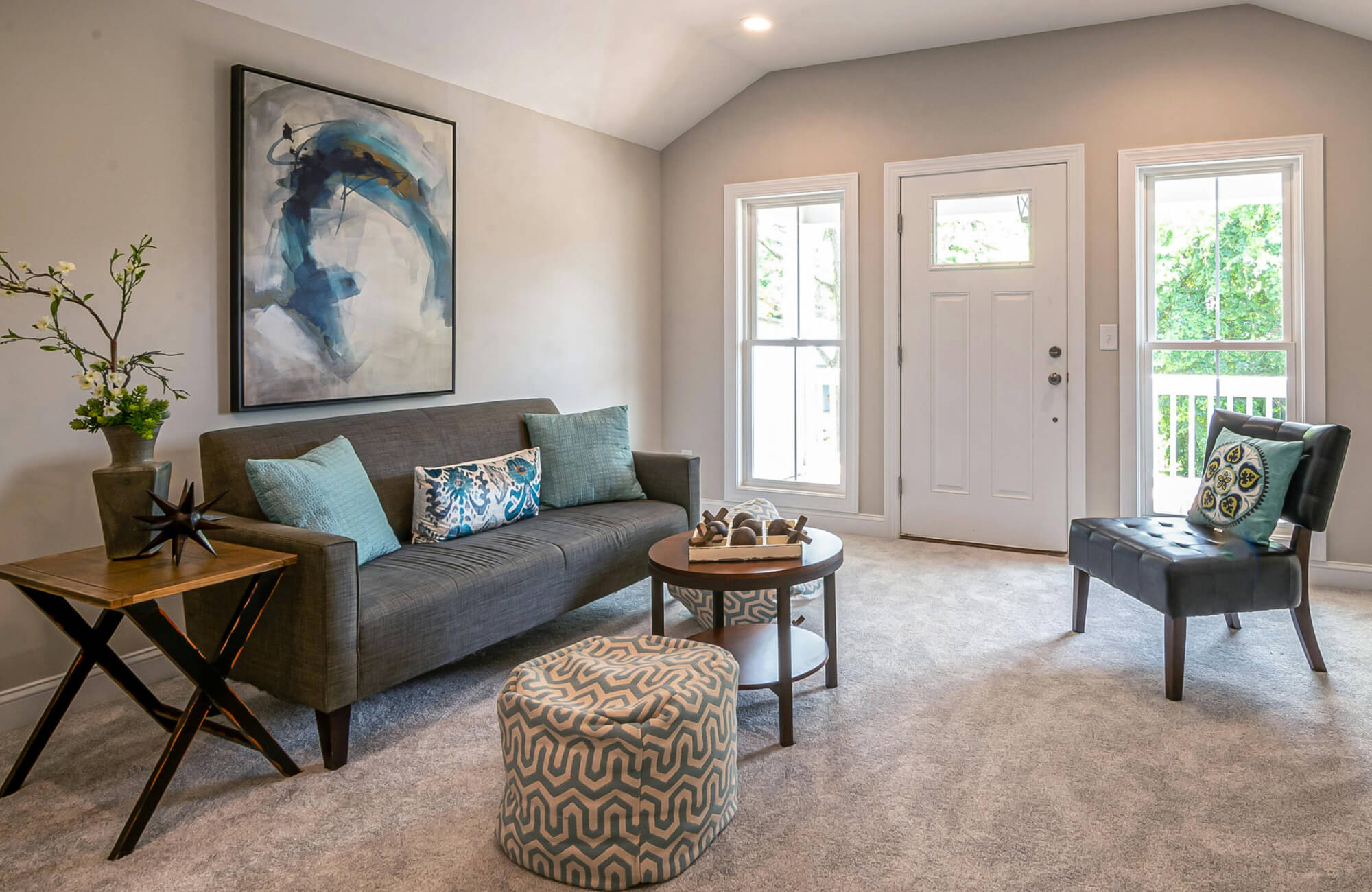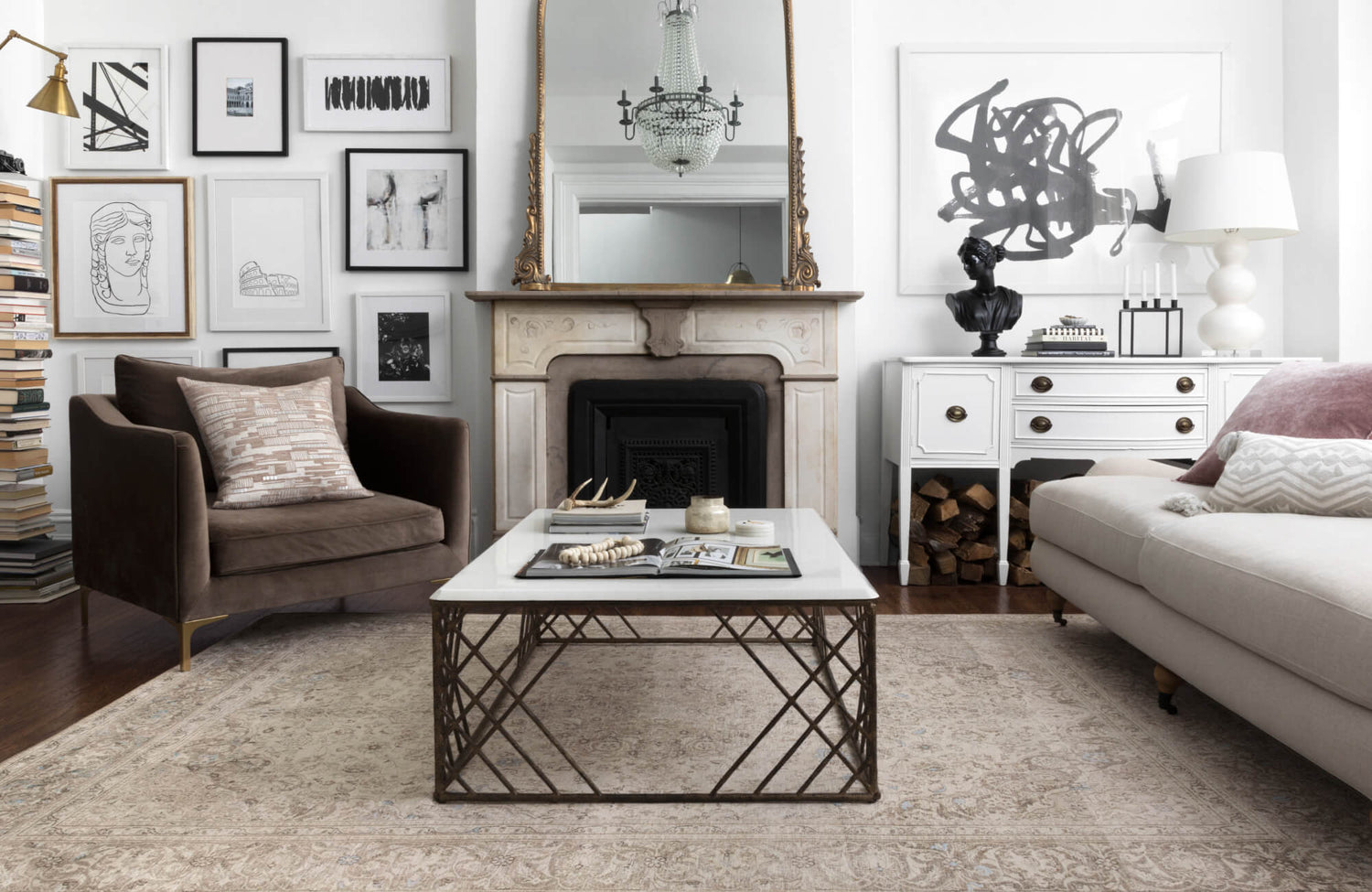
Decorative pillows may seem like small details, yet they can have a noticeable impact on how comfortable and balanced a room feels. Because of this, it often helps to start with size when choosing pillows, as the right proportions can make seating feel inviting rather than crowded or empty. As you explore decorative pillow sizes, it is also helpful to consider how they relate to furniture scale, layering techniques, and overall design preferences. By looking at these elements together, you can make a decision that supports both comfort and visual harmony in your space.

The Role of Pillow Size in Interior Balance
Pillow size plays an important role in how furniture feels within a room, influencing both comfort and visual balance. When the proportions are right, the seating area naturally looks more intentional, cohesive, and comfortable.
Why Scale Matters
When decorative pillows are placed on a sofa or chair, their size immediately influences how the furniture looks and feels. Pillows that are too small may appear out of place on a deep sofa, while oversized pillows on a narrow loveseat can overwhelm the seating area and make it feel cramped. It is helpful to consider the overall furniture structure first. Seat depth, back height, and arm thickness all contribute to determining the most suitable pillow size. A deep sofa, for instance, often works well with pillows around 22x22 inches as they fill the corner comfortably. In contrast, a compact apartment sofa may feel more balanced with pillows closer to 18x18 or 20x20 inches.
It is also useful to consider how the pillows interact with everyday seating. When the size is right, pillows support your back comfortably without pushing you forward or taking up too much seat space. This balance between comfort and proportion is often a clear indicator that the pillow size fits the furniture well.
Proportion and Visual Weight
In addition to scale, pillow size affects visual weight within a seating arrangement. Larger pillows often serve as the foundation, providing structure to the arrangement, while smaller pillows add subtle accents. When different sizes are combined thoughtfully, they can add depth and help the seating area feel balanced rather than flat.
When a sofa uses only one pillow size, the arrangement can feel too uniform or slightly unfinished. Placing a slightly smaller pillow in front of a larger one creates a layered effect that feels more natural and visually engaging. In this arrangement, the larger pillows establish the overall shape while the smaller pillows introduce variation and detail.
The surrounding space can also influence how pillow sizes appear. For instance, when a sofa is positioned beneath large artwork or next to tall shelving, slightly larger pillows can help maintain visual balance. In contrast, furniture in a smaller room with minimal décor often works better with medium-sized pillows, which help keep the seating area looking open and well-balanced.
Avoiding Common Size Mistakes
Many people select decorative pillows based on pattern or color without considering size. While fabric and design contribute to the overall style, pillow size ultimately determines whether those details work well within the space. A common issue appears when several small pillows are placed across a large sofa. Instead of adding comfort, the arrangement can look cluttered and less practical for everyday use.
On the other hand, filling a sofa with oversized pillows may reduce usable seating space and make the area feel crowded. For this reason, it often helps to step back and look at the furniture as a whole before adding pillows. If the arrangement feels uneven or overly full, adjusting the pillow size can quickly improve the balance. Starting with the right proportions allows decorative pillows to complement the room rather than compete with the surrounding elements.

Choosing Pillow Sizes for Different Furniture Types
Once pillow size and balance are clear, the next step is to choose sizes that suit the furniture they will be used on. Since sofas, beds, chairs, and benches all have different proportions, the most suitable pillow size often depends on the furniture.
Standard Sofa Pillow Sizes
When styling a typical sofa, square pillows around 20 to 22 inches may work well. This size range provides enough presence to feel substantial while still keeping the seating area comfortable and visually balanced. For sofas with deeper seats or taller back cushions, slightly larger pillows, like 22x22 inches, often feel more suitable. They fill the corner of the sofa and provide supportive cushioning without looking too small or losing their shape.
In contrast, compact sofas and loveseats usually work well with 18x18 or 20x20 pillows. These sizes maintain proportion while providing comfortable support, helping the seating area feel balanced without taking up too much space.
Pillows for Sectionals and Deep Seating
Sectional sofas and deep lounge seating often require a slightly different approach. Because these pieces have wider seating areas and deeper cushions, smaller pillows may not provide enough presence or support. For this type of seating, pillows around 22x22 or even 24x24 inches often work well. Their larger size fills the sectional corners more comfortably and suits the relaxed seating style of deep sofas.
Larger pillows can also soften the long lines of sectional sofas. When paired with a slightly smaller pillow or a lumbar pillow, the arrangement adds depth while keeping the seating area comfortable and visually balanced.
Decorative Pillow Sizes for Beds
Beds have a slightly different setup, as pillows are usually arranged in layers from back to front rather than across the seat. In many bedrooms, the back layer begins with Euro pillows measuring about 26x26 inches, creating a structured base against the headboard. In front of the Euro pillows, square decorative pillows around 20x20 inches often form the middle layer. This size helps transition from the larger pillows at the back to the smaller accents placed in front.
To complete the arrangement, a lumbar pillow or a long rectangular pillow is often placed at the front. This final layer draws attention to the center of the bed while keeping the setup comfortable and easy to adjust for everyday use.
Accent Chairs and Benches
Smaller furniture pieces generally work best with medium-sized pillows. Accent chairs, for example, often pair well with pillows between 16 and 18 inches, since larger pillows can take up too much of the seat and limit comfort. A lumbar pillow can also be a good option for narrow seating, particularly when you want a bit of back support without taking up too much of the chair. Its elongated shape rests naturally against the backrest while still leaving enough space to sit comfortably.
Benches and entryway seating follow a similar approach. Choosing a medium-sized pillow helps maintain comfort while adding a decorative touch that connects the seating area with the rest of the room.

Layering Techniques That Influence Pillow Size
Layering decorative pillows helps create a more balanced and visually appealing arrangement. By thoughtfully combining different pillow sizes, the seating area gains depth while still feeling comfortable and well-organized.
Start with the Largest Pillows
A balanced pillow arrangement often starts with the largest pillows placed against the back of the sofa or bed. These pillows create the base layer that supports the rest of the arrangement and helps define its overall structure. Because they sit at the back, larger pillows help establish the overall layout. They also frame the furniture’s corners, which can make the seating area feel fuller and more comfortable.
This base layer also helps determine how many additional pillows the arrangement can comfortably support. Starting with larger pillows keeps the overall setup balanced while preventing the seating area from feeling crowded.
A good example of how this base layer works in practice is shown in the photo featured above, where Edward Martin’s Merelle 22" x 22" Down Pillow in Terracotta and Merelle 22" x 22" Down Pillow in Tan are placed at the back of the seating area, creating a supportive foundation for the rest of the pillows. Their generous square size helps anchor the arrangement visually while comfortably filling the corner. From there, smaller pillows can be layered in front, allowing the base pillows to establish structure while the additional layers introduce texture and variation.
Middle Layer Accent Pillows
Once the base layer is in place, the middle layer adds variation to the arrangement. These pillows are usually slightly smaller and may introduce different textures or patterns. This layer helps soften the transition between the larger pillows at the back and the smaller accents at the front. It also provides an opportunity to add subtle design details without overwhelming the overall layout.
When sized thoughtfully, the middle layer creates visual depth and helps the seating arrangement feel more balanced and intentional. In the photo featured above, Edward Martin’s Brielle 18'' x 18'' Down Pillow in Natural / Mustard illustrates how a medium-sized accent pillow can bridge the larger back pillows and the front layer. Its moderate size and subtle contrast add warmth and texture to the window seat while maintaining a smooth visual transition between the layers.
Front Layer Statement Pillows
The front layer usually features the smallest pillow or a lumbar pillow. Placed at the front of the arrangement, it naturally draws attention and helps complete the overall look. Because these pillows sit closest to the viewer, they often highlight textures, embroidery, or patterns. Their smaller size allows the layers behind them to remain visible while still adding character to the arrangement.
A lumbar pillow can also help anchor the composition visually. In the photo featured above, Edward Martin’s Merelle 13" x 21" Down Pillow in Terracotta sits at the front of the window seat arrangement, creating a clear focal point. Its rectangular shape contrasts with the larger square pillows behind it, adding definition to the layered setup while keeping the arrangement comfortable and uncluttered.
Odd vs. Even Pillow Arrangements
Another factor to consider when choosing pillow size is the number of pillows used in the arrangement. Some spaces feel more balanced with evenly paired pillows, while others benefit from the relaxed look of an odd-numbered grouping. Even arrangements often rely on matching pillow sizes placed at each end of a sofa. This approach may work well in more formal living rooms where symmetry and structure help create a polished appearance.
In more casual settings, an odd-numbered arrangement allows pillow sizes to vary more naturally. This flexibility often makes the seating area feel softer and more comfortable while still maintaining visual balance.

Style Aesthetics That Influence Decorative Pillow Size
Design style can also influence the size of decorative pillows. Because different interiors emphasize different proportions, understanding these preferences can help you choose pillow sizes that complement the room’s overall look.
Minimalist and Modern Interiors
Minimalist and modern interiors often emphasize simplicity, which typically means using fewer pillows in slightly larger sizes. Rather than layering several small pillows, the arrangement often relies on one or two well-proportioned pillows that add comfort without creating visual clutter. Larger pillows may work well in these spaces because they provide presence while keeping the arrangement clean and uncomplicated. This approach helps the seating area feel calm, balanced, and intentionally styled.
Traditional and Classic Styling
Traditional interiors often use layered pillow arrangements, combining different sizes to create symmetry and visual depth across the sofa or bed. This approach helps the seating area feel structured while still appearing comfortable and inviting. In these spaces, square pillows typically form the base layer, while smaller pillows add pattern or texture in front. The variation in size adds dimension to the arrangement while keeping the overall look balanced and cohesive.
Bohemian and Eclectic Spaces
Bohemian interiors often allow greater flexibility in pillow sizing. Instead of following a strict structure, pillows in different shapes and sizes are often mixed to create a relaxed, layered look. This approach may include square or rectangular pillows, and sometimes larger floor cushions placed nearby. The variety helps create a comfortable atmosphere where personal expression and texture take precedence over perfect symmetry.
Contemporary Luxury Spaces
Contemporary luxury interiors often emphasize comfort and well-filled pillow shapes. Larger pillows help create this effect by adding depth and a softer feel to the seating area. In these spaces, pillows around 22 to 24 inches often appear fuller and more substantial. When layered with smaller accent pillows, the arrangement feels inviting while maintaining a refined, polished appearance.

Practical Considerations When Choosing Pillow Sizes
While appearance plays an important role, practical factors also influence the ideal pillow size. Comfort, maintenance, and the overall room layout can all affect which pillow dimensions work best for everyday use.
Comfort and Back Support
Decorative pillows should still support everyday comfort. When you sit down, the pillows should cushion your back rather than push you forward on the seat. Lumbar pillows can be especially helpful because their shape follows the natural curve of the spine. Larger square pillows can also provide support on deeper sofas, where the seat depth might otherwise feel too wide for comfortable seating.
Pillow Insert vs. Cover Size
The relationship between the pillow insert and the cover also affects how full the pillow appears. When the insert is the same size as the cover, the pillow may appear flat and lack structure. Choosing an insert that is about one or two inches larger than the cover usually creates a fuller shape. This small difference helps the pillow keep its shape and maintain a fuller, more supportive appearance over time.
Room Size and Spatial Balance
Room size can also influence the size of decorative pillows. In a spacious living room with larger furniture, slightly big pillows around 22x22 to 24x24 inches often look more balanced and proportionate. In smaller rooms, 18x18 to 20x20 inch pillows may maintain a lighter and more open feel. Oversized pillows in compact spaces can make the furniture appear crowded and reduce the sense of available seating.
Maintenance and Storage
It is also helpful to consider how decorative pillows will be used and stored over time. Larger pillows naturally require more storage space when they are not in use, especially if you switch covers seasonally. Choosing practical pillow sizes that can fit easily into closets, storage benches, or baskets makes everyday organization simpler. This approach allows you to enjoy decorative accents while still keeping your living space tidy and manageable.

How to Build a Well-Proportioned Pillow Arrangement
If you are unsure where to begin, approaching the pillow arrangement step by step can make the process easier. Following a clear structure helps ensure the pillow sizes work with the furniture rather than competing with it.
Step 1: Assess Furniture Dimensions
Begin by measuring the width and depth of your furniture. These measurements can serve as a helpful guide when choosing pillow sizes that will fit comfortably. Furniture with deeper seats often works better with larger pillows, while smaller pieces usually benefit from medium-sized options. Starting with these measurements helps guide your choices and reduces the chances of selecting pillows that feel out of proportion.
Step 2: Choose a Size Hierarchy
Establish a clear size hierarchy within the arrangement. Larger pillows should form the base, medium pillows help create a transition, and smaller pillows add the finishing detail. This layered approach creates natural depth in the arrangement while keeping the number of pillows manageable and visually balanced.
Step 3: Limit the Number of Pillows
While decorative pillows can add personality to a space, using too many can make the furniture less practical. Most sofas usually feel balanced with three to five pillows, depending on their width. Keeping the number of pillows within this range helps maintain both comfort and visual clarity, allowing the arrangement to enhance the seating area without overwhelming it.
Step 4: Balance Style and Comfort
Finally, keep in mind that decorative pillows should support everyday comfort as well as style. When the size and placement work well for both function and design, the seating area naturally becomes a place where people can relax and feel at ease.
Finding the Right Decorative Pillow Size for Your Space
Decorative pillows should complement the furniture and the arrangement. For most sofas, pillows around 20 to 22 inches tend to work well, while deeper seating often benefits from 22 to 24-inch pillows. Smaller sofas and chairs usually feel more balanced with pillows in the 18 to 20 inch range. The goal is to select pillow sizes that feel proportional to the furniture while remaining comfortable for everyday use. When the sizes are thoughtfully chosen and layered, decorative pillows help create a seating area that feels balanced, inviting, and visually cohesive.
If you would like guidance in selecting pillow sizes or creating a coordinated arrangement for your space, contact us for assistance or explore our design services for personalized styling support. Our team can help you determine the right proportions and combinations to suit your furniture and overall interior style.