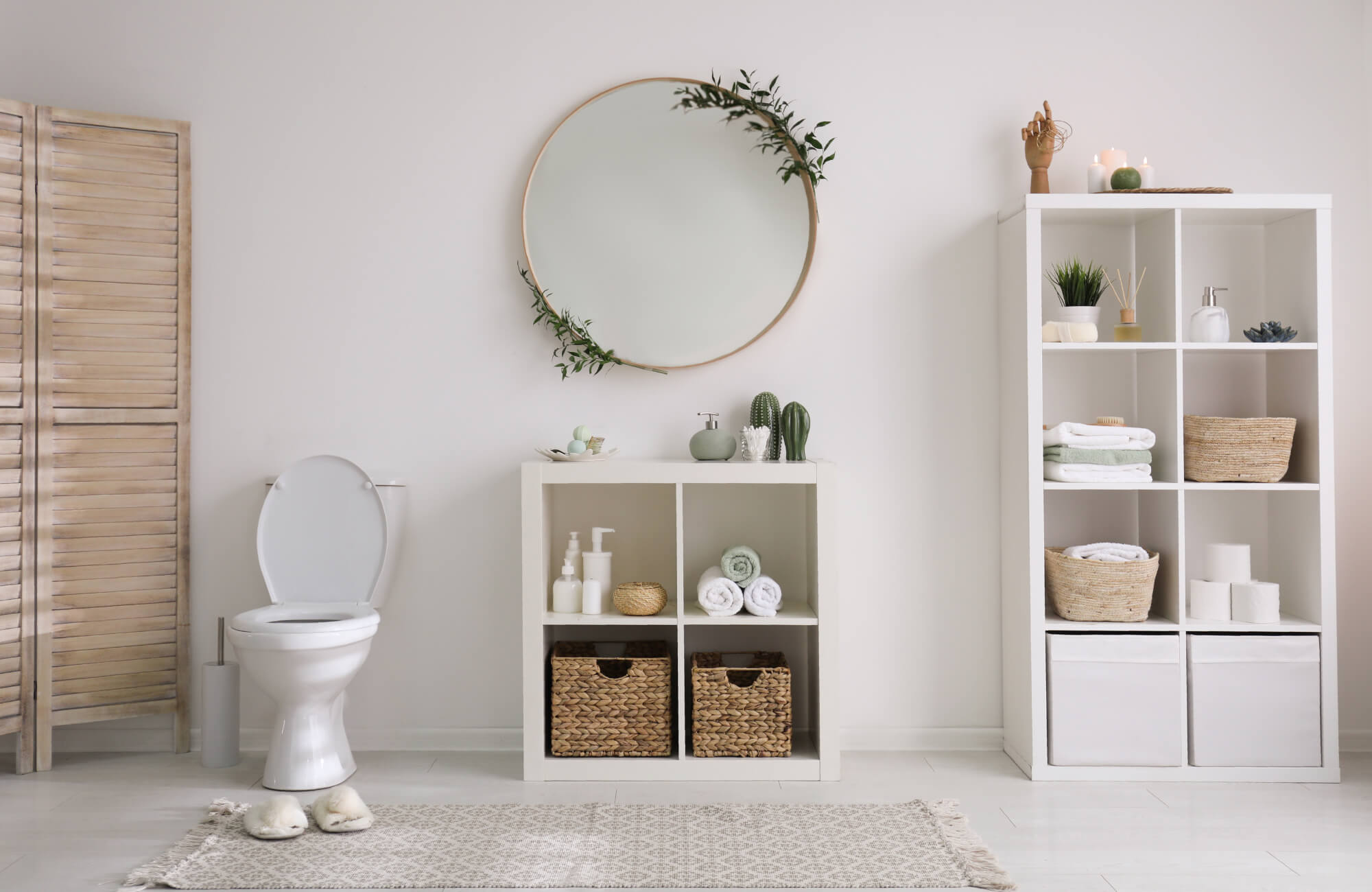
A bathroom mirror is far more than a reflective surface—it’s a defining design element that anchors the space with form, function, and light. Its shape influences everything from how spacious the room feels to how gracefully it integrates with lighting, vanities, and architectural lines. Whether you choose a tall rectangular bathroom mirror to elongate the room or a round LED-lit mirror for soft, modern elegance, each shape carries its own aesthetic and ergonomic signature.
As bathrooms evolve into curated sanctuaries of style and serenity, selecting the right mirror shape becomes essential in achieving visual harmony and daily comfort. Thoughtfully chosen bathroom mirror designs not only enhance your everyday experience but also contribute lasting value to your home's interior design narrative.

Spatial Perception and Visual Expansion Techniques
The geometry of a bathroom mirror subtly guides how we perceive space, often creating a sense of openness or balance without any structural modifications. By carefully manipulating form and proportion, mirrors can visually expand even the most compact or dimly lit bathroom environments.
Vertical vs. Horizontal Orientation
A vertically oriented rectangular bathroom mirror draws the eye upward, enhancing the perception of ceiling height and making low-clearance bathrooms feel more open. In contrast, a horizontal mirror expands the visual field across the wall, giving narrow bathrooms the illusion of added width and horizontal continuity. This directional emphasis not only improves spatial perception but also introduces symmetry and visual rhythm. When aligned with the vanity and tile lines, these mirrors reinforce architectural geometry while optimizing the reflective surface. The result is a space that feels balanced, intentional, and more expansive than its square footage suggests. Such shape-oriented choices are often key tools in professional bathroom layout design.
Soft-Edge Shapes for Depth and Balance
Round bathroom mirrors and oval mirrors introduce a sense of softness and curvature that breaks up the angular lines typically found in vanities, tilework, and cabinetry. By removing corners, these shapes reduce visual harshness and offer a calming, organic quality that enhances spatial fluidity. Their curved outlines also disperse reflections more naturally, subtly increasing depth and contributing to a more inviting atmosphere. When paired with complementary fixtures such as rounded sinks or arch-top doorways, they reinforce visual harmony throughout the space.
A beautifully refined example, as displayed in the photo above, is Edward Martin’s Esmeralda Round Mirror in Iron Matte Black, which brings clean curvature and bold contrast into both classic and modern bathroom designs. This thoughtful layering of curves and contours prevents the room from feeling overly rigid or boxed in, making soft-edged mirrors ideal for spa-inspired, minimalist, or transitional bathroom designs.
Asymmetrical Mirrors for Artistic Dimension
Asymmetrical bathroom mirrors introduce unexpected angles and visual movement that elevate a bathroom’s character while simultaneously disrupting predictable patterns. Their irregular shapes act as sculptural features, adding personality without overpowering the space with color or ornamentation. These mirrors also fragment the visual field in a way that feels dynamic, often redirecting focus to create interest and perceived depth. By offsetting structural symmetry, they encourage the eye to explore, breaking the monotony of linear surfaces and grid-like arrangements. When used strategically, they balance function with artistry, drawing attention without disrupting overall flow. This makes them particularly effective in contemporary, eclectic, or design-forward bathroom interiors.

Lighting Synergy and Reflective Efficiency
A bathroom mirror’s shape plays a critical role in how light, both natural and artificial, is distributed and perceived. By integrating lighting design with thoughtful mirror geometry, designers can dramatically enhance brightness, visual comfort, and energy performance in the bathroom.
Linear Mirrors for Uniform Lighting
Rectangular and square bathroom mirrors provide clean, symmetrical edges that pair seamlessly with vertical sconces or horizontal LED strips. Their linear design allows for balanced placement of lighting fixtures, ensuring even illumination across the entire mirror surface and eliminating distracting shadow zones. This uniform lighting is especially beneficial for detailed grooming tasks such as makeup application, shaving, or skincare routines.
The expansive reflective surface also helps to amplify ambient light, making these mirrors ideal for bathrooms that lack natural daylight. A stylish and compact example is the Clancy Small Mirror in Antique Brass, as shown in the photo above, which offers a warm metallic finish and crisp rectangular silhouette. It is perfect for pairing with layered lighting in both classic and contemporary bathroom settings. This blend of form and function makes linear mirrors a highly practical choice in lighting-centric bathroom designs, where clarity and composition matter equally.
Curved Mirrors and Backlighting Challenges
While round and oval bathroom mirrors offer visual softness, their curved edges can create lighting challenges due to a lack of defined alignment points. Without corners to frame light fixtures, achieving consistent illumination often requires integrated backlit LED systems that wrap the entire mirror perimeter. In addition, these halo-style backlights cast a gentle, even glow that eliminates hotspots and softens facial shadows, improving visual comfort during use. This type of lighting also enhances the elegance of curved mirrors while preserving practical usability. For best results, these mirrors should be paired with ceiling-mounted or pendant lights that further distribute ambient light throughout the room. Together, these elements strike a balance between aesthetic sophistication and functional clarity.
Mirror Shape and Lux Level Distribution
A bathroom’s lux levels—measuring the intensity of light per square meter—are directly affected by the shape and surface area of the mirror in use. For instance, wide rectangular bathroom mirrors reflect light across lateral planes, increasing horizontal lux distribution and brightening sidewalls and counters. Taller mirrors, in contrast, channel light vertically, making them highly effective in spaces with overhead lighting or natural skylights. Round and oval mirrors, with their smaller surface area, require enhanced lighting to achieve similar brightness levels, often necessitating layered lighting solutions. Designers must carefully evaluate these lux distribution patterns to maintain both visibility and energy efficiency, with a well-chosen mirror shape ensuring that lighting remains not only flattering but also functionally optimized.

Ergonomic Functionality and User-Centric Design
Beyond aesthetics, the shape of a bathroom mirror must support how users naturally interact with the space. When ergonomics are aligned with visual design, mirrors enhance comfort, efficiency, and satisfaction in daily grooming and hygiene routines.
Mirror Shape and Height Accommodation
Tall rectangular bathroom mirrors are especially beneficial in multi-user bathrooms, as their elongated form accommodates users of varying heights without sacrificing visibility. These mirrors provide a full vertical field for tasks like hairstyling or skincare, offering a clear reflection from eye level down to the chest or torso. When installed at the ideal ergonomic height, typically centered between 57 to 65 inches from the floor, they also offer a comfortable viewing angle for most adults. This broader reflective range reduces the need for users to stoop or strain, improving long-term usability. Additionally, their shape harmonizes well with tall vanities and storage cabinets, enhancing overall visual balance. In spaces shared by individuals of different heights, this shape ensures equitable functionality.
Limited Viewport in Compact Shapes
Although round and oval bathroom mirrors add elegance, their smaller vertical span can restrict visibility, making them less suited for practical tasks in family or master bathrooms. Their compact reflective area often limits the field of view to just the face, which may be insufficient for users who need fuller vertical reflection. This limitation also becomes more noticeable in shared spaces or during detailed grooming routines. However, when strategically installed in powder rooms or half-baths, they offer visual charm without compromising function. Positioning them precisely at eye level and pairing them with optimal lighting can mitigate some of their limitations. These mirrors shine in spaces where design impact takes precedence over full-body utility.
Aspect Ratios and Vanity Compatibility
A mirror’s aspect ratio, the relationship between its width and height, should align proportionally with the vanity to maintain visual and functional harmony. A wide horizontal mirror, for instance, complements a double vanity by offering generous side-to-side viewing for multiple users, while a tall mirror better suits a single sink with vertical storage. An imbalance in proportion, such as an overly narrow mirror above a wide vanity, can disrupt symmetry and usability. For cohesive design, many professionals follow the guideline of choosing a mirror that spans approximately 70–80% of the vanity width. This proportional relationship also helps anchor the mirror visually and enhances ergonomic efficiency. When well-matched, mirrors and vanities create a seamless and user-friendly focal point.

Design Continuity and Architectural Cohesion
Mirror shape plays an integral role in reinforcing a bathroom’s architectural identity and visual style. When aligned thoughtfully with fixtures, finishes, and layout, the mirror becomes a unifying element that strengthens the room’s overall design narrative.
Stylistic Alignment with Fixtures and Materials
Mirrors serve as visual bridges between functional elements and design motifs, making their shape crucial in tying together hardware, surfaces, and layout. A round bathroom mirror, for example, complements circular basins, globe pendants, or curved towel rings, introducing continuity across design details. Conversely, a rectangular mirror pairs effortlessly with linear vanities and geometric tilework, reinforcing structure and symmetry. Matching mirror shapes to architectural lines also helps create an intentional and balanced aesthetic. When the mirror reflects and echoes shapes already present in the space, the room feels more cohesive and thoughtfully planned. This stylistic consistency strengthens the overall design impact without the need for excessive decoration.
Frame Profiles and Finish Coordination
The material and finish of a mirror’s frame can either support or disrupt the bathroom’s design language, depending on how well it complements surrounding hardware. A matte black frame, for instance, coordinates beautifully with industrial fixtures, dark faucets, or minimalist tile palettes. As featured in the photo above, our Rory Mirror in Matte Black exemplifies this perfectly, offering a crisp profile and bold contrast that enhances both modern and monochromatic bathroom designs.
The profile thickness also matters—a thin metal frame adds minimalism, while a thick wooden frame brings rustic charm or visual weight. Choosing finishes that align with faucet styles, drawer pulls, and lighting trims ensures visual harmony. When every detail feels considered, the bathroom achieves a refined, designer-quality finish. This level of cohesion transforms the mirror from a utility piece into an architectural feature.
Geometric Balance and Wall Composition
A mirror must be appropriately scaled and shaped to work in harmony with other visual elements on the wall, such as tile patterns, shelving, or moldings. For instance, large rectangular bathroom mirrors are ideal for anchoring double vanities, providing both functionality and a sense of grounding in wide layouts. Smaller round mirrors, on the other hand, introduce intentional negative space that adds visual breathing room and emphasizes minimalism. Asymmetrical shapes, when used sparingly, introduce movement and complexity without disrupting balance. Aligning mirrors with the surrounding geometry also ensures smooth visual flow from one design element to the next. Achieving this equilibrium enhances both the aesthetic and structural integrity of the space.

Resale Considerations and Real Estate Psychology
While often overlooked, bathroom mirror shape can significantly influence a buyer's perception of style, functionality, and value. In competitive housing markets, even small design details like mirror geometry can elevate a home’s appeal and contribute to faster sales.
Mirror Shape and Real Estate Photography
Mirrors play a crucial role in real estate photography, as their reflections can brighten a bathroom and reveal more spatial depth. A wide rectangular mirror, for example, reflects additional light and layout features, making compact bathrooms feel larger and more open in listing photos. On the other hand, round mirrors, while smaller, create strong focal points that draw the eye and enhance design character. Skilled photographers often angle shots to utilize mirror reflections for showcasing tile work, lighting fixtures, or architectural accents. This visual strategy improves listing quality and helps the home stand out online. A well-placed mirror becomes a silent asset in marketing the space.
Trend Alignment and Buyer Appeal
Buyers today favor modern, spa-like bathrooms that incorporate trending elements such as backlit round mirrors or softly arched silhouettes. Mirrors that align with current design preferences suggest that the home is updated, well-maintained, and ready for immediate enjoyment. Rounded-edge or pill-shaped mirrors, in particular, create a calming visual tone that resonates with contemporary lifestyles. When paired with complementary finishes and lighting, these mirrors also enhance the emotional appeal of the bathroom. Buyers are more likely to connect with spaces that feel cohesive and curated. Ultimately, choosing an on-trend mirror shape can help influence a buyer’s emotional response to the property.
ROI on Minor Bathroom Upgrades
Replacing an outdated mirror with a modern shape is one of the most cost-effective bathroom upgrades available. Unlike plumbing or tile renovations, updating a mirror involves minimal disruption while delivering high visual impact. A framed rectangular bathroom mirror or an LED-lit round option can modernize the entire space instantly. These upgrades not only improve daily functionality but also contribute to higher perceived home value during showings. For sellers looking to enhance their home’s presentation without significant investment, mirrors offer a high return on both aesthetics and functionality. When strategically chosen, they provide an edge in competitive real estate listings.
Why Bathroom Mirror Shape Matters for Design, Light, and Function
The shape of your bathroom mirror influences more than aesthetics—it shapes how light moves, how space feels, and how comfortably you interact with the room. From maximizing vertical reflection to creating a focal point with sculptural elegance, the right mirror shape enhances both utility and atmosphere. When aligned with lighting, layout, and vanity proportions, it becomes a seamless part of the room’s design story. Investing in thoughtfully designed bathroom mirror shapes transforms everyday routines into a visually refined, functionally optimized experience.
For a curated approach to mirror selection, tile coordination, and bathroom styling, explore Edward Martin’s design services—where timeless aesthetics meet expert craftsmanship. If you have a project in mind or need guidance selecting the perfect mirror, contact us to begin your design journey with confidence and creativity!