Marble has long been admired for its elegance, durability, and timeless appeal. From ancient monuments to modern interiors, this natural stone has been used for centuries in architecture, flooring, countertops, and decorative elements. However, a common concern among homeowners and designers is whether marble can crack when exposed to sunlight.
While sunlight can influence certain characteristics of natural stone, the idea that marble cracks simply because it sits in the sun is largely a misconception. By examining the science behind marble and the factors that influence its performance, it becomes easier to determine when marble is suitable for sunlit spaces and when alternative materials may be a better choice.

The Science Behind Marble
To understand why marble rarely cracks from sunlight alone, it helps to look at the stone’s mineral composition and physical properties.
Marble Composition and Structure
Marble is a metamorphic rock primarily composed of calcium carbonate (CaCO₃). It forms when limestone is subjected to intense heat and pressure beneath the Earth’s surface. During this process, the limestone recrystallizes, producing tightly interlocked calcite crystals that give marble its distinctive veining and subtle translucency.
Trace minerals such as iron, magnesium, and graphite contribute to the wide range of marble colors and patterns. These variations create the dramatic veining that designers often seek in architectural applications.
The interlocking crystalline structure of marble provides considerable strength, allowing the material to withstand everyday stresses in flooring, countertops, and decorative surfaces.
How Marble Responds to Heat and Sunlight
Marble is relatively heat-resistant, but like most natural materials, it responds to temperature changes through thermal expansion and contraction. When exposed to heat, marble expands slightly; when temperatures drop, it contracts.
These changes are usually very small and do not cause structural damage under normal conditions. However, extreme temperature fluctuations—particularly when combined with poor installation or structural stress—can sometimes contribute to cracking.
Sunlight can also affect the surface appearance of marble through a process known as solarization, where prolonged UV exposure gradually alters the stone’s color or polish. This effect tends to occur slowly and primarily affects the surface rather than the structural integrity of the stone.

Why the Sunlight Myth Exists
Despite marble’s long history in architecture, the belief that sunlight causes it to crack persists.
Early Installation Practices
Historically, construction techniques were less advanced than modern installation methods. Marble slabs were sometimes installed without proper support systems, adhesives, or expansion joints. As a result, cracking occasionally occurred due to structural stress rather than sunlight itself.
Over time, these failures may have contributed to the misconception that sun exposure was the primary cause of damage.
Variations in Marble Quality
Not all marble is identical. Different quarries produce stone with varying mineral compositions, densities, and impurities. Marble with significant mineral variation may weather more quickly or be more vulnerable to environmental stress.
For example, certain varieties with softer crystal structures may show surface wear sooner than denser types.
Evidence from Historic Marble Structures
Some of the world’s most famous architectural landmarks provide clear evidence that marble can withstand prolonged sunlight exposure.
Structures such as the Parthenon in Athens and the Taj Mahal in India have been exposed to sunlight for centuries. Despite weathering and environmental effects, their marble elements remain structurally intact, demonstrating the material’s long-term durability.

Factors That Actually Cause Marble Cracking
While sunlight alone is rarely responsible for cracking, several other factors can influence the long-term performance of marble.
Installation and Structural Support
Proper installation is one of the most critical factors in preventing marble damage. Marble slabs or tiles must be securely bonded to a stable substrate using suitable adhesives and setting materials. Without adequate support, stress can build within the stone over time, increasing the likelihood of cracking.
Professional installations are typically designed to minimize these risks through several important measures. Installers often reinforce the subfloor to create a stable base, use high-performance mortars or adhesives to secure the stone, and maintain carefully aligned grout joints that help distribute pressure evenly across the surface. Together, these elements work to reduce structural movement and support long-term durability. However, installation outcomes can vary depending on site conditions, subfloor stability, climate, and the experience of the installer.
Expansion Joints and Thermal Movement
Outdoor installations in particular should incorporate expansion joints. These small gaps allow the material to expand and contract naturally as temperatures change.
Without expansion joints, accumulated stress may eventually cause cracking in the stone or surrounding structure.
Surface Stress and Impact
Marble surfaces may also crack due to heavy impacts or concentrated loads. Dropping heavy objects or installing marble in high-impact environments without proper reinforcement can create localized fractures.

Environmental Conditions That Affect Outdoor Marble
Sunlight often works in combination with other environmental factors that influence marble’s durability.
Temperature Extremes
In regions with intense heat or large day-to-night temperature swings, repeated thermal expansion and contraction may gradually create internal stress within the stone.
Although marble is generally resilient, extreme climates may accelerate this process.
Freeze–Thaw Cycles
Cold climates introduce another challenge: the freeze–thaw cycle. When water seeps into microscopic pores within marble and freezes, it expands. Repeated freezing and thawing can widen small cracks and eventually weaken the stone.
Proper sealing helps reduce this risk by limiting moisture absorption.
Air Pollution and Acid Rain
Airborne pollutants such as sulfur dioxide and nitrogen oxides can react with moisture in the atmosphere to form acidic compounds. When these substances settle on marble surfaces, they may react with calcium carbonate and gradually erode the stone.
This process, known as acid rain weathering, primarily affects the surface finish rather than the structural core of the marble.

Protecting Marble in Sunlit Spaces
Although marble performs well in many environments, a few preventative measures can help preserve its appearance and longevity.
Applying Protective Sealants
High-quality penetrating sealants create a protective barrier that helps prevent moisture infiltration and staining. Some modern sealants also contain UV-resistant components that slow discoloration caused by prolonged sunlight exposure.
For outdoor marble installations, resealing every one to two years is typically recommended.
Strategic Placement and Shading
Positioning marble surfaces in partially shaded areas can reduce prolonged UV exposure. Architectural features such as overhangs, pergolas, or landscaping elements may help minimize direct sunlight while maintaining the visual appeal of marble.
Routine Cleaning and Maintenance
Regular maintenance is essential for preserving marble surfaces. Cleaning with mild, non-abrasive cleaners helps remove dust and environmental residue that may dull the stone’s surface. For outdoor areas, occasional rinsing with clean water helps prevent buildup of pollutants and debris, though the exact cleaning routine may vary depending on the marble type, finish, and surrounding environment.

Materials Better Suited for Intense Sun Exposure
Although marble can perform well outdoors, some environments demand materials with greater resistance to sunlight and environmental stress.
Granite
Granite is a dense natural stone known for its exceptional durability. Its crystalline structure allows it to withstand extreme temperatures, UV exposure, and heavy use without significant deterioration.
This makes granite a common choice for outdoor kitchens, countertops, and architectural surfaces.
Quartzite
Quartzite is another metamorphic stone valued for its strength and scratch resistance. In many cases, quartzite is even harder than granite, making it suitable for busy areas or outdoor installations that experience heavy wear.
Its natural veining often resembles marble, offering a similar aesthetic with enhanced durability.
Porcelain Marble-Look Tiles
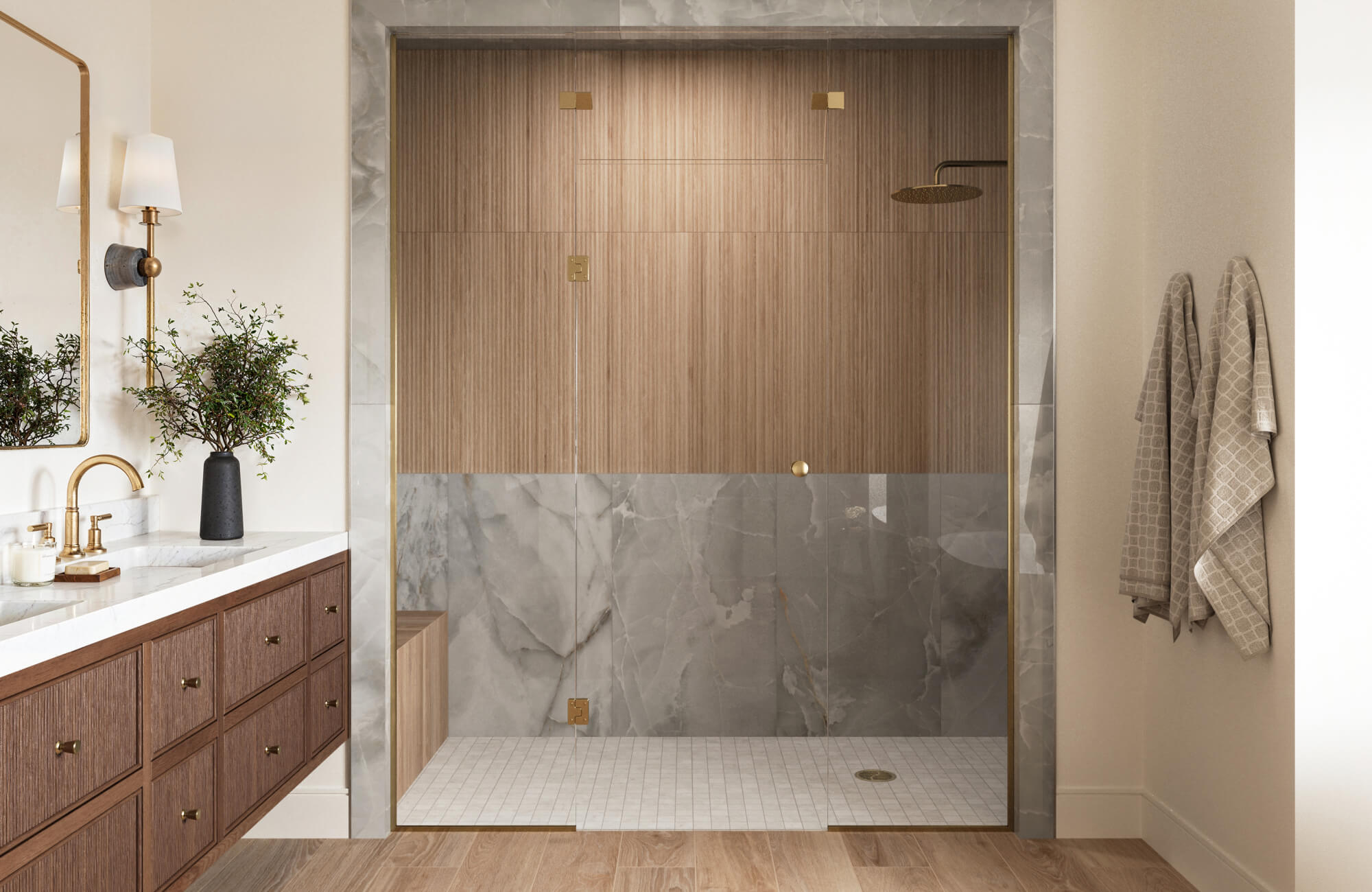
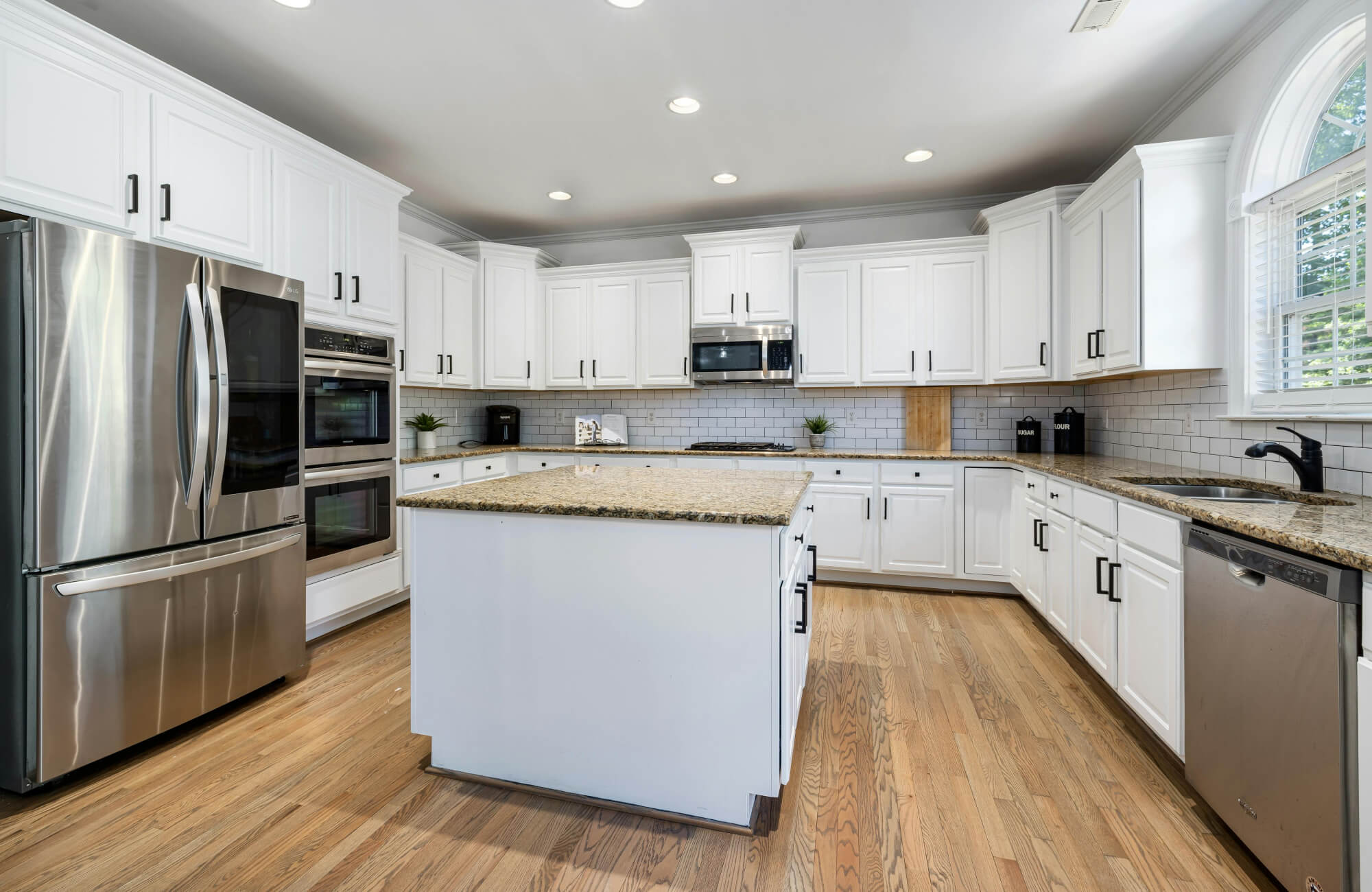
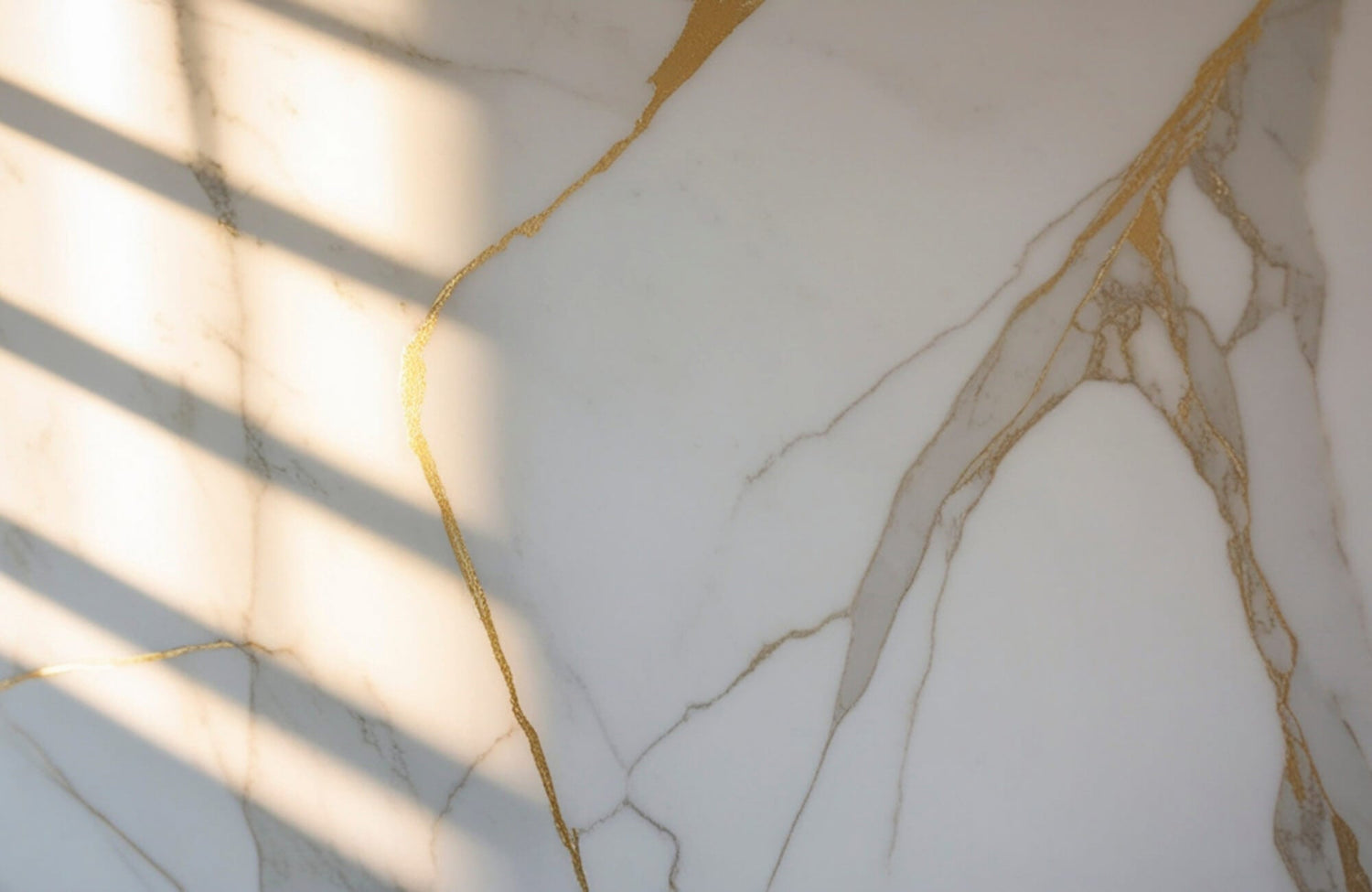
For spaces that receive constant sunlight, marble-look porcelain tiles offer a practical alternative to natural stone. Porcelain is highly resistant to UV exposure, moisture, stains, and temperature fluctuations, making it suitable for both indoor and outdoor environments. This durability makes it especially valuable in kitchens and living areas where natural light is abundant. A good example is Edward Martin’s Aniston 24x48 Polished Porcelain Tile in Calacatta Cremo, seen in the image above, which reflects the refined veining of natural marble while maintaining the stability and fade resistance porcelain is known for.
Many modern porcelain tiles replicate the intricate patterns and elegance of marble while requiring far less maintenance. Designs like Edward Martin’s Chantel 12x24 Polished Porcelain Tile in Alaska Grey demonstrate how subtle grey veining can recreate the calm, natural look of marble surfaces while offering a durable solution for walls or floors exposed to light and moisture.
For smaller formats and decorative applications, porcelain can also introduce depth and texture through darker tones and layered stone visuals. Edward Martin’s Harley 3x12 Polished Porcelain Tile in Graphite provides a dramatic marble-inspired pattern that works well for backsplashes or accent walls, complementing brighter materials while still benefiting from porcelain’s non-porous structure and long-term resilience.
Because porcelain tiles are non-porous and highly stable under temperature changes, they are often used in sunlit patios, pool surrounds, and large interior spaces with expansive windows.
Choosing the Right Material for Sun-Exposed Spaces
Marble remains one of the most elegant materials used in architecture and interior design, and contrary to common belief, sunlight alone does not cause it to crack. Most structural issues are related to installation problems, environmental stress, or insufficient maintenance rather than UV exposure. When properly installed and cared for, marble can maintain its beauty for many years, even in areas that receive regular natural light. In more demanding environments, materials such as granite, quartzite, or marble-look porcelain tiles can offer additional durability while preserving a similar aesthetic.
To help you choose the right surface for your space, Edward Martin provides tools that make the selection process easier. The Augmented Reality (AR) Visualization Tool allows you to preview how different tiles may look in your space, while tile samples let you experience the color, texture, and finish in person before making a final decision.