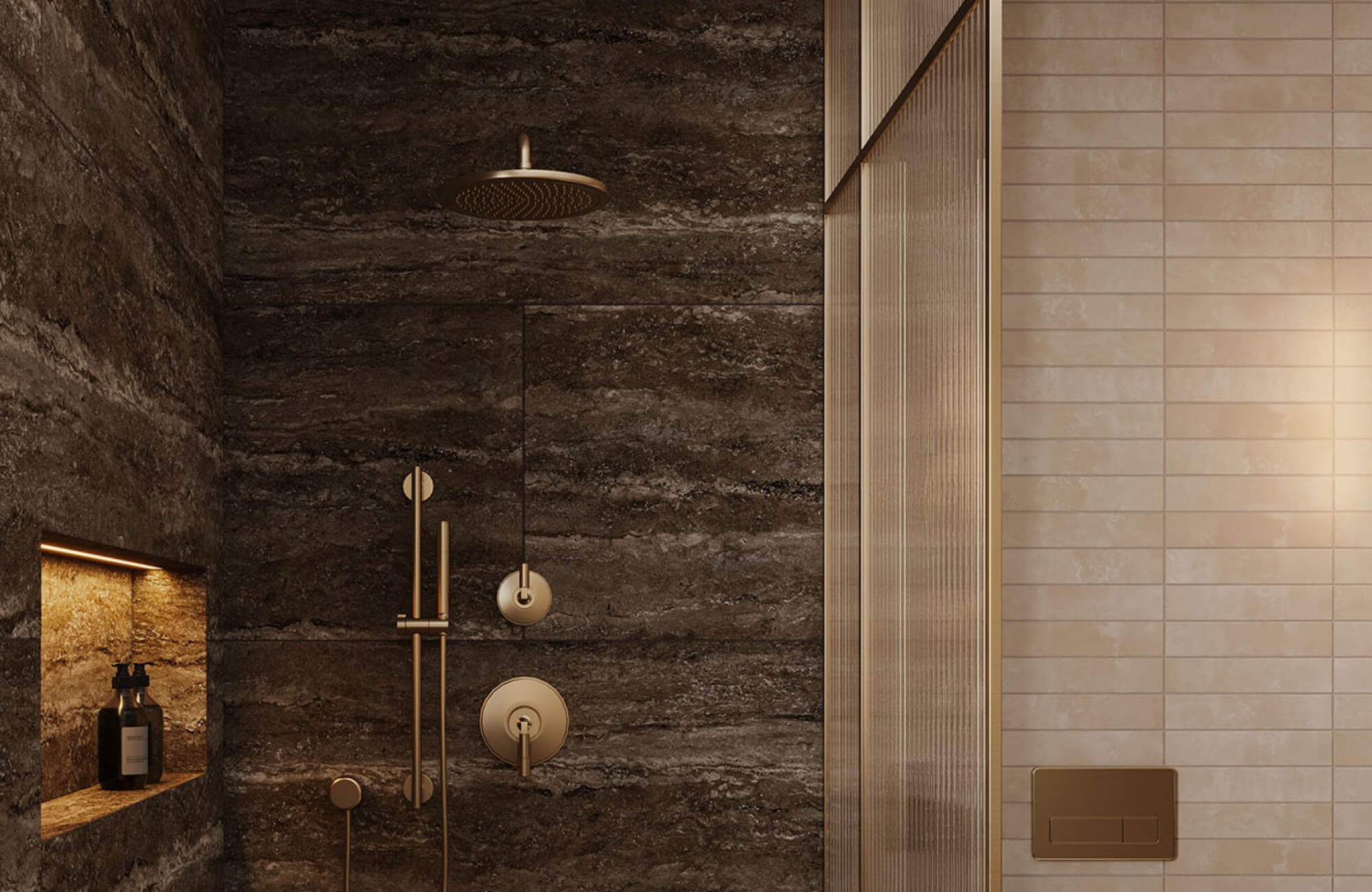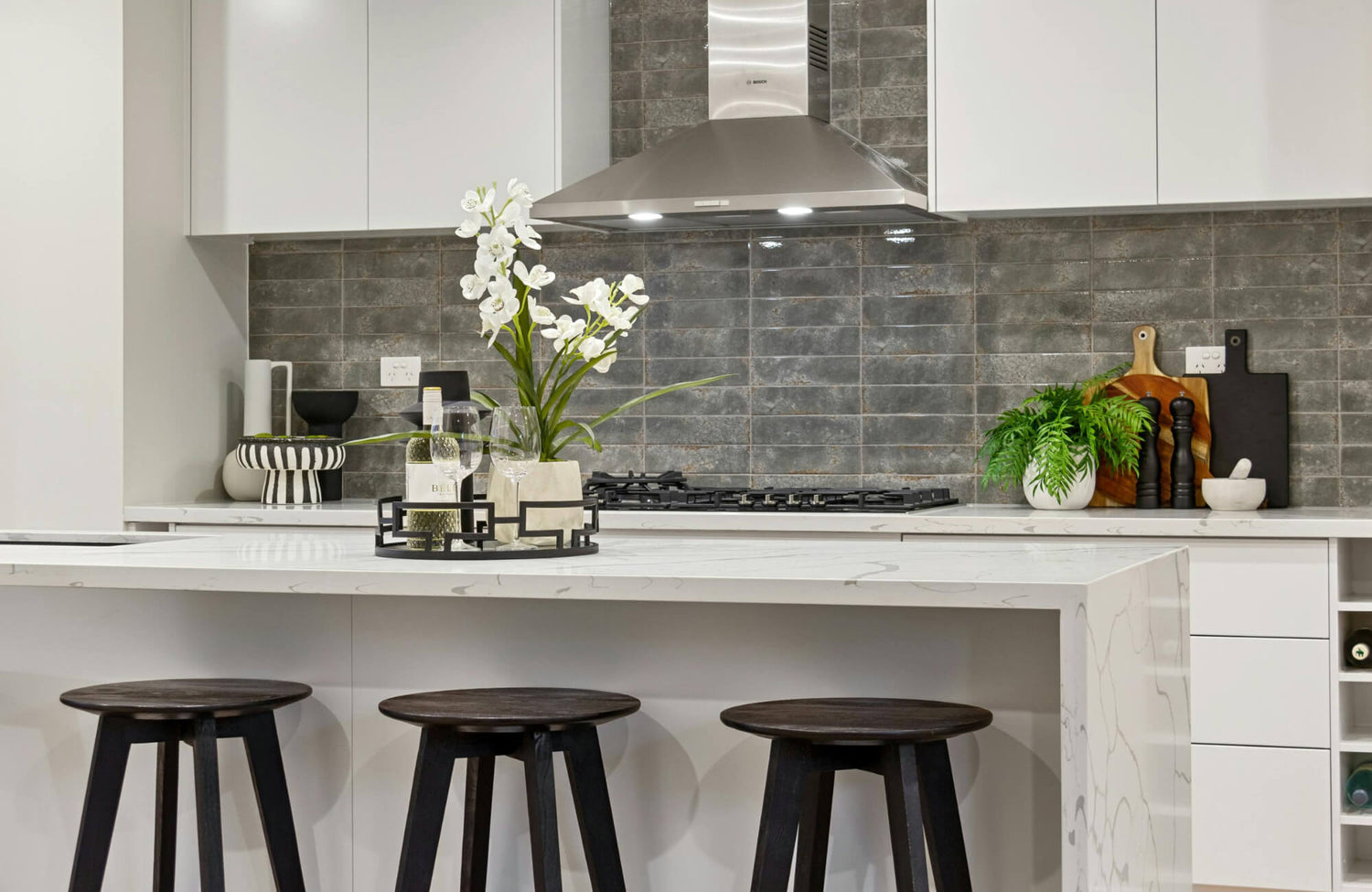
Zellige tiles have become a defining element in high-end kitchens, prized for their depth, movement, and unmistakable handcrafted character. Unlike machine-made tiles that aim for uniformity, zellige celebrates variation, each tile shaped, glazed, and fired by hand. This very quality that makes them so visually compelling is also what makes their installation, especially grouting, fundamentally different.
Homeowners and designers often ask whether zellige tiles require special grout for kitchen walls, and the short answer is yes, but the reasoning goes far beyond product selection. Grout choice, color, and technique are inseparable from the final aesthetic and long-term performance of a zellige installation. Understanding these nuances is essential if the goal is a kitchen wall that feels cohesive, refined, and enduring rather than busy or flawed.

Understanding The Unique Anatomy Of Zellige Tiles
To grout zellige correctly, it helps to first understand how these tiles differ from standard ceramic or porcelain. Their irregularity is not a defect to be managed but a defining feature to be honored. Every decision made during installation should support that philosophy.
The Beauty Of Imperfection And Irregular Edges
Zellige tiles are handmade from natural clay, traditionally cut while still soft and then kiln-fired. As a result, no two tiles are identical. Edges are uneven, thickness varies, and surfaces can range from glossy pools of glaze to subtle matte breaks where the clay peeks through. These variations catch light differently throughout the day, giving kitchen walls a sense of movement and life that flat, uniform tiles cannot replicate. Grout, in this context, is not merely a filler between tiles. It becomes part of the visual field. If the grout is too rigid, too dark, or too sharply defined, it interrupts the flow of the clay surface and competes with the tile rather than supporting it.
Why Standard Spacers Do Not Work Here
Most tile installations rely on consistent spacing to create clean, predictable grout lines. Zellige defies this logic. Because the tiles are uneven along their edges, forcing uniform spacing often exaggerates their irregularity in an unflattering way. Standard spacers create mechanical gaps that clash with the organic nature of the tile, resulting in joints that feel disjointed and overly graphic. Instead, zellige tiles are typically installed with minimal spacing, often nudged closely together by eye. This approach demands a grout that can adapt to variable joint widths without cracking or drawing attention to itself.
The Goal Is A Seamless Clay Surface
The ultimate objective with zellige kitchen walls is not to highlight the grid but to create the illusion of a continuous clay surface assembled from individual pieces. This effect is evident in applications like Edward Martin’s Mariel 1x12 Glossy Porcelain Tile in Sand, shown in the image above, where surface variation and soft grout blending allow the wall to read as a unified field rather than segmented rows. Grout should visually recede, blending into the tile body and glaze so the wall appears textured and luminous instead of broken up. Achieving this effect depends on both material choice and application technique, making grout selection one of the most critical decisions in the entire project.

Selecting The Right Grout Material For The Job
Not all grout is created equal, and zellige tiles demand a more thoughtful approach than standard wall tile installations. Kitchens add another layer of complexity, as grout must withstand moisture, grease, temperature changes, and regular cleaning without degrading or discoloring.
The Case For Flexible And High Performance Grout
Because zellige tiles vary in thickness and are often set tightly together, grout must accommodate subtle movement and uneven joint depths. Installations such as Edward Martin’s Cleo 2x6 Glossy Ceramic Tile in Bone, as seen in the image above, illustrate how high-performance grout supports a refined finish even when joints are inconsistent. Cementitious grouts enhanced with polymers are often preferred because they offer improved flexibility, reduced shrinkage, and better adhesion compared to basic cement grout. These formulations are better suited to fill irregular joints smoothly, reducing the risk of hairline cracks that can develop over time, particularly in kitchen environments exposed to heat and humidity fluctuations.
Navigating The Sanded Versus Unsanded Dilemma
The traditional rule that unsanded grout is used for narrow joints and sanded grout for wider ones does not translate cleanly to zellige. Unsanded grout can be easier to work into tight, uneven spaces and produces a smoother finish that aligns well with the refined look most homeowners want. However, it can shrink and crack if joints vary too much in width or depth. Finely sanded or micro-sanded grouts often strike the best balance. They are strong enough to handle variable joints while remaining smooth enough to avoid scratching the tile surface or creating a gritty visual texture that competes with the glaze.
Why Epoxy Grout Is A Kitchen Savior
Epoxy grout has gained popularity in kitchens for good reason. It is non-porous, highly stain-resistant, and exceptionally durable, making it ideal for backsplash areas exposed to cooking splatter and frequent cleaning. When used with zellige, epoxy grout offers another advantage: color consistency. Unlike cement-based grouts that can dry unevenly, epoxy maintains a uniform tone, which is essential when the goal is an invisible joint. While epoxy grout requires a skilled installer due to its fast setting time and more demanding cleanup, the long-term payoff in performance and appearance often makes it worth the investment.

The Art Of Color Matching And Blending
Grout color can either elevate zellige tile or undermine it entirely. In kitchen walls, where surfaces are viewed up close and under varying lighting conditions, color choice becomes especially critical.
Why Matching The Clay Body Is Critical
The most successful zellige installations typically use grout that closely matches the tile’s underlying clay body rather than its surface glaze. In designs featuring Edward Martin’s Juliet 2.5x10 Matte Porcelain Tile in Pearl, visible in the image above, the harmony between grout and base tone allows the joints to visually dissolve into the tile surface. Zellige glazes are often translucent, letting hints of the clay beneath show through, and when grout echoes that base tone, it reinforces a sense of continuity. This approach also softens the natural irregularity of the edges, making variations feel intentional and harmonious rather than chaotic.
The Aesthetic Danger Of High Contrast Grout
High contrast grout may work well with crisp, rectified tiles, but with zellige it can be visually jarring. Dark grout against light tile, or vice versa, emphasizes every uneven edge and slight size variation, creating a busy, almost checkerboard effect. In kitchens, where backsplashes often serve as a focal point, this level of contrast can overwhelm cabinetry, countertops, and fixtures. For those seeking a timeless, elevated look, restraint in grout color is usually the wiser choice.
Custom Blending For A Perfect Invisible Joint
In many cases, off-the-shelf grout colors are not an exact match for handmade tile. Custom blending allows installers to fine-tune the grout color, adjusting warmth, depth, and undertones until it seamlessly integrates with the tile. This process may involve mixing multiple grout shades or adding pigments, but the result is a joint that appears to disappear once cured. For design-conscious homeowners, this level of customization can make the difference between a good installation and an exceptional one.

Installation Techniques Specific To Kitchen Zones
Even the best grout and color choice can fall short without proper installation techniques. Kitchens introduce specific challenges, particularly in areas near sinks, ranges, and prep surfaces.
The Essential Soaking Method Before Grouting
Zellige tiles are porous, especially along their unglazed edges and backs. Before grouting, many professionals lightly dampen the tile surface—a technique best handled by experienced installers who understand how much moisture the clay can safely absorb. This step prevents the dry clay from drawing moisture out of the grout too quickly, which can lead to weak joints and uneven curing. Controlled soaking also makes grout cleanup easier, reducing the risk of haze or staining on the tile face.
Grouting The Chips Not Just The Joints
Unlike machine-made tiles, zellige often has small chips, pits, and edge variations that are part of its charm. Proper grouting embraces these characteristics rather than avoiding them, a process that typically benefits from a skilled hand and an installer familiar with handmade materials. Grout is worked not only into the spaces between tiles but also gently into these micro-irregularities, unifying the surface visually. This technique enhances the handcrafted aesthetic and reinforces the impression of a continuous clay wall rather than a collection of individual tiles.
Sealing Protocols For Splash Zone Protection
While many zellige tiles come pre-glazed, the grout and any exposed clay edges still require protection, especially in kitchen splash zones. Pairings like Edward Martin’s Natasha 2x6 Matte Porcelain Tile in Bone highlight how proper sealing preserves the integrity of both tile and grout without altering their natural appearance, a step that is best entrusted to professionals who understand curing times and sealer compatibility. After the grout has fully cured, a penetrating sealer is often applied to the grout lines and, in some cases, to the tile surface itself. This step helps repel moisture, oils, and stains while extending the life of the installation and making routine cleaning easier, an important consideration for busy households.
Imperfection Is The Ultimate Luxury
Zellige tiles do require special grout for kitchen walls, but more importantly, they require a shift in mindset. Success lies not in forcing these handmade tiles into rigid systems designed for uniform products, but in selecting materials and techniques that honor their organic nature. Tools like the Edward Martin AR Visualization Tool can help you preview how tile color, finish, and grout tone interact within your own kitchen before installation, while ordering tile samples allows those digital choices to be confirmed in hand.
In a world increasingly dominated by precision and sameness, zellige offers something rare: authenticity. Embracing its imperfections through thoughtful grout selection and installation transforms kitchen walls into tactile, expressive surfaces that feel both timeless and deeply personal. For those who value quality and artistry, this approach is not just practical, it is the ultimate luxury.