
)
)
)
)
)
)
)
)
Do Stone Dining Tables Last A Long Time?
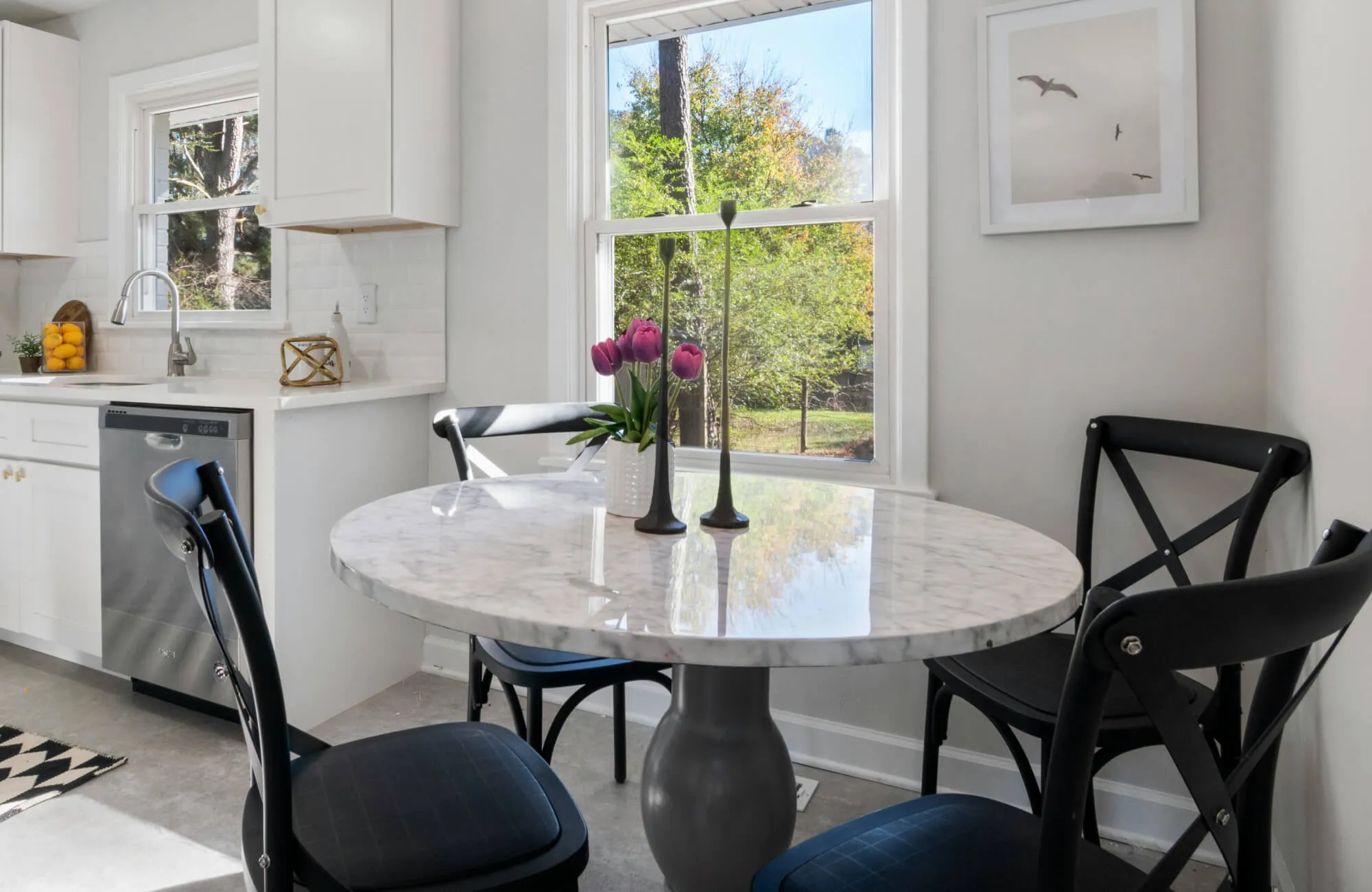
Stone dining tables have long been admired for their natural beauty and sense of permanence, yet their true longevity often raises important questions. Beyond their striking appearance, these tables are shaped by geology, craftsmanship, daily use, and long-term care, all of which influence how well they stand the test of time. As you look closer, it becomes clear that durability is not accidental but the result of thoughtful choices made from the stone itself to how it is supported and maintained.
Material Integrity and Natural Longevity
The lifespan of a stone table is largely determined long before it’s shaped or installed. By understanding the inherent qualities of the stone itself, you can better anticipate how it will perform, age, and endure daily use over time.
How Natural Stone Forms and Why It Matters
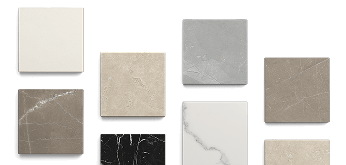
Every natural stone begins its life deep within the earth, shaped by heat, pressure, and time. Granite forms from slowly cooled magma, which results in a tightly bonded crystalline structure that gives you exceptional hardness and low porosity. Marble, on the other hand, originates when limestone undergoes metamorphosis, creating elegant veining but also a softer, more reactive surface.
These geological origins directly influence how a stone behaves in your space. The Mohs hardness scale helps translate this science into practical expectations, especially when it comes to scratch resistance and wear. Stones like granite and quartzite rank high, meaning they are far more capable of standing up to everyday contact without showing damage. As a result, knowing how a stone forms allows you to align its natural strengths with how you plan to use it.
Differences in Lifespan Between Stone Types
Not all stones age at the same pace, and this difference becomes more apparent the longer you live with them. Granite and quartzite are often considered the benchmark for longevity because they resist scratches, staining, and chemical exposure remarkably well. With proper care, these stones can remain structurally sound and visually appealing for generations.
In contrast, stones like marble and travertine tell a more expressive story over time. They tend to develop a soft patina as their surfaces react to touch, moisture, and mild acids. Although this aging can add character, it also means these stones are better suited for areas where visual elegance matters more than heavy use. If you want durability without sacrificing a refined appearance, sintered stone offers a compelling alternative, delivering the resilience of quartzite with added benefits like near-zero porosity and resistance to UV exposure.
Natural Aging Versus Structural Failure
As your stone table ages, subtle changes on the surface are not only expected but often appreciated. Gentle dulling, light etching, or a softened sheen are signs of natural aging and do not compromise the stone’s strength. In many cases, these changes enhance the table’s character and make it feel more lived-in and authentic.
However, it’s important to recognize when aging crosses into a structural concern. Issues such as flaking, spalling, or visible separation along veins suggest deeper problems that go beyond surface wear. These warning signs are often linked to inadequate support, excessive moisture exposure, or prolonged environmental stress. By understanding this distinction, you can confidently enjoy the natural evolution of your stone while remaining alert to signs that require professional attention.
Resistance to Daily Wear and Household Stress
Although the stone’s geological makeup sets the foundation, true longevity is tested through everyday use. How well your table handles routine impacts, temperature changes, moisture, and daily habits ultimately determines how it looks and performs over time.
Impact Resistance and Chipping Risk
In daily life, accidental bumps are almost unavoidable, and this is where edge design plays a critical role. Sharp, square edges tend to absorb impact directly, which increases the likelihood of visible chips when something hard strikes the surface. In contrast, rounded profiles such as bullnose or ogee help disperse force more evenly, reducing stress at a single point and lowering the risk of damage.
Thickness also influences how well your table withstands physical stress. A thicker slab naturally offers greater structural stability, making it less prone to flexing or cracking under pressure. Over time, this added mass provides reassurance, especially in active households where the table sees frequent movement, leaning, or repositioning.
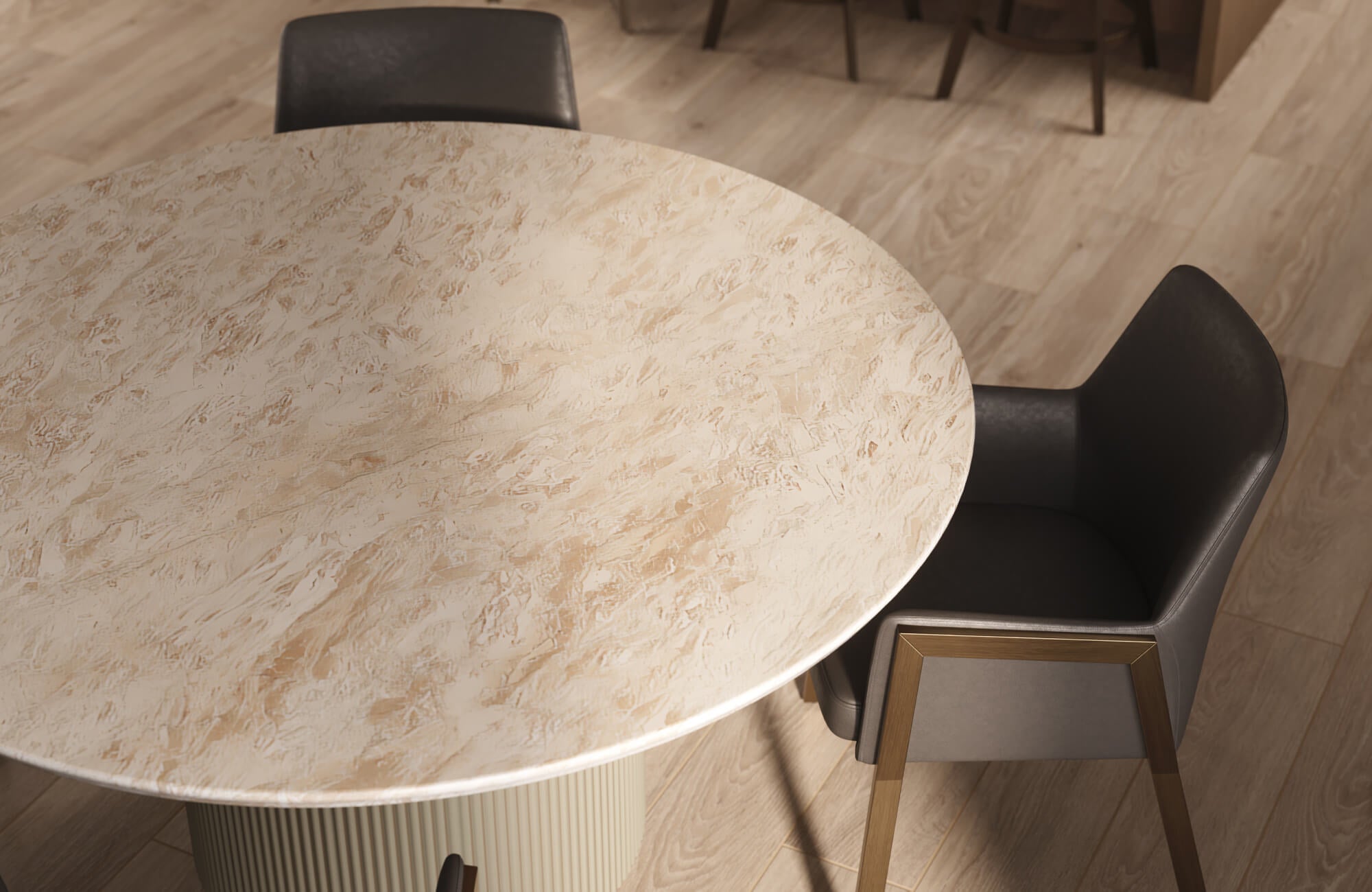
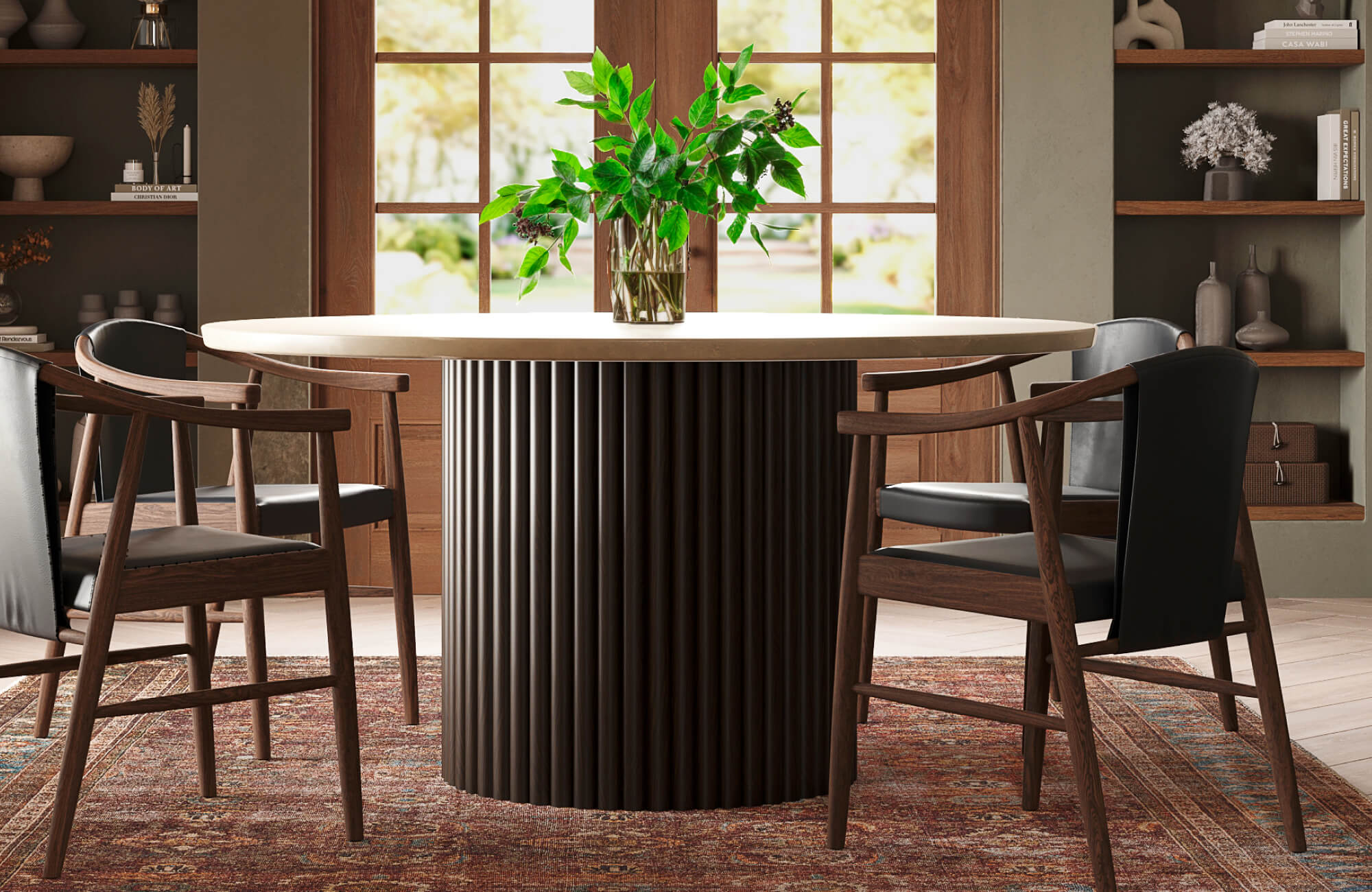
A table like our Anastasia 59” Dining Table in Taupe, seen in the image above, reflects how thoughtful design can directly reduce everyday wear. Its rounded tabletop edge helps soften incidental contact, while the substantial stone surface adds reassuring stability against bumps and movement. Paired with a solid pedestal base that evenly supports the slab, the table is well-suited for active dining spaces where durability matters just as much as visual refinement.
Heat, Moisture, and Chemical Exposure Over Time
Temperature extremes are another silent stressor that can affect stone durability. Sudden thermal shock, such as placing a hot pan directly onto a cool stone surface, can create internal tension that leads to cracking. Although many stones tolerate heat well, repeated exposure without protection gradually weakens their internal structure.
Moisture and chemicals further influence long-term performance. Porous stones can absorb water if not properly sealed, which may lead to internal deterioration over time. Additionally, acidic foods and harsh cleaners slowly erode protective sealers and can etch calcium-based stones like marble. By consistently using manufacturer-approved pH-neutral cleaners and simple barriers like trivets, you significantly reduce unnecessary stress on the surface and preserve its integrity.
How Daily Use Patterns Affect Longevity
The way you use your table on a daily basis has a direct impact on how gracefully it ages. A surface reserved for occasional gatherings experiences far less wear than one used for daily meals, homework sessions, and casual activities. Over time, frequent contact naturally introduces fine scratches and subtle wear patterns.
Finish selection can make these changes far less noticeable. Honed or leathered finishes are particularly forgiving, as they diffuse light and help conceal micro-scratches that would stand out on highly polished surfaces. By aligning the stone finish with your everyday routines, you allow your table to maintain its appeal while accommodating the realities of daily life.
Construction Quality and Structural Support
Construction quality and structural support play a decisive role in how well a stone table performs over time, regardless of the stone’s natural strength. Although stone handles vertical pressure with ease, it relies on a properly engineered base to prevent movement, flexing, and imbalance. A thoughtfully designed support system also ensures daily stress is distributed evenly, allowing the tabletop to remain stable and structurally sound.
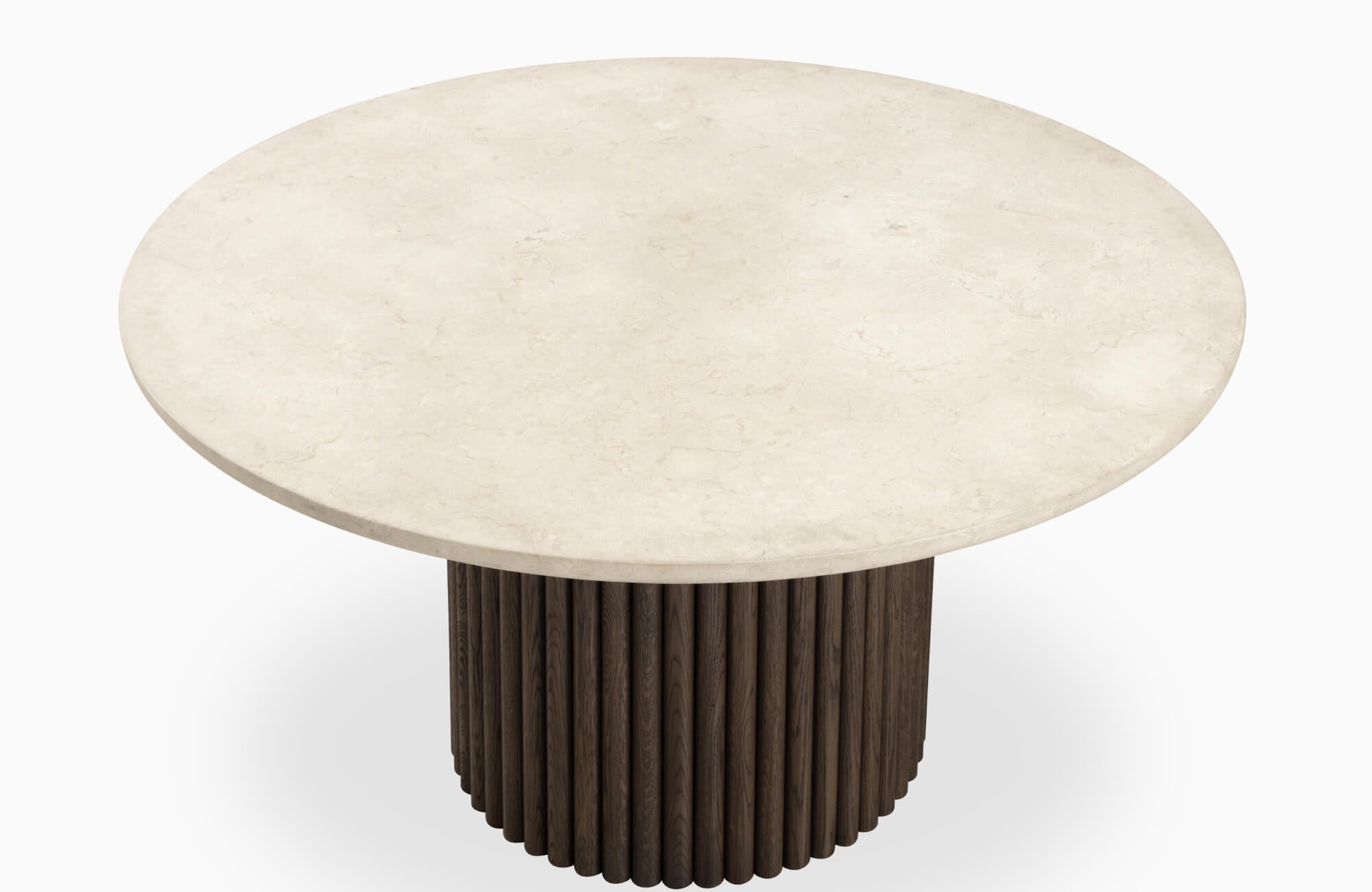
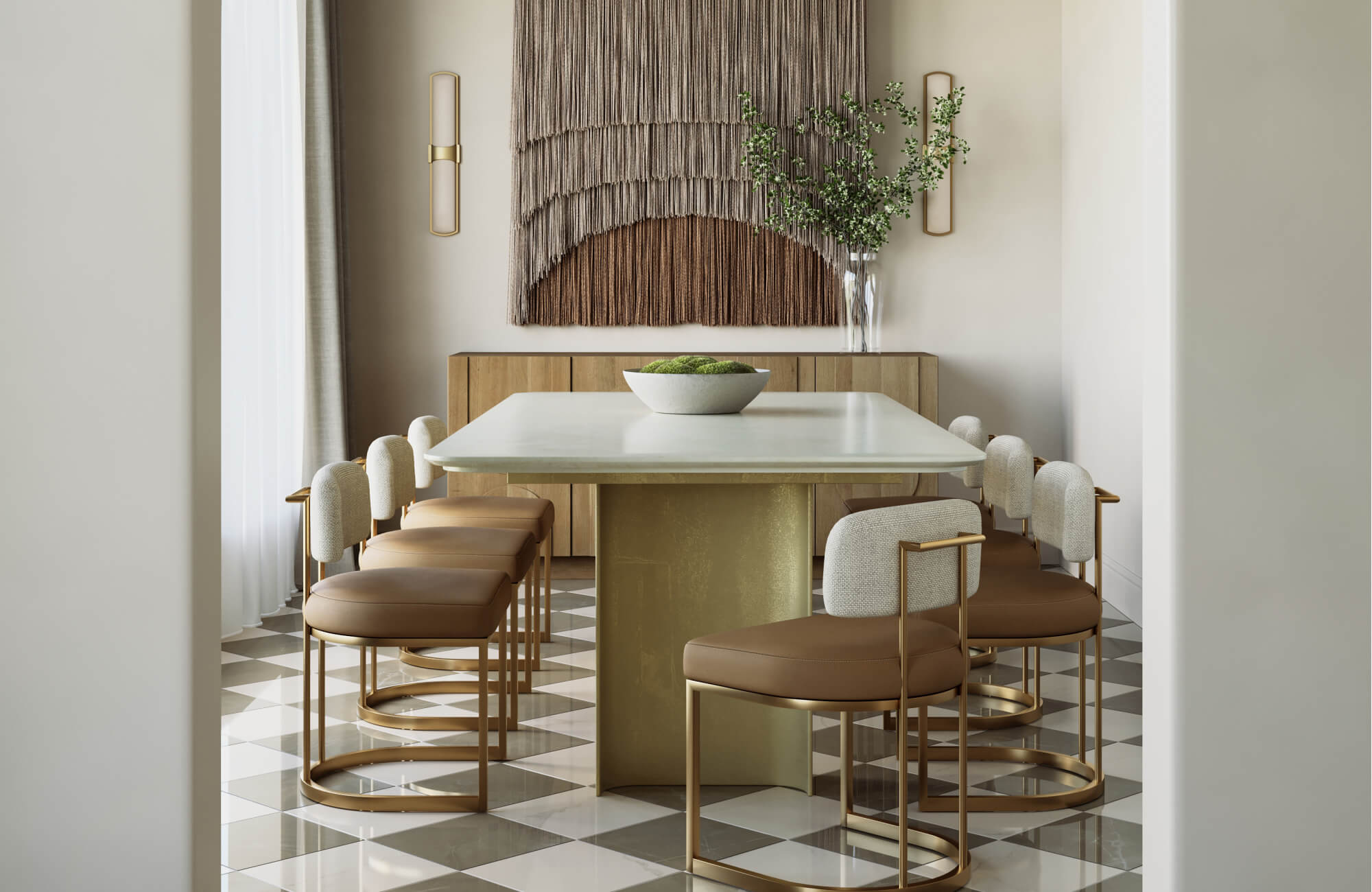
This principle becomes especially clear when looking at tables designed with structure in mind. Our Leonardo 59” Dining Table in Brown, seen in the photo above, features a solid pedestal base that evenly supports the stone surface, helping minimize flex and long-term stress. By concentrating strength at the core and distributing weight consistently, the table maintains stability through daily use without compromising the stone’s integrity.
Equally important, however, is how all these components come together during installation. Even the most durable base can fall short if the table is not assembled and leveled with precision. Small inconsistencies in alignment or weight distribution may go unnoticed at first, yet they gradually introduce stress points that increase the risk of cracking or long-term fatigue. Through proper reinforcement, careful leveling, and secure fastening, construction quality shifts from a background detail to a defining factor that protects your stone table’s longevity and performance for years to come.
Maintenance Habits and Long-Term Care Impact
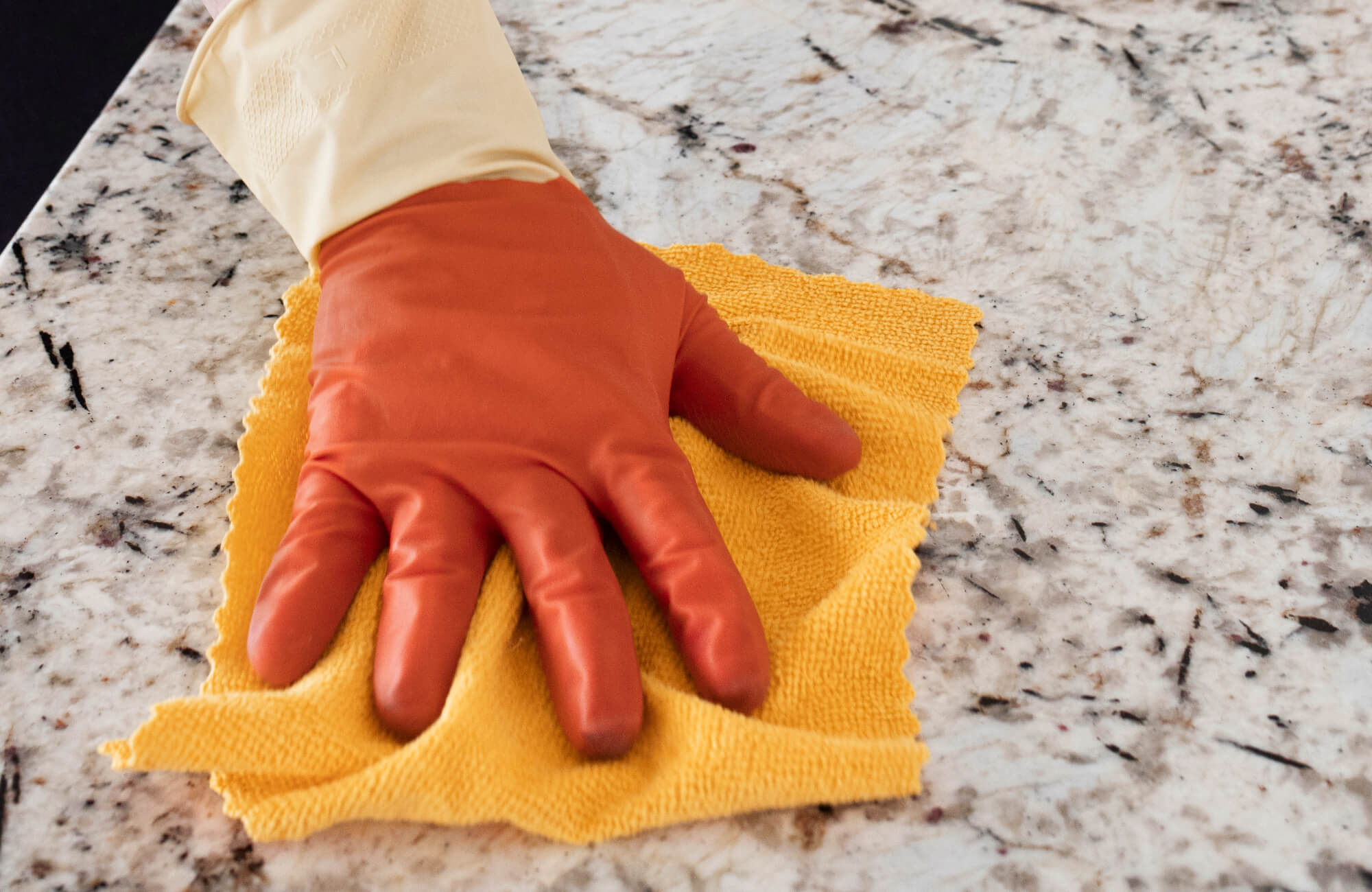
Maintenance habits ultimately determine whether a stone table simply endures or truly thrives over time. Although stone is naturally durable, its resistance to moisture, stains, and surface wear relies heavily on consistent care. Proper sealing creates an invisible barrier that protects the stone’s internal structure without compromising its natural breathability, while gentle cleaning routines preserve both the surface finish and the protective layers beneath. When maintenance is approached proactively rather than reactively, the stone also remains resilient against everyday exposure and gradual deterioration.
Equally important, however, are the small daily habits that shape long-term performance. Simple precautions, such as shielding the surface from heat, moisture, and abrasive contact, significantly slow the accumulation of damage that often leads to premature aging. When you view your stone table as a fine material that benefits from mindful use, maintenance becomes an extension of preservation rather than repair. Through consistent care and preventative attention, you allow the table to retain its strength, beauty, and structural integrity for generations to come.
Environmental and Placement Considerations
The environment around your stone table quietly shapes how well it holds up over time. From indoor climate conditions to sunlight exposure and structural support beneath it, placement decisions can either extend its lifespan or accelerate wear.
Indoor Climate and Temperature Stability
Stone responds to its surroundings more than many people realize, particularly when humidity fluctuates. In spaces where moisture levels rise and fall dramatically, porous stones may absorb excess humidity, which can lead to issues like efflorescence or internal weakening over time. Maintaining a stable indoor environment helps prevent these gradual changes from taking hold.
Temperature consistency is just as important. When a table sits too close to HVAC vents, repeated heating and cooling cycles introduce stress that can affect the stone’s structure. By keeping indoor humidity within a moderate range and avoiding direct airflow, you create a more balanced setting that supports long-term stability.
Sunlight Exposure and Surface Aging
Natural light enhances a space, but prolonged sun exposure can quietly alter a stone surface. Ultraviolet rays gradually break down resins and fillers used in some stones, a process that is especially noticeable in darker colors. Over time, this can result in uneven fading or subtle shifts in tone.
Placement choices make a meaningful difference. Positioning your table away from intense, direct sunlight or using window treatments helps slow photo-aging. In addition, finishes play a role in how visible these changes become, as honed surfaces tend to soften the appearance of aging compared to highly polished ones that reflect light more sharply.
Floor Load and Home Structure Compatibility
The weight of a stone table introduces another layer of consideration that extends beyond the tabletop itself. A large slab can weigh several hundred pounds, and if the floor beneath it isn’t designed to handle that load, long-term issues may develop. Even a slight floor deflection can place uneven stress on the stone.
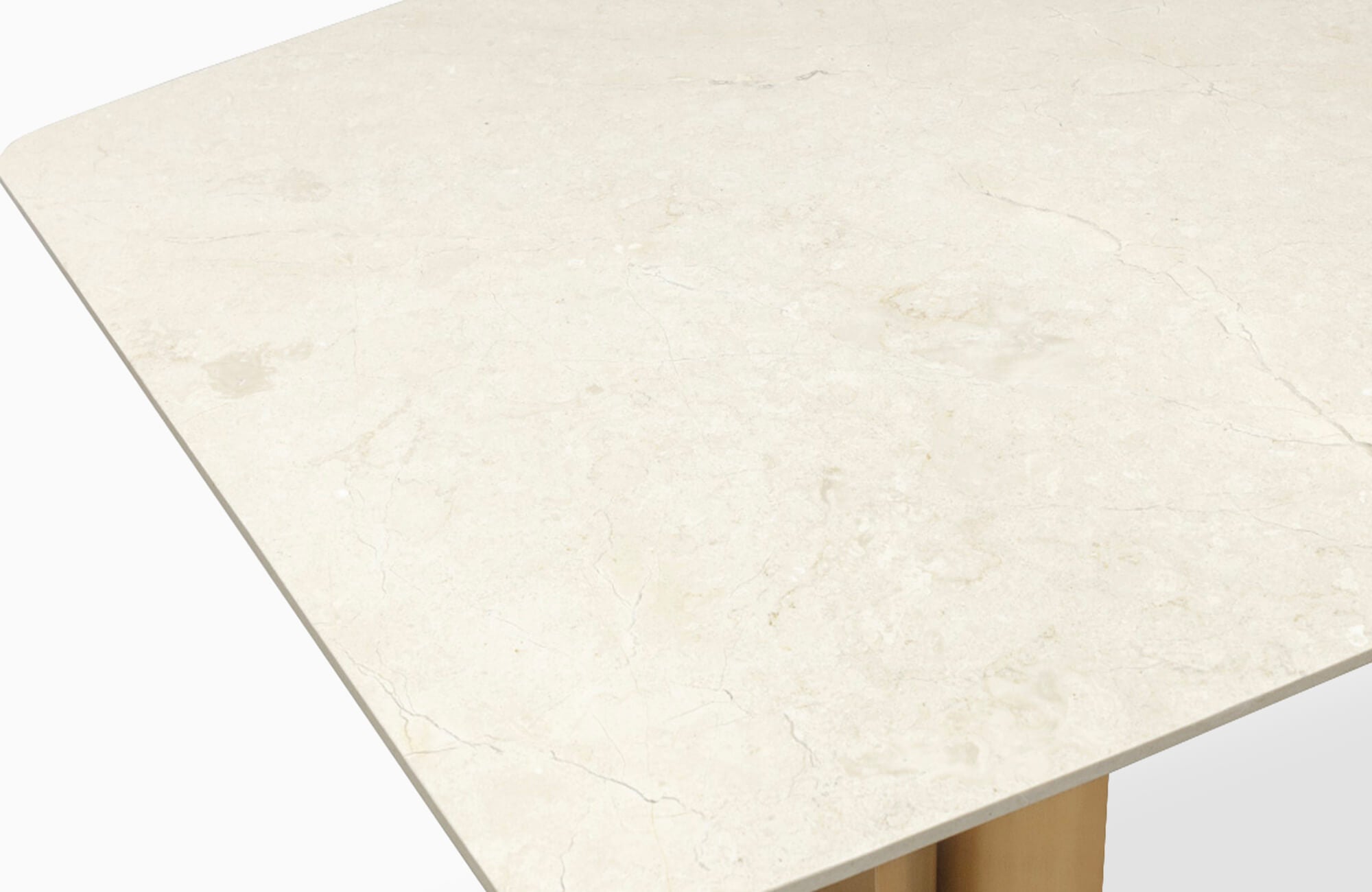
This consideration becomes especially relevant with generously sized cream marble top tables such as our Kyla 94.5” Dining Table, featured above. Its substantial stone surface and elongated form emphasize the importance of proper floor support, as the weight must be evenly carried to prevent stress on both the table and the surrounding structure. When placed thoughtfully, the table’s balanced base helps distribute load more effectively, supporting long-term stability without compromising the integrity of the stone.
Ensuring proper structural compatibility also protects both your table and your space. When weight is evenly distributed across floor joists that meet standard deflection limits, the risk of sagging or gradual cracking is greatly reduced. With thoughtful placement and structural awareness, your stone table can remain secure and supported for decades.
Repairability and Lifespan Extension Options
One of stone’s greatest strengths is its ability to be renewed rather than discarded. Unlike many materials that degrade beyond repair, stone responds well to professional restoration, allowing chips, scratches, and surface damage to be addressed without compromising structural integrity. Through precise techniques such as polishing, resin filling, and reinforcement, even noticeable wear can be minimized or nearly erased, enabling the table to maintain both its function and visual appeal over time.
Beyond individual repairs, however, refinishing provides a more comprehensive path to longevity. By removing accumulated etches, stains, and dullness, the stone’s surface can be refreshed or even transformed to better match how you use the table today. This ability to reset or update the finish extends the table’s relevance as well as its lifespan, ensuring that your stone table continues to evolve gracefully rather than age irreversibly.
A Legacy Piece for Generations
A stone dining table can last for decades, and often far longer, when its material quality, construction, placement, and care are thoughtfully aligned. Rather than deteriorating quickly, stone ages with character and strength, and its ability to be repaired and refinished allows it to remain both functional and visually compelling over time. As a result, a well-chosen stone table becomes more than furniture; it evolves into a lasting centerpiece that supports daily life while carrying memories and meaning across generations.
If you’re considering a stone dining table as a long-term investment, having the right guidance makes all the difference. By reaching out, you can get personalized support on material selection, care considerations, and design details that align with how you live and use your space. This thoughtful approach helps ensure your table is not only beautiful today but also built to endure, allowing it to grow into a meaningful piece that truly stands the test of time.
Follow us on Instagram
@EDWARD.MARTIN
)
)
)
)
)
)
)
)
)
)
)
)
)
)
)
)