Porcelain pavers are becoming an increasingly popular choice for patios, garden paths, walkways, and outdoor living spaces. With their smooth lines, durable finish, and low-maintenance appeal, they offer a practical solution for anyone seeking both style and longevity. Still, a question that often comes up is whether edging is necessary. To help you make a well-informed choice, we’ll explore the six practical perspectives that highlight when edging adds value, and when it may not be necessary, depending on your layout, design, and method of paver installation.

The Structural Role of Edging
Before diving into design elements or installation methods, it’s important to start with the fundamentals. Edging plays a vital structural role in keeping porcelain pavers stable over time. While it may not always be visible, its effect on the durability and long-term performance of your surface is significant.
Preventing Paver Movement
In loose-lay installations, particularly over sand or gravel, porcelain pavers are more prone to shifting if edge restraints aren’t used. Over time, factors like foot pressure, seasonal changes, and natural settling can cause the layout to shift or separate. Edging helps prevent this by acting as a physical boundary that holds the pavers in place, maintaining the structure and alignment. Without it, even a carefully arranged layout can lose its form, especially along the outer edges where movement is most likely to begin.
Supporting Load Distribution
While edging is often seen as purely functional, it also plays a subtle yet important role in managing weight across the surface. By reinforcing the perimeter, edging helps distribute pressure more evenly, reducing the risk of pavers tipping or cracking along the edges. This becomes especially important in areas where furniture is placed or where people tend to gather, as added weight can create stress points. With proper edging in place, the surface remains stable and balanced, helping maintain its appearance and structural integrity over time.
Stability on Different Bases
Porcelain pavers can be installed over a range of base materials, and each type presents its considerations when it comes to stability. On compacted gravel or sand, edging helps keep the base material contained, preventing it from spreading and undermining the paver alignment. On a concrete slab, edging can protect exposed edges from chipping or breaking over time. Even in raised pedestal systems, where pavers are suspended above ground, edging can help limit lateral movement and maintain clean lines. Regardless of the base you choose, edging offers a reliable way to reinforce the installation and support long-term performance.

Edging Based on Installation Method
The way you install your pavers significantly affects whether edging is necessary. Not all installations require it in the same way, and understanding the relationship between method and edging can help you make better, more informed decisions.
Dry-Lay on Sand or Gravel
When porcelain pavers are installed over a flexible base such as sand or gravel, edging plays a critical role in maintaining the layout. Since there’s no solid layer beneath to secure the pavers, edging acts as the boundary that holds everything in place. Without it, regular use and environmental shifts can lead to gradual spreading and misalignment. To avoid this, it’s best to use plastic or metal edging that can be securely anchored into the base. These materials not only provide reliable support but also help create a clean, finished look around the perimeter.
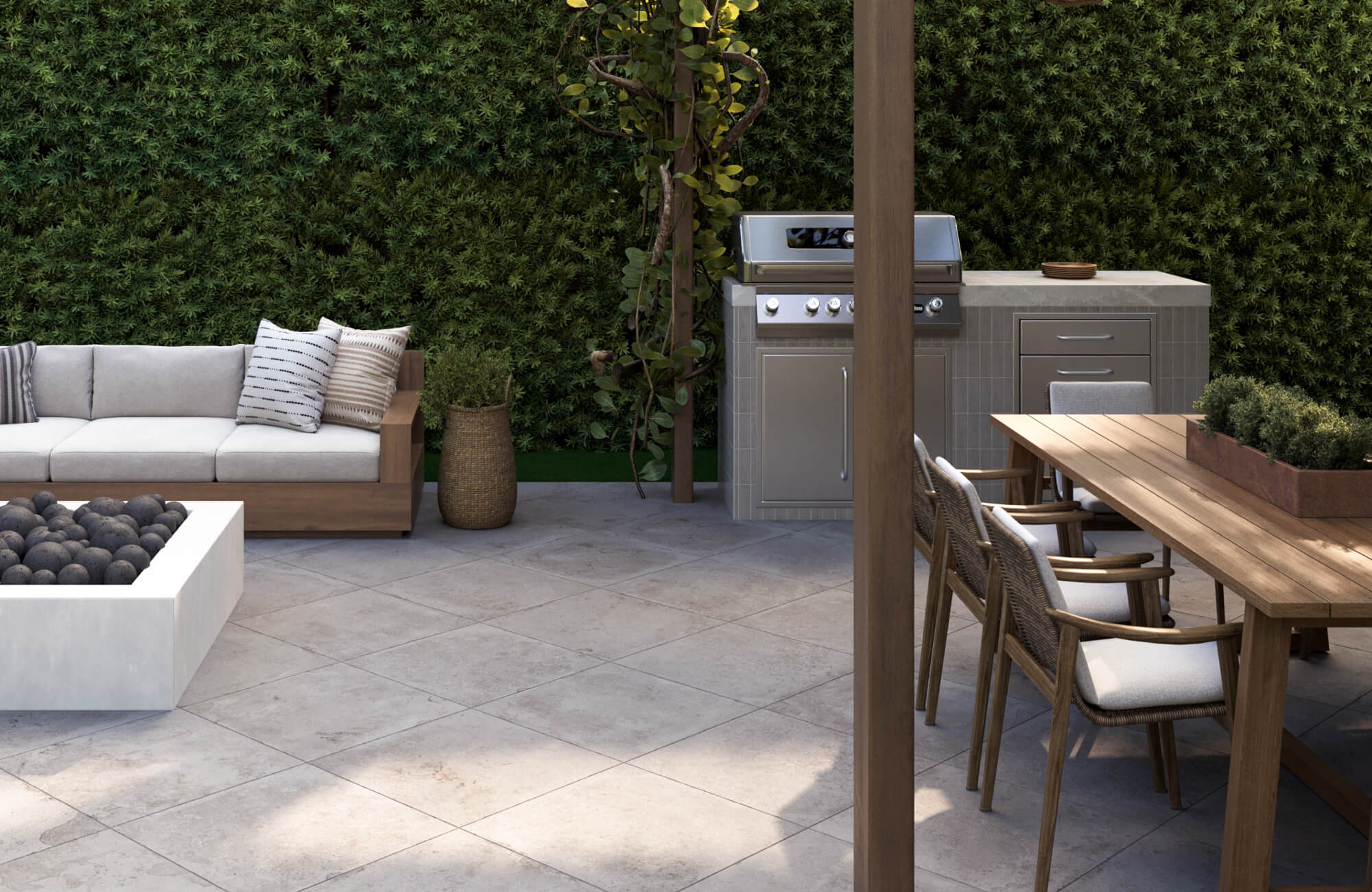
A great example of this type of installation can be seen in the photo above, where Edward Martin’s Carter 12x48 Grip Porcelain 2cm Paver Tile in Fossil is paired with gravel joints for a refined yet grounded effect. The consistent spacing and defined lines illustrate how proper edging and base preparation come together to preserve both the structure and appearance of the layout over time.
Mortar-Bed Installation
When porcelain pavers are set in a mortar bed, the purpose of edging shifts. Since the rigid base already keeps the pavers from moving, the focus turns to protecting the exposed edges. These areas can still be prone to chipping from regular use or accidental impact. In this case, edging serves more as a protective barrier rather than a structural necessity. A low-profile concrete border or flush curb can further help shield the perimeter while providing a smooth, finished transition to surrounding elements such as turf, planters, or garden beds.
Raised Pedestal Systems
Pedestal-supported installations are increasingly popular, particularly in rooftop terraces and modern outdoor designs. Since the pavers rest above the ground on adjustable pedestals, traditional edging isn’t needed to prevent movement. However, the edges still require attention. Without a proper finish, the exposed sides can look incomplete and may be more susceptible to shifting under lateral pressure. To address this, border treatments, such as metal frames or custom edge systems, are often added. These not only enhance the appearance but also help maintain alignment and structural consistency throughout the layout.

Landscape Design and Visual Framing
While structure matters, edging also plays a meaningful role in shaping the overall visual impact of your space. When used intentionally, it can enhance your layout, connect design elements, and offer a crisp sense of order.
Defining Boundaries
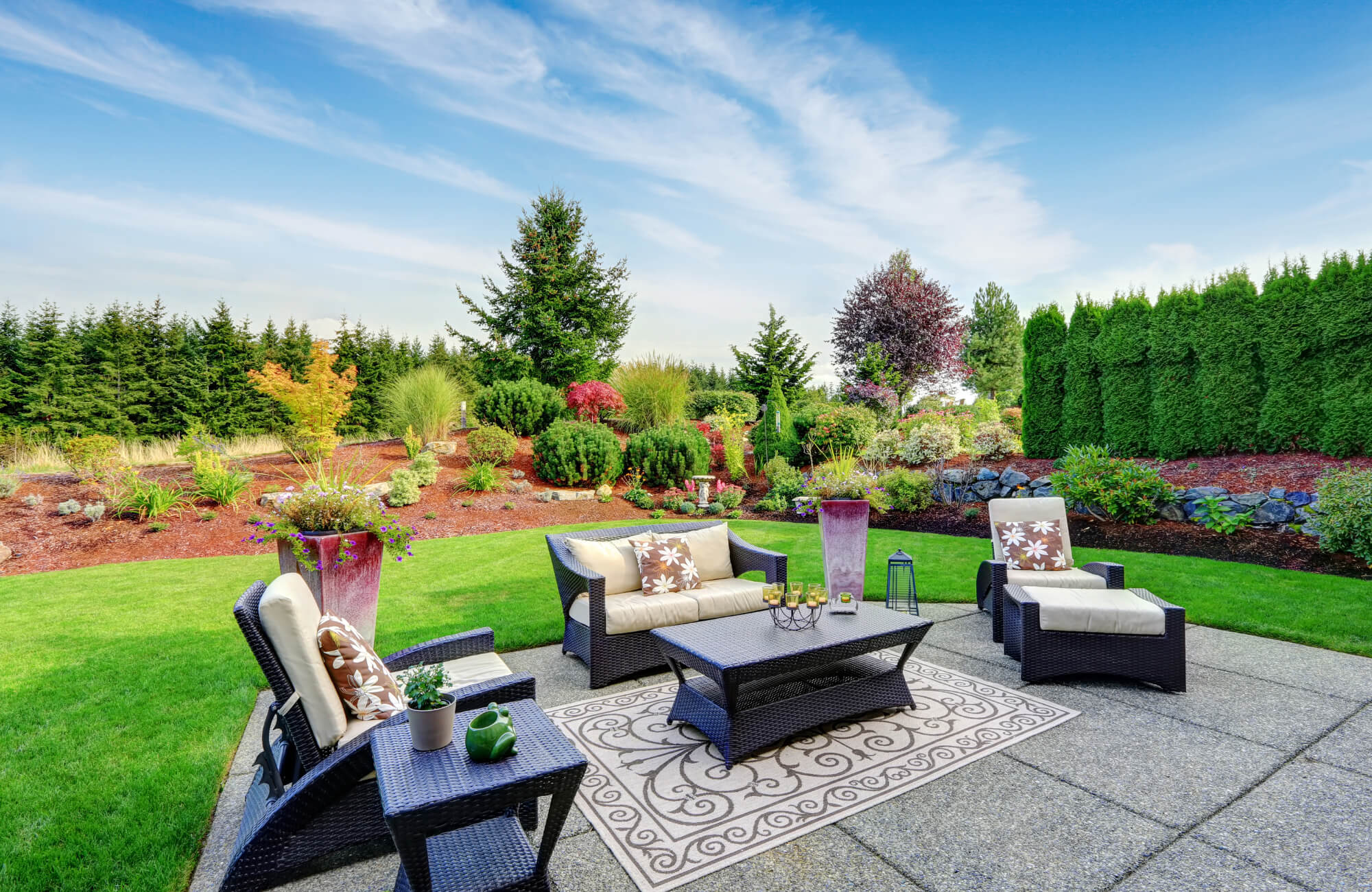
One of the most practical benefits of edging is its ability to separate your pavers from surrounding materials. Whether your patio meets a lawn, gravel path, or mulch bed, edging creates a distinct transition that keeps everything looking neat and contained. Without it, these areas can blend in a way that feels unpolished or unfinished. Even a simple, well-placed border can also bring clarity to the layout and give your outdoor space a more intentional, cohesive appearance.
Enhancing Visual Flow
Thoughtful design naturally guides the eye, and edging can play a subtle yet effective role in that process. By using a material or finish that contrasts with your porcelain pavers, such as dark metal or textured stone, you can create a visual pathway that draws attention through the space. This approach also helps break up larger areas, making it easier to define distinct zones within your landscape. As a result, each section feels more purposeful and connected, while the overall layout remains balanced and uncluttered.
This effect is demonstrated using Edward Martin’s Ramsey 24x24 Grip Porcelain 2cm Paver Tile in Putty, as featured in the photo above. Its soft, neutral tone of the pavers works in harmony with the gravel joints and surrounding greenery, naturally dividing lounge, lawn, and dining areas without harsh transitions. This kind of visual clarity helps outdoor spaces feel more open yet distinctly organized.
Framing with Decorative Purpose
In some designs, edging goes beyond subtle framing and becomes a standout feature on its own. Materials such as polished granite, stamped concrete, or decorative steel can introduce texture, contrast, or a pop of color that enhances the overall look of your space. In these cases, edging serves a dual purpose: it anchors the layout of your porcelain pavers while also contributing to the visual character of the landscape. When used thoughtfully, it becomes an integral part of the design rather than just a finishing detail.

Material Choices for Edging Porcelain Pavers
Choosing the right edging material goes beyond appearance; it also impacts durability, ease of installation, and the long-term stability of your layout. Let’s take a closer look at some of the most commonly used materials and the practical benefits each one brings.
Metal Edging
Metal edging, particularly aluminum or galvanized steel, is valued for its durability and crisp, clean appearance. It's a great fit for modern layouts where precision and subtlety are key. Typically secured with stakes, metal edging creates a slim profile that blends in easily without distracting from your porcelain pavers. It also offers flexibility for curved designs, making it a versatile option that balances both form and function.
Concrete and Stone Borders
For a more traditional look, concrete or natural stone borders offer a dependable and timeless option. These materials integrate well with a wide range of outdoor designs and provide strong, long-lasting support. They're especially useful in areas where soil movement or frequent use may put added pressure on the edges. When installed correctly, they can also help maintain a consistent surface level, which is particularly beneficial on sloped or uneven ground.
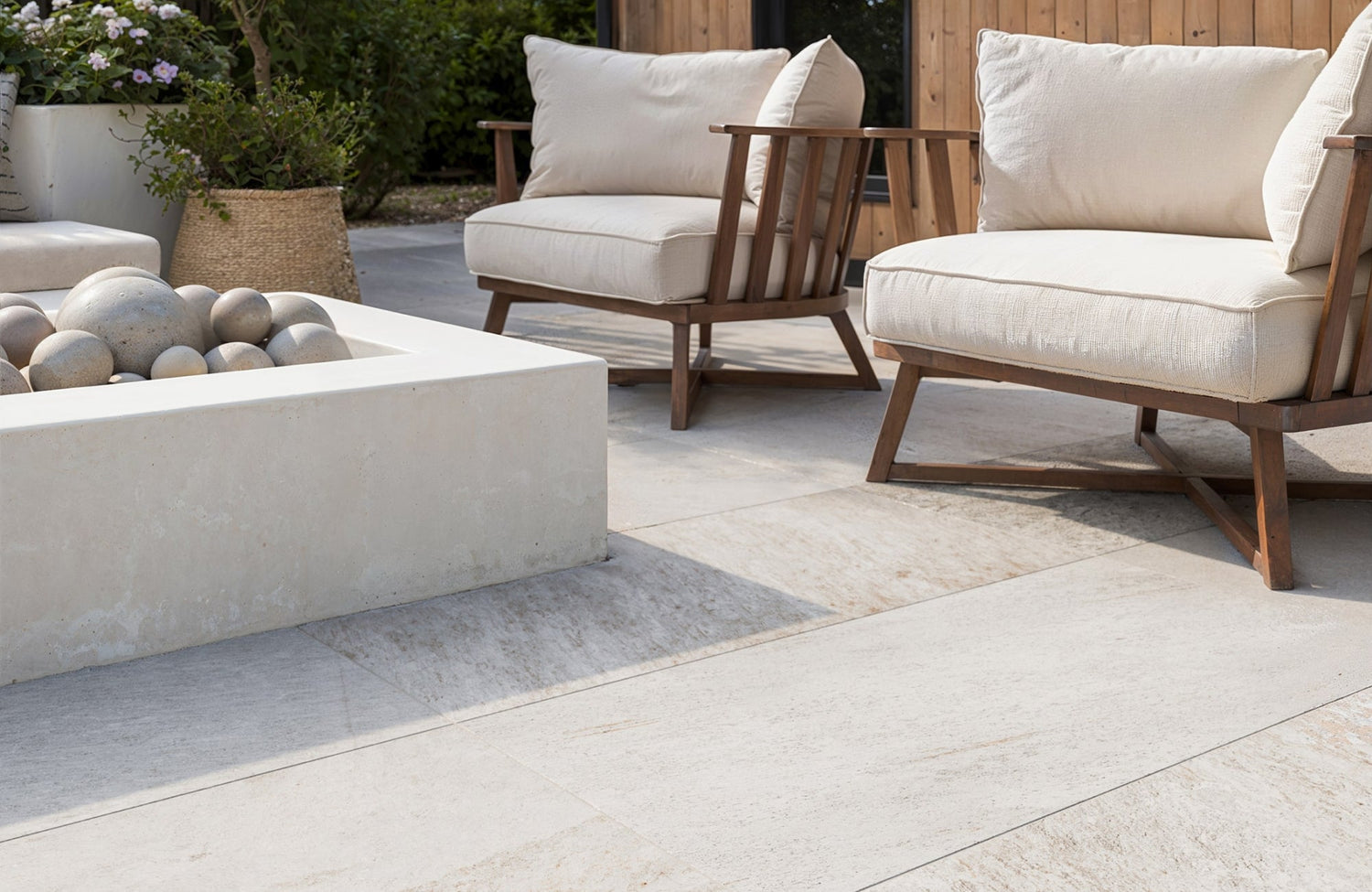
This approach is beautifully illustrated with Edward Martin’s Carter 24x48 Grip Porcelain 2cm Paver Tile in Stone, as displayed in the photo above. The clean-lined concrete seating and planter walls act as built-in borders, reinforcing the edges of the paver layout while complementing the tile’s natural finish. This not only adds visual structure but also ensures lasting stability in a setting designed for comfort and style.
Plastic and Composite Options
While not as durable as metal or stone, plastic and composite edging also offer a practical solution for certain applications. These materials are lightweight, flexible, and easy to work with, making them well-suited for curved layouts or areas that don’t require heavy structural support. Additionally, they're more affordable, which makes them a sensible choice for homeowners exploring a new design or working within a limited budget. For low-impact areas, they provide a simple and effective way to define the edges of your paver layout.

When Edging Isn’t Necessary
Although edging provides several advantages, it isn’t always required. Depending on the layout, the type of base, and nearby features, there are situations where edging can be safely left out. Here are a few situations where skipping edging can still lead to a stable, well-executed installation.
Permanent Containment Structures
In certain outdoor layouts, porcelain pavers are placed within existing hardscape features that already provide structural boundaries. Elements like concrete walls, built-in planters, or retaining edges can serve this purpose effectively. These fixed features help hold the pavers in place, reducing or even eliminating the need for separate edging. If these elements already frame your design, additional edging is often unnecessary and won’t affect the stability or overall look of the installation.
Tight Interlocking Layouts
In smaller, enclosed spaces like courtyards or compact patios, tightly spaced, precision-cut pavers can often maintain their shape without the need for edging. When installed over a firm, stable base with minimal opportunity for shifting, this interlocking approach can be effective. That said, it relies heavily on proper installation techniques and a well-prepared subbase to ensure long-term stability and alignment.
This concept is well illustrated using Edward Martin’s Bowden 24x24 Grip Porcelain 2cm Paver Tile in Oat, as featured in the photo above. The layout combines clean, even spacing with structural containment from surrounding architecture and landscaping, allowing the pavers to stay aligned without additional edging. The result is a refined, balanced surface that feels both open and orderly.
Cemented Installations with Overlapping Features
In certain designs, porcelain pavers are set in mortar and partially covered by features such as benches, planters, or step treads. These overlapping elements act as built-in restraints, helping to hold the layout in place while also protecting the edges from everyday wear. When the installation is properly bonded and carefully aligned, edging serves more as an optional design detail than a functional requirement.

Long-Term Maintenance and Edging Impact
Edging does more than enhance the initial look or stability of your installation. Over time, it plays a subtle yet valuable role in minimizing upkeep, preserving the surface, and helping your outdoor space stay in good condition with less ongoing effort.
Limiting Weed and Debris Intrusion
Without edging, small gaps can form along the perimeter of your paver installation. These openings often allow weeds, soil, or mulch to creep in, leading to frequent maintenance and a less polished appearance. By adding proper edge restraints, you can create a tighter, more secure boundary that helps block unwanted debris and reduces the need for constant cleanup, making your outdoor space easier to maintain over time.
Erosion and Drainage Control
In areas with slopes or near garden beds, base materials like sand or gravel can gradually erode if left uncontained. Rainwater runoff, in particular, can wash away the support beneath the edges of your pavers, eventually causing settling and uneven surfaces. Edging helps prevent this by holding the base in place and guiding water away from vulnerable areas. This added layer of protection further helps preserve the integrity of your installation and supports long-term drainage performance.
Reducing Shifting and Settling Repairs
While an installation may appear stable at first, unprotected edges are more likely to shift gradually over time. Seasonal changes, especially freeze-thaw cycles, can cause subtle movements that lead to misalignment and uneven surfaces. Edging helps reduce these risks by strengthening the perimeter, lowering the likelihood of long-term settling, and minimizing the need for costly or frequent repairs over time.
Deciding Whether Edging Is Right for Your Porcelain Pavers
Do porcelain pavers require edging? Not in every case, but in many situations, it’s a practical and worthwhile addition. Edging can enhance durability, maintain clean lines, and simplify long-term maintenance, all while supporting the overall integrity of your outdoor design. By considering your installation method, layout, and surrounding features, you can determine whether edging adds value to your specific project. With the right approach, you’ll create a space that not only looks well-crafted from day one but continues to perform beautifully over time.
If you're unsure which edging option best suits your layout, feel free to contact us. We’re here to guide you through the material choices and answer any questions you might have about your project. To help you plan with confidence, try our AR Tool; it lets you visualize porcelain pavers and edging combinations right in your own outdoor space.