Porcelain pavers are a popular choice for outdoor spaces, but do they hold up under the heat of the sun? Whether you're planning a patio, pool deck, or rooftop lounge, surface temperature plays a big role in day-to-day comfort. While porcelain is known for its durability and low maintenance, many homeowners wonder how it compares to concrete or natural stone when the summer sun is at its peak.
In this article, we’ll take a closer look at how porcelain pavers handle heat, what factors influence their surface temperature, and what to consider when choosing the right style for your climate.

How Heat-Resistant Are Porcelain Pavers?
When it comes to outdoor surfaces, staying cool underfoot is just as important as durability and style. Porcelain pavers are often praised for their low porosity and dense structure, but how well do they handle heat? Below, we’ll break down what makes porcelain uniquely suited for warm climates and how its finish, color, and composition influence surface temperature.
What Porcelain Is Made Of and Why It Matters
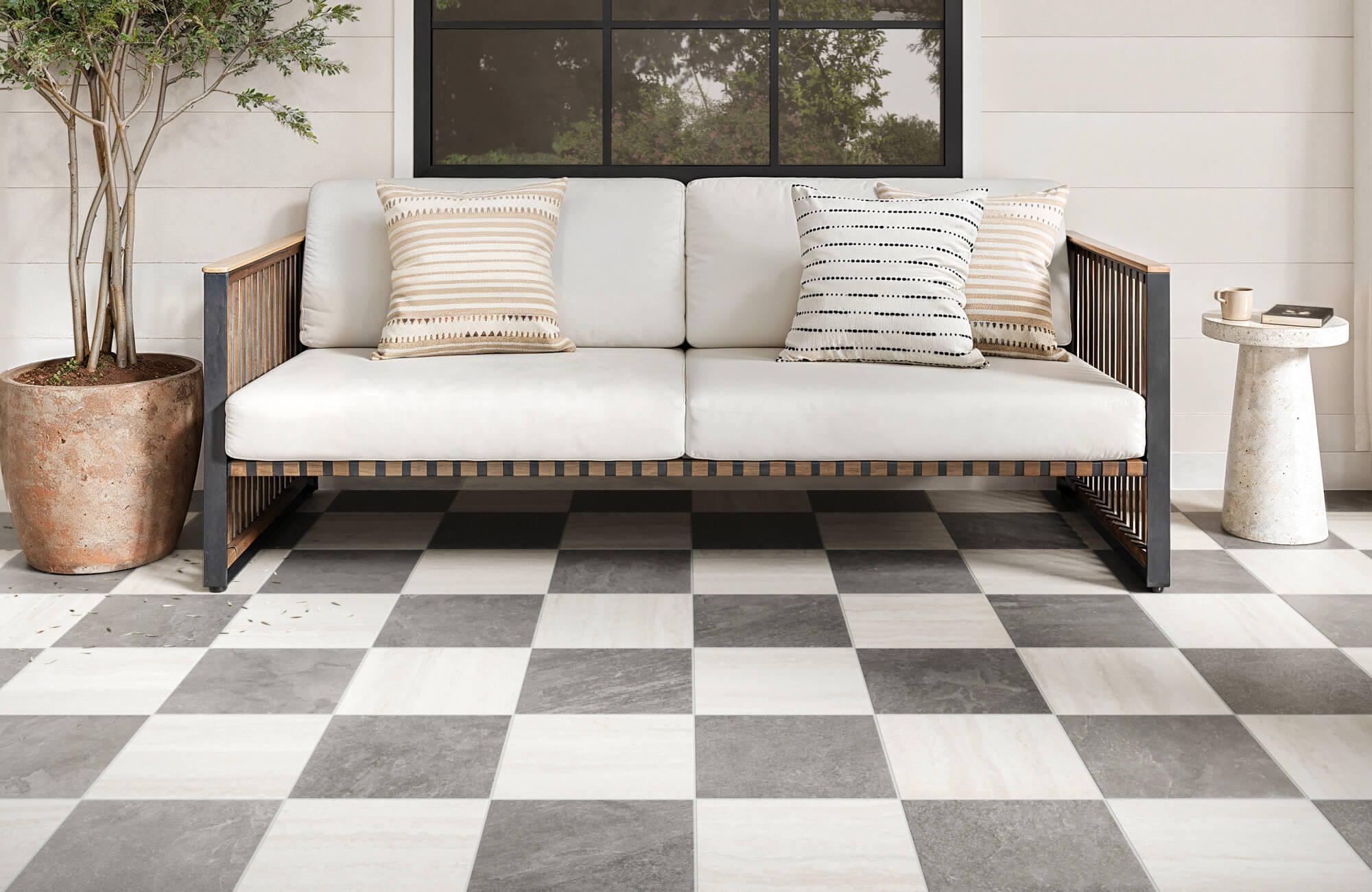
Porcelain pavers, such as our Dawson 24x24 Checkerboard Grip 2cm Porcelain Paver Tile in Ash & Alabaster above, are made from refined clay fired at extremely high temperatures, which gives them a dense, non-porous structure. This tight composition means they absorb very little moisture, helping them resist not only stains but also rapid heat absorption. Because there’s less air and space inside the tile, heat doesn’t transfer through as easily as it might with other materials. That makes porcelain more thermally stable, especially in areas with intense sun exposure. It also cools off more quickly once shaded or as the temperature drops.
This natural resistance to heat is one reason why porcelain is often preferred in patios, pool decks, and walkways. While no material is completely immune to heat buildup under direct sunlight, porcelain’s combination of density and durability gives it an advantage. Its performance tends to be more predictable across seasons and climates. For homeowners looking for both comfort and longevity, it’s a strong contender in the outdoor category.
Surface Color and Finish Impact on Heat Retention
Not all porcelain pavers react to heat in the same way; color and finish make a noticeable difference. Lighter colors like beige, sand, or white reflect more sunlight and typically stay cooler than darker shades such as charcoal or slate. This makes tone selection especially important for sun-heavy patios or pool surrounds where bare feet are common. In addition to color, texture also plays a role in how hot the surface feels over time.
Textured finishes tend to be more comfortable to the touch than smooth or polished ones, which can become slick and hotter under direct sun. Rougher finishes disperse heat more effectively because they have less uniform contact with skin or shoes. Some outdoor pavers also include anti-slip coatings that contribute to cooler surface temps. When choosing porcelain for heat-prone areas, both tone and texture should be part of the decision—not just aesthetics.
Comparing Porcelain to Natural Stone and Concrete
Porcelain holds up surprisingly well when compared to other popular outdoor materials like concrete or natural stone. While concrete is affordable and widely used, it’s highly porous and tends to hold onto heat, especially in darker shades. Natural stone, depending on the type, can vary significantly—granite and bluestone, for example, often get quite warm, while limestone or travertine might stay cooler but are more prone to staining and wear. Porcelain finds a middle ground: cooler underfoot than concrete, but with fewer of the maintenance concerns tied to natural stone.
In addition to heat performance, porcelain’s resistance to cracking, fading, and weathering gives it a practical edge. Unlike some natural materials that can flake or develop surface erosion, porcelain remains stable and consistent with very little upkeep. Its ability to mimic the look of stone or wood without the thermal downsides makes it a smart alternative in sunny outdoor installations. For those wanting both comfort and design flexibility, it offers a reliable, cooler-surface solution.

Factors That Influence Heat Buildup Outdoors
Even the best heat-resistant materials can feel warm under certain conditions. That’s why it’s important to consider the bigger picture, how your region’s climate, layout choices, and even the time of day can affect surface temperature. Here, we’ll look at the real-world factors that impact how hot porcelain pavers may get in your outdoor space.
Climate and Sun Exposure Levels
The amount of heat your porcelain pavers absorb has a lot to do with where you live and how much sunlight the area receives. In hotter, drier regions with intense sun exposure like parts of California, Arizona, or Texas, pavers will naturally heat up more quickly than in cooler, cloudier climates. High humidity can also make surfaces feel warmer, even if the air temperature isn’t extreme. It's not just the sun but also the ambient warmth that contributes to the overall feel underfoot.
For homeowners in these areas, choosing lighter-colored pavers and placing them in partially shaded areas can make a noticeable difference. Overhangs, pergolas, or trees can reduce direct sun contact, helping to keep surfaces more comfortable. It's about tailoring your materials and layout to the conditions you deal with most often because even a heat-resistant material like porcelain performs better when paired with smart environmental planning.
Installation Layout and Air Circulation
How you install your pavers can also influence how much heat they retain. Elevated installations that allow air to circulate beneath the pavers tend to stay cooler because the trapped heat can dissipate more easily. Ventilation gaps, open joint spacing, or even pedestal systems all contribute to better airflow around and under the tiles. That movement of air helps regulate temperature more effectively than solid slab foundations, which tend to trap and hold heat.
Also, placement matters. Areas that back directly onto walls or enclosed corners often trap radiant heat and block wind, creating hotspots. By designing with airflow in mind, leaving space between pavers or integrating natural airflow corridors, you’ll help the surface stay more comfortable throughout the day. It’s a small installation detail that can have a big impact on how the space feels in peak sun hours.
Time of Day and Sun Angles
The time of day plays a bigger role in heat retention than many people realize. Midday sun, when the angle is most direct, tends to heat surfaces quickly and intensely, especially between 11 a.m. and 3 p.m. In contrast, morning and late afternoon sunlight casts at a lower angle, producing gentler warmth and less intense heating of surfaces. That means the same material can feel vastly different depending on when you step on it.
If your patio or pool area gets full midday exposure, choosing lighter pavers and adding shade structures can help mitigate the worst of the heat. For spaces that primarily get morning or afternoon light, surface temperature tends to be less of a concern. Understanding the sun’s movement over your property can help you place porcelain pavers in areas that naturally avoid extreme exposure or prepare for it with layout and color choices that make heat easier to manage.

Can You Walk Barefoot on Porcelain Pavers in the Heat?
One of the most common concerns with outdoor surfaces is whether they stay comfortable enough to walk on, especially during peak summer sun. Porcelain is known for its lower heat absorption compared to stone or concrete, but real-world comfort also depends on several external factors.
Comfort Levels Compared to Other Materials
Porcelain generally stays cooler underfoot than concrete or natural stone due to its low porosity and dense structure, which helps limit heat retention. Many homeowners report that walking barefoot on light-colored porcelain pavers is still manageable, even during hot afternoons. Compared to darker stone or unsealed concrete, porcelain tends to dissipate surface heat more quickly once shaded. While not always “cool,” it’s often the more forgiving choice for patios, poolsides, or lounge areas. Of course, color and exposure play a role—lighter matte finishes typically feel the most comfortable.
Situations Where Pavers May Still Get Uncomfortably Warm
Even with porcelain’s advantages, certain conditions can still push its surface temperature beyond comfort. Dark-colored pavers in full sun, especially in areas with minimal airflow or reflective nearby materials, can heat up quickly. In places with extreme climates like desert regions or high-humidity zones, heat buildup becomes more intense and prolonged. Direct sun during peak hours (11 a.m. to 3 p.m.) is the most likely time to experience discomfort underfoot. In these cases, porcelain may still outperform alternatives but won’t remain entirely cool to the touch.
How to Minimize Discomfort on Hot Days
There are a few easy ways to make outdoor porcelain pavers more comfortable on hot days. Providing shade with umbrellas, pergolas, or overhangs can significantly reduce direct heat exposure. Spraying down the surface with water before entertaining or placing outdoor rugs in busy zones also helps. If possible, design your layout to take advantage of natural shade or morning sun rather than harsh midday light. These small adjustments can make a big difference in keeping your space barefoot-friendly all summer long.

How to Manage Porcelain Paver in Hot Climates
When designing outdoor spaces in warmer regions, picking the right type of porcelain paver can help maintain comfort without sacrificing style. Thoughtful choices around color, finish, and placement all influence how hot the surface feels underfoot.
Consider Shaded or Partially Covered Areas
Installing porcelain pavers in covered or dappled-light areas can go a long way in regulating surface temperature. Pergolas, trellises, and leafy trees offer natural shade that keeps the tile cooler throughout the day. These shaded setups also extend the usability of outdoor spaces during peak heat hours. If full coverage isn’t an option, even partial shade during the afternoon can significantly lower perceived warmth. Plan your layout with the sun’s movement in mind for maximum comfort.
Use Spaced or Elevated Paver Systems When Possible
Systems that allow airflow beneath the tile, like pedestal setups or gravel-set bases, can help reduce overall heat buildup. By raising the pavers slightly or spacing them apart, air can circulate underneath and cool the material from below. These layouts also help with drainage and reduce heat radiating directly from solid ground. It’s a subtle construction choice that can make a noticeable difference in high-sun environments. For rooftop patios or low-breeze areas, this added ventilation is especially helpful.
Choose Larger Formats to Minimize Joint Heat
Larger porcelain tiles reduce the number of grout lines or joints, which can sometimes retain more heat than the tile surface itself. A wide-format paver provides a smoother visual and physical surface with fewer interruptions. This helps create a more consistent cooling effect across the layout. While small mosaics or narrow tiles might look detailed, they can trap heat in the gaps, especially with dark grout. Going bigger can mean cooler underfoot.
Prioritize Slip Resistance in High-Heat Zones
In hot climates, tile that’s cooler underfoot also tends to perform better when water is added to the mix, like from poolside spraying or somewhere else. A textured, slip-resistant finish ensures that comfort doesn’t come at the expense of safety. Look for porcelain products rated for outdoor or wet area use with anti-slip surface ratings. This helps maintain traction even when the tiles are warm and slightly damp. Safety and comfort go hand-in-hand in summer-ready designs.
Blend With Surrounding Materials and Light Conditions
Finally, consider how your porcelain pavers will interact with nearby surfaces like walls, fences, or built-in seating. Pale tile paired with reflective light-colored elements can brighten the area without making it feel washed out. Conversely, pairing warm tones with natural wood or soft stone can ground the space while keeping heat levels in check.
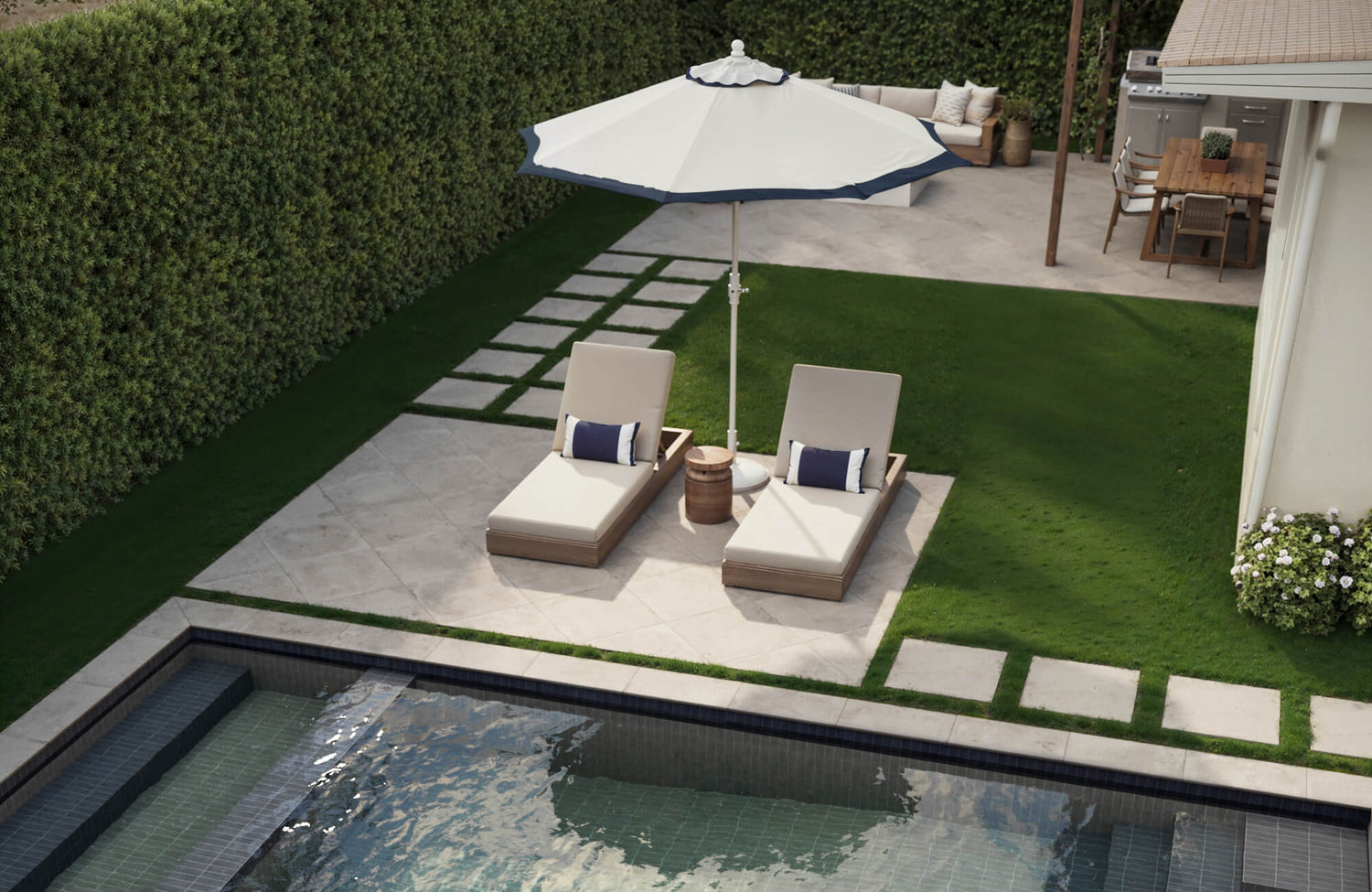
Choose tones that feel harmonious with both the sun exposure and the materials they’ll sit next to. That way, your outdoor setup stays cool in feel and cohesive in design. As seen above, our Ramsey 24x48 Grip Porcelain 2cm Paver Tile in Putty pairs beautifully with shaded landscapes and organic textures. Its soft, neutral tone and slip-resistant surface help maintain a cooler feel, even in sun-exposed layouts.

Are Porcelain Pavers Right for Your Climate?
While porcelain pavers are known for their sleek look and lasting durability, their performance in outdoor settings depends heavily on the climate they’re installed in. From sunny patios to shaded courtyards, the material behaves differently depending on temperature swings, sun exposure, and how the space is used.
You Live in a Hot Region With Strong Sun
Porcelain pavers can absolutely work in hot, sunny areas, as long as you plan around their natural heat absorption. Their dense, non-porous body resists fading, cracking, and thermal shock, making them well-suited for desert or Mediterranean climates. But it’s important to be mindful of surface temperature: darker tiles in full sun can heat up quickly and become uncomfortable underfoot. Choosing lighter shades and placing them in partially shaded zones helps balance comfort with durability.
In extremely dry regions where UV exposure is intense year-round, porcelain still holds up better than most natural stones or concrete in terms of color retention and structural integrity. It won’t warp or degrade in the sun, and it requires less sealing or maintenance over time. Still, keep in mind that ventilation underneath (via pedestal systems or spaced layouts) can help reduce radiant heat. Smart placement and finish selection make all the difference in hotter regions.
You Need Low-Maintenance Outdoor Surfaces
If your priority is a patio or outdoor surface that doesn’t require constant upkeep, porcelain pavers, such as our Ramsey 24x24 Grip Porcelain 2cm Paver Tile in Putty above, are a solid option. Their non-porous nature means they resist stains, mildew, and moisture absorption even after long exposure to sun and seasonal changes. This also helps prevent fading or discoloration, so you won’t have to reapply sealants or surface treatments like you might with natural stone. For homeowners in warm climates, that translates to less cleaning and more reliable performance.
These pavers also resist the build-up of grime from leaves, spills, or dirt tracked in from outdoors. Even in dry, dusty areas or coastal settings, they hold up well without showing much wear. Routine rinsing or sweeping is often enough to keep the surface looking fresh. If you’re looking for something attractive that doesn’t add to your maintenance checklist, porcelain easily fits that bill across most climate zones.
You Want a Cooler, Comfortable Patio Experience
In terms of barefoot comfort, porcelain performs best when chosen and placed strategically. Pale, matte-finish tiles reflect sunlight better and diffuse heat buildup, keeping the surface noticeably cooler than many darker or glossier materials. When paired with shade structures or installed in breezy areas, the result is a comfortable patio space that stays usable even in peak sun. That makes porcelain especially appealing for lounging zones or poolside settings where heat matters.
However, if your outdoor space gets strong, unrelenting sun all day with no coverage, you may still notice warmth underfoot depending on color and layout. That’s where planning makes a difference—think about incorporating light-colored rugs, misting options, or umbrellas to soften the experience. Porcelain pavers won’t necessarily stay cool on their own, but they’re highly adaptable and can support a comfortable outdoor experience with the right additions. For many homeowners, that balance of beauty and practicality is exactly what makes them worth considering.
You can also preview your favorite tile styles in your actual outdoor space using our AR Tool. It’s a quick way to see how different shades and finishes will look under natural light before you commit. Try it out to make heat-smart, design-savvy choices with confidence.
Designing a Cooler, Smarter Outdoor Space With Porcelain
Porcelain pavers are a smart, heat-conscious choice for outdoor living, especially when paired with the right color, finish, and layout. While no material is entirely immune to heat on a summer day, porcelain offers a strong balance of comfort, durability, and low maintenance that holds up across climates. With a little thoughtful planning, you can create an outdoor space that feels as good as it looks.
Still deciding if porcelain is the right fit for your patio or pool area? Our free design consultation can help you explore the best tile options for your climate and lifestyle. From color and format suggestions to layout tips, we’ll guide you toward a solution that feels comfortable year-round.