Pavers bring lasting style and structure to patios, pathways, and driveways, but ongoing exposure to moisture and organic debris can sometimes lead to mold growth. Understanding how and why this happens, and knowing the best ways to prevent and treat it, helps you preserve both the beauty and durability of your outdoor spaces. In this article, we’ll explore the conditions that encourage mold and outline effective ways to keep your pavers clean, resilient, and well-maintained, helping you make confident, informed decisions about their maintenance.

How and Why Mold Develops on Pavers
Mold doesn’t appear by chance; it thrives under the right mix of moisture, temperature, and organic matter. By learning what drives its growth, you can take early action before it becomes a recurring issue.
Moisture and Humidity Traps
Mold thrives in areas where water lingers. When rain or sprinkler water collects in the joints or low spots between pavers, the surface stays damp long enough for spores to multiply. This often happens when drainage is insufficient or the base beneath the pavers is too dense to allow moisture to escape. Shaded zones, such as those beneath trees or along walls, also trap humidity, creating ideal conditions for growth. Improving airflow and maintaining the correct slope during installation or upkeep helps surfaces dry more quickly and prevents moisture from becoming a lasting issue.
Organic Debris and Nutrient Sources
Even small amounts of debris can sustain mold growth. Organic materials such as leaves, mulch, pollen, or soil caught between pavers create a thin nutrient layer that supports spore development. Mold often begins developing below the surface long before it becomes visible. Regular sweeping, particularly after rain or windy days, breaks this cycle by clearing away the buildup that mold depends on. Keeping paved areas clean not only prevents growth but also preserves the natural color and texture of your pavers over time.
Surface Porosity and Texture
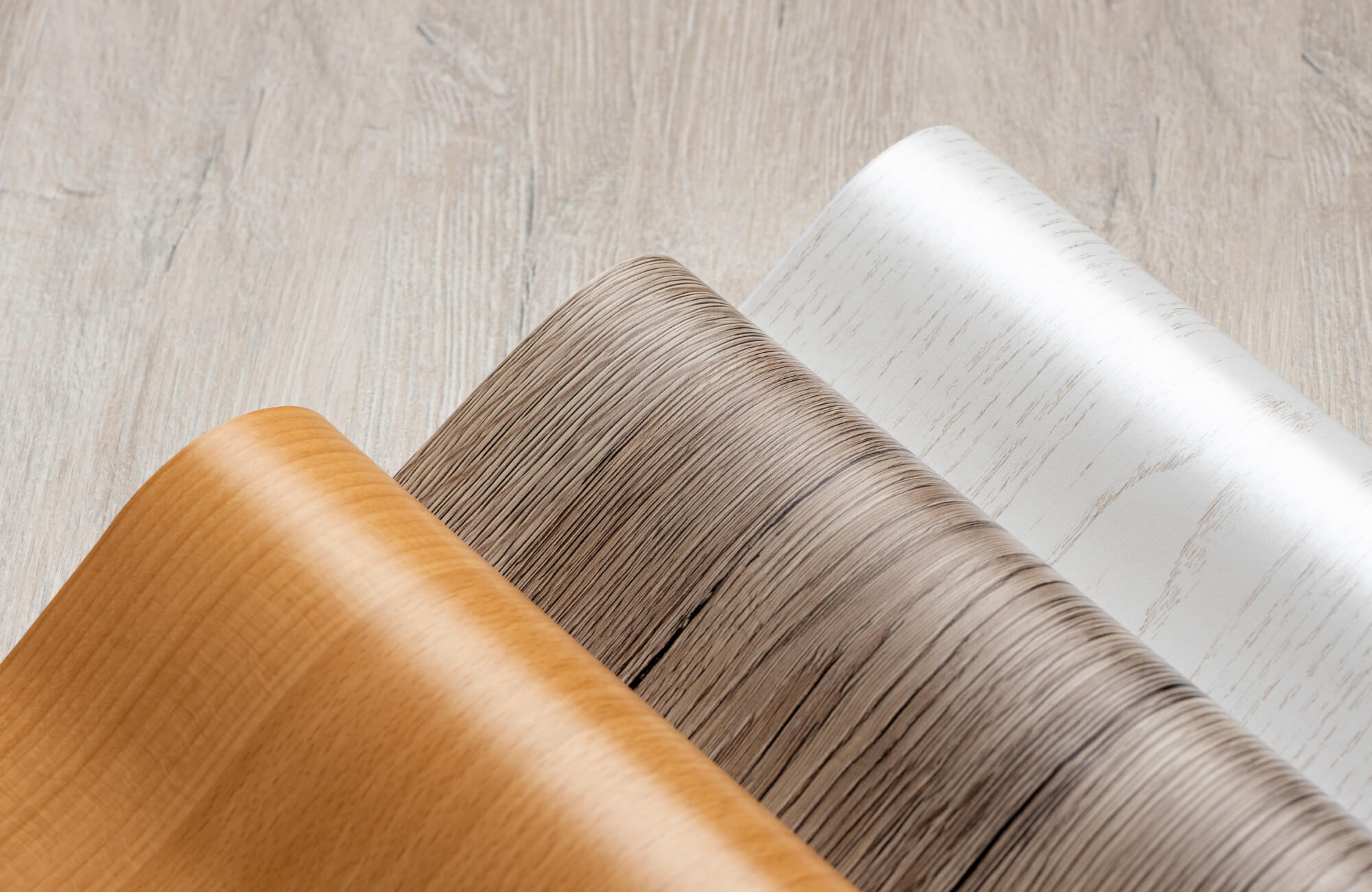
The material and finish of your pavers play a key role in how easily mold can form. Natural stone and unsealed concrete absorb moisture through small pores. Porcelain pavers, with their non-porous surface, naturally resist water absorption and dry quickly, making them far less prone to mold. In moisture-prone areas like pool decks or patios, using durable options such as Edward Martin’s Bowden 24x24 Grip Porcelain 2cm Paver Tile in Canvas, as seen in the photo above, helps reduce mold risk while keeping the surface elegant and easy to maintain.

Environmental and Location Factors That Influence Mold Growth
Mold doesn’t affect every patio or walkway the same way. The environment around your pavers—sun exposure, airflow, and surrounding landscape—strongly influences how quickly mold develops and how likely it is to return after cleaning.
Shade, Sunlight, and Air Circulation
Sunlight naturally helps prevent mold growth, whereas shaded or poorly ventilated areas tend to hold moisture for longer periods. Spaces beneath trees, near fences, or alongside walls often dry slowly after rain, giving mold more time to form. Trimming overhanging branches or moving planters to allow more sun and airflow helps the surface dry more efficiently. Even minor improvements in ventilation can make a noticeable difference, helping your pavers stay cleaner for longer.
Soil and Drainage Conditions
When water collects or drains poorly beneath pavers, moisture can remain trapped for days, creating ideal conditions for mold. This often occurs when the base is missing adequate gravel or sand layers, or when the surrounding soil slopes toward the paved surface. Adjusting the grade to direct water away from the surface provides a long-term solution. If re-grading isn’t practical, installing a drainage channel or French drain nearby can effectively prevent recurring mold before it has a chance to form.
Climate and Seasonal Patterns
Local weather also has a major impact on how mold develops and persists. In humid coastal regions or areas with long rainy seasons, constant moisture creates ideal conditions for mold to thrive. During drier or windier months, surfaces stay drier, and mold growth slows naturally. Understanding your climate helps you plan maintenance around seasonal changes, such as scheduling deep cleaning before the wet season begins.
In areas with high humidity or frequent rain, durable, non-porous materials like Edward Martin’s Dawson 24x24 Checkerboard Grip 2cm Porcelain Paver Tile in Ash & Alabaster, as shown in the photo above, offer an advantage. Its dense surface helps resist moisture absorption, making it a smart choice for environments where mold is more likely to develop.

Identifying Mold, Mildew, and Algae on Pavers
Not every dark patch on your pavers is mold. Some discoloration may instead be mildew, algae, or a buildup of dirt. Learning to distinguish between them ensures you use the right cleaning approach, protecting both the surface and its finish.
Visual and Textural Clues
Mold usually appears as gray, black, or dark green patches with a fuzzy surface that looks slightly raised. Mildew tends to look flatter and more powdery, while algae often form a slick, green coating that becomes slippery when wet. Observing the texture and how the surface feels underfoot can help you pinpoint what you’re dealing with. Understanding these subtle differences prevents unnecessary or harsh cleaning that could wear down your pavers.
Testing and Spot Cleaning Techniques
If you’re unsure what’s causing the discoloration, a simple test can help confirm it. Apply a diluted vinegar or bleach solution to a small, inconspicuous area and wait a few minutes. If the spot begins to lighten, it’s likely mold or algae; if it stays the same, it’s probably a stain or mineral deposit. This quick check helps you choose the right cleaning approach and avoid unnecessary treatments.
Common Areas of Accumulation
Even well-cared-for pavers can develop mold in areas where moisture lingers. Growth often begins along edges, near garden beds, or in shaded corners where water and debris collect. Regularly checking these spots helps you catch early signs before they spread across the surface. Making quick visual inspections, especially after rain, remains one of the simplest and most effective ways to keep mold under control.

Effective Cleaning Methods for Moldy Pavers
When mold appears, addressing it promptly helps preserve both the material and the appearance of your outdoor space. The key is choosing a cleaning method suited to your paver type and the extent of the buildup, ensuring a thorough clean without causing surface damage. Always check and follow the manufacturer’s care recommendations before using any cleaning solution or equipment to ensure compatibility with your specific paver material.
Gentle Cleaning with Natural Solutions
For light mold or routine upkeep, natural cleaners like vinegar or baking soda offer a safe and effective approach. Combine equal parts white vinegar and water, apply it to the affected area, and let it sit before scrubbing with a soft brush. You can also sprinkle baking soda over damp spots to add a gentle scrubbing action. These gentle options can further preserve the surface finish while avoiding harsh chemicals, making them ideal for families with children or pets.
Using Pressure Washers Correctly
For tougher mold buildup, pressure washing can deliver a deeper clean, provided it’s used with care. A lower PSI setting helps prevent surface pitting, while keeping the nozzle a few inches away protects both the paver and the joint sand. Move the spray slowly and evenly rather than concentrating on one area for too long. When done properly, pressure washing refreshes the appearance of the pavers without compromising their structure or finish.
Chemical Treatments and Safety Tips
When mold spreads over large areas or seeps deep into the surface, stronger solutions such as oxygenated bleach or professional-grade paver cleaners may be required. These products can effectively break down organic growth but should always be diluted and handled with gloves and eye protection. After cleaning, rinse the surface thoroughly to remove any residue and protect surrounding plants. When used properly, chemical treatments can also safely restore your pavers’ color and clarity without unwanted damage.
Post-Cleaning Maintenance Steps
After cleaning, let the area dry thoroughly before re-sanding the joints or applying a sealer. This keeps moisture from seeping back into those areas and allows the surface to cure properly. Regular sweeping and occasional rinsing also help preserve the freshly cleaned look and reduce the buildup of dirt or debris. Consistent upkeep is key; small, routine efforts make it difficult for mold to reestablish itself in the future.

Long-Term Prevention and Maintenance Strategies
Preventing mold goes beyond cleaning; it’s also about creating conditions where it can’t easily grow. With consistent upkeep and thoughtful design choices, you can protect your pavers’ appearance and durability for years to come.
Sealers and Protective Coatings
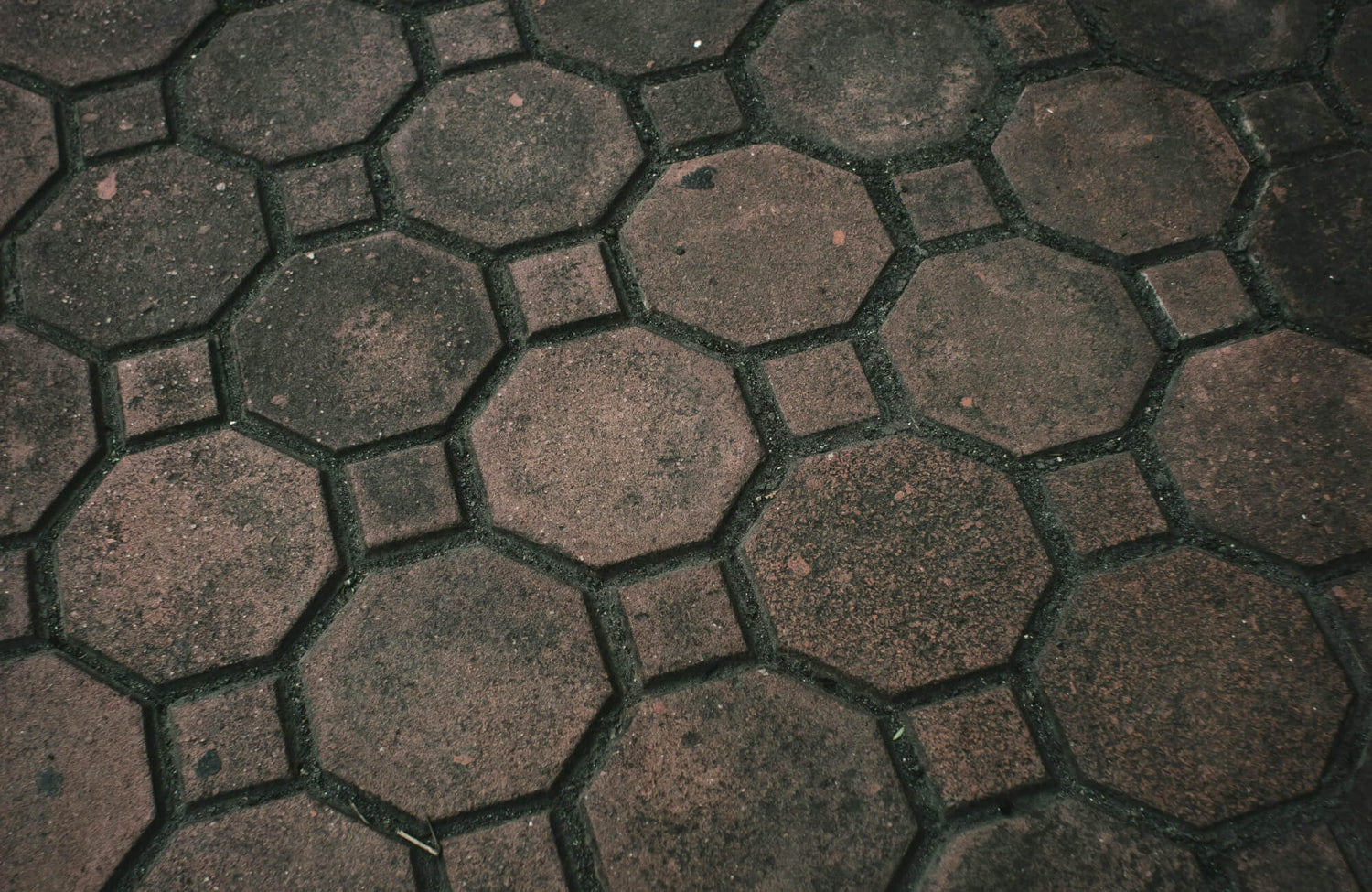
Applying a breathable sealer creates an invisible barrier that limits water absorption without trapping moisture beneath. This helps pavers dry faster after rain and prevents mold spores from settling into joints or pores. Natural stone and concrete pavers benefit from resealing every few years to maintain their performance and appearance. In contrast, a piece like Edward Martin’s Wren 24x24 Grip Porcelain 2cm Paver Tile in Dune, as featured in the photo above, is naturally non-porous and does not require sealing. Their dense composition resists moisture and staining, making them a low-maintenance option for outdoor spaces prone to humidity or shade.
Smart Landscaping Design Choices
Your landscape design plays a major role in how easily you can maintain your pavers. Overgrown trees and dense shrubs can limit sunlight and slow down the drying, while sprinklers that spray onto paved areas keep the surface continuously damp. Trimming nearby greenery and adjusting irrigation to target only plants also encourages quicker evaporation and reduces moisture buildup. When the landscape and hardscape complement each other, the entire area stays cleaner and more resistant to mold.
Routine Cleaning and Seasonal Checks
A consistent cleaning routine helps stop minor issues from developing into bigger problems. Regular sweeping clears away organic debris before it breaks down, while rinsing every few weeks keeps dust and dirt from accumulating. During spring and autumn, schedule deeper cleaning, or resealing, if needed, when temperatures are moderate and drying conditions are ideal. These simple, seasonal habits can also make maintenance easy and keep your pavers looking their best year-round.
Managing Drainage and Water Flow
Good drainage is essential for preventing mold. Ensure your paved areas slope gently away from structures so water can run off rather than collect. In areas where moisture tends to linger, adding gravel borders or installing permeable pavers allows water to drain more easily. Proper drainage not only discourages mold growth but also helps protect nearby foundations and landscaping from potential water damage.
Keeping Your Outdoor Space Clean and Mold-Free
Mold is a common challenge, but with proper care, it doesn’t have to become a lasting issue. By understanding how it forms, spotting it early, and maintaining a steady cleaning routine, you can protect both the appearance and safety of your outdoor areas. Simple adjustments, such as improving drainage, increasing sunlight exposure, and maintaining sealed surfaces, go a long way in preventing buildup. With consistent upkeep, your pavers can stay clean, inviting, and ready to enjoy through every season.
If you need help choosing the right pavers or planning your outdoor upgrade, contact us today or explore our AR Tool to visualize how different paver styles will look in your space.