Marble is synonymous with elegance, its soft veining and luminous surface have long defined luxury interiors. But beneath its refined appearance, many homeowners wonder: Do marble floors crack easily? Is marble brittle or fragile?
The answer is more nuanced than a simple yes or no. While marble is a durable natural stone, it is also softer and more porous than many alternatives. This means it can chip, crack, or weaken under certain conditions, particularly without proper installation and care. Understanding how marble behaves, its strengths, limitations, and environmental sensitivities, can help you decide whether it’s the right choice for your space.

Understanding the Nature of Marble
Marble’s performance as a flooring material is shaped by its composition, structure, and natural characteristics. While it is undeniably strong, several inherent qualities influence how resistant it is to cracking.
Marble’s Mineral Composition and Hardness
Marble is primarily composed of calcite, a crystalline mineral that gives the stone its signature veining and smooth texture. Depending on the quarry and formation process, other minerals such as dolomite, clay, and iron oxides may also be present, contributing to variations in density and durability.
On the Mohs hardness scale, marble typically ranks between 3 and 4. This makes it significantly softer than stones like granite or quartzite. As a result, marble is more susceptible to scratching, chipping, and surface wear, especially in busy areas.
While marble is not considered extremely brittle, it is also not as resilient as harder materials. Its crystalline structure, combined with natural veining, can create points of weakness that make it more vulnerable to cracking under stress or impact.
Porosity and Moisture Absorption
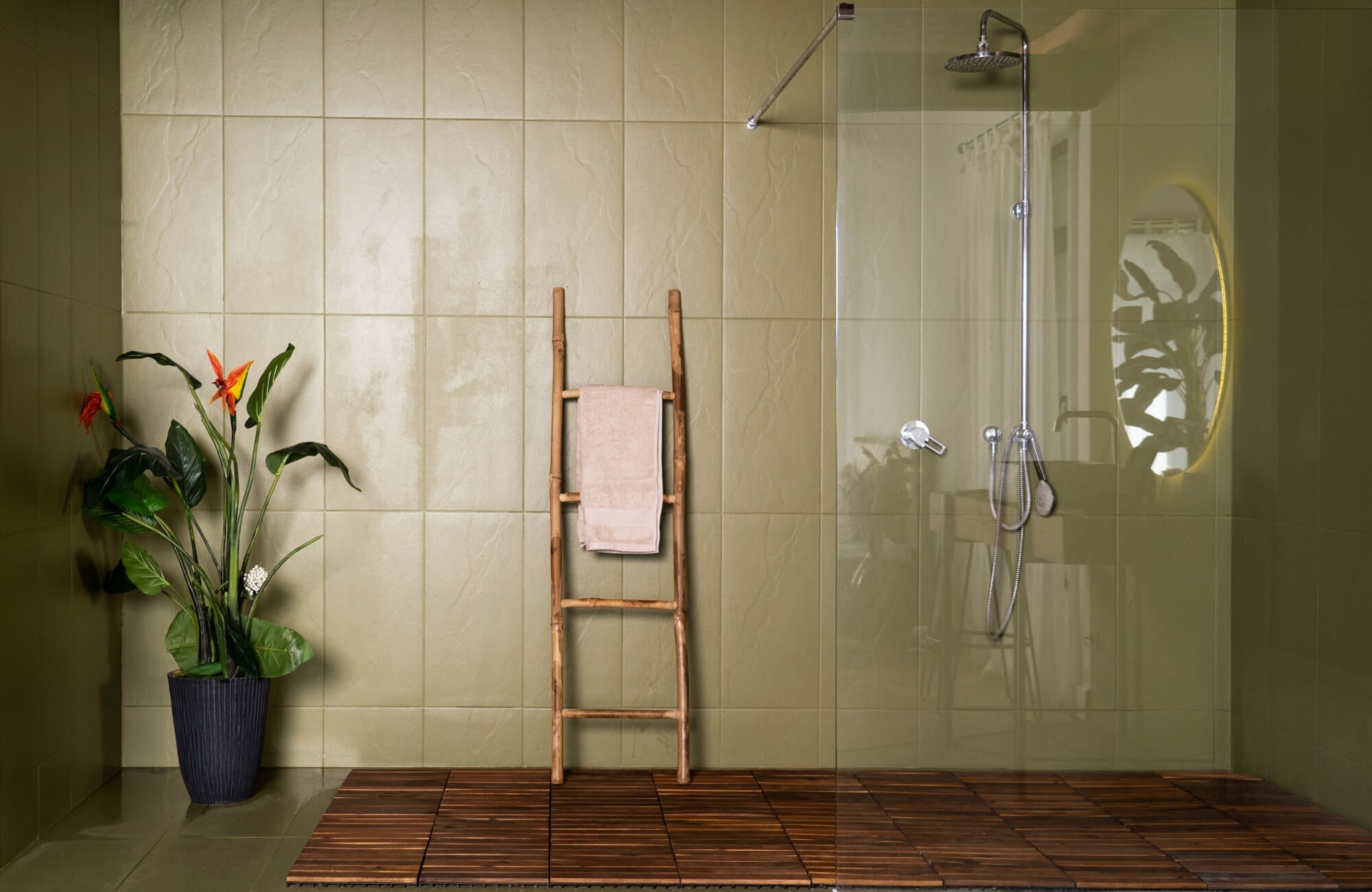
Another defining characteristic of marble is its porosity. As a naturally porous stone, marble has the ability to absorb moisture, which can gradually weaken its internal structure if left unsealed, something that becomes visually apparent when compared to denser surfaces like Edward Martin’s Leona 24x24 Matte Porcelain Tile in Nero Marquina, seen in the image above, where a non-porous finish helps resist water infiltration.
When water penetrates the surface, it can compromise the stone’s integrity over time. In colder environments, this becomes even more significant. Moisture trapped within the marble can freeze and expand, creating internal pressure that may lead to cracking, a process commonly referred to as freeze-thaw damage. However, the extent of this risk can vary depending on the type of marble, the quality of sealing, and the surrounding environmental conditions.
Regular sealing helps reduce moisture absorption, but it does not eliminate the risk entirely. Consistent care and maintenance remain essential to preserving the stone’s durability, and long-term performance may differ based on usage patterns and manufacturer recommendations.
Veining and Natural Weak Points
Marble’s veining is one of its most desirable features, yet it can also introduce structural variability. These veins are formed by mineral deposits, and their density and direction can affect the overall strength of the stone.
Areas with heavy or irregular veining may be less dense, making them more prone to chipping or cracking, especially under concentrated weight or sudden impact. Because each slab is unique, some marble tiles may be more vulnerable than others depending on their natural composition.

Installation Techniques and Their Impact on Cracking
Even the highest-quality marble can develop cracks if it is not installed correctly. Proper installation is essential to supporting the stone and minimizing stress over time.
Subfloor Preparation and Stability
A stable, level subfloor is critical for marble flooring. Because marble is less flexible than other materials, any movement beneath the surface can create stress points that lead to cracks.
Concrete subfloors should be properly leveled to ensure even support, while wood subfloors often require reinforcement to prevent flexing. Without a solid foundation, even minor shifts can compromise the integrity of the marble above. Installation methods may vary depending on the specific project and site conditions, so consulting a qualified professional installer is recommended to ensure proper support and long-term performance.
Mortar Application and Support
The type of mortar used is also a key factor. Marble requires full, even support beneath each tile. Any voids or gaps can create weak spots where pressure may cause cracking.
Professional installation techniques, such as back buttering, help ensure proper adhesion and reduce the likelihood of air pockets that could weaken the structure over time.
Expansion Joints and Movement
Like most natural stone materials, marble expands and contracts in response to temperature changes. While these movements are subtle, they can create internal stress if not properly accommodated.
Expansion joints allow the flooring system to adjust to these changes, reducing the risk of stress fractures. Without them, pressure can build up within the stone, eventually leading to cracks.

Everyday Wear and Tear That Can Lead to Cracking
Even when properly installed, marble floors are not immune to daily use. Over time, repeated stress can affect the surface and structure of the stone.
Impact Damage from Heavy Objects
Marble’s relatively soft composition makes it susceptible to damage from sudden impact. Dropping heavy objects, such as cookware, tools, or decorative items, can result in chips or fractures.
This is one of the most common ways marble becomes damaged. Areas like kitchens, entryways, and dining spaces are particularly vulnerable due to frequent activity and movement.
Surface Wear and Scratching
Fine particles such as dirt and sand can act as abrasives, gradually wearing down the surface. As the finish becomes compromised, the stone may become more vulnerable to further damage under pressure. Preventative measures, such as regular cleaning and protective pads under furniture, can help reduce surface wear and preserve the integrity of the marble.

Environmental Factors That Affect Marble Durability
Beyond installation and daily use, environmental conditions also significantly influence how marble performs over time.
Temperature Changes and Thermal Movement
Marble naturally expands and contracts with fluctuations in temperature. While this movement is minimal, repeated cycles can place stress on the stone—especially if expansion joints are not properly incorporated.
In colder climates, marble can crack if moisture has penetrated the surface and freezes. As water expands during freezing, it creates internal pressure that can lead to fractures. Heat exposure can also contribute to long-term stress. While marble does not typically crack from heat alone, prolonged exposure or rapid temperature changes—such as direct sunlight or radiant heating—can increase the risk of stress-related damage. The degree to which these conditions affect marble flooring depends on factors such as installation quality, climate, and overall exposure.
Humidity and Moisture Conditions
Humidity levels can also influence marble’s durability. High moisture levels increase the likelihood of absorption, which can weaken the stone over time, especially in moisture-prone areas like bathrooms, where surfaces are constantly exposed to steam and water. In such settings, materials like bathroom tiles are often favored for their lower porosity and greater resistance to prolonged moisture exposure. In contrast, extremely dry conditions may cause marble to become more brittle, making it more susceptible to surface fractures.
Maintaining balanced indoor humidity helps preserve the structural stability of marble flooring.
Airborne Pollutants and Chemical Exposure
Environmental pollutants and household chemicals can gradually degrade marble surfaces. When airborne gases combine with moisture, they can form mild acids that etch the stone, leaving it more vulnerable to wear.
Similarly, harsh cleaning products can break down the surface, compromising both appearance and strength. Gentle, pH-neutral cleaning solutions are essential for maintaining marble over time.

Is Marble Durable Enough for Flooring?
Marble is durable enough for flooring when properly installed and maintained, but it is not without its limitations. Its softness, porosity, and sensitivity to environmental conditions mean it requires ongoing care to prevent damage.
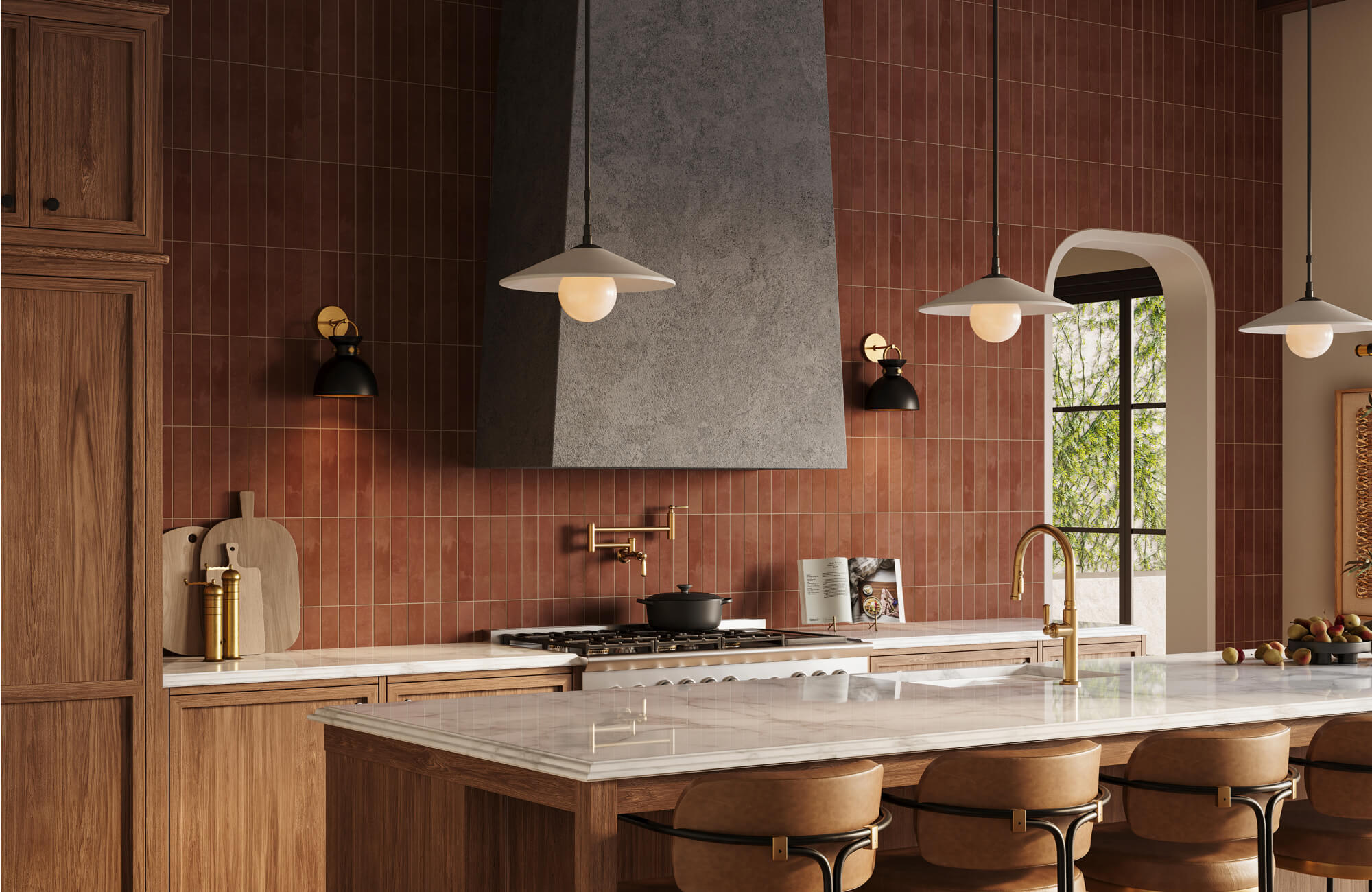
While it performs well in low- to moderate-use areas, spaces exposed to heavy foot fall, moisture, or frequent impact may present greater challenges. In contrast, more resilient surfaces, such as Edward Martin’s Aniston 24x48 Matte Porcelain Tile in Calacatta Viola, seen in the image above, offer a similar refined appearance with enhanced resistance to everyday wear. For those seeking both beauty and resilience, it’s worth considering whether a more durable alternative may offer better long-term performance.

Marble Look Tile as a More Durable Alternative
For those drawn to the elegance of marble but concerned about its susceptibility to cracking, marble look tile offers a compelling alternative. Designed to replicate the intricate veining and refined appearance of natural stone, these tiles provide a similar aesthetic with enhanced durability—ranging from bold, high-contrast looks to softer, more classic interpretations like Edward Martin’s Julianna 4x12 Polished Ceramic Tile in Carrara.
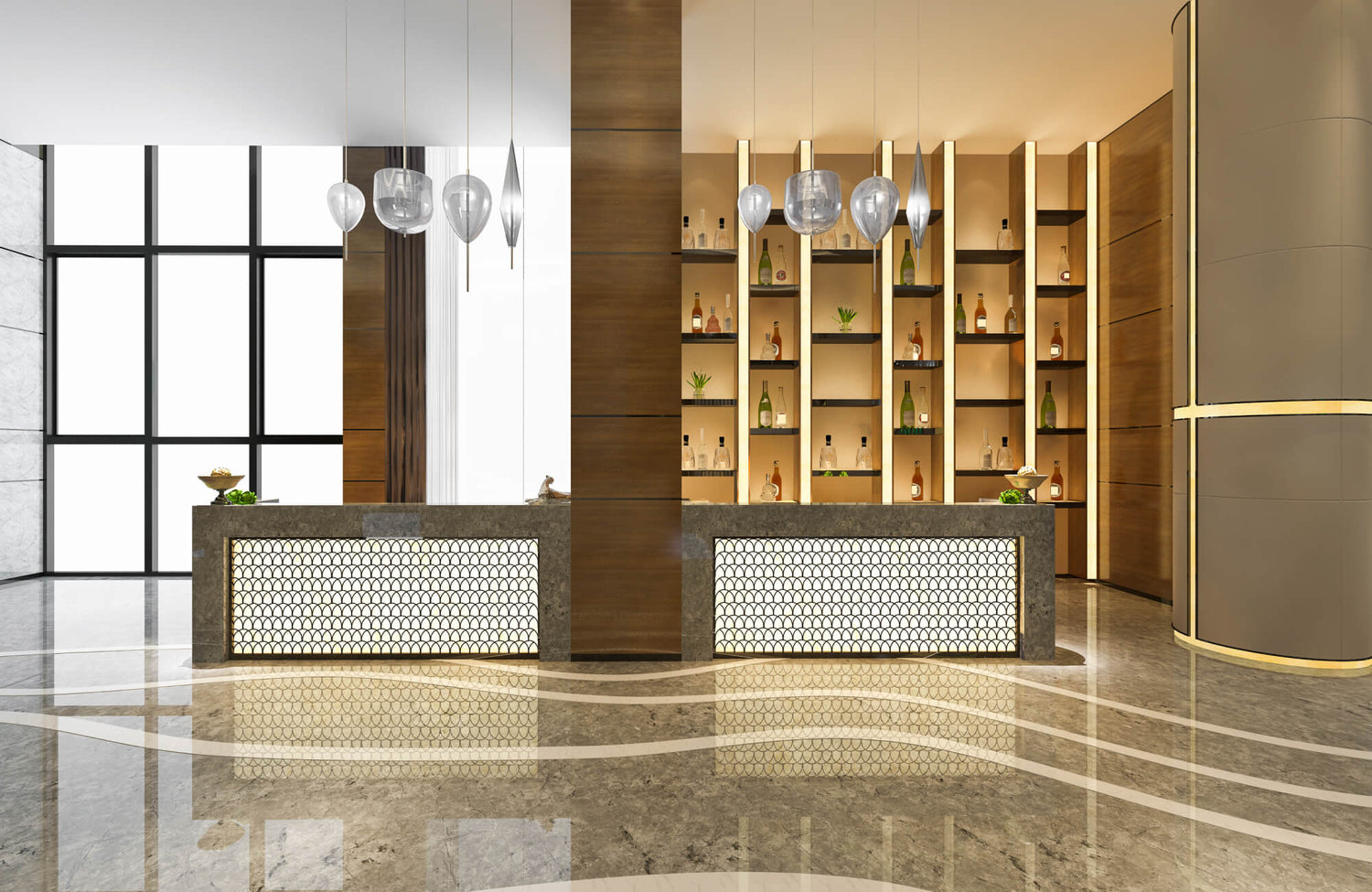
Porcelain and ceramic marble look tiles are denser and less porous than natural marble, making them more resistant to moisture, scratches, and impact. They do not require sealing and are less affected by environmental fluctuations, allowing them to maintain their appearance with minimal upkeep—qualities reflected in Edward Martin’s Aslan 2x8 Porcelain Tile Shield Checkerboard in Calacatta and Imperial, as shown in the image above.
In addition to durability, marble look tiles offer greater consistency in pattern and performance, making them a practical solution for spaces where natural marble may be more vulnerable to wear, while options such as Edward Martin’s Leona 24x24 Matte Porcelain Tile in Calacatta provide a more understated, refined marble aesthetic suited for larger surfaces. As with any material, performance can vary depending on the specific tile composition, finish, and installation method.

Maximizing the Longevity of Marble Floors
Marble floors can last for decades when properly cared for, but they require a thoughtful approach to maintenance. Regular sealing, gentle cleaning, and protection from impact and moisture are all essential to preserving the stone’s integrity.
However, even with the best care, marble remains more prone to chipping and cracking than harder, less porous materials. For those who want to achieve the look of marble without its inherent vulnerabilities, alternative materials can offer a more reliable long-term solution.
Where Marble Stands, and What Comes Next
Marble is not inherently fragile, but it is a material that demands care. Its softness, natural veining, and sensitivity to moisture and temperature changes make it more susceptible to chipping and cracking than many other flooring options.
Understanding these characteristics allows you to make an informed decision, whether that means embracing marble’s beauty with the proper precautions or choosing a more durable alternative that offers the same visual appeal with greater resilience. To better visualize how different materials will look in your space, tools like Edward Martin’s Augmented Reality (AR) Visualization Tool can offer added clarity, while ordering tile samples provides a more tactile way to compare finishes, textures, and overall suitability before making a final selection.