

)
)
)
)
)
)
)
)
Do LED Ceiling Lights Save Energy Compared To Traditional Lights?
LED ceiling lights have become a go-to choice for modern homes and businesses, but the real question is whether they truly deliver meaningful energy savings compared to traditional bulbs. As you begin looking deeper into how LEDs work, it becomes clear that their efficiency is not just a marketing claim but a measurable, practical advantage. They operate differently at the core, converting more energy into usable light while minimizing waste, and these differences ripple through every aspect of performance, cost, and long-term value.
As you explore the details behind LED technology, you’ll see how these lights excel not only in energy reduction but also in longevity, maintenance, and versatility across various ceiling applications. From improving lighting quality to cutting carbon emissions, LEDs provide benefits that extend well beyond brightness alone. This article walks you through the science, the savings, and the real-world impact so you can decide with confidence whether LEDs are the right upgrade for your space.
How LED Ceiling Lights Use Energy Differently From Traditional Bulbs
The energy efficiency of LEDs begins with the unique way they produce light. When you understand these core mechanisms, it becomes clearer why LED ceiling lights use significantly less electricity than incandescent or CFL bulbs while still delivering strong, consistent illumination. This difference in technology is what ultimately sets LEDs apart in long-term performance and cost savings.
Conversion of Watts to Visible Light
Traditional bulbs rely on heating a filament or electrifying gas, which results in substantial energy loss because only a small fraction of the electricity actually becomes light. Most of the power you pay for escapes as heat rather than illumination, leaving you with a system that is bright but inefficient. LEDs completely rethink this process through electroluminescence, a method that converts electrical energy directly into visible light without wasting unnecessary heat. As a result, a 10-watt LED can easily match the brightness of a 60-watt incandescent by producing roughly the same 800 lumens with far less power.
As you switch to LED ceiling lights, this high lumen-per-watt output becomes especially apparent. LEDs can reach efficiency levels of 100 to 150 lumens per watt, which is several times greater than any traditional bulb. Because you get more visible light from fewer watts, your energy use drops instantly without compromising the brightness you’re accustomed to. This direct conversion process is the foundation of why LEDs consistently outperform older technologies in both household and commercial environments.
Heat Management and Energy Waste
Incandescent bulbs glow by heating a filament to extreme temperatures, meaning most of the energy they consume turns into heat rather than usable light. LEDs take the opposite approach by generating very little heat during operation. However, they still require proper thermal management to maintain their efficiency, which is why LED ceiling lights incorporate heat sinks made from conductive materials such as aluminum or copper. These components pull heat away from the LED chip and disperse it safely, preventing overheating and helping the light run smoothly.
When you install LED ceiling fixtures, especially in recessed or semi-enclosed spaces, this heat management becomes even more important. Efficient thermal control extends the life of the LED, maintains its brightness over time, and ensures it continues operating at peak efficiency. With less heat buildup, your fixtures are less likely to suffer from early failure, giving you longer-lasting performance and steady energy savings throughout their lifespan.
Directional Lighting Efficiency
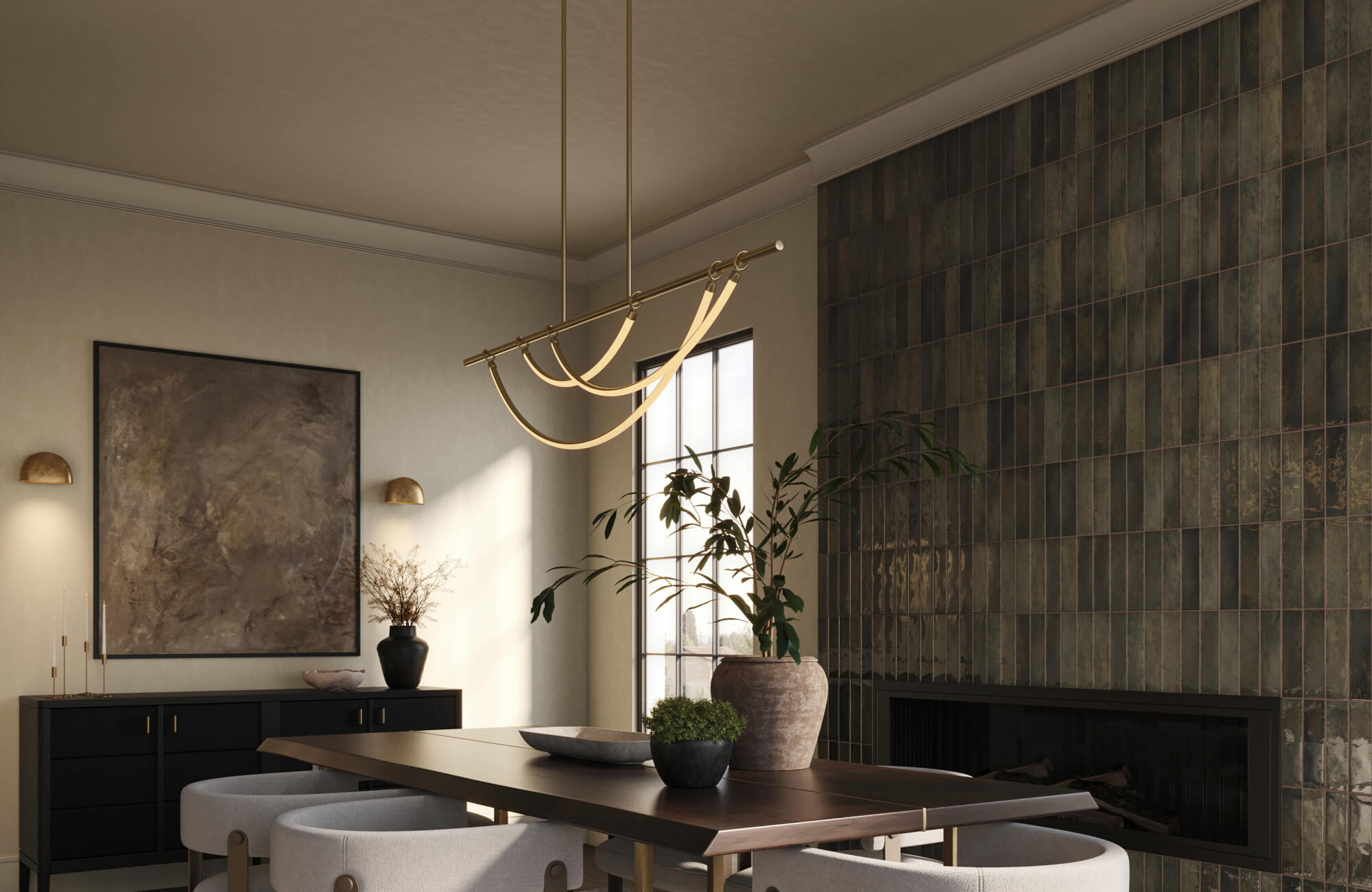
Another significant advantage of LED ceiling lights is their natural directionality. Traditional bulbs emit light in all directions, which often means you lose a portion of the illumination to ceilings, walls, or other non-useful areas unless you rely on reflectors or diffusers. LEDs, however, emit light in a controlled 180-degree pattern, allowing more of the illumination to be directed exactly where you need it. You can see this clearly in modern fixtures like our Greer 60" LED Linear Pendant in Vintage Brass, shown in the image above, where the sculptural curves guide light downward with precision. This targeted output reduces wasted light and enhances overall brightness efficiency.
As you use LEDs in ceiling-mounted fixtures, the benefits of directional lighting become increasingly noticeable. Because the light is already focused, you get more usable illumination with fewer watts and often need fewer fixtures to achieve the same effect. This focused output also enhances central illumination, ensuring the main areas of a room receive bright, even lighting without the need for oversized or high-wattage bulbs. This is especially helpful for task lighting, accent lighting, and any space where clarity and precision matter. Overall, the directional nature of LEDs contributes to their exceptional ability to convert energy into purposeful, consistent light.
Measuring Real Energy Savings
Theoretical efficiency often sounds promising, but the true value of LED ceiling lights becomes clear when you calculate how they perform in everyday use. By looking at actual wattage, runtime, and fixture quantity, you can see exactly how much energy and money you save over time. This section helps you translate technical numbers into meaningful results for your own spaces.
Estimating Annual Electricity Consumption
When you compare the real-world power draw of LEDs and incandescent bulbs, the difference is immediate and substantial. For example, replacing four 60-watt incandescent bulbs in a ceiling fixture with four 10-watt LEDs cuts your annual energy use from 350.4 kWh to just 58.4 kWh. This single change saves nearly 292 kWh per year, all without altering the amount of light you receive. These savings occur quietly in the background every day, yet they add up quickly and predictably.
As you continue evaluating your space, you’ll find that this calculation applies to almost every room. Simply multiply the wattage difference by the number of hours you typically keep the lights on, and then by the number of bulbs in the fixture. This makes it easy to estimate how much you gain by switching to LEDs. The more fixtures you convert, the more noticeable the reduction becomes on your electricity bill.
Savings Based on Room Type and Fixture Count
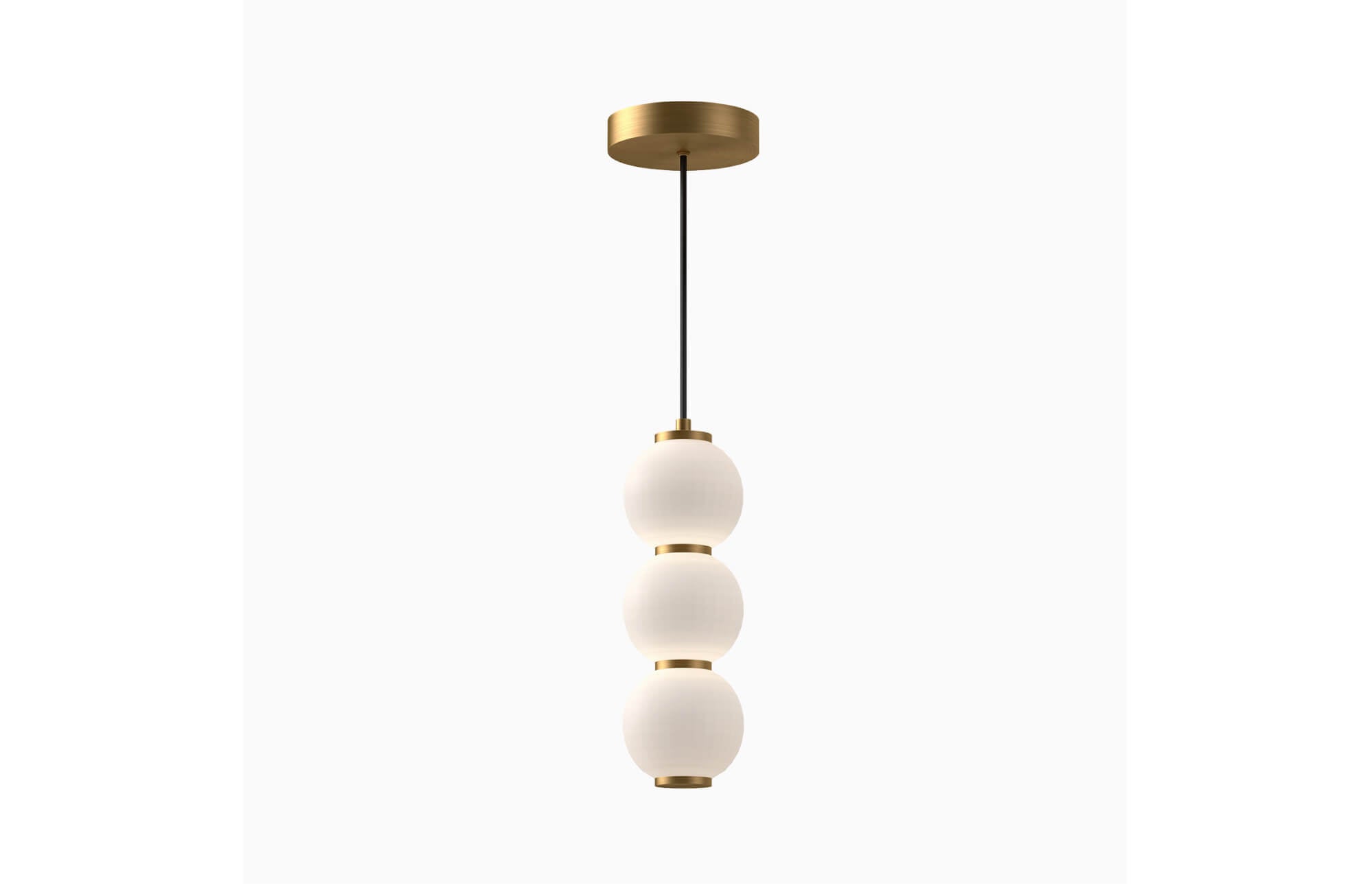
Different rooms demand different levels of lighting, which means some spaces offer dramatically higher returns when you switch to LEDs. Kitchens, bathrooms, and work areas often have multiple ceiling fixtures or high-output lighting needs. When you replace incandescent, halogen, or CFL bulbs in these high-density areas, the savings scale rapidly because these rooms rely on consistent, bright illumination. Stylish LED fixtures such as our Sadie 7" LED Pendant in Aged Gold/Opal Matte Glass, featured in the photo above, show how you can elevate these spaces while still benefiting from efficient, low-wattage performance. Its soft opal glass and warm aged gold finish provide a refined glow that brightens task-heavy areas without wasting excess energy.
To get the greatest value, start with the rooms where lighting plays a frequent and functional role. Upgrading these spaces first gives you faster payback and more meaningful reductions in overall consumption. Once these areas are optimized, you can gradually move on to rooms with fewer fixtures or lower brightness requirements. This approach ensures every upgrade contributes effectively to your long-term energy savings.
High-Use vs Low-Use Lighting Zones
Not all lights in your space operate with the same frequency, and LEDs make the biggest impact in areas with long daily usage. Spaces like kitchens, living rooms, and outdoor entryways often run three hours or more per day, creating an ideal opportunity for high-value energy savings. For instance, replacing a 100-watt halogen with a 15-watt LED in a high-use room can significantly cut consumption month after month. These frequently used zones also maximize the return on your upgrade because the LED’s lower wattage works in your favor every single hour it is on.
Conversely, low-use areas such as closets, laundry rooms, or guest bedrooms won’t yield the same dramatic savings, simply because the lights are rarely used. Although it still helps to upgrade them eventually, focusing on your high-use zones first delivers the fastest and most noticeable improvements. This strategic approach ensures you get the most out of your LED investment while maintaining balanced lighting throughout your space.
The Impact of Longevity and Maintenance on Energy Use
LED ceiling lights reduce energy consumption in ways that go far beyond their efficient operation. Their exceptional lifespan dramatically cuts down on the need for frequent replacements, which means far less energy is spent on manufacturing, packaging, and transporting new bulbs. As you shift from traditional incandescent bulbs that last only about 1,000 hours to LEDs that operate for 25,000 to 50,000 hours, you eliminate dozens of replacements over the lifespan of a single LED. This extended longevity not only lowers your direct costs but also reduces the environmental impact tied to constant bulb turnover. Moreover, because you need fewer replacements over time, you naturally generate less waste, creating a smaller embodied-energy footprint that supports a more sustainable lighting approach.
Furthermore, the maintenance advantages of LEDs become even more significant when installed in hard-to-reach areas. Replacing a bulb on a high ceiling, above a staircase, or in a vaulted room often requires extra tools or safety measures, which turn a simple task into a recurring inconvenience when using traditional bulbs. LEDs remove this problem by lasting years or even decades before needing attention. Many modern LED fixtures also feature integrated, sealed designs that require virtually no maintenance at all, ensuring consistent and dependable illumination without the hassle of frequent bulb changes. As a result, you save time, effort and reduce the indirect energy associated with repeated maintenance activities. This combination of long lifespan, low maintenance, and reduced waste makes LEDs a powerful choice for improving both energy efficiency and long-term sustainability.
Comparing LEDs in Specific Ceiling Applications
LED performance shifts depending on how and where the fixture is installed. By understanding how LEDs behave in different ceiling setups, you can choose the right type for each space and ensure maximum efficiency, safety, and long-term reliability.
Recessed Downlights and Heat Build-Up
Recessed ceiling cans are notorious for trapping heat, which is why traditional bulbs often fail prematurely in these fixtures. Incandescents and halogens generate intense heat that builds up inside the confined housing, wasting energy and triggering thermal safety cutoffs that dim or shut off the light. This not only reduces efficiency but also places unnecessary strain on the fixture itself.
LEDs, especially IC-rated modules, are designed to operate far more efficiently in these insulated spaces. They produce significantly less heat and manage the remaining warmth through built-in heat sinks that maintain stable performance. When you use IC-rated LED downlights, you also avoid overheating issues, maintain consistent brightness, and extend the fixture’s lifespan. As a result, recessed areas that once struggled with energy waste and bulb burnout become some of the most efficient lighting zones in your space.
Decorative Flush-Mount Fixtures
Older flush-mount fixtures often rely on bulky glass covers and traditional bulbs that scatter light inefficiently. Much of the illumination gets trapped within the fixture, forcing the bulb to use more wattage just to achieve adequate brightness. This outdated design leads to higher energy consumption and uneven lighting throughout the room. If you have these older styles, you may find that the brightness never quite feels sufficient.
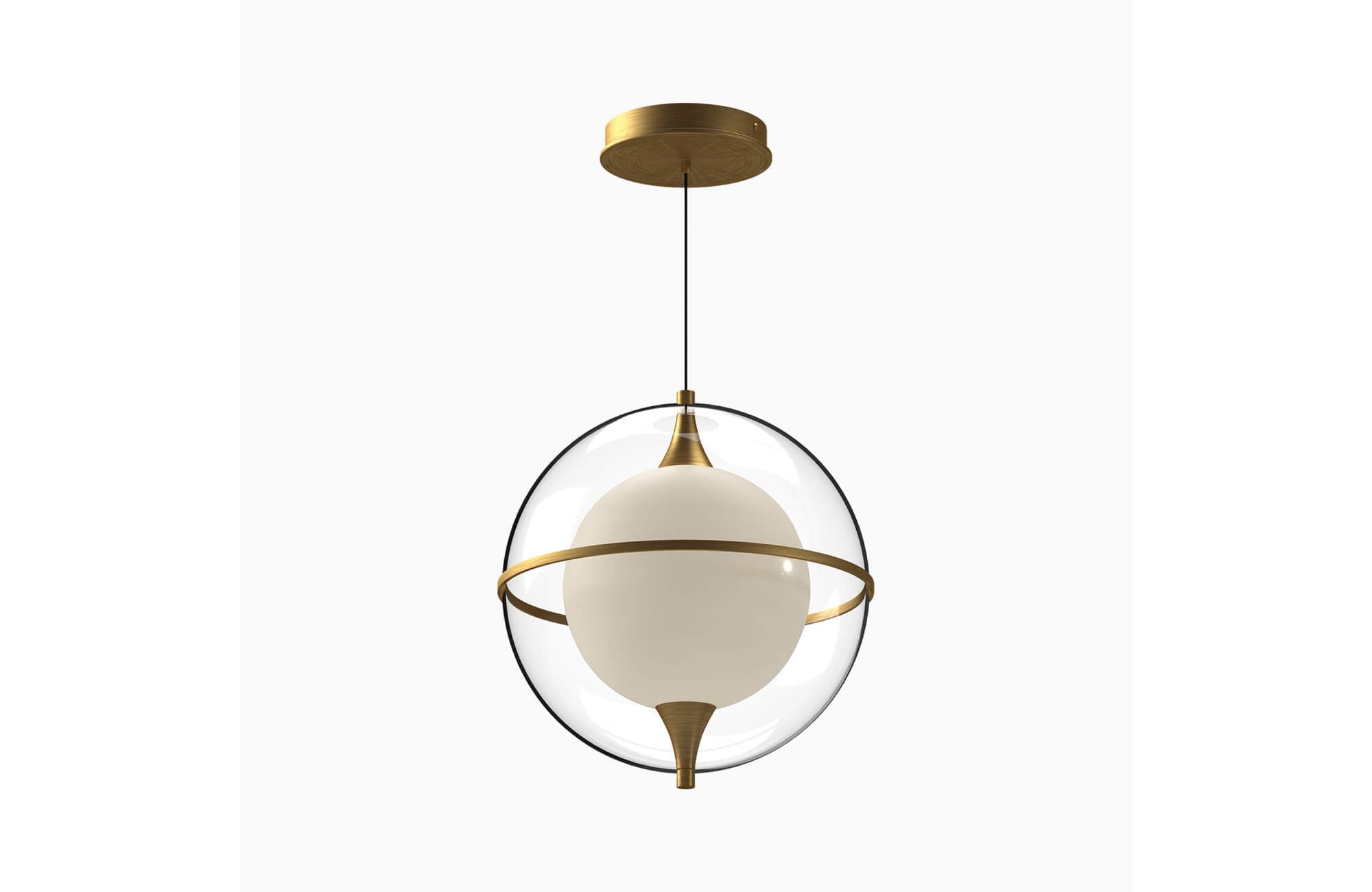
Integrated LED flush-mount panels solve this problem with thin, flat light sources that distribute light evenly across the room. Because LEDs emit light directionally, they do not waste energy fighting against glass diffusers or reflectors. Instead, they deliver bright, uniform illumination using far less power. And if you prefer a fixture with more visual presence, pendants like our Mavis 12" LED Pendant in Brushed Gold, displayed in the picture above, bring the same energy-efficient LED performance while adding a sculptural focal point to your room. Its warm brushed gold finish and diffused LED glow offer both style and efficiency, making it an excellent choice for areas where you want elegant lighting without unnecessary power usage.
Damp-Rated and Outdoor Porch Ceilings
Humid bathrooms and outdoor porch ceilings can be harsh environments for traditional bulbs. CFLs, in particular, struggle to ignite in cold weather and often flicker or dim when exposed to moisture. Even incandescent bulbs can suffer shortened lifespans when placed in damp conditions, leading to higher maintenance and frequent replacements. As temperatures drop or humidity increases, these older technologies simply cannot perform reliably.
LEDs, however, are naturally well-suited for these challenging environments. Damp-rated and wet-rated LED ceiling fixtures use sealed housings that shield internal components from condensation and moisture infiltration. Their performance also remains stable in cold temperatures, and in many cases, LEDs even operate more efficiently when the air is cooler. Whether you install them in bathrooms, covered patios, or outdoor entryways, LEDs deliver dependable, energy-efficient lighting that holds up to the elements without sacrificing brightness or longevity.

Financial Case for LED Ceiling Lights
The financial benefits of LED ceiling lights become increasingly clear once you look beyond the initial purchase and examine how they perform over years of use. Although LEDs may cost more upfront than traditional bulbs, their exceptionally long lifespan and low operating costs make them far more economical in the long run. Because they consume only a fraction of the electricity that incandescent or halogen bulbs require, LEDs begin paying for themselves almost immediately. As you continue using them day after day, the energy savings also accumulate steadily, creating a noticeable difference in both monthly bills and overall household expenses.
Moreover, LEDs dramatically reduce the need for frequent replacements, which further boosts their long-term financial advantage. Instead of replacing a bulb every few months, you may go years or even a decade before an LED needs attention. This longevity eliminates repeated purchases, minimizes interruptions, and saves you from the hidden costs of shopping for bulbs again and again. When you add in the significant reduction in energy use from switching multiple ceiling fixtures to LEDs, the financial comparison becomes undeniably clear: LEDs aren’t just a lighting upgrade, but a smart, cost-saving investment that continues delivering returns throughout their entire lifespan.
The Clear Verdict on LED Ceiling Lights
LED ceiling lights deliver clear and consistent advantages that make them well worth the switch. They use dramatically less electricity, last far longer than traditional bulbs, and require little to no maintenance, which collectively reduces both your costs and environmental impact. As you apply them across different rooms and fixture types, the savings multiply while your lighting quality improves. Ultimately, LEDs stand out as a dependable, efficient, and future-focused solution that continues to pay off long after installation.
If you are considering upgrading your lighting or want guidance on choosing the best LED ceiling fixtures for your space, our team is ready to help. Our experts can walk you through product options, installation considerations, and tailored recommendations that fit your style and efficiency goals. By reaching out through our Contact Us page, you can get personalized support that ensures your transition to LED lighting is both seamless and rewarding.
Follow us on Instagram
@EDWARD.MARTIN
)
)
)
)
)
)
)
)
)
)
)
)
)
)
)
)