Lighting does far more than illuminate a room. It shapes how a space feels, how it functions, and how its design elements are perceived throughout the day and night. For those who care deeply about quality and aesthetics, the choice between glass and metal hanging lights often comes down to one core question: which material delivers better ambient light?
This article explores how glass and metal hanging lights influence ambient illumination, how translucency changes light distribution, and why the best choice depends on room function as much as personal style. By the end, the distinction between glow and focus becomes clear, making it easier to choose lighting that truly enhances the home.

Understanding How Shade Material Affects Light Spread
At the heart of the glass versus metal debate is how each material handles light once it leaves the bulb. Light spread determines whether a fixture contributes to overall ambient lighting or serves a more targeted role. While bulb type and wattage matter, shade material often has a greater impact on how light behaves in a space.
The 360 Degree Glow of Glass Fixtures
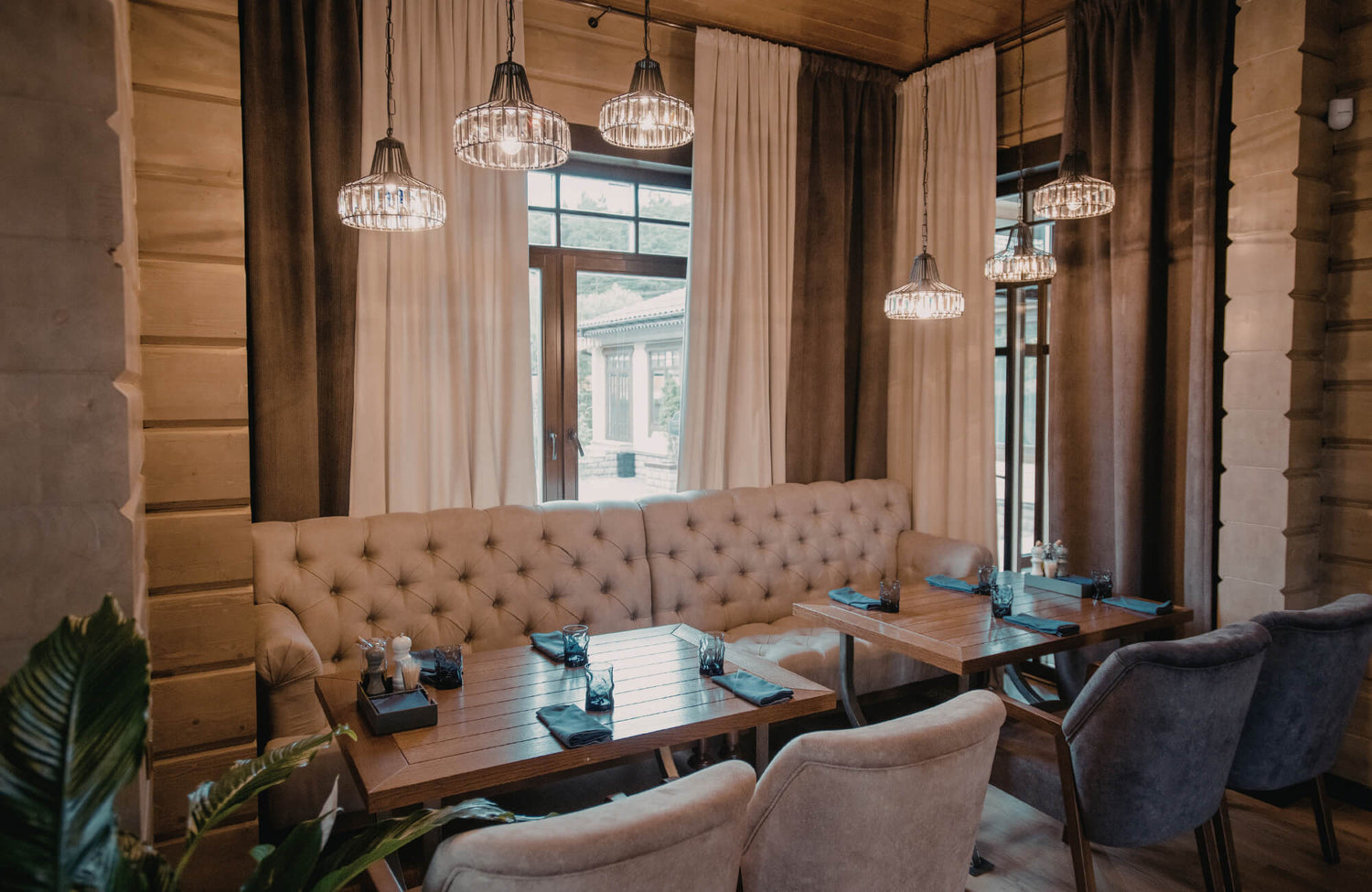
Glass hanging lights are widely favored for their ability to distribute light in multiple directions, as seen with Edward Martin’s Hemingway Pendant in Matte Black in the image above. Clear, frosted, or lightly tinted glass allows illumination to pass through the shade rather than trapping it inside. This creates a soft, enveloping glow that radiates outward and upward, contributing to overall room brightness instead of concentrating light in one spot.
Because glass fixtures disperse light so evenly, they are especially effective in rooms that rely on a single ceiling-mounted source or need to feel more open and airy. The light reflects off walls, ceilings, and nearby surfaces, reducing harsh shadows and helping the space feel visually balanced. This quality makes glass pendants a strong choice for ambient lighting, particularly in living rooms, dining areas, and open-concept layouts where even illumination matters.
The Focused Downlight of Solid Metal Shades
Metal hanging lights behave very differently. Solid metal shades block light from escaping through the sides, directing it downward in a controlled beam. This focused distribution is intentional and highly functional, but it limits the fixture’s ability to provide ambient light on its own.
Rather than filling a room with glow, metal shades create pools of illumination below them. This makes them ideal for task-oriented spaces, but less effective when used as the primary light source in larger rooms. While metal fixtures can feel bold and architectural, their light output is typically more dramatic and directional, emphasizing contrast instead of overall brightness.
Why Translucency Matters More Than Bulb Brightness
Many homeowners assume that increasing bulb wattage or lumens can compensate for a darker shade material, but translucency is far more impactful than raw brightness. A powerful bulb inside a metal shade still sends most of its light downward, leaving surrounding areas comparatively dim. In contrast, a lower-lumen bulb inside a glass fixture can feel brighter overall because its light spreads throughout the room.
This is why two fixtures using identical bulbs can produce very different lighting effects. Translucent materials maximize usable light by allowing it to interact with the entire space, reinforcing the idea that ambient lighting is as much about distribution as it is about intensity.

Evaluating Ambient Light Versus Task Lighting Needs
Choosing between glass and metal hanging lights becomes easier when the distinction between ambient and task lighting is clearly understood. Most well-designed homes rely on a combination of both, but each material naturally aligns with different lighting priorities.
Using Glass Pendants to Brighten Dark Corners
Glass hanging lights excel at lifting the overall brightness of a room, especially in areas that lack natural light. Dark corners, long hallways, and rooms with limited window exposure benefit from the way glass fixtures scatter light across surfaces. Instead of spotlighting one area, the light fills gaps and softens transitions between bright and dim zones.
In spaces where comfort and atmosphere are important, such as family rooms or bedrooms, this even distribution helps reduce visual fatigue. The room feels consistently lit, which encourages relaxation and makes furniture arrangements feel more cohesive.
Choosing Metal Shades for Precision Work Zones
Metal fixtures shine in areas where precision matters, a quality well illustrated by Edward Martin’s Dorian Pendant in Aged Brass shown in the image above. Kitchens, workshops, and home offices often require focused illumination to support detailed tasks, and a metal shade directs light exactly where it is needed, minimizing spillover and glare in surrounding areas.
Over a kitchen island or countertop, this targeted approach improves visibility and reduces shadows cast by the user. While metal pendants may not provide much ambient light on their own, they excel when paired with recessed lighting or under-cabinet fixtures that handle general illumination.
Balancing General Illumination with Focused Beams
In many homes, the most successful lighting plans combine both glass and metal fixtures. Glass pendants establish a base layer of ambient light, while metal shades add definition and function. This balance prevents rooms from feeling either too flat or too stark.
By understanding the strengths of each material, homeowners can avoid common mistakes such as relying on metal fixtures to light an entire room or using only glass pendants in spaces that require focused task lighting. The result is a layered approach that feels intentional and adaptable.

Visual Comfort and the Issue of Glare
Brightness alone does not determine lighting quality. Visual comfort is central to how enjoyable a space feels, and glare can quickly undermine even the most carefully designed room. Glass and metal fixtures manage glare in different ways, making material choice especially important in frequently used areas.
The Importance of Frosted or Milk Glass
While clear glass fixtures offer maximum light output, they can expose the bulb directly, which may cause discomfort if the light is too intense. Designs like Edward Martin’s Caruso 20" Pendant in Vintage Gold Leaf and White Plaster, featured in the image above, demonstrate how frosted or milk glass diffuses light as it passes through the shade. This softens brightness without sacrificing ambient spread, creating a more comfortable visual experience.
Diffused glass is particularly valuable in rooms where people spend extended periods, such as living rooms and dining spaces. It reduces harsh contrasts and helps the light feel calm rather than overpowering.
Managing Eye Strain with Opaque Metal Rims
Metal shades naturally shield the eyes from direct bulb exposure. Their opaque construction prevents sideways glare, making them well-suited for areas where fixtures hang at eye level. The controlled beam reduces visual noise and helps maintain focus, especially in work-oriented environments.
However, this benefit comes with a trade-off. Because metal shades block ambient spill, they can create high-contrast lighting if not balanced with other sources. Without adequate surrounding illumination, the focused beam may feel harsh against a darker background.
Selecting the Right Bulb for Exposed Glass Fixtures
Bulb choice becomes especially important when using glass hanging lights. Warm color temperatures, lower glare ratings, and evenly distributed filaments all contribute to better visual comfort. LED bulbs designed for exposed fixtures can enhance the soft glow of glass while preventing hotspots or excessive brightness.
By pairing the right bulb with the right shade material, you can fine-tune your lighting experience and ensure that ambient light feels inviting rather than intrusive.

Strategic Placement Based on Room Function
Where a hanging light is placed often matters as much as what it is made of. Glass and metal fixtures perform best when their material properties align with the function of the room and the activities taking place there.
Ideal Scenarios for Glass in Living Spaces
Living rooms, dining rooms, and entryways benefit greatly from glass hanging lights. These spaces typically serve multiple purposes, from entertaining to relaxing, and require lighting that adapts seamlessly. Glass fixtures provide a consistent ambient glow that supports conversation, movement, and visual flow.
In dining areas, glass pendants help illuminate both the table surface and the surrounding room, preventing the space from feeling isolated or dim beyond the dining zone. This contributes to a more cohesive atmosphere, especially during evening gatherings.
Where Metal Fixtures Shine in Kitchen Designs
Kitchens demand clarity and control, which is why metal hanging lights such as Edward Martin’s Jenkins 35" LED Linear Pendant in Vintage Brass work especially well, as shown in the image above. Positioned above islands, sinks, and prep areas, their focused illumination improves safety and efficiency while reinforcing a clean, purposeful aesthetic.
When combined with ambient ceiling lights, metal pendants add depth and structure to the lighting plan without overwhelming the space. They become intentional design elements that support function rather than acting as the sole source of illumination.
Combining Materials for a Layered Lighting Plan
Many of the most successful interiors blend glass and metal fixtures to create a layered effect. Glass provides the foundational glow, while metal introduces contrast and precision, and Edward Martin’s design consultation can help you determine the right balance based on room function, layout, and personal style. With expert guidance tailored to each project, it becomes easier to make confident lighting decisions that align with broader design goals.
Layered lighting also future-proofs a home, making it easier to update individual fixtures without reworking the entire plan. For those with product questions or needing assistance coordinating lighting with tile, rug, or furniture selections, contacting Edward Martin offers personalized recommendations that ensure the interplay between glow and focus enhances the space’s overall livability.
The Choice Between Glow and Focus
So, do glass hanging lights provide more ambient light than metal ones? In most cases, the answer is yes. Glass fixtures naturally disperse light in all directions, making them better suited for creating overall brightness and a welcoming atmosphere. Metal shades, by contrast, prioritize control and direction, excelling in task-focused applications.
The real key lies in understanding how each material supports different lighting goals. Glass offers glow, openness, and visual softness, while metal delivers focus, precision, and structure. Rather than choosing one universally, thoughtful homeowners consider how each room functions and how light should feel within it. By aligning shade material with purpose, it becomes possible to create spaces that are not only beautifully lit, but also comfortable, functional, and enduring in their appeal.