



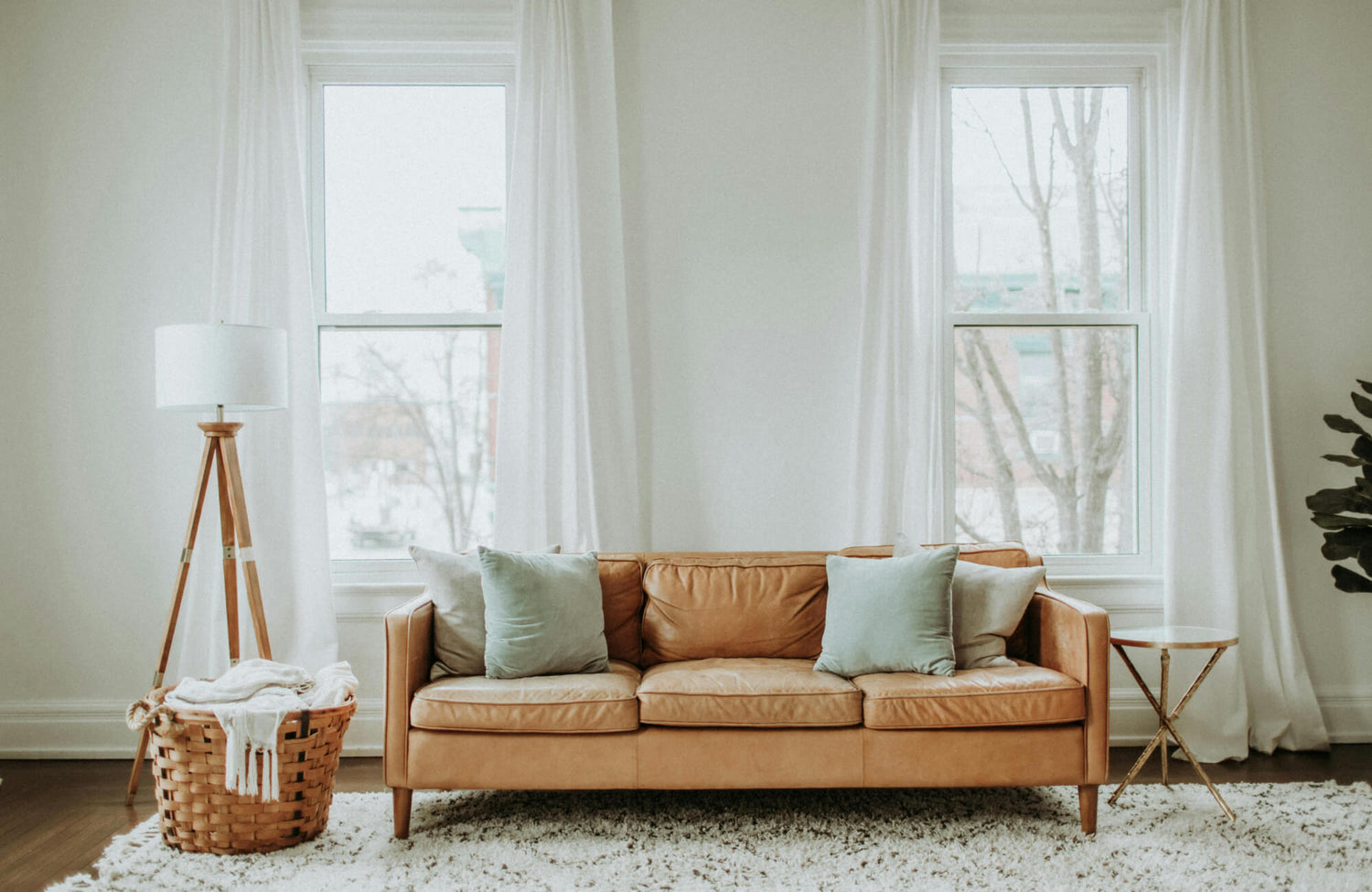
A cream rug embodies timeless elegance, offering a serene foundation that enhances both modern and traditional interiors with quiet sophistication. Its neutral palette provides unmatched versatility, allowing it to anchor a room while complementing a wide spectrum of colors, finishes, and textures. When styled with care, a cream rug becomes more than a backdrop—it transforms into a focal point that introduces warmth, balance, and visual depth. By layering textures, curating accent colors, and harmonizing scale, a cream rug can also prevent a neutral space from ever feeling flat or uninspired. The result is a design scheme that is refined yet dynamic, where every detail contributes to an atmosphere of lasting beauty and polished cohesion.

Harnessing Texture to Build Visual Depth
Texture is one of the most effective ways to keep a cream rug from fading into the background. By combining materials and construction techniques with deliberate layering, the rug evolves into a tactile anchor that enriches and defines the entire space.
Natural Fiber Variations
Wool cream rugs provide warmth and resilience, while silk rugs introduce a lustrous sheen that reflects natural light with sophistication. For a more rustic effect, jute and sisal bring earthy tactility that balances smooth architectural finishes. When fibers are thoughtfully chosen, the rug no longer feels like a flat surface but a material presence in the room. Hand-knotted wool and silk blends are especially prized by designers, as they combine performance with elegance in busy areas.
A prime example is Edward Martin’s Micah Wool Blend Rug in Cream / Dove, a hand-knotted design that blends durability with refined softness. As displayed in the photo above, Micah’s subtle off-white and light gray tones introduce understated pattern and texture that elevate the room with quiet elegance, seamlessly grounding the furniture and softening the architectural lines.
High-Low Construction and Tufting
High-low pile construction allows cream rugs to develop depth and dimension through the play of shadows. Cut-and-loop tufting further enhances tonal variation, enriching an otherwise neutral foundation with quiet complexity. These construction details are particularly effective in modern interiors that prioritize minimal color but still demand visual intrigue. As daylight or artificial lighting shifts across the surface, the rug appears animated and textured rather than static. For instance, a hand-tufted rug with carved motifs achieves sculptural definition without relying on bold color. Through such methods, the cream rug maintains subtlety while offering undeniable sophistication that endures.
Layering Combinations
Layering rugs is a strategy that instantly adds richness to a neutral palette. For instance, a flatweave cream rug can serve as the base, while a Moroccan shag, patterned accent rug, or natural cowhide layered above introduces contrast and hierarchy. This approach not only defines functional zones but also contributes to movement and warmth. Designers frequently employ layering in open-concept layouts, where rugs must distinguish seating areas without physical dividers. By keeping the tones within the same family, the layers complement rather than compete, ensuring harmony in the scheme. As a result, the finished look feels curated, cohesive, and resistant to visual monotony.

Accent Colors Through Surrounding Elements
Color plays a decisive role in how a cream rug grounds a room. By introducing strategic accent tones through furniture, textiles, and metal finishes, the rug becomes a balancing centerpiece that keeps the palette engaging rather than flat.
The 60-30-10 Rule of Color Balance
The 60-30-10 principle provides a reliable framework for styling a cream rug in a neutral interior. Cream often serves as the dominant 60%, offering a calm and steady foundation for the design. Secondary hues such as taupe, sage, or muted rose occupy 30%, establishing rhythm and visual layering that feel deliberate. Bold tones like terracotta, navy, or charcoal fill the final 10%, injecting energy and contrast where it is most needed. This proportion ensures that the cream rug remains central, supporting both subtle harmony and well-placed vibrancy. With this formula in place, a neutral room achieves balance without sacrificing visual interest.
Warm Metallic Accents
Metal finishes are a powerful way to elevate the subtlety of a cream rug while also enhancing depth. For example, brushed brass lighting fixtures introduce warmth, while matte black provides grounding contrast without overwhelming the neutral scheme. Antique bronze also reflects light gently, creating layers of dimension that keep the space lively. These finishes pair particularly well with cream rugs because they offer a balance of luster against matte fibers, ensuring harmony between elements. The shimmering effect of metals enlivens the rug’s understated base, helping it stand out in a refined way. Ultimately, metallic accents transform the rug from a quiet backdrop into an integrated design feature.
Accent Textiles and Upholstery
Textiles offer one of the most versatile ways to enhance a cream rug’s natural softness while introducing subtle variety. By layering velvet chairs in muted green or adding terracotta linen pillows, the space gains depth and vibrancy without overshadowing the neutral foundation. Tonal throws draped across sofas also echo the rug’s hue, adding both comfort and a sense of visual rhythm. Drapery in complementary shades then extends this continuity upward, carrying the palette seamlessly from floor to ceiling. Additionally, upholstery in tactile fabrics like boucle or suede enriches the space with texture that resonates with the rug’s fibers. Together, these elements create a neutral interior that feels both lively and sophisticated.

Optimizing Furniture Placement for Balance and Scale
The arrangement of furniture directly shapes how a cream rug is perceived. Thoughtful placement and proper scaling ensure the rug feels integral to the design rather than floating aimlessly in the room.
Anchoring Seating Zones
Positioning sofas and chairs so they rest partially on the rug unifies seating arrangements and establishes cohesion. This prevents the rug from appearing like a small mat adrift in the center of the floor, which can disrupt balance. In addition, anchoring furniture to the rug strengthens stability and creates a stronger sense of connection between pieces. Designers often extend rugs halfway beneath seating to achieve proportion without overwhelming the area. This technique highlights the rug’s presence while also framing the furniture ensemble effectively. A refined example is the Liddy Polyester Pile Rug in Cream / Sand, as shown in the photo above, where the off-white and beige tones ground the sofa and accent chairs with quiet elegance while enhancing the overall sense of unity in the seating zone.
Oversized Rugs for Spatial Continuity
Oversized cream rugs create a sense of seamless flow, especially in open-plan interiors where boundaries can be ambiguous. When spanning beneath all major furniture pieces, the rug elongates spatial perception and contributes to a luxurious, hotel-inspired aesthetic. By scaling generously, designers avoid the fragmented look that often results from multiple smaller rugs. The cream base then reads as a deliberate architectural element rather than a decorative accessory. Beyond aesthetics, oversized rugs also improve acoustics and enhance comfort in expansive rooms. This approach, therefore, elevates neutral interiors by adding both practicality and polish.
Layered Rugs for Multifunctional Spaces
Layering smaller rugs over a cream foundation offers flexibility in multifunctional interiors that serve different purposes. A cowhide accent in a reading nook, for example, introduces intimacy while distinguishing it from the main seating zone. This technique allows a single cream rug to unify the larger space while supporting distinct moods. Patterned overlays or runners also add variety and energy without undermining the neutral base. Designers often employ layering to guide movement flow and define zones within open layouts. Through this adaptable method, cream rugs maintain versatility while retaining their timeless elegance.

Leveraging Pattern Play for Subtle Sophistication
Pattern introduces rhythm and nuance into a neutral scheme, keeping a cream rug from appearing too plain. By choosing motifs with tonal variation and restrained contrast, designers can add character without compromising versatility.
Tonal Geometric Patterns
Geometric designs such as trellis, lattice, or herringbone bring order and refinement to cream rugs. Tonal contrasts within the same color family create movement while maintaining subtlety, avoiding visual overload. These patterns work especially well in transitional interiors that blend traditional balance with contemporary simplicity. Designers also often echo architectural details like window grids or ceiling beams through geometric motifs, creating cohesion across elements. This repetition allows the rug to complement surrounding structures rather than compete with them. As a result, the effect is understated elegance that enhances the entire space.
Abstract and Distressed Effects
Abstract motifs bring artistic energy to cream rugs, while distressed effects mimic antique textiles with lived-in character. These styles introduce tonal irregularities that prevent flatness and create depth. Variegated dyeing techniques also reinforce this effect, producing organic patterns that feel timeless. Such rugs pair beautifully with textured plaster walls, contemporary artwork, or eclectic furniture, enriching the room’s visual story. By blending neutrality with subtle unpredictability, they strike a balance between calmness and intrigue. This approach ensures the cream rug functions as both anchor and statement.
Coordinating with Surrounding Surfaces
When patterned cream rugs are introduced, maintaining balance with surrounding surfaces becomes essential. Pairing them with solid upholstery helps prevent competing motifs, allowing the design to feel harmonious rather than busy. Architectural features such as paneling or cabinetry detailing can then subtly reflect the rug’s motifs, creating gentle repetition throughout the room. This coordination also allows the rug to merge seamlessly with the architecture instead of appearing as a standalone layer. As the elements interact, the space develops a natural sense of rhythm without excess. Ultimately, the effect is a cohesive environment where every detail feels thoughtfully connected.

Enhancing Rug Impact with Layered Lighting
Lighting shapes how cream rugs are perceived, influencing their tone, depth, and presence. With layered illumination, designers can highlight texture and create an atmosphere that enhances the rug’s role.
Ambient Illumination
Ambient lighting sets the overall mood and determines how cream tones appear across a room. For instance, warm LED fixtures between 2700K and 3000K preserve the rug’s softness and avoid the starkness of cooler lighting. Dimmable systems also allow flexibility, adapting the light to different times and activities. Moreover, recessed fixtures distribute illumination evenly, ensuring the rug is highlighted consistently. By integrating this type of lighting, designers maintain the rug’s natural warmth while establishing a cohesive atmosphere. The result is a space that feels balanced, inviting, and visually comfortable.
Directional Accent Lighting
Directional lighting emphasizes the tactile qualities of cream rugs, such as our Mallory Wool Pile Rug in Cream, by grazing their surfaces. As the light moves across high-low piles or tufted motifs, spotlights and sconces create soft shadows that add layers of depth and dimension. In doing so, the rug feels animated, avoiding the flatness that often results from static overhead lighting. Designers also often apply this approach in galleries or living rooms, where accent lighting transforms rugs into focal features. By drawing attention to texture and craftsmanship, the piece takes on a sculptural presence within the space. The interplay of light and shadow ultimately elevates the rug beyond pure functionality, turning it into an element of artful design.
Natural Daylight Considerations
Natural light has an equally important role in shaping how a cream rug performs visually. Because cream fibers reflect sunlight, they naturally brighten interiors and amplify spaciousness. However, excessive reflection can sometimes wash out detail or make the space feel stark. To counter this, designers incorporate darker-toned furniture or textured window treatments that ground the scheme.
Considering window orientation and light intensity also ensures daylight is moderated for balance. As featured in the picture above, our Rollins Polyester Pile Rug in Cream / Rust demonstrates how nuanced cream tones combined with subtle rust accents maintain depth and warmth even in bright, sun-filled rooms, allowing the rug to glow softly without appearing flat.

Blending with Natural Materials for Organic Warmth
Pairing cream rugs with natural materials adds warmth and grounding qualities that neutral palettes often lack. The organic synergy creates interiors that feel timeless, inviting, and richly layered.
Wood Pairings
Wooden furniture, whether reclaimed oak or deep walnut, introduces warmth that beautifully offsets a cream rug’s softness. Natural grain patterns, in particular, add subtle variation, enhancing depth and texture within the neutral scheme. Conversely, smooth rug fibers find balance against the matte tactility of wood surfaces, creating equilibrium. Designers also often favor mid-tone woods, as they avoid the harshness of extremes while maintaining harmony. Together, the two materials produce an organic dialogue that feels intentional and enduring. This pairing elevates the cream rug into a timeless and versatile anchor.
Stone and Ceramic Accents
Stone and ceramic accents add grounding weight that complements the lightness of cream rugs. For instance, travertine side tables, marble surfaces, or handcrafted ceramic vessels provide cool tactility that contrasts with textile softness. Their durability also introduces strength, balancing the delicacy of rug fibers. Designers use this juxtaposition to enrich sensory experience and create visual balance. Moreover, the interplay between hard and soft elements prevents the room from feeling one-dimensional. This dynamic pairing highlights the beauty of both materials, making the design more holistic.
Greenery Integration
Greenery offers organic vibrancy that enlivens neutral schemes centered on cream rugs. Plants, in particular, bring life and movement, while their green tones contrast softly against the rug’s warmth. Clay or ceramic planters, on the other hand, extend the natural theme, reinforcing cohesion with other raw materials. Foliage also softens linear furniture lines, preventing rigidity in the layout. Seasonal plant rotations refresh the space, keeping the design dynamic without altering foundational pieces. Together, cream rugs and greenery create interiors that feel fresh, holistic, and deeply connected to nature.
Elevating Neutral Spaces with Lasting Elegance
A cream rug has the rare ability to ground a space with quiet strength while still allowing every surrounding element to shine. When enhanced with texture, pattern, lighting, and carefully chosen accents, it evolves from a simple foundation into a statement of refinement. Its adaptability across seasons and design styles ensures it remains both timeless and versatile. In the end, a cream rug is not merely a decorative layer but a cornerstone of sophisticated, enduring interior design.
For homeowners seeking the same balance of refinement and function, Edward Martin’s design services provide tailored expertise. Contact us today to begin transforming your neutral space into a timeless reflection of elegance!


