Minimalist design is defined by intention, every object must earn its place through both function and form. Within this framework, round mirrors, with their smooth curvature and pared-down profiles, offer more than reflection; they introduce softness, clarity, and cohesion in spaces where restraint is key.
Instead of clashing with minimalism’s structured geometry, round mirrors enhance it, balancing sharp architectural lines with organic contrast. Whether frameless or finished in brushed metal or natural wood, they reflect the “less but better” ethos of modern design. Throughout this article, we’ll explore how round mirrors can integrate seamlessly into minimalist decor, what to consider when selecting one, and how to position it for maximum impact.

Understanding Minimalist Decor Principles
To truly understand how round mirrors complement minimalist interiors, it’s important to first unpack the core principles that define minimalist design. From how we edit visual elements to the way we use space and material, each decision is guided by clarity, purpose, and restraint.
The Essence of Simplicity
Minimalist decor embraces simplicity not as a lack of design, but as a refinement of it. Clean lines, unembellished surfaces, and a reduced number of purposeful elements define this visual language. Features like flat-panel cabinetry, concealed hardware, and monolithic surfaces reflect this approach, eliminating visual noise and emphasizing spatial calm. As architect Ludwig Mies van der Rohe put it: “Less is more.”
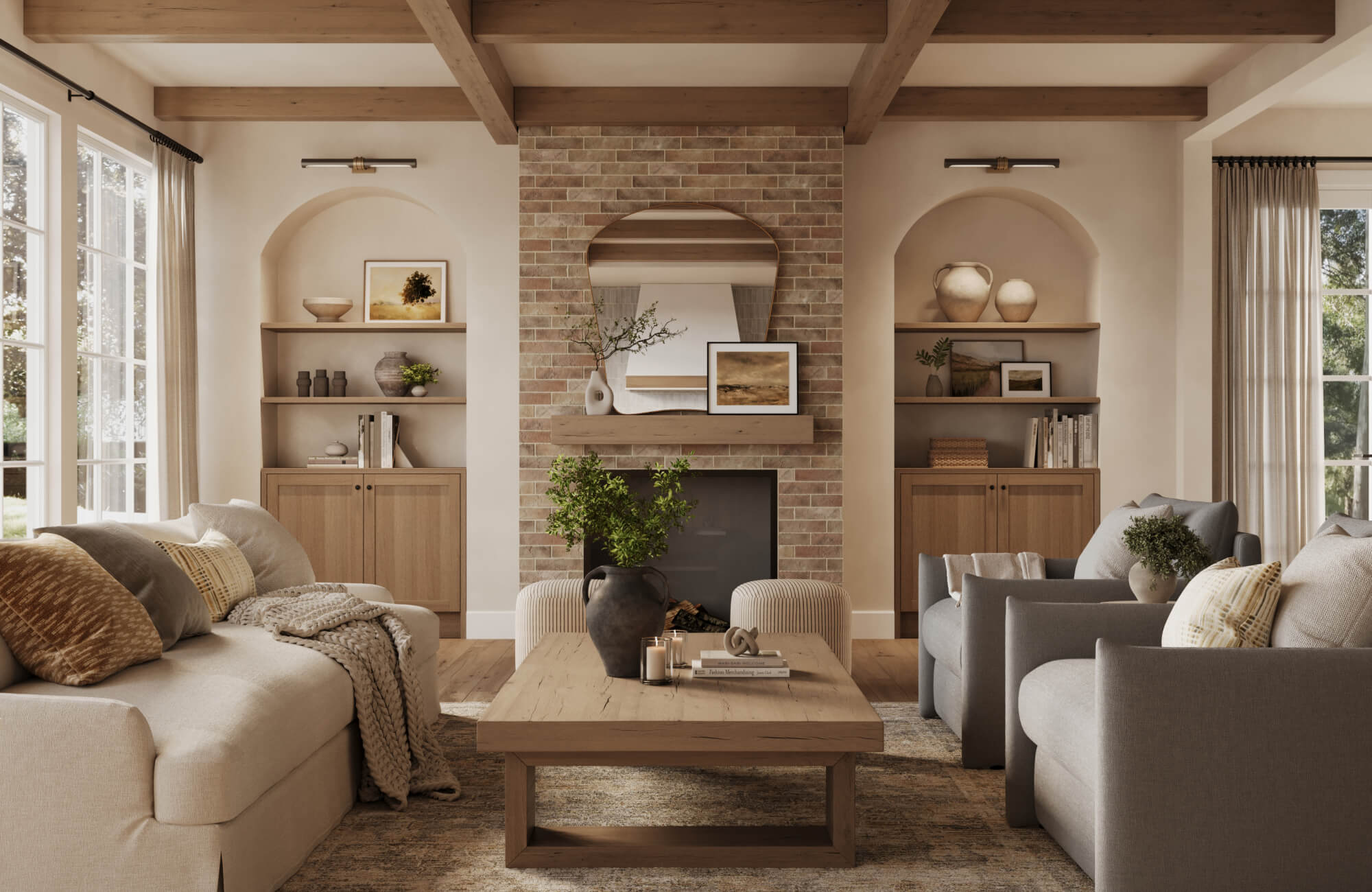
One example of this principle in practice is Edward Martin’s Fitz Mirror in Antique Brass. As shown in the photo above, its slim, unfussy profile and warm finish offer a soft focal point without disrupting the room’s clarity, illustrating how minimalist design allows even modest elements to carry visual weight.
Functionality and Purpose
Equally important to simplicity is function. In minimalism, form follows function. Every object must serve a clear purpose, enhancing usability, reducing clutter, or improving flow. Modernist in origin, this principle favors multifunctional, high-performing pieces made from durable, honest materials like powder-coated steel, engineered wood, and tightly woven textiles. This utilitarian approach creates spaces that are not only visually clean, but also effortlessly livable.
The Role of Negative Space
Beyond the objects themselves, minimalist design depends on how space is shaped around them. Negative space, often called white space, is a structural tool that shapes how a room feels and functions. These intentional voids between elements allow objects to breathe, reinforce hierarchy, and invite calm. When used strategically, they draw focus to key features, such as an elegant round mirror or sculptural light, while giving the eye room to rest. Whether in compact or open spaces, negative space enhances the perception of openness and balance.
Color Palettes and Materials
Finally, visual clarity in minimalism is reinforced through restrained color and material choices. Most minimalist interiors rely on muted, cohesive palettes built around neutral tones like white, gray, black, and taupe. Rather than dominate, these colors support subtle contrast through finishes, matte vs. glossy, rough vs. smooth, allowing texture and material to take center stage. Think natural wood grain, brushed metal, honed marble, or raw concrete. This disciplined use of materials ensures authenticity and supports the clarity central to minimalist spaces.

Why Round Mirrors Complement Minimalist Design
While minimalist spaces thrive on structure and restraint, they also benefit from thoughtful touches that add warmth and dimension. That’s where round mirrors come in, bridging the gap between clean geometry and subtle softness without breaking the visual flow.
Softening Geometric Rigidity
Minimalist interiors often emphasize clean lines and sharp corners, creating clarity but occasionally veering toward sterility. In these spaces, a round mirror provides balance, its curved silhouette softens angular layouts and introduces a gentler rhythm. Especially in spaces dominated by vertical and horizontal planes, such as slab cabinetry or boxy furniture, a round mirror offers visual relief and fluidity without disrupting the minimalist aesthetic.
Creating a Focal Point
In addition to softening structure, round mirrors serve as powerful visual anchors. Because decorative elements are limited in minimalism, each object must hold its own. Round mirrors also naturally draw attention with their symmetrical shape and central axis, making them effective focal points in otherwise restrained compositions. When positioned strategically, above a console, bed, or fireplace, they anchor the space without relying on ornamentation. Their pared-down form aligns with minimalist values while also supporting spatial organization, particularly in entryways, alcoves, or streamlined room layouts.
Enhancing Light and Space
Beyond aesthetics, round mirrors excel functionally by reflecting light and amplifying space. When placed near windows or light sources, they brighten interiors and visually expand tight areas. Unlike rectangular mirrors, which reflect in straight paths, the curved edges of a round mirror diffuse light softly, enhancing the open, airy feel that minimalist spaces prioritize.
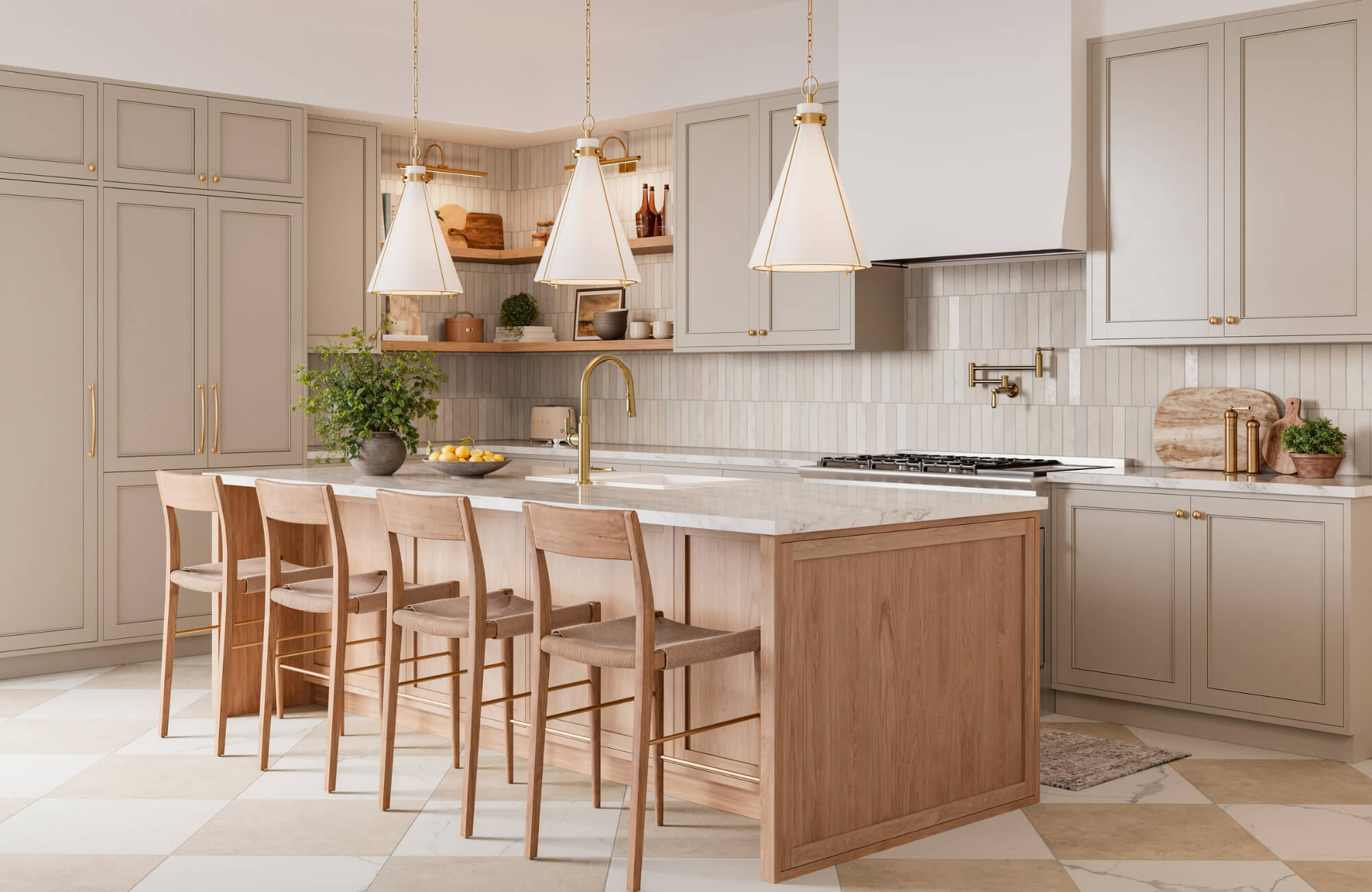
A perfect example of this in practice is Edward Martin’s Fitz Mirror in Antique Silver, which demonstrates the harmony of form and function. As shown in the photo above, its subtle finish complements cool palettes and enhances natural brightness without overpowering the room. In serene, texture-rich environments, it delivers understated sophistication, proof that simplicity can be transformative.
Introducing Organic Form
Finally, round mirrors contribute to a minimalist space’s connection to nature. Styles like Scandinavian and Japandi often draw from organic influences, favoring materials and forms that feel calming and grounded. The mirror’s cornerless, fluid shape reflects natural elements like the sun or water ripples, introducing continuity and softness. When paired with tactile finishes such as raw wood, linen, or brushed brass, it adds a nature-inspired warmth, even in more industrial or urban interiors.

Choosing the Right Round Mirror for Your Minimalist Home
Choosing the right round mirror for a minimalist home isn’t just about what looks good, it’s about what fits seamlessly into the space, both visually and practically. From proportion to placement, every detail contributes to maintaining balance and intentionality.
Size and Scale Considerations
Scale is essential in minimalist design, where fewer pieces mean greater visual impact. Oversized mirrors can act as bold focal points, expanding space and anchoring walls, particularly in open-concept layouts or entryways. On the other hand, smaller mirrors are better suited as subtle accents in compact areas like powder rooms or narrow hallways. A mirror’s diameter should also complement its surroundings; for instance, one placed above a console should not exceed the console’s width but should still maintain central alignment and proportion.
A strong example of this balance is Edward Martin’s Esmeralda Round Mirror in Iron Matte Black, which measures 47 inches in diameter. As displayed in the picture above, its slender profile and matte finish create a commanding presence without overwhelming the room, bringing scale, symmetry, and visual clarity into perfect alignment.
Frame Materials and Finishes
Beyond size, material choice is key to how a mirror integrates with a minimalist space. A mirror’s frame should echo the material story of the room. Matte black, brushed brass, and powder-coated metals offer modern restraint, while light woods like oak or ash introduce warmth, particularly in Scandinavian or Japandi styles, where natural textures and tonal simplicity are key. For an even more refined aesthetic, frameless or ultra-thin bezels deliver a barely-there appearance. Conversely, ornate detailing or glossy finishes tend to disrupt the clean lines and quiet coherence minimalism requires.
Placement Strategies for Impact
Equally important to materials is mirror placement. A round mirror positioned opposite a window can reflect and redistribute natural light, helping to brighten the room and create a greater sense of openness. In narrower spaces, placing the mirror at eye level enhances depth and avoids unnecessary visual weight. Whether it's mounted above a mantel, vanity, or console, a mirror should align with architectural features to maintain symmetry and rhythm. Height and positioning are key, small misalignments can subtly disrupt a minimalist space’s visual harmony.
Mirror Types and Features
Functionality should also align with aesthetics. Minimalist design doesn’t exclude features, it elevates them through integration. Mirrors with anti-fog coatings and built-in LED lighting are ideal for bathrooms and vanity areas, offering clean, shadow-free illumination. Smart mirrors with dimming functions or touch controls enhance usability without disrupting the room’s simplicity. Pivoting frames add flexibility, while safety-backed or shatter-resistant glass is essential in busy or family-friendly environments. The key is subtlety; technology should support the design, not compete with it.
To help guide your choices with confidence, Edward Martin’s design consultation service offers tailored support, from one-on-one sessions with a designer to personalized recommendations and follow-ups. Whether selecting the perfect mirror, refining tile selections, or layering texture through rugs and furniture, our expert guidance ensures your space remains cohesive and true to minimalist principles.

Integrating Round Mirrors into Specific Minimalist Rooms
While round mirrors are inherently versatile, their true design potential is unlocked when styled with intention for each room. By considering the unique rhythm, purpose, and spatial constraints of different areas in the home, you can integrate mirrors in ways that feel both cohesive and impactful.
Living Room Applications
In particular, minimalist living rooms, where clarity and restraint guide the layout, benefit from round mirrors as both sculptural centerpieces and visual amplifiers. Positioned above a console, sideboard, or mantel, it introduces soft contrast to the room’s linear elements. When placed near a window or key seating area, it also reflects light and interior moments, creating layered brightness and depth. In addition, frameless or thin metal-framed mirrors in matte finishes work best with understated furnishings and monochromatic palettes, reinforcing a cohesive, uncluttered aesthetic that highlights subtle shifts in tone and texture.
Bedroom Enhancements
Moving into the bedroom, minimalist spaces prioritize calm and balance, making round mirrors an ideal accent. Mounted above a dresser or floating vanity, a mid-sized mirror offers function without disrupting the room’s serenity. Its curved form contrasts gently with the sharper angles of beds and cabinetry, while options with LED backlighting can add soft illumination. Moreover, in smaller layouts, placing a mirror near a window enhances light and openness. Material choices like light oak or brushed nickel align well with Scandinavian, Japandi, or modern minimalist schemes, adding both texture and warmth.
Bathroom Design Ideas
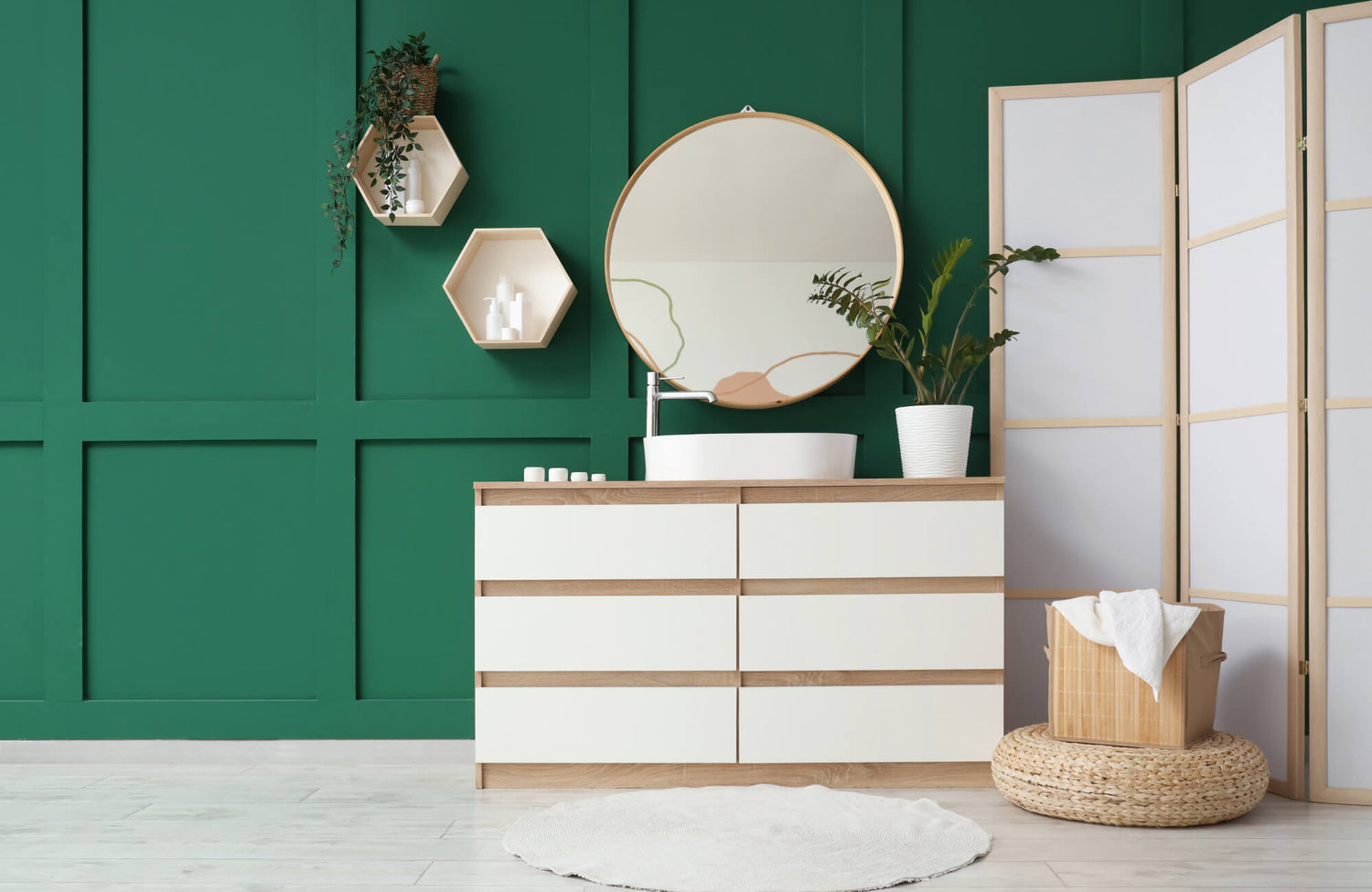
In bathrooms, where clarity and efficiency are paramount, round mirrors excel at softening rigid surfaces and enhancing spatial fluidity. Whether above a pedestal or wall-mounted sink, they contribute to a clean visual flow. Frameless or LED-integrated styles also offer sleek, functional solutions, while pivot designs in matte finishes provide flexibility and style. Especially in powder rooms, a single, well-placed mirror can become a subtle focal point. Regardless of placement, moisture-resistant finishes and safety-glass construction are essential to maintain both longevity and safety.
One standout example is Edward Martin’s Fitz Mirror in Antiqued Iron. With its subtly weathered frame and compact profile, as featured in the photo above, it adds depth and character to a minimalist bath without overwhelming the space, striking the perfect balance between precision and personality.
Entryway and Hallway Solutions
Transitioning to more compact areas, entryways and hallways benefit greatly from the strategic use of round mirrors. In narrow or transitional zones, mirrors help establish visual rhythm while enhancing light and perceived space. Placed near the entrance, they also offer function and a first impression aligned with minimalist design. Above a slim console, a mirror anchors the vignette without adding bulk. In longer corridors, evenly spaced mirrors can elongate the space and reflect curated elements like artwork or lighting. To maintain spatial clarity, opt for frameless or low-profile options that preserve open sightlines and encourage a clean, continuous flow.
Elevating Minimalist Spaces with Round Mirrors
Round mirrors offer more than decorative appeal, they bring clarity, balance, and purpose to minimalist interiors. Their curved silhouette introduces subtle contrast to clean-lined spaces, while finishes like matte metal, natural wood, or frameless glass uphold the design discipline of simplicity and restraint. As a result, round mirrors continue to serve as quiet yet powerful tools in shaping intentional, light-filled environments.
For those refining their spaces with care, Edward Martin offers a curated selection that reflects both modern sensibility and timeless design values. If you have questions or need guidance, contact Edward Martin for thoughtful, design-forward recommendations tailored to your space, vision, and lifestyle!